
- Understand key concepts related to dental X-ray safety
- Learn what to expect during a dental X-ray procedure
- Identify risks and limitations associated with dental X-rays
- Review the dental X-ray radiation dose chart
- Explore dental X-ray safety considerations for pregnant patients
- Compare dental X-ray radiation exposure to cell phone usage
- Discover practical home care tips for maintaining dental health
Key Concepts Explained
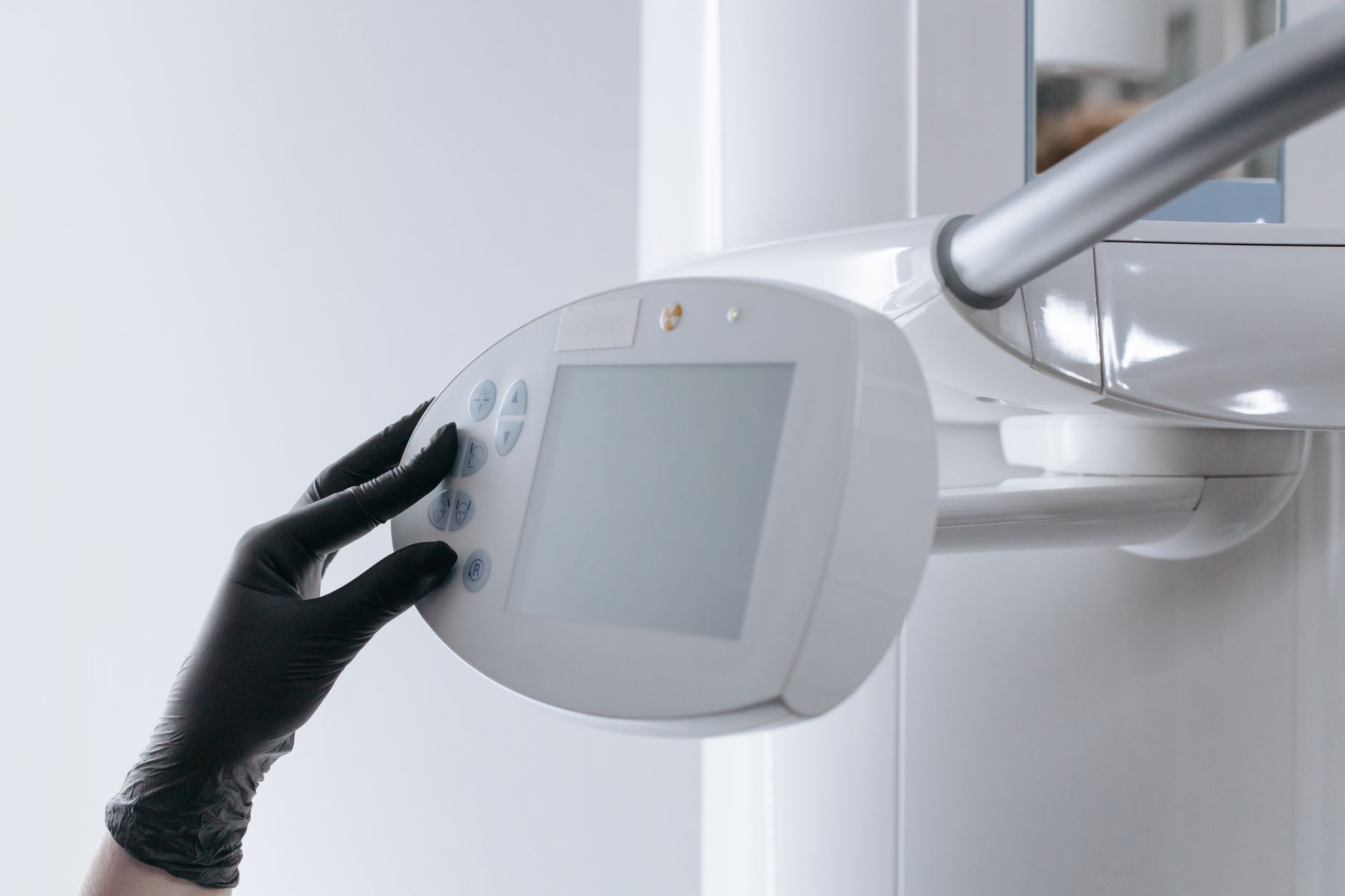
It’s normal to have questions about dental x ray safety before your appointment. In our Glendale practice, we find that many patients are curious about how dental x-rays work, and some feel concerned about the amount of radiation used. Today’s dental x-rays are fast, highly focused, and use much lower doses than most people expect. More importantly, these imaging tools are vital for spotting hidden dental problems early, like cavities between teeth, bone loss, or infections that may not cause pain right away.
Many patients walk in wondering whether dental x-rays are truly necessary if nothing in their mouth hurts. The reality is, some problems begin below the surface[2] and cannot be seen with the naked eye. By using dental x-rays as part of thorough dental exams, we can spot trouble before it becomes painful or severe. This approach can save teeth, prevent bigger treatments in the future, and protect your overall health.
How Modern Dentistry Keeps X-Rays Safe
Today’s dental offices use digital x-ray systems, which dramatically reduce the radiation dose compared to older film methods. These newer machines focus the beam on only the area that needs images, meaning the rest of your face and body are not exposed. Dental teams carefully decide how often x-rays are needed based on your age, medical history, and individual risks. We never take x-rays as a blanket rule at every visit; each image is only taken when it helps guide your care. Current dental guidelines no longer recommend routine shielding with lead aprons or thyroid collars, including for children and during pregnancy, because modern digital sensors and precise beam restriction already keep radiation tightly focused on the area being imaged. Safety comes from choosing the right image, limiting the beam to what is needed, and avoiding repeat exposures, following the ALARA principle of using the lowest dose that still gives a clear result. If you have questions about how this applies to you, your dental team is always happy to explain during your appointment.
Understanding dental x ray safety is about weighing the tiny exposure against the big benefits of finding dental problems early. If you have medical conditions, recent treatments like All-on-6 dental implants, or personal concerns about radiation, do not hesitate to bring them up. Our goal is for every patient to feel informed and comfortable every step of the way.
What to Expect During a Dental X-Ray

During your dental visit, your care team may recommend a dental x-ray as part of your regular checkup or to evaluate a specific concern. Many patients wonder about dental x ray safety, and today’s digital technology makes the process safer and more comfortable than it was even a decade ago. Your dental team always considers if an x-ray is truly needed, and uses the lowest exposure possible to get clear images[4]. Every image helps your dentist spot problems early, from tiny cavities to signs of bone loss or infection that a visual exam might miss.
For most patients, a dental x-ray begins with a simple explanation. The team will describe why the x-ray is needed and answer any questions you have. They place a small sensor or film in your mouth. You may be asked to gently bite down for a few seconds while the image is taken. Modern x-ray equipment is designed to limit exposure and only capture the area of interest, using digital sensors and beam collimation rather than shielding to keep the dose low. Current guidance, including for children, no longer recommends routine use of lead aprons or thyroid collars during dental x-rays. This reflects updated evidence-based practice: beam restriction and digital sensors already keep radiation tightly focused on the area being imaged, without a separate shield.[3] If you have any questions about how your x-ray will be taken, your dental team will be glad to walk you through it.
Types of Dental X-Rays and How the Process Feels
There are several common types of dental x-rays, each showing a different view of your mouth:
- Bitewing x-rays show the crown area of your back teeth. These are often taken during dental exams to check for decay between teeth and monitor existing fillings.
- Periapical x-rays give a complete look at one or two teeth from crown to root. These help identify tooth infections, root problems, or changes in bone around a tooth.
- Panoramic x-rays provide a wide image of your entire jaw, including wisdom teeth and jaw joints. These are helpful for treatment planning and for evaluating changes in the mouth over time.
The x-ray process is fast, with most images finished in seconds. You shouldn’t feel pain or discomfort. If you are ever nervous or have questions about dental x ray safety, do not hesitate to ask your provider. Open, honest communication can make your visit much more relaxing.
Risks and Limitations

Dental x ray safety is a top concern for both patients and dental teams. While X-rays are a valuable tool[5], they do come with some risk. The amount of radiation you get from one dental X-ray is very low. New digital machines use even less. Still, your dental team will only take X-rays when they are truly needed. This helps keep your exposure as low as possible.
Most healthy adults need dental X-rays just once every year or two. Your dentist may recommend them more often if you have a high risk for tooth decay or gum disease. Kids or teens with developing teeth may also need them more often. The team will talk with you about your personal history and why an X-ray makes sense. If you have questions, do not be afraid to ask. You have the right to understand how often you need X-rays and why.
Balancing Benefits and Limits
It’s wise to know the limits of what dental X-rays can show. These images are great at finding early tooth decay. They can spot bone loss or problems below the gum line. Still, not all dental issues show up on X-rays. Some early gum problems, for example, may only be spotted with a careful dental exam. X-rays also can’t catch mouth sores or soft tissue changes unless the dentist is looking closely in person.
Dental x ray safety also means thinking about who should get them. Pregnant patients or those with certain health conditions may need the dose limited even further. Current guidance does not recommend routine shielding for any patient group, but your dental team will take the steps that are right for your specific situation, such as limiting the beam and choosing the right image. Always let your dental team know if your health or needs have changed. This helps them plan safe care for you.
In short, dental X-rays are safe for most people when used carefully. Clear communication about risks, benefits, and timing is vital to your care. If you have worries about any part of the process, ask your dentist to explain. Good care means answering your questions and putting your mind at ease.
Interested in Dental Exams?
Ready to learn more about Dental Exams at Smile Science? Schedule a consultation with our team today.
Dental X-Ray Radiation Dose Chart
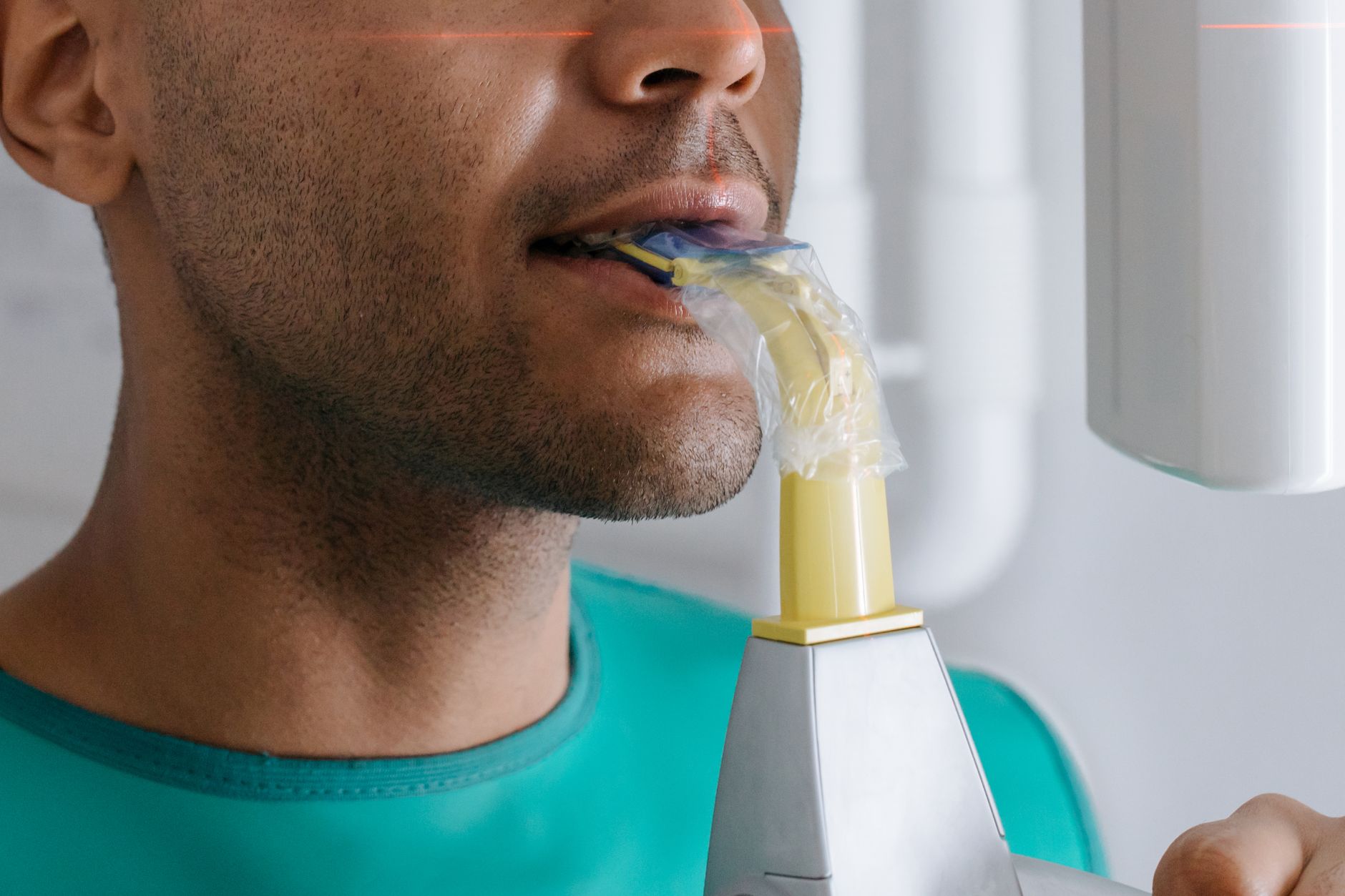
Dental x rays use a very low dose of radiation to create clear pictures of teeth and bone. Most dental x rays expose you to far less radiation than many other types of medical images. It helps to see the numbers side by side.
Comparing Dental X Ray Dose to Other Sources
- 1 dental bitewing x ray: about 0.005 millisieverts (mSv)
- 1 dental panoramic x ray: about 0.010 mSv
- Annual background radiation: our bodies absorb about 3.0 mSv per year from nature
- Chest x ray: about 0.100 mSv
- CT scan (head): about 2.0 mSv
Most patients get 2 to 4 bitewing x rays at a typical dental exam. This total is still very low compared to what we meet in our daily life. Dental offices use careful steps to keep your radiation dose even lower. The dental team chooses the type and number of x rays based on your health and needs. This is part of a plan called “as low as reasonably achievable” or ALARA for short. It means using the least radiation for the best result. Your dentist weighs the need and timing of every x-ray individually, always aiming to use the fewest images at the lowest dose for each patient. Newer digital sensors use less radiation than old films but give very clear images for your care. Many steps are designed to protect you and help dental x ray safety. If you have questions about dental x ray safety or want more details, always ask during your visit.[1]
While very rare, repeated radiation over time can add up. But the risk from normal dental x rays is tiny, especially when up-to-date tools and strict guidelines are used. If you are worried or have a medical condition, share this with your dental team. This way, your dental care can be planned with your health in mind at every step.
Dental X-Ray Safety for Pregnant Patients
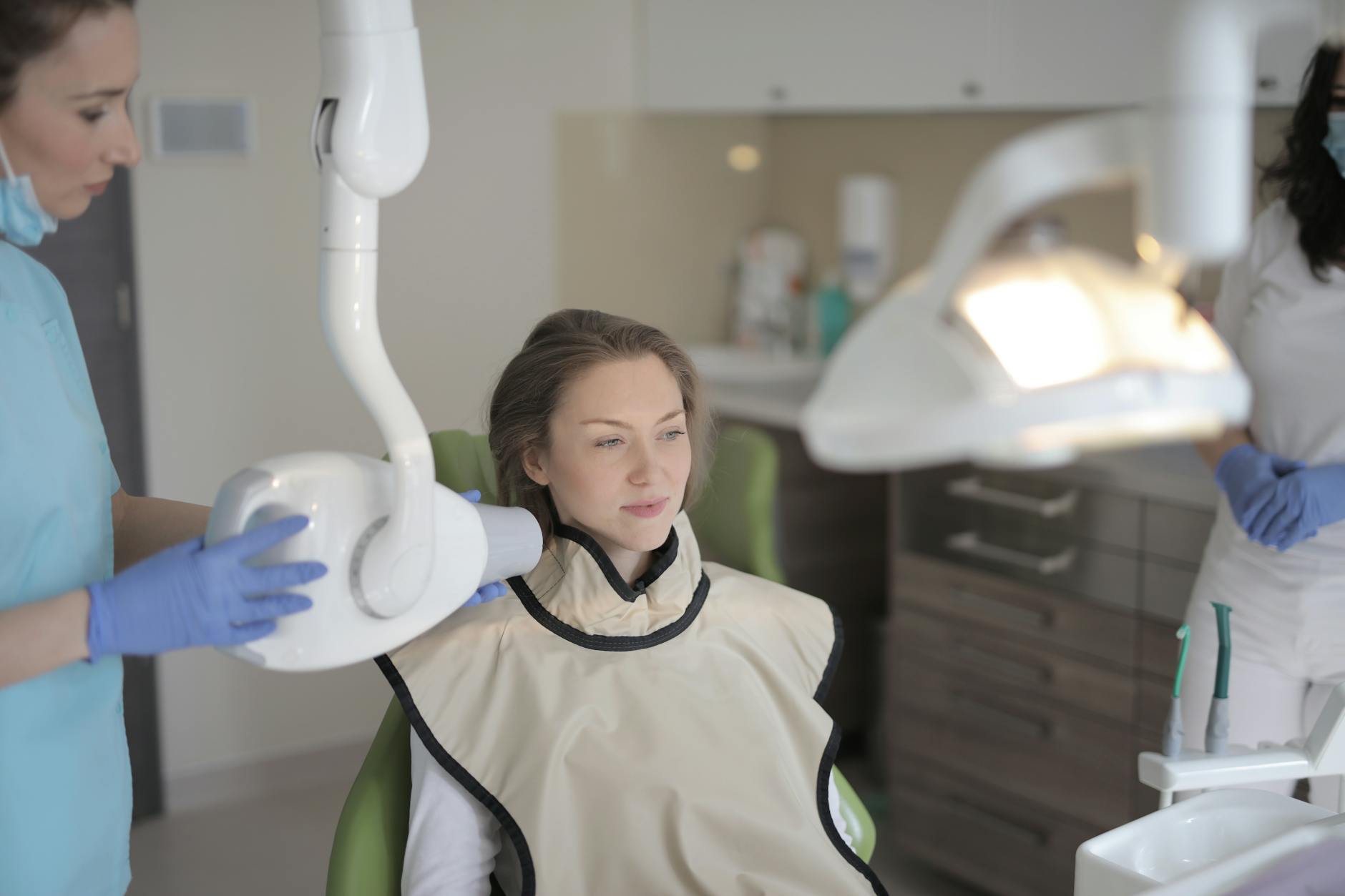
Many people worry about dental x ray safety during pregnancy. Good news: dental x-rays can be safely performed while you are pregnant, if they are needed. Today’s dental x-rays use very low doses of radiation. Dentists only order them when it is truly needed to check for problems or plan treatment. Skipping dental care during pregnancy can actually lead to bigger risks, like tooth infections or gum disease, which can affect both you and your baby.
Dentists work hard to protect your health if you are expecting. Before any x-ray, be sure to tell your dental team you are pregnant or think you might be. They will confirm the x-ray is truly necessary and use the lowest-dose option that still gives a clear image. Often, simple exams like dental exams and routine cleanings do not need x-rays at all. But if you have pain, an infection, or a dental emergency, your provider may need to see what is happening below the surface.
Modern Techniques to Minimize Exposure
Modern dental x-ray machines are very careful about how much radiation they use. Most offices have switched to digital sensors, which need much less radiation than older film. This improves dental x ray safety for every patient, including those who are pregnant. The dental team lines up the beam so that only the area being checked is in the path, and repeat images are avoided unless absolutely necessary. Current guidance no longer recommends routine shielding with a lead apron or thyroid collar, even during pregnancy, because these modern imaging techniques already keep the dose tightly focused and minimal. Your dental team can talk with you about what is right for your specific situation.
Remember, untreated mouth problems can be more dangerous than the tiny risk from a needed x-ray. Regular dental exams help catch cavities and gum disease before they can cause pain or harm. If you have concerns about dental x ray safety during pregnancy, ask your dentist to explain the options. Open talk with your dental team can help you make the best choice for both you and your baby.
How Many Dental X-Rays Are Safe?
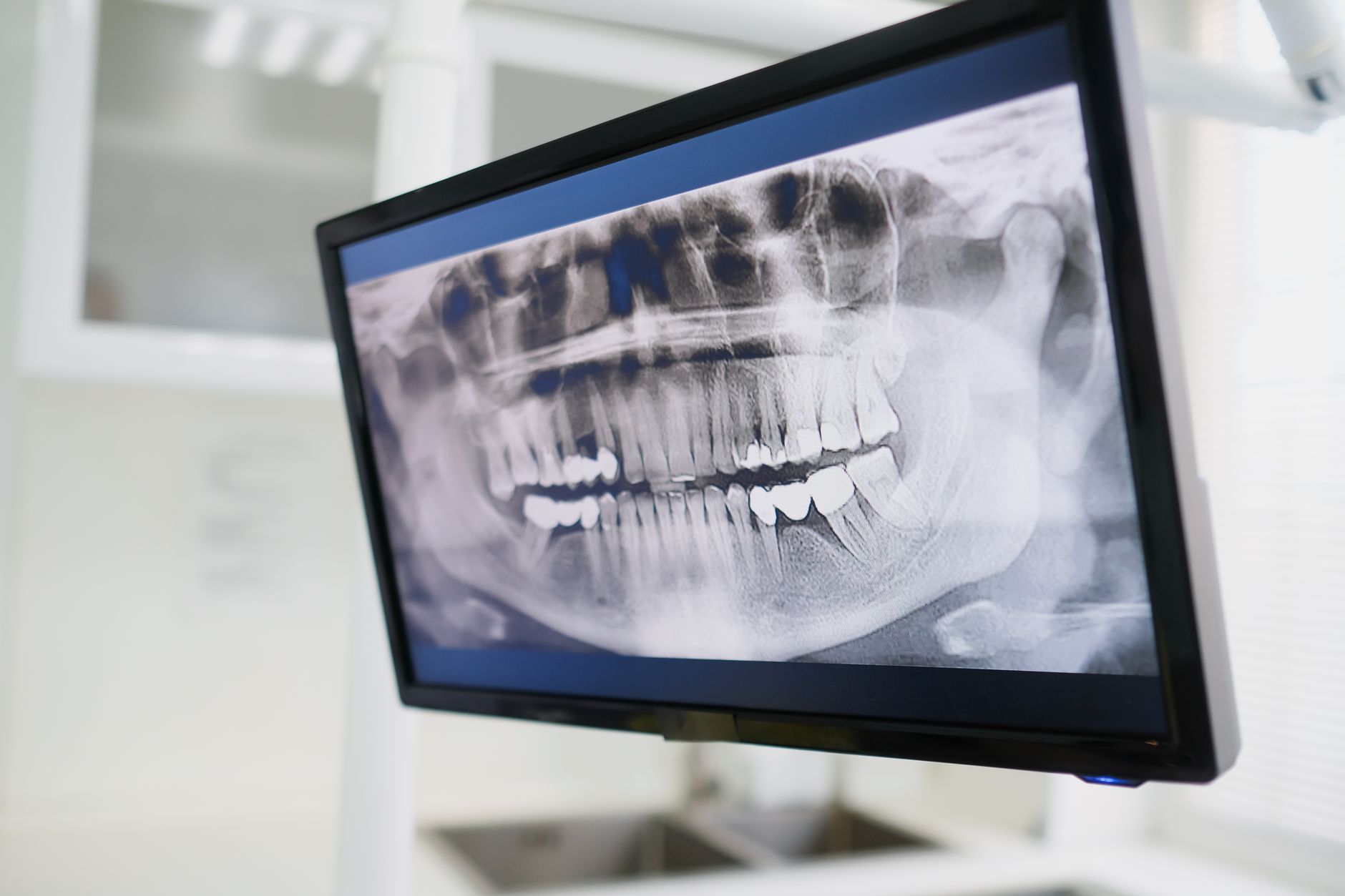
Everyone wants to know: how many dental x-rays are safe? The answer depends on your needs, your health history, and what your dentist is looking for. Dental x ray safety starts with using images only when they help with diagnosis. Most people get one set of bitewing x-rays a year, or every couple of years. This is standard for healthy adults who get regular dental exams. Some children or people with a higher risk of tooth decay or gum disease may need them more often. For others, your dentist may wait longer between x-rays, especially if your mouth stays healthy. Every case is different.
Today’s dental x-rays use low radiation. Modern digital machines cut exposure to a small fraction of what older film systems used. Dentists follow national rules set by dental and health groups to limit the number of images you receive. With dental x ray safety in mind, each x-ray is chosen for a reason. Your dentist weighs the benefit of the image against the small risk from radiation. Most adults get only a few dental x-rays a year. This level is considered safe by experts, even with annual exams over many years.
Personal Factors and Tracking Your X-Rays
Your personal health history plays a key role. If you have a history of mouth sores, lots of fillings, or past dental problems, your dentist may suggest x-rays more often. For healthy children, x-rays are timed to avoid unnecessary exposure and follow growth needs. Your dental office keeps a record of your past x-rays. This helps avoid repeating them too soon. If you visit several dentists in a year for emergency dental care or checkups, let your care team know about any recent x-rays elsewhere. You can also ask to transfer those images, saving time and limiting the total number of x-rays you need.
It is normal to have questions about dental x ray safety, especially if you need frequent exams or more complex dental work. Always talk with your dentist about your needs and concerns. They will help you find the safest schedule. The goal is always your health, using the fewest x-rays needed to protect your smile.
Comparing Dental X-Ray Radiation to Cell Phones
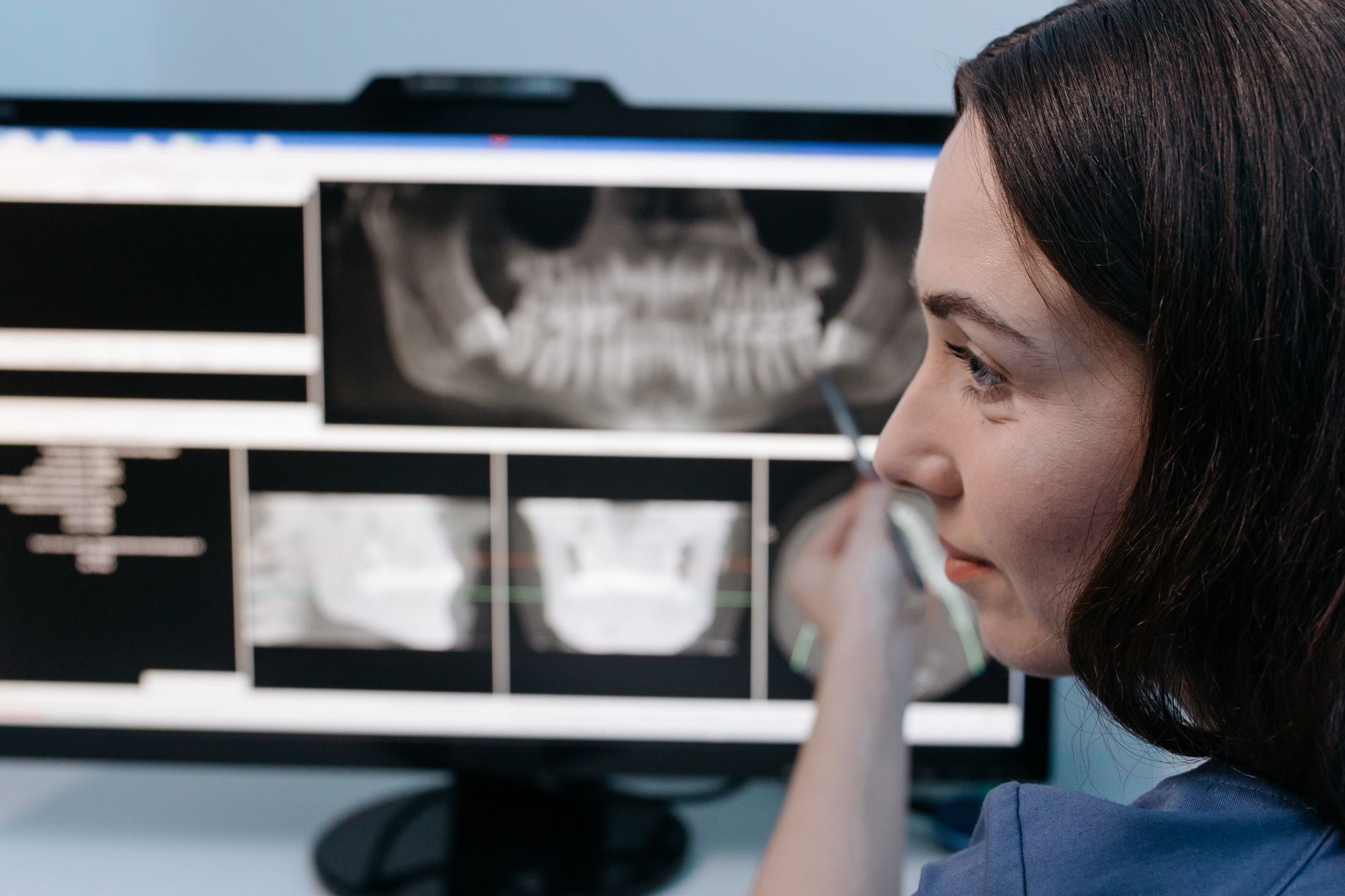
Many people wonder if dental x-rays are as safe as using their cell phones. The truth is, these two sources of radiation are different, but both are designed with your safety in mind. Dental x-rays use a very low level of radiation, much lower than many other types of medical imaging. Cell phones give off non-ionizing radiation, which is not the type that can change cells in your body. Dental x-rays use ionizing radiation, but in amounts so small that experts consider them safe for most people during routine care, such as dental exams.
Dentists take special care to limit your exposure. Modern digital x-ray systems need very little radiation to produce a clear image. They also target only the small area being checked, not your whole mouth or body. Your dental team reviews your health and recommends x-rays only when needed. This careful approach follows strict rules to protect your health and meet dental x ray safety guidelines.
Everyday Exposure: Perspective and Reassurance
When comparing dental x-rays to daily cell phone use, it helps to understand just how small the dose is. For example, a single dental x-ray gives less radiation than what most people get from natural background sources in a day. Cell phones do not use the same kind of radiation, so the risk is different. Current research shows dental x-rays, when needed for treatment or to catch a problem early, do not pose a meaningful risk to your health.
Being concerned about radiation is reasonable. Still, experts agree that the health benefits of catching tooth decay early or finding gum disease outweigh the tiny risk from dental x-rays. Your dental team makes every effort to use the lowest amount needed for clear results. If you have more questions about dental x ray safety, ask your dentist how they decide when and how often x-rays are taken. This helps make sure every step fits your needs and keeps your treatment as safe as possible.
Practical Home Care Tips

Good home care is the best way to support the benefits of in-office dental x-ray safety. While x-rays are extremely low in radiation, it is smart to keep your mouth healthy between dental visits. Brushing twice daily with fluoride toothpaste, flossing every day, and using an antimicrobial mouth rinse all help reduce your risk of cavities and gum disease. This makes it less likely you’ll need extra visits or repeated x-rays due to new problems. Many dentists recommend regular dental exams once or twice a year as part of your home dental plan. Sticking with this routine can mean fewer surprises when it is time for x-rays again.
Diet and Habits That Support X-Ray Safety
Your eating and drinking habits also make a real difference. Sugary snacks feed the bacteria that cause cavities, which can increase your risk for issues picked up on x-rays. Try to limit sweets and sip water after meals to wash away leftover food. Chewing crunchy fruits and vegetables also helps clean your teeth naturally. If you smoke or use tobacco, quitting helps reduce the need for frequent x-rays because it lowers your risk for gum and bone problems. Parents can teach kids these habits early, promoting dental x ray safety from the start. For families, learning about topics like children’s dental health tips supports healthy routine care for everyone.
Staying alert to any changes in your mouth is part of good home care. If you spot a new sore, dark spot, or swelling, let your dental team know before your next appointment. Addressing problems quickly can sometimes avoid extra x-rays or more invasive treatments. Practicing these steps keeps your mouth in top condition and reduces how often more imaging is truly needed. Good home habits and smart choices go hand in hand with dental x ray safety for the whole family.
Frequently Asked Questions
How often should dental x-rays be taken?
The frequency of dental x-rays is determined by your dentist based on your individual health needs, dental history, and risk factors. They are not taken at every visit but are recommended when necessary to properly diagnose and monitor dental conditions. Your dentist can provide a specific schedule tailored to your situation.
Are dental x-rays safe for children?
Yes, dental x-rays are safe for children when taken as needed with modern technology. Children, in particular, may require x-rays to monitor the development of their teeth and jaw. Pediatric dental practices use careful, low-dose digital sensors and precise beam restriction to keep exposure to a minimum. Current guidance no longer recommends routine shielding with lead aprons for children, since these modern techniques already limit radiation to the area being imaged.
Can dental x-rays detect all dental problems?
Dental x-rays are a helpful tool for detecting many issues not visible during a visual exam, such as cavities between teeth, bone loss, and infections. However, not all dental problems can be detected with x-rays alone. A complete dental exam, including visual examination and patient history, is essential for comprehensive diagnosis and treatment planning.
What should I expect during a dental x-ray?
During a dental x-ray, a small sensor or film is placed in your mouth, and you’ll be asked to bite down gently for the image to be taken. The process is quick, and you’ll receive guidance from your dental team. Modern x-ray equipment is designed to be efficient and minimize any discomfort.
Do dental x-rays have any side effects?
Dental x-rays are generally considered very safe with today’s technology, which uses minimal radiation. There are no common side effects from the procedure itself. Modern digital sensors and precise beam restriction already keep exposure very low, which is why routine shielding is no longer recommended, even for patients with specific health concerns. If you have concerns, your dental team can explain how your exposure is kept to a minimum.
How can I prepare for a dental x-ray?
There is typically no special preparation needed for a dental x-ray. However, inform your dentist of any medical conditions or concerns you have about radiation exposure beforehand. Your dental team will explain the process and answer any questions you may have to ensure you feel comfortable.
Are lead aprons still used during dental x-rays?
Current dental guidelines no longer recommend routine use of lead aprons or thyroid collars during dental x-rays. Modern digital sensors and precise beam restriction already keep scattered radiation to a very low level, so a separate shield is not needed to make the exposure safe. If you have specific health considerations or questions about your x-ray, your dental team can explain how your care is planned.
References
- PubMedOptimizing radiation safety in dentistry: Clinical recommendations and regulatory considerations
- PubMedA comprehensive review of the literature on the biological effects from dental X-ray exposures
- PubMedFrequency of Dental X-ray Diagnostics in Children and Adolescents: What Is the Radiation Exposure?
- PubMedAre dental x-rays safe? Content analysis of English and Chinese YouTube videos
- PubMedAssociated risks with periodontal x-rays or CBCT scans: Are there any?
Ready for a Healthier Smile?
Our team at Smile Science Dental Spa in Glendale, AZ is here to help. Schedule a consultation to explore your options.
You Might Also Like
Understanding Dental X-Ray Safety for Patients
Learn about dental x-ray safety, essential for understanding risks and benefits, as you prioritize oral health at Smile…
Read Article
Dental Veneers: The Pros, Cons, and Surprising Realities
Reviewed by Kristopher Turke, DMD — Cosmetic and Restorative Dentist, Smile Science Dental Spa What Are Dental Veneers?…
Read Article
Understanding the Differences Between Regular and Deep Dental Cleanings
Reviewed by Richard Dawson, DMD — Full-Arch Implant Dentist, ICOI Fellow, Smile Science Dental Spa The Importance of…
Read Article