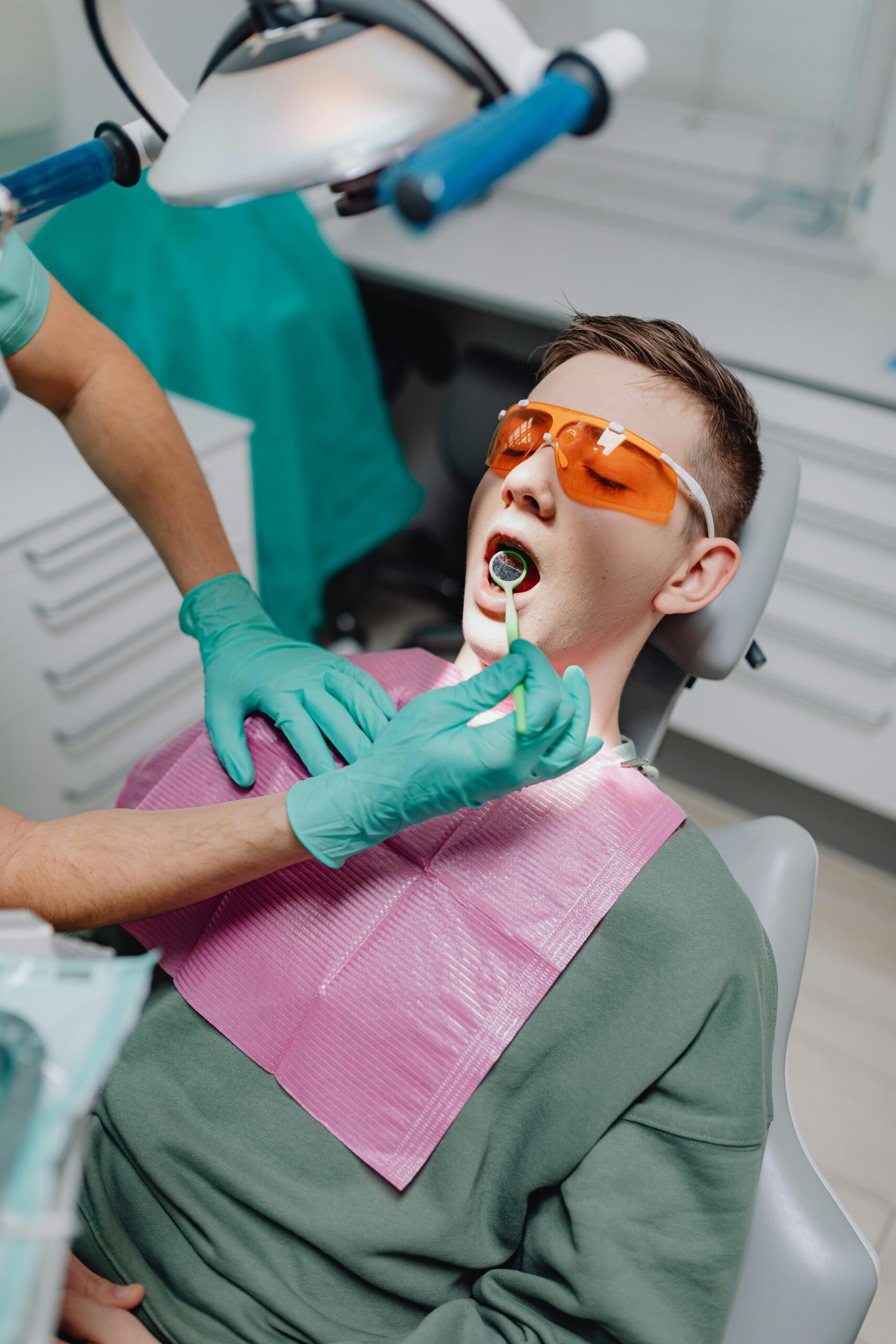
A professional cleaning at Smile Science Dental Spa removes plaque and tartar your toothbrush cannot reach, protecting your gums and keeping your smile healthy between exams.
Routine & Deep CleaningsProphylaxis, SRP, and perio maintenance
Advanced TechnologyCBCT 3D imaging, PlanMeca digital lab
All Ages WelcomeFrom first visits to full-arch implants
Which Type of Cleaning Do You Need?
Not every dental cleaning is the same. The type you receive depends on the health of your gums, not simply on how long it has been since your last visit. Here is what each cleaning involves and who it is designed for.
Standard Prophylaxis
The routine cleaning most healthy patients receive. Removes plaque and tartar above the gumline and in shallow gum pockets. Performed every six months for patients with healthy gums or mild gingivitis.
If you do not have insurance, your fee is confirmed before treatment. Most insurance plans cover this at 100% twice yearly.
Scaling and Root Planing (Deep Cleaning)
A therapeutic procedure for patients with active periodontal disease. Removes bacterial deposits from deep gum pockets and smooths root surfaces so tissue can reattach. Done by quadrant with local anesthesia over one or two visits.
Your fee per quadrant is confirmed in your individual treatment plan.
Periodontal Maintenance
After completing a deep cleaning, patients with a history of periodontal disease transition to maintenance visits every three to four months rather than six. These cleanings monitor pocket depths and remove new deposits before disease reactivates.
Who needs it: Anyone who has completed scaling and root planing treatment.
How we determine which cleaning you need
Our hygienist performs a full periodontal chart at your visit, measuring the depth of the space between each tooth and the surrounding gum tissue. Combined with your X-rays and clinical findings, these measurements tell us exactly which type of cleaning will serve you best. We always explain our recommendation before proceeding.
What Happens During a Cleaning
Here is exactly what to expect at a routine prophylaxis appointment at Smile Science.
1
Medical History Review
We review any changes to your health, medications, or dental concerns since your last visit. Certain medications and systemic conditions affect gum health and guide our clinical decisions.
2
Periodontal Charting
Our hygienist measures the pocket depth at six points around each tooth. Healthy pockets measure 1, 3 mm. Readings of 4 mm or more signal gum disease and inform the treatment plan.
3
Scaling (Tartar Removal)
Using hand instruments and an ultrasonic scaler, we remove calculus (hardened tartar) from all tooth surfaces, including just below the gumline. Brushing alone cannot remove calculus once it has formed, only professional instruments can.
4
Polishing
A low-abrasion polishing paste removes surface stains from coffee, tea, and red wine, and smooths enamel to make it more resistant to future plaque buildup. This is what gives your teeth that clean, fresh feeling after a visit.
5
Flossing
Professional flossing clears debris from the contacts between teeth and ensures we reach areas the scaler may not access as thoroughly.
6
Fluoride Treatment (Optional)
A fluoride varnish or gel may be applied at the end of your visit, particularly if you have sensitivity, early enamel erosion, a higher cavity risk, or dry mouth. See the section below on why adults benefit from fluoride too.
7
Findings Review and Home Care Coaching
We walk you through what we observed, flag anything that warrants attention, and give you specific recommendations for brushing technique, flossing, and any products that would benefit your particular situation.
Why Every Six Months?
Plaque is a soft bacterial film that forms on your teeth continuously. Left undisturbed, it begins to harden into calculus (tartar) within 24, 72 hours, and once it hardens, no amount of brushing or flossing will remove it. Only professional instruments can break it away from the tooth surface.
Six months is the interval at which tartar accumulation is still manageable with a standard prophylaxis cleaning. Waiting longer allows deposits to build up in deeper pockets, which then require more intensive treatment. It is not a rule invented by the dental industry, it reflects how quickly calculus forms and how long a typical healthy mouth can go before deposits become problematic.
The hygiene appointment also serves a second, equally important purpose: early detection. At every cleaning we screen for cavities, oral cancer, gum changes, cracked teeth, bite problems, and changes in existing restorations. Catching any of these early nearly always results in a simpler, less expensive, and more comfortable solution.
What your cleaning appointment catches early
Cavities between teeth (not visible without X-rays)
Early gum disease before bone loss occurs
Oral cancer (soft tissue changes)
Cracked teeth before they split
Failing fillings or crown margins
Signs of acid erosion or grinding
Gum Health and Your Overall Health
Research increasingly supports a connection between periodontal inflammation and systemic health. Studies have found associations between chronic gum disease and elevated cardiovascular disease risk, though the exact mechanism continues to be investigated. Clinical research has also linked active periodontitis to poorer glycemic control in patients with diabetes, and gum disease has been associated with adverse pregnancy outcomes including preterm birth and low birth weight.
These findings are not a reason for alarm, they are a reason to take preventive care seriously. Smile Science treats oral conditions, not systemic disease, but we believe a healthy mouth is part of a healthy body. Keeping your gums in good health is one of the most straightforward preventive steps you can take.
Research in this area is active and ongoing. The associations described above are based on published clinical studies. We do not diagnose or treat cardiovascular disease, diabetes, or pregnancy complications.
What We Check at Every Cleaning Appointment
Oral Cancer Screening
Your doctor examines the soft tissues of your mouth, throat, and lips at every comprehensive exam. Oral cancer is highly treatable when caught early, but symptoms are often painless at first.
Periodontal Assessment
We measure the depth of the space between your gums and teeth at regular intervals. Changes in pocket depth are the earliest reliable indicator of gum disease progression.
Bite and Wear Evaluation
Uneven wear patterns can signal grinding, bite problems, or acid erosion. Identifying these early allows us to recommend protective measures before significant damage occurs.
Cavity Detection
Digital X-rays (taken at recommended intervals, not at every visit) allow us to detect decay between teeth and under existing restorations before it is visible to the naked eye.
Existing Restoration Review
We check the margins and integrity of existing crowns, fillings, bridges, and implant restorations at every visit to catch any that need attention before they fail.
Personalized Home Care Coaching
Our hygienists review your brushing and flossing technique and recommend adjustments to your home care routine based on what they find at your cleaning.
Fluoride Treatment, Not Just for Kids
Many adults assume fluoride treatments are only relevant for children. That is a common misconception. Adults benefit from in-office fluoride varnish in several situations: recession exposing root surfaces (which are softer and more decay-prone than enamel), dry mouth caused by medications, acid reflux, or Sjogren's syndrome, a history of frequent cavities, sensitivity to temperature, and early enamel erosion from dietary acids.
Professional fluoride varnish delivers a far higher concentration to the tooth surface than any toothpaste or rinse can achieve at home, and it stays in contact with the enamel for hours after application. The treatment takes under two minutes and has no downside for most patients.
We recommend fluoride treatment selectively, not automatically for every patient, based on your individual cavity risk and clinical findings. If it makes sense for you, we will tell you why.
Dental Anxiety Preventing Your Cleanings?
Dental anxiety is one of the most common reasons patients delay or avoid cleanings entirely, which tends to make the eventual appointment more involved, and anxiety-provoking. It becomes a cycle that is hard to break.
At Smile Science, we offer oral conscious sedation for patients who have been avoiding dental care due to anxiety. With oral sedation, you take a prescription medication before your appointment and arrive in a relaxed, drowsy state. You remain conscious and cooperative, but most patients remember little of the procedure and feel calm throughout.
If anxiety has been keeping you from getting regular cleanings, this may be the option that changes that.
Nitrous oxide mild, fast-acting, wears off within minutes after removal
Oral conscious sedation prescription medication taken before your visit; deeply relaxing
IV sedation administered on-site by a board-certified dentist anesthesiologist for complex cases or severe anxiety
What Does a Teeth Cleaning Cost in Glendale, AZ?
Cleaning costs vary based on the type of cleaning needed and whether you have dental insurance. The estimates below are general ranges for the Glendale, AZ market, your actual treatment plan will include specific fees before any work begins.
Routine Cleaning (Prophylaxis)
Without insurance (estimate)
With most PPO insurance: Covered at 100% twice per year. No out-of-pocket cost for most patients with active coverage.
Deep Cleaning (Scaling and Root Planing)
Estimate; treatment involves 1, 4 quadrants
Insurance typically covers a portion. Financing is available. Ask about our payment options.
No insurance? Essential Care: $199 per year. 20% off other treatment. Gum Care: $399 per year. 20% off other treatment, including the deep cleaning. Essential Care: Add an Adult: $149 per year. 20% off other treatment. Add a Child: $99 per year. 20% off other treatment. With a parent on Essential Care or Gum Care. Gum Care: Second Member: $349 per year. 20% off other treatment. A second Gum Care member in the household. The 20% member discount doesn't apply to orthodontics, Invisalign, sedation, our packaged fees (implant, root canal, All-on-X and denture packages) or the $99 new-patient special, and doesn't combine with other offers. Membership is not insurance. After your exam we'll recommend Essential if your gums are healthy, or Gum Care if you need treatment for gum disease.
Your fee is quoted in writing at your consultation, before any treatment.
Signs You May Be Overdue for a Cleaning
Most people do not feel calculus buildup or early gum disease. These signs can point to a cleaning that is overdue, even if you have no pain.
Gums that bleed when you brush or floss
Visible tartar (yellowish or brown buildup near gumline)
Persistent bad breath that brushing does not resolve
Gums that look swollen, red, or receding
Sensitivity to hot or cold that was not present before
It has been longer than 12 months since your last visit
Any of these alone is a reason to schedule. Several at once suggests it is time to be seen promptly.
Walk through the same questions a dentist asks during a periodontal exam, bleeding, recession, mobility, bone loss on X-ray, risk factors. We’ll compare your answers to the five AAP stages of gum disease and tell you when to be seen.
9questions
~2minutes
5AAP stages
In-househygienist
AAP 2018 staging criteria · No login
Not a diagnosis. Only a dentist can stage gum disease using probing depths, bone levels on X-ray, and a clinical exam. If you have pain, pus, loose teeth, or facial swelling, call (480) 530-3663 now.
Reference
The five AAP stages of gum disease
The 2018 AAP classification replaces "mild/moderate/severe" with four numbered stages plus gingivitis. Each stage is defined by clinical attachment loss, bone levels on X-ray, and tooth mobility. The stage-defining signs are on the left; the description and standard treatment are on the right.
01 / 05
Stage-defining signs
Gums bleed occasionally when brushing or flossing
Gums look red, puffy, or tender
No bone loss on X-ray
No measurable attachment loss
Gingivitis
Inflammation limited to the gum tissue with no damage to the underlying bone. Fully reversible with a professional cleaning and improved home care. The most common form of gum disease.
Mild but measurable bone loss (1 to 2 mm attachment loss). Not reversible, but highly controllable with scaling and root planing followed by regular maintenance.
Moderate bone and attachment loss (3 to 4 mm). Requires deeper cleaning (scaling and root planing) and close monitoring. Without treatment, progression to Stage III is likely.
Severe bone loss (5 mm or more) with tooth mobility and potential tooth loss. Requires active periodontal therapy, often including surgical intervention. Tooth preservation is the goal, but some teeth may not be salvageable.
The most advanced stage: extensive bone loss with masticatory dysfunction (difficulty chewing). Full-mouth rehabilitation combining periodontal surgery, implants, and prosthetic reconstruction is often required.
Most adults with healthy gums benefit from a prophylaxis cleaning every six months. If you have a history of gum disease, a higher cavity risk, dry mouth, or certain systemic conditions, we may recommend cleaning every three to four months. The right interval is a clinical recommendation, not a universal rule, and we will advise the best schedule for you based on your periodontal health.
Does dental insurance cover teeth cleanings?
Most PPO dental insurance plans cover two routine prophylaxis cleanings per year at 100%, meaning no out-of-pocket cost for you. Deep cleanings (scaling and root planing) are typically covered at a lower percentage, often 50, 80% after your deductible. Essential Care: $199 per year. 20% off other treatment. Gum Care: $399 per year. 20% off other treatment, including the deep cleaning. Essential Care: Add an Adult: $149 per year. 20% off other treatment. Add a Child: $99 per year. 20% off other treatment. With a parent on Essential Care or Gum Care. Gum Care: Second Member: $349 per year. 20% off other treatment. A second Gum Care member in the household. The 20% member discount doesn't apply to orthodontics, Invisalign, sedation, our packaged fees (implant, root canal, All-on-X and denture packages) or the $99 new-patient special, and doesn't combine with other offers. Membership is not insurance. After your exam we'll recommend Essential if your gums are healthy, or Gum Care if you need treatment for gum disease.
What is the difference between a routine cleaning and a deep cleaning?
A routine cleaning (prophylaxis) removes plaque and tartar from above the gumline and in shallow pockets up to about 3 mm deep. It is a preventive service for patients with healthy gums. A deep cleaning (scaling and root planing) is a therapeutic procedure performed when active periodontal disease is present, specifically when pocket depths measure 4 mm or more or when there are signs of bone loss or bacterial deposits below the gumline. The determination is always made from your periodontal measurements, not based on your appointment history.
What if I have gum disease?
If your periodontal measurements indicate active gum disease, we will recommend scaling and root planing rather than a routine cleaning. After completing that treatment, you will transition to a periodontal maintenance schedule, typically every three to four months, which is specifically designed to prevent reactivation of the disease. Gum disease is manageable when caught and treated, and consistent maintenance is the key to keeping it stable long-term.
Does a teeth cleaning hurt?
A routine prophylaxis cleaning is comfortable for most patients. If your gums are inflamed or sensitive, you may feel mild discomfort near the gumline. For patients with significant sensitivity, we can use topical numbing gel or take a more gradual approach. A deep cleaning is performed with local anesthesia so you will not feel discomfort during the procedure. If anxiety is a concern, we also offer sedation, ask about oral sedation at your visit.
Will a cleaning whiten my teeth?
Polishing at the end of your cleaning removes surface stains from coffee, tea, and red wine, which can noticeably brighten your smile. However, polishing only removes extrinsic (surface) stains. For deeper whitening, professional bleaching is a separate procedure.
It has been years since I last had a cleaning, is it too late?
It is never too late to restart your preventive care. Patients who have not seen a dentist in years are warmly welcomed at Smile Science. We assess where you are, create a clear plan to get your oral health back on track, and never make you feel judged for time away. The first step is simply making the appointment.
I recently had the pleasure of visiting Smile Science Dental Spa, and I couldn't be more impressed with the level of care and service provided by the entire team. Dr. Dawson and Dr. Turke are both incredibly skilled and made me feel completely at ease throughout my procedures. Their professionalism, combined with their gentle approach, made me feel comfortable and well-informed every step of the way. I was especially impressed that I was able to get a same-day crown(apparently their first ever!), which exceeded my expectations. I couldn’t believe how quick and seamless the process was. It really saved me time and made the experience even more convenient. Cindiray and Angeles, the dental assistants, were equally wonderful. They were not only friendly and attentive but also thorough in explaining everything and made sure I was relaxed during each phase of my visit. Lastly, a big thank you to Litzy at the front desk, who greeted me with a smile and helped with scheduling and any questions I had. She made the entire check-in process a breeze. From start to finish, my experience at Smile Science Dental Spa was exceptional. I'll be returning for sure. I highly, highly, highly recommend them for anyone looking for high-quality dental care.
Honestly I’ve never been so happy to go to the dentist. I came in (late due to Lyft) and was still taken care of and treated with care. Even without insurance (kicking in within the next month) prices for an extraction on my infected tooth were more than reasonable. I was able to get more than expected done in the same visit. Dr. Dawson and his team made me feel so comfortable and taken care of. Won’t go anywhere else.
I recently started as a patient after leaving our long-time family Dentist and couldn’t be happier! Marcela is AMAZING and a FANTASTIC hygienist!!!! 😃
Dr Dawson is great too!
Every time I visit, they make me feel like family.
Myself and my family had previously gone to Dr. Turk at another dental office that he worked at. He had relocated and we did not know where he had gone to until this week. Today I got in with Dr. Turk and he took the time to look at my x-rays carefully . I was having pain from a tooth and some other issues. The previous Dentist I went to that I saw just a few days earlier, he did not find any issues with my tooth which I had pain in. Dr. Turk identified infection and referred me to an endodontist. He is very gentle as a wonderful disposition and my self and my family are thrilled to be able to get back with him. The office is lovely, relaxing music, heat and massage chair.I have always been very nervous and some anxiety going to dentist as I have had bad reactions with the anesthesia. I am confident that Dr. Kirk will help me get through my next appointment just fine.
“The staff are very kind and attentive. I am looking forward as I have quite a bit of work to be done, and I know I’m in good hands with Dr. Turk and his staff. Five stars!⭐️
Sherry
I recently moved to Arizona and had an issue with a tooth repair from 15 years back. Not knowing anyone here in my new home, I searched dentists close to me. I chose Smile Science much like pinning the tail on the donkey and my selection couldn't have been better! What a terrific staff! Dr. Turke was concerned the tooth would need to be extracted, but said he wanted to take a shot at saving it..and that's just what he did! After setting a temporary crown, I was on my way with an appointment to install the permanent crown in the following two weeks. That evening I received a call I've never received from a dentist. Dr. Turke had taken the time to follow up with me to make sure I wasn't in any discomfort..I was completely caught off guard by this kind of attention to detail and caring for my well being. The permanent crown is now in place, it fits and feels fantastic, the job and treatment are first class! Thank you, Dr. Turke and staff for taking in this stray and giving me a home dentist! I'd like to say that I'm just good at selecting blindly, but the truth is I am very lucky..and I'll take lucky over being good any day of the week! Thank you, again and Happiest of New Year's in 2026, Science Smile!!