
Glendale, Arizona
Tooth-Colored Dental Fillings in Glendale, AZ
Services provided by an Arizona licensed general dentist.
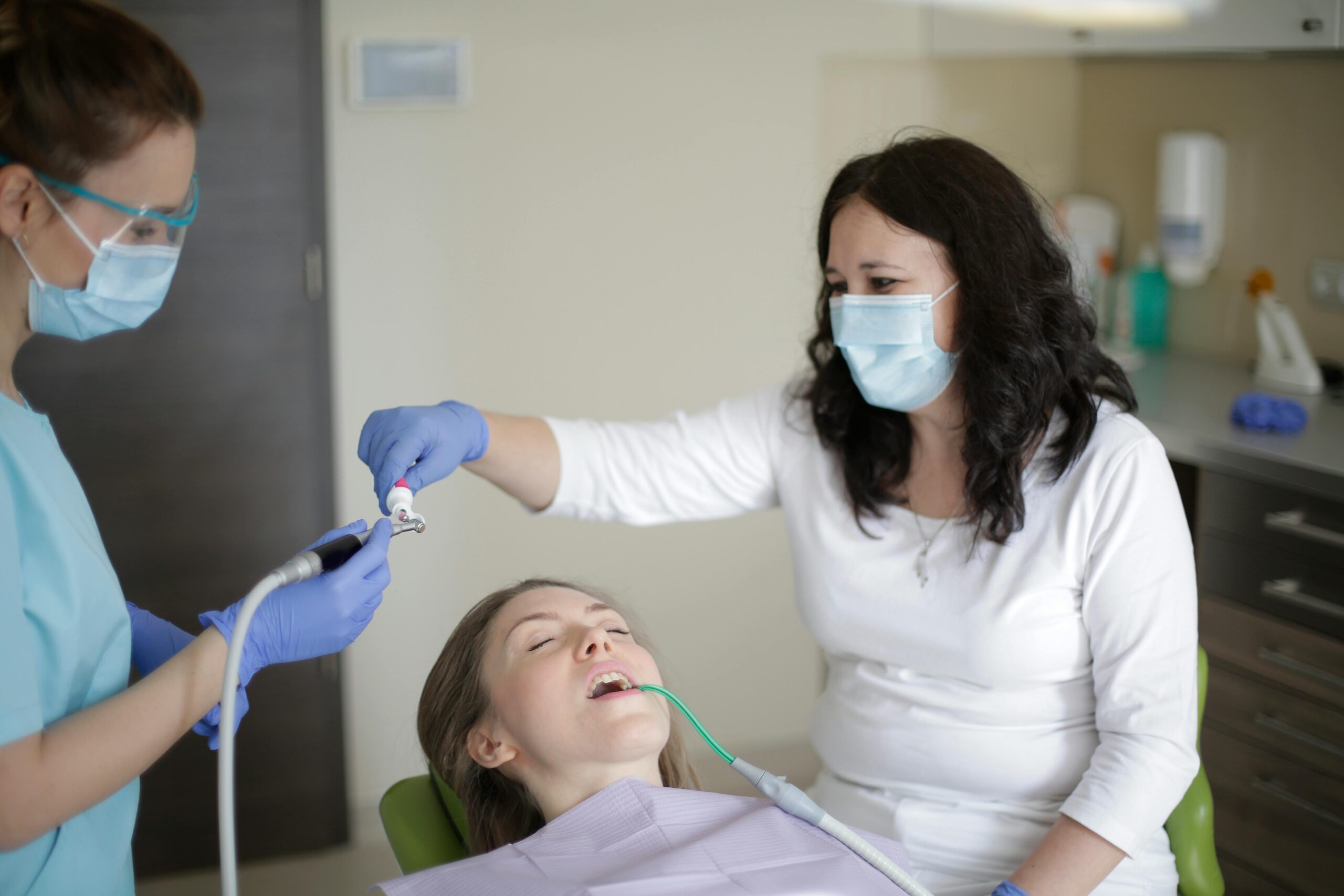
SmileScience Dental Spa uses mercury-free composite resin fillings that match your natural tooth color exactly. No dark metal visible in your smile -- just a restored tooth that looks and functions like the original. Most fillings are completed comfortably in a single visit.
How Cavities Form -- and Why Early Treatment Matters
Tooth decay is caused by acid-producing bacteria that live in the plaque film on your teeth. After you eat or drink anything containing sugar or fermentable carbohydrates, these bacteria produce acids that attack tooth enamel. Each acid attack lasts about 20 minutes. With frequent snacking, the pH in your mouth stays low long enough to demineralize enamel and eventually create a cavity.
The cavity process moves through predictable stages:
- Demineralization: Enamel loses minerals but no visible hole yet. This stage can often be reversed with fluoride.
- Enamel cavity: A small hole develops in the enamel. Usually not painful. Easily restored with a small composite filling.
- Dentin cavity: Decay reaches the softer dentin layer beneath enamel, progressing faster. Sensitivity may begin. A filling is still the appropriate treatment.
- Pulp involvement: Decay reaches the inner pulp (nerve). Pain becomes significant. A root canal is now required before a filling or crown can be placed.
- Abscess: Infection spreads to the bone. Extraction may become necessary if the tooth cannot be saved.
The message is clear: catching decay at stage 1 or 2 means a simple, affordable filling. Waiting until stage 4 or 5 means a root canal, a crown, or worse. Regular checkups -- typically every 6 months -- allow us to detect decay early, when it is cheapest and simplest to treat.
How We Detect Cavities at SmileScience
Many cavities -- especially early ones -- cause no symptoms at all. The only way to find them before they become expensive problems is through regular exams with the right diagnostic tools.
Digital X-Rays
Bitewing X-rays taken at your regular exam reveal decay between teeth (interproximal cavities) that clinical examination cannot detect. We use low-radiation digital sensors that reduce X-ray exposure by up to 90% compared to traditional film.
Clinical Examination
Probing with an explorer instrument detects soft spots in enamel and visible discoloration. Each tooth surface is examined systematically at every checkup. New cavities are recorded and tracked at future visits to determine whether they need filling or can be monitored with fluoride treatment.
Laser Cavity Detection
The DIAGNOdent laser fluorescence device detects decay in fissures and pits on chewing surfaces that may not be visible on X-rays or apparent on probing. It measures changes in tooth fluorescence caused by decay, giving a numerical score that helps us decide whether to monitor or treat.
Signs you may have a cavity (even without formal diagnosis): Tooth sensitivity to sweet, cold, or hot foods -- a visible dark spot or pitting on a tooth -- food consistently catching in the same spot -- a rough edge you feel with your tongue -- an ache that comes and goes. Any of these warrant a prompt dental exam.
Composite vs. Amalgam Fillings
Understanding the difference helps you understand why SmileScience uses tooth-colored composite resin for all new restorations.
Composite Resin (Tooth-Colored) -- Our Standard
- ✓ Matches natural tooth color precisely -- invisible in the smile
- ✓ Bonds directly to tooth structure, providing additional support to the remaining tooth
- ✓ Requires less removal of healthy enamel -- only the decay needs to come out
- ✓ Contains no mercury or metal alloys
- ✓ Does not expand and contract with temperature changes (no microcrack risk)
- ✓ Suitable for front and back teeth
- ✓ Sets immediately under a curing light -- no waiting period before eating
Amalgam (Silver/Metal) -- Legacy Material
- — Silver-gray color, visible in smile especially in back teeth
- — Requires mechanical retention -- more healthy tooth structure must be removed to create undercuts
- — Expands and contracts with temperature cycling over time, potentially creating hairline cracks in the surrounding tooth
- — Contains approximately 50% mercury by weight (as a stable alloy)
- ✓ Highly durable under heavy biting forces -- can last 15 to 20 years
- ✓ Generally less expensive than composite
SmileScience does not place new amalgam fillings. We use composite resin for all restorations and offer safe amalgam removal for patients who wish to replace existing metal fillings.
The Filling Procedure -- What to Expect
A straightforward composite filling takes 30 to 60 minutes from start to finish. Here is what happens at each step.
Topical and Local Anesthesia
A topical numbing gel is applied to the gum before the injection to minimize the needle sensation. Local anesthetic is then injected to numb the tooth and surrounding tissue completely. For small fillings in the back teeth, you feel pressure and vibration during the procedure but no pain. The anesthetic takes full effect in about 5 minutes.
Decay Removal
The decayed tooth structure is removed with a dental handpiece. Only the compromised enamel and dentin are removed -- composite resin does not require the mechanical undercuts that amalgam does, so we preserve more of the healthy tooth. The cavity is cleaned and dried in preparation for bonding.
Etching and Bonding Agent
A mild acid etchant is applied for about 15 seconds to create microscopic roughness in the enamel surface. A liquid bonding agent is then applied, which penetrates into the etched surface and forms the adhesive layer that anchors the composite resin to the tooth. This bond is critical -- without it, composite cannot hold long-term.
Composite Placement in Layers
Composite resin is placed in thin incremental layers rather than all at once. Each layer is cured and hardened with an intense blue LED light in about 20 seconds. Incremental layering reduces polymerization shrinkage and ensures thorough curing throughout the filling, resulting in a stronger and better-fitting restoration.
Shaping and Bite Verification
The filled tooth is shaped and polished to restore the natural anatomy of the chewing surface. Articulating paper (thin paper that marks contact points) is used to check the bite. Any high spots are precisely adjusted until your bite feels completely natural. Getting the bite right the first time prevents post-procedure discomfort and filling fracture.
What to Expect After a Filling
Sensitivity After Filling -- Normal vs. Not Normal
Mild sensitivity to cold, hot, and pressure is common for 1 to 2 weeks after a new filling. This happens because the tooth nerve was disturbed during preparation and needs time to settle. The sensitivity should decrease progressively -- each day should be slightly better than the last.
Call us if: Sensitivity is getting worse, not better, after 2 weeks -- you have sharp pain when biting down that was not present before -- the tooth is sensitive to heat and the sensation lingers for 30 or more seconds. These may indicate the bite needs adjustment, or in some cases that the cavity was close to the pulp and the nerve is inflamed.
A bite that is too high is the most common cause of post-filling discomfort. The anesthetic can make it difficult to gauge your bite accurately during the appointment -- if your bite feels off once the numbness wears off, call us immediately for a simple adjustment. This takes only a few minutes and resolves the discomfort quickly.
Eating and Activities
Composite resin sets immediately under the curing light -- it is fully hardened before you leave the chair. You can eat as soon as the numbness wears off (typically 1 to 3 hours). Avoid biting on the anesthetized side while numb to prevent accidentally injuring your cheek or tongue.
There are no restrictions on diet after a composite filling, other than common sense -- avoid excessively hard foods like hard candy and ice regardless of fillings, as these can chip natural teeth and restorations alike.
Note for patients replacing old amalgam: If we are removing an old silver filling and replacing it with composite, the anesthetic requirements and procedure time are similar to placing a new filling. We follow safe amalgam removal protocols to minimize vapor exposure.
How Long Do Composite Fillings Last?
Typical Lifespan
Composite fillings placed with proper technique and good oral hygiene typically last 7 to 12 years, and many last considerably longer. Posterior fillings on heavily loaded molars tend to wear faster than anterior fillings. The quality of the bonding procedure, the size of the cavity, and the precision of the bite adjustment all influence longevity.
Habits that shorten filling life include: grinding or clenching teeth (bruxism) -- chewing ice, hard candy, or very hard foods -- using teeth as tools -- and poor oral hygiene that allows recurrent decay to develop at the filling margins.
When Does a Filling Need Replacement?
A filling should be replaced when: it develops a crack or chip visible on clinical exam or X-ray -- a gap (margin) opens between the filling and tooth, allowing bacteria to enter -- decay develops at the filling edge -- the filling breaks -- or the tooth structure around the filling has been compromised sufficiently that a crown is now warranted.
Dr. Turke evaluates all existing restorations at every checkup visit and notes any that show early signs of wear or margin breakdown. We alert you before a small problem becomes an expensive one.
Caring for Fillings Long-Term
- ✓ Brush twice daily with fluoride toothpaste using a soft-bristled brush
- ✓ Floss once daily -- bacteria at filling edges are the primary cause of recurrent decay
- ✓ Attend all scheduled cleaning and exam appointments (typically every 6 months)
- ✓ Wear a nightguard if you grind or clench -- grinding forces destroy fillings faster than anything else
- ✓ Use fluoride mouth rinse if you are prone to frequent cavities
- — Avoid chewing ice, hard candy, popcorn kernels, and similar hard foods
- — Minimize acidic drinks (soda, sports drinks, citrus juice) that soften enamel around fillings
Fillings themselves do not decay -- but the tooth structure around them can. Consistent hygiene at the margins of your restorations is the key to making them last.
When a Filling Is No Longer Enough
There is a size threshold beyond which a composite filling is no longer the right restoration. When too much tooth structure has been lost, the forces of chewing are no longer distributed evenly by a filling, and the risk of the tooth cracking increases substantially.
Signs a Crown May Be Needed Instead
- ✓ The cavity involves more than 50% of the tooth's biting surface
- ✓ An existing large filling is cracked or has failed repeatedly
- ✓ A visible crack extends from the filling toward the gum margin
- ✓ The tooth has already had a root canal and needs long-term protection
- ✓ Multiple surfaces of the tooth are involved in the decay or damage
Onlays and Inlays: The Middle Ground
Between a filling and a full crown, there is a category of restorations called inlays and onlays. These are lab-fabricated (or CAD/CAM milled) porcelain or zirconia restorations that cover the biting surface and one or more cusps of a tooth, without encasing the entire tooth like a crown does.
An onlay is often the ideal solution for a large cavity that a filling cannot reliably restore but that does not require full crown coverage. Dr. Turke will recommend the most conservative option that provides reliable long-term function.
Filling Cost and Insurance Coverage
What Determines the Cost?
Filling fees are based on the number of tooth surfaces involved (one-surface, two-surface, three-surface, etc.) and the tooth location. Front teeth and premolars carry different fee schedules than molars. The fee also reflects the time required for a thorough, well-bonded placement -- a filling placed too quickly is likely to fail prematurely.
We provide a written treatment plan with fees listed before any procedure begins. There are no surprise costs after the appointment.
Dental Insurance
Most PPO dental plans classify fillings as a "basic restorative" service and cover 70% to 80% of the allowed fee after the deductible is met. Many plans now cover tooth-colored composite fillings on posterior teeth at the same rate as amalgam. We verify your benefits in advance and calculate your exact out-of-pocket cost before treatment.
Patients without insurance can ask about our in-house dental savings plan, which provides discounted fees on fillings and other preventive services for a low annual membership fee. Financing through CareCredit and Cherry is also available for patients with multiple fillings in a single visit.
Preventing Cavities -- The Best Filling Is the One You Never Need
Understanding what causes cavities makes them largely preventable. The same bacteria and acids that cause decay are present in everyone's mouth -- what determines whether you get cavities is how well you control them.
Daily Habits That Make the Biggest Difference
- ✓ Brush for 2 full minutes, twice daily, with a fluoride toothpaste
- ✓ Floss once daily -- interproximal (between-tooth) cavities account for a large share of all fillings
- ✓ Limit between-meal snacking -- each snack is an acid attack
- ✓ Rinse with water after acidic or sugary drinks when brushing is not possible
- ✓ Use fluoride mouth rinse at night if you are cavity-prone
Professional Preventive Treatments
- ✓ Professional cleanings remove tartar buildup that brushing cannot address
- ✓ Fluoride varnish applied at recall visits remineralizes early enamel lesions
- ✓ Dental sealants applied to back molar grooves prevent pit-and-fissure cavities in children and teenagers
- ✓ Regular X-rays catch interproximal decay before it becomes a large restoration
Diet Factors That Matter
- ✗ Sipping on soda, juice, or sports drinks throughout the day keeps mouth pH low for hours
- ✗ Sticky candies (gummies, caramels) are the highest-risk foods -- they cling to teeth and feed bacteria for extended periods
- ✗ Acidic foods (citrus, vinegar dressings) soften enamel before bacteria even have to work
- ✓ Cheese, nuts, and water are low-risk snack choices that support oral health
What Our Patients Say
4.9 (437 reviews)
I recently had the pleasure of visiting Smile Science Dental Spa, and I couldn't be more impressed with the level of care and service provided by the entire team. Dr. Dawson and Dr. Turke are both incredibly skilled and made me feel completely at ease throughout my procedures. Their professionalism, combined with their gentle approach, made me feel comfortable and well-informed every step of the way. I was especially impressed that I was able to get a same-day crown(apparently their first ever!), which exceeded my expectations. I couldn’t believe how quick and seamless the process was. It really saved me time and made the experience even more convenient. Cindiray and Angeles, the dental assistants, were equally wonderful. They were not only friendly and attentive but also thorough in explaining everything and made sure I was relaxed during each phase of my visit. Lastly, a big thank you to Litzy at the front desk, who greeted me with a smile and helped with scheduling and any questions I had. She made the entire check-in process a breeze. From start to finish, my experience at Smile Science Dental Spa was exceptional. I'll be returning for sure. I highly, highly, highly recommend them for anyone looking for high-quality dental care.
View Full Review on GoogleDusty

Honestly I’ve never been so happy to go to the dentist. I came in (late due to Lyft) and was still taken care of and treated with care. Even without insurance (kicking in within the next month) prices for an extraction on my infected tooth were more than reasonable. I was able to get more than expected done in the same visit. Dr. Dawson and his team made me feel so comfortable and taken care of. Won’t go anywhere else.
View Full Review on GoogleCherish B

I recently started as a patient after leaving our long-time family Dentist and couldn’t be happier! Marcela is AMAZING and a FANTASTIC hygienist!!!! 😃 Dr Dawson is great too! Every time I visit, they make me feel like family.
View Full Review on GoogleTJ Winzeler

Myself and my family had previously gone to Dr. Turk at another dental office that he worked at. He had relocated and we did not know where he had gone to until this week. Today I got in with Dr. Turk and he took the time to look at my x-rays carefully . I was having pain from a tooth and some other issues. The previous Dentist I went to that I saw just a few days earlier, he did not find any issues with my tooth which I had pain in. Dr. Turk identified infection and referred me to an endodontist. He is very gentle as a wonderful disposition and my self and my family are thrilled to be able to get back with him. The office is lovely, relaxing music, heat and massage chair.I have always been very nervous and some anxiety going to dentist as I have had bad reactions with the anesthesia. I am confident that Dr. Kirk will help me get through my next appointment just fine. “The staff are very kind and attentive. I am looking forward as I have quite a bit of work to be done, and I know I’m in good hands with Dr. Turk and his staff. Five stars!⭐️ Sherry
View Full Review on GoogleSherry Redmond

I recently moved to Arizona and had an issue with a tooth repair from 15 years back. Not knowing anyone here in my new home, I searched dentists close to me. I chose Smile Science much like pinning the tail on the donkey and my selection couldn't have been better! What a terrific staff! Dr. Turke was concerned the tooth would need to be extracted, but said he wanted to take a shot at saving it..and that's just what he did! After setting a temporary crown, I was on my way with an appointment to install the permanent crown in the following two weeks. That evening I received a call I've never received from a dentist. Dr. Turke had taken the time to follow up with me to make sure I wasn't in any discomfort..I was completely caught off guard by this kind of attention to detail and caring for my well being. The permanent crown is now in place, it fits and feels fantastic, the job and treatment are first class! Thank you, Dr. Turke and staff for taking in this stray and giving me a home dentist! I'd like to say that I'm just good at selecting blindly, but the truth is I am very lucky..and I'll take lucky over being good any day of the week! Thank you, again and Happiest of New Year's in 2026, Science Smile!!
View Full Review on GoogleEddy

Frequently Asked Questions
Composite fillings are typically slightly higher in cost than amalgam due to the material cost and the additional technique sensitivity required for proper placement. However, many dental insurance plans now cover composite fillings on back teeth at the same rate as amalgam, or close to it. We verify your coverage in advance so there are no surprises. The long-term advantages of composite -- less tooth removal, no metal expansion cracking, better aesthetics -- generally make the difference in cost worthwhile.
Mild sensitivity to cold, hot, and biting pressure is normal for 1 to 2 weeks after a filling as the tooth settles. The sensitivity should decrease progressively each day. If sensitivity increases rather than decreases, or if you have sharp pain when biting that was not present before, call us -- the bite may need adjustment, or the cavity may have been close to the nerve. Either is easily addressed at a brief follow-up visit.
Yes. We replace existing amalgam fillings with tooth-colored composite resin. We follow safe amalgam removal protocols to minimize mercury vapor exposure during removal -- including rubber dam isolation, high-volume evacuation, and sectioning the amalgam into chunks rather than grinding. The decision to replace functioning amalgam fillings should be based on their clinical condition: if they are cracked, leaking, or associated with recurrent decay, replacement is clearly indicated. If they are intact and not causing problems, Dr. Turke will advise you honestly on whether replacement is clinically necessary or purely cosmetic.
Dental amalgam contains mercury in a stable alloy form. Major dental and medical organizations have long considered amalgam safe for most patients when intact. However, the EU began phasing out amalgam in 2025, and many countries and practices have moved away from it as composite materials have improved to the point where they are equal or superior in most applications. We are mercury-free not because we consider existing amalgam restorations acutely dangerous, but because composite offers better clinical properties for most indications and patients overwhelmingly prefer tooth-colored restorations.
A single filling typically takes 45 to 60 minutes from the time you are seated. Multiple fillings on the same side of the mouth can often be done in a single visit since only one injection is needed to anesthetize that quadrant. We will let you know how long to expect for your specific treatment at your exam appointment and when you schedule.
Very early enamel lesions that have not yet formed a cavitation (hole) can sometimes be arrested and even remineralized with intensive fluoride application and improved oral hygiene. We use a "watch and monitor" approach for small lesions that have not progressed to the dentin. Once decay reaches the dentin -- the softer layer beneath enamel -- it progresses more rapidly and a filling is indicated. We document the size and appearance of monitored lesions at each exam so we can identify any progression early.
Yes, in most cases. Baby teeth hold space for permanent teeth and allow proper chewing and speech development. An untreated cavity in a baby tooth can cause pain, spread to adjacent teeth, and result in premature tooth loss -- which can cause the surrounding teeth to shift and create orthodontic problems for the incoming permanent tooth. Whether to fill or monitor depends on how close the tooth is to natural shedding and the size and location of the cavity. Dr. Turke will advise you on the right approach for your child's specific situation.
4.9 (437 reviews)
I recently had the pleasure of visiting Smile Science Dental Spa, and I couldn't be more impressed with the level of care and service provided by the entire team. Dr. Dawson and Dr. Turke are both incredibly skilled and made me feel completely at ease throughout my procedures. Their professionalism, combined with their gentle approach, made me feel comfortable and well-informed every step of the way. I was especially impressed that I was able to get a same-day crown(apparently their first ever!), which exceeded my expectations. I couldn’t believe how quick and seamless the process was. It really saved me time and made the experience even more convenient. Cindiray and Angeles, the dental assistants, were equally wonderful. They were not only friendly and attentive but also thorough in explaining everything and made sure I was relaxed during each phase of my visit. Lastly, a big thank you to Litzy at the front desk, who greeted me with a smile and helped with scheduling and any questions I had. She made the entire check-in process a breeze. From start to finish, my experience at Smile Science Dental Spa was exceptional. I'll be returning for sure. I highly, highly, highly recommend them for anyone looking for high-quality dental care.
View Full Review on GoogleDusty
Honestly I’ve never been so happy to go to the dentist. I came in (late due to Lyft) and was still taken care of and treated with care. Even without insurance (kicking in within the next month) prices for an extraction on my infected tooth were more than reasonable. I was able to get more than expected done in the same visit. Dr. Dawson and his team made me feel so comfortable and taken care of. Won’t go anywhere else.
View Full Review on GoogleCherish B
I recently started as a patient after leaving our long-time family Dentist and couldn’t be happier! Marcela is AMAZING and a FANTASTIC hygienist!!!! 😃 Dr Dawson is great too! Every time I visit, they make me feel like family.
View Full Review on GoogleTJ Winzeler
Myself and my family had previously gone to Dr. Turk at another dental office that he worked at. He had relocated and we did not know where he had gone to until this week. Today I got in with Dr. Turk and he took the time to look at my x-rays carefully . I was having pain from a tooth and some other issues. The previous Dentist I went to that I saw just a few days earlier, he did not find any issues with my tooth which I had pain in. Dr. Turk identified infection and referred me to an endodontist. He is very gentle as a wonderful disposition and my self and my family are thrilled to be able to get back with him. The office is lovely, relaxing music, heat and massage chair.I have always been very nervous and some anxiety going to dentist as I have had bad reactions with the anesthesia. I am confident that Dr. Kirk will help me get through my next appointment just fine. “The staff are very kind and attentive. I am looking forward as I have quite a bit of work to be done, and I know I’m in good hands with Dr. Turk and his staff. Five stars!⭐️ Sherry
View Full Review on GoogleSherry Redmond
I recently moved to Arizona and had an issue with a tooth repair from 15 years back. Not knowing anyone here in my new home, I searched dentists close to me. I chose Smile Science much like pinning the tail on the donkey and my selection couldn't have been better! What a terrific staff! Dr. Turke was concerned the tooth would need to be extracted, but said he wanted to take a shot at saving it..and that's just what he did! After setting a temporary crown, I was on my way with an appointment to install the permanent crown in the following two weeks. That evening I received a call I've never received from a dentist. Dr. Turke had taken the time to follow up with me to make sure I wasn't in any discomfort..I was completely caught off guard by this kind of attention to detail and caring for my well being. The permanent crown is now in place, it fits and feels fantastic, the job and treatment are first class! Thank you, Dr. Turke and staff for taking in this stray and giving me a home dentist! I'd like to say that I'm just good at selecting blindly, but the truth is I am very lucky..and I'll take lucky over being good any day of the week! Thank you, again and Happiest of New Year's in 2026, Science Smile!!
View Full Review on GoogleEddy
Comfortable, Natural-Looking Fillings in Glendale, AZ
Whether you have a new cavity or old silver fillings you would like replaced, SmileScience Dental Spa offers mercury-free composite restorations that fix the problem without changing how your smile looks. Most fillings done in a single comfortable visit.