

Emergency Dentistry -- Glendale, AZ
Knocked-Out Tooth Emergency Care in Glendale, AZ
Services provided by an Arizona licensed general dentist.
A knocked-out tooth is a true dental emergency. Every minute matters. Call SmileScience Dental Spa immediately -- we hold same-day slots for avulsed tooth cases.
Act Immediately -- Every Minute Counts
Do these steps right now, then get in the car. Read details while someone else drives.
- Find the tooth. Handle it by the crown (the white chewing surface) -- never by the root.
- Do NOT scrub the root. If it is dirty, rinse gently with whole milk or sterile saline for a few seconds. Do not use tap water.
- Try to reinsert it. If you can, gently place the tooth back in the socket and hold it there while biting down softly on gauze or a clean cloth.
- If you cannot reinsert it, store it correctly. Best to worst: a Save-A-Tooth preservation kit, whole milk, between your cheek and gum. NEVER wrap it dry or store it in plain water.
- Call us immediately. (480) 530-3663 -- we will prepare a treatment room while you are on your way.
SmileScience Dental Spa -- 20118 N 67th Ave, Ste 308, Glendale, AZ 85308
Why Time Is the Most Important Factor
The root of every tooth is covered in periodontal ligament (PDL) cells -- living tissue that connects the tooth to the bone. Once a tooth is knocked out, those cells begin to die. How long they survive depends almost entirely on how you store the tooth.
High success rate for reimplantation. PDL cells are largely viable. This is the window where we have the best chance of saving your natural tooth.
Moderate success rate if the tooth has been stored in whole milk or a Save-A-Tooth kit. PDL cells deteriorate but some remain viable. Reimplantation is still worth attempting.
PDL cells are almost entirely non-viable. Reimplantation is rarely successful at this stage. Come in anyway -- we will assess the tooth and discuss immediate replacement options.
The single most important thing you can do right now is keep the tooth moist and call us. Storage medium matters -- milk is far better than water or nothing.
What Happens When You Arrive
We assess the tooth, the socket, and the surrounding bone within minutes of your arrival. Our CBCT 3D imaging lets us evaluate the socket and root without delay.
If the PDL cells are still alive, we clean the socket, prepare the root surface, and carefully reinsert the tooth. Local anesthetic is used so you feel nothing during the procedure.
After reimplantation, we bond a flexible splint from the reimplanted tooth to the adjacent teeth. This holds the tooth steady while the periodontal ligament reattaches -- typically for 2 to 4 weeks.
We schedule follow-up visits at 1 week, 1 month, and 3 months. Even successful reimplantations often require a root canal weeks later as the pulp heals -- this is normal and does not mean the tooth is failing.
We discuss your best replacement options immediately -- see below -- so you leave with a clear plan and, whenever possible, a temporary solution the same day.
Baby Tooth or Adult Tooth? It Changes Everything.
Reimplantation is the goal. Follow the immediate action steps above and get to us as fast as possible. Time is the critical variable.
Do NOT attempt to reimplant a baby tooth. Reinserting it into the socket can damage the permanent tooth bud developing underneath. However, still call us -- we may need to check for a root fragment left in the socket and assess whether the permanent tooth has been affected by the trauma.
If Reimplantation Fails -- Replacement Options
When a tooth cannot be saved, we discuss permanent and temporary replacements the same appointment so you never leave without a plan.
A titanium post placed in the bone with a porcelain crown on top. The only replacement option that preserves jawbone and feels indistinguishable from a natural tooth. Typically placed 3 to 6 months after the extraction site heals. Learn about dental implants at SmileScience.
A porcelain restoration anchored to the adjacent teeth. Does not require surgery. Does not preserve bone in the gap area, but is a solid functional solution for many patients.
A removable appliance with a false tooth attached. Inexpensive and quick to make -- often used as a temporary placeholder while bone heals and implant treatment is planned. Not a long-term solution, but it fills the gap immediately.
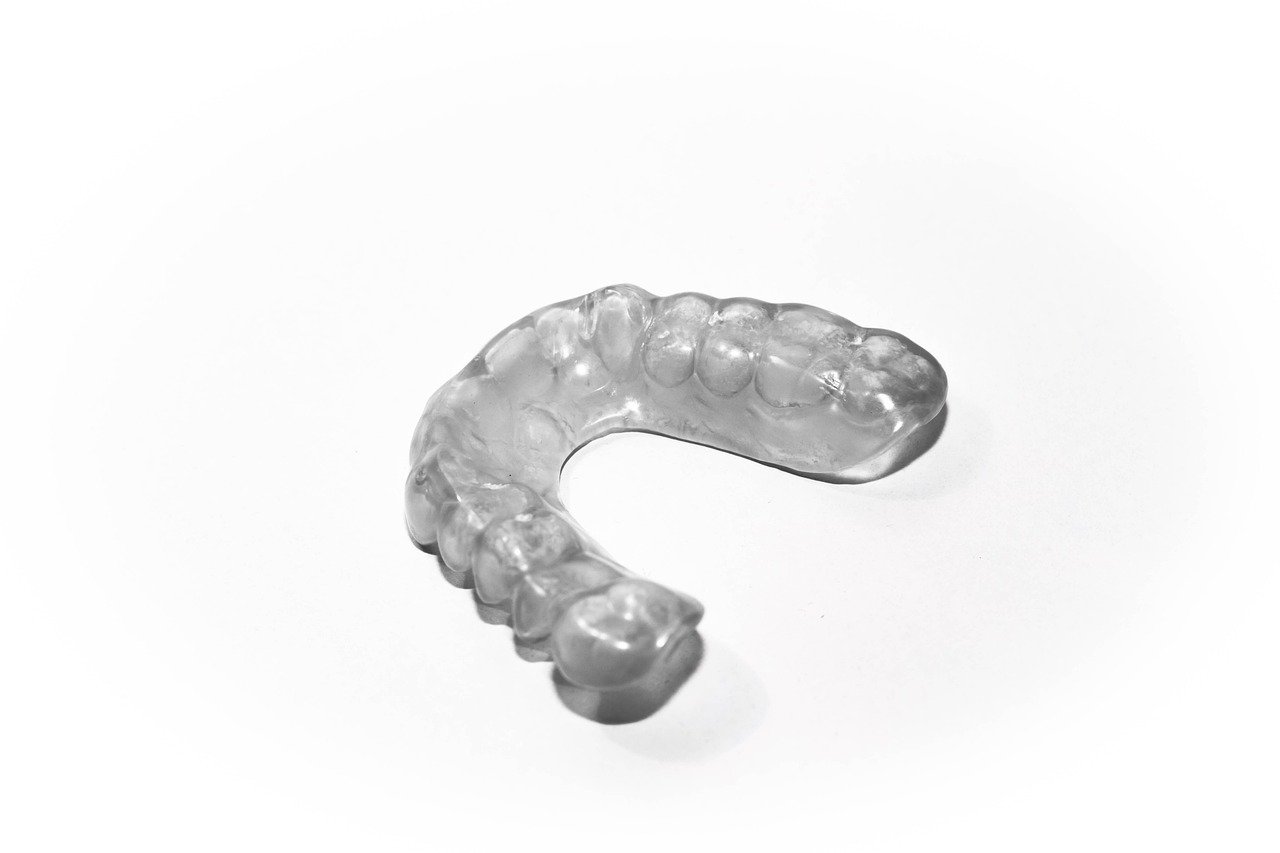
Prevent Future Tooth Loss with a Custom Mouthguard
The majority of sports-related tooth avulsions are preventable. A custom-fitted mouthguard from SmileScience distributes impact forces that would otherwise concentrate on a single tooth. Unlike store-bought boil-and-bite guards, a custom guard fits precisely and stays in place during contact.
We take a simple impression or digital scan and have your guard ready at the next visit. Recommended for any contact or collision sport -- football, basketball, soccer, martial arts, hockey, and more.
Ask About Custom MouthguardsWhat Our Patients Say
4.9 (437 reviews)
I recently had the pleasure of visiting Smile Science Dental Spa, and I couldn't be more impressed with the level of care and service provided by the entire team. Dr. Dawson and Dr. Turke are both incredibly skilled and made me feel completely at ease throughout my procedures. Their professionalism, combined with their gentle approach, made me feel comfortable and well-informed every step of the way. I was especially impressed that I was able to get a same-day crown(apparently their first ever!), which exceeded my expectations. I couldn’t believe how quick and seamless the process was. It really saved me time and made the experience even more convenient. Cindiray and Angeles, the dental assistants, were equally wonderful. They were not only friendly and attentive but also thorough in explaining everything and made sure I was relaxed during each phase of my visit. Lastly, a big thank you to Litzy at the front desk, who greeted me with a smile and helped with scheduling and any questions I had. She made the entire check-in process a breeze. From start to finish, my experience at Smile Science Dental Spa was exceptional. I'll be returning for sure. I highly, highly, highly recommend them for anyone looking for high-quality dental care.
View Full Review on GoogleDusty

Honestly I’ve never been so happy to go to the dentist. I came in (late due to Lyft) and was still taken care of and treated with care. Even without insurance (kicking in within the next month) prices for an extraction on my infected tooth were more than reasonable. I was able to get more than expected done in the same visit. Dr. Dawson and his team made me feel so comfortable and taken care of. Won’t go anywhere else.
View Full Review on GoogleCherish B

I recently started as a patient after leaving our long-time family Dentist and couldn’t be happier! Marcela is AMAZING and a FANTASTIC hygienist!!!! 😃 Dr Dawson is great too! Every time I visit, they make me feel like family.
View Full Review on GoogleTJ Winzeler

Myself and my family had previously gone to Dr. Turk at another dental office that he worked at. He had relocated and we did not know where he had gone to until this week. Today I got in with Dr. Turk and he took the time to look at my x-rays carefully . I was having pain from a tooth and some other issues. The previous Dentist I went to that I saw just a few days earlier, he did not find any issues with my tooth which I had pain in. Dr. Turk identified infection and referred me to an endodontist. He is very gentle as a wonderful disposition and my self and my family are thrilled to be able to get back with him. The office is lovely, relaxing music, heat and massage chair.I have always been very nervous and some anxiety going to dentist as I have had bad reactions with the anesthesia. I am confident that Dr. Kirk will help me get through my next appointment just fine. “The staff are very kind and attentive. I am looking forward as I have quite a bit of work to be done, and I know I’m in good hands with Dr. Turk and his staff. Five stars!⭐️ Sherry
View Full Review on GoogleSherry Redmond

I recently moved to Arizona and had an issue with a tooth repair from 15 years back. Not knowing anyone here in my new home, I searched dentists close to me. I chose Smile Science much like pinning the tail on the donkey and my selection couldn't have been better! What a terrific staff! Dr. Turke was concerned the tooth would need to be extracted, but said he wanted to take a shot at saving it..and that's just what he did! After setting a temporary crown, I was on my way with an appointment to install the permanent crown in the following two weeks. That evening I received a call I've never received from a dentist. Dr. Turke had taken the time to follow up with me to make sure I wasn't in any discomfort..I was completely caught off guard by this kind of attention to detail and caring for my well being. The permanent crown is now in place, it fits and feels fantastic, the job and treatment are first class! Thank you, Dr. Turke and staff for taking in this stray and giving me a home dentist! I'd like to say that I'm just good at selecting blindly, but the truth is I am very lucky..and I'll take lucky over being good any day of the week! Thank you, again and Happiest of New Year's in 2026, Science Smile!!
View Full Review on GoogleEddy

What Does Knocked-Out Tooth Treatment Cost?
Treatment cost depends on how much care the tooth requires. Emergency exam and X-rays are assessed at the visit. Splinting, root canal therapy, and follow-up visits are billed separately. Our team will give you a full cost estimate before treatment begins and will verify your insurance benefits while you are on your way in.
Financing through CareCredit, Cherry, and Sunbit is available with same-day approval for patients without coverage or with significant out-of-pocket costs. Learn about patient financing options.
Medical Review & Evidence
- International Association of Dental Traumatology. Dental Trauma Guidelines, 2020 Revision. IADT, 2020.
- Andreasen JO, et al. Replantation of 400 avulsed permanent incisors. Endodontics and Dental Traumatology. 1995;11(2):51-89.
- American Association of Endodontists. Recommended Guidelines for Treatment of Traumatic Dental Injuries. AAE.
Avulsed teeth are a dental emergency. Call (480) 530-3663 immediately. Content reviewed by Dr. Richard Dawson, DMD, ICOI Fellow, April 2026.
Knocked-Out Tooth FAQs
Pick the tooth up by the crown -- never touch the root. Rinse it gently under running water if it is dirty, but do not scrub it. Attempt to reinsert it into the socket if you can do so without forcing it, then bite down on a clean cloth to hold it in place while you travel. If you cannot reinsert it, store it in whole milk or between your cheek and gum. Then call us immediately and start driving -- do not wait to see if it feels better.
The window closes fast. Teeth reimplanted within 30 minutes have the best outcomes. Between 30 and 60 minutes, success rates decline but reimplantation is still worth attempting. Beyond 60 minutes, the periodontal ligament cells on the root surface begin to die and the chance of long-term success drops significantly. This is why time is treated as the most critical variable in avulsion management -- every minute matters.
No. Plain water is one of the worst storage media for an avulsed tooth. It causes the PDL cells to swell and burst due to osmotic differences. Use whole milk, sterile saline, a Save-A-Tooth kit, or keep the tooth between your cheek and gum. If none of those options are immediately available, milk from a convenience store is fine.
The procedure itself is performed with local anesthetic, so you should not feel pain during treatment. There will be soreness at the site for several days afterward as the tissue heals, and the tooth will be splinted to adjacent teeth for stability. Most patients manage post-operative discomfort comfortably with over-the-counter pain relievers.
Very likely yes, especially in fully developed adult teeth. The pulp (nerve and blood supply) is often irreversibly damaged during the trauma. A root canal is usually recommended within 7 to 14 days of reimplantation. This does not mean the procedure failed -- it is a normal and expected part of the healing process for most avulsed teeth.
Sometimes a reimplanted tooth survives for years before eventually being lost. In that case, we proceed with a dental implant once the site is ready. Even a partially successful reimplantation buys time, preserves bone, and keeps the space open. It is almost always worth trying.
Only if it is a permanent tooth. Baby teeth (primary teeth) should never be reimplanted -- the root can fuse to the bone and interfere with the permanent tooth erupting underneath. Bring your child in regardless so we can check for root fragments in the socket and evaluate whether the permanent tooth bud was affected by the impact.
Coverage varies by plan. Many dental insurance policies cover emergency exams and X-rays, and some cover a portion of reimplantation and splinting. Our team will verify your benefits over the phone while you are on your way and give you a clear picture of costs before treatment begins. We also offer financing options if out-of-pocket costs are a concern.
4.9 (437 reviews)
I recently had the pleasure of visiting Smile Science Dental Spa, and I couldn't be more impressed with the level of care and service provided by the entire team. Dr. Dawson and Dr. Turke are both incredibly skilled and made me feel completely at ease throughout my procedures. Their professionalism, combined with their gentle approach, made me feel comfortable and well-informed every step of the way. I was especially impressed that I was able to get a same-day crown(apparently their first ever!), which exceeded my expectations. I couldn’t believe how quick and seamless the process was. It really saved me time and made the experience even more convenient. Cindiray and Angeles, the dental assistants, were equally wonderful. They were not only friendly and attentive but also thorough in explaining everything and made sure I was relaxed during each phase of my visit. Lastly, a big thank you to Litzy at the front desk, who greeted me with a smile and helped with scheduling and any questions I had. She made the entire check-in process a breeze. From start to finish, my experience at Smile Science Dental Spa was exceptional. I'll be returning for sure. I highly, highly, highly recommend them for anyone looking for high-quality dental care.
View Full Review on GoogleDusty
Honestly I’ve never been so happy to go to the dentist. I came in (late due to Lyft) and was still taken care of and treated with care. Even without insurance (kicking in within the next month) prices for an extraction on my infected tooth were more than reasonable. I was able to get more than expected done in the same visit. Dr. Dawson and his team made me feel so comfortable and taken care of. Won’t go anywhere else.
View Full Review on GoogleCherish B
I recently started as a patient after leaving our long-time family Dentist and couldn’t be happier! Marcela is AMAZING and a FANTASTIC hygienist!!!! 😃 Dr Dawson is great too! Every time I visit, they make me feel like family.
View Full Review on GoogleTJ Winzeler
Myself and my family had previously gone to Dr. Turk at another dental office that he worked at. He had relocated and we did not know where he had gone to until this week. Today I got in with Dr. Turk and he took the time to look at my x-rays carefully . I was having pain from a tooth and some other issues. The previous Dentist I went to that I saw just a few days earlier, he did not find any issues with my tooth which I had pain in. Dr. Turk identified infection and referred me to an endodontist. He is very gentle as a wonderful disposition and my self and my family are thrilled to be able to get back with him. The office is lovely, relaxing music, heat and massage chair.I have always been very nervous and some anxiety going to dentist as I have had bad reactions with the anesthesia. I am confident that Dr. Kirk will help me get through my next appointment just fine. “The staff are very kind and attentive. I am looking forward as I have quite a bit of work to be done, and I know I’m in good hands with Dr. Turk and his staff. Five stars!⭐️ Sherry
View Full Review on GoogleSherry Redmond
I recently moved to Arizona and had an issue with a tooth repair from 15 years back. Not knowing anyone here in my new home, I searched dentists close to me. I chose Smile Science much like pinning the tail on the donkey and my selection couldn't have been better! What a terrific staff! Dr. Turke was concerned the tooth would need to be extracted, but said he wanted to take a shot at saving it..and that's just what he did! After setting a temporary crown, I was on my way with an appointment to install the permanent crown in the following two weeks. That evening I received a call I've never received from a dentist. Dr. Turke had taken the time to follow up with me to make sure I wasn't in any discomfort..I was completely caught off guard by this kind of attention to detail and caring for my well being. The permanent crown is now in place, it fits and feels fantastic, the job and treatment are first class! Thank you, Dr. Turke and staff for taking in this stray and giving me a home dentist! I'd like to say that I'm just good at selecting blindly, but the truth is I am very lucky..and I'll take lucky over being good any day of the week! Thank you, again and Happiest of New Year's in 2026, Science Smile!!
View Full Review on GoogleEddy
Tooth Knocked Out? Call Right Now.
Every second counts. We hold emergency slots for avulsed tooth cases. New patients welcome. SmileScience Dental Spa -- 20118 N 67th Ave, Ste 308, Glendale, AZ 85308.