
Glendale, Arizona
Dental Veneers in Glendale, AZ
Services provided by an Arizona licensed general dentist.
Ultra-thin porcelain or composite shells custom-designed to transform color, shape, and proportion. Dr. Turke leads the cosmetic program at SmileScience Dental Spa, using digital smile design and in-house technology to show you your result before any tooth prep begins.
What Are Dental Veneers?
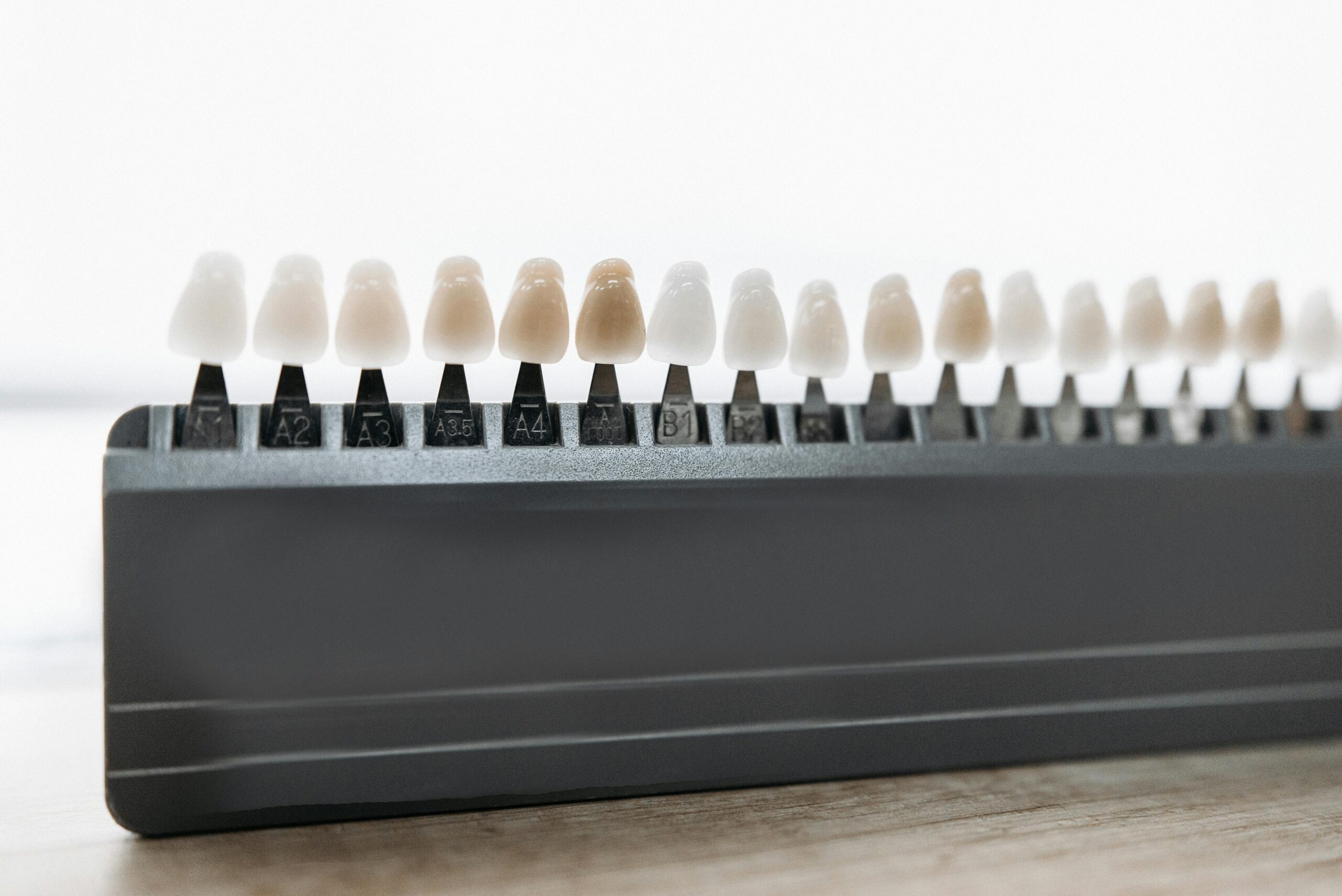
A veneer is a thin layer of ceramic or composite resin bonded to the front surface of a tooth. The procedure requires minimal removal of natural tooth structure and produces a durable, stain-resistant surface that reflects light the same way natural enamel does. Veneers are commonly placed on the upper front teeth and can address discoloration, chips, worn edges, minor crowding, and uneven spacing in a single treatment course.
Porcelain vs. Composite vs. No-Prep Veneers
SmileScience offers lab-fabricated porcelain veneers and same-day direct composite veneers. Understanding the differences helps you choose the right option with Dr. Turke.
| Porcelain Veneers | Composite Veneers | No-Prep / Lumineers | |
|---|---|---|---|
| Durability | 10 -- 20 years | 5 -- 8 years | Varies by case |
| Appointments | 2 -- 3 visits | 1 visit (same-day) | 2 visits |
| Tooth Reduction | 0.5 -- 1 mm enamel prep | Minimal to none | Minimal to none |
| Stain Resistance | Excellent | Good (can polish) | Good |
| Repairability | Replace if chipped | Repairable chairside | Replace if chipped |
| Best For | Full smile transformations, maximum longevity | Minor corrections, budget-conscious patients | Patients wanting no enamel reduction (not offered at all practices) |
| At SmileScience | Yes -- lab-fabricated | Yes -- same-day direct | Evaluated case by case |
Digital Smile Design
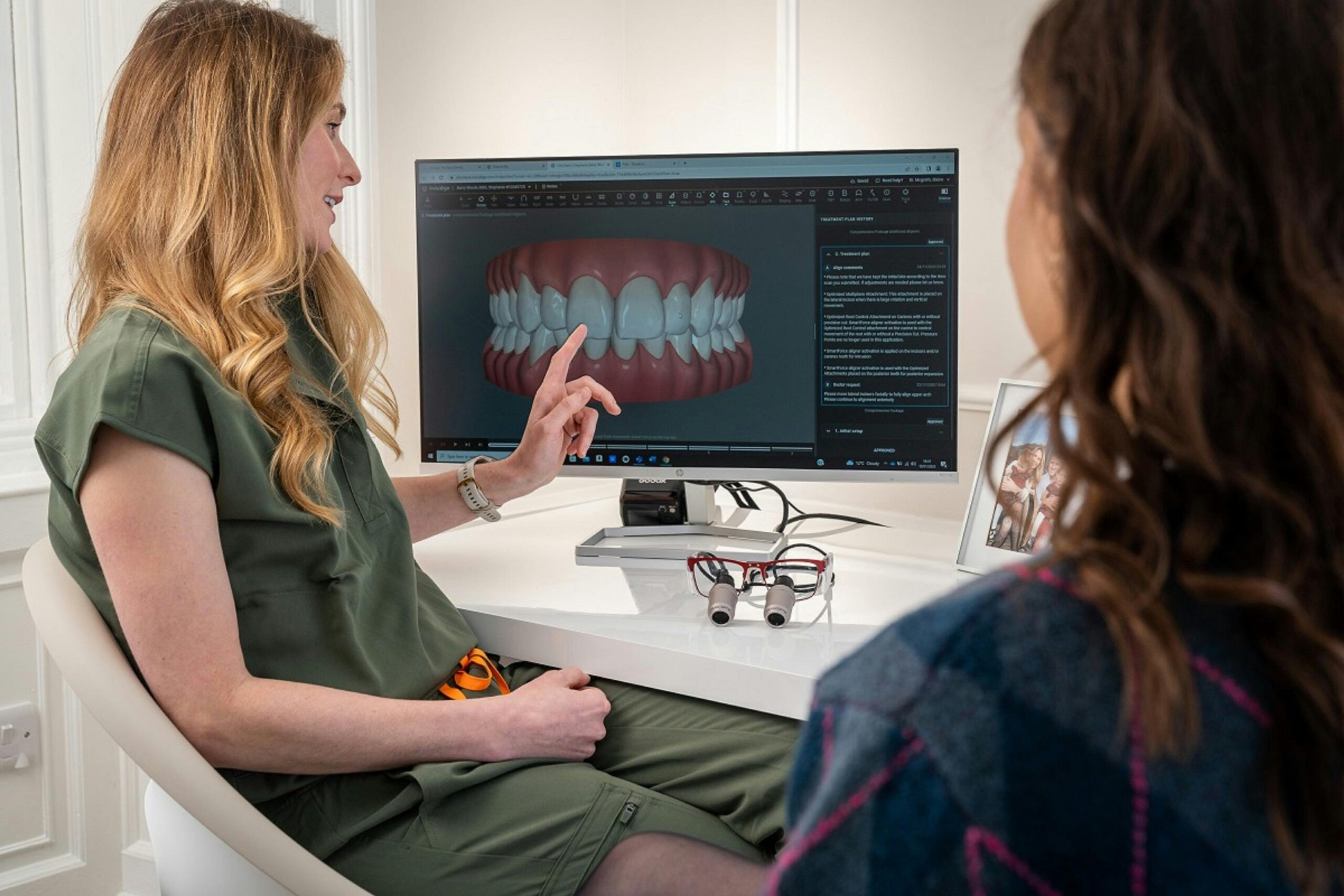
Before any tooth is touched, Dr. Turke uses digital imaging software to design and preview your new smile. High-resolution photographs of your face and teeth are imported into the design program, where shape, length, and shade are mapped to your facial proportions.
You see a digital preview on screen -- and can give feedback -- before a single drop of anesthetic is given. This step removes guesswork and aligns expectations between you and Dr. Turke from the very first appointment.
The preview also serves as a blueprint sent to our ceramics lab, so the porcelain that comes back matches what you approved.
Patient Results
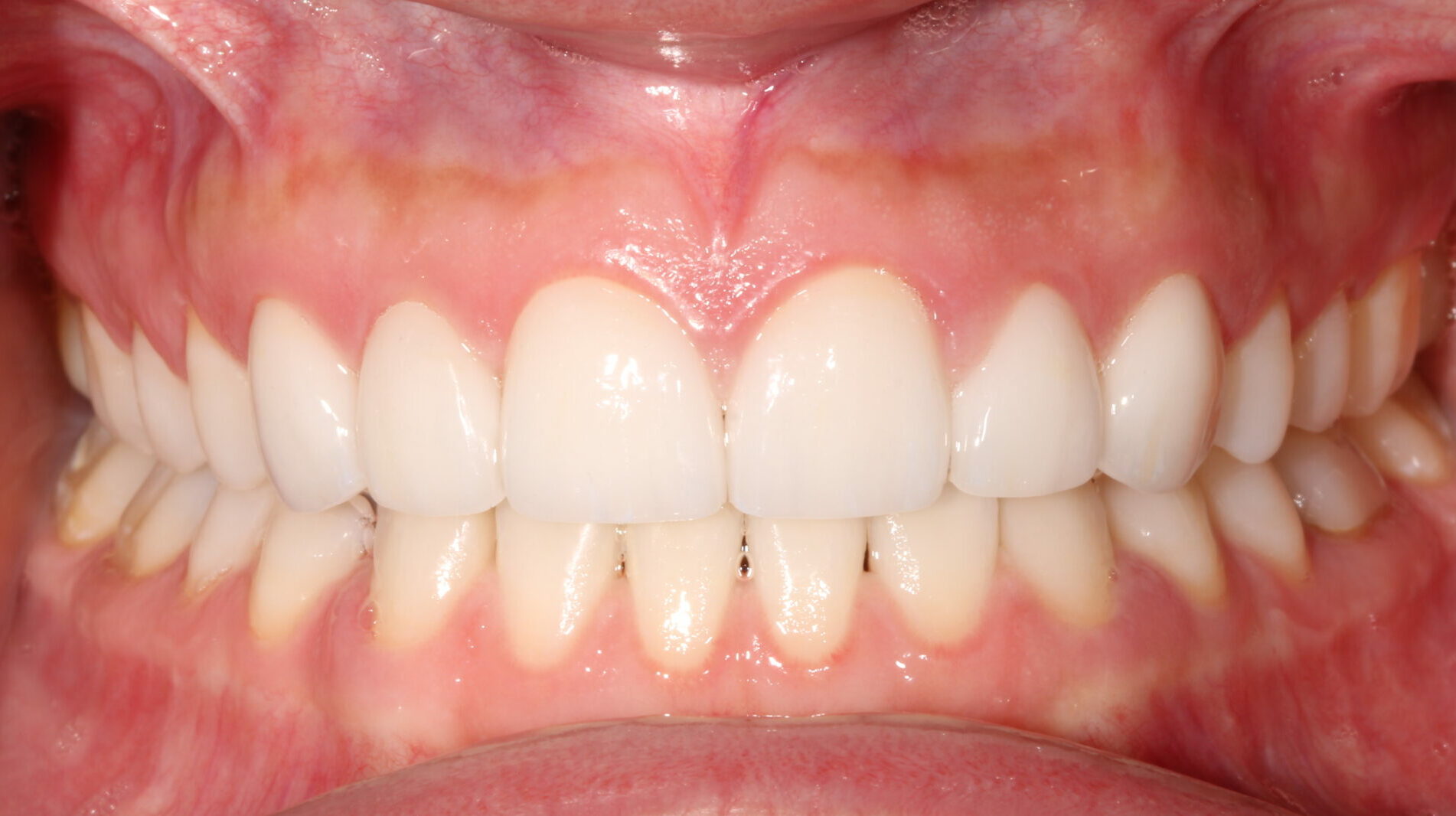
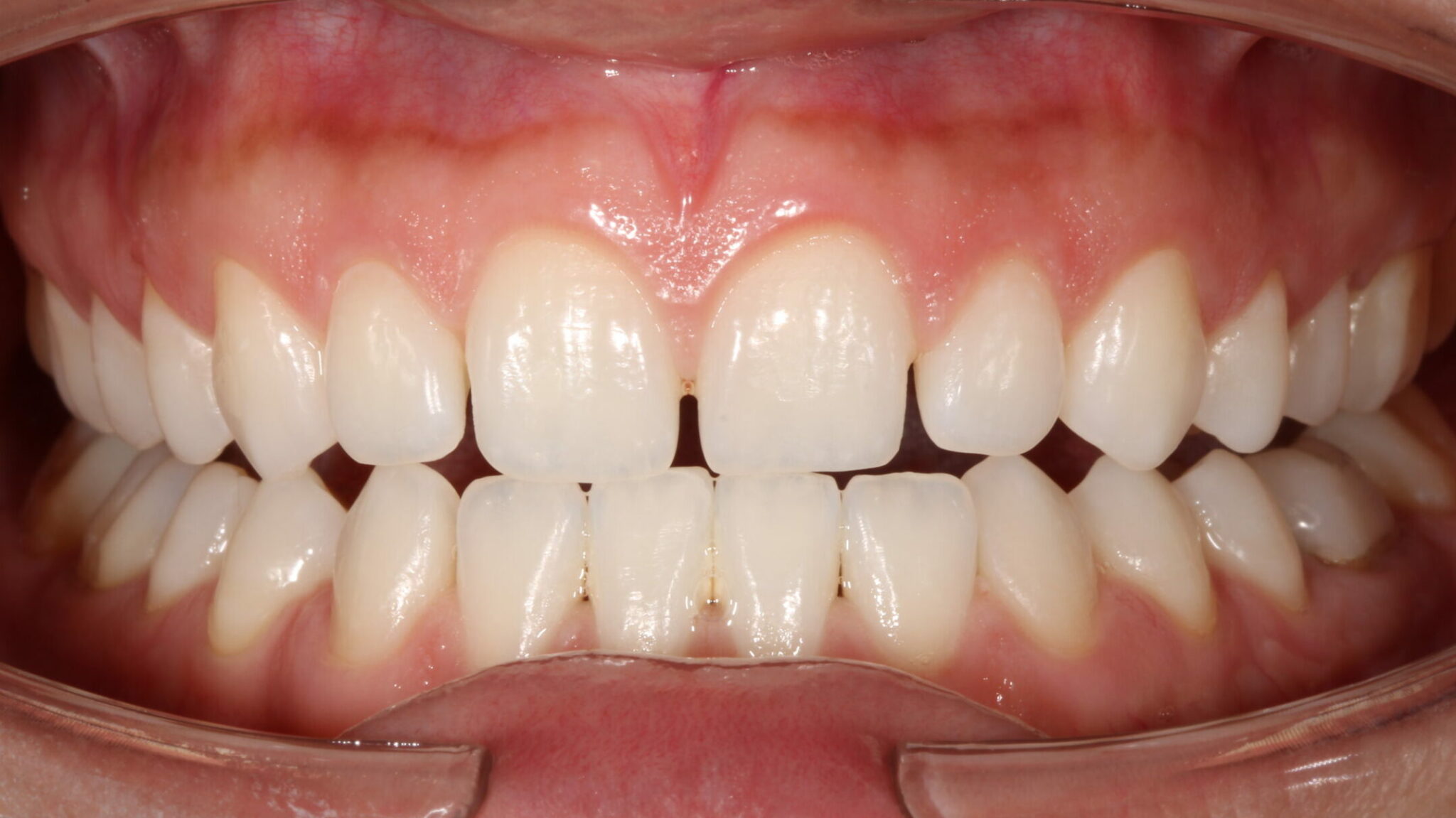
Before and after photos from actual patients. Individual results vary.
The Veneer Process -- Step by Step
- Step 1
Dr. Turke photographs your smile, maps your facial proportions, and builds a digital preview so you see the planned result before any teeth are touched. Feedback is incorporated at this stage.
Consultation and Digital Smile Design
Tooth Preparation (Porcelain)
Step 2A small amount of enamel (typically 0.5 to 1 mm) is removed from the front surface with local anesthetic. Digital impressions replace traditional putty molds and are sent directly to our ceramics lab.
- Step 3
While the lab fabricates your permanent porcelain veneers (approximately 2 to 3 weeks), temporary veneers protect your teeth and give you a preview of the new shape and length.
Temporaries Placed
Final Veneer Bonding
Step 4Each veneer is checked for fit, shade, and margin integrity before permanent bonding with light-cured dental cement. Bite is verified and refined before you leave.
- Step 5
Patients choosing direct composite veneers complete the process in a single appointment. Dr. Turke sculpts and polishes composite resin directly on the tooth surface. No lab time required.
Same-Day Composite (Alternative)

Who Is a Good Candidate?
Veneers work best for patients with healthy gums and sufficient enamel who want to correct cosmetic concerns that cannot be resolved with whitening alone. Good candidates include patients with:
- ✓ Permanently stained or discolored teeth
- ✓ Chipped, cracked, or worn front teeth
- ✓ Minor spacing or crowding that does not require orthodontics
- ✓ Uneven or disproportionately sized teeth
- ✓ Desire for a comprehensive smile transformation
Patients with active gum disease, significant tooth decay, or severe grinding habits may need to address those issues before placing veneers. Dr. Turke evaluates candidacy at your consultation and will discuss all available options with you.
Conditions to Address Before Veneers
- Bruxism (teeth grinding/clenching): A custom night guard is required before or alongside veneers to protect the restoration investment and prevent premature fracture.
- Active gum disease: Periodontal inflammation must be fully resolved before any veneer placement. Unhealthy gum tissue affects bonding and long-term marginal integrity.
- Severe bite misalignment: Significant orthodontic issues may be better corrected with Invisalign or braces first, setting a stable foundation before cosmetic work begins.
Veneer Cost in Glendale, AZ
The following are typical estimates. Your exact fee is determined at consultation based on the number of teeth and complexity of the case. Cosmetic veneers are generally not covered by dental insurance.
Porcelain Veneers
$1,200 -- $2,000
per tooth (estimate)
10 -- 20 year lifespan. Best durability and aesthetics.
Composite Veneers
$400 -- $800
per tooth (estimate)
5 -- 8 year lifespan. Same-day results.
Full Smile (8 -- 12)
$9,600+
porcelain, estimate
Financing available to break into monthly payments.
We accept CareCredit, Cherry, and Sunbit financing, with low-interest and deferred-interest options available. Ask our front desk about current promotional terms when you schedule your consultation. See all financing options.
What Our Patients Say
4.9 (437 reviews)
I recently had the pleasure of visiting Smile Science Dental Spa, and I couldn't be more impressed with the level of care and service provided by the entire team. Dr. Dawson and Dr. Turke are both incredibly skilled and made me feel completely at ease throughout my procedures. Their professionalism, combined with their gentle approach, made me feel comfortable and well-informed every step of the way. I was especially impressed that I was able to get a same-day crown(apparently their first ever!), which exceeded my expectations. I couldn’t believe how quick and seamless the process was. It really saved me time and made the experience even more convenient. Cindiray and Angeles, the dental assistants, were equally wonderful. They were not only friendly and attentive but also thorough in explaining everything and made sure I was relaxed during each phase of my visit. Lastly, a big thank you to Litzy at the front desk, who greeted me with a smile and helped with scheduling and any questions I had. She made the entire check-in process a breeze. From start to finish, my experience at Smile Science Dental Spa was exceptional. I'll be returning for sure. I highly, highly, highly recommend them for anyone looking for high-quality dental care.
View Full Review on GoogleDusty

Honestly I’ve never been so happy to go to the dentist. I came in (late due to Lyft) and was still taken care of and treated with care. Even without insurance (kicking in within the next month) prices for an extraction on my infected tooth were more than reasonable. I was able to get more than expected done in the same visit. Dr. Dawson and his team made me feel so comfortable and taken care of. Won’t go anywhere else.
View Full Review on GoogleCherish B

I recently started as a patient after leaving our long-time family Dentist and couldn’t be happier! Marcela is AMAZING and a FANTASTIC hygienist!!!! 😃 Dr Dawson is great too! Every time I visit, they make me feel like family.
View Full Review on GoogleTJ Winzeler

Myself and my family had previously gone to Dr. Turk at another dental office that he worked at. He had relocated and we did not know where he had gone to until this week. Today I got in with Dr. Turk and he took the time to look at my x-rays carefully . I was having pain from a tooth and some other issues. The previous Dentist I went to that I saw just a few days earlier, he did not find any issues with my tooth which I had pain in. Dr. Turk identified infection and referred me to an endodontist. He is very gentle as a wonderful disposition and my self and my family are thrilled to be able to get back with him. The office is lovely, relaxing music, heat and massage chair.I have always been very nervous and some anxiety going to dentist as I have had bad reactions with the anesthesia. I am confident that Dr. Kirk will help me get through my next appointment just fine. “The staff are very kind and attentive. I am looking forward as I have quite a bit of work to be done, and I know I’m in good hands with Dr. Turk and his staff. Five stars!⭐️ Sherry
View Full Review on GoogleSherry Redmond

I recently moved to Arizona and had an issue with a tooth repair from 15 years back. Not knowing anyone here in my new home, I searched dentists close to me. I chose Smile Science much like pinning the tail on the donkey and my selection couldn't have been better! What a terrific staff! Dr. Turke was concerned the tooth would need to be extracted, but said he wanted to take a shot at saving it..and that's just what he did! After setting a temporary crown, I was on my way with an appointment to install the permanent crown in the following two weeks. That evening I received a call I've never received from a dentist. Dr. Turke had taken the time to follow up with me to make sure I wasn't in any discomfort..I was completely caught off guard by this kind of attention to detail and caring for my well being. The permanent crown is now in place, it fits and feels fantastic, the job and treatment are first class! Thank you, Dr. Turke and staff for taking in this stray and giving me a home dentist! I'd like to say that I'm just good at selecting blindly, but the truth is I am very lucky..and I'll take lucky over being good any day of the week! Thank you, again and Happiest of New Year's in 2026, Science Smile!!
View Full Review on GoogleEddy

Frequently Asked Questions
Yes. Dr. Turke selects porcelain shade and translucency to match your surrounding teeth and skin tone. The ceramic material reflects light similarly to natural enamel, so well-placed veneers blend in rather than stand out. The digital smile design process ensures proportions match your face before anything is bonded.
Porcelain veneers typically last 10 to 20 years with proper care and regular checkups. Composite veneers last approximately 5 to 8 years and can be polished or repaired chairside if they chip. Longevity depends heavily on your bite, home care routine, and whether you wear a nightguard if you grind your teeth.
Traditional porcelain veneers require removal of a thin layer of enamel (0.5 to 1 mm), so they are considered a permanent commitment -- once placed, those teeth will always need a veneer or similar restoration. Composite veneers require little to no tooth reduction and are closer to reversible. No-prep options are available in select cases and are evaluated individually.
The preparation appointment is done with local anesthetic, so you should not feel pain during the procedure. Afterward, some patients notice mild sensitivity for a few days, particularly to temperature. This typically resolves once the permanent veneers are bonded and the bite is refined. Most patients find the experience very manageable.
No. Porcelain does not respond to whitening agents. The shade is locked in at the time of placement. This is why we recommend whitening your natural teeth before veneers are placed -- so the shade of your veneers can be matched to your desired final color, not your current baseline.
Brush twice daily with a non-abrasive toothpaste and floss regularly -- the same routine you would follow for natural teeth. Wear a nightguard if you grind or clench. Avoid biting directly into very hard foods (ice, hard candies, crusty bread) with veneered teeth. See us for regular cleanings and checkups to monitor the veneers over time.
Most full smile transformations involve 8 to 12 veneers, covering the teeth visible when you smile. Some patients address only 2 to 4 teeth to correct a specific concern. Dr. Turke will recommend the number that achieves a balanced, proportional result based on your individual smile line.
4.9 (437 reviews)
I recently had the pleasure of visiting Smile Science Dental Spa, and I couldn't be more impressed with the level of care and service provided by the entire team. Dr. Dawson and Dr. Turke are both incredibly skilled and made me feel completely at ease throughout my procedures. Their professionalism, combined with their gentle approach, made me feel comfortable and well-informed every step of the way. I was especially impressed that I was able to get a same-day crown(apparently their first ever!), which exceeded my expectations. I couldn’t believe how quick and seamless the process was. It really saved me time and made the experience even more convenient. Cindiray and Angeles, the dental assistants, were equally wonderful. They were not only friendly and attentive but also thorough in explaining everything and made sure I was relaxed during each phase of my visit. Lastly, a big thank you to Litzy at the front desk, who greeted me with a smile and helped with scheduling and any questions I had. She made the entire check-in process a breeze. From start to finish, my experience at Smile Science Dental Spa was exceptional. I'll be returning for sure. I highly, highly, highly recommend them for anyone looking for high-quality dental care.
View Full Review on GoogleDusty
Honestly I’ve never been so happy to go to the dentist. I came in (late due to Lyft) and was still taken care of and treated with care. Even without insurance (kicking in within the next month) prices for an extraction on my infected tooth were more than reasonable. I was able to get more than expected done in the same visit. Dr. Dawson and his team made me feel so comfortable and taken care of. Won’t go anywhere else.
View Full Review on GoogleCherish B
I recently started as a patient after leaving our long-time family Dentist and couldn’t be happier! Marcela is AMAZING and a FANTASTIC hygienist!!!! 😃 Dr Dawson is great too! Every time I visit, they make me feel like family.
View Full Review on GoogleTJ Winzeler
Myself and my family had previously gone to Dr. Turk at another dental office that he worked at. He had relocated and we did not know where he had gone to until this week. Today I got in with Dr. Turk and he took the time to look at my x-rays carefully . I was having pain from a tooth and some other issues. The previous Dentist I went to that I saw just a few days earlier, he did not find any issues with my tooth which I had pain in. Dr. Turk identified infection and referred me to an endodontist. He is very gentle as a wonderful disposition and my self and my family are thrilled to be able to get back with him. The office is lovely, relaxing music, heat and massage chair.I have always been very nervous and some anxiety going to dentist as I have had bad reactions with the anesthesia. I am confident that Dr. Kirk will help me get through my next appointment just fine. “The staff are very kind and attentive. I am looking forward as I have quite a bit of work to be done, and I know I’m in good hands with Dr. Turk and his staff. Five stars!⭐️ Sherry
View Full Review on GoogleSherry Redmond
I recently moved to Arizona and had an issue with a tooth repair from 15 years back. Not knowing anyone here in my new home, I searched dentists close to me. I chose Smile Science much like pinning the tail on the donkey and my selection couldn't have been better! What a terrific staff! Dr. Turke was concerned the tooth would need to be extracted, but said he wanted to take a shot at saving it..and that's just what he did! After setting a temporary crown, I was on my way with an appointment to install the permanent crown in the following two weeks. That evening I received a call I've never received from a dentist. Dr. Turke had taken the time to follow up with me to make sure I wasn't in any discomfort..I was completely caught off guard by this kind of attention to detail and caring for my well being. The permanent crown is now in place, it fits and feels fantastic, the job and treatment are first class! Thank you, Dr. Turke and staff for taking in this stray and giving me a home dentist! I'd like to say that I'm just good at selecting blindly, but the truth is I am very lucky..and I'll take lucky over being good any day of the week! Thank you, again and Happiest of New Year's in 2026, Science Smile!!
View Full Review on GoogleEddy
Caring for Your Veneers
Daily Home Care
Brush with a non-abrasive toothpaste. Floss nightly. Rinse well. Veneers respond to the same routine as natural teeth.
Protect Against Grinding
If you clench or grind at night, a custom nightguard is strongly recommended. Grinding is the most common cause of veneer fracture and premature wear.
Regular Checkups
Come in every 6 months for a cleaning and veneer inspection. We check margins, bite, and surface integrity to catch any issues early.
See What Veneers Can Do for Your Smile
Book a consultation at SmileScience Dental Spa in Glendale, AZ. Dr. Turke will preview your result digitally so you know exactly what to expect before treatment begins.