
Glendale, Arizona
General Anesthesia Dental Care in Glendale, AZ
Services provided by an Arizona licensed general dentist.
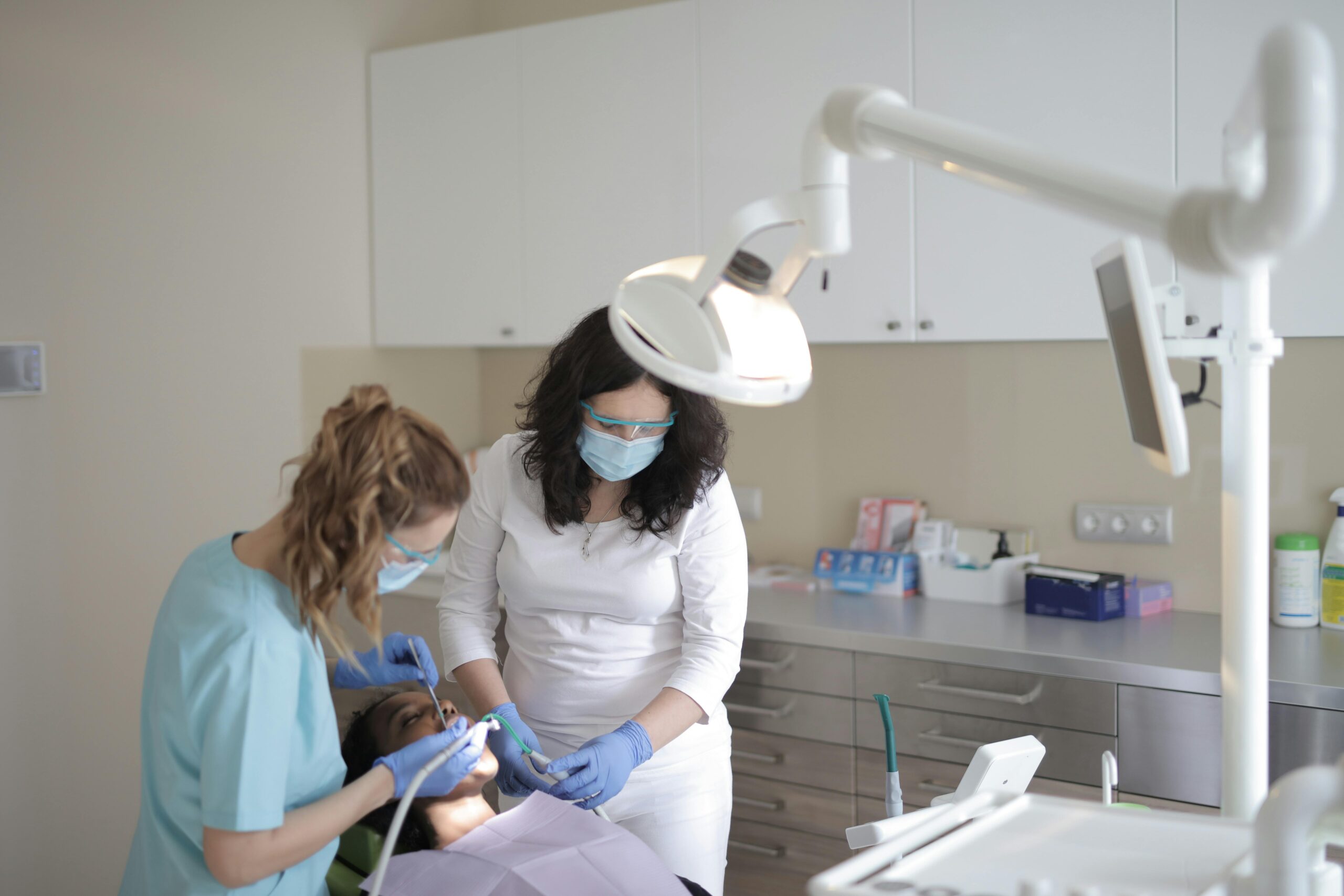
For patients who require complete unconsciousness during dental treatment, SmileScience Dental Spa provides general anesthesia in our office, administered by a board-certified anesthesiologist. Dr. Dawson focuses entirely on your treatment while a specialist manages your anesthesia and monitors your safety throughout.
What Is General Anesthesia in Dentistry?
General anesthesia is the deepest level of sedation. The patient is completely unconscious, unaware of their surroundings, and unable to respond to stimulation. Unlike IV sedation, protective airway reflexes are suppressed under general anesthesia, which requires airway management by the anesthesiologist.
In a dental office context, general anesthesia is available as an alternative to performing treatment in a hospital operating room. SmileScience brings a board-certified anesthesiologist to our Glendale facility so that patients who need this level of care can receive it in a familiar, convenient setting without a hospital admission.
General anesthesia is not required for most dental procedures. It is reserved for specific clinical situations where lighter sedation options would not be sufficient or safe.
When General Anesthesia Is Indicated
General anesthesia is chosen when the patient cannot be safely or adequately treated under any lighter form of sedation, or when the extent of treatment makes it the most appropriate option.
Extensive Oral Surgery
Complex full-arch extractions, extensive bone grafting, or multiple implant placements in a single session where the duration or invasiveness exceeds what IV sedation can comfortably manage.
Special Needs Patients
Patients with intellectual disabilities, autism spectrum disorder, severe movement disorders, or other conditions that prevent safe and effective treatment under lighter sedation benefit from the complete cooperation that general anesthesia provides.
Severe Dental Phobia
Patients with extreme dental anxiety who have not responded to nitrous oxide, oral sedation, or IV sedation, and for whom any level of awareness during treatment is unmanageable.
Medical Complexity
Some patients with certain medical conditions require the level of monitoring and airway control that only general anesthesia with a dedicated anesthesiologist can provide. This is determined in consultation with the anesthesiologist and, when appropriate, the patient's physician.
Administered by a Board-Certified Anesthesiologist
This is an important distinction. At SmileScience Dental Spa, general anesthesia is not administered by the treating dentist. A board-certified anesthesiologist is brought into our Glendale facility and is solely responsible for your anesthetic management throughout the procedure.
This means Dr. Dawson's undivided attention is on your dental treatment, while a physician-level anesthesia specialist manages your airway, monitors your vital signs, and adjusts anesthetic depth in real time. This two-provider model reflects the same standard of care used in hospital operating rooms.
The anesthesiologist conducts a pre-operative review of your health history and medications before every case. Any medical concerns are addressed before proceeding.
What to Expect
Consultation and Planning
Dr. Dawson discusses your treatment plan. The anesthesiologist reviews your health history and medications separately to clear you for general anesthesia. Any pre-operative testing (bloodwork, EKG) is ordered if indicated.
Day of Procedure
You arrive fasted and with a responsible adult driver. Monitoring equipment is applied. The anesthesiologist induces anesthesia through IV medication. You are completely unconscious before Dr. Dawson begins treatment.
During Treatment
The anesthesiologist maintains anesthetic depth, monitors heart rate, blood pressure, oxygen saturation, and respiratory function, and manages the airway continuously. Dr. Dawson performs the agreed treatment plan.
Emergence and Recovery
Anesthetic is discontinued at the end of treatment. You awaken in recovery and are monitored until stable. Your driver takes you home. Plan to rest for the full day; most patients are significantly more functional by the following morning.
Pre-Operative Instructions
Following these instructions exactly is essential to your safety. The anesthesiologist will review them with you at consultation and confirm compliance on the day of your procedure.
Fasting Requirements
- ✓ No solid food for at least 8 hours before your scheduled appointment time
- ✓ No milk or creamy liquids for 6 hours
- ✓ Clear liquids (water, apple juice, black coffee) allowed up to 2 hours before
- ✓ No alcohol for 24 hours before the procedure
Day-of Logistics
- ✓ A responsible adult must drive you to and from the appointment
- ✓ An adult must remain with you at home for at least 12 hours after discharge
- ✓ Do not drive, operate machinery, or make important decisions for 24 hours
- ✓ Bring a list of all current medications and supplements
- ✓ Wear comfortable, loose-fitting clothing
Medications
Most daily medications can be taken the morning of surgery with a small sip of water. Blood thinners, diabetes medications, and certain supplements may require adjustment. Follow the specific instructions given by the anesthesiologist, not general guidelines.
Contact Us If
- ✗ You develop a cold, respiratory illness, or fever in the week before surgery
- ✗ Your medications are changed by another provider
- ✗ You are unsure about any instruction
- ✗ Your transportation or driver arrangement changes
General Anesthesia Pricing
General anesthesia is priced based on the complexity and duration of treatment. Because each case is unique, a detailed estimate is provided after a consultation with both the treating dentist and the anesthesiologist.
Factors Affecting Cost
- •Duration and complexity of the dental procedures performed
- •Anesthesiologist fee (separate from dental procedure fees)
- •Pre-operative labs and medical clearance (if required)
- •Your dental and medical insurance plan coverage
Medical and dental insurance may cover portions of the procedure depending on your plan. Our team coordinates billing with your carriers before treatment. Financing through CareCredit and Lending Club is available for any remaining balance.
What Our Patients Say
4.9 (437 reviews)
I recently had the pleasure of visiting Smile Science Dental Spa, and I couldn't be more impressed with the level of care and service provided by the entire team. Dr. Dawson and Dr. Turke are both incredibly skilled and made me feel completely at ease throughout my procedures. Their professionalism, combined with their gentle approach, made me feel comfortable and well-informed every step of the way. I was especially impressed that I was able to get a same-day crown(apparently their first ever!), which exceeded my expectations. I couldn’t believe how quick and seamless the process was. It really saved me time and made the experience even more convenient. Cindiray and Angeles, the dental assistants, were equally wonderful. They were not only friendly and attentive but also thorough in explaining everything and made sure I was relaxed during each phase of my visit. Lastly, a big thank you to Litzy at the front desk, who greeted me with a smile and helped with scheduling and any questions I had. She made the entire check-in process a breeze. From start to finish, my experience at Smile Science Dental Spa was exceptional. I'll be returning for sure. I highly, highly, highly recommend them for anyone looking for high-quality dental care.
View Full Review on GoogleDusty

Honestly I’ve never been so happy to go to the dentist. I came in (late due to Lyft) and was still taken care of and treated with care. Even without insurance (kicking in within the next month) prices for an extraction on my infected tooth were more than reasonable. I was able to get more than expected done in the same visit. Dr. Dawson and his team made me feel so comfortable and taken care of. Won’t go anywhere else.
View Full Review on GoogleCherish B

I recently started as a patient after leaving our long-time family Dentist and couldn’t be happier! Marcela is AMAZING and a FANTASTIC hygienist!!!! 😃 Dr Dawson is great too! Every time I visit, they make me feel like family.
View Full Review on GoogleTJ Winzeler

Myself and my family had previously gone to Dr. Turk at another dental office that he worked at. He had relocated and we did not know where he had gone to until this week. Today I got in with Dr. Turk and he took the time to look at my x-rays carefully . I was having pain from a tooth and some other issues. The previous Dentist I went to that I saw just a few days earlier, he did not find any issues with my tooth which I had pain in. Dr. Turk identified infection and referred me to an endodontist. He is very gentle as a wonderful disposition and my self and my family are thrilled to be able to get back with him. The office is lovely, relaxing music, heat and massage chair.I have always been very nervous and some anxiety going to dentist as I have had bad reactions with the anesthesia. I am confident that Dr. Kirk will help me get through my next appointment just fine. “The staff are very kind and attentive. I am looking forward as I have quite a bit of work to be done, and I know I’m in good hands with Dr. Turk and his staff. Five stars!⭐️ Sherry
View Full Review on GoogleSherry Redmond

I recently moved to Arizona and had an issue with a tooth repair from 15 years back. Not knowing anyone here in my new home, I searched dentists close to me. I chose Smile Science much like pinning the tail on the donkey and my selection couldn't have been better! What a terrific staff! Dr. Turke was concerned the tooth would need to be extracted, but said he wanted to take a shot at saving it..and that's just what he did! After setting a temporary crown, I was on my way with an appointment to install the permanent crown in the following two weeks. That evening I received a call I've never received from a dentist. Dr. Turke had taken the time to follow up with me to make sure I wasn't in any discomfort..I was completely caught off guard by this kind of attention to detail and caring for my well being. The permanent crown is now in place, it fits and feels fantastic, the job and treatment are first class! Thank you, Dr. Turke and staff for taking in this stray and giving me a home dentist! I'd like to say that I'm just good at selecting blindly, but the truth is I am very lucky..and I'll take lucky over being good any day of the week! Thank you, again and Happiest of New Year's in 2026, Science Smile!!
View Full Review on GoogleEddy

Medical Review & Evidence
- American Dental Association. Guidelines for the Use of Sedation and General Anesthesia by Dentists. ADA, 2016 (reaffirmed 2022).
- American Association of Oral and Maxillofacial Surgeons. Office Anesthesia Evaluation Manual. AAOMS.
- American Society of Anesthesiologists. Practice Guidelines for Moderate Procedural Sedation and Analgesia. Anesthesiology. 2018;128(3):437-479.
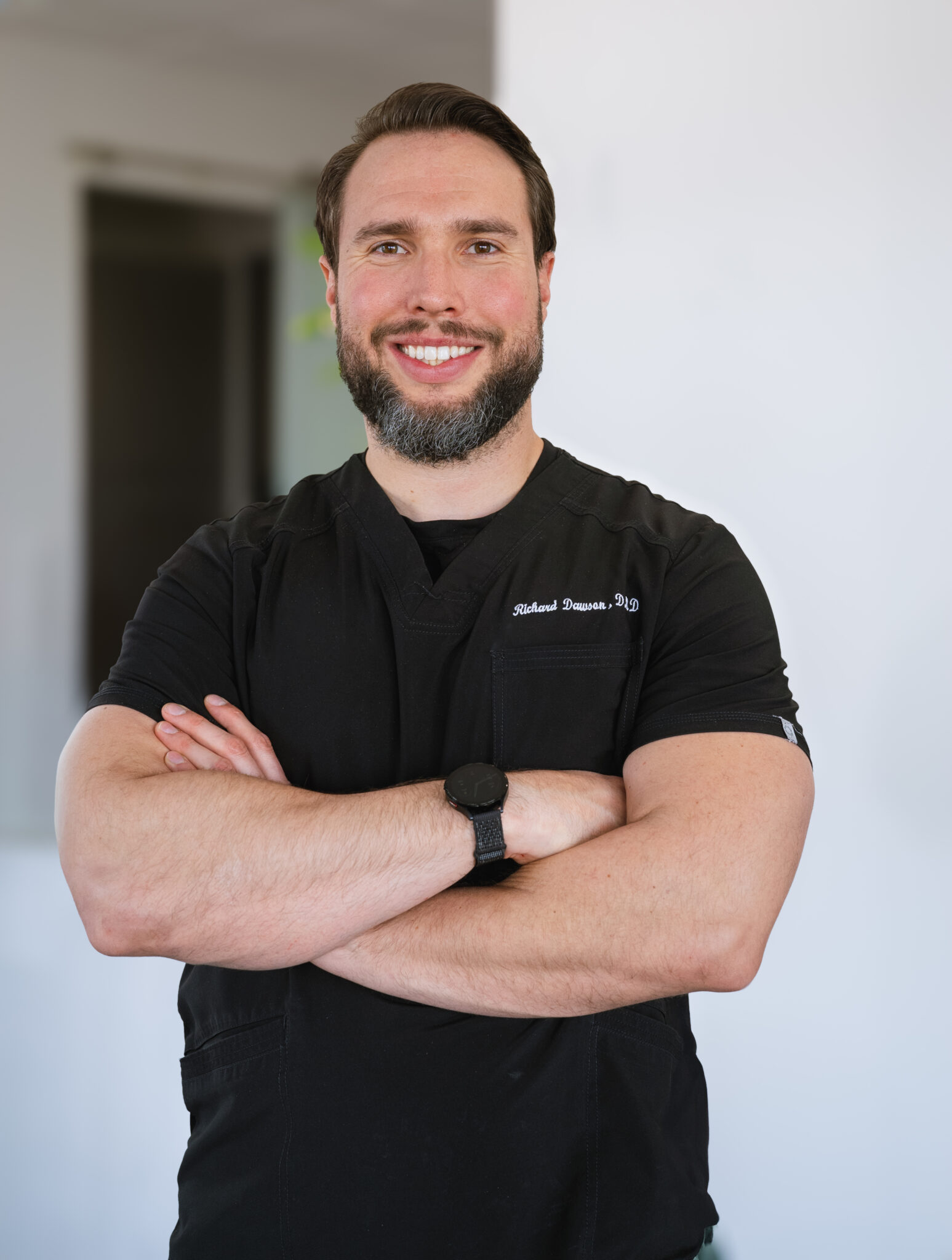
General anesthesia at Smile Science is administered by a board-certified dental anesthesiologist. Content reviewed by Dr. John Turke, DMD, April 2026.
Frequently Asked Questions
A board-certified anesthesiologist administers and manages all general anesthesia at SmileScience Dental Spa. This is not the dentist. The anesthesiologist's sole responsibility during your procedure is your anesthetic management and safety monitoring. Dr. Dawson concentrates entirely on your dental treatment.
Yes, when a qualified anesthesiologist is present and the facility has appropriate monitoring equipment and emergency protocols. The safety of in-office general anesthesia is comparable to an outpatient surgical center when these standards are met. The anesthesiologist conducts a pre-operative evaluation to confirm you are a suitable candidate before any case proceeds.
Duration depends on the treatment being performed. Simple cases may require 30 to 60 minutes. Extensive full-mouth procedures can take 2 to 4 hours. The anesthesiologist maintains anesthesia for exactly as long as treatment requires, and emergence is managed carefully to ensure a smooth recovery.
General anesthesia carries small but real risks including adverse reactions to anesthetic agents, breathing complications, nausea and vomiting, and, very rarely, more serious events. These risks are minimized through thorough pre-operative screening, the use of modern monitoring equipment, and the presence of a board-certified anesthesiologist throughout. The anesthesiologist will discuss your individual risk profile at consultation.
No. You must not eat or drink anything -- including water -- for at least 8 hours before your scheduled procedure. This is a strict safety requirement, not a preference. Food or liquid in the stomach increases the risk of aspiration during anesthesia, which can cause serious pulmonary complications. You will receive specific pre-operative fasting instructions at your consultation. Failure to follow them means your procedure will be cancelled on the day.
Call us before you come in. Active upper respiratory infections, fever, or significant illness can affect how your body responds to anesthesia and increase the risk of complications. The anesthesiologist may require rescheduling if you are acutely unwell. This is a safety decision, not an inconvenience -- coming in sick can put you at unnecessary risk.
Most patients are ready to leave the office 30 to 60 minutes after the procedure ends, once vital signs are stable and they are alert enough to safely be discharged. Plan for the rest of the day to be restful. You will need a driver and should not operate a vehicle, make important decisions, or be alone for at least 12 hours. Most patients feel back to themselves the following day, though some grogginess can persist into the next morning.
You must have a responsible adult who can drive you to and from the office and stay with you for the remainder of the day. This is non-negotiable. We will not administer general anesthesia without a confirmed driver present. The escort must be physically present at the office at the time of discharge -- we cannot release a patient to an Uber or taxi driver for post-anesthesia transport.
4.9 (437 reviews)
I recently had the pleasure of visiting Smile Science Dental Spa, and I couldn't be more impressed with the level of care and service provided by the entire team. Dr. Dawson and Dr. Turke are both incredibly skilled and made me feel completely at ease throughout my procedures. Their professionalism, combined with their gentle approach, made me feel comfortable and well-informed every step of the way. I was especially impressed that I was able to get a same-day crown(apparently their first ever!), which exceeded my expectations. I couldn’t believe how quick and seamless the process was. It really saved me time and made the experience even more convenient. Cindiray and Angeles, the dental assistants, were equally wonderful. They were not only friendly and attentive but also thorough in explaining everything and made sure I was relaxed during each phase of my visit. Lastly, a big thank you to Litzy at the front desk, who greeted me with a smile and helped with scheduling and any questions I had. She made the entire check-in process a breeze. From start to finish, my experience at Smile Science Dental Spa was exceptional. I'll be returning for sure. I highly, highly, highly recommend them for anyone looking for high-quality dental care.
View Full Review on GoogleDusty
Honestly I’ve never been so happy to go to the dentist. I came in (late due to Lyft) and was still taken care of and treated with care. Even without insurance (kicking in within the next month) prices for an extraction on my infected tooth were more than reasonable. I was able to get more than expected done in the same visit. Dr. Dawson and his team made me feel so comfortable and taken care of. Won’t go anywhere else.
View Full Review on GoogleCherish B
I recently started as a patient after leaving our long-time family Dentist and couldn’t be happier! Marcela is AMAZING and a FANTASTIC hygienist!!!! 😃 Dr Dawson is great too! Every time I visit, they make me feel like family.
View Full Review on GoogleTJ Winzeler
Myself and my family had previously gone to Dr. Turk at another dental office that he worked at. He had relocated and we did not know where he had gone to until this week. Today I got in with Dr. Turk and he took the time to look at my x-rays carefully . I was having pain from a tooth and some other issues. The previous Dentist I went to that I saw just a few days earlier, he did not find any issues with my tooth which I had pain in. Dr. Turk identified infection and referred me to an endodontist. He is very gentle as a wonderful disposition and my self and my family are thrilled to be able to get back with him. The office is lovely, relaxing music, heat and massage chair.I have always been very nervous and some anxiety going to dentist as I have had bad reactions with the anesthesia. I am confident that Dr. Kirk will help me get through my next appointment just fine. “The staff are very kind and attentive. I am looking forward as I have quite a bit of work to be done, and I know I’m in good hands with Dr. Turk and his staff. Five stars!⭐️ Sherry
View Full Review on GoogleSherry Redmond
I recently moved to Arizona and had an issue with a tooth repair from 15 years back. Not knowing anyone here in my new home, I searched dentists close to me. I chose Smile Science much like pinning the tail on the donkey and my selection couldn't have been better! What a terrific staff! Dr. Turke was concerned the tooth would need to be extracted, but said he wanted to take a shot at saving it..and that's just what he did! After setting a temporary crown, I was on my way with an appointment to install the permanent crown in the following two weeks. That evening I received a call I've never received from a dentist. Dr. Turke had taken the time to follow up with me to make sure I wasn't in any discomfort..I was completely caught off guard by this kind of attention to detail and caring for my well being. The permanent crown is now in place, it fits and feels fantastic, the job and treatment are first class! Thank you, Dr. Turke and staff for taking in this stray and giving me a home dentist! I'd like to say that I'm just good at selecting blindly, but the truth is I am very lucky..and I'll take lucky over being good any day of the week! Thank you, again and Happiest of New Year's in 2026, Science Smile!!
View Full Review on GoogleEddy
Comprehensive Dental Care Under General Anesthesia
SmileScience Dental Spa in Glendale, AZ provides general anesthesia care for patients who need it, administered by a board-certified anesthesiologist in our office. Contact us to schedule a consultation and learn whether this option is appropriate for your treatment needs.