
Glendale, Arizona
Dental Care for Anxious Patients in Glendale, AZ
Services provided by an Arizona licensed general dentist.
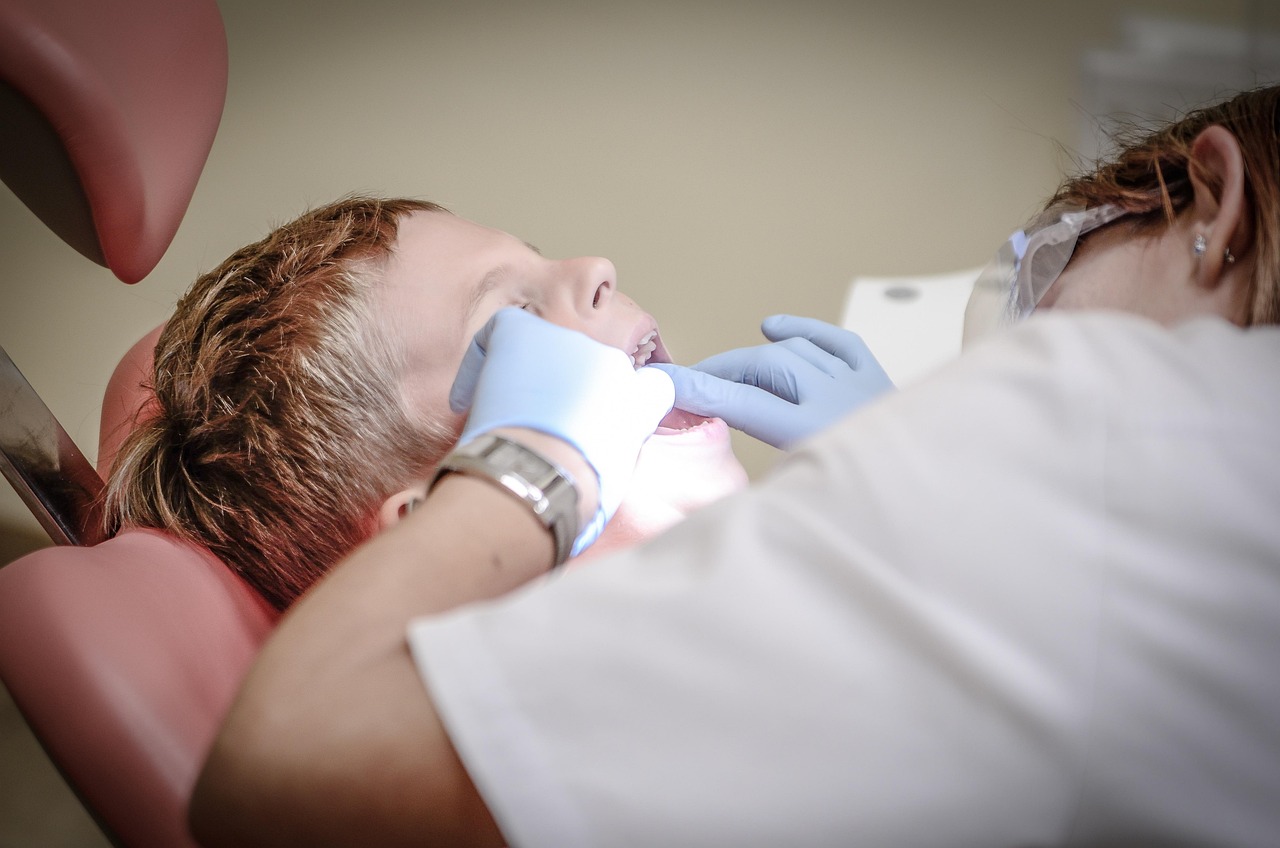
Dental anxiety is real, common, and nothing to be ashamed of. SmileScience Dental Spa was built from the ground up for patients who need a different kind of experience -- one that moves at your pace, explains every step, and offers every level of sedation from nitrous oxide to IV sedation administered by a board-certified dental anesthesiologist.
You Are Not Alone
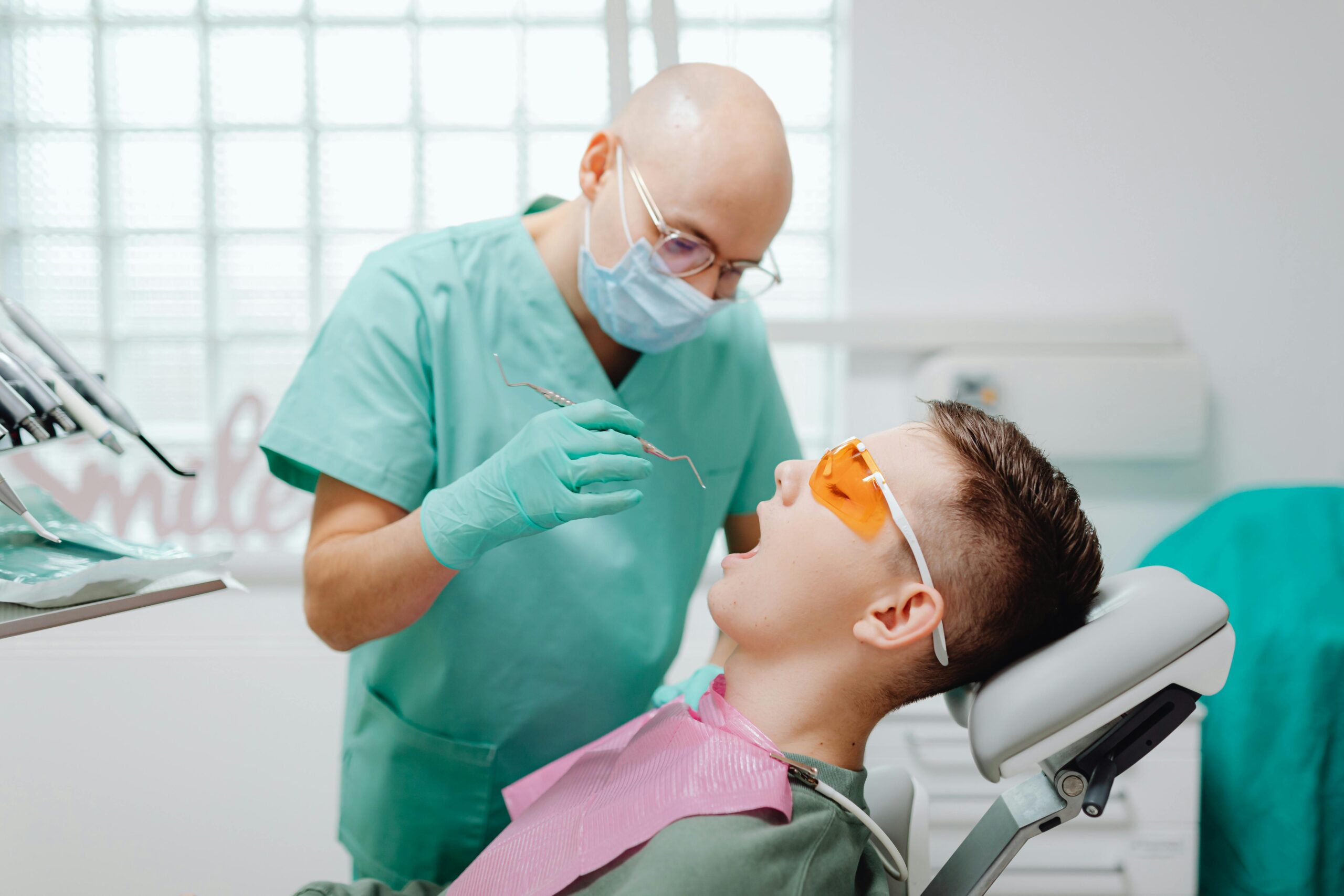
More Than 50 Million Americans Avoid Dental Care Because of Fear
Dental anxiety is one of the most common reasons people avoid oral healthcare. Studies consistently suggest that between 36% and 61% of people experience some level of dental fear -- and for a meaningful portion of those, the fear is severe enough to prevent them from seeking care at all. That works out to tens of millions of people living with dental problems that are quietly getting worse while they wait for the fear to go away on its own.
The consequences of avoidance compound over time. Small cavities become large ones. Gum disease advances silently. A cracked tooth that could have been crowned becomes an extraction. And ironically, every year of avoidance makes the eventual treatment more extensive and more expensive -- the exact outcome most anxious patients are trying to avoid.
There is no shame in feeling this way. Dental anxiety often has real, specific roots. A painful childhood experience. A provider who was dismissive or unkind. A sensitive gag reflex that made appointments miserable. The feeling of helplessness that comes from lying back with someone's hands in your mouth. These are legitimate experiences, and at SmileScience, we take them seriously.
Understanding the Root
Why Dental Anxiety Happens
Knowing where your anxiety comes from can help us address it more effectively. These are the most common triggers we hear from patients.
Where Do You Fall?
The Dental Anxiety Spectrum
Dental anxiety is not one thing. It exists on a spectrum from mild nervousness to full dental phobia. Where you fall determines the level of support that is most appropriate for you.
Mild Nervousness
Some tension or discomfort before appointments. You go, but you dread it. You may hold your breath during treatment or find yourself gripping the armrests. Communication techniques and nitrous oxide are usually sufficient to make appointments comfortable.
Moderate Anxiety
Appointments cause significant stress in the days or hours beforehand. You may cancel or postpone more often than you should. During treatment, anxiety interferes with your comfort even with nitrous oxide. Oral conscious sedation is often the right match at this level.
Severe Anxiety
The thought of dental treatment causes intense fear or a physical stress response. You may have avoided the dentist for years despite knowing you need care. Oral sedation or IV sedation, depending on your specific needs, can make treatment possible for patients at this level.
Dental Phobia
A clinical-level fear that causes panic attacks, avoidance regardless of pain or dental need, and significant impact on quality of life. Patients with dental phobia are exceptional candidates for IV sedation. Many report that their first sedation appointment is a turning point -- they finally receive the care they needed, with no memory of the procedure, and begin rebuilding a relationship with dental health.
Why Early Care Matters
The Real Cost of Putting It Off
The most difficult thing about dental anxiety is that avoidance feels safe in the short term. But every month that passes without care is a month in which small, manageable problems become larger, more complex, and more expensive ones.
A cavity that could have been filled in one visit becomes root canal territory. A tooth that needed a crown becomes an extraction. And missing teeth create a cascade of bone loss and shifting that can eventually require implants, bone grafting, or full-arch reconstruction -- procedures that are far more involved than the original problem.
There is also emerging evidence linking chronic oral infections and gum disease to systemic health conditions including heart disease, diabetes complications, and respiratory illness. Avoiding the dentist is not a neutral act. It has real consequences for your overall health over time.
- Emergency dentistry costs significantly more than preventive or restorative care
- Tooth loss from advanced decay or gum disease is largely preventable with regular care
- Chronic oral infection creates ongoing systemic inflammation
- The longer avoidance continues, the harder it becomes to get started again
Our Approach
What SmileScience Does Differently
We did not just add a sedation option to a standard dental office. The entire practice environment was designed with anxious patients in mind.
Finding Your Match
Sedation Options Matched to Your Anxiety Level
Not all anxiety requires the same response. We discuss your history and comfort level at your consultation and recommend the sedation level that is appropriate for your needs and the procedure being performed.
Nitrous Oxide -- For Mild to Moderate Anxiety
Nitrous oxide (sometimes called "laughing gas") is inhaled through a small, comfortable nose mask placed over your nostrils. Within minutes, most patients feel warm, relaxed, and somewhat detached from the situation without losing consciousness. It does not eliminate awareness, but it softens anxiety significantly. The best feature for many patients: effects wear off within a few minutes after the mask is removed, so you can drive yourself home. Learn more about nitrous oxide sedation.
Oral Conscious Sedation -- For Moderate to Significant Anxiety
A prescription medication -- typically triazolam (brand name Halcion) -- is taken by mouth approximately one hour before your appointment. You remain conscious and able to respond, but you feel deeply relaxed and often drowsy. Most patients have little to no memory of the appointment afterward. A driver is required. Oral sedation is a good fit for patients who need more relaxation than nitrous provides but do not require an IV line. Learn more about oral conscious sedation.
IV Sedation -- For Severe Anxiety or Complex Cases
Medication delivered intravenously produces deep relaxation with minimal awareness and virtually no memory of the procedure. At SmileScience, IV sedation is administered by a board-certified dental anesthesiologist -- not Dr. Dawson -- who focuses entirely on your sedation and vital signs while Dr. Dawson focuses on your treatment. This two-provider model provides hospital-level oversight in a comfortable dental office setting. A driver and responsible adult at home are required. Learn more about IV sedation dentistry.
All sedation options are discussed in full at your consultation before any appointment is scheduled. We never proceed with sedation without your complete understanding and consent.
What to Expect at Your First Appointment
- Step 1
We start with a conversation -- not an exam. You tell us about your history, what has made dental visits difficult in the past, and what you are hoping to achieve. We listen without judgment. This is not a formality; it genuinely shapes how we plan your care.
A Real Conversation First
A Gentle, Unhurried Assessment
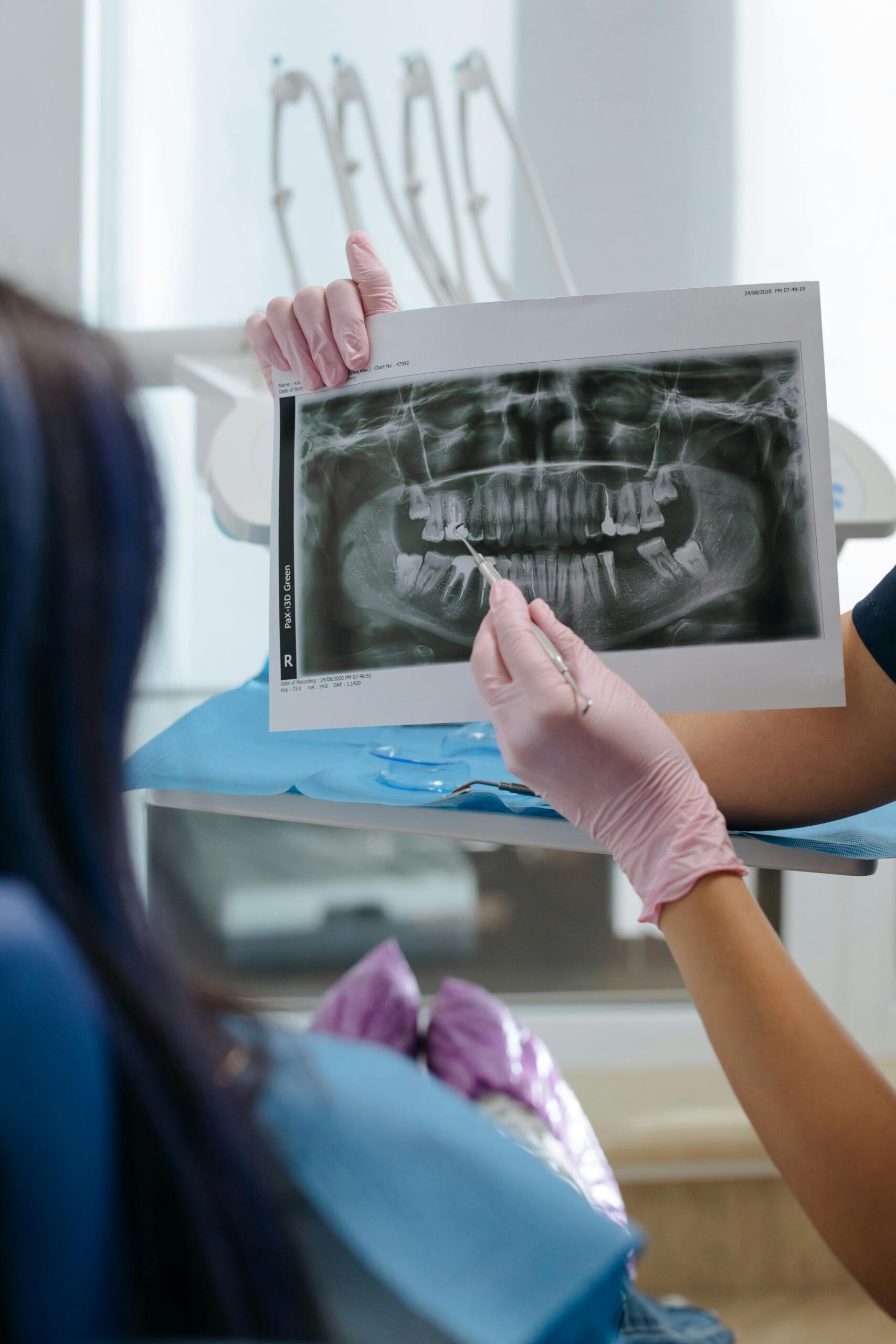
Step 2When you are ready, we conduct a gentle examination -- no procedures, no surprises. We use digital X-rays that are fast and comfortable, and digital scanning where possible to eliminate tray impressions. We explain everything we see and show you images so nothing is abstract or alarming.
- Step 3
We present your treatment options with full cost and time estimates. For each procedure, we discuss which sedation level makes the most sense for your anxiety level and the complexity of the work. Nothing is scheduled until you have had time to ask every question you have and feel genuinely comfortable with the plan.
A Clear Treatment Plan -- With Options
You Set the Timeline
Step 4Some patients want to start treatment immediately. Others need a few visits just to get comfortable with the office and team before anything is done. Both approaches are completely valid. We work at the pace that actually works for you, because a treatment plan you follow through with is infinitely more valuable than an aggressive one you abandon.

What Our Patients Say
4.9 (437 reviews)
I recently had the pleasure of visiting Smile Science Dental Spa, and I couldn't be more impressed with the level of care and service provided by the entire team. Dr. Dawson and Dr. Turke are both incredibly skilled and made me feel completely at ease throughout my procedures. Their professionalism, combined with their gentle approach, made me feel comfortable and well-informed every step of the way. I was especially impressed that I was able to get a same-day crown(apparently their first ever!), which exceeded my expectations. I couldn’t believe how quick and seamless the process was. It really saved me time and made the experience even more convenient. Cindiray and Angeles, the dental assistants, were equally wonderful. They were not only friendly and attentive but also thorough in explaining everything and made sure I was relaxed during each phase of my visit. Lastly, a big thank you to Litzy at the front desk, who greeted me with a smile and helped with scheduling and any questions I had. She made the entire check-in process a breeze. From start to finish, my experience at Smile Science Dental Spa was exceptional. I'll be returning for sure. I highly, highly, highly recommend them for anyone looking for high-quality dental care.
View Full Review on GoogleDusty

Honestly I’ve never been so happy to go to the dentist. I came in (late due to Lyft) and was still taken care of and treated with care. Even without insurance (kicking in within the next month) prices for an extraction on my infected tooth were more than reasonable. I was able to get more than expected done in the same visit. Dr. Dawson and his team made me feel so comfortable and taken care of. Won’t go anywhere else.
View Full Review on GoogleCherish B

I recently started as a patient after leaving our long-time family Dentist and couldn’t be happier! Marcela is AMAZING and a FANTASTIC hygienist!!!! 😃 Dr Dawson is great too! Every time I visit, they make me feel like family.
View Full Review on GoogleTJ Winzeler

Myself and my family had previously gone to Dr. Turk at another dental office that he worked at. He had relocated and we did not know where he had gone to until this week. Today I got in with Dr. Turk and he took the time to look at my x-rays carefully . I was having pain from a tooth and some other issues. The previous Dentist I went to that I saw just a few days earlier, he did not find any issues with my tooth which I had pain in. Dr. Turk identified infection and referred me to an endodontist. He is very gentle as a wonderful disposition and my self and my family are thrilled to be able to get back with him. The office is lovely, relaxing music, heat and massage chair.I have always been very nervous and some anxiety going to dentist as I have had bad reactions with the anesthesia. I am confident that Dr. Kirk will help me get through my next appointment just fine. “The staff are very kind and attentive. I am looking forward as I have quite a bit of work to be done, and I know I’m in good hands with Dr. Turk and his staff. Five stars!⭐️ Sherry
View Full Review on GoogleSherry Redmond

I recently moved to Arizona and had an issue with a tooth repair from 15 years back. Not knowing anyone here in my new home, I searched dentists close to me. I chose Smile Science much like pinning the tail on the donkey and my selection couldn't have been better! What a terrific staff! Dr. Turke was concerned the tooth would need to be extracted, but said he wanted to take a shot at saving it..and that's just what he did! After setting a temporary crown, I was on my way with an appointment to install the permanent crown in the following two weeks. That evening I received a call I've never received from a dentist. Dr. Turke had taken the time to follow up with me to make sure I wasn't in any discomfort..I was completely caught off guard by this kind of attention to detail and caring for my well being. The permanent crown is now in place, it fits and feels fantastic, the job and treatment are first class! Thank you, Dr. Turke and staff for taking in this stray and giving me a home dentist! I'd like to say that I'm just good at selecting blindly, but the truth is I am very lucky..and I'll take lucky over being good any day of the week! Thank you, again and Happiest of New Year's in 2026, Science Smile!!
View Full Review on GoogleEddy

Medical Review & Evidence
- Armfield JM, Heaton LJ. Management of fear and anxiety in the dental clinic: a review. Australian Dental Journal. 2013;58(4):390-407.
- American Dental Association. Guidelines for the Use of Sedation and General Anesthesia by Dentists. ADA House of Delegates, 2016 (reaffirmed 2022).
Content reflects current clinical guidelines and the experience of Dr. Richard Dawson, DMD, ICOI Fellow, at Smile Science Dental Spa, Glendale, AZ.
Dental Anxiety FAQs
No. Full stop. We see patients who have avoided the dentist for 5, 10, even 20 years. We do not comment on the state of someone's teeth in a way that implies blame or laziness. We understand that avoidance is a symptom of anxiety, not a character flaw. Our first appointment with you is about building trust and understanding your situation -- not delivering a verdict on past choices.
Yes. If anxiety makes even routine care difficult, sedation can be used for cleanings and exams. Nitrous oxide is often the right level for these visits and allows you to drive yourself home afterward. Some patients use sedation for their first several visits until they feel more comfortable with the office and team, then graduate to no sedation over time. There is no procedure too simple to justify sedation if it helps you receive care.
Raise your hand and we stop. Always, immediately, without complaint. If nitrous is not providing sufficient relief, we can reschedule you for oral sedation or IV sedation on a subsequent visit. There is no shame in needing a stronger option -- it simply means we need to match the sedation level to your actual anxiety level, not a theoretical one. We would rather take an extra appointment to get this right than push you through something that was miserable.
Yes, when administered by appropriately trained providers on medically suitable patients. Lighter sedation carries minimal risk for healthy adults. For IV sedation, SmileScience uses a board-certified dental anesthesiologist who is present specifically for your appointment and whose sole job is monitoring your sedation and vital signs. Your complete medical history is reviewed before any sedation is recommended.
It depends on the level. Nitrous oxide produces relaxation but full memory. Oral sedation typically produces partial to complete amnesia -- most patients remember very little after the medication takes effect. IV sedation produces minimal to no memory of the procedure for the vast majority of patients. For many anxious patients, this amnesia effect is precisely the point: each sedation visit replaces a potential traumatic dental memory with essentially no memory at all.
We work through this together at your consultation. We consider three things: the severity of your anxiety, the complexity and length of the planned procedure, and your medical history. Patients with mild anxiety and a simple filling might need nitrous. Patients with years of avoidance and a full treatment plan might need oral or IV sedation. There is no single right answer -- the right answer is whatever actually allows you to receive care comfortably and safely.
Yes, it can. High anxiety activates the nervous system in ways that can raise the threshold for local anesthetic effectiveness. Some patients who struggle to get numb despite multiple injections find that with appropriate sedation, the same amount of local anesthetic works much more reliably. Addressing the anxiety is sometimes the most effective way to improve numbness.
You would be surprised how often this is the thing holding someone back. The condition of your teeth when you walk in is the starting point of your treatment plan -- it does not reflect anything about you as a person, and it is not something we discuss in terms of blame. We have seen teeth in every condition possible. Our reaction is clinical, not judgmental. The only question that matters to us is: what do you want your teeth to look like, and how can we help you get there?
Yes. Many patients who start with IV sedation because they cannot tolerate any awareness during procedures gradually become more comfortable with oral sedation, then nitrous, then no sedation at all -- over the course of regular care. This happens because trust is built, positive experiences replace negative ones, and the fear association fades. It is not guaranteed for everyone, and there is no pressure to "graduate" off sedation if you simply prefer it. But for many patients, the trajectory is genuinely positive over time.
4.9 (437 reviews)
I recently had the pleasure of visiting Smile Science Dental Spa, and I couldn't be more impressed with the level of care and service provided by the entire team. Dr. Dawson and Dr. Turke are both incredibly skilled and made me feel completely at ease throughout my procedures. Their professionalism, combined with their gentle approach, made me feel comfortable and well-informed every step of the way. I was especially impressed that I was able to get a same-day crown(apparently their first ever!), which exceeded my expectations. I couldn’t believe how quick and seamless the process was. It really saved me time and made the experience even more convenient. Cindiray and Angeles, the dental assistants, were equally wonderful. They were not only friendly and attentive but also thorough in explaining everything and made sure I was relaxed during each phase of my visit. Lastly, a big thank you to Litzy at the front desk, who greeted me with a smile and helped with scheduling and any questions I had. She made the entire check-in process a breeze. From start to finish, my experience at Smile Science Dental Spa was exceptional. I'll be returning for sure. I highly, highly, highly recommend them for anyone looking for high-quality dental care.
View Full Review on GoogleDusty
Honestly I’ve never been so happy to go to the dentist. I came in (late due to Lyft) and was still taken care of and treated with care. Even without insurance (kicking in within the next month) prices for an extraction on my infected tooth were more than reasonable. I was able to get more than expected done in the same visit. Dr. Dawson and his team made me feel so comfortable and taken care of. Won’t go anywhere else.
View Full Review on GoogleCherish B
I recently started as a patient after leaving our long-time family Dentist and couldn’t be happier! Marcela is AMAZING and a FANTASTIC hygienist!!!! 😃 Dr Dawson is great too! Every time I visit, they make me feel like family.
View Full Review on GoogleTJ Winzeler
Myself and my family had previously gone to Dr. Turk at another dental office that he worked at. He had relocated and we did not know where he had gone to until this week. Today I got in with Dr. Turk and he took the time to look at my x-rays carefully . I was having pain from a tooth and some other issues. The previous Dentist I went to that I saw just a few days earlier, he did not find any issues with my tooth which I had pain in. Dr. Turk identified infection and referred me to an endodontist. He is very gentle as a wonderful disposition and my self and my family are thrilled to be able to get back with him. The office is lovely, relaxing music, heat and massage chair.I have always been very nervous and some anxiety going to dentist as I have had bad reactions with the anesthesia. I am confident that Dr. Kirk will help me get through my next appointment just fine. “The staff are very kind and attentive. I am looking forward as I have quite a bit of work to be done, and I know I’m in good hands with Dr. Turk and his staff. Five stars!⭐️ Sherry
View Full Review on GoogleSherry Redmond
I recently moved to Arizona and had an issue with a tooth repair from 15 years back. Not knowing anyone here in my new home, I searched dentists close to me. I chose Smile Science much like pinning the tail on the donkey and my selection couldn't have been better! What a terrific staff! Dr. Turke was concerned the tooth would need to be extracted, but said he wanted to take a shot at saving it..and that's just what he did! After setting a temporary crown, I was on my way with an appointment to install the permanent crown in the following two weeks. That evening I received a call I've never received from a dentist. Dr. Turke had taken the time to follow up with me to make sure I wasn't in any discomfort..I was completely caught off guard by this kind of attention to detail and caring for my well being. The permanent crown is now in place, it fits and feels fantastic, the job and treatment are first class! Thank you, Dr. Turke and staff for taking in this stray and giving me a home dentist! I'd like to say that I'm just good at selecting blindly, but the truth is I am very lucky..and I'll take lucky over being good any day of the week! Thank you, again and Happiest of New Year's in 2026, Science Smile!!
View Full Review on GoogleEddy
The First Step Is Just a Conversation
A consultation at SmileScience Dental Spa in Glendale is not a procedure -- it is just a conversation. No instruments, no pressure, no judgment. Come meet the team, see the office, and ask every question you have been holding onto. We will take it from there at whatever pace works for you.