

Glendale, Arizona
Tori Reduction in Glendale, AZ
Services provided by an Arizona licensed general dentist.
Mandibular and palatal tori are benign bony growths that can interfere with denture fit, speech, food trapping, and oral hygiene. Dr. Dawson performs tori reduction in-house at SmileScience -- typically a single outpatient procedure with local or IV sedation, and full healing in 2 to 4 weeks.
Benign Bony Growths
What Are Oral Tori?
Tori are smooth, bony protuberances that develop on the inner surfaces of the jaw or the roof of the mouth. They are benign and extremely common -- estimated to occur in 5 to 10 percent of the population -- and most people with tori never require any treatment.
There are two main types. Mandibular tori develop on the lingual (tongue-side) surface of the lower jaw, typically near the premolar region, and are often bilateral. Palatal tori (torus palatinus) develop along the midline of the hard palate and vary widely in size.
Tori grow slowly over a lifetime, driven by genetic factors and possibly occlusal stress. They do not become cancerous and do not require removal unless they create a functional problem. When they do, surgical reduction is straightforward and highly predictable.
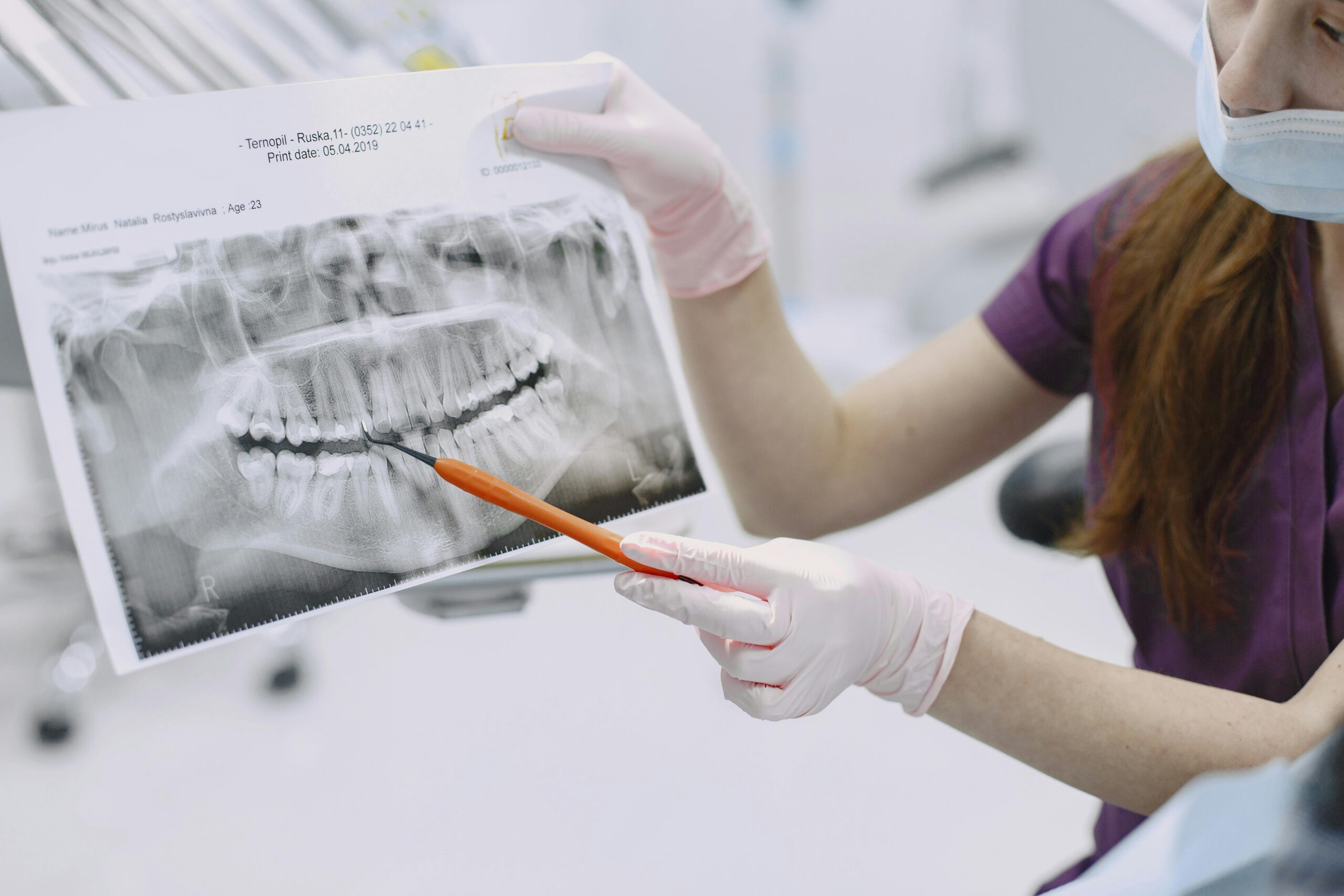
At SmileScience Dental Spa in Glendale, Dr. Dawson evaluates tori with a clinical exam and, when needed, CBCT 3D imaging to assess the thickness and bony architecture before recommending a treatment path. Many patients referred in with large tori are simply monitored -- reduction is only discussed when there is a genuine functional problem.
Most patients are surprised by how manageable tori reduction is. It is an outpatient procedure, performed under local anesthesia for most cases, and healing is typically complete within a few weeks. The functional improvement -- especially for denture patients -- is significant.
-- Richard Dawson, DMD
When to Consider Treatment
Do You Need Tori Reduction?
Tori that cause any of the following problems are candidates for surgical reduction. If you are unsure, Dr. Dawson will evaluate at your consultation and give you a direct answer.
Denture Interference
Tori that prevent a complete lower denture from seating properly, cause pressure sores, or make retention impossible. This is the most common indication for reduction -- tori are routinely addressed before complete denture fabrication.
Food Trapping and Hygiene
Large mandibular tori create pockets that trap food debris, making thorough cleaning difficult and increasing the risk of decay and gum disease in the adjacent teeth. Reduction eliminates the trap and restores normal hygiene access.
Speech Difficulty
Palatal tori that occupy significant space on the roof of the mouth can interfere with tongue placement during speech. Reduction restores normal palatal contour and typically resolves related articulation difficulties.
Chronic Irritation or Discomfort
Tori with thin overlying mucosa are prone to ulceration from minor trauma during eating. If you have recurring sores over a bony protuberance in your mouth, reduction is often the most effective long-term solution.
Is Reduction Right for You?
Am I a Candidate for Tori Reduction?
Not every patient with tori is a candidate for reduction. Dr. Dawson applies a conservative standard: if your tori are asymptomatic and create no functional problem, the right recommendation is watchful waiting -- not surgery.
You are likely a good candidate if: tori prevent proper denture seating or are being planned as part of a full denture case; you have documented food trapping and hygiene breakdown despite diligent brushing; palatal tori are large enough to alter speech; or you have recurring mucosal ulceration at the tori sites from trauma during eating.
Watchful waiting is appropriate if: tori are small and stable with no functional complaint; the only concern is appearance (tori are not visible to others); or you are being evaluated as a precaution after a routine dental exam. Many patients with large tori have had them for decades without issue -- size alone is not an indication for surgery.
Medical considerations: Patients on anticoagulant medications, bisphosphonates, or with systemic conditions affecting bone healing require careful pre-surgical evaluation. Dr. Dawson reviews your full medical history before any recommendation is made.
I see patients who have been told they need tori reduction by every dentist they have visited for twenty years. Sometimes that is correct and they have been waiting too long. Other times they genuinely do not need it. A direct, honest assessment at consultation -- no upselling -- is what I owe every patient who comes in for an evaluation.
-- Richard Dawson, DMD
What to Expect
Tori reduction is a predictable outpatient procedure. Here is the standard sequence for most patients at SmileScience Dental Spa in Glendale.
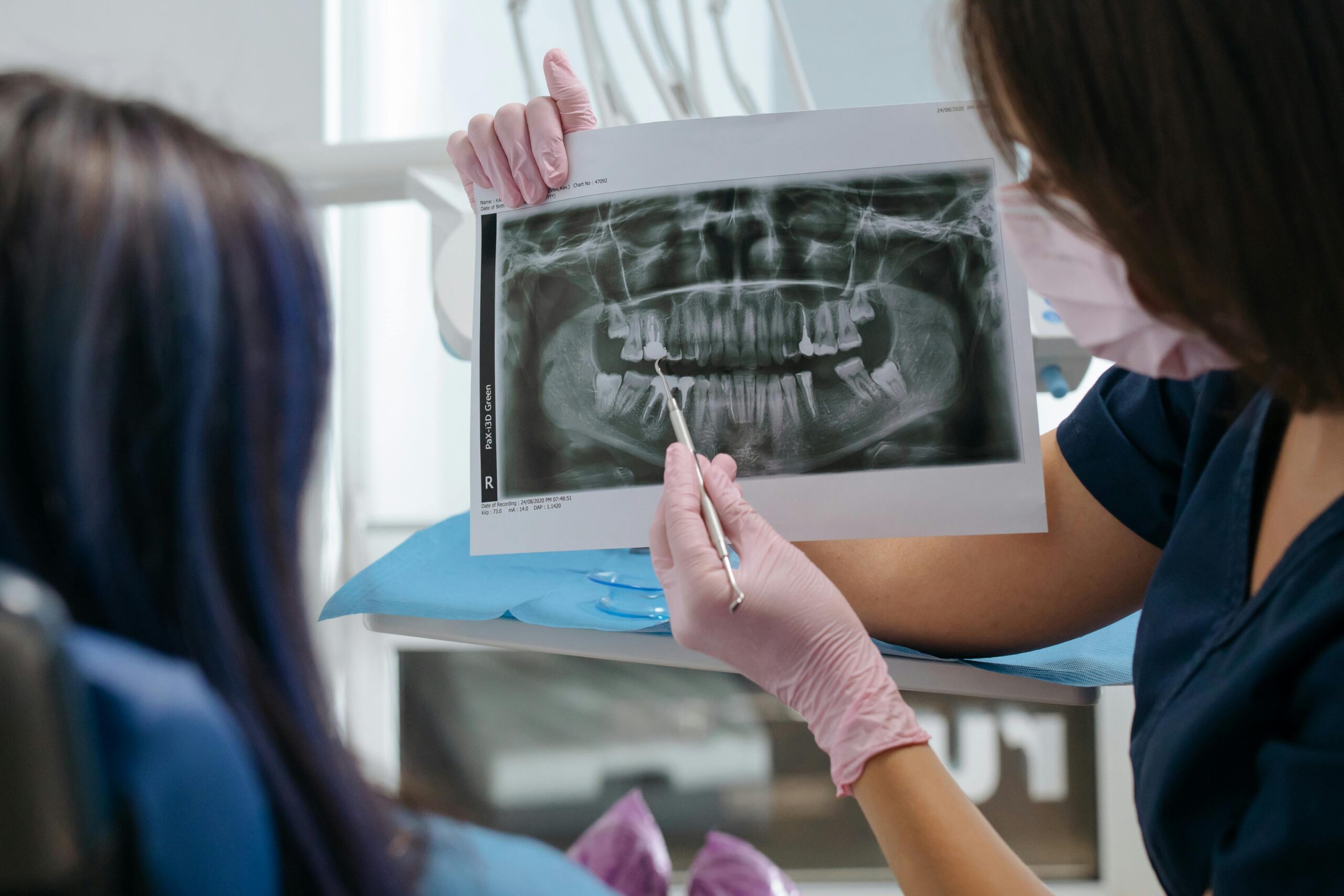
Dr. Dawson examines the tori and reviews any existing imaging. He assesses the size, shape, and location of the tori and discusses whether reduction is appropriate and what outcome to expect. CBCT 3D imaging is used for larger or complex cases to evaluate bone thickness and anatomy. If complete dentures are also being planned, the reduction and denture timeline are coordinated so impressions are taken after healing is complete.
Consultation and Clinical Assessment
Sedation Selection
Most tori reductions are performed comfortably under local anesthesia. IV sedation administered by a board-certified dental anesthesiologist is available for patients who prefer deeper relaxation, bilateral mandibular cases, or large palatal tori requiring more extensive reduction. You discuss options at the consultation and choose what fits your preference. There is no pressure to choose any particular sedation level.
A small incision is made in the mucosa overlying the tori. The mucoperiosteal flap is reflected to expose the bone. An osteotome, bur, or piezoelectric instrument is used to reduce the bony prominence to a level that is smooth and functionally normal. The goal is a flat or gently contoured ridge -- not complete removal of all bone. The flap is sutured closed. Most procedures take 30 to 75 minutes depending on extent.
Surgical Reduction
Post-Operative Instructions
You leave with written post-operative instructions, a prescription for analgesics if needed, and a chlorhexidine rinse to keep the area clean during initial healing. Sutures are typically resorbable and dissolve on their own. You receive our direct contact information for any questions during recovery.
Soft tissue healing takes 1 to 2 weeks. Complete bone remodeling takes 4 to 8 weeks. A follow-up appointment confirms healing. If complete dentures were the indication for surgery, denture impressions are typically scheduled 6 to 8 weeks post-reduction to allow full ridge consolidation.
Healing and Follow-Up

After Your Procedure
Tori Reduction Recovery
Most patients are eating soft foods by the next day and back to normal activity within 3 to 5 days. The mouth heals quickly.
- Mild swelling and soreness for 2 to 5 days -- peak swelling at 48 hours
- Ice packs in the first 24 hours reduce swelling significantly
- Soft diet for 1 week -- avoid hard, crunchy, or sharp-edged foods
- Gentle warm salt water rinses after meals beginning 24 hours post-procedure
- Resorbable sutures dissolve on their own within 7 to 14 days
- Avoid partial or complete dentures in the surgical area until cleared by Dr. Dawson
- Full healing adequate for denture impressions typically at 6 to 8 weeks
The oral mucosa has one of the fastest healing rates of any tissue in the body. Most patients are pleasantly surprised by how quickly they recover from tori reduction compared to their expectations.
When to call us: Contact SmileScience Dental Spa in Glendale if you experience worsening pain after day 3, fever above 100.4 degrees F, pus or unusual discharge, or difficulty swallowing. These are uncommon after tori reduction but warrant prompt evaluation.

Pricing and Coverage
Cost of Tori Reduction in Glendale, AZ
The cost of tori reduction varies based on the extent of the procedure, the number of sites treated, and the sedation option chosen. A written estimate is provided at your consultation before any treatment is scheduled -- no surprises.
What Drives Cost Variation
Tori reduction fees are determined by the anatomical extent of the procedure: unilateral versus bilateral sites, small tori versus large lobulated growths, mandibular versus palatal location, and whether the procedure requires additional bone contouring. Sedation adds cost when a board-certified dental anesthesiologist is on-site for IV cases. Simple single-site reductions under local anesthesia are significantly less expensive than full bilateral mandibular plus palatal reduction under IV sedation.
Insurance Coverage
Most dental PPO plans that include oral surgery benefits cover tori reduction, particularly when it is performed to enable denture fabrication or to address a documented hygiene or functional problem. Coverage typically ranges from 50 to 80 percent of the fee after your annual deductible. Pre-authorization from your insurer before scheduling clarifies your exact out-of-pocket responsibility. Our front desk handles the pre-authorization process and reviews benefits on your behalf.
Financing available: CareCredit and Sunbit financing are accepted at SmileScience, offering extended payment plans for patients who want to spread the cost over time. Same-day approval is typically available. Ask the front desk for details at your consultation.
Medical Review & Evidence

Tori reduction is a well-established outpatient procedure with predictable outcomes. The procedure is indicated when tori interfere with denture fabrication, oral hygiene, speech, or cause recurrent mucosal trauma. Success rates are high and recurrence is rare.
- Jainkittivong A, Langlais RP. Buccal and palatal exostoses: prevalence and concurrence with tori. Oral Surg Oral Med Oral Pathol Oral Radiol Endod. 2000. PubMed -- Epidemiology and clinical significance of intraoral tori and exostoses; prevalence estimates and concurrence patterns across anatomical sites.
- Saito I, et al. Bone mineral content and density in mandibular tori. Oral Surg Oral Med Oral Pathol. 1997. PubMed -- Structural characteristics of tori tissue relevant to surgical approach, healing potential, and recurrence risk following reduction.
- Antoniades DZ, et al. Concurrence of torus palatinus with palatal and buccal exostoses: case report and review of the literature. Oral Surg Oral Med Oral Pathol Oral Radiol Endod. 1998. PubMed -- Clinical guidance on presentation variants and indications for surgical management, including prosthetic rehabilitation considerations.
Tori Reduction FAQs
No. Oral tori are benign bony growths with no malignant potential. They are not a sign of cancer and do not increase cancer risk. The main reason to monitor them is functional -- if they remain small and asymptomatic, no treatment is required. If you notice a sudden increase in size or a soft or ulcerated lesion in the same area, that would warrant evaluation, as it is distinct from the tori itself.
No. Most people with tori never need any treatment. Reduction is indicated when tori cause a specific functional problem: denture interference, food trapping that cannot be managed hygienically, speech difficulty, or recurrent ulceration from trauma. If tori are found on examination but you have none of these issues, the appropriate recommendation is monitoring, not surgery.
Coverage depends on your plan. Tori reduction performed to enable denture fabrication is often covered under the prosthetic provision of dental plans, or under a separate surgical benefit. Reduction for hygiene or comfort reasons may be covered as oral surgery. Coverage typically ranges from 50 to 80 percent after your deductible, but this varies by plan. We recommend requesting a pre-authorization from your insurance before scheduling so you know your out-of-pocket cost in advance. Our front desk can assist with this process.
We do not quote fees without reviewing your specific anatomy, because the scope varies considerably between a small single-site reduction and a full bilateral mandibular plus palatal case. What we can tell you is that the fee is based on the extent of the procedure and the sedation chosen. A complete written estimate -- with every fee itemized -- is provided at your consultation before you make any decisions. No treatment is scheduled until you have seen and agreed to the estimate.
Most prosthodontists and general dentists recommend waiting 6 to 8 weeks after tori reduction before taking final denture impressions. This allows the bone to fully remodel and the soft tissue to stabilize. Immediate impressions taken before the ridge has consolidated produce a fit that will become loose as healing continues. Dr. Dawson coordinates the timing with your denture plan at the consultation.
Recurrence after well-executed tori reduction is uncommon but possible, particularly in patients with ongoing occlusal loading patterns that originally drove tori growth. The recurrence rate is estimated at under 10 percent, and any regrowth is typically slow. Most patients who undergo reduction for denture fabrication do not experience clinically significant regrowth within the functional life of their prosthesis.
For most patients, local anesthesia alone provides complete comfort during tori reduction. IV sedation administered by our board-certified dental anesthesiologist is a good option for patients with significant dental anxiety, bilateral mandibular tori requiring more time, or large palatal tori with extensive reduction planned. The choice is yours -- we will present options at your consultation and recommend based on the scope of your specific case.
Tori reduction has an excellent track record as a straightforward outpatient bone surgery. The procedure reliably achieves its primary goals: enabling proper denture seating, eliminating food traps, and restoring palatal contour for speech. Complications are uncommon and typically minor when they occur. Dr. Dawson will give you an honest assessment of expected outcomes based on the specific anatomy involved in your case.
What Our Patients Say
4.9 (437 reviews)
I recently had the pleasure of visiting Smile Science Dental Spa, and I couldn't be more impressed with the level of care and service provided by the entire team. Dr. Dawson and Dr. Turke are both incredibly skilled and made me feel completely at ease throughout my procedures. Their professionalism, combined with their gentle approach, made me feel comfortable and well-informed every step of the way. I was especially impressed that I was able to get a same-day crown(apparently their first ever!), which exceeded my expectations. I couldn’t believe how quick and seamless the process was. It really saved me time and made the experience even more convenient. Cindiray and Angeles, the dental assistants, were equally wonderful. They were not only friendly and attentive but also thorough in explaining everything and made sure I was relaxed during each phase of my visit. Lastly, a big thank you to Litzy at the front desk, who greeted me with a smile and helped with scheduling and any questions I had. She made the entire check-in process a breeze. From start to finish, my experience at Smile Science Dental Spa was exceptional. I'll be returning for sure. I highly, highly, highly recommend them for anyone looking for high-quality dental care.
View Full Review on GoogleDusty

Honestly I’ve never been so happy to go to the dentist. I came in (late due to Lyft) and was still taken care of and treated with care. Even without insurance (kicking in within the next month) prices for an extraction on my infected tooth were more than reasonable. I was able to get more than expected done in the same visit. Dr. Dawson and his team made me feel so comfortable and taken care of. Won’t go anywhere else.
View Full Review on GoogleCherish B

I recently started as a patient after leaving our long-time family Dentist and couldn’t be happier! Marcela is AMAZING and a FANTASTIC hygienist!!!! 😃 Dr Dawson is great too! Every time I visit, they make me feel like family.
View Full Review on GoogleTJ Winzeler

Myself and my family had previously gone to Dr. Turk at another dental office that he worked at. He had relocated and we did not know where he had gone to until this week. Today I got in with Dr. Turk and he took the time to look at my x-rays carefully . I was having pain from a tooth and some other issues. The previous Dentist I went to that I saw just a few days earlier, he did not find any issues with my tooth which I had pain in. Dr. Turk identified infection and referred me to an endodontist. He is very gentle as a wonderful disposition and my self and my family are thrilled to be able to get back with him. The office is lovely, relaxing music, heat and massage chair.I have always been very nervous and some anxiety going to dentist as I have had bad reactions with the anesthesia. I am confident that Dr. Kirk will help me get through my next appointment just fine. “The staff are very kind and attentive. I am looking forward as I have quite a bit of work to be done, and I know I’m in good hands with Dr. Turk and his staff. Five stars!⭐️ Sherry
View Full Review on GoogleSherry Redmond

I recently moved to Arizona and had an issue with a tooth repair from 15 years back. Not knowing anyone here in my new home, I searched dentists close to me. I chose Smile Science much like pinning the tail on the donkey and my selection couldn't have been better! What a terrific staff! Dr. Turke was concerned the tooth would need to be extracted, but said he wanted to take a shot at saving it..and that's just what he did! After setting a temporary crown, I was on my way with an appointment to install the permanent crown in the following two weeks. That evening I received a call I've never received from a dentist. Dr. Turke had taken the time to follow up with me to make sure I wasn't in any discomfort..I was completely caught off guard by this kind of attention to detail and caring for my well being. The permanent crown is now in place, it fits and feels fantastic, the job and treatment are first class! Thank you, Dr. Turke and staff for taking in this stray and giving me a home dentist! I'd like to say that I'm just good at selecting blindly, but the truth is I am very lucky..and I'll take lucky over being good any day of the week! Thank you, again and Happiest of New Year's in 2026, Science Smile!!
View Full Review on GoogleEddy

Related Services at Smile Science Dental Spa
Questions About Tori Reduction?
Dr. Dawson performs tori reduction consultations at SmileScience Dental Spa in Glendale, AZ. If you are planning dentures or have tori causing discomfort, call or book online -- he will assess your specific anatomy and give you a clear recommendation with no pressure to proceed until you are ready.