
Understanding Tooth Decay Stages
Tooth decay moves from early enamel changes to deeper tooth damage. At first, minerals leave the enamel surface, which can still be repaired. If decay reaches dentin, a cavity forms and treatment is needed. When bacteria reach the pulp, infection and pain can follow.
A cold sip stings one back molar. Early decay often appears as a matte, white spot where acids have taken minerals from enamel. With fluoride, better brushing, and less frequent sugar, many white spot lesions can arrest or even remineralize, restoring hardness before a drill is needed [1]. Understanding this early, reversible stage helps you act sooner.
Once decay breaks through enamel into dentin, it spreads faster along the softer tissue and open tubules, which can cause sensitivity. At this stage, removing the decayed area and placing a conservative restoration is typically advised to stop progression and restore function [2]. The dentin–pulp complex can mount a defense by laying down new dentin, but ongoing bacterial insult risks inflammation of the pulp and eventual necrosis if untreated [3].
If decay advances into the pulp, you may notice lingering pain, swelling, or a pimple on the gum from an abscess. Timely exams and X-rays help find hidden decay between teeth and under old fillings before it reaches this point. For practical ways to stop decay early, see our overview of proven prevention strategies.
Check our current hours if you need to plan a visit.
When treated early, small cavities often avoid bigger problems.
Initial Demineralization Process
Initial demineralization is the first step in the tooth decay stages. Plaque bacteria eat sugars and make acids that lower pH at the tooth surface. When pH drops, minerals like calcium and phosphate leave enamel, creating a weak, chalky area that can still be repaired. With time and the right care, this stage can reverse.
A teen sips soda between classes. Each sip causes an acid wave that softens enamel. Saliva helps buffer acids and brings minerals back, but frequent snacking or sipping keeps pH low, so loss can outpace repair [4]. Fluoride supports remineralization by forming a more acid-resistant mineral and by slowing mineral loss; learn more about how fluoride strengthens enamel. Plaque tends to sit in quiet corners near the gums, around orthodontic brackets, and between teeth, so early changes often start there [5].
- Frequent sugary snacks or drinks
- Acidic beverages like sodas or sports drinks
- Dry mouth from medications or mouth breathing
- Plaque left at the gumline or between teeth
- Braces and other appliances that trap plaque
- Low fluoride exposure in daily home care
What might you notice at this stage? Look for dull, white, matte spots that seem rough when dried, often near the gums or around brackets. Cold or sweet may cause brief twinges. Because demineralization is subsurface, the tooth can look intact but feel chalky. Early dental checks can confirm risk, coach plaque control, and apply therapies that tip the balance back toward repair [5]. If mineral loss continues, the surface can collapse into a hole, and decay spreads faster through dentin.
When treated early, remineralization preserves enamel and comfort.
Signs of Enamel Decay
Enamel decay often starts quietly. Early signs include a change in surface look and feel, such as loss of natural shine or a frosty appearance when the tooth is dried. You might notice brief, sharp twinges with cold or sweets that fade fast. Dark stain that lingers in pits or grooves despite good brushing can signal progression.
Because enamel has no nerves, the first stage is usually painless. Drying the tooth for a few seconds makes early surface changes easier to spot, since normal enamel looks glossy while affected areas turn more opaque. Between teeth, early enamel loss is hidden from view, so bitewing X‑rays often reveal it before a hole forms. Dentists use structured visual criteria and, in some cases, adjunct tools such as fluorescence devices to help detect early lesions that are hard to see in regular light [6]. During brushing, a front tooth looks frosty when dried.
What should prompt attention? New areas that look different when dry, a spot that feels rough to your tongue or catches floss, or quick zings with cold or sweet. Track when and where you feel changes, since patterns help your dentist find the source. If sensitivity is your main symptom, you can explore causes and relief for tooth sensitivity. Knowing these clues helps you see where you may be within the tooth decay stages and choose the right next step. Catching subtle changes early protects comfort and structure.
Recognizing Dentin Decay
Dentin decay means the cavity has passed through enamel and entered the softer dentin layer. You may notice sharper sensitivity to cold or sweets, a brown or gray shadow under the enamel, or a spot that traps food. Within the tooth decay stages, this is the point where professional treatment is usually needed to stop spread and restore strength.
A kernel of popcorn keeps catching in one back tooth. Once bacteria reach dentin, acids dissolve it faster than enamel. Dentin has tiny tubules that lead toward the nerve, so fluid movement in these tubules can make cold or sweet feel zingy. Because decay can spread sideways under enamel, the surface opening may look small while the hidden area is larger. That is why a shadowy hue or a soft, tacky feel inside a pit or groove can be important clues.
What might you notice day to day? Food packing between teeth that feels new, floss that starts to fray in one spot, or sensitivity that stops soon after you remove the cold or sweet. The tooth might feel fine to chew on, yet a dark outline shows through the enamel. To confirm, dentists look for softened dentin, check for undermined enamel, and use bitewing X‑rays to see if the lesion has crossed the enamel–dentin junction. These steps help size the problem and guide a conservative plan.
Timely care at the dentin stage focuses on removing only the decayed area and sealing the tooth so bacteria lose access to nutrients. This preserves healthy structure and protects the pulp from irritation. If you are curious about next steps, see what a cavity filling visit involves. Left to progress, decay can inflame the pulp and shift the plan toward root canal therapy rather than a simple restoration. When treated early, conservative care can protect comfort and structure.
Review material choices and a step-by-step plan for your tooth.
Restore strength and a natural look.
Implications of Pulp Involvement
When decay reaches the pulp, the soft tissue inside the tooth becomes inflamed or infected. This usually shifts care from a simple filling to therapy focused on the nerve and root. Within the tooth decay stages, pulp involvement is the point where saving the tooth often requires endodontic treatment or removal.
A hot drink triggers a deep ache that lingers. As bacteria and their byproducts travel through dentin tubules, the pulp mounts an inflammatory response. Pressure can build in the rigid chamber, which explains throbbing and pain that lasts after cold or heat. In certain cases where the pulp is inflamed but still vital, a conservative procedure such as a partial pulpotomy can remove the irritated portion and keep the rest healthy, even in mature permanent teeth [7].
To decide on care, your dentist will consider your pain story, test the tooth with cold, and review X‑rays for signs of deep decay or an abscess. Tenderness to biting and a pimple on the gum can suggest a draining infection from a dead pulp. Antibiotics alone do not fix pulpal pain; they are reserved for situations with spreading infection, swelling, or systemic signs, alongside dental treatment that removes the source [8]. This is why timely drainage and root‑based care matter when infection extends beyond the tooth.
Prognosis depends on the tooth’s condition and your overall health. Root canal therapy has high success rates, but systemic factors such as diabetes have been associated with less favorable healing after treatment in some reviews [9]. If the tooth is too damaged to restore, extraction can protect neighboring tissues, and replacements are available. If you are weighing paths, you can compare root canal and extraction choices to understand trade‑offs in comfort and longevity. Prompt attention limits spread and preserves surrounding bone. Early, appropriate care protects both comfort and function.
What Happens in the Abscess Stage
In the abscess stage, infection from a dead or dying pulp extends beyond the tooth’s tip and collects as pus. Pressure builds in the bone and tissues, which causes deep, throbbing pain and tenderness to chewing. Swelling, a bad taste, or a “pimple” on the gum may appear as the infection tries to drain.
Overnight, your cheek swells and a throbbing tooth keeps you awake. Inside the tooth, bacteria have traveled through the root canal system. The body responds by dissolving a small area of bone at the root end to create space, and pus can pool there. If a drainage path forms through the gum, pain may lessen even while infection persists. The tooth may stop responding to cold because the nerve has lost vitality, but it often aches to bite due to inflamed ligaments around the root.
Because the space around teeth is confined, pressure can rise quickly. When infection spreads into facial spaces, you may notice firm swelling, trouble opening wide, fever, or swollen lymph nodes. This stage needs prompt dental care to control the source. Drainage is key, whether through the tooth with root canal therapy or, if the tooth cannot be saved, through extraction. An incision to release trapped pus may be added when soft tissues are tense. Antibiotics are reserved for cases with spreading swelling, systemic signs, or when definitive dental treatment is not immediately possible, since medicine alone does not remove the source.
Timely treatment shortens the course and protects nearby bone and soft tissues. If you want a deeper dive into signs and next steps, see how to recognize tooth abscess symptoms and options. Understanding where you are within the tooth decay stages helps you choose the right visit and avoid complications. Coordinated care often leads to clearer days and calmer nights.
Preventing Tooth Decay Progression
To slow or stop cavities from getting worse, limit sugar exposures, clean thoroughly, and strengthen enamel. Focus on timing, not just amount, by spacing meals and drinks so saliva can repair mineral loss. Brush twice daily with fluoride toothpaste and clean between teeth to remove plaque that feeds bacteria. Regular checkups help catch changes early and apply targeted treatments when needed.
A coworker keeps a candy dish on the desk. Frequent snacking keeps mouth pH low, which favors mineral loss over repair. Spacing sweets with water-only breaks allows saliva to buffer acids and return minerals to enamel. Nighttime brushing is especially protective because saliva flow drops during sleep. If you have higher risk, adding a fluoride mouthrinse can complement brushing by raising fluoride availability on enamel surfaces and aiding arrest of early lesions [10].
Home care works best alongside precise, minimally invasive office options. For grooves that trap plaque, sealants place a thin barrier over pits and fissures to block bacteria and food; see how sealants support decay prevention. In select early, non-cavitated lesions, resin infiltration can penetrate porous enamel and reduce progression by sealing the microstructure, especially when moisture control is excellent [11]. Your dentist can tailor these choices based on location, activity, and your overall risk.
Medical conditions, dry mouth, and medications can shift the balance toward decay. If you notice persistent dryness, ask about strategies to stimulate saliva, adjust routines, or time fluoride use for best effect. Professional fluoride varnish or gel applications can further reduce new lesions in adults, including those with root exposure, by enhancing remineralization and resisting acid attack [12]. These steps build a stronger surface that is less likely to break down between visits.
Knowing where you are in the tooth decay stages guides which actions matter most. Simple habit changes at home, paired with timely, conservative care in the office, help halt disease and preserve tooth structure. Consistent prevention today means fewer surprises tomorrow.
Importance of Regular Dental Check-Ups
Regular dental check-ups help find small problems before they become painful or costly to fix. Your dentist tracks changes over time, removes hard-to-reach plaque, and tailors prevention to your risk. This makes care simpler and helps stop cavities from moving through the tooth decay stages.
Check-ups are not just a quick look. They include a risk review, professional cleaning to disrupt plaque biofilm, and targeted exams for early signs of decay, gum disease, cracks, and wear. When needed, X-rays are taken to see areas that are hidden from view, such as between teeth. The timing of visits should match your risk level rather than a one-size schedule; many patients do well with personalized recall intervals based on history, diet, and clinical findings [13]. Over time, this approach catches subtle shifts that daily brushing cannot reveal.
A routine visit spots a tiny cavity you never felt. Early detection lets your dentist apply noninvasive care when the surface is still intact, or place a small restoration if dentin is involved, keeping more natural tooth. Medical conditions and life changes matter too. For example, poor glycemic control in diabetes has been linked with worse oral health, which may call for closer follow-up and focused prevention [14]. If you want a broader look at how routine care supports oral health, see our overview of why routine exams matter.
Consistent visits also provide coaching you can use right away, like refining brushing technique, timing snacks, and selecting the right fluoride tools at home. Small course corrections made early help avoid emergency decisions later. If you have new sensitivity, changes in medications, or notice dryness, bringing these up during your exam helps the team adjust your plan. Joint care between dental and medical teams helps sustain long-term wellness.
Treatments for Each Tooth Decay Stage
Treatment depends on how far decay has traveled. Early, non-cavitated enamel changes can often be remineralized. Cavities that reach dentin are repaired with conservative fillings. If the pulp is involved, root canal therapy or extraction is considered, and abscesses require prompt drainage.
At the earliest stage, your dentist focuses on stopping and reversing mineral loss. Daily fluoride toothpaste, targeted rinses, and in-office fluoride help rebuild the weakened surface. For pits and grooves that trap plaque, sealants place a protective layer to block acids and food. In select non-cavitated spots, resin infiltration can seal porous enamel and slow progression. These approaches aim to avoid drilling by restoring hardness and making the surface easier to keep clean.
Once a cavity has broken through to dentin, removing the decayed portion and sealing the tooth stops bacteria from advancing. Dentists often use selective caries removal to keep as much healthy tooth as possible, then place a bonded restoration to restore strength and shape. When decay is deep but the pulp still tests vital, stepwise excavation or a selective approach with a well-sealed restoration can reduce the risk of a nerve exposure. In certain cases of shallow pulp involvement, vital pulp therapy, such as a partial pulpotomy, may keep the nerve healthy while the tooth is restored.
If bacteria reach the pulp and cause lingering pain or infection, the focus shifts to clearing the root canal system or removing the tooth. Root canal therapy removes infected tissue, disinfects the canals, and seals the space, often followed by a crown for protection. When a tooth cannot be predictably restored, extraction prevents spread to nearby tissues, and replacement options are reviewed. Overnight, a tooth flares with swelling. In an abscess, drainage through the tooth, the gum, or both brings relief and controls the source. Antibiotics are reserved for spreading infections or when immediate dental treatment is not possible.
Knowing where you are within the tooth decay stages helps match care to need and preserve healthy structure. Thoughtful, timely steps keep treatment simpler and outcomes steadier.
Home Care Tips to Protect Teeth
Strong teeth come from daily habits that control plaque, strengthen enamel, and reduce acid attacks. Brush twice a day with fluoride toothpaste, clean between teeth, choose water often, and space snacks. These steps help slow the tooth decay stages and keep small issues from growing.
A student grabs a sports drink after practice. Acidic drinks soften enamel, so keep them with meals, sip water between, and wait about 30 minutes before brushing so you do not scrub a softened surface. When you brush, use a pea-sized amount of fluoride toothpaste, brush for two minutes, then spit, do not rinse, so helpful fluoride stays on your teeth longer.
Technique matters. Use a soft-bristled brush angled toward the gumline. Make short, gentle strokes along every surface, including the back sides of front teeth. Replace your brush every three to four months or sooner if bristles splay. Night brushing is especially protective because saliva slows during sleep, so plaque acids are less buffered.
Clean where a brush cannot reach. Slide floss or a small interdental brush between teeth to disrupt sticky plaque that feeds cavity-causing bacteria. Curve floss around each tooth in a C-shape and glide up and down; for interdental brushes, choose the largest size that fits without force. A fluoride mouthrinse can be a useful add-on after brushing, but it does not replace brushing or interdental cleaning.
Support saliva and reduce sugar hits. Sip water through the day, especially if you take medications that dry the mouth. Chew sugar-free gum to stimulate flow after meals. Try to keep sweets with meals and leave water-only breaks between eating times, which gives enamel time to reharden. If you notice frequent dryness, new sensitivity, or changes in your routine, share these at your next check-up so your home plan can be adjusted.
Small, steady changes at home make office care simpler and outcomes steadier. Prompt daily habits support strong enamel and lasting comfort.
Frequently Asked Questions
Here are quick answers to common questions people have about Tooth Decay Stages Explained in Glendale, AZ.
- What are the early signs of tooth decay?
Early signs of tooth decay can be subtle. Look for changes in the appearance of your enamel, such as a loss of natural shine or a frosty look. You might also feel brief, sharp twinges when eating something cold or sweet. These are signals that acids have started removing minerals from your teeth, creating weak spots.
- How can tooth decay be prevented through daily habits?
Preventing tooth decay involves good daily habits like brushing twice with fluoride toothpaste and cleaning between teeth daily. Limit sugar and acidic foods or drinks, and choose water over sugary beverages. Also, spacing out snacks and meals allows saliva to naturally repair early enamel damage. Regular check-ups with your dentist can help identify and fix any problem areas early.
- At what stage should I seek professional dental treatment for tooth decay?
Professional dental treatment is usually recommended when tooth decay has reached the dentin. At this stage, you might notice sensitivity to cold or sweet foods and see a dark shadow under the enamel. A dentist can remove decayed areas and use a filling to restore the tooth and help stop the decay progression.
- Why is fluoride important in preventing tooth decay?
Fluoride plays a crucial role in preventing tooth decay by helping to rebuild and strengthen enamel. It makes teeth more resistant to acid attacks from plaque bacteria and sugars. Using fluoride toothpaste regularly can help remineralize early decay areas, stopping cavities before they form. Your dentist might also recommend additional fluoride treatments if you’re at higher risk.
- What are the risks if tooth decay is left untreated?
If tooth decay is left untreated, it can progress to more serious stages, including dentin and pulp involvement. This can lead to pain, infection, and potential tooth loss. In the worst-case scenario, an abscess can form, leading to swelling and more complex treatment. Treating decay early helps avoid complications and preserves tooth structure.
- Can tooth decay be reversed?
In its early stages, tooth decay can be reversed. This reversible stage occurs when minerals are lost from the enamel, forming white spots. With good oral hygiene, a diet low in sugar, and fluoride treatment, these areas can be remineralized, stopping decay before it becomes a cavity.
- How do dentists detect early tooth decay?
Dentists use various methods to detect early tooth decay, including visual exams and X-rays. By examining your teeth under bright light, a dentist can find changes in enamel appearance. X-rays help spot decay between teeth or underneath existing fillings. These early detection methods are crucial for treating decay before it worsens.
- How does an abscess form as tooth decay advances?
An abscess forms when decay reaches and kills the tooth pulp, leading to infection. The pus from the infection builds up at the root, causing pressure, pain, and potential swelling. This stage may present as a pimple on the gum trying to drain. Prompt treatment is essential to manage the infection and relieve pain.
References
- [1] White spot lesions: diagnosis and treatment – a systematic review. (2024) — PubMed:38195439 / DOI: 10.1186/s12903-023-03720-6
- [2] Restorative Treatment Decisions in Posterior Teeth: A Systematic Review. (2017) — PubMed:28322355 / DOI: 10.3290/j.ohpd.a37922
- [3] On the repair of the dentine barrier. (2012) — PubMed:22834214
- [4] Damage from Carbonated Soft Drinks on Enamel: A Systematic Review. (2023) — PubMed:37049624 / DOI: 10.3390/nu15071785
- [5] White Spots: Prevention in Orthodontics-Systematic Review of the Literature. (2023) — PubMed:37107890 / DOI: 10.3390/ijerph20085608
- [6] Fluorescence devices for the detection of dental caries. (2020) — PubMed:33319353 / DOI: 10.1002/14651858.CD013811
- [7] Partial pulpotomy for carious pulp exposure in adult mature permanent teeth: a systematic review and meta-analysis. (2025) — PubMed:41339865 / DOI: 10.1186/s12903-025-07408-x
- [8] Evidence-based clinical practice guideline on antibiotic use for the urgent management of pulpal- and periapical-related dental pain and intraoral swelling: A report from the American Dental Association. (2019) — PubMed:31668170 / DOI: 10.1016/j.adaj.2019.08.020
- [9] Association between diabetes and the outcome of root canal treatment in adults: an umbrella review. (2020) — PubMed:31721243 / DOI: 10.1111/iej.13253
- [10] Effectiveness of mouth rinses on caries prevention and arrest: an umbrella review. (2025) — PubMed:41272312 / DOI: 10.1038/s41432-025-01188-7
- [11] Efficacy of Resin Infiltrants in Non-Cavitated Occlusal Carious Lesions: A Systematic Review. (2026) — PubMed:41682994 / DOI: 10.3390/jcm15031310
- [12] Efficacy of Dental Varnishes and Gels for the Prevention and Management of Dental Caries in Older Adults-A Systematic Review and Meta-Analysis. (2026) — PubMed:41987364 / DOI: 10.1111/ger.70075
- [13] Recall intervals for oral health in primary care patients. (2020) — PubMed:33053198 / DOI: 10.1002/14651858.CD004346.pub5
- [14] Poor glycemic control impairs oral health in children with type 1 diabetes mellitus – a systematic review and meta-analysis. (2024) — PubMed:38943074 / DOI: 10.1186/s12903-024-04516-y
You Might Also Like

Mouth Sore Causes & Relief
Discover the common causes of mouth sores and effective relief strategies at Smile Science Dental Spa in Glendale,…
Read Article
Tooth Decay Stages Explained
Explore the stages of tooth decay and learn how to protect your oral health at Smile Science Dental…
Read Article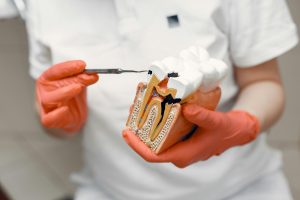
Tooth Sensitivity: Causes & Fixes
Explore the common causes of tooth sensitivity and effective solutions to alleviate discomfort at Smile Science Dental Spa…
Read Article