
Glendale, Arizona
Sleep & Jaw Health at SmileScience Dental Spa
Services provided by an Arizona licensed general dentist.
Many patients don't realize a dentist can help with snoring, sleep apnea, jaw pain, headaches, and grinding. At SmileScience Dental Spa in Glendale, AZ, we address the full spectrum of airway and jaw conditions -- working alongside your physicians when medical diagnosis is required.
A Discipline You May Not Know About
What Is Airway Dentistry?
The dental profession has a unique and often overlooked role in managing conditions that affect breathing during sleep and the health of the jaw joint. This intersection is sometimes called airway dentistry or dental sleep medicine.
The human airway runs through the space shaped by the jaw, tongue, and soft palate -- structures that are directly related to oral and dental anatomy. When the jaw sits in a position that narrows the airway during sleep, or when the tongue falls back because of jaw position, the result can range from snoring to full obstructive sleep apnea.
Separately, the temporomandibular joint -- the hinge connecting your lower jaw to your skull -- is one of the most complex joints in the human body. Disorders of this joint affect an estimated 10 million Americans, causing jaw pain, headaches, clicking, and limited mouth movement.
These two conditions frequently overlap. Patients who grind or clench their teeth (bruxism) are more likely to have both TMJ disorders and disturbed sleep. A dentist trained in airway and jaw health can evaluate and treat both, often resolving symptoms that have been incorrectly attributed to sinus problems, tension headaches, or ear infections.
Understanding Sleep Apnea
Sleep Apnea -- What It Is and Why It Matters
Sleep apnea is a serious medical condition -- but the dental profession has a proven role in its treatment. Here is what you need to know.
Obstructive Sleep Apnea (OSA)
The most common type. The airway physically collapses when the throat muscles relax during sleep, blocking airflow. Can cause hundreds of breathing interruptions per night. Each pause lasts 10 seconds or longer and causes a brief partial awakening to restart breathing.
Central Sleep Apnea (CSA)
Less common. The brain fails to send proper signals to the breathing muscles. Not caused by physical airway obstruction. Oral appliance therapy is not indicated for pure CSA -- this type requires medical management.
OSA is estimated to affect over 25 million adults in the United States. The majority remain undiagnosed because the most obvious symptom -- breathing pauses -- occurs while the person is asleep. Common signs include loud snoring, gasping or choking during sleep (reported by a partner), waking unrefreshed, excessive daytime sleepiness, morning headaches, and difficulty concentrating.
Left untreated, OSA is associated with significantly elevated risk of high blood pressure, heart disease, stroke, type 2 diabetes, and motor vehicle accidents from daytime drowsiness. It is not a condition to dismiss.
Important: Dentists do not diagnose sleep apnea.
A diagnosis requires a sleep study (polysomnography or home sleep test) ordered by a physician or sleep specialist. At SmileScience, we work in collaboration with your physician or sleep medicine specialist to provide the dental component of care -- custom oral appliance therapy -- after a diagnosis has been established.
The Dental Solution
How Dentistry Treats Obstructive Sleep Apnea
Because OSA is caused by physical obstruction of the upper airway, repositioning the structures that collapse during sleep can prevent apnea events entirely. The jaw and tongue are the primary structures involved -- and dentists are the clinicians uniquely qualified to manage appliances that control jaw and tongue position.
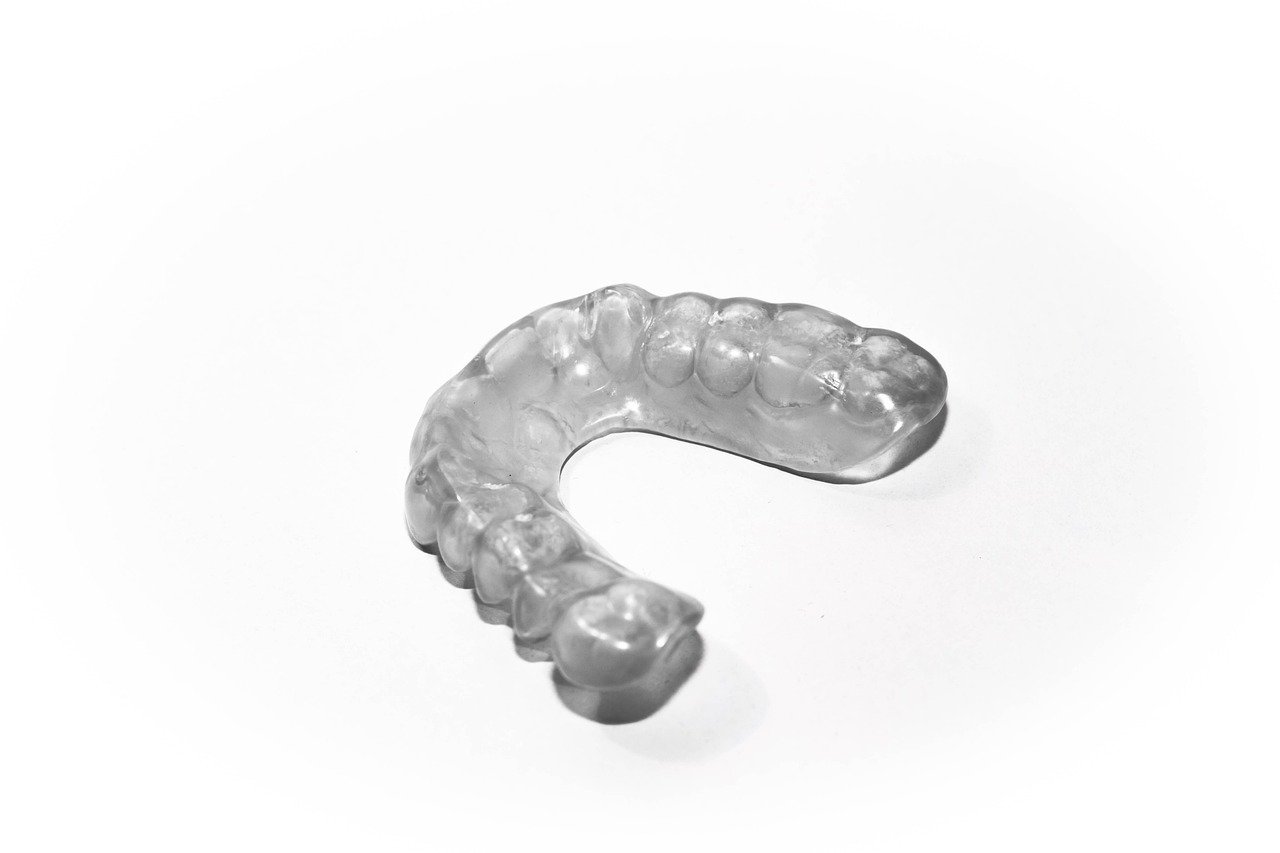
Oral appliance therapy (OAT) uses a custom-fit device worn in the mouth during sleep that gently holds the lower jaw (mandible) in a slightly forward position. This tightens the tissues at the back of the throat, prevents the tongue from obstructing the airway, and keeps the airway open throughout the night.
Jaw Joint Health
TMJ Disorders -- Jaw Pain, Clicking, and More
The temporomandibular joint is the most used joint in the human body. When it malfunctions, the effects extend far beyond the jaw.
The temporomandibular joint (TMJ) is the hinge joint that connects your lower jaw (mandible) to the temporal bones of your skull, just in front of each ear. It is a sliding hinge that allows your jaw to open, close, move side to side, and protrude forward. A small disc of cartilage cushions the joint surfaces.
Temporomandibular disorder (TMD) refers to a group of conditions affecting the joint, the muscles controlling jaw movement, or both. TMD is estimated to affect 10 million Americans and is significantly more common in women. It is one of the most frequently misdiagnosed conditions in medicine -- its symptoms mimic ear infections, sinus headaches, and neck problems.
The good news: the vast majority of TMD cases resolve with conservative, non-surgical treatment. Surgery is rarely necessary.
Aching or sharp pain in the jaw joint, especially in the morning or after eating. Often worse on waking due to nighttime clenching.
Audible or palpable sounds during jaw movement. Often indicates disc displacement within the joint.
Tension-type headaches at the temples, behind the eyes, or at the base of the skull. Frequently misattributed to migraines or sinus conditions.
Referred pain from the TMJ directly into the ear canal. Commonly leads to unnecessary ENT referrals.
Difficulty opening the mouth fully, or sudden locking in an open or closed position -- a medical urgency requiring prompt evaluation.
The muscles of the jaw and neck are interconnected. Chronic jaw tension frequently radiates into the upper back, shoulders, and base of the skull.
Where Sleep and Jaw Health Intersect
Bruxism -- The Link Between Sleep and TMJ
Bruxism -- the grinding and clenching of teeth, typically during sleep -- is the primary connection between sleep disorders and TMJ conditions. Understanding this link is essential to effective treatment.
How Sleep Apnea Causes Bruxism
When a sleep apnea event occurs, the brain urgently rouses the body to restart breathing. Research suggests the jaw-thrusting and clenching movements associated with bruxism may be a reflexive airway-clearing mechanism -- the body tightening the jaw to reopen the throat. This is why patients with OSA have significantly higher rates of bruxism than the general population.
How Bruxism Damages the TMJ
The average clenching force during bruxism episodes is substantially higher than normal chewing force -- sometimes three to five times greater. This sustained, excessive loading displaces the disc cushioning the joint, inflames the joint capsule, fatigues the surrounding muscles, and accelerates wear on the tooth surfaces.
Clinical implication: treating one condition often improves both.
Patients who receive an oral appliance for sleep apnea frequently report improvement in jaw pain and morning headaches. Patients who receive a nightguard for bruxism often report better quality sleep. At SmileScience, we evaluate both conditions together and design treatment that addresses the root driver.
Unique Expertise
Why a Dentist Is the Right Provider for These Conditions
Explore Our Services
Sleep and Jaw Health Services at SmileScience
Each condition has its own dedicated page with detailed information about diagnosis, treatment options, and what to expect at our Glendale, AZ office.
Sleep Apnea Dental Treatment
How oral appliance therapy works, who qualifies, the diagnosis process, efficacy compared to CPAP, insurance coverage, and the care pathway from sleep study to treatment.
Learn About OATCustom Oral Sleep Appliances
A close look at the devices themselves -- types of appliances, the fitting process, titration, care and cleaning, lifespan, side effects, and how custom compares to over-the-counter options.
About Our AppliancesTMJ Treatment
In-depth coverage of TMJ disorder: anatomy, causes, symptoms, diagnostic process, and a full progression of treatment options from nightguards to Botox injections and beyond.
TMJ Treatment DetailsJaw Pain Relief
A diagnostic guide to jaw pain: the many possible causes beyond TMJ, when to see a dentist versus a physician, the evaluation process, home care while waiting for an appointment, and treatment by cause.
Jaw Pain InformationWhat Our Patients Say
4.9 (437 reviews)
I recently had the pleasure of visiting Smile Science Dental Spa, and I couldn't be more impressed with the level of care and service provided by the entire team. Dr. Dawson and Dr. Turke are both incredibly skilled and made me feel completely at ease throughout my procedures. Their professionalism, combined with their gentle approach, made me feel comfortable and well-informed every step of the way. I was especially impressed that I was able to get a same-day crown(apparently their first ever!), which exceeded my expectations. I couldn’t believe how quick and seamless the process was. It really saved me time and made the experience even more convenient. Cindiray and Angeles, the dental assistants, were equally wonderful. They were not only friendly and attentive but also thorough in explaining everything and made sure I was relaxed during each phase of my visit. Lastly, a big thank you to Litzy at the front desk, who greeted me with a smile and helped with scheduling and any questions I had. She made the entire check-in process a breeze. From start to finish, my experience at Smile Science Dental Spa was exceptional. I'll be returning for sure. I highly, highly, highly recommend them for anyone looking for high-quality dental care.
View Full Review on GoogleDusty

Honestly I’ve never been so happy to go to the dentist. I came in (late due to Lyft) and was still taken care of and treated with care. Even without insurance (kicking in within the next month) prices for an extraction on my infected tooth were more than reasonable. I was able to get more than expected done in the same visit. Dr. Dawson and his team made me feel so comfortable and taken care of. Won’t go anywhere else.
View Full Review on GoogleCherish B

I recently started as a patient after leaving our long-time family Dentist and couldn’t be happier! Marcela is AMAZING and a FANTASTIC hygienist!!!! 😃 Dr Dawson is great too! Every time I visit, they make me feel like family.
View Full Review on GoogleTJ Winzeler

Myself and my family had previously gone to Dr. Turk at another dental office that he worked at. He had relocated and we did not know where he had gone to until this week. Today I got in with Dr. Turk and he took the time to look at my x-rays carefully . I was having pain from a tooth and some other issues. The previous Dentist I went to that I saw just a few days earlier, he did not find any issues with my tooth which I had pain in. Dr. Turk identified infection and referred me to an endodontist. He is very gentle as a wonderful disposition and my self and my family are thrilled to be able to get back with him. The office is lovely, relaxing music, heat and massage chair.I have always been very nervous and some anxiety going to dentist as I have had bad reactions with the anesthesia. I am confident that Dr. Kirk will help me get through my next appointment just fine. “The staff are very kind and attentive. I am looking forward as I have quite a bit of work to be done, and I know I’m in good hands with Dr. Turk and his staff. Five stars!⭐️ Sherry
View Full Review on GoogleSherry Redmond

I recently moved to Arizona and had an issue with a tooth repair from 15 years back. Not knowing anyone here in my new home, I searched dentists close to me. I chose Smile Science much like pinning the tail on the donkey and my selection couldn't have been better! What a terrific staff! Dr. Turke was concerned the tooth would need to be extracted, but said he wanted to take a shot at saving it..and that's just what he did! After setting a temporary crown, I was on my way with an appointment to install the permanent crown in the following two weeks. That evening I received a call I've never received from a dentist. Dr. Turke had taken the time to follow up with me to make sure I wasn't in any discomfort..I was completely caught off guard by this kind of attention to detail and caring for my well being. The permanent crown is now in place, it fits and feels fantastic, the job and treatment are first class! Thank you, Dr. Turke and staff for taking in this stray and giving me a home dentist! I'd like to say that I'm just good at selecting blindly, but the truth is I am very lucky..and I'll take lucky over being good any day of the week! Thank you, again and Happiest of New Year's in 2026, Science Smile!!
View Full Review on GoogleEddy

Frequently Asked Questions
Yes -- for the dental component of care. Dentists cannot diagnose sleep apnea (a medical diagnosis requires a sleep study), but they are formally recognized by the American Academy of Sleep Medicine as qualified providers of oral appliance therapy for obstructive sleep apnea. We work alongside your physician and sleep specialist.
Yes, for treatment of sleep apnea. A diagnosis must be established by a physician or sleep specialist first. If you have not had a sleep study, we can help coordinate a home sleep test referral as part of your consultation. For snoring without a confirmed diagnosis, an appliance may still be appropriate -- we discuss the options at your visit.
A sleep apnea oral appliance is a mandibular advancement device -- it holds the jaw forward to keep the airway open, and it is adjustable. A TMJ nightguard (occlusal splint) is designed primarily to cushion the teeth and joint from clenching forces and to reposition the jaw in a comfortable resting position. Some appliances serve both functions, and selecting the right design for your specific needs requires a thorough evaluation.
Yes. Snoring is the most common symptom of obstructive sleep apnea, and most people with OSA are unaware of it. We can screen you at a consultation, discuss whether a sleep study is indicated, and help coordinate testing if appropriate. Early diagnosis matters because untreated OSA carries significant cardiovascular risks.
Clicking without pain or restricted movement is common and often benign. We monitor it at checkups. If the clicking is accompanied by pain, limited opening, locking, or morning jaw soreness, that combination warrants a full TMJ evaluation. We can distinguish between asymptomatic disc displacement that requires only monitoring and TMD that warrants active treatment.
Possibly. Research shows that sleep bruxism and obstructive sleep apnea co-occur at rates significantly higher than chance. The mechanism is thought to involve the same airway-clearing reflex. Evaluating both together often yields more effective treatment than addressing them in isolation.
For sleep apnea: typically yes, through medical insurance (not dental insurance), including Medicare Part B, with a qualifying diagnosis. For TMD nightguards: often covered by dental insurance. We verify your coverage before treatment and help navigate the authorization process.
Yes -- and in many cases it is more effective to treat them together. Some appliance designs can address both mandibular advancement for the airway and joint offloading for the TMJ. The treatment plan depends on the severity of each condition and your bite anatomy. We discuss the options at your initial consultation.
4.9 (437 reviews)
I recently had the pleasure of visiting Smile Science Dental Spa, and I couldn't be more impressed with the level of care and service provided by the entire team. Dr. Dawson and Dr. Turke are both incredibly skilled and made me feel completely at ease throughout my procedures. Their professionalism, combined with their gentle approach, made me feel comfortable and well-informed every step of the way. I was especially impressed that I was able to get a same-day crown(apparently their first ever!), which exceeded my expectations. I couldn’t believe how quick and seamless the process was. It really saved me time and made the experience even more convenient. Cindiray and Angeles, the dental assistants, were equally wonderful. They were not only friendly and attentive but also thorough in explaining everything and made sure I was relaxed during each phase of my visit. Lastly, a big thank you to Litzy at the front desk, who greeted me with a smile and helped with scheduling and any questions I had. She made the entire check-in process a breeze. From start to finish, my experience at Smile Science Dental Spa was exceptional. I'll be returning for sure. I highly, highly, highly recommend them for anyone looking for high-quality dental care.
View Full Review on GoogleDusty
Honestly I’ve never been so happy to go to the dentist. I came in (late due to Lyft) and was still taken care of and treated with care. Even without insurance (kicking in within the next month) prices for an extraction on my infected tooth were more than reasonable. I was able to get more than expected done in the same visit. Dr. Dawson and his team made me feel so comfortable and taken care of. Won’t go anywhere else.
View Full Review on GoogleCherish B
I recently started as a patient after leaving our long-time family Dentist and couldn’t be happier! Marcela is AMAZING and a FANTASTIC hygienist!!!! 😃 Dr Dawson is great too! Every time I visit, they make me feel like family.
View Full Review on GoogleTJ Winzeler
Myself and my family had previously gone to Dr. Turk at another dental office that he worked at. He had relocated and we did not know where he had gone to until this week. Today I got in with Dr. Turk and he took the time to look at my x-rays carefully . I was having pain from a tooth and some other issues. The previous Dentist I went to that I saw just a few days earlier, he did not find any issues with my tooth which I had pain in. Dr. Turk identified infection and referred me to an endodontist. He is very gentle as a wonderful disposition and my self and my family are thrilled to be able to get back with him. The office is lovely, relaxing music, heat and massage chair.I have always been very nervous and some anxiety going to dentist as I have had bad reactions with the anesthesia. I am confident that Dr. Kirk will help me get through my next appointment just fine. “The staff are very kind and attentive. I am looking forward as I have quite a bit of work to be done, and I know I’m in good hands with Dr. Turk and his staff. Five stars!⭐️ Sherry
View Full Review on GoogleSherry Redmond
I recently moved to Arizona and had an issue with a tooth repair from 15 years back. Not knowing anyone here in my new home, I searched dentists close to me. I chose Smile Science much like pinning the tail on the donkey and my selection couldn't have been better! What a terrific staff! Dr. Turke was concerned the tooth would need to be extracted, but said he wanted to take a shot at saving it..and that's just what he did! After setting a temporary crown, I was on my way with an appointment to install the permanent crown in the following two weeks. That evening I received a call I've never received from a dentist. Dr. Turke had taken the time to follow up with me to make sure I wasn't in any discomfort..I was completely caught off guard by this kind of attention to detail and caring for my well being. The permanent crown is now in place, it fits and feels fantastic, the job and treatment are first class! Thank you, Dr. Turke and staff for taking in this stray and giving me a home dentist! I'd like to say that I'm just good at selecting blindly, but the truth is I am very lucky..and I'll take lucky over being good any day of the week! Thank you, again and Happiest of New Year's in 2026, Science Smile!!
View Full Review on GoogleEddy
Your Jaw and Sleep Health Deserve Attention
Whether you grind your teeth, snore, wake up with headaches, or have been diagnosed with sleep apnea or TMD, SmileScience Dental Spa in Glendale, AZ offers comprehensive evaluation and treatment. Call or book online to schedule a consultation.