
Understanding Teeth Grinding in Sleep
Sleep bruxism is the involuntary clenching or grinding of teeth during sleep. It can wear enamel, chip teeth, and strain jaw joints and muscles. Episodes often cluster with brief sleep arousals and increased jaw muscle activity. If you are monitoring your schedule with us, you can check our current hours.
You wake with a tight jaw and a dull temple headache. Sleep bruxism likely involves the brain’s arousal systems, which briefly “activate” muscles during lighter sleep. Common contributors include stress, alcohol use, smoking, and sleep-disordered breathing [1]. In particular, bruxism occurs more often in people with obstructive sleep apnea, suggesting a shared arousal pathway [2]. Alcohol misuse is also linked with higher bruxism prevalence, which can intensify nighttime clenching [3].
Typical signs include:
- Morning jaw soreness or fatigue
- Headaches at the temples after sleep
- Flattened or chipped biting edges
- Tooth sensitivity to cold or pressure
- Clicking or soreness in the jaw joints
- Bed partner hearing grinding sounds
Diagnosis starts with a dental exam for tooth wear patterns, muscle tenderness, and joint sounds. Dentists may suggest a custom night guard to protect enamel and reduce muscle load. For snoring, witnessed pauses in breathing, or daytime sleepiness, screening for airway issues adds clarity because bruxism and sleep-disordered breathing can overlap [1]. If you want a deeper dive into appliance options, see how a custom night guard protects teeth.
Understanding why your jaw is active at night guides smarter steps, from stress reduction to dental protection and, when indicated, airway evaluation. Joint care between dental and medical teams helps sustain long-term wellness.
What Causes Sleep Bruxism?
Sleep bruxism has more than one cause. Changes in sleep stability, brain signaling, genetics, and certain medical or drug factors can activate jaw muscles at night. No single trigger explains teeth grinding in sleep.
During finals, a college student grinds nightly without noticing. Sleep that is restless or broken raises the chance of jaw activity; insomnia is linked with higher odds of bruxism in adults [4]. Some studies find overlap with snoring and obstructive sleep apnea, while others show little or no association, suggesting the relationship varies among patients [5]. If snoring or pauses in breathing are concerns, see whether snoring points to sleep apnea.
Biology also matters. Twin studies suggest a heritable component, meaning family traits may predispose some people to night grinding even when life is calm [6]. Neurochemical balance in pathways that govern movement and arousal likely contributes, which helps explain why a few medications can start or intensify bruxism. Select antidepressants and stimulants, among others, have been reported to provoke sleep-related jaw activity in susceptible individuals [7].
Because causes are layered, the best next step is practical: identify what is modifiable now. Improving sleep regularity, addressing insomnia, and reviewing medications with your prescribing clinician can lower risk for some people. A dental evaluation can document tooth wear and guide protection while broader factors are addressed. Coordinated care often leads to clearer days and calmer nights.
Symptoms of Grinding at Night
Grinding or clenching during sleep often shows up the next morning. Common clues include a stiff jaw on waking, sore chewing muscles, and teeth that feel tender to bite or cold. Some people notice new chips or cracks, even when they did not hear any grinding. These signs can accompany teeth grinding in sleep or silent clenching.
Not all symptoms are obvious. Clenching is usually quiet, so a bed partner may not hear it. Dentists often see flat, shiny “wear facets” where upper and lower teeth rub, fine craze lines in enamel, or small fractures at filling edges. The masseter muscles near the cheeks can feel bulky or tender after a busy night, and the jaw may open less fully for an hour after waking. Earache-like discomfort can occur because jaw muscles refer pain toward the ear.
Soft tissue can offer hints too. A scalloped tongue edge or a faint white line inside the cheek can reflect nighttime pressure from teeth. Symptoms may flare with stress, shift work, or irregular sleep, then ease when life settles. They can also cluster during periods of intense focus, like a deadline week.
Tooth wear patterns help separate grinding from other causes. Acid-related erosion often creates cupped dents or a smooth, thinned appearance, while bruxism tends to flatten cusps into crisp planes. If you are unsure which pattern you are seeing, review how enamel erosion looks different. Clear photos over time, taken by you or your dentist, make subtle changes easier to track.
If these features sound familiar, a dental exam can confirm the pattern, check muscle and joint tenderness, and document any cracks or mobility. From there, your care team can discuss protection, stress strategies, and whether other sleep factors deserve a closer look. Prompt evaluation supports jaw comfort and restorative sleep.
Clenching at Night: Problems and Solutions
Nighttime clenching strains jaw joints and muscles and can chip or crack teeth. The main goals are to protect tooth structure, calm overworked muscles, and reduce triggers that keep the jaw active. Solutions range from a custom night guard to simple habit changes and, when needed, targeted medical or dental care. Addressing these together helps prevent damage and morning discomfort.
Clenching loads the temporomandibular joints and compresses cartilage, which may lead to soreness, clicks, or limited opening after sleep. Teeth bear high, repeated forces in a small contact area, so tiny cracks can spread and old fillings can loosen. Roots may develop wedge-shaped notches near the gumline as enamel flexes under stress. Sometimes earache-like pain or temple headaches appear even without obvious grinding sounds.
At 4 a.m., you wake with a rock-hard jaw. Because teeth grinding in sleep is involuntary, direct “willpower” rarely fixes it. A well-fitted, hard acrylic night guard separates the arches and spreads force across more surface area, lowering fracture risk and easing muscle load. Gentle morning care helps too: moist heat, slow jaw stretches, and avoiding heavy chewing until muscles warm up. During the day, skip gum, keep teeth slightly apart at rest, and place the tongue tip on the palate behind the front teeth to break clench patterns.
Evening choices matter. Limit late alcohol, nicotine, and excess caffeine, which can fragment sleep and prime jaw activity. Keep a regular bedtime, and wind down with quiet breathing or a brief body scan. If you snore, gasp, or feel unrefreshed, tell your dentist or physician so sleep and airway factors can be checked. When teeth are already worn or cracked, your dentist can plan conservative repairs and stage them after muscle activity is under control. For a broader view of options and when to use them, see our overview of evidence-based bruxism treatments.
If clenching is affecting comfort or tooth integrity, prompt evaluation leads to a clearer plan and steadier nights. Timely attention to clenching habits guides better sleep and durable teeth.
How to Stop Grinding Sleep Habits
You can calm nighttime jaw activity by stabilizing your sleep, trimming evening stimulants, and relaxing facial muscles before bed. Protect teeth while habits improve with a well-fitted night guard and get medical input if snoring, reflux, or medicines may be contributing. Consistent steps work better than quick fixes, and small changes add up. These strategies can ease teeth grinding in sleep and protect your smile.
After a hectic shift, your jaw tightens as you drift off. Start upstream with sleep stability. Keep the same bedtime and wake time, even on weekends. Finish caffeine by mid‑afternoon, and avoid alcohol, nicotine, and heavy meals close to lights‑out. Create a 30–45 minute wind‑down with dim light, quiet reading, and a brief breathing or body‑scan exercise to lower arousal.
Ease muscles before bed. Apply warm compresses to cheeks and temples for 10 minutes, then do slow, pain‑free jaw openings and side‑to‑side glides. Skip chewy or crunchy foods late in the evening so fatigued muscles are not overworked. In the morning, use gentle range‑of‑motion and soft foods until everything feels loose again.
During the day, reduce the “carryover” tension that can fuel night clenching. Set short reminders to soften your shoulders, relax your face, and let the back teeth rest apart. Track patterns for a week, noting stress, screen time, and sleep; adjust what you can control. If you snore, gasp, or feel unrefreshed, learn about simple screening tools and next steps in Sleep Apnea Screening Tools Explained.
Dentists can add protection and perspective. A rigid, custom appliance can shield enamel while you build steadier routines, and your dentist can coordinate with your physician when reflux, nasal congestion, or medications are part of the picture. Small, steady changes can calm a busy jaw.
The Role of Night Guards in Sleep
Night guards act as a protective layer between your teeth during sleep. They cushion contacts, spread pressure, and help prevent chips, wear, and fractures from teeth grinding in sleep. A well‑fitted guard can also ease morning jaw soreness, but it does not cure the underlying sleep behavior.
Here is how they help. By keeping the upper and lower teeth apart, a guard reduces sudden pressure spikes on a few points and lowers the chance of cracks. Stable, even contacts can quiet overactive chewing muscles for some people, improving morning comfort. That said, a guard does not always reduce the number of clench or grind bursts at night. It works mainly as a shield while broader sleep and health factors are addressed.
Fit and material matter. Custom guards are made from a model of your teeth, so they stay put and feel slimmer. Store‑bought versions are often soft or bulky. Soft plastic can invite reflex chewing in certain users, and loose edges can irritate gums. You slide it in at bedtime, and your jaw feels looser by morning. Follow‑up adjustments fine‑tune bite contacts, reduce pressure points, and improve comfort over the first weeks. Care is simple: brush the guard gently, rinse with cool water, and store it dry in a ventilated case.
Type also depends on your needs. Full‑coverage designs protect all teeth, which helps avoid unwanted tooth movement. Short‑term, front‑only designs are used selectively and under guidance. If you snore or have possible apnea, a standard guard is different from an airway device; tell your dentist so screening can guide the right appliance choice. For materials and styles at a glance, you can compare common mouth guard options.
Used consistently, the right guard safeguards enamel while you improve sleep habits and stress routines. When matched to your needs, protection preserves comfort and tooth structure over time.
Bruxism Causes: Factors to Consider
Bruxism has multiple drivers rather than a single cause. It reflects how the brain, sleep quality, airway, and muscles interact. Factors can stack, so the reasons for teeth grinding in sleep often differ from person to person.
After allergy season, your nose is blocked and your jaw works harder overnight. Many episodes arise during brief shifts toward lighter sleep, when the nervous system briefly “speeds up” and jaw muscles can activate. Irregular schedules, shift work, and fragmented sleep raise the chance of these bursts. Nasal congestion and mouth breathing increase oral dryness and can fragment sleep, which may amplify jaw activity; learn more about how mouth breathing affects oral health. When snoring or possible apnea is present, airway evaluation helps sort out what part the airway plays for you.
Stomach acid reaching the throat at night can trigger protective reflexes, including swallowing and brief jaw contractions, so reflux management sometimes eases symptoms. Daytime tension patterns matter too. Habitual clenching while focused can keep muscles “primed,” making nighttime bursts stronger. Certain prescriptions and stimulants can also increase jaw activity in susceptible people; if timing matches a new medication, ask your prescriber about options.
The bite is rarely the root cause. However, once bruxism exists, uneven contacts can channel forces onto a few teeth and speed up wear. Older dental work or small cracks may then signal trouble sooner. Genetics can set the stage as well, which is why two people under similar stress can have very different jaw responses.
Because contributors vary, the goal is to map your mix: sleep stability, airway or nasal factors, medication effects, reflux, and daytime muscle habits. That map guides a plan to protect teeth now and reduce triggers over time. Timely attention to airway and sleep habits guides better rest.
Impact of Stress on Teeth Grinding
Stress can increase the frequency and force of nighttime jaw activity for many people. It heightens the body’s arousal systems, which can trigger brief bursts of jaw muscle contractions during sleep. While stress is not the only cause, it often makes existing grinding more intense. Calming stress can reduce episodes for some individuals.
Why this happens comes down to biology. Stress shifts the autonomic nervous system toward “alert,” raising heart rate variability and muscle readiness. Sleep may become lighter or more fragmented, creating more chances for short arousals when jaw muscles can fire. Stress can also lower pain thresholds, so the same clench feels sorer the next morning. Daytime clenching learned under tension can “carry over” at night, keeping muscles primed.
At the end of a tough week, your jaw aches before breakfast. Start by noticing patterns. Heavy workloads, conflict, late screens, and irregular bedtimes commonly precede flare‑ups. Build simple buffers in the evening, such as a consistent wind‑down, quiet reading, or brief breathing practice. During the day, use micro‑breaks to unclench the teeth, rest the tongue on the palate, and relax the shoulders and jaw. If anxiety feeds the cycle, explore practical tools in Dental Anxiety Management Strategies.
Biofeedback for awake clenching, gentle jaw stretches, and heat packs can help muscles reset. Protecting teeth at night with a well‑fitted appliance adds a safety net while stress improves, though it is not a cure for the behavior. If symptoms escalate with life stress, mention this at your dental visit. Your team can separate stress‑related clenching from other contributors and tailor protection and habit strategies to your needs.
Managing stress alongside sleep habits is a practical way to ease teeth grinding in sleep and protect your smile. Addressing stress alongside dental protection supports calmer nights and steadier mornings.
Home Remedies for Bruxism
Home remedies can ease sore muscles, protect teeth, and reduce triggers, but they do not “cure” bruxism. Focus on calming your nervous system, relaxing the jaw, and avoiding overload on teeth. These steps support comfort while your dentist evaluates the bigger picture of night grinding.
After a long drive, your jaw feels tight at bedtime. Start with muscle care. Use gentle self‑massage on the cheeks and temples for two minutes per side, then place a warm pack across the jaw and neck to loosen tissues. Keep your head and neck aligned during the day, with screens at eye level and shoulders relaxed; poor posture can keep chewing muscles tense into the night. If nasal stuffiness is routine, consider a saline rinse before bed and a cool‑mist humidifier to support easy nasal breathing, which can stabilize sleep. Keep your room dark, quiet, and a bit cool to reduce brief awakenings that may trigger jaw activity.
Plan stress relief that your body recognizes. A short journal “download” of worries, followed by 10 slow belly breaths, helps lower arousal. Light evening movement, like a walk or gentle stretching, can reduce built‑up muscle tension. During screen time, set a subtle phone cue every 30–60 minutes to notice and soften the jaw. If you catch daytime clenching, place the tongue lightly to the palate and rest the teeth apart until the urge fades. Stay hydrated and skip “busy mouth” habits such as chewing pens or ice, which keep muscles active.
Short‑term, an over‑the‑counter mouth guard can be a temporary shield if it fits snugly and allows easy breathing. Avoid very soft, bulky guards for long‑term use, since they may invite chewing. If you notice jaw locking, sharp joint pain, tooth cracks, or headaches getting worse, home care is not enough. That pattern calls for an exam and a personalized plan to protect teeth while underlying factors are addressed. Practical home steps work best alongside a tailored dental plan.
When to Seek Professional Help
See a dentist if jaw pain, tooth sensitivity, or morning headaches persist, or if you notice chips, cracks, or a change in your bite. Seek care right away for jaw locking, limited opening, or a tooth that feels loose or fractured. If home steps are not helping after two weeks, a professional exam is the next step. Tell your dentist if you snore loudly, pause breathing, or wake choking at night.
After a rough night, your jaw locks halfway at breakfast. Waiting can allow small cracks to spread and restorations to fail. Professional evaluation distinguishes teeth grinding in sleep from other issues, like acid erosion or joint disorders, and identifies which teeth or joints are under the most load. Your visit typically includes a bite assessment, muscle and joint exam, photos to document wear, and discussion of triggers that can be modified.
Targeted care protects teeth while causes are addressed. A custom, hard appliance can shield enamel and distribute force so small fractures are less likely. When joints are irritated, your dentist may recommend short-term soft diet, gentle range-of-motion, and focused follow-up to track healing. If you report snoring, witnessed pauses, or severe daytime sleepiness, your dentist can coordinate screening and, when appropriate, a medical sleep evaluation.
Certain red flags need prompt attention. These include sharp or spreading tooth pain, a cracked or lost filling or crown, bite changes that appear overnight, or clicking with pain in the jaw joint. New facial or ear-area pain on waking, recurrent temple headaches, or stiffness that lasts beyond an hour in the morning also warrant an exam. Medication changes or new stimulants that coincided with grinding are worth reviewing with your prescriber and dentist together.
Professional help turns guesswork into a plan. With clear findings, your team can time protection, repair what is necessary, and address sleep or lifestyle contributors so your jaw can settle. Early assessment keeps problems smaller and solutions simpler.
Long-Term Effects of Sleep Bruxism
Untreated sleep bruxism can slowly shorten and flatten teeth, making them more sensitive and prone to cracks. Over years, repeated forces may chip enamel, break fillings, and stress the jaw joints and muscles. These changes can affect chewing comfort, appearance, and the lifespan of dental work.
Cumulative loading creates tiny enamel and dentin cracks that can spread with time. Cusps may fracture, fillings can loosen, and crown margins may open, inviting stain or decay. As tooth height reduces, bite contacts can shift and chewing may feel less efficient. Because forces are concentrated in brief bursts, a single incident can break a weakened tooth, especially if earlier wear went unnoticed.
Jaw joints and muscles also feel the strain. Nighttime clenching can irritate the temporomandibular joints, leading to morning stiffness, clicks, or soreness. Some people develop enlarged chewing muscles and more frequent tension‑type headaches. This does not mean everyone with bruxism will have a joint disorder, but persistent loading raises the risk over time.
Near the gumline, flexing forces can form wedge‑shaped notches called abfractions. These lesions can make teeth cold‑sensitive and harder to keep clean. If gum disease already exists, added force may increase mobility in vulnerable teeth. Small surface cracks and worn edges also catch stain, so teeth may look darker or uneven even when they are clean.
Day to day, these changes add up. For example, a tiny chip today can become a deep fracture next year. Regular exams, clear photos, and wear “maps” help track subtle progression. Protecting teeth with a well‑fitted night guard, smoothing sharp edges, and timing conservative repairs can preserve structure while broader factors are managed. If teeth grinding in sleep is on your radar, early protection and steady follow‑up limit damage and help restorations last.
Long‑term comfort comes from pairing protection with targeted care and routine monitoring. Coordinated dental and medical follow‑up supports steadier sleep and lasting comfort.
Review material choices and a step-by-step plan for your tooth.
Restore strength and a natural look.
Frequently Asked Questions
Here are quick answers to common questions people have about Teeth Grinding in Sleep: Causes & Solutions in Glendale, AZ.
- What are the most common signs of teeth grinding in sleep?
Teeth grinding in sleep, or sleep bruxism, often shows up through several morning symptoms:
- Jaw soreness or stiffness upon waking
- Headaches centered at the temples
- Chipped or flattened tooth edges
- Increased tooth sensitivity
- Clicking or soreness in the jaw joints
If your bed partner mentions hearing grinding sounds, or if you notice any of these symptoms, consider a dental evaluation for further insights.
- What causes teeth grinding during sleep?
Teeth grinding in sleep can be caused by a variety of factors. Some people experience it due to sleep disturbances, like insomnia or fragmented sleep. Stress and anxiety can also lead to increased muscle activity at night. Certain medications are known to contribute, as can conditions like sleep apnea. Genetics may also play a role. It’s often a combination of these factors rather than a single cause, and identifying which factors affect you can help in managing bruxism.
- How can a night guard help with sleep bruxism?
A night guard is a protective appliance worn over the teeth to cushion against grinding forces. It keeps the upper and lower teeth apart, reducing pressure and spreading force across a greater surface area. This helps prevent tooth wear, cracks, and joint strain. While a night guard protects teeth, it doesn’t address the root causes of bruxism. It’s best used alongside other strategies to manage stress and improve sleep habits.
- Can daytime activities affect nighttime teeth grinding?
Yes, daytime activities can impact nighttime grinding. Stressful events, clenching during focus, and poor posture can keep jaw muscles tense, making them more active at night. It’s helpful to practice relaxing facial muscles and maintaining good posture during the day. Using reminders to relax your jaw, keeping teeth slightly apart when resting, and managing stress can help reduce tension that feeds into nighttime clenching.
- When should I see a dentist for sleep bruxism?
You should see a dentist if you experience persistent jaw pain, tooth sensitivity, morning headaches, or hear grinding sounds at night. Seek prompt care for symptoms like jaw locking, limited movement, significant tooth wear, or changes in bite and tooth fractures. If home remedies don’t relieve these symptoms over two weeks, a professional evaluation is recommended to prevent further damage.
- How can stress management help with teeth grinding in sleep?
Stress increases the likelihood of teeth grinding at night by activating muscle awareness. Managing stress can help reduce the frequency and intensity of grinding episodes. Techniques like deep breathing exercises, establishing a calming evening routine, and regular physical activity can lower stress levels. During the day, identify stressors and use microbreaks to relax your shoulders and jaw. These efforts contribute to reduced muscle activity during sleep.
- Are there any home remedies for alleviating sleep bruxism?
While home remedies can’t cure sleep bruxism, they can support comfort. Apply warmth to relax muscles, engage in gentle jaw exercises, and take breaks to reduce muscle tension during the day. Keeping a consistent sleep schedule and eliminating evening stimulants can also help stabilize sleep. These steps should complement professional guidance from a dental or medical expert for best results. If symptoms persist, a detailed evaluation can provide additional strategies and protection.
References
- [1] Sleep bruxism and related risk factors in adults: A systematic literature review. (2017) — PubMed:28692828 / DOI: 10.1016/j.archoralbio.2017.07.002
- [2] Prevalence of bruxism in obstructive sleep apnea syndrome (OSAS) patients: A systematic review conducted according to PRISMA guidelines and the cochrane handbook for systematic reviews of interventions. (2023) — PubMed:37422904 / DOI: 10.1111/joor.13558
- [3] Prevalence of Bruxism in alcohol abusers: a systematic review conducted according to PRISMA guidelines and the cochrane handbook for systematic reviews of interventions. (2024) — PubMed:38238683 / DOI: 10.1186/s12903-024-03862-1
- [4] Is Insomnia Linked to Sleep Bruxism in Adults? A Systematic Review and Meta-Analysis. (2026) — PubMed:41044999 / DOI: 10.1111/joor.70068
- [5] Sleep bruxism (SB) may be not associated with obstructive sleep apnea (OSA): A comprehensive assessment employing a systematic review and meta-analysis. (2024) — PubMed:39182463 / DOI: 10.1016/j.smrv.2024.101994
- [6] Genetics and sleep bruxism: a systematic review and meta-analysis of studies with twins. (2024) — PubMed:38958854 / DOI: 10.1007/s11325-024-03090-5
- [7] Parasomnias and sleep-related movement disorders induced by drugs in the adult population: a review about iatrogenic medication effects. (2025) — PubMed:39243188 / DOI: 10.1111/jsr.14306
You Might Also Like
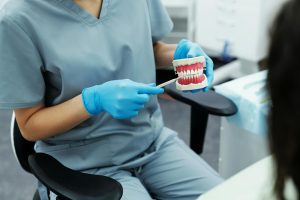
Teeth Grinding in Sleep: Causes & Solutions
Discover effective causes and solutions for teeth grinding in sleep to protect your dental health at Smile Science…
Read Article
Bruxism Treatments That Work
Discover effective bruxism treatments to alleviate teeth grinding in Glendale, AZ, ensuring a healthier smile and improved sleep.…
Read Article
Teeth Grinding: Causes & Treatments
Learn about the causes of teeth grinding and effective treatments available at Smile Science Dental Spa in Glendale,…
Read Article