
Reviewed by Kristopher Turke, DDS — Restorative & Digital Dentist, Smile Science Dental Spa
What Are Dental Veneers?
Dental veneers are thin shells bonded to the front surfaces of teeth to change their color, shape, size, or surface texture. They are primarily a cosmetic treatment, designed to create a uniform, bright, and attractive smile without altering the entire tooth. Veneers cover only the visible portion of the tooth, leaving the back intact.
Porcelain veneers are the most widely used material. They are custom-fabricated in a dental laboratory from a thin ceramic wafer, typically 0.5 to 1.2 millimeters thick, and bonded to the prepared tooth with a resin cement. Their translucency mimics the light-transmitting quality of natural enamel, which is what gives well-made porcelain veneers a lifelike appearance that is difficult to achieve with opaque materials. Composite resin veneers are placed directly chairside by the dentist, layer by layer, without laboratory fabrication. They cost less and require less tooth preparation, but they are less durable, more prone to staining, and generally require more maintenance over time.
Veneers can correct a range of concerns in a single treatment course: discoloration that does not respond to whitening, worn or chipped edges, minor alignment irregularities, small gaps between front teeth, and teeth that are unusually small or irregularly shaped. They are not a bite correction tool, a substitute for orthodontics in cases of significant misalignment, or appropriate where the underlying tooth structure is severely compromised. Used for the right problems, veneers are among the most transformative cosmetic dental treatments available.
The Preparation Process
Porcelain veneers require irreversible tooth preparation. To create space for the veneer without making the tooth look bulky, the dentist removes a thin, uniform layer of enamel from the front surface and, in most designs, slightly from the edge. The amount removed is typically 0.5 to 1.0 mm, roughly the thickness of a fingernail, but it is permanent. Once enamel is removed, the tooth will always require a veneer or other covering.
This irreversibility is the most important thing to understand about porcelain veneers before committing to them. The preparation creates a surface optimized for bonding, but it also means that the natural tooth is altered permanently. For this reason, the decision should be made carefully, with a clear understanding of what problem is being solved and whether a reversible option, such as composite bonding or orthodontics, could achieve a satisfactory result without permanent alteration.
Minimal-prep and no-prep veneers exist, such as the Lumineers brand, which are designed to bond without significant tooth reduction. These have their place in specific clinical situations, particularly where teeth are unusually small or have sufficient natural space for an additional layer. However, zero-prep veneers on already properly sized teeth often appear bulky and can make teeth look over-whitened and artificial. The appropriate preparation philosophy depends on the individual tooth anatomy and the desired outcome.
After preparation, impressions or a digital scan capture the tooth shape, and temporaries are placed while the final veneers are fabricated, typically one to two weeks. At the delivery appointment, each veneer is tried in, shade and shape are confirmed, and the surfaces are conditioned for bonding. The bonding appointment is technique-sensitive: moisture control, etchant application, silane coupling agent, and the type of resin cement all affect long-term bond strength. For patients wanting to understand the broader cosmetic options available, see our comparison of the full veneer procedure.
How Long Veneers Last and What Affects Longevity
Well-made porcelain veneers bonded with proper technique last 10 to 20 years or more before needing replacement. Some well-documented cases show intact porcelain veneers at 20-plus years. Composite veneers, placed chairside, generally last 5 to 8 years before the material degrades, stains, or chips enough to require refinishing or replacement.
What limits veneer longevity most commonly is not the ceramic itself but the bond at the tooth-veneer interface and habits that stress the veneer. Veneer de-bonding (the veneer separating cleanly from the tooth) is more common in patients with a heavy bite, clenching or grinding habits, or parafunctional behaviors like nail biting and pen chewing. A well-fitted night guard worn by patients who grind is one of the most protective things they can do to extend veneer life. For more on protecting restorations from grinding forces, see our overview of night guards.
Chipping and fracture are less common with modern high-strength ceramics but do occur, particularly at the incisal edge if the edge bite is not adjusted properly at delivery. Regular checkups allow the dentist to monitor the margin integrity, look for early signs of bond failure, and adjust the bite if the veneer contacts have shifted. With proper maintenance, a veneer investment made in the late 20s or early 30s can realistically last until the mid-life years before replacement.
Thinking About Veneers? Start with an Honest Cosmetic Consultation.
Dr. Turke specializes in restorative and cosmetic dentistry and will give you a candid assessment of whether veneers, bonding, whitening, or orthodontics best serves your goals. Book your consultation today.
The Cons: What Surprises Patients
Despite their appeal, veneers have drawbacks that are not always front-of-mind when a patient first considers them. Understanding these honest tradeoffs is important before committing to an irreversible procedure.
First: cost. Porcelain veneers typically range from $900 to $2,500 per tooth, and dental insurance rarely covers cosmetic procedures. A full smile with 8 to 10 upper veneers can represent a $10,000 to $20,000 investment. Composite veneers are less expensive per tooth but require more frequent maintenance. Second: sensitivity. After preparation, teeth are temporarily sensitive to temperature and pressure. Most sensitivity resolves within a few weeks once the veneer is bonded, but patients with naturally sensitive teeth or pre-existing dentin exposure may have more prolonged discomfort.
Third: repairability. A porcelain veneer that chips cannot always be patched; it may need to be replaced entirely. Since the underlying tooth was prepared for a veneer, it cannot simply be left uncovered. The commitment to maintenance and eventual replacement is a lifetime commitment that starts with the first preparation. Fourth: appearance limitations. Veneers designed to dramatically lighten the tooth use high-value, low-translucency ceramics that can sometimes appear flat or artificial compared to the depth and translucency of natural enamel. The skill of the technician fabricating the veneers and the experience of the placing dentist have a substantial effect on whether the final result looks lifelike or manufactured. Reviewing before-and-after cases and discussing your desired outcome in specific terms before treatment begins is essential to getting the result you want.
Alternatives Worth Considering First
Several alternatives to porcelain veneers are worth evaluating before committing to permanent tooth preparation, particularly for patients motivated primarily by discoloration or minor irregularities.
Professional teeth whitening is the obvious first step for patients unhappy with tooth color. In-office power whitening can lighten teeth significantly in a single appointment; take-home custom trays provide more gradual, controlled whitening that many dentists prefer for predictability. If whitening would achieve the goal, it is clearly preferable to veneer preparation since it is reversible, less expensive, and less invasive. For an overview of whitening options and what they can realistically achieve, see our guide to professional teeth whitening.
Composite bonding addresses minor chips, small gaps, and edge irregularities in a single appointment without removing tooth structure. The material is more susceptible to staining and wear than porcelain but can be polished, repaired, and replaced without the complications of a bonded porcelain veneer. For patients in their 20s or early 30s who want an improvement now but are not ready to commit permanently, bonding is frequently the right first step. Orthodontics with clear aligners or braces is more appropriate than veneers when the underlying problem is tooth position rather than surface appearance. Straightening teeth with aligners first and then whitening can achieve a result that mimics what veneers would provide without irreversible preparation. Veneers placed on teeth that could have been orthodontically corrected are often a more expensive and less reversible choice than necessary.
Frequently Asked Questions
Here are quick answers to common questions about dental veneers and what to expect from the process.
- Do porcelain veneers look natural?
Well-made porcelain veneers placed by an experienced provider look extremely natural, in some cases more uniform and attractive than the teeth they replaced. Porcelain’s optical translucency mimics enamel’s interaction with light, which is what creates a natural appearance. Results are most natural when the shade and shape are planned collaboratively between the dentist and the ceramic technician using actual photos and detailed instructions. Results that look obviously artificial usually reflect either a choice for maximum whitening that sacrifices translucency, or a less experienced planning and fabrication process.
- Are veneers permanent?
The preparation that makes room for porcelain veneers is permanent. Once enamel is removed, the tooth will require a covering for its lifetime. The veneers themselves are not permanent in the sense that they will last forever; they will eventually need to be replaced, typically after 10 to 20 years depending on material, bite forces, and care. “Permanent” in the context of veneers refers to the irreversible tooth modification, not the lifespan of the restoration.
- Does getting veneers hurt?
The preparation appointment is done under local anesthetic, so you should not feel the tooth reduction. After the anesthetic wears off, some patients experience temporary sensitivity or soreness that resolves within a few days. Once the final veneers are bonded, most patients have no sensitivity or discomfort. The bonding appointment itself is typically painless. Patients who had significant pre-existing sensitivity may notice more prolonged adjustment, but persistent pain after veneers are placed is uncommon and should prompt a follow-up visit.
- Can veneers cover crooked teeth?
Veneers can improve the appearance of mildly irregular teeth by altering their visible shape, making slight rotations or minor crowding less noticeable. However, they cannot correct the underlying position of the tooth or the bite relationship. For significant crowding or rotation, orthodontic treatment is a better first step because it moves teeth into their correct positions rather than masking the problem. Placing veneers on significantly malpositioned teeth can also require excessive tooth preparation to create the illusion of alignment, which is not ideal for long-term health.
- How much do veneers cost in Glendale, AZ?
Porcelain veneer costs in the Glendale and greater Phoenix area typically range from $900 to $2,000 per tooth depending on the provider, material choice, and complexity. A full upper smile of 8 to 10 veneers ranges from roughly $8,000 to $20,000. Composite resin veneers placed chairside are generally $300 to $700 per tooth. Dental insurance does not typically cover cosmetic veneers. Many offices offer financing options that allow the cost to be spread over 12 to 24 months. At Smile Science, we provide a detailed cost estimate at the cosmetic consultation before any treatment commitment is made.
Ready for a Healthier Smile?
Our team at Smile Science Dental Spa in Glendale, AZ is here to help. Schedule a consultation to explore your options.
You Might Also Like
Understanding Dental X-Ray Safety for Patients
Learn about dental x-ray safety, essential for understanding risks and benefits, as you prioritize oral health at Smile…
Read Article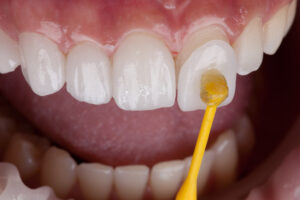
Dental Veneers: The Pros, Cons, and Surprising Realities
Reviewed by Kristopher Turke, DDS — Restorative & Digital Dentist, Smile Science Dental Spa What Are Dental Veneers?…
Read Article
Understanding the Differences Between Regular and Deep Dental Cleanings
Reviewed by Richard Dawson, DMD — General & Implant Dentist, ICOI Fellow, Smile Science Dental Spa The Importance…
Read Article