
Understanding Phoenix Sedation Dentistry
Sedation dentistry uses medication to help you relax during dental care. In Phoenix, this approach supports patients with anxiety, a strong gag reflex, or lengthy treatment plans. Phoenix sedation dentistry spans from light calming to deeper, sleep-like states, matched to your health and procedure. Throughout care, your breathing, comfort, and responsiveness are monitored for safety.
You need a crown but panic in the chair. Sedation works by reducing anxiety and awareness, so appointments feel manageable and time passes more comfortably. It is different from local anesthesia, which numbs pain; many procedures combine both to address comfort and sensation. To choose the right level, your dentist reviews your medical history, medications, and prior experiences, then explains options, recovery expectations, and transportation needs.
Common approaches include:
- Nitrous oxide, a light inhaled option that relaxes you and typically wears off quickly.
- Oral sedation, a prescribed pill taken before the visit for deeper relaxation.
- IV moderate sedation, delivered in-office for precise, adjustable effect and reduced awareness.
- Deep sedation or general anesthesia, used for select surgical needs with advanced monitoring.
Because each method has a different onset and recovery profile, planning matters. For a quick comparison of light to deep options, see our overview of sedation levels. This helps set expectations about alertness, memory, and when you may need an adult escort after the visit.
Before your appointment, your team will provide clear instructions about eating, drinking, and regular medications. Share any history of sleep apnea, asthma, or heart and lung conditions, since these details guide dosing and monitoring. Confirm who will drive you home if you choose oral or IV sedation. To line up a convenient time, check our current hours. Collaborative planning supports calm visits and steady recovery.
Types of Sedation Dentistry in Phoenix
Phoenix sedation dentistry includes several methods that range from light relaxation to deeper sleep-like care. Common types are inhaled nitrous oxide, prescription oral sedation, intravenous moderate sedation, and, when needed, deep sedation or general anesthesia. Your dentist recommends an option based on your health, anxiety level, and the complexity of your procedure.
Inhaled nitrous oxide is delivered through a small nose mask. It works within minutes, can be adjusted throughout the visit, and helps reduce anxiety and a sensitive gag reflex. For a short filling when a gag reflex is strong, this approach often keeps care smooth. Its effects taper quickly once the mask is removed.
Oral sedation uses a pill taken before your appointment to create deeper calm. Onset varies with the medication and your metabolism, so timing is planned in advance. It pairs with local anesthesia to control sensation while easing awareness of time and sounds. Because drowsiness can last after treatment, you will receive clear recovery instructions tailored to the medication used.
IV moderate sedation is administered in the dental office with continuous dose control. This is helpful for longer visits or minor surgical care because the level can be fine-tuned moment to moment. You remain breathing on your own and can respond to simple prompts, though you may remember little of the visit. A trained team tracks vital signs and comfort throughout.
Deep sedation or general anesthesia is reserved for select cases, such as complex surgery or severe treatment anxiety. An anesthesia-trained provider manages your airway, maintains safe depth of sedation, and oversees a focused recovery period. This level is planned with additional screening to match medical history and procedure needs.
If you are comparing methods, see our guide to sedation options for a side-by-side look at how each feels during care. Choosing the right type balances comfort, safety, and the goals of your visit. Joint care between dental and medical teams helps sustain long-term wellness.
Benefits of Anxiety Free Dental Care
Anxiety free dental care helps you receive treatment calmly and consistently. It eases fear, reduces body tension, and makes sounds, smells, and time feel less intense. With a calmer experience, more people keep appointments and complete needed care.
Lower stress often improves comfort with numbing, so procedures feel smoother and more predictable. Relaxation can reduce jaw clenching, small movements, and gagging, which supports precise dentistry and gentle tissue handling. For longer visits, a calm state helps you sit comfortably, so multiple steps can sometimes be combined into one appointment. Many patients also feel that time passes quickly and they remember fewer details when deeper relaxation is used. Together, these effects support quality results and easier recovery.
Anxiety free care is helpful if you have dental phobia, a past difficult visit, a strong gag reflex, or medical conditions that make appointments stressful. It can also support complex treatment plans, where comfort and stillness matter for accuracy. If you want to understand oversight and protocols, review our sedation dentistry safety standards. You canceled twice last year because the thought felt overwhelming.
Because less fear means more consistent care, routine cleanings, fillings, and repairs become achievable again. Phoenix sedation dentistry focuses on comfort so your oral health can move forward without avoidable delays. Coordinated care often leads to clearer days and calmer nights.
IV Sedation Phoenix: What to Know
Intravenous (IV) sedation is medicine delivered through a small vein to help you relax deeply during dental treatment. It begins quickly and can be adjusted in real time to match your needs. You keep breathing on your own, can follow simple requests, and often remember little afterward. In Phoenix, it is commonly chosen for longer or surgical visits when added comfort matters.
A long appointment is planned and you want to remember little. Before the day, your dentist reviews your medical history, allergies, medications, and airway risks like sleep apnea. You will receive fasting instructions, guidance on taking regular medicines, and a reminder to arrange a trusted adult to drive you home. Wear comfortable clothing, avoid new piercings or tight sleeves near the elbow, and bring any inhalers or health devices you use.
During care, an IV line allows small, precise dose changes. Local anesthesia is still used to numb teeth and gums, since IV sedation reduces awareness but does not replace numbing. Your team continuously tracks your oxygen level, heart rate, blood pressure, and breathing pattern, and gives supplemental oxygen if needed. Because dosing is titrated slowly, most patients feel calm while remaining responsive.
Afterward, you may feel drowsy, lightheaded, or a bit nauseated. A minor bruise at the IV site can occur. Plan quiet rest at home, no driving, operating machinery, or signing important documents until the next day, unless your provider advises otherwise. People with uncontrolled medical conditions, recent changes in heart or lung health, or pregnancy should discuss timing and clearance with their dentist and physician.
IV sedation can make complex dentistry more manageable, especially if anxiety or a strong gag reflex has delayed care. For context on coping with fear, see our overview of support for anxious adults. Phoenix sedation dentistry focuses on safety, clear communication, and a recovery plan that fits your health. When planned well, smoother visits and steady recoveries are common.
Discuss safe sedation choices tailored to your procedure and health.
Dentistry can feel calm and manageable.
Oral Sedation Phoenix Explained
Oral sedation is a prescribed pill that helps you feel relaxed during dental care in Phoenix. It can provide minimal to moderate calming while you stay awake and able to answer simple requests. In Phoenix sedation dentistry, this option suits patients who want a quieter visit without needles or a mask.
Most oral-sedation medicines belong to the benzodiazepine class, which enhances GABA activity in the brain. This lowers anxiety, softens awareness of time and sounds, and may limit memory of the appointment. Onset usually occurs in 30 to 60 minutes, and the calming effect can last several hours. Because a tablet cannot be adjusted minute by minute like IV medication, timing and individualized dosing are planned ahead. During care, your team tracks breathing, blood pressure, pulse, and responsiveness to keep the level appropriate and you comfortable.
You take a tablet at home, then rest quietly in the chair. Before prescribing, your dentist reviews your medical history, allergies, and all medicines and supplements. Potential interactions, such as with alcohol, opioids, or certain sleep aids, are addressed in advance. People with untreated sleep apnea, severe obesity, or unstable heart or lung conditions may need extra evaluation to match the safest approach. Clear day-of instructions cover what and when to eat or drink, who should accompany you, and how to plan the rest of your day as the medicine wears off.
Oral sedation helps when a strong gag reflex, past difficult visits, or longer procedures make appointments feel overwhelming. It is one of the more convenient options because dosing is simple and no IV is required, though it offers less moment-to-moment control than an intravenous method. For a broader neighborhood perspective on how sedation is used, see our local look at sedation care. With thoughtful planning and communication, calmer appointments can become part of your regular routine. Calm, well-planned care supports steady progress and long-term oral health.
Discovering Nitrous Oxide in Phoenix
Nitrous oxide is a light inhaled sedative that helps you feel calm during dental treatment in Phoenix. It is delivered through a small nose mask, takes effect within minutes, and typically wears off shortly after the gas is turned off. You stay awake, can respond to your dental team, and your breathing is monitored for safety.
The gas is mixed with oxygen and adjusted throughout the visit to match your comfort. You breathe through your nose, feel more relaxed, and sounds or time may seem less intense. Local anesthesia is still used to numb teeth and gums, since nitrous oxide reduces anxiety but does not replace numbing. Because the effect fades quickly once the mask is removed and oxygen is given, most adults return to normal alertness soon after care.
In Phoenix sedation dentistry, nitrous oxide is often chosen for mild to moderate anxiety, a strong gag reflex, or shorter procedures. It can also be helpful for teens who feel nervous but want to remain fully awake. A brief scenario: you need a small filling but gag easily with instruments. In many cases, nitrous oxide steadies breathing, eases the gag response, and keeps the appointment moving smoothly.
Not everyone is a candidate on a given day. If your nose is very congested, breathing through the mask may be difficult. People who are pregnant, have certain lung conditions, or feel uncomfortable wearing a mask should discuss alternatives with the dentist. Your provider will review your medical history and explain what to expect, including how you might feel as the gas is started and tapered. For added support beyond the mask, explore practical ways to stay calm with our guide to managing dental anxiety.
Nitrous oxide offers a gentle, flexible entry point to relaxed care and can make routine visits more approachable. Small steps toward comfort often lead to steady progress in oral health.
How to Find a Sedation Dentist Near Me
Start by confirming the office provides the level of sedation you need and that the clinician holds the proper training and state permits. Ask how they evaluate your medical history, what monitors they use during care, and how they manage emergencies. Read recent reviews that mention clear communication and comfort during sedation visits.
Book a consultation to share your health history, medications, allergies, and any sleep apnea or breathing concerns. A well-run office explains your options, recovery expectations, escort requirements, and when to pause food or drink before the visit. If you anticipate deeper sedation, ask whether an anesthesia-trained provider is present and how your airway is supported during the procedure.
In Arizona, dentists who offer moderate or deep sedation maintain specific permits and ongoing education. You can verify licensure and permits on the state board website, or ask the office to describe their permit level and emergency training. Look for modern monitoring, such as pulse oximetry and blood pressure tracking, and ask about reversal medications and emergency protocols. Transparent answers signal a safety-first culture.
You gag easily and postponed treatment twice. Compare practical details too, including location, parking, accessibility, and how post-visit questions are handled. If you have complex medical conditions, ask whether the dental team coordinates with your physician to plan sedation and follow-up. Consistent, plain-language instructions before and after your appointment help recovery feel smooth.
To narrow choices beyond sedation specifics, use our guide to finding a nearby dentist and apply those tips to sedation-focused practices. With Phoenix sedation dentistry, the best fit balances safety, comfort, and steady communication. The right match makes future care feel straightforward.
Preparing for Your Sedation Dentistry Appointment
Good preparation helps your visit feel smooth and safe. Before your appointment, review the written instructions your dentist provides about eating or drinking, regular medications, and arrival time. Plan transportation if your sedation may cause drowsiness afterward, and choose comfortable clothing with sleeves that allow monitoring.
Share a complete, up-to-date health picture. Include all prescriptions, over-the-counter medicines, vitamins, herbal supplements, and any alcohol, nicotine, or cannabis use. Tell your dentist about sleep apnea, asthma, heart or lung issues, and past reactions to anesthesia. If you develop a cough, fever, or chest symptoms close to the visit, call to discuss timing. You caught a cold two days before your visit.
Preparation details vary by method. Nitrous oxide often requires little scheduling change and typically does not need a driver, while oral or IV sedation usually requires an adult escort and extra time for recovery. Deep sedation involves additional screening and stricter fasting. Because instructions differ by sedation type and your health, follow the exact plan your team gives you, rather than general advice online.
On the day of care, bring inhalers, glucose monitoring supplies, or other personal medical devices you use. Remove large earrings and heavy facial makeup, and select a nail without thick polish for the oxygen sensor if possible. Confirm which regular medicines to take and which to hold, and have a backup driver in case timing changes. Afterward, plan quiet rest, simple meals, and no important decisions until the next day unless your provider says otherwise.
Mental preparation matters too. Review what sensations to expect, practice slow nasal breathing, and ask how your comfort will be monitored. For added perspective on reducing stress during care, see our guide to what painless dentistry involves. With Phoenix sedation dentistry, clear planning supports calm treatment and reliable recovery. Prompt preparation supports smooth visits and steady recovery.
Safety Measures in Sedation Dentistry
Safety in sedation dentistry comes from careful screening, calibrated dosing, and continuous monitoring by a trained team. Offices follow clear checklists before, during, and after care to reduce risks. Equipment, medications, and rescue plans are prepared in advance so comfort and breathing stay stable throughout treatment. Phoenix sedation dentistry uses layered safeguards that fit your health and the level of sedation chosen.
Before the visit, your team reviews medical history, medications, and airway factors, then creates a fasting and escort plan tailored to the sedative used. A “time-out” confirms the procedure, allergies, and monitors. A checklist is read aloud before starting IV sedation. These steps align everyone and catch small issues early, which supports steady care.
During treatment, monitoring tracks oxygen levels continuously and blood pressure at set intervals. Breathing quality is watched closely, and capnography may be used for moderate or deeper levels to detect changes in ventilation early. Many teams also use standardized sedation scales to document responsiveness, and select cases may include processed EEG to help gauge depth and avoid over-sedation [1][2]. Reversal agents, oxygen, suction, and airway tools are kept within reach, and staff are trained to “rescue” one level deeper than the intended sedation if needed [1].
Medication choices and dosing are planned to limit stacking effects. Sedatives are titrated slowly to effect, with clear pauses to reassess breathing and responsiveness. When protocols and monitoring are followed, nitrous oxide and oral sedation show favorable safety profiles in dental settings, particularly for anxious patients and children [3]. Midazolam, a common agent for oral or IV use, has demonstrated effective anxiolysis with acceptable safety in outpatient dentistry when delivered under structured guidelines and observation [4].
After care, discharge happens only when vital signs are stable, you are alert enough to protect your airway, and written instructions are reviewed with you and your escort. These safeguards help sedation remain a reliable tool for comfortable dental visits. Choose a team that treats safety as a system, not a step.
Post-Procedure Care After Sedation
After dental sedation, plan quiet rest and follow the written instructions you received. If you had oral or IV sedation, leave with a trusted adult, skip driving and important decisions until you are clearly alert, and avoid alcohol or unprescribed sedatives. Nitrous oxide usually fades quickly, but you should still move slowly and listen to how your body feels. Call the office if anything seems unusual.
You feel sleepy and a bit wobbly leaving the office. As the medicines wear off, drink water in small sips and start with soft, easy foods if your stomach feels settled. Numb lips, tongue, or cheeks increase the chance of accidental biting, so chew carefully on the other side until sensation returns. Take only the pain medicines your dentist approved, and restart regular prescriptions as directed.
Some people notice lightheadedness, chills, or mild nausea. Rest on your side with a small snack when you are ready, and stand up slowly to prevent dizziness. Do not sign legal documents, use power tools, or exercise hard the day of sedation unless your provider gives different guidance. With Phoenix sedation dentistry, your team tailors activity limits and timing to the specific medicine used and your health.
If you use a CPAP or oral sleep-apnea appliance, have it available for naps. Keep your head slightly elevated, especially after surgical care, and avoid vaping or smoking, which can slow healing. A small bruise at an IV site can appear; a cool compress for short periods may help. If you had teeth removed, review our detailed recovery timeline for extractions to match care to normal healing stages.
Know when to call. Reach out sooner for trouble breathing, worsening swelling, uncontrolled pain, repeated vomiting, heavy bleeding, fever, or confusion that does not improve. Clear, simple steps after sedation help you feel comfortable and safe as you return to normal routines. Thoughtful aftercare supports a smooth, steady recovery.
Common Concerns About Sedation Dentistry
Most concerns center on safety, control, and how you will feel after treatment. In Phoenix sedation dentistry, medicines are chosen and dosed to relax you, not to “knock you out,” unless a deeper level is planned. At lighter levels, you stay drowsy but responsive, and your breathing remains natural. Your team watches vital signs the entire time.
You fear you will not wake up. With minimal or moderate sedation, people are awake enough to answer brief questions, and medicines can be paused or adjusted. Local anesthesia still handles pain, while sedation eases worry and awareness. Some medicines reduce memory of the visit, which many anxious patients prefer. For surgical cases that need deeper levels, an anesthesia-trained provider manages the airway and oversees recovery. Careful screening, dose limits, and monitoring work together to keep sedation appropriate for your health and procedure.
Side effects are usually mild and short-lived. These can include sleepiness, lightheadedness, dry mouth, or brief nausea. A small bruise where an IV was placed can occur, and you may feel off-balance for a few hours. Plan a trusted adult to drive if you take oral or IV sedation, follow the eating and drinking instructions you receive, and avoid alcohol or unprescribed sedatives before and after your visit. Tell your dentist about all medicines and supplements you use so dosing can be tailored safely.
People often ask who should avoid sedation. Timing and approach may change if you have severe or unstable breathing or heart conditions, recent illness, or certain pregnancy considerations. Your dentist will review your history, including sleep apnea, and coordinate with your physician when needed. Clear questions are always welcome; understanding the plan helps you feel calm before, during, and after care.
When worries are addressed early, appointments feel more manageable and recovery feels predictable. Clear information makes confident care possible.
Frequently Asked Questions
Here are quick answers to common questions people have about Sedation Dentistry Phoenix in Glendale, AZ.
- What is sedation dentistry, and how does it work in Phoenix?
Sedation dentistry uses medications to help you relax during dental visits. In Phoenix, it is especially helpful for people with dental anxiety, long treatment plans, or a strong gag reflex. Sedation can range from mild relaxation with nitrous oxide to a deeper sleep-like state with options like oral sedation or IV sedation. The goal is to make your appointment more comfortable and manageable. Your dentist will monitor your breathing, comfort, and responsiveness to ensure your safety during the procedure.
- What are the benefits of sedation dentistry?
Sedation dentistry can make your dental visits more comfortable and less stressful. Benefits include reduced anxiety, less awareness of time and sounds, and improved comfort during procedures. It can help you keep appointments and complete necessary dental work without fear. Additionally, sedation often makes it easier to tolerate longer procedures or those involving a strong gag reflex. By easing anxiety, sedation can lead to a smoother, more predictable experience at the dentist.
- Who can benefit from oral sedation?
Oral sedation is beneficial for people who experience mild to moderate dental anxiety and want a more relaxed visit without needles or a mask. It is also suitable for those with a strong gag reflex, a history of difficult visits, or who require longer treatment sessions. Oral sedation allows you to remain awake and responsive while reducing anxiety and making time seem less intense, which can make appointments feel more manageable.
- What should I expect after my sedation dentistry appointment?
After a sedation dentistry appointment, you may feel sleepy or unsteady. It is important to rest quietly, follow your dentist’s instructions, and avoid driving or making important decisions until you are fully alert. Drink water in small sips, start with soft foods, and remember that numb lips or cheeks can lead to accidental biting. If using oral or IV sedation, ensure a trusted adult escorts you home until the effects fully wear off.
- How can I prepare for a sedation dentistry appointment?
Preparation for a sedation dentistry appointment includes reviewing any written instructions about eating or drinking, confirming transportation arrangements, and wearing comfortable clothing. Share your comprehensive health history, including medications and any conditions like sleep apnea or asthma. If you have oral or IV sedation, ensure an escort to take you home. On the day, bring any necessary medical devices, remove large jewelry, and follow specific fasting or medication instructions from your dentist.
- What are common side effects of dental sedation?
Common side effects of dental sedation include sleepiness, lightheadedness, dry mouth, or mild nausea. You might also experience a small bruise at the IV site if IV sedation was used. These effects usually pass quickly, but it’s important to follow your dentist’s guidance on post-appointment care, such as avoiding driving or alcohol, to ensure a safe recovery.
- What types of sedation are available at dental offices in Phoenix?
Dentists in Phoenix offer various sedation options, including nitrous oxide, oral sedation, IV moderate sedation, and deep sedation or general anesthesia. Nitrous oxide provides mild relaxation and wears off quickly, while oral sedation involves taking a pill for deeper calm. IV sedation offers real-time dose adjustments, and deep sedation is reserved for complex cases. Your dentist will recommend the best option to match your health and the procedure planned.
- Is sedation dentistry safe for everyone?
Sedation dentistry is considered safe for most people, but not everyone is a candidate. Safety involves careful screening of your medical history, current medications, and any conditions such as sleep apnea or heart issues. It’s important to inform your dentist about all health factors so they can recommend the right sedation method. Unexpected changes, like a cold before your appointment, should be discussed with your dentist to ensure safe dental care.
References
- [1] Evaluating Patient-Centered Outcomes in Clinical Trials of Procedural Sedation, Part 2 Safety: Sedation Consortium on Endpoints and Procedures for Treatment, Education, and Research Recommendations. (2018) — PubMed:29782404 / DOI: 10.1213/ANE.0000000000003409
- [2] Evaluation of endovenous sedation using BIS monitoring in dentistry. A systematic review. (2020) — PubMed:32520922 / DOI: 10.4317/medoral.22884
- [3] Nitrous Oxide and Oral Sedation for Managing Dental Anxiety in Children: A Systematic Review. (2026) — PubMed:41694161 / DOI: 10.7759/cureus.103449
- [4] Efficacy of Midazolam in Outpatient Pediatric Dentistry: A Systematic Review. (2025) — PubMed:41121658 / DOI: 10.1111/scd.70107
You Might Also Like
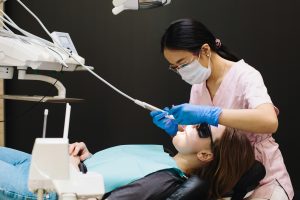
Deep Sedation Dentistry Explained
Discover deep sedation dentistry, its applications, and how it can provide a comfortable experience for your dental care…
Read Article
Sedation Dentistry Phoenix
Explore the benefits of Phoenix sedation dentistry at Smile Science Dental Spa in Glendale, AZ, and make your…
Read ArticleSedation Dentistry Costs Explained
Explore the typical costs of sedation dentistry in Glendale, AZ, and discover how it can make your dental…
Read Article