
Understanding Halitosis Causes
You brush often, yet friends mention a lingering odor. Most bad breath starts in the mouth. Common halitosis causes include tongue coating, gum disease, dry mouth, trapped food, tobacco, and certain illnesses or medications. It is usually not caused by stomach issues alone.
Tongue coating holds anaerobic bacteria that break down proteins and release volatile sulfur compounds with a sulfur-like smell. Gum inflammation and periodontitis deepen pockets that harbor these microbes, raising odor levels [1]. Saliva normally washes and neutralizes odors; when flow drops from medications, mouth breathing, or dehydration, smells build. For practical tips, see our guide to dry mouth treatments. Foods like garlic, onions, and coffee cause short-term odors; tobacco and alcohol can dry the mouth and change the oral flora. Dental plaque, cavities, leaking fillings, and unclean dentures or aligner trays trap debris that ferments. Tonsil stones can trap sulfurous debris and smell despite good brushing.
- Tongue coating and biofilm
- Gingivitis or periodontitis
- Dry mouth and mouth breathing
- Food traps, plaque, or dental decay
- Tobacco and frequent alcohol use
- Sinus, tonsil, reflux, or systemic illness
Sometimes the source is not oral. Sinus or tonsil infections, post-nasal drip, reflux, uncontrolled diabetes, and advanced liver or kidney disease can produce extraoral odors. Because of this, a dental exam often starts with tongue and gum evaluation, odor-focused history, and checking restorations and appliances. If signs point beyond the mouth, we coordinate with your physician or an ENT. Joint care between dental and medical teams helps sustain long-term wellness.
Common Reasons for Bad Breath
Morning breath lingers even after brushing. Most bad breath comes from changes inside the mouth, especially where germs and debris stay undisturbed. Common halitosis causes include low saliva overnight, residue on hard-to-clean surfaces, diet shifts, and unclean dental devices.
Overnight, saliva flow drops, so odors concentrate and stale tastes build. Protein-heavy snacks before bed can leave residue that smells stronger by morning. Low‑carb or fasting states may add a sweet, nail‑polish note from natural ketones. Crowded areas, deep grooves on the back of the tongue, and tight spaces between teeth can hold food and shed cells. Orthodontic aligners, retainers, and night guards pick up biofilm quickly if not rinsed and brushed. Dentures worn during sleep or cleaned infrequently can also take on a sour odor. If you want a deeper primer on removing the source, see our overview of how plaque is removed.
Sometimes a single tooth is the culprit. A deep cavity, a dying nerve, or gum tissue around a partially erupted wisdom tooth can trap fluids and smell unpleasant. Overhanging or broken margins on old fillings and crowns create sheltered niches that routine brushing misses. Sinus congestion that blocks the nose may push you to breathe through your mouth at night, which dries tissues and concentrates odors. Track patterns that worsen smell, like morning only, after coffee, during a new diet, or when wearing an appliance.
If odor persists despite careful cleaning, a dental exam can pinpoint the exact source and rule out hidden causes. We assess teeth, restorations, gum pockets, and any devices you wear, then tailor care to the findings. Coordinated care often leads to clearer days and calmer nights.
How Tongue Bacteria Contributes to Halitosis
Tongue bacteria cause bad breath by breaking down trapped proteins and releasing sulfur gases. The back of the tongue has many tiny folds that hold food particles and shed cells, creating a low‑oxygen place where these microbes thrive. Among halitosis causes, this tongue biofilm is one of the most common sources.
These bacteria use enzymes to digest proteins from saliva and food. As they work, they release hydrogen sulfide and methyl mercaptan, which smell like rotten eggs or cabbage. A thicker coating means more surface area for this process, so odors rise. Because this area is soft and textured, routine brushing of teeth alone often misses it. That is why breath may seem clean briefly, then return.
Daily tongue cleaning reduces the coating and the fuel the bacteria need. A gentle scraper or the back of a soft brush can sweep from back to front with light pressure. Avoid scrubbing side to side, which can irritate tissue. Some antimicrobial rinses target both the bacteria and the sulfur gases they produce; learn how a targeted rinse approach may help in our overview of halitosis rinses. Systematic reviews also report that approaches aimed at decreasing tongue biofilm and neutralizing sulfur gases can lower measurable malodor levels [2].
After meetings, you notice a sour taste that brushing does not fix. In a visit, we look for where tongue coating builds and whether nearby tissues seed the tongue with odor‑producing bacteria. Some offices measure sulfur levels or use disclosing solutions to show areas that need better cleaning. If the tongue is the main source, simple changes to home care and targeted office treatment usually make a clear difference. When treated early, fresher breath often returns quickly.
The Role of Dry Mouth in Bad Breath
Dry mouth makes bad breath more likely because saliva is the body’s natural rinse, buffer, and odor neutralizer. When saliva is low, odor‑producing bacteria, food remnants, and sulfur compounds collect on the tongue and soft tissues. Restoring moisture and flow often reduces malodor and helps address several halitosis causes at once.
After long meetings, your mouth feels sticky and your breath smells stale. That sticky feeling signals fewer protective salivary proteins and reduced washing of odor precursors. Saliva normally dilutes and clears amino acids that bacteria convert into volatile sulfur compounds. It also delivers oxygen, buffers acids, and carries antimicrobial factors like lysozyme. With hyposalivation, the back of the tongue dries, debris lingers, and sulfur gases accumulate.
Why does dry mouth happen? Common contributors include certain antihistamines, antidepressants, and blood pressure medicines; dehydration from low fluid intake; and health conditions that affect salivary glands. Radiation to the head and neck, autoimmune disorders, and uncontrolled blood sugar can reduce flow or change saliva’s quality. Habitual open‑mouth breathing, especially at night, also dries tissues; learn more in our overview of mouth breathing and oral health. Frequent caffeine, alcohol, or vaping may intensify dryness by altering fluid balance and mucosal surfaces. Because causes stack, even mild drops in flow can tip breath from neutral to noticeable.
What helps in daily life? Moisture strategies, like steady water intake and saliva‑stimulating sugar‑free gum or lozenges, can thin coatings and dilute odors. Room humidification may ease overnight dryness. Reviewing medications with your medical team, considering timing adjustments, or exploring alternatives can sometimes improve symptoms. Saliva substitutes and targeted rinses offer short‑term lubrication and chemical odor control, while nasal care supports closed‑mouth breathing during sleep. In the dental setting, we can assess salivary flow, examine tongue and soft tissues, and check for cavities or appliance niches that worsen smell. With the underlying dryness identified and managed, breath usually trends cleaner and more stable.
Small, steady changes in moisture often bring breath back into balance.
Exploring Sulfur Breath: What It Means
Sulfur breath smells like rotten eggs or cabbage. It usually comes from volatile sulfur compounds made by mouth bacteria as they digest proteins. This often points to hidden plaque traps, inflamed gums, or debris that stays put. The good news is that finding the source typically makes it manageable.
After coffee and a protein bar, you notice a rotten-egg odor mid-afternoon. Protein-rich saliva and food feed certain bacteria in oxygen-poor spots, such as deep gum pockets, around partially erupted wisdom teeth, and in grooves near the back of the tongue. Hydrogen sulfide and methyl mercaptan are the main gases; methyl mercaptan tends to rise when gums are inflamed. Dry mouth concentrates these smells, and unclean retainers, aligners, night guards, or dentures can hold the odor even after brushing teeth.
Recognizing patterns helps. If the odor spikes after high-protein meals, during fasting, or when your mouth is dry, sulfur gases are likely involved. If the smell seems worse around bleeding gums or a sore area by a wisdom tooth, local inflammation may be the source. Among halitosis causes, persistent sulfur notes often point to gum disease and plaque retention; see our overview of gum disease care options to understand how dentists calm these sites. In certain cases, dental teams measure sulfur levels with a handheld monitor to guide and track treatment.
Not every strong breath odor is sulfur-based. A fruity, nail-polish scent suggests ketones from dieting. A fishy or ammonia-like smell can come from non-oral conditions and deserves medical attention, especially with other symptoms. Because different sources need different fixes, a focused dental exam looks for food traps, inflamed pockets, leaky restorations, and appliance buildup, then matches treatment to the findings. Addressing the source brings fresher breath and healthier gums.
Morning Breath Explained: Causes and Solutions
Morning breath happens because saliva slows during sleep, bacteria and debris build up, and airflow can dry mouth tissues. Overnight fasting and open‑mouth breathing make odors stronger on waking. The fix is to clear the coating and restore moisture before bed and after you rise.
You wake, brush, and the stale taste creeps back within minutes. During sleep, less saliva means fewer natural rinsing and buffering actions, so odor molecules concentrate on the tongue and along the gumline. Post‑nasal drip may pool overnight and add a sour taste when you first swallow. Mouth opening, snoring, or mask air leaks can dry the tongue’s surface, which intensifies smells. Among halitosis causes, this is usually a routine overnight buildup rather than a sign of serious disease.
Evening and morning routines matter. Before bed, clean between teeth, brush thoroughly, and gently scrape the back of the tongue from back to front. Remove and clean any retainer or night guard, then let it dry outside the mouth. In the morning, drink water first, clean the tongue again, and eat a small breakfast to stimulate saliva. If you like rinses, see the best ways to use mouthwash so it supports, not replaces, brushing and flossing. Limiting alcohol late in the evening and staying hydrated helps, too.
Patterns help guide next steps. If odor fades after breakfast and water, it is likely sleep‑related dryness and residue. If strong smells persist past mid‑morning, or you notice bleeding gums, tooth pain, or a foul taste from one area, a focused dental exam can rule out gum pockets, a leaky filling, or a single sore tooth as the source. Not sure when to come in? Check our current hours and plan a visit that fits your day. Simple, steady habits make mornings feel fresher.
Identifying Dietary Triggers of Halitosis
Food and drink can change breath within minutes, and sometimes for hours. The simplest way to spot triggers is to track what you eat, when the odor starts, and how long it lasts. Patterns often reveal a few repeat culprits. Among halitosis causes, diet is a common, modifiable factor.
After a protein shake, your breath smells stronger by mid‑afternoon. High‑protein meals supply amino acids that odor‑producing bacteria break down into sulfur gases on the tongue and around the gums. Allium‑rich foods, like garlic and certain chives, create sulfur compounds that enter the bloodstream and exit through the lungs, so the odor can persist even after brushing. Some fermented or aged foods leave peptides that stick to soft tissues and coat appliances, holding smell longer than you expect.
Coffee and strong tea can leave a clingy film that traps food residues and intensifies existing odors. When milk or cream is added, leftover dairy proteins break down on warm surfaces and can smell sour later in the day. Very acidic drinks, like sodas or citrus beverages, shift the mouth’s chemistry and may make sulfur notes more noticeable. If acidic choices are part of your routine, see how they relate to acidic drinks and erosion and adjust timing or rinsing with water afterward.
Sweet snacks are not classic odor starters, but sticky sugars help plaque hold onto soft tissues, which can worsen smells from other sources. Fishy or ammonia‑like odors after certain fish or choline‑rich meals are uncommon, yet they can occur in susceptible individuals. Spicy foods may also thicken nasal secretions for a short time, leading to a stale taste that reads as bad breath.
To isolate triggers, keep a brief log for one week. Note the item, timing, any appliance you wore, and when odor peaks. Rinse with water soon after meals, and clean the tongue before bed to avoid “stacking” residues. If a smell persists despite diet changes, a focused dental exam can rule out hidden niches that amplify food‑related odors. Small adjustments to meals and timing often clear the air quickly.
The Impact of Oral Hygiene on Bad Breath
Daily oral hygiene strongly influences breath. Plaque and tongue coating feed bacteria that release sulfur gases, so thorough cleaning reduces smells. Among halitosis causes, poor plaque control is one of the most fixable. Consistent technique and regular professional care make the biggest difference.
After flossing, the sour taste fades fast. That quick change happens because cleaning removes trapped food and film that bacteria would otherwise break down into odor compounds. Brushing reaches tooth surfaces, but smells often linger when the gumline, between-teeth spaces, and tongue are missed. Saliva helps, yet it cannot clear thick biofilm on its own. A focused routine reaches these hidden zones and lowers odor at the source.
Start by brushing the gumline with small, angled strokes to disrupt plaque where it begins. Clean between teeth every day with floss or interdental brushes to release debris that fuels odor. Gently sweep the back of the tongue from back to front to thin the coating without irritating tissue. If you want technique tips, see our step-by-step guide on how to brush your teeth correctly. Rinse and dry any removable device, like a retainer or night guard, before storage, since appliances can hold smells even when teeth are clean.
Professional care supports home efforts. Clinical reviews show that professional tooth cleaning and non-surgical periodontal therapy reduce measurable oral malodor in patients with gum disease [3]. Targeted mouthrinses can further reduce volatile sulfur compounds when used alongside brushing and interdental cleaning, especially during periods of dryness or illness [4]. Because hygiene needs vary, we tailor advice to your gum health, crowding, and any appliances you wear. If breath remains strong despite careful cleaning, a dental exam looks for localized traps, inflamed pockets, or leaking restorations that require specific treatment.
Strong breath often signals areas your routine is missing, not a permanent problem. With steady care, fresher breath becomes the norm.
When Bad Breath Might Indicate a Health Issue
Bad breath can signal a health issue when it is persistent despite careful cleaning, smells unusual, or comes with other symptoms. Concerning patterns include a fruity or ammonia-like odor, a sudden change in smell, or breath that worsens alongside fever, sore throat, heartburn, or unexplained dry mouth. Ongoing bleeding gums, loose teeth, or one area that tastes foul also point to a problem that needs evaluation.
You notice a fruity odor and increased thirst. Fruity or nail‑polish notes can appear during strict low‑carb dieting, but they may also reflect poor blood sugar control. A bitter or sour taste with nighttime cough can relate to reflux irritating the throat. A musty or ammonia‑type smell, especially with fatigue or swelling in the legs, can reflect non‑oral causes. Because odor quality offers clues, tracking when it starts, what you were doing, and any other symptoms helps your dentist and physician narrow the source.
Dry mouth from medications, autoimmune conditions, or mouth breathing during sleep concentrates odors and weakens the mouth’s natural defenses. Chronic nasal blockage can push airflow through the mouth, drying the tongue and soft tissues. Recurrent tonsil stones, frequent sore throats, or thick post‑nasal drip suggest an ENT‑related source. Among halitosis causes, patterns that include sinus pressure, persistent throat irritation, or changes in general health deserve a broader look.
Sometimes the warning sign is local but important. One‑sided bad taste, pain when biting, or swelling near a single tooth can point to a deep cavity or gum abscess. Ongoing bleeding, gum tenderness, or spaces forming between teeth may reflect active gum disease, which is both an oral infection and a risk factor linked with systemic inflammation. If breath stays strong after you clean the tongue, floss, and brush carefully for a week, it is time for a focused exam.
Your dental team can identify oral sources and, when needed, coordinate with your physician or an ENT to address extra‑oral contributors. Clear patterns and timely evaluation lead to better breath and better health.
Effective Treatments for Halitosis
Effective treatment starts by finding the source, then matching the fix. Daily tongue cleaning, thorough interdental care, and professional gum therapy reduce odor at its origin. Targeted mouthrinses and, when needed, treatment of a problem tooth or appliance also help. Plans depend on the specific halitosis causes identified during exam.
A practical approach pairs mechanical cleaning with chemical control. Tongue scraping thins the coating where sulfur gases form, while careful brushing and between-teeth cleaning remove the fuel bacteria use. Oxidizing or zinc-based mouthrinses can lower measurable malodor; meta-analyses show chlorine dioxide rinses reduce halitosis metrics compared with placebo or baseline [5]. As an adjunct, certain probiotics modestly improve odor scores in the short term, though benefits vary by strain and study design [6].
In periodontal cases, office care matters. When gums are inflamed, deep pockets can trap debris that routine brushing misses. Adjuncts such as photodynamic therapy have shown short-term reductions in oral malodor when added to scaling and root planing, suggesting value in select patients [7]. If a single tooth leaks at a crown edge or a deep cavity harbors debris, repairing that site often clears a lingering foul taste. Removable devices should be brushed, rinsed, and fully dried daily; heavily stained or odor-retentive appliances may need replacement.
Some sources are not oral. Recurrent tonsil stones, chronic sinus issues, or reflux may require coordinated care with an ENT or physician to keep breath stable. Medication-related dryness also amplifies odor; adjusting timing, increasing hydration, and using saliva substitutes can help. Before a big meeting, you want freshness that lasts. With the source identified and a tailored plan in place, improvements are usually noticeable within days to weeks, and they continue as tissues heal and biofilm stays controlled.
Targeted care often turns chronic odor into a manageable routine.
Preventing Halitosis Through Lifestyle Changes
Bad breath often improves with steady daily habits. Focus on moisture, thorough cleaning, and choices that limit odor build‑up. By addressing common halitosis causes, small lifestyle shifts can keep breath fresher across the day.
After lunch, you chat closely with coworkers. Start with hydration. Sip water regularly and rinse after coffee, tea, or strongly flavored foods to dilute residues. Choose sugar‑free gum or lozenges after meals to stimulate saliva. Eat a balanced breakfast to “turn on” saliva early, and avoid late‑night snacking, especially protein‑heavy foods that linger while you sleep.
Prioritize clean surfaces. Brush along the gumline, clean between teeth daily, and include the tongue surface in your routine. Remove retainers or night guards when not in use, brush them with mild cleanser, and let them dry completely before storage. If you drink coffee with milk or cream, rinse with water afterward so dairy proteins do not cling to soft tissues or appliances.
Support nasal breathing. Manage allergies, aim to sleep with your mouth closed, and consider a cool‑mist humidifier in dry seasons. Mouth breathing dries the tongue and cheeks, which concentrates odors. Limit alcohol in the evening and avoid tobacco and vaping; these dry and irritate tissues and change the mouth’s bacterial balance. If a medicine list includes items known to reduce saliva, talk with your medical team about timing, hydration, or alternatives.
Plan meals and timing. Pair strong flavors, like garlic or onions, with crisp vegetables to increase chewing and self‑cleaning. Space coffee or strong tea with food rather than sipping all day. Keep a simple “odor log” for a week to spot patterns tied to snacks, workouts, or appliance wear, then adjust one factor at a time.
If breath stays strong after a week of focused changes, a dental exam can locate specific traps or inflamed areas that home care cannot fix alone. Consistent habits today set you up for fresher breath tomorrow.
When to Consult a Dentist About Halitosis
See a dentist if bad breath lasts more than one to two weeks despite careful brushing, flossing, and tongue cleaning. Come in sooner if you notice bleeding gums, tooth pain, swelling, fever, a foul taste from one spot, or a sudden unusual odor. New or worsening dry mouth, frequent tonsil stones, or breath that affects daily life are also good reasons to be seen. Children with persistent odor should be evaluated, too.
At work, a friend hints your breath still smells after brushing. Because halitosis causes vary, a dental visit helps pinpoint the exact source. Your dentist will review health and medications, check saliva flow, and examine teeth, gums, and tongue for plaque traps, deep pockets, a leaky filling, or appliance buildup. If signs suggest a non‑oral source, such as sinus or reflux patterns, we coordinate with your physician or an ENT so nothing important is missed.
During the visit, expect gentle gum measurements, a cavity check, and a look at restorations and any retainer, aligner, or denture you wear. Some offices assess odor levels or use disclosing agents to highlight areas that need better cleaning. If a single tooth, inflamed gum site, or poorly fitting crown is the culprit, targeted treatment can resolve the smell at its origin. When dryness plays a role, strategies to protect saliva and adjust routines are discussed.
How should you prepare? Track when odor is strongest, note related foods or habits, and bring a list of medicines and mouthrinses. Bring any removable appliance so cleaning steps can be reviewed. If you try a focused routine for a week and breath does not improve, schedule an exam. Seek urgent care for facial swelling, pus, spreading pain, or fever, since these can signal infection.
With a clear diagnosis, treatment becomes straightforward and progress is easier to measure. Prompt evaluation supports healthier gums and lasting freshness.
Frequently Asked Questions
Here are quick answers to common questions people have about Halitosis: Causes & How to Treat in Glendale, AZ.
- What are common causes of halitosis?
Halitosis is often caused by bacteria in the mouth breaking down food particles, resulting in unpleasant sulfur compounds. Common sources include poor oral hygiene, dry mouth, gum disease, a coated tongue, certain foods, tobacco use, and dehydration. Sometimes, it can be linked to non-oral health issues like sinus infections or reflux. Keeping up with good oral care practices, such as regular brushing, flossing, and tongue cleaning, can help manage many of these causes.
- How can tongue cleaning help with bad breath?
Cleaning your tongue is crucial in controlling bad breath. Bacteria thrive in the crevices of the tongue, especially at the back, where they break down proteins, producing sulfurous odors. By using a tongue scraper or the back of a soft toothbrush to gently clean from the back to the front, you reduce the tongue coating and significantly decrease malodor. This practice complements brushing and flossing for a more comprehensive oral hygiene routine.
- Does diet affect bad breath?
Yes, what you eat can impact your breath. Foods like garlic, onion, and protein-rich meals contribute to strong odors as they break down and release sulfur compounds. Diets low in carbs can also cause a fruity or nail-polish scent due to ketone production. To manage breath odor, try tracking what you eat and rinse with water after meals. Adjusting food choices can reduce triggers and improve breath freshness.
- What is the role of saliva in preventing bad breath?
Saliva is nature’s mouth rinse. It washes away food particles and bacteria, neutralizes acids, and dilutes sulfur compounds that cause bad breath. When saliva production decreases, such as during sleep, dehydration, or from certain medications, bacteria and odor can increase. To boost saliva flow, drink water regularly, chew sugar-free gum, and avoid habits that dry out the mouth, like smoking or excessive caffeine intake.
- Why might bad breath indicate a health issue?
Persistent or unusual bad breath can signal underlying health issues not linked to oral hygiene. Fruity or chemical-like odors may indicate uncontrolled diabetes, while ammonia scents can point to kidney problems. Chronic halitosis despite good dental care, especially with other symptoms like sore throat or dry mouth, warrants a deeper medical examination to rule out issues beyond the oral cavity.
- How can lifestyle changes prevent halitosis?
Simple lifestyle changes can prevent halitosis. Keep hydrated to promote saliva flow, brush and floss daily, and clean your tongue. Avoid tobacco, limit alcohol, and consume a balanced diet. Chew sugar-free gum after meals to enhance saliva production. Managing health conditions and ensuring regular dental checkups also support fresh breath. Consistent habits lay the foundation for improved oral health and reduced bad odor.
- When is it important to seek dental advice for bad breath?
If bad breath persists despite improved oral hygiene or is accompanied by pain, swelling, bleeding gums, or unusual taste, seek dental advice. These signs may indicate underlying dental issues like cavities or gum disease. Additionally, if changes in breath odor coincide with medical symptoms like fatigue or dry mouth, coordinate care with dental and medical professionals for a comprehensive approach.
References
- [1] The association between halitosis and periodontitis: a systematic review and meta-analysis. (2024) — PubMed:38801476 / DOI: 10.1007/s00784-024-05732-0
- [2] Alternative therapies in controlling oral malodour: a systematic review. (2021) — PubMed:33227726 / DOI: 10.1088/1752-7163/abcd2b
- [3] The effect of professional tooth cleaning or non-surgical periodontal therapy on oral halitosis in patients with periodontal diseases. A systematic review. (2018) — PubMed:28836329 / DOI: 10.1111/idh.12306
- [4] The effect of mouthrinses on oral malodor: a systematic review. (2012) — PubMed:22429551 / DOI: 10.1111/j.1601-5037.2012.00546.x
- [5] Daily use of chlorine dioxide effectively treats halitosis: A meta-analysis of randomised controlled trials. (2023) — PubMed:36634129 / DOI: 10.1371/journal.pone.0280377
- [6] Efficacy of probiotics in the management of halitosis: a systematic review and meta-analysis. (2022) — PubMed:36600415 / DOI: 10.1136/bmjopen-2022-060753
- [7] Clinical efficacy of photodynamic therapy on halitosis: a systematic review and meta-analysis. (2022) — PubMed:36585474 / DOI: 10.1007/s10103-022-03700-2
Ready for a Healthier Smile?
Our team at Smile Science Dental Spa in Glendale, AZ is here to help. Schedule a consultation to explore your options.
You Might Also Like

Mouth Sore Causes & Relief
Discover the common causes of mouth sores and effective relief strategies at Smile Science Dental Spa in Glendale,…
Read Article
Tooth Decay Stages Explained
Explore the stages of tooth decay and learn how to protect your oral health at Smile Science Dental…
Read Article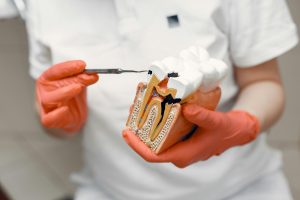
Tooth Sensitivity: Causes & Fixes
Explore the common causes of tooth sensitivity and effective solutions to alleviate discomfort at Smile Science Dental Spa…
Read Article