
Introduction to Dental Cleaning Tools
Dental cleaning tools are the items and instruments used to remove sticky plaque and hardened tartar from teeth and gums. At home, you rely on brushes and cleaners that fit between teeth; in the office, your hygienist uses specialized instruments. Together, these dental cleaning tools help prevent cavities, gum disease, and bad breath.
You notice bleeding when flossing and wonder which tool helps most. Effective cleaning is about disrupting the thin biofilm that regrows every day. Brushes sweep tooth surfaces, while interdental tools reach the tight spots your brush cannot. In the dental chair, professional tools remove mineralized buildup you cannot clear at home.
- Soft-bristled manual or powered toothbrush
- Interdental brushes for spaces, bridges, and around implants
- String floss or floss picks for tight contacts
- Water flosser for braces or limited dexterity
- Tongue scraper to reduce odor-causing coating
- Fluoride toothpaste to strengthen enamel
- Mouthrinse as an add-on for specific risks
Because plaque is sticky, mechanical cleaning matters most. Fluoride toothpaste supports enamel repair, and mouthrinses can lower bacteria, but they do not replace brushing and interdental cleaning. In-office, hand scalers and ultrasonic instruments break up tartar that locks onto teeth; similar ultrasonic methods can also reduce biofilm on dentures [1].
Your ideal kit depends on tooth spacing, gum health, and dental work like braces, bridges, or implants. Start with a soft brush and one interdental option you can use well, then adjust with your hygienist’s guidance. For step-by-step technique, see our overview in how to brush your teeth correctly. When done well, daily care helps prevent decay and gum disease.
Common Dental Cleaning Tools Names
Common dental cleaning tools include a mouth mirror, explorer, periodontal probe, ultrasonic scaler, hand scalers and curettes, an air polisher, and a prophy angle with a rubber cup and polishing paste. You may also hear suction called a saliva ejector or high‑volume evacuator. At home, people often add a single‑tuft brush, floss threader, wooden dental picks, or a rubber tip stimulator. Each name reflects what the tool is designed to clean or measure.
In the clinic, the ultrasonic scaler uses tiny vibrations and a water spray to break away hardened tartar and disrupt biofilm. Hand scalers and curettes are shaped to fit specific tooth surfaces, allowing precise removal of deposits your brush cannot reach. An air polisher uses a fine powder with air and water to lift surface stain and soft plaque. After debris is cleared, the prophy angle with a rubber cup and paste smooths enamel so it is harder for new film to stick. A periodontal probe gently measures gum pocket depths, while a mirror improves visibility in hard‑to‑see areas.
During a visit, your hygienist may start with ultrasonic scaling, refine with hand instruments, then polish and measure. For people with braces or implants, specialized tips and non‑metal scalers help protect delicate surfaces. If you want a step‑by‑step overview of the visit, see what to expect at a professional cleaning.
At home, small add‑on tools make daily cleaning easier. A single‑tuft brush targets the last molar or around fixed retainers, while a floss threader helps you pass floss under a bridge. Wooden picks and rubber tips can massage the gumline and sweep out soft debris between wider spaces. If you need appointment times, check our current hours. Choosing a few well‑matched dental cleaning tools, and using them consistently, keeps professional visits simpler. Joint care between you and your dental team supports long‑term wellness.
Understanding Scalers and Their Uses
Scalers are professional instruments that remove hardened tartar and sticky film from teeth. Hygienists use them above the gumline and, when needed, gently under the gums to clean root surfaces. Both hand and ultrasonic scalers are common, and each serves a specific purpose during care. Together, they complement your daily dental cleaning tools.
You feel a rough ledge behind a lower front tooth. Hand scalers have finely shaped edges that physically lift and shave off deposits with control, which helps around tight angles or near dental work. Curettes are a type of hand scaler designed to slip under the gum to smooth root surfaces, reducing areas where bacteria can hold. Ultrasonic scalers use tiny tip movements with a cool water spray to shear off buildup, wash out debris, and disrupt biofilm. Because of this, teams often start with ultrasonic debridement, then refine with hand instruments for a smooth finish.
Tool choice depends on where deposits sit, how hard they are, and the health of your gums. For example, delicate plastic or titanium tips are used around implants to protect their surface. Around braces, slimmer tips and careful angles help reach under wires without irritating tissues. If you have sensitive teeth, your hygienist can reduce power, adjust water flow, or switch to hand work in tender areas. The goal is the same in every case, remove the calculus while preserving enamel and the thin root coating that keeps teeth healthy.
When tartar extends below the gums or gum pockets are deeper, your provider may recommend scaling and root planing, a focused cleaning that targets the root surface to calm inflammation. If you want a plain-language walkthrough, see our deep cleaning overview. Well-timed scaling helps gums tighten, lowers bleeding, and makes home care more effective. Prompt attention supports healthy gums and steady oral health.
The Role of Curettes in Dental Care
Curettes are hand instruments shaped to glide under the gumline and gently remove tartar and biofilm from root surfaces. They help smooth tiny irregularities on roots so new plaque is less likely to stick, which supports gum healing. In preventive visits and periodontal therapy, curettes are essential partners to powered scalers for precise, tissue-friendly cleaning.
After a cleaning, your hygienist mentions smoothing roots beneath inflamed gums. That work is done with curettes. Their rounded toe and fine cutting edge let the clinician adapt to curved roots and delicate areas without gouging the surface. Gracey curettes are area-specific for optimal angles, while universal curettes can reach many spots with proper technique. Using light, overlapping strokes, the clinician can feel deposits and detach them while preserving healthy root material.
Curettes differ from ultrasonic tips, which quickly disrupt heavy buildup and rinse debris. When deposits cling in grooves, near fillings, or between roots, hand curettes provide the tactile control needed to finish the surface. Around dental implants, your team switches to specialized non-scratching instruments rather than traditional steel curettes to protect the implant surface. For sensitive areas, lighter pressure and shorter strokes reduce discomfort while still removing the cause of inflammation.
What does this mean for you? Smoother roots give bacteria fewer places to hide, which can reduce bleeding and make daily brushing and interdental cleaning more effective. If your gums bleed or pockets are deeper, curettes are central to scaling and root planing, the focused cleaning that targets the root beneath the gum. For a broader look at therapies that pair with instrumentation, see our overview of treatment options for gum disease. Curettes, combined with the rest of your dental cleaning tools, help maintain firm, comfortable gums between visits.
Consistent professional care and steady home habits work best together.
What is an Ultrasonic Scaler?
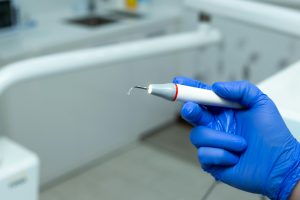
An ultrasonic scaler is a powered instrument that removes hardened tartar and soft biofilm from teeth using high‑frequency vibration with a cooling water spray. The water helps wash away loosened debris while keeping the tip cool and comfortable. You may notice a gentle buzzing sound and a fine mist during use.
Here is what happens as it works. Rapid tip motion breaks the bond between deposits and the tooth surface, while the water flushes out particles along the gumline. The clinician keeps the tip moving lightly and uses minimal pressure for comfort and control. Power and water flow can be adjusted, and warm water may be used if you feel sensitivity. For a simple overview of why these deposits matter, see our guide to plaque removal explained.
Different tip shapes target different areas, such as narrow spaces between teeth, along braces and bonded retainers, or near the gum edge. Around dental implants or delicate restorations, the team switches to compatible tips and settings to protect those surfaces. Tell your provider if you have sensitive teeth or any implanted medical devices so they can choose the safest approach for you. Short pauses to suction water and check comfort are part of a normal, steady rhythm.
In practice, the ultrasonic scaler quickly clears heavier buildup and rinses the field, then hand instruments can fine‑tune edges for a smooth finish. This sequence supports healthier gums and makes daily brushing and interdental care more effective. Among dental cleaning tools, the ultrasonic scaler helps shorten difficult parts of the visit so polishing and home‑care coaching can follow. Next, you will see how polishing smooths enamel after scaling. Thoughtful instrumentation supports healthy gums and steady home care.
Features of a Prophy Cup
A prophy cup is a small, flexible rubber or silicone cup that attaches to a low‑speed handpiece to polish teeth. Its rim and internal ribs hold polishing paste, adapt to tooth curves, and help lift surface stain and soft film. Cups come in different sizes and firmness levels to match stain, access, and sensitivity. They are designed for finishing after tartar is removed, not for heavy calculus.
You spot a brown tea stain near the gumline before a photo. The cup’s thin, elastic edge flares slightly as it spins, letting the clinician sweep along the gumline and around brackets or retainers with light pressure. Webbed interiors trap paste so it stays on the tooth longer and reduces splatter. When used at low speed with a gentle touch, the cup polishes without overheating the tooth or irritating gums. This design supports precise stain removal while protecting soft tissue.
Material and shape matter. Softer cups flex for sensitive areas and fine margins, while firmer cups help address stubborn stain on flat enamel. Short, tapered cups improve access to back teeth, and pointy “prophy points” or small brushes can reach grooves or around orthodontic hardware. Most cups are single‑use for infection control, and latex‑free options are standard for patients with sensitivities. The clinician pairs the cup with an appropriate paste grit, often starting coarser for heavy stain and finishing finer to refine the surface.
Technique completes the picture. Light, intermittent pressure, steady movement, and adequate paste limit abrasion and heat. The goal is a refined enamel surface that feels smooth, which makes it harder for new plaque to grab on and makes home care easier. Among dental cleaning tools, the prophy cup provides the final polish after scaling so teeth feel clean and look brighter. If you are curious about maintaining strong enamel during care, see our overview on protecting enamel. Thoughtful polishing sets you up for simpler daily cleaning.
How an Air Polisher Works
An air polisher uses a focused jet of air, water, and a fine powder to lift soft plaque and remove surface stains. The stream breaks up the biofilm and washes debris away, so the tooth is cleaned without scraping. Clinicians adjust powder type and settings to match where they are working, such as along the gumline or on enamel.
You sip coffee daily and notice yellowing near the gumline. Here is what happens during air polishing. A small nozzle directs a gentle spray at the tooth at a controlled angle, usually just off the surface. Sodium bicarbonate powders help with heavier stain on enamel. Very fine glycine or erythritol powders are chosen for biofilm at the gum edge, around orthodontic wires, or near implants because they flow into tight spots and feel mild. Because the spray can create aerosols, your team uses high‑volume suction and steady technique to limit spread and keep you comfortable [2].
As the clinician moves in short, sweeping passes, the powder particles contact the plaque film, loosen it, and the water carries it away. The tip stays in motion to avoid over‑treating one area, and short pauses allow suction to clear the field. You might taste a slight saltiness or sweetness from the powder. The sensation is more like a gentle spray than vibration, and most people find it quick.
Air polishing focuses on soft deposits and external stain. Deep color within enamel needs a different approach, so if shade change is your goal, see our overview of professional teeth whitening. In the lineup of dental cleaning tools, an air polisher helps finish hard‑to‑reach spots and smooths the path for daily brushing. When applied well, gentle air polishing supports cleaner teeth and calmer gums.
Essential Dental Instruments for Cleanings
Essential dental instruments for cleanings are the tools your hygienist uses to examine, remove buildup, and polish teeth. Core groups include diagnostic aids to see and measure, scaling instruments to clear deposits, and finishing tools to smooth surfaces, with suction to manage moisture. Together, these dental cleaning tools remove plaque, tartar, and stain while protecting your gums.
Here is how they work together in a typical visit. A mouth mirror improves visibility, and a gentle periodontal probe measures gum depths. Next, a powered scaler with a fast-moving tip and cool water loosens hard deposits and rinses them away. Hand instruments with fine edges then refine narrow spots between teeth or along fillings. Finishing steps remove remaining film and surface color so enamel feels smooth and resists new buildup.
Technique and settings matter for comfort and safety. Power, pressure, and water temperature are adjusted to your sensitivity, and specialized tips are chosen for braces, implants, or delicate restorations. High-volume suction improves visibility and reduces spray, and sterile or single-use parts support infection control. Magnification and bright lighting help the clinician see small details, and disclosing dye may be used to highlight any remaining film before polishing.
You notice a rough patch near the gum after a long week. Understanding the tool sequence makes the visit feel predictable and helps you request small adjustments if an area is tender. To see how the team coordinates these steps, learn more about how your dental hygienist works during care. With the right instruments and a steady plan, cleanings stay efficient and support your home routine. Smooth teeth make daily cleaning simpler.
Maintaining Your Dental Cleaning Tools
Keep your tools clean, dry, and stored where air can circulate. Rinse them well after use, let them air‑dry upright, and replace them on a regular schedule. Do not share tools, and avoid closed, damp containers except for short travel. Simple habits like these help your dental cleaning tools work better and last longer.
Right after brushing, rinse the bristles under running water until the paste is gone, then flick off excess water and stand the brush upright to dry. Skip tight caps at home, since trapped moisture encourages odors. Replace your manual brush or powered head every three months, or sooner if bristles look frayed. If you have been sick, starting fresh can be sensible, especially if the brush looks worn.
Interdental brushes should be rinsed, air‑dried, and changed when the wire bends or bristles compress and no longer spring back. For string floss, use a clean segment for each space, then discard. After using a water flosser, empty the reservoir, run warm water through the line for a few seconds, and leave parts open to dry. Once a week, clean the reservoir and tips according to the manufacturer’s guide; a mild diluted vinegar soak can help with mineral film. Tongue scrapers rinse clean easily; dry them with a quick shake and store them where air flows.
Storage matters. Keep tools away from standing water and splash areas, and close the toilet lid before flushing if your holder sits in the bathroom. At home, do not let brush heads touch in a shared cup. For travel, use a vented cover, then remove it on arrival so the brush can dry. If you wear braces, have implants, or sensitive gums, ask your hygienist which brush textures and tip materials to choose, and how often to replace them for your specific setup.
Well‑kept tools remove plaque more effectively and feel fresher to use. Clean care at home supports easier, quicker visits.
Choosing the Right Tools for Your Practice
Choose instruments by matching your patient mix, common procedures, and workflow. Prioritize tools that remove deposits efficiently, protect tissues and restorations, and support comfort and infection control. Then align training and maintenance so results stay consistent.
A new patient day includes implants, braces, and sensitive gums. Build a core kit that covers those needs. Keep both ultrasonic and hand options, with implant‑safe tips and non‑metal hand instruments for titanium surfaces. Stock slim tips for orthodontic hardware and tight embrasures, and maintain a range of probe markings for clear periodontal charting. Adjustable power, irrigation control, and warm water improve comfort and adaptability across cases.
For biofilm and stain, select an air polishing system that accepts multiple powders. Glycine or erythritol powders are gentle for subgingival biofilm and around implants, while bicarbonate helps with heavy extrinsic stain on enamel. Pair this with reliable high‑volume evacuation and clear isolation to manage spray and visibility. Train the team to use light, sweeping passes and to pause for suction, which improves comfort and reduces clean‑up.
Finishing choices affect both feel and future plaque retention. Keep several prophy cup designs and stiffness levels, plus points or small brushes for grooves and brackets. Stock paste in graded grits, starting coarser for stain when needed, then finishing finer to refine enamel. Disclosing solution helps confirm when biofilm is gone, especially before polishing sensitive areas. Balance ergonomics and sterility by using lightweight, textured handles, organized cassettes, and a simple reprocessing path that fits your sterilizer and space.
Finally, connect operatory tools to home‑care coaching. Recommend interdental sizes, floss aids, or water flosser tips that match each patient’s restorations and spacing, and adjust at follow‑ups. With the right dental cleaning tools and a clear protocol, visits run smoother, teeth feel cleaner, and home care is easier to maintain. Coordinated care often leads to easier visits and healthier gums.
Frequently Asked Questions
Here are quick answers to common questions people have about Dental Cleaning Tools Explained in Glendale, AZ.
- What are the most common dental cleaning tools used at home?
At home, the most common dental cleaning tools include a soft-bristled toothbrush, floss or floss picks, and interdental brushes. A tongue scraper can help remove odor-causing coating, while a water flosser is useful for braces or limited hand movements. Additionally, choosing the right fluoride toothpaste strengthens enamel, and adding mouthrinse offers extra protection against bacteria. These tools work together to remove plaque and prevent dental problems like cavities and gum disease.
- How do professional dental cleaning tools differ from at-home tools?
Professional dental cleaning tools, like ultrasonic scalers, hand scalers, and curettes, are designed to remove hardened tartar and sticky film from teeth. They also include air polishers and rubber cups for polishing. These tools allow hygienists to reach difficult areas and provide thorough cleaning, which isn’t achievable with home tools. At home, tools focus on daily plaque removal rather than tartar removal. Combining both at-home care and professional cleaning keeps teeth and gums healthy.
- What is the purpose of an ultrasonic scaler?
An ultrasonic scaler is a tool used by dental professionals to remove hardened tartar and soft biofilm from teeth. It works by using high-frequency vibrations along with a cooling water spray. The vibrations break the bond between the deposits and the tooth surface, while the water washes away the debris. This tool is especially useful for dealing with heavier buildup quickly and effectively, supporting the healthier gums and enhancing daily care.
- How often should you replace your dental cleaning tools?
Replace your manual toothbrush or powered brush head every three months, or sooner if the bristles are frayed. Change interdental brushes when the wire bends or the bristles no longer spring back. String floss should be discarded after each use. Regular replacement ensures that these tools work effectively. If you’ve been sick, starting with fresh tools can also be a good idea, especially if the brush looks worn.
- How can I improve my dental hygiene routine at home?
To improve your dental hygiene routine, start with a soft-bristled toothbrush and a fluoride toothpaste. Incorporate flossing daily and use interdental brushes or a water flosser to clean between teeth. A tongue scraper can help remove residues and reduce odor. Add mouthrinse for extra germ protection. Consistent use of these tools, along with regular professional cleanings, helps in maintaining oral health.
- What are some signs that I need a professional cleaning?
Signs you may need a professional cleaning include persistent bad breath, bleeding gums when brushing or flossing, and the feeling of rough surfaces on your teeth. If you notice plaque or tartar buildup you can’t remove with regular brushing, or experience gum tenderness, these could indicate the need for professional dental attention. Regular professional cleanings, combined with daily cleaning, prevent these issues and promote gum health.
References
- [1] Ultrasonic Cleaning and its Effects on Denture Biofilm: A Systematic Review. (2025) — PubMed:40997643 / DOI: 10.1016/j.identj.2025.103921
- [2] A systematic review of droplet and aerosol generation in dentistry. (2021) — PubMed:33359043 / DOI: 10.1016/j.jdent.2020.103556
Ready for a Healthier Smile?
Our team at Smile Science Dental Spa in Glendale, AZ is here to help. Schedule a consultation to explore your options.
You Might Also Like
Dental Cleaning Tools Explained
Discover the essential dental cleaning tools used to maintain oral health at Smile Science Dental Spa in Glendale,…
Read Article