
Importance of Kids Dental Care
Children’s mouths change fast, and early care makes a lasting difference. Consistent kids dental care helps prevent cavities, supports clear speech and comfortable chewing, and builds healthy daily habits. Regular visits also let a dentist spot small issues before they become bigger problems.
A second-grader avoids apples because chewing hurts. Tooth decay begins when mouth bacteria turn sugars into acids that weaken enamel. With timely cleanings, exams, and guidance, families can lower risk by improving brushing, choosing tooth-friendly snacks, and using fluoride at home. To see how routine visits protect growing smiles, explore why regular checkups matter.
Prevention works best when it is simple and steady. Because children’s molars have deep grooves that trap food, sealants can shield those pits, and fluoride strengthens enamel against acid. Monitoring eruption patterns helps ensure space for adult teeth and can catch habits like grinding or mouth breathing that affect development. Clear, age-appropriate coaching turns daily routines into confident skills.
- Reduce cavity risk with professional cleanings, fluoride guidance, and sealants.
- Support normal chewing, speech, and nutrition by keeping teeth comfortable.
- Track growth, spacing, and eruption to plan timely interventions if needed.
- Spot habits and medical concerns early, such as grinding or mouth breathing.
- Build strong home care skills with kid-friendly brushing and flossing tips.
Good oral health in childhood often leads to healthier adult teeth and gums. Small, consistent steps now simplify future care and keep school, sports, and family life on track. To plan routine visits that fit your schedule, check our current hours. Coordinated care often leads to clearer days and calmer nights.
Essential Kids Dental Tips for Parents
Focus on simple, steady routines. Brush twice daily with fluoridated toothpaste, use a rice-sized smear for toddlers and a pea-sized amount from age three. Floss once a day where teeth touch. Keep sweets and juices with meals, and choose water between meals.
At bedtime, your five-year-old asks for juice. Nighttime sugars pool around teeth and feed cavity-causing bacteria, so offer water after brushing. Frequent snacking keeps the mouth acidic, which softens enamel; spacing snacks gives saliva time to repair. Encourage spitting out toothpaste instead of heavy rinsing to keep protective fluoride on teeth. Check the front teeth monthly; chalky white lines near the gums can be an early warning to call the dentist.
Young children need help brushing until they can tie their shoes well. Angle the bristles 45 degrees to the gumline and use small circles for two minutes. Floss picks can make nightly flossing easier for small hands. Plan the first dental visit by age one, or within six months of the first tooth, so your child has a comfortable “dental home.” For extra ideas to keep routines smooth, see more kid-friendly habits.
Sports and play matter too. Have a well-fitted mouthguard for contact or wheeled sports to protect teeth and lips. Replace toothbrushes every three months, or after a cold or flu. Keep messages positive before appointments, and schedule when your child is well rested. These steps make kids dental care feel doable for busy families.
As your child grows, small daily choices build strong teeth and confident visits. Joint care between dental and medical teams helps sustain long-term wellness.
Pediatric Oral Hygiene Best Practices
Strong daily habits protect growing teeth. Aim for two minutes of gentle cleaning that covers the gumlines, between teeth, and the tongue. Use a soft, child-sized brush with an age-appropriate amount of fluoridated toothpaste, and encourage water between meals to help saliva rinse acids.
Bedtime arrives, and your child “finished” in 30 seconds. Break the mouth into four areas and spend about half a minute per area. Gently wiggle bristles at the gum edge, sweep plaque away, scrub the chewing grooves, and lightly brush the tongue. A song or timer keeps pace fun and consistent. For a clear walk-through, see our step-by-step brushing guide.
Clean between any teeth that touch, ideally before brushing at night so fluoride reaches those spaces. A weekly plaque-disclosing tablet can reveal missed spots and guide better technique. Avoid sharing utensils or cleaning pacifiers with your mouth to reduce cavity bacteria transfer. For children who can safely chew gum, sugar-free gum after meals can boost saliva and aid cleanup. If your child wears a retainer or sports mouthguard, brush it daily with cool water and let it air-dry. After acidic drinks like soda, have water and wait a bit before brushing to protect softened enamel. When a child has higher cavity risk, dentists may recommend professional fluoride and sealants in addition to home care, consistent with evidence-informed guidelines [1]. Reviews of pediatric caries guidelines also report steady support for fluoride toothpaste use and sealants to lower disease risk [2].
These habits make kids dental care predictable at home and help appointments stay short and positive. Prompt evaluation supports healthy growth and restorative sleep.
First Dental Visit: What to Expect
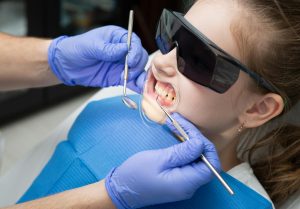
Your child’s first dental visit is calm, brief, and focused on prevention. We review health history, look at teeth and gums, clean what is needed, and discuss home care. Fluoride varnish may be applied to strengthen enamel. X-rays are taken only if they are likely to change today’s care plan.
Your toddler clings to your leg at check-in. That is normal. A parent stays close during the visit. For infants and toddlers, we often use a knee-to-knee position so your child feels secure. The dentist gently counts teeth, checks the gums, bite, and soft tissues, and looks for early white spots that signal weakening enamel. We also talk about feeding, snacking patterns, brushing routines, and any medications or health conditions that can affect teeth.
Cleaning at a first visit is tailored to your child’s needs. Light polishing and plaque removal keep the appointment comfortable. We demonstrate brushing and flossing with simple steps you can repeat at home. Fluoride varnish, when appropriate, is quickly painted on and sets right away with saliva. If images are useful to assess hidden areas or growth, we explain how dental X-rays help and when they are used; for more details, see our overview of X-ray purpose and safety.
Before you leave, we summarize findings and share a clear plan. That may include timing for sealants on new molars when they erupt, diet adjustments that lower cavity risk, and the next checkup interval. A calm first visit sets the tone for kids dental care at home. Timely attention to early findings guides better rest and development.
Fluoride for Kids: Why It’s Important
Fluoride is a cornerstone of kids dental care. It strengthens enamel and helps prevent cavities by making teeth more acid resistant. When used properly, fluoride from toothpaste, drinking water, and in-office treatments supports healthier smiles throughout childhood.
Tooth decay is a balance between mineral loss and repair. Fluoride tips that balance toward repair by attracting calcium and phosphate back into weakened enamel, and by forming a harder, more acid-resistant mineral on the surface. It also slows cavity bacteria from making acids after sugar exposure. At school, cold water stings a front tooth. Regular, low-level fluoride exposure can halt early white-spot lesions and may reverse very shallow damage before a cavity forms.
Most protection comes from fluoride touching the teeth daily. Families who mainly use bottled or heavily filtered water may miss helpful fluoride that is present in many community water systems, so consider checking your water source or asking your dentist. Store toothpaste and mouthrinses out of reach, and supervise younger children to limit swallowing. Too much fluoride during early tooth development can cause faint white flecks on enamel, so right-sized use matters while still providing strong cavity protection.
During checkups, your dentist may suggest a quick fluoride varnish for children with higher cavity risk, orthodontic appliances, or early sensitive spots. Varnish clings to teeth, sets with saliva, and slowly releases fluoride, which makes it practical even for toddlers and helpful between cleanings. For more background, see how fluoride protects enamel. Fluoride works best alongside balanced snacks, thorough brushing and flossing, and timely sealants on deep molars.
Small, steady choices today can mean fewer fillings tomorrow.
Understanding Kids Cavity Prevention
Cavity prevention means reducing acid attacks on teeth and keeping enamel strong. Daily fluoride brushing, once-daily flossing, smart snack timing, and regular checkups form the core. Dentists then add targeted help, such as sealants on new molars and fluoride treatments for higher-risk kids.
After practice, your child sips a sports drink for an hour. Cavity-causing bacteria feed on sugars and starches, making acids that lower mouth pH and pull minerals from enamel. More frequent sipping means more acid time. Saliva helps neutralize acids and repair early damage, so water between meals and during activities supports natural protection. Dry mouths, whether from allergies or medications, slow that repair and raise risk.
Prevention also considers where decay starts. Deep chewing grooves trap sticky foods, so placing sealants soon after molars erupt, typically around ages 6 and 12, keeps bacteria and food out while those teeth mature. Fluoride toothpaste used correctly hardens enamel at the surface, and in-office varnish can be added for children with early white spots or frequent cavities. For a closer look at this simple shield, see how sealants protect molars.
Home routines matter just as much. Serve sweets with meals, then offer water, and avoid grazing that keeps the mouth acidic. After the last brushing at night, stick with water only until morning. Encourage slow, thorough cleaning so fluoride stays on teeth, and guide brushing until your child shows steady, adult-like skill. Together, these steps make kids dental care practical and predictable for busy families.
Thoughtful prevention keeps school days and playtime comfortable.
Benefits of Dental Sealants for Kids
Dental sealants are thin, protective coatings placed on the chewing surfaces of back teeth. For kids, sealants cover the deep pits and grooves where food and bacteria collect, which lowers the chance of cavities in new molars. They are quick to place, comfortable, and barely noticeable in everyday smiles.
A new six-year molar traps granola in its deep grooves. Sealants work by sealing off those grooves so acids cannot reach the enamel below. The tooth is cleaned, the surface is prepared for bonding, then a liquid resin is brushed into the grooves and set with a curing light. No shots or drilling are needed, and your child can eat soon after. This simple barrier supports clean chewing surfaces while teeth finish maturing.
Timing matters. Sealants protect best when placed soon after molars erupt and before plaque has a chance to settle into the grooves. Dentists check sealants at regular visits, because wear or small chips can be repaired easily. Most last for years with normal chewing, and touch-ups keep protection strong. Sealants do not replace brushing and flossing; they shield the top of the tooth, while daily cleaning and fluoride protect the sides and between teeth.
Sealants are especially helpful for children with deeper grooves, frequent snacking, or challenges with brushing thoroughly. They pair well with fluoride toothpaste at home and varnish in the office, creating layered defense against decay. For additional decay-prevention strategies that complement sealants, explore proven ways to reduce cavities. Sealants are an easy add-on to kids dental care, and they help keep appointments shorter by preventing problems before they start.
Thoughtful prevention today helps keep school, sports, and family routines running smoothly.
Creating a Positive Dental Experience for Kids
A positive visit starts with predictability, choice, and praise. We use child-friendly words, let kids see and touch safe tools, and explain what will happen next. Short, on-time appointments, gentle pacing, and clear stop signals help children feel in control.
Before school, your seven-year-old grips the car seat. Anxiety often drops when children know what to expect, so we “tell, show, do” each step and invite simple choices, like which mirror or sticker. Parents can set the tone by keeping language upbeat and avoiding scary terms. A favorite small toy, a light snack beforehand, and scheduling when your child is rested all support calm behavior. We also keep early visits focused and brief to match attention span.
During care, distraction works well. Counting breaths, humming a song, or listening to a short story shifts focus away from sensations. Specific praise such as “You held so still” reinforces coping skills and builds confidence for next time. For some children, sitting with a parent nearby feels safest, while others do best with a quick, cheerful handoff; we tailor the approach. If worry persists, explore practical ways to ease dental nerves in our overview of dental anxiety strategies.
Consistency between home and office matters. Practicing “open wide” in the mirror, reading a short dental story, and using the same calm phrases at appointments create familiar cues. As your child grows, this confidence smooths new milestones, from first X-rays to orthodontic check-ins. With steady support, kids dental care becomes a routine part of healthy life. A calm visit today builds trust for the next step.
Daily Oral Care Routines for Kids
Daily routines help kids clean teeth thoroughly and predictably. In the morning, brush after breakfast when possible. At night, clean between teeth, brush all surfaces, spit out excess toothpaste, and make that the final step before sleep. Caregivers guide the process until skills are steady.
After dinner, your child is drowsy and rushes the routine. Keep bedtime care simple and consistent. Have your child open wide, then gently sweep along the gum edge, outside and inside, and across the biting surfaces. Touch the bristle tips to where the tooth meets the gum, and move slowly enough to hear the brush. Cleaning between teeth comes first so the toothpaste can reach those spaces.
Structure mornings for success. If breakfast includes something sticky, help your child rinse with water, then brush to remove traces from grooves and between teeth. For children old enough to swish and spit reliably, a fluoride rinse may be used at night if a dentist recommends extra protection. If your child takes sweetened cough or allergy syrups, offer water right after, and be sure to brush before bed. For braces, add a small interdental brush around brackets and under wires after snacks and at night, and guide threader floss once daily.
Set up the environment to make kids dental care automatic. Use a child-height station with supplies ready, good lighting, and a small mirror. Many toddlers cooperate best while lying back with their head in a parent’s lap, which gives a clear view. Choose a soft, child-sized brush and change it when the bristles bend outward. Store brushes upright so they air-dry, and avoid sharing. A small travel kit keeps routines on track during sleepovers and trips. With steady practice and calm coaching, home care becomes quicker and more confident, and dental visits stay focused and brief. Consistent home routines make every checkup easier and faster.
Signs Your Child Needs to See a Dentist
Schedule a dental visit if your child has tooth pain, swelling, or an injury to the mouth. Other important signs include sensitivity to cold, heat, or sweets, a visible spot or hole in a tooth, and bad breath that does not improve with brushing. Gums that bleed for more than a week despite gentle, thorough brushing should be checked. Mouth sores that do not heal in two weeks or a sudden change in the way teeth fit together also warrant an exam.
Tooth pain that wakes a child at night, or hurts with chewing, can signal a cavity or cracked enamel. Sensitivity to sweets or temperature often points to weakened enamel or early decay. Chalky white areas near the gumline suggest mineral loss, while brown or black spots or a rough pit can indicate a cavity. Puffy, tender gums, a pimple-like bump on the gums, a bad taste, or facial swelling may mean infection and needs prompt attention the same day. Saturday morning, your child wakes with cheek swelling.
Growth and bite changes matter too. Crowding, crossbites, or an open bite can affect chewing and speech, and early guidance often simplifies future care. Mouth breathing, frequent snoring, or daytime sleepiness can relate to airway issues that impact oral development. Persistent thumb or finger habits after age four, or grinding that chips baby teeth, should be discussed. Delayed eruption, early loss of baby teeth from decay, or a permanent tooth that is loose after a bump all deserve an evaluation. If a permanent tooth is knocked out or a large piece breaks, seek emergency dental care immediately.
When you are unsure, a quick call is the safest step. Early visits keep problems small, protect school and sports routines, and support steady kids dental care at home. Clear guidance from your dental team helps you decide what is urgent and what can wait for a routine check. When treated early, improved breathing can transform sleep and growth.
Nutrition and Its Impact on Kids’ Dental Health
What children eat, and how often they eat it, shapes their teeth. Sugary and starchy snacks feed mouth bacteria, which make acids that weaken enamel. Frequent sipping or grazing keeps acids active, while balanced meals and water help protect teeth. Nutrition is a central part of kids dental care.
At lunch, sticky fruit snacks cling to molars. Sticky and slowly cleared carbohydrates sit in grooves and between teeth, giving bacteria longer to produce acid. Frequency matters more than total sugar in a day, because every snack restarts the acid cycle. Serving sweets with meals, then offering water, shortens that acid time. Crunchy vegetables and cheese stimulate saliva, which helps neutralize acids and wash away food traces. Acidic drinks like soda, sports drinks, and many fruit juices soften enamel; enjoy them with meals, not for all-day sipping, and follow with water.
A steady supply of building blocks supports growing teeth. Calcium, phosphorus, vitamin D, and protein help form and maintain strong enamel and jawbone. Whole foods with fiber take longer to chew, which boosts saliva. Aim for simple meal patterns: whole fruit instead of juice, unsweetened yogurt with fruit mixed in, and age-appropriate nuts or nut butters with crackers or apple slices. Hydration matters too, since dry mouths raise cavity risk. Plain water between meals is the easiest way to support saliva and keep the mouth cleaner.
Small lunchbox choices make a big difference. Choose fewer “sticky-and-sip” moments, and plan set snack times instead of grazing. If your child needs quick energy for practice, offer water first, then a snack that clears quickly, such as cheese with whole-grain crackers or a banana. These habits work alongside brushing, flossing, fluoride, and sealants to lower risk and keep appointments simple. Balanced meals and smart timing support steady growth and calm appointments.
Managing Dental Anxiety in Children
Dental anxiety in children can be eased with preparation, predictable steps, and calm support. We focus on clear explanations, simple choices, and coping tools that help kids feel safe. When needed, additional comfort options are discussed so care stays gentle and manageable.
On the drive over, your child says their stomach hurts. Before the visit, set expectations in plain language and practice “open wide” at home. At the appointment, let your child hold a safe mirror, choose a flavor, or bring a small comfort item. Breathing cues, short stories, and child-friendly music can lower worry and steady attention during care [3].
Behavior strategies work best when they are tailored. Stepwise exposure, modeling, and specific praise teach skills that carry to the next visit. Reviews show that nonpharmacological approaches, such as distraction, positive reinforcement, and gradual desensitization, reduce dental anxiety and improve cooperation in children [4]. For some kids and some procedures, minimal sedation, including nitrous oxide or carefully dosed oral medications with monitoring, can further reduce distress and enhance cooperation; systematic reviews support these options when appropriately selected and supervised [5]. Decisions are individualized based on health history, procedure length, and your child’s previous experiences.
Good communication ties it together. Share triggers, sensory preferences, and past successes with the dental team so the plan fits your child. Schedule when your child is rested, offer a light snack if appropriate, and keep pre-visit messages positive. Afterward, debrief briefly, highlight one success, and note what helped for next time. Making anxiety management part of kids dental care keeps preventive visits focused and efficient. With calm steps, future visits feel easier and more predictable.
Meet with our team to explore your best implant options and restore your smile for years to come.
A confident smile starts with a single consultation.
Frequently Asked Questions
Here are quick answers to common questions people have about Children’s Dental Care Basics in Glendale, AZ.
- Why is fluoride important for children’s teeth?
Fluoride is crucial for kids’ dental health because it strengthens tooth enamel and makes it more resistant to cavities. It works by attracting calcium and phosphate minerals back into weakened enamel, forming a hard surface that fights acid damage. Regular fluoride exposure from toothpaste, water, and treatments helps prevent early decay and supports strong, healthy teeth as your child grows.
- How can dental sealants benefit my child?
Dental sealants are protective coatings applied to the chewing surfaces of back teeth. They cover deep grooves where food and bacteria often settle, reducing the chance of cavities. Sealants are quick and painless to apply, making them an effective, low-maintenance way to enhance your child’s dental protection. They work best when placed shortly after the molars erupt and are checked regularly by the dentist.
- What should I expect at my child’s first dental visit?
The first dental visit for your child is calm and focused on prevention. It usually includes a review of your child’s health history, an examination of their teeth and gums, and a discussion about home care practices. If needed, a light cleaning and fluoride varnish may be performed. The goal is to make your child comfortable with the dental environment and set the foundation for healthy habits.
- What daily dental care should my child be practicing?
Children should brush their teeth twice daily using a soft, child-sized toothbrush and floss once a day where teeth touch. Use fluoride toothpaste, starting with a rice-sized smear for toddlers and a pea-sized amount from age three. Encourage your child to drink water between meals and keep sugary snacks and drinks limited to mealtimes to maintain strong oral health.
- When should my child first see the dentist?
Your child should have their first dental visit by age one or within six months of their first tooth appearing. Early visits help establish a dental home and allow you to receive guidance on brushing, flossing, and nutrition. Regular visits also enable the dentist to monitor your child’s dental development and catch any potential issues early on.
- How can I help my child feel comfortable at the dentist?
To help ease dental anxiety in children, prepare them with simple explanations of what to expect. Use positive language and encourage them to bring a small comfort item. During visits, distractions like counting or humming can help, and letting them make small choices, like picking a flavor, builds confidence. Positive reinforcement and gentle encouragement support a calm experience.
- What signs indicate my child needs to see a dentist?
Signs that your child may need to see a dentist include tooth pain, swelling, sensitivity to cold or sweets, visible spots or holes in teeth, and persistent bad breath. Additionally, bleeding gums that do not improve or changes in bite alignment warrant a dental check. Early evaluation helps address problems before they affect your child’s health and daily activities.
References
- [1] Oral Health Care: A Systematic Review of Clinical Practice Guidelines. (2025) — PubMed:39776243 / DOI: 10.1111/nhs.70027
- [2] Dental caries prevention in children and adolescents: a systematic quality assessment of clinical practice guidelines. (2018) — PubMed:29524023 / DOI: 10.1007/s00784-018-2405-2
- [3] Music Therapy for Managing Dental Anxiety in Children: A Systematic Review and Meta-Analysis of Clinical Evidence. (2025) — PubMed:41153564 / DOI: 10.3390/children12101382
- [4] Analyzing Nonpharmacological Behavior Management in Children With Dental Anxiety: A Systematic Review and Meta-Analysis. (2025) — PubMed:40843385 / DOI: 10.1002/hsr2.71176
- [5] Nitrous Oxide and Oral Sedation for Managing Dental Anxiety in Children: A Systematic Review. (2026) — PubMed:41694161 / DOI: 10.7759/cureus.103449
You Might Also Like
Children’s Dental Health Tips
Discover effective tips for maintaining your kids' dental health in Glendale, AZ, and ensure they develop strong oral…
Read Article
Children’s Dental Care Basics
Discover essential tips for kids' dental care to ensure healthy smiles in Glendale, AZ, and set your children…
Read Article
Baby Teeth Grinding Explained
Learn why baby teeth grinding occurs and whether it should be a concern for your child at Smile…
Read Article