
Reviewed by John Turke, DMD, Cosmetic and Restorative Dentist, Smile Science Dental Spa
What Is Nitrous Oxide Sedation?
Nitrous oxide, commonly known as laughing gas, is the lightest form of sedation used in dentistry. It is a colorless, odorless gas delivered through a small nose mask that the patient breathes throughout the procedure. Nitrous oxide does not put you to sleep; it produces a relaxed, slightly euphoric state in which anxiety decreases, time seems to pass more quickly, and minor discomfort feels less intense. You remain fully conscious and can respond to questions and instructions throughout.
The gas works within minutes and wears off within minutes of stopping. This rapid onset and offset is one of nitrous oxide’s most clinically useful characteristics: unlike oral sedative pills that take 30 to 60 minutes to work and may leave patients drowsy for hours, nitrous oxide can be titrated precisely during the procedure, adjusted upward if more relaxation is needed, and cleared from the body in just a few minutes after the mask is removed. Most patients can drive themselves home after nitrous oxide sedation, which is not possible after oral sedation or IV sedation.
Nitrous oxide has been used in dentistry for over 150 years and has an excellent safety record. It is appropriate for children and adults, and its minimal pharmacological side effect profile makes it suitable for most medically healthy patients. It is often the first sedation option offered to anxious patients because it is safe, predictable, and eliminates the recovery time burden.
What Nitrous Oxide Feels Like
Patients new to nitrous oxide often do not know what to expect. The experience is gentle and usually positive, though it varies slightly between individuals. The common description is a feeling of warmth and lightness spreading through the body, a slight tingling in the hands and feet, and a sense of ease and calm replacing dental anxiety. Some patients describe a mild floating sensation or a pleasant detachment from the immediate situation.
The dental environment becomes less threatening under nitrous oxide. The sounds of the drill are present but feel less urgent; the time passes more quickly; minor discomfort feels easier to tolerate. Local anesthetic is still used for all procedures that would normally require it, since nitrous oxide reduces anxiety and slightly elevates the pain threshold but does not eliminate the need for numbing. The combination of adequate local anesthesia and nitrous oxide sedation is among the most effective approaches to anxiety-free dentistry for mild to moderate dental fear.
Children typically tolerate nitrous oxide well and often describe the experience positively. The ability to communicate throughout, the absence of needles or injections for the sedation itself, and the rapid recovery make it well-suited to pediatric dental visits. For anxious adult patients who have avoided dental care and want to know what sedation feels like before committing to a heavier option, a nitrous oxide appointment is a low-stakes way to experience sedation and rebuild a positive dental relationship. For patients who need a stronger anxiolytic effect than nitrous provides, see our guide to sedation options for anxious adults.
Who Benefits Most from Nitrous Oxide
Nitrous oxide is well-suited for a wide range of patients. Mild to moderate dental anxiety is the most common indication: patients who are nervous but not phobic, who avoid the dentist due to anxiety rather than because treatment is physically impossible, benefit greatly from the relaxed state nitrous oxide provides. The experience is positive enough that many patients who were previously avoidant begin keeping regular dental appointments once they have had a comfortable nitrous oxide experience.
Patients with a strong gag reflex find nitrous oxide helpful for managing the reflex during impressions, X-rays, and treatment in the back of the mouth. The mild elevation in anxiety threshold and the slight muscle relaxation effect reduce the frequency and intensity of gagging, making procedures more comfortable for both the patient and the dentist. Children with manageable anxiety who cannot tolerate a needle for local anesthetic are often sedated with nitrous first so that the topical anesthetic and injection process feel more comfortable.
Nitrous oxide is appropriate for most adults and children over the age of about 3 to 4, with exceptions for patients who cannot breathe adequately through the nose (blocked nasal passages, severe nasal congestion), those with certain conditions such as a pneumothorax, severe COPD, middle ear problems, or patients who are in the first trimester of pregnancy. It is not appropriate as a stand-alone sedation method for patients with severe dental phobia, significant developmental disabilities where cooperation is the barrier, or procedures expected to be lengthy and highly stressful. For these patients, deeper sedation options are more appropriate.
Anxious About Your Next Appointment? Nitrous Oxide Might Be the Answer.
We offer nitrous oxide for patients of all ages at Smile Science. Ask about it when you book and we will walk you through what to expect before your first breath.
Safety and Contraindications
Nitrous oxide has one of the best safety profiles of any pharmacological agent used in dentistry. Serious adverse events are rare; the most common side effect is nausea, which occurs in a small percentage of patients and is more common with higher concentrations and longer administration times. The risk of nausea is reduced by having the patient avoid a large meal immediately before the appointment and by gradually titrating the concentration rather than jumping immediately to higher percentages.
Chronic occupational exposure to nitrous oxide is a different concern from single-appointment therapeutic use. Staff in environments with inadequate scavenging can be exposed to levels that, over time, inactivate vitamin B12 and cause neurological effects. This is managed with proper scavenging equipment in the operatory, a regulatory requirement that dental offices providing nitrous oxide must meet. For patients receiving nitrous oxide for occasional dental procedures, occupational exposure concerns are not relevant.
Nitrous oxide is a mild greenhouse gas and is subject to increasing scrutiny in some jurisdictions from an environmental perspective. This has prompted some professional discussions about its long-term use, but current professional standards continue to support its availability and use in dentistry when clinically indicated. Patients with specific health concerns about nitrous oxide use should discuss them with their provider, who can clarify the actual clinical profile compared to online information that may conflate occupational chronic exposure with single-session therapeutic use.
Frequently Asked Questions
Here are quick answers to common questions about nitrous oxide dental sedation.
- Will I be awake during nitrous oxide sedation?
Yes. Nitrous oxide produces minimal sedation: you remain fully conscious, can communicate freely, and respond to all instructions. The effect is anxiolytic rather than sedating in the traditional sense. You will feel relaxed, calm, and somewhat detached from the procedure, but you do not lose awareness or the ability to cooperate. This distinguishes nitrous oxide from moderate or deep sedation, where communication and cooperation are diminished.
- Can I drive after nitrous oxide sedation?
Most patients can drive after nitrous oxide sedation once the oxygen flush is complete. The standard practice is to administer 100 percent oxygen through the nose mask for 3 to 5 minutes at the end of the appointment, which clears the residual nitrous oxide and returns the patient to baseline. Most patients feel fully normal within 10 minutes of recovery. Confirm with your dental provider before your appointment that driving yourself is appropriate for your specific case, since very high concentrations or prolonged exposure can sometimes leave patients feeling mildly lightheaded longer.
- Does nitrous oxide work for children?
Yes, it is well-tolerated by children generally over the age of 3 to 4 who can breathe adequately through the nose and can follow basic instructions. Children often respond positively to the relaxed, euphoric state and typically have less post-appointment anxiety about returning for future visits. For young children who are difficult to manage due to age-related limitations rather than clinical anxiety, heavier sedation or general anesthesia may be more appropriate. The specific indication depends on the child’s age, temperament, and the treatment needs.
- How is the nitrous oxide concentration adjusted?
Nitrous oxide is delivered mixed with oxygen, with the nitrous concentration typically starting at 20 to 30 percent and titrated upward in 5 to 10 percent increments every few minutes until the patient reports feeling relaxed and comfortable. Concentrations for dental procedures typically range from 25 to 50 percent; higher concentrations are rarely needed. The titration process allows the dentist to use the minimum effective concentration for each patient, maximizing comfort while minimizing side effects. At the end of the procedure, 100 percent oxygen replaces the nitrous-oxygen mixture for the flush period.
- Is nitrous oxide covered by dental insurance?
Coverage for nitrous oxide varies by plan. Some plans cover it with a copay as a standard anesthetic adjunct when combined with dental procedures; others treat it as an elective comfort measure and do not reimburse it. The fee for nitrous oxide sedation is usually a modest addition to the procedure fee, typically $75 to $150 per appointment. Asking your insurer and your dental office to clarify coverage before your appointment prevents billing surprises. Even without insurance coverage, the modest out-of-pocket cost is often worthwhile for patients who benefit significantly from the anxiety reduction.
Ready for a Healthier Smile?
Our team at Smile Science Dental Spa in Glendale, AZ is here to help. Schedule a consultation to explore your options.
You Might Also Like
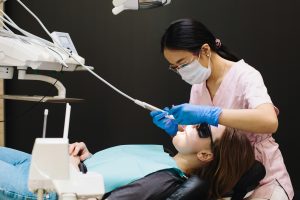
Deep Sedation Dentistry Explained
Discover deep sedation dentistry, its applications, and how it can provide a comfortable experience for your dental care…
Read Article
Sedation Dentistry Phoenix
Explore the benefits of Phoenix sedation dentistry at Smile Science Dental Spa in Glendale, AZ, and make your…
Read ArticleSedation Dentistry Costs Explained
Explore the typical costs of sedation dentistry in Glendale, AZ, and discover how it can make your dental…
Read Article