
Understanding Wisdom Tooth Pain
Wisdom tooth pain usually starts when a third molar is erupting or stuck under the gum. It can arise from inflamed gum tissue around a partially erupted tooth, cavities in the wisdom tooth or the neighbor tooth, or pressure from an impacted tooth. The discomfort may be constant or spike when chewing, brushing, or opening wide.
When a wisdom tooth only partly breaks through, a small gum flap can trap food and bacteria. The tissue becomes swollen and tender, and a bad taste is common. Because nerves in the back of the jaw also serve the ear and temple, pain can spread to those areas. Jaw stiffness or soreness with opening may follow. You feel a dull ache behind your last molar that flares when chewing.
- Swelling in the gum or cheek near the back teeth
- Bad taste, pus, or persistent bad breath
- Difficulty opening fully or chewing on one side
- Fever, feeling unwell, or swollen lymph nodes
- Pain that radiates to the ear, temple, or throat
A dental exam pinpoints the cause. Your dentist will check the gums, flush trapped debris, and take X‑rays to see tooth position, bone, and any damage to the second molar. Care depends on the findings. Cleaning and irrigation can calm early gum inflammation, while persistent infection or impaction may call for gum relief measures or removal. For a deeper look at next steps, see our overview of wisdom tooth extraction. Coordinated care often leads to clearer days and calmer nights.
Common Symptoms of Wisdom Tooth Issues
Wisdom tooth problems often show up as soreness at the very back of your mouth, tenderness when brushing, or pressure on the tooth in front. Some people notice bleeding around the back gum, cheek irritation from a tilted tooth, or sensitivity to cold or sweets in the neighboring molar. Episodes can flare for a few days, then quiet down, only to return later. After a long flight, your jaw aches near the back tooth.
These symptoms usually stem from the tooth’s position and how it breaks through the gum. A partially covered tooth can trap plaque under a thin gum hood, which irritates the tissue and makes it bleed easily. If the wisdom tooth presses against the second molar, you might feel a bruise-like pressure or sharp pain on biting. Food and bacteria wedged between the teeth can also lead to decay in the second molar, which explains sudden cold sensitivity there even if the wisdom tooth itself feels dull.
In certain cases, swelling spreads beyond the gum. You may notice a puffy cheek, tenderness under the jaw, or pain that worsens when you swallow. Cheek biting sores can appear when an upper wisdom tooth tilts outward. Sometimes, problems stay quiet; impacted teeth may be disease-free for a while, and decisions about removal versus monitoring weigh the risk of future trouble against the current absence of symptoms [1]. When symptoms are vague or intermittent, X-rays help distinguish surface irritation from hidden decay or cystic changes. If you are curious about imaging, see why dental X-rays matter.
Knowing these patterns can help you decide when to call. If pressure, bleeding, or temperature sensitivity keep returning, a focused exam can confirm whether the source is the wisdom tooth, the gum around it, or the tooth in front. Clear diagnosis guides effective relief for wisdom tooth pain and reduces the chance of repeat flare-ups. Prompt evaluation supports comfortable chewing and oral health.
What Causes an Impacted Wisdom Tooth?
An impacted wisdom tooth occurs when the third molar cannot fully erupt into a normal chewing position. The most common reasons are not enough space behind the second molar, the tooth developing at an angle, or thick bone and gum covering the crown. Sometimes the back rim of the jaw or the neighboring tooth physically blocks its path.
Your teenager’s X-ray shows a lower wisdom tooth lying sideways. Third molars are the last teeth to develop, and they try to emerge after most jaw growth has already slowed. If the retromolar space is small, the crown is wide, or the tooth tilts forward or sideways, the tooth can become locked in place. Genetics and growth patterns influence jaw size, tooth size, and eruption angle, which helps explain why impaction can cluster in families [2].
In other cases, a tooth partly breaks through the gum and stalls. A thin gum “hood” remains over the biting surface, trapping debris and making the area prone to irritation. Because of this, even minor crowding can turn a slow eruption into a stuck tooth. In the upper jaw, a tooth that leans toward the cheek or backward can catch on the bone at the back of the mouth or meet resistance near the sinus wall.
When a lower third molar presses against the back of the second molar, plaque collects between the teeth. Studies link this contact to a higher rate of decay on the back surface of the second molar, which is one reason dentists watch these areas closely [3]. This pressure, along with trapped bacteria under the gum hood, often explains episodes of wisdom tooth pain.
Understanding the specific cause of impaction guides the plan, whether that means monitoring a quiet position or planning removal before the second molar is harmed. When treated early, improved comfort can prevent damage to neighboring teeth.
Relieving Pain from a Swollen Wisdom Tooth
To calm pain from a swollen wisdom tooth, focus on reducing irritation and inflammation. Rinse gently with warm saltwater, keep the back area clean with a soft brush, and place a cold compress on the cheek for short intervals. If safe for you, an over‑the‑counter anti‑inflammatory can help; follow the label. These steps often blunt wisdom tooth pain until the tooth is evaluated.
Saturday night, your lower gum suddenly swells and throbs. Start with frequent warm saltwater rinses for 20–30 seconds, several times a day. Clean the last teeth softly, angling bristles toward the gum line without scrubbing. Use a cold compress on the outside of the face for 10–15 minutes, then rest it off. Choose softer foods and chew on the other side to limit pressure. Avoid smoking and alcohol-based rinses, which can irritate tissue.
Sometimes simple measures are not enough. Avoid placing aspirin directly on the gum, and do not probe under the tissue with picks or toothpicks, which can worsen swelling. If you need additional at‑home ideas, see our guide to toothache remedies. A dentist can rinse the area thoroughly, remove any trapped debris, and discuss short‑term medications when indicated. Depending on the tooth’s position and your symptoms, a plan may include monitoring, targeted gum relief, or removal to stop repeat flare‑ups.
Seek urgent care if you notice fever, swelling spreading into the face or neck, trouble swallowing, or difficulty opening wide. Those signs suggest deeper infection and need same‑day attention. If symptoms persist beyond a day or two, schedule a focused exam to prevent damage to the neighboring molar and to choose a long‑term solution. For timing and access, see our current hours. Prompt evaluation supports steady relief and healthy function.
Review the procedure steps, comfort options, and after-care plan.
Clear guidance for a smooth recovery.
Recognizing Signs of Pericoronitis
Pericoronitis is inflammation and infection of the gum tissue over a partly erupted wisdom tooth, usually the lower third molar. Common signs include a swollen, tender flap of gum at the very back, a foul taste, and bad breath. Pain often worsens when chewing or when the upper tooth bites the swollen tissue, and jaw stiffness can make opening difficult. Some people also notice swollen nodes under the jaw or feel slightly unwell.
Sunday morning, your jaw feels stiff and the back gum tastes foul. This pattern fits pericoronitis because the gum “operculum” traps food and plaque, allowing bacteria to irritate the tissue. The area may look red and puffy, and pressing it can release fluid or pus. An upper wisdom tooth that tilts downward can traumatize the flap, so pain can spike when you close. The discomfort may radiate toward the ear or throat, and a low‑grade fever can appear.
It helps to distinguish pericoronitis from other causes of wisdom tooth pain. Tooth decay typically triggers sensitivity to cold or sweets and deep aching, while pericoronitis pain focuses in the gum and flares with chewing on that side. If symptoms develop a few days after an extraction with an empty socket, that suggests dry socket rather than pericoronitis. Worsening facial swelling, trouble swallowing, or fever and malaise signal a deeper infection that needs urgent attention.
Recognizing these signs early guides the next step. If gum swelling, foul taste, or limited opening persist beyond a day or two, a focused exam can confirm pericoronitis and prevent repeat flares or damage to the second molar. For guidance on immediate steps during a flare, see what to do in a dental emergency. Timely care helps calm symptoms and limits complications.
Effective Wisdom Tooth Pain Relief Methods
Effective relief blends gentle cleaning around the tooth, short‑term non‑opioid pain control, and timely dental care. If safe for you, scheduled use of an anti‑inflammatory, sometimes paired with acetaminophen, can blunt inflammation. In‑office, your dentist may irrigate trapped debris and, when needed, numb the area for rapid comfort. These steps can stabilize wisdom tooth pain while you plan a lasting solution.
Pain often stems from inflamed tissue and pressure around the gum flap. Nonsteroidal anti‑inflammatory drugs reduce prostaglandin‑driven inflammation, which is central to dental pain. Systematic reviews show that taking ibuprofen around third‑molar procedures lowers postoperative pain compared with placebo [4]. Compared with acetaminophen combined with codeine, ibuprofen alone has provided equal or better pain relief in third‑molar studies, while avoiding opioid side effects [5]. Use only as directed and seek guidance if you have medical conditions that limit these options.
Local measures help the source, not just the symptom. After meals, careful brushing of the last molars and targeted irrigation under the gum hood, as demonstrated by your dentist, can remove debris that fuels irritation. If the opposing upper tooth keeps biting swollen tissue, a quick smoothing of that cusp can reduce trauma during healing. You wake at 2 a.m. with throbbing behind your last molar. In clinic, a mandibular nerve block can quiet severe pain long enough to clean the area and confirm the cause [6]. These steps reduce flare intensity and make eating and cleaning easier.
If pain keeps returning, discuss a definitive plan such as monitoring with targeted hygiene, limited gum relief, or extraction. For those considering removal, see what recovery usually looks like in our overview of wisdom teeth recovery. Collaborative planning with your dentist helps sustain long‑term comfort.
When to Consider Wisdom Tooth Extraction
Consider extraction when the tooth is causing repeat gum infections, decay, or damage to the second molar. Removal is also reasonable if a cyst is forming, hygiene is impossible around a partially erupted tooth, or pressure is harming the neighboring tooth. If a tooth is fully impacted but disease‑free and symptom‑free, monitoring with periodic exams can be appropriate.
Two flares in three months, and chewing hurts again. Recurrent pericoronitis suggests the gum will keep inflaming unless the source changes. When the impacted tooth contacts the back of the second molar, plaque can collect and cause decay on that surface, which is a common reason to remove the third molar [3]. Radiographic signs like resorption on the second molar or a cystic area around the wisdom tooth also shift decisions toward extraction.
Tooth position and anatomy influence timing. A tilted or deeply buried tooth that repeatedly traps food under a gum flap may be hard to keep clean, even with careful home care and professional irrigation. If imaging shows the lower wisdom tooth roots touching the mandibular canal, your surgeon may discuss a coronectomy, which removes the crown but leaves roots to reduce nerve‑injury risk [7]. Earlier removal can be simpler before roots fully form, but the plan should balance access, risks, and your health history.
Some wisdom teeth remain quiet for years. For asymptomatic, disease‑free impactions, evidence does not clearly favor preventive removal, so watchful monitoring with periodic imaging is reasonable [1]. If you are weighing recovery as part of your choice, you can review a typical healing timeline. When wisdom tooth pain keeps returning, or the neighboring tooth shows damage, extraction often prevents larger problems and stabilizes your bite.
Your dentist will tailor recommendations to imaging, gum health, and symptoms, so decisions stay specific to your situation. A clear plan reduces risk and preserves neighboring teeth.
Post-Extraction Care for Wisdom Teeth
Good post-extraction care protects the blood clot, limits swelling, and supports steady healing. Bite firmly on the gauze for 30 to 45 minutes to control bleeding, rest with your head elevated, and use cold packs the first day. Keep the area clean using gentle techniques, choose soft foods, and avoid habits that dislodge the clot. Call if pain or swelling escalates instead of improving.
For bleeding control, keep steady pressure on folded gauze, then replace as needed until oozing slows. Do not spit, use a straw, or rinse vigorously for 24 hours, since suction and force can disturb the clot. Rest with two pillows, and apply a cold pack to the cheek in 10 to 15 minute intervals during the first day. Night one, your gauze is pink and your cheek feels tight. This pattern is common and usually improves by morning.
Oral hygiene starts gently. The day of surgery, brush other teeth carefully and avoid the socket. Beginning the next day, rinse with warm saltwater after meals and at bedtime, letting the liquid fall from your mouth without force. Skip alcohol-based mouthrinses early on. Avoid smoking or vaping for at least 72 hours, since heat and chemicals raise the risk of dry socket and slow healing; learn more about smoking and oral health. If you received an irrigation syringe for a lower socket, your dentist may have you start gentle rinsing of the socket around day 3 to 5 to clear food traps.
Choose cool or lukewarm soft foods, and drink plenty of water. If safe for you, a scheduled anti-inflammatory, sometimes paired with acetaminophen, helps control swelling and wisdom tooth pain; use medications only as directed. Limit exercise for 48 to 72 hours. Swelling often peaks around days 2 to 3, then recedes through the week, and mild bruising can appear. Contact the office right away if bleeding stays heavy, you develop fever, or pain worsens with a bad taste between days 3 and 5, which can signal dry socket. When managed well, healing is smoother and comfort returns quickly.
Exploring Over-the-Counter Pain Relief Options
Over-the-counter (OTC) pain relievers can take the edge off wisdom tooth pain for short periods. Options include nonsteroidal anti-inflammatory drugs (NSAIDs) such as ibuprofen or naproxen, acetaminophen, and temporary numbing gels for the gum. Some people find a combination of an NSAID with acetaminophen more effective, if it is safe for them. Always follow the label and use these as a bridge to a dental evaluation.
NSAIDs reduce inflammation in the tissues behind the last molar, which often drives the ache. Acetaminophen helps by quieting pain signals, although it does not target inflammation. If your health allows, pairing the two can provide broader relief; do not exceed the maximum daily doses. Naproxen tends to last longer between doses, while ibuprofen may allow more flexible timing. Avoid NSAIDs if you have a history of ulcers, kidney disease, or are on certain blood thinners. Keep acetaminophen under the daily limit and use caution with liver disease or regular alcohol intake; check cold or flu products so you do not double-dose.
After a long day, your back gum throbs. A thin layer of an oral numbing gel can briefly soothe irritated tissue, but effects are short and repeated applications are not a fix. Use only as directed and stop if you notice irritation or allergy. Skip placing aspirin on the gum, which can burn tissues, and avoid home remedies that sting or inflame the area. Cool, soft foods and gentle cleaning away from the sore spot can also help you get through meals without flaring symptoms.
OTC choices manage symptoms, they do not treat the cause. If pain lasts more than a day or two, or you notice facial swelling, fever, or trouble opening, arrange prompt care. For same-day guidance during a flare, you can also review how to find urgent care in Glendale. Thoughtful use of OTC options can steady symptoms until definitive care.
Diet Tips for Managing Wisdom Tooth Symptoms
Choose soft, cool foods and gentle drinks to limit irritation around tender gums. Avoid hard, crunchy, sticky, spicy, or acidic items that can rub the gum flap or sting inflamed tissue. Eat smaller bites, chew on the opposite side, and slow down to reduce friction. These choices can ease wisdom tooth pain while you arrange care.
When a wisdom tooth partly erupts, a small gum hood can trap plaque and food. Rough textures and seeds are more likely to wedge under that tissue and trigger a flare. Cooler temperatures feel soothing, while very hot foods may increase blood flow and throb. Prioritize protein-rich, easy textures, such as scrambled eggs, smooth yogurt, soft tofu, mashed beans, cottage cheese, well-cooked pasta, or blended soups that have cooled. For snacks, consider applesauce, ripe bananas, or oatmeal softened with milk or water.
Lunchtime, a sharp jab hits when a seed slides under the gum flap. To lower that risk, skip nuts, popcorn, chips, crusty bread, and seedy fruits until the area calms. Choose low-acid options instead of citrus or tomato-heavy dishes, and keep carbonated or citrus drinks to a minimum if they sting. Stay hydrated with plain water to support saliva, which naturally clears debris. If you use smoothies, prefer a spoon over sipping quickly, and build them with yogurt, nut-free butters, or oats for fullness without chewing stress.
Sweet snacks and sipping sugary drinks feed plaque near the gum hood, so limit added sugars and keep treats with meals. Alcohol can dry tissues and irritate inflamed gums, so steer clear during a flare. After eating, gently swish with water to loosen soft debris without aggressive rinsing. If taking over-the-counter pain relievers is safe for you, time a light, soft meal when your mouth feels most comfortable, then clean carefully around the back teeth as instructed by your dentist.
Diet changes do not fix the cause, but they can reduce day-to-day irritation so evaluation is easier. If symptoms continue despite gentle food choices, a focused exam can confirm the next step. Small adjustments at the table can make chewing more comfortable.
When to Seek Help from a Dentist
Call a dentist if pain lasts more than a day or keeps coming back. Seek same-day care for spreading swelling, fever, trouble swallowing, or if you cannot open normally. These signs point to infection or pressure that needs an exam and X-rays, not home care alone. If wisdom tooth pain wakes you at night or makes chewing difficult, schedule a prompt visit.
Short flares can quiet down, then return when food and bacteria collect under a gum flap. Each episode adds inflammation and makes cleaning harder, so problems often escalate without treatment. A bad taste, pus, or swelling under the jaw means the area is draining or deeper tissues are involved, which raises the risk of complications. Pain in the tooth in front or sensitivity to cold there can mean that the second molar is being harmed and needs timely protection.
On a workday, you notice swelling and a bad taste. That pattern deserves a focused exam to clear debris, check your bite, and see the tooth’s position. Do not wait if you are pregnant, have diabetes, are on immune-suppressing medicines, or recently started a serious illness; infections can progress faster in these situations. Also, do not delay if you have travel or sports coming up, since flares often return at inconvenient times. Pain relievers can help you cope, but they do not remove the cause.
At the visit, your dentist will examine the gums, measure opening, and take targeted X-rays to identify the source. In the chair, the area can be rinsed thoroughly, and the opposing tooth smoothed if it is biting the swollen gum. You will discuss next steps, such as monitored hygiene, temporary gum relief, or extraction, based on the tooth’s position and your symptoms. Early attention can shorten recovery and prevent damage to neighboring teeth. Prompt attention keeps small problems from becoming harder to treat.
Frequently Asked Questions
Here are quick answers to common questions people have about Wisdom Tooth Pain Relief in Glendale, AZ.
- What are some home remedies for managing wisdom tooth pain?
There are several ways to ease wisdom tooth pain at home. Try rinsing your mouth with warm saltwater to reduce swelling and use a cold compress on your cheek to numb the area. Over-the-counter pain relievers can also help reduce pain and inflammation. Choose softer foods to avoid aggravating the sore area. If pain persists, contact your dentist for a professional evaluation. Remember, these are temporary measures and not a substitute for dental care.
- Can wisdom tooth problems cause headaches?
Yes, wisdom tooth issues can contribute to headaches. When a wisdom tooth becomes inflamed or infected, it can cause pain to radiate across the jaw, extending to the temples or ear region. This connection occurs because the nerves in the jaw are linked to other structures in the head. If you suspect your headaches might be linked to dental problems, a dental exam can help highlight the root cause and provide a solution.
- How can I tell if my wisdom tooth is infected?
Signs of an infected wisdom tooth may include swelling around the gums, a bad taste in your mouth, pus or constant bad breath, and pain that may spread to your ear, temple, or throat. You might also experience fever and swollen lymph nodes. If you notice these symptoms, it is important to see a dentist promptly. Delaying treatment can lead to more severe complications, including spreading infections.
- Is it normal to have a fever with wisdom tooth pain?
A fever can sometimes accompany wisdom tooth pain, especially if there is an infection like pericoronitis. Fever indicates that your body is responding to an infection. If you have a fever alongside tooth pain, especially with swelling, pus, or difficulty opening your mouth, seek dental care promptly. Fever is a sign that the infection might be spreading and needs addressing urgently to prevent complications.
- Can wisdom tooth problems resolve on their own?
Wisdom tooth problems might temporarily improve, but they often recur. In many cases, issues like partial eruption or impaction don’t resolve without intervention, potentially leading to repeated pain or infection. For lasting relief and to prevent further complications, dental evaluation is essential. Some situations may require extraction, while others might be managed with monitoring and improved hygiene practices.
- Why do some people not experience wisdom tooth problems?
Not everyone experiences wisdom tooth problems. Those who do not typically have sufficient jaw space for the teeth to erupt normally, without crowding or impacting other teeth. Genetic factors, jaw size, and tooth positioning all play roles. Routine dental exams with X-rays can help monitor the teeth to ensure they remain disease-free, even if they’re not causing symptoms.
- What is the difference between an impacted wisdom tooth and a partially erupted one?
An impacted wisdom tooth is one that is completely trapped beneath the gum or within the jawbone, unable to emerge normally due to limited space or misalignment. A partially erupted tooth has pierced the gum line but hasn’t come through fully, often leaving a gum flap that traps food and bacteria, leading to potential irritation and infection. Both conditions can cause similar symptoms, but their treatments may differ.
- Are there any long-term solutions for wisdom tooth pain?
Long-term solutions for wisdom tooth pain often require professional evaluation. Depending on the severity and cause, options include enhanced oral hygiene practices, surgical removal of problematic teeth, or targeted treatments to relieve gum inflammation. Each plan is customized based on individual symptoms and dental exams. Consulting with your dentist helps determine the most effective strategy for long-term oral health and comfort.
References
- [1] Surgical removal versus retention for the management of asymptomatic disease-free impacted wisdom teeth. (2020) — PubMed:32368796 / DOI: 10.1002/14651858.CD003879.pub5
- [2] The genetic basis of tooth impaction: a systematic review. (2025) — PubMed:40982116 / DOI: 10.1007/s00784-025-06520-0
- [3] Prevalence of distal caries in second molar associated with impacted mandibular third molar and the position and level of impaction: a systematic review and meta-analysis. (2025) — PubMed:39853442 / DOI: 10.1007/s00784-024-06131-1
- [4] The effect of pre-emptive ibuprofen on post-operative pain after removal of lower third molar teeth: a systematic review. (2022) — PubMed:35246613 / DOI: 10.1038/s41432-021-0211-1
- [5] Pain Relief with Combination Acetaminophen/Codeine or Ibuprofen following Third-Molar Extraction: A Systematic Review and Meta-Analysis. (2022) — PubMed:34850186 / DOI: 10.1093/pm/pnab334
- [6] Effectiveness of ultrasound-guided peripheral mandibular nerve block: A systematic review. (2025) — PubMed:40388746 / DOI: 10.1097/MD.0000000000042509
- [7] Complications in coronectomy procedures for removal of lower third molars in contact with the mandibular canal: systematic review and meta-analysis of clinical trials. (2025) — PubMed:40562625 / DOI: 10.1016/j.oooo.2025.05.004
You Might Also Like

Wisdom Tooth Swelling: Causes & Relief
Explore the causes of wisdom tooth swelling and discover effective relief options at Smile Science Dental Spa in…
Read Article
Wisdom Tooth Extraction Healing
Learn about the healing process after wisdom tooth extraction in Glendale, AZ, to ensure a smooth recovery and…
Read Article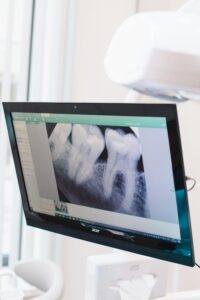
Wisdom Tooth Pain Relief
Discover effective relief for wisdom tooth pain with tips on managing discomfort and understanding causes at Smile Science…
Read Article