
Reviewed by Richard Dawson, DMD — General & Implant Dentist, ICOI Fellow, Smile Science Dental Spa
Why Broken Teeth Need Professional Care
Life can be unpredictable. How many times have you accidentally bumped into something, or maybe bitten into an unexpectedly hard piece of candy? In moments like these, teeth can break, even if they’re strong and healthy.
A broken tooth can become a doorway for bacteria to enter and cause infections. It might begin with a sharp pain when you sip your morning coffee or a throbbing sensation that keeps you up at night. These are signs of sensitivity and potential nerve exposure, which you don’t want to ignore.
From a visual standpoint, a broken tooth can affect your self-confidence. Picture this: you’re laughing with friends or posing for a photo, but you’re hesitant to show your teeth. It’s hard to feel your best when a piece of your smile is missing or damaged.
The Importance of Seeking Professional Treatment
In today’s age of YouTube tutorials and DIY blogs, the urge to search “how to remove a broken tooth” or “fix a chipped tooth at home” can be strong. Why wait for a dentist’s appointment when a quick internet search promises an immediate solution? Well, unfortunately, it’s not that simple.
Our teeth aren’t like a regular DIY project. They’re delicate, complex structures. While some DIY solutions might give the illusion of a “fixed” tooth, they don’t address underlying issues. There could be cracks that are invisible to the naked eye or damage deeper within that only professional equipment can detect.
Dentists go through years of training to handle situations like these. They have specialized tools and the expertise to know which treatment is best suited for every type of break or crack. Attempting to fix a broken tooth at home is akin to putting a band-aid on a wound that really needs stitches. Without proper treatment, complications can arise.
Before going down the rabbit hole of home remedies and DIY fixes, remember the value of professional care. After all, it’s your beautiful smile we’re talking about, and it deserves the best treatment available.
Types of Broken Teeth
Our teeth, as strong and resilient as they are, are not invincible. They can suffer a range of damages, and understanding these can help you gauge the severity and type of care you might need.
- Cracked Tooth: This refers to a crack running from the biting surface of the tooth downwards towards the root. It might not split the tooth into parts, but it can cause pain and, if not treated, can spread and worsen.
- Chipped Tooth: This is probably what most people think of with minor dental injuries. It’s a small piece of the tooth that has broken off. If it’s minor, it might not hurt, but it can be a cosmetic concern. Major chips can affect deeper layers of the tooth, leading to pain or sensitivity.
- Broken Tooth: This can range from a minor break that affects only a portion of the tooth to a significant break where the tooth breaks off entirely, often exposing the nerve. This can be painful and might bleed.
- Split Tooth: This is what happens when a cracked tooth goes untreated. The crack deepens and splits the tooth into two segments. It’s painful and can often lead to the tooth being lost if not promptly addressed.
With each type of break, there’s a risk of complications. An untreated crack or break can lead to infections as bacteria can enter the inner parts of the tooth. This can also lead to gum disease, abscesses, or even loss of the tooth.
Location matters too. Front teeth are the stars of your smile, and a break there has both cosmetic and functional implications. Wisdom teeth, the third molars at the very back of the mouth, can be impacted or come in at an odd angle, and when a wisdom tooth breaks, its location makes it harder to clean, increasing the risk of decay and gum disease.
Dealing with a Broken Tooth in Glendale?
Dr. Dawson and Dr. Turke can evaluate and treat broken teeth with the latest techniques, from bonding and crowns to extractions when necessary.
Professional Treatment for Broken Teeth
Let’s start by busting a common myth: extraction isn’t always the first option! Dentists evaluate the severity and type of break, and if the tooth can be saved, they opt for other treatments.
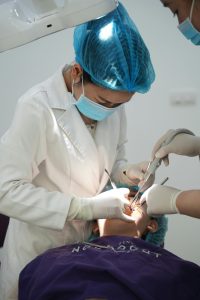
When extraction does become necessary, dentists use dental forceps (which look a bit like pliers and are used to grip the tooth with steady pressure) and elevators (which are wedged between the tooth and the surrounding bone to help lift and loosen the tooth). The method ensures the tooth is removed safely, causing minimal trauma to the surrounding area. This, in turn, means a faster and more comfortable healing process.
Broken wisdom teeth removal can be more involved. The back of the mouth is a tight space to work in, plus wisdom teeth can sometimes be impacted, meaning they haven’t fully emerged from the gums. This, combined with their often twisted roots, means that removing them requires extra care. Your dentist might make a small incision in the gums to access the tooth, and in some cases, might break the tooth into smaller pieces to make extraction easier. With anesthesia and the expertise of your dentist, it’s manageable and far better than living with the potential pain or complications of a problematic wisdom tooth.
If your front tooth is broken but not beyond repair, there are cosmetic solutions. Veneers are thin shells, usually made of porcelain, that are custom-made to fit over the front surface of your tooth. Dental bonding uses a tooth-colored composite resin to rebuild the broken part of the tooth, sculpted to match the natural shape, hardened with a special light, and then polished. Both methods restore not just the appearance but also the function of the tooth.
Risks of Delaying Treatment for a Broken Tooth
It’s easy to think, “Oh, it’s just a small crack, it doesn’t hurt much. I’ll deal with it later.” But delaying treatment for a broken tooth isn’t something you’d want to put on the back burner. Here’s why:
- Infection Risk: The mouth is a hub for bacteria. A broken tooth can expose the inner layers, including the pulp, making it vulnerable to infection. An untreated infection can then turn into an abscess, which is a pocket of pus that can be both painful and dangerous.
- Increasing Pain: What starts as a slight discomfort can turn into unbearable pain if the tooth damage worsens or becomes infected.
- Damage Spread: If not treated, the break can expand, causing more of the tooth to become damaged or leading the tooth to break further.
- Health Complications: An untreated tooth infection doesn’t just stay in the mouth. It can spread to other parts of the body, potentially leading to more severe health issues.
- Costly Repairs: What might be a simple fix now can turn into a more extensive, and expensive, treatment later on.
Our teeth might be small, but they play a significant role in our overall health. That minor crack or chip isn’t just a cosmetic issue; it’s a potential health challenge waiting to worsen. The smart move is to address it sooner rather than later.
DIY Tooth Repair: Warnings and Recommendations
When you experience a crack in your tooth, there’s no safe, permanent DIY solution. You might come across suggestions like dental wax or adhesive strips. These can offer a temporary shield for a cracked tooth, preventing it from cutting your tongue or cheek. But they are only band-aid solutions. They won’t restore the structural integrity of the tooth or prevent potential infections.
A broken tooth filling can be an uncomfortable experience. While there are over-the-counter temporary filling kits available, these are just that, temporary. They can help cover the gap, protect the tooth from further damage, and offer some relief from sensitivity. A professional will not only replace the filling but will also check for any underlying issues that might have caused the filling to break in the first place.
Natural pain relievers like clove oil can be dabbed onto the affected area for some temporary relief from pain due to its numbing properties. Saltwater rinses can also help in cleaning the area and keeping infections at bay. But these remedies are not replacements for proper dental care. They’re stop-gap measures until you can get to a dentist.
Broken False Teeth: Repair and Maintenance
When it comes to dentures or false teeth, a broken appliance can be daunting. Repairing them on your own can compromise the precision fit that is crafted specifically for your mouth. Improperly repaired false teeth might not fit right, leading to discomfort, sores, or even damage to your mouth. It can also affect your bite and lead to jaw problems. While you might find DIY kits online, it’s always best to turn to a professional for any repairs.
Your average household glue or superglue is not safe for use in the mouth. These adhesives can introduce harmful chemicals, not to mention they aren’t designed to handle the conditions in the mouth, such as moisture and varying temperatures. If you’re in a bind, special dental adhesive products available at drugstores are formulated to be safer for oral use and can offer a temporary fix until you can get to your dentist.
In the world of false teeth, shortcuts can lead to more significant problems down the line. Always prioritize professional solutions over temporary fixes. After all, your smile deserves the best care possible.
Trust the Experts
While it’s admirable to want to take matters into your own hands, some things are best left to professionals. Dental health is one of them. Instead of searching “how to fix a chipped tooth at home” or “DIY tooth repair,” make an appointment with a dentist.
At Smile Science Dental Spa in Glendale, AZ, we value your smile and overall oral health. Dr. Richard Dawson and Dr. John Turke are equipped with the knowledge, tools, and experience to ensure you get the best treatment possible. Don’t gamble with DIY solutions; trust in the experts who have your best interests at heart.
Frequently Asked Questions
Here are quick answers to common questions about broken teeth in Glendale, AZ.
- Can a broken tooth heal on its own?
No, a broken tooth cannot heal on its own. Unlike bone, tooth enamel does not have living cells that can regenerate after damage. A chip or crack will stay exactly as it is without treatment, and in many cases it will worsen over time as chewing forces stress the compromised structure. Only a dentist can properly repair a broken tooth with bonding, a crown, or other restorative treatment.
- Is a chipped tooth a dental emergency?
It depends on the severity. A very small chip on the edge of a tooth may not be urgent, though you should still schedule an appointment soon to prevent the chip from growing larger. If the break is significant, if you have sharp pain, if the nerve is exposed, or if there is bleeding, treat it as an emergency and call your dentist the same day. Sharp edges can also cut your tongue and cheeks, which is another reason to seek prompt care.
- What will my dentist do for a cracked tooth?
Treatment depends on the location, depth, and type of crack. A minor craze line may just need monitoring. A more significant crack may be treated with bonding, a crown to hold the tooth together, or a root canal if the nerve is involved. If the crack extends below the gumline or splits the root, extraction may be the only option. Your dentist will take X-rays and evaluate the crack carefully before recommending the best course of action.
- How long can I wait to fix a broken tooth?
You should not wait long. Exposed tooth structure is vulnerable to bacterial invasion, decay, and further fracture with every bite you take. Even if you are not in severe pain, schedule an appointment within a day or two at most. If there is severe pain, swelling, or signs of infection such as fever, seek same-day care. The longer you wait, the more extensive and expensive the eventual treatment is likely to be.
- Can I eat normally with a broken tooth?
It is best to avoid chewing on the side with the broken tooth until you can see your dentist. Stick to soft foods, avoid extreme temperatures, and stay away from sticky or hard foods that could cause the tooth to fracture further. Temporary dental wax from a pharmacy can cover sharp edges in the meantime. These precautions are not a substitute for professional treatment; they simply minimize the chance of worsening the damage before your appointment.
- How much does fixing a broken tooth cost in Glendale, AZ?
Cost varies widely based on the type of repair needed. Dental bonding for a small chip is relatively affordable. A porcelain crown is more costly but provides the most durable long-term solution for a significantly broken tooth. If a root canal is needed first, that adds to the total. We will review your treatment options and costs clearly before beginning any work, and we can discuss insurance benefits and financing options if needed.
Ready for a Healthier Smile?
Our team at Smile Science Dental Spa in Glendale, AZ is here to help. Schedule a consultation to explore your options.
You Might Also Like
Emergency Dentist Glendale AZ
Find reliable emergency dental care in Glendale, AZ, to address your urgent dental needs and ensure your smile…
Read Article
Tooth Pain Relief Options
Discover effective tooth pain relief options to alleviate discomfort and improve your smile, available at Smile Science Dental…
Read Article
Tooth Infection & Swelling Explained
Learn about tooth infection swelling, its causes, and treatment options to keep your dental health in check at…
Read Article