
Understanding Kratom and Meth Mouth
Kratom and “meth mouth” both affect oral health, but they are not the same. Meth mouth describes rapid, severe tooth decay and gum breakdown often seen with methamphetamine use. Kratom is a plant product; reports link it to dry mouth and staining, which can raise cavity risk over time. In short, meth mouth is typically faster and more destructive, while kratom-related changes tend to be gradual.
A patient sips kratom tea all day and notices sticky, dry mouth. Methamphetamine can trigger profound dry mouth, jaw clenching, frequent intake of sugary drinks, and poor sleep and hygiene, all of which accelerate decay and enamel wear. Smoke exposure and acidic byproducts can irritate tissues, and neglected plaque worsens gum disease. Managing dryness early and stabilizing hygiene reduces damage; see practical dry mouth treatment strategies.
Kratom’s alkaloids may cause xerostomia for some users, and frequent tea or powder use can bathe teeth in acids and pigments. Less saliva means less buffering, fewer minerals delivered to enamel, and more cavities. Some users also clench, adding enamel microfractures. Evidence is still emerging, but mouth changes are preventable with attentive care. Watch for early signs:
- Persistent dry, sticky mouth
- New sensitivity to cold or sweets
- Jaw soreness or morning tooth tenderness
- Brown or yellow surface staining
- Bleeding gums when brushing
Because of this, simple steps matter: sip water often, use fluoride toothpaste, choose sugar-free gum, limit acidic sips, and keep regular cleanings. If you use kratom, schedule consistent checks; if you are in recovery from stimulants, more frequent maintenance can help stabilize tissues. For advanced wear or fractures, see our overview of crowns and bridges to restore strength and function.
For a deeper dive into plant products and teeth, explore Kratom and Teeth: What Dentists Should Know. If you need to coordinate care, check our current hours and plan routine visits. Joint care between dental and medical teams helps sustain long-term wellness.
How Kratom Affects Oral Health
Kratom can influence your mouth by changing saliva flow, daily habits, and surface exposures. Some users notice less moisture, gum irritation, and dark surface stains that gradually collect on enamel. The degree of change varies with dose, preparation method, and how often it is used.
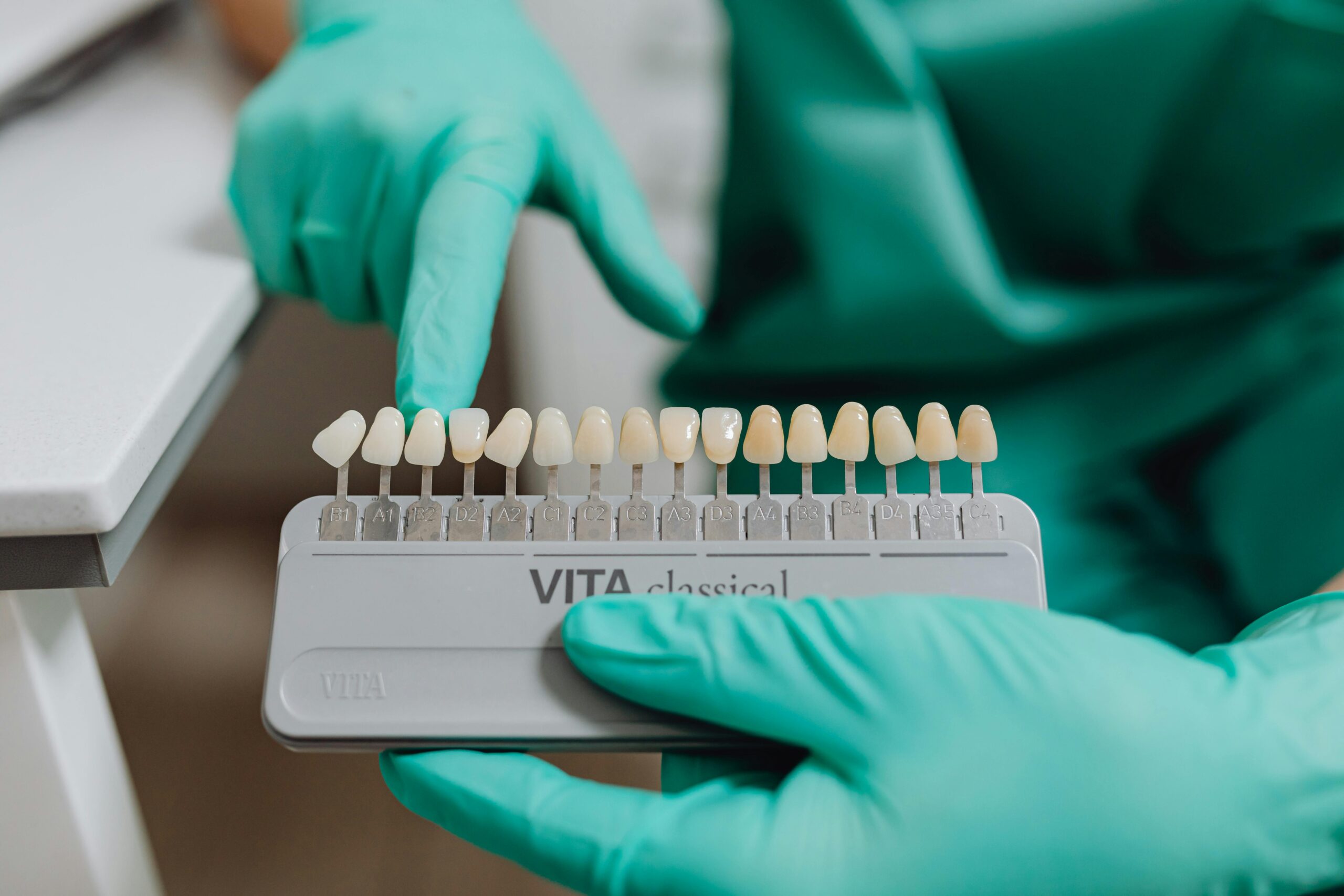
Saliva protects teeth by buffering acids and delivering minerals. When salivary flow dips, acids from drinks linger longer and soften enamel. Many kratom preparations are sipped over time and may be acidic or rich in pigments, which encourages discoloration and surface roughness. A weekend user notices tea stains and tender gums after long study sessions. Reducing contact time, rinsing with water after use, and periodic stain removal help. If discoloration persists, ask about in‑office whitening options to lift external stains safely.
Gums respond quickly to shifts in plaque and saliva. Lower moisture means thicker plaque at the gumline, which can lead to redness, tenderness, and bleeding when brushing. Nicotine or citrus additives can further irritate tissues, compounding the problem. Small routine changes make a difference, including gentle brushing, hydration, and targeted interdental cleaning. For more on causes and care, see our bleeding gums guide.
Some people also report jaw tension or nighttime grinding during certain use patterns, which can chip edges or craze enamel. Acid-softened enamel is more vulnerable to this wear, so protecting and repairing early matters. Conservative repairs can smooth sharp areas and rebuild small chips. Ask about minimally invasive dental bonding if you notice new roughness or fractures.
Understanding kratom vs meth mouth helps set expectations for timing and severity, but both benefit from steady preventive care. Honest conversations about frequency, mixers, and routines allow tailored hygiene plans without judgment. Consistent cleanings, fluoride exposure, and mindful sipping close risk gaps. If you want to refine technique at home, review how to floss well to keep gumlines stable. Coordinated care often leads to clearer days and calmer nights.
The Dangers of Meth Mouth
Meth mouth is a fast-moving pattern of decay and gum breakdown linked to methamphetamine use. Teeth can crumble from widespread cavities, gums become inflamed, and infections develop that may require urgent care. Damage often escalates quickly because saliva drops, acids and sugars linger, and grinding wears already weakened enamel.
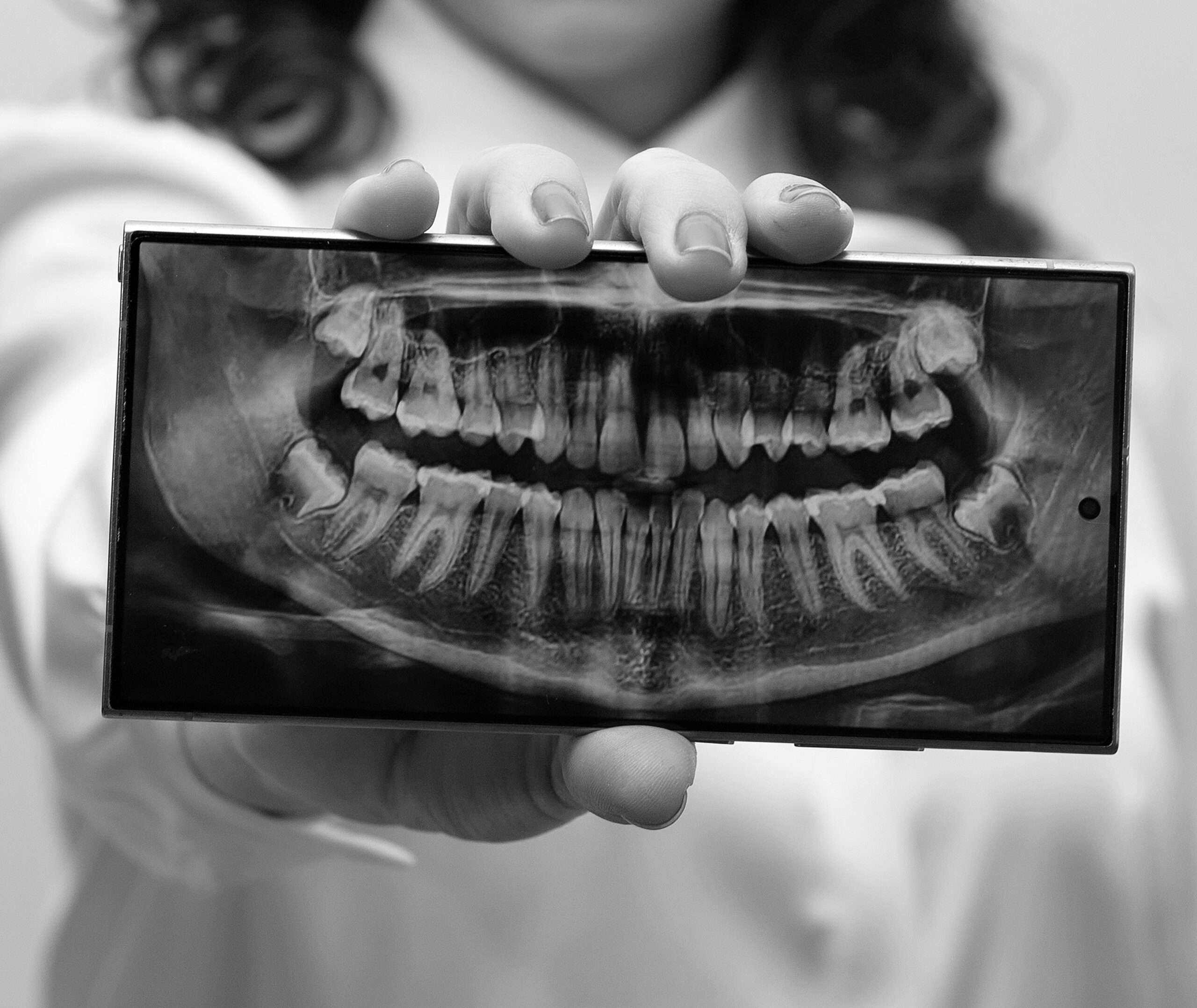
Once saliva falls, plaque acids are not buffered and minerals are not restored. Smooth surfaces and the necks of teeth decay first, then caries undermines enamel until edges chip away. Night grinding and daytime clenching crack softened teeth, and heat or chemicals from smoking irritate oral tissues. If deep decay reaches the nerve, pain and swelling can follow; timely endodontic treatment can save the tooth and clear infection.
As disease advances, multiple teeth may fail at once. Cavities can spread to root surfaces, and gums may recede, bleed, and loosen around teeth. A person wakes after a binge with a broken front tooth and swollen face. Facial swelling, fever, or trouble swallowing can signal a dental emergency; know the steps in our guide to getting urgent dental help to reduce risks while you seek care.
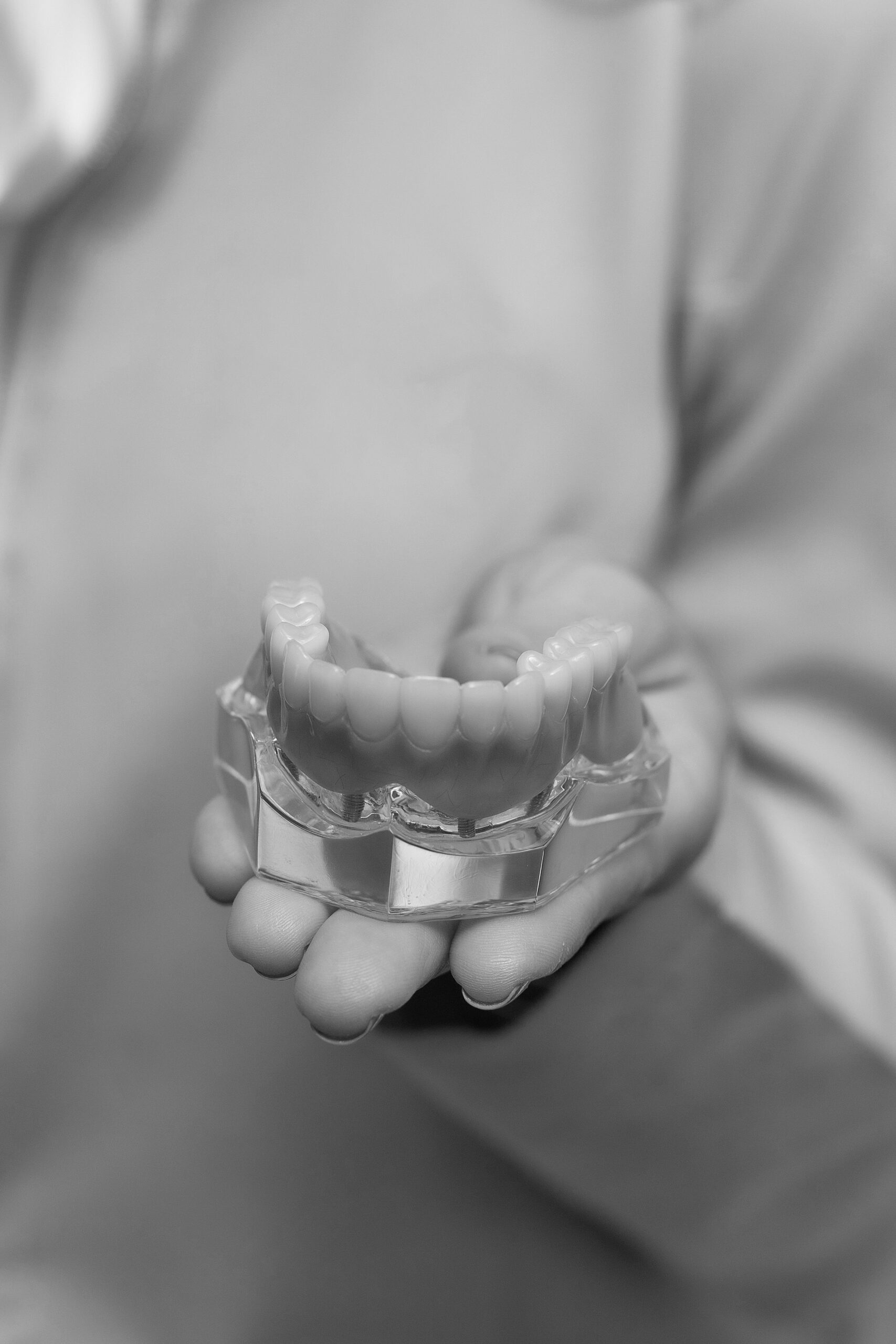
When many teeth are lost, chewing and speech suffer, and self‑care becomes harder. Rebuilding function is possible, though it may require staged care and durable replacements. For some, a stable implant‑retained denture helps restore comfort and confidence; explore how snap‑in implant dentures work and when they are considered. Understanding kratom vs meth mouth clarifies why timelines and care needs differ, but both benefit from early, honest dental support. Prompt evaluation helps stop the spiral and preserves more natural tooth.
Kratom Addiction and Its Oral Impacts
Kratom addiction describes frequent, compulsive use that shifts daily routines and oral care. The substance is only part of the picture; disrupted hygiene, dehydration, and sugar‑sweetened mixers can accelerate decay and gum irritation. Over time, dependence‑driven habits raise the chances of cavities, enamel wear, and periodontal concerns.
A night‑shift user doses often, skips brushing, and wakes with tender molars. With frequent dosing, teeth experience long contact with pigments and acids, while saliva may not clear residues efficiently. Some users report nausea or reflux, which can erode enamel and heighten sensitivity. Analgesic effects may blunt early warning pain, so small problems grow unnoticed. When structural loss advances, full‑coverage restorations may be considered; see types of dental crowns explained to understand when they are used.
Because addiction affects scheduling, sleep, and comfort, accessing care can feel difficult. Shorter, well‑planned visits, preventive focus, and coordination with your medical team can make treatment steadier. For some adults, minimal sedation reduces appointment anxiety and helps complete essential work; explore approaches in sedation dentistry for anxious adults. Between visits, dentists may suggest stronger topical fluoride, desensitizing agents, or a night guard if clenching is noted.
Stubborn discoloration or fine edge cracks after prolonged use may call for conservative cosmetic repair. In cases where deeper, uneven color does not respond to cleaning alone, thoughtfully planned porcelain veneers can mask internal stains while preserving healthy enamel. Discussions about kratom vs meth mouth often overlook that behavior patterns drive much of the dental risk profile. When addressed early, small changes can prevent larger oral setbacks.
Comparing Drug Effects on Teeth
Both substances can harm teeth, but they do so in different ways and on different timelines. Methamphetamine use often leads to widespread cavities and structural breakdown across many teeth, while kratom exposure more commonly shows as staining, surface roughness, and dryness-related irritation. Understanding this kratom vs meth mouth contrast helps set expectations for prevention and repair.
With methamphetamine, several forces stack up at once. Strong stimulation can drive clenching and grinding, sugars and acids may be used often, and sleep disruption weakens daily hygiene rhythms. Cavities frequently appear on smooth surfaces and along the necks of teeth, then undermine enamel until it chips. Kratom use, by comparison, tends to involve pigmented, sometimes acidic preparations that sit on enamel during slow sipping, encouraging extrinsic staining and sensitivity if saliva runs low. A daily tea sipper notices brown grooves near the gums after a few months.
These patterns also differ in speed. Meth-related changes can escalate between visits if saliva drops and habits shift, so shorter recall intervals and quick stabilization are important. Kratom-linked changes are usually incremental, responding to stain removal, hydration, and targeted home care. If dental anxiety keeps you from needed visits, ask about calm appointment options with oral sedation to complete care safely and comfortably.
When teeth are heavily damaged or missing after stimulant use, full-arch solutions may be considered once disease is controlled. For candidates, All‑on‑4 implant approaches can restore chewing function with fewer implants than traditional methods. Kratom users with persistent staining often improve with professional cleanings and enamel-strengthening routines, with restorations reserved for true structural loss.
Access and consistency matter more than the specific product. Choosing a supportive home base simplifies maintenance and emergencies; see tips for finding a dentist near you who can coordinate preventive and restorative steps. Joint dental and medical planning supports steady, sustainable oral health.
Signs and Symptoms of Meth Mouth
Meth mouth shows up as fast, aggressive tooth decay with noticeable gum changes. Typical signs include very dry mouth, rapidly spreading cavities, chipping or crumbling teeth, sore or bleeding gums, and strong bad breath. People may also notice darkening teeth, a sour or metallic taste, mouth sores, and jaw soreness.
Early clues often hide in plain sight. Teeth may feel sticky despite drinking water, sugar or cold may sting, and a new cavity can appear between routine visits. You might see chalky white spots near the gums that turn brown, thin enamel edges that flake, or small cracks at biting corners. Gums can look swollen and shiny, and tissue irritation can create small ulcers that heal slowly. At a routine visit, several fillings failed since the last checkup.
As the condition progresses, pain on biting, lingering heat sensitivity, and night throbbing become more common. A “pimple” on the gum, facial swelling, or trouble opening wide can signal a spreading infection that needs prompt care. If pain flares, review practical steps in our guide to toothache relief that truly helps while you arrange treatment. Understanding kratom vs meth mouth underscores why stimulant-related changes can escalate quickly without support.
Breath changes and taste shifts often persist because plaque collects faster when the mouth is dry, and weakened enamel traps stains and odors. Teeth that break or cannot be saved may be replaced to restore chewing and speech once disease is controlled. For gaps that affect your smile or bite, learn how well‑fitting partial dentures can rebuild function during recovery. Prompt evaluation supports faster relief and safer restoration.
Preventing Oral Health Issues with Kratom
You can lower dental risks while using kratom by cutting acid exposure time, keeping saliva flowing, and strengthening enamel. Simple changes include time‑limited sipping, pH‑neutral rinses, and targeted remineralization at home and during cleanings. Regular exams help catch dryness‑related changes before they turn into cavities or gum problems.
Prevention starts with contact control. Nurse drinks less; set a short window, then switch to water. Choose less acidic preparations, use a straw for liquids, and rinse with plain water afterward. A commuter sips kratom tea during long drives, then brushes right away. Instead, rinse first and wait at least 30 minutes before brushing so softened enamel can reharden. If mouth odor or plaque build‑up is a concern, review ingredients and benefits in our overview of OraCare mouthrinse basics.
Next, support saliva. Space doses to allow natural flow to recover, and use sugar‑free xylitol mints to stimulate moisture between meals. Limit added sugars in mixers. If dryness persists, a saliva substitute or pH‑neutral moisturizing gel can help. Because low saliva slows repair, add daily enamel support: a fluoride toothpaste twice daily and, when recommended, a fluoride rinse or periodic varnish at visits. For people with frequent staining, professional polishing plus at‑home care keeps surfaces smooth, which makes new stain less likely to stick.
Finally, build a steady maintenance plan. High‑risk users often benefit from three‑ or four‑month cleanings, customized home instructions, and targeted rinses chosen for their goals. Some prefer options that reduce plaque and volatile sulfur compounds without alcohol; see considerations in comparing OraCare and chlorhexidine. If sensitivity appears, ask about desensitizing agents or remineralizing pastes that contain calcium and phosphate. Small adjustments, consistently applied, prevent most dryness‑driven enamel and gum changes.
Framed as kratom vs meth mouth, prevention focuses on dryness control and enamel protection rather than crisis repair. Share your exact routine so your dentist can tailor simple, sustainable steps that fit daily life. Timely attention to daily use patterns prevents avoidable wear and sensitivity.
Treatments for Drug-Induced Dental Problems
Care focuses on three steps: stabilize urgent issues, reduce ongoing damage, and rebuild function. This usually includes moisture support for dry mouth, thorough cleaning to reset the mouth, and fluoride to harden weakened enamel. Restorations repair chips and decay, while replacements restore chewing if teeth are lost. In the kratom vs meth mouth discussion, the goals align, but the speed and extent of treatment can differ.
A sudden chip exposes a sharp edge after a long night. First, short, targeted visits remove heavy plaque and tartar, calm irritated tissues, and place temporary fillings to seal sensitive areas. Silver diamine fluoride may help arrest early cavities in high‑risk spots, buying time for definitive work. When deep decay reaches the nerve, definitive treatment often means a root canal or, if the tooth cannot be saved, extraction followed by a plan to restore the space.
Next, support saliva and soft tissues. Hydration strategies, saliva substitutes, and xylitol products can lessen dryness, while enamel-strengthening pastes and prescription‑level fluoride increase resistance to acids. Gum therapy reduces inflammation and bleeding, and three‑ or four‑month maintenance helps keep risk in check. Some medications cause gingival overgrowth; management typically involves plaque control, medication review, and, when needed, surgical recontouring [1]. If anxiety makes care difficult, see how dentists keep sedation safe in our overview of sedation dentistry safety standards.
Rebuilding aims for durable, staged results. Small fractures can be bonded, while larger damage may need onlays or full‑coverage crowns after the mouth is stable. When teeth are missing, careful replacement planning restores chewing and speech; explore options in our guide to affordable dental implants. Good daily habits, steady recall, and honest conversations about use patterns keep repairs healthy. Timely attention to daily habits guides safer, steadier oral recovery.
Long-Term Effects of Kratom Usage
Over time, regular kratom use can lead to persistent dry mouth, gradual enamel staining, and higher cavity risk. Some people also develop gum inflammation, jaw tension or grinding, and lingering breath changes. These effects usually build slowly, influenced by how often and how long kratom contacts teeth and gums.
Saliva protects your mouth by buffering acids and delivering minerals back to enamel. When saliva stays low, acids and pigments from kratom preparations sit longer on tooth surfaces, softening outer layers and letting stains settle. Repeated clenching or nighttime grinding can chip softened edges and create tiny cracks. A daily tea user notices darker teeth and morning jaw tension after months. Spacing use, sipping water between doses, and professional polishing help limit cumulative wear.
Gum tissues can also change with long-standing dryness. Thicker plaque along the gumline may cause redness and bleeding, and, in susceptible people, pockets can deepen and bone support can decline. If gums recede, exposed roots are more prone to decay and sensitivity. Chronic dry mouth often amplifies mouth odor because odor-causing compounds are not washed away as quickly; see practical approaches in managing ongoing halitosis.
Habits surrounding use matter as much as the plant itself. Long sipping sessions, acidic mixers, or delayed brushing at night will add up, while structured routines, fluoride exposure, and short contact times reduce risk. In the kratom vs meth mouth comparison, kratom-related changes tend to be incremental rather than sudden, which makes prevention and timely maintenance more effective. If anxiety or a strong gag reflex makes care difficult, some patients complete essential treatment comfortably with deep sedation options. Thoughtful habits today can spare complex dental work tomorrow.
Oral Hygiene Tips for Drug Users
Focus on three basics: neutralize acids, remove plaque, and protect enamel. After use, swish with plain water or a small pinch of baking soda in water. Brush gently twice daily with a soft brush and fluoride toothpaste, clean between teeth once a day, and use a tongue scraper. At night, apply a thin smear of toothpaste, then spit and do not rinse so minerals stay on your teeth.
Dry mouth and clenching raise risk, so plan around them. Keep a pocket kit with a travel brush, small paste, and floss picks. A night worker keeps a pocket kit and cleans during breaks. Choose unsweetened mixers, limit sticky or acidic add‑ins, and finish sessions with water. If a partially erupted wisdom tooth traps plaque or swells often, ask about evaluation and, when needed, wisdom tooth removal to reduce recurring irritation.
Make cleaning easier to stick with. Use disclosing tablets weekly to highlight missed areas, then re‑brush those spots. Try small interdental brushes where floss is hard to slide. If teeth feel sensitive, press a pea‑sized amount of fluoride paste onto exposed roots with a finger and leave it. A small protein snack, like cheese, at the end of an acidic drink can help buffer your mouth.
Staying consistent matters more than perfection. Set two phone reminders for home care, even during rough weeks. If anxiety or withdrawal makes visits hard, learn how options can keep care comfortable; see sedation levels in dentistry. Whether you use kratom or stimulants, the kratom vs meth mouth lesson is the same: steady, simple habits protect teeth and gums. When addressed early, small improvements protect teeth and gums.
Frequently Asked Questions
Here are quick answers to common questions people have about Kratom vs Meth Mouth: Oral Health Effects in Glendale, AZ.
- What is the main difference between kratom and meth mouth?
The main difference is the speed and severity of their effects on oral health. Meth mouth tends to cause rapid and severe tooth decay and gum damage due to frequent dry mouth and poor hygiene habits associated with methamphetamine use. Kratom, on the other hand, usually results in more gradual oral changes like dry mouth, staining, and some sensitivity, which develop over time with consistent use. Both require attentive care to prevent more serious damage.
- How can I reduce the risk of dry mouth from kratom use?
To reduce the risk of dry mouth, keep saliva flowing by sipping water frequently and using sugar-free gum or mints. Limit how long kratom stays in your mouth by consuming it quickly and rinsing with water afterward. Choosing less acidic kratom preparations and using straws for liquids can also help. Regular dental check-ups will assist in identifying initial signs of dry mouth before they lead to more significant problems like cavities.
- What are the common signs of meth mouth?
Meth mouth typically presents with strong dry mouth, rapidly spreading cavities, tooth chipping, and gum soreness or bleeding. People might notice darkening teeth, jaw soreness, and persistent bad breath. Early detection is essential, so be alert for sticky teeth despite drinking water, new cavities, and white spots turning brown. Quick dental intervention can help halt the progression and save teeth before more severe damage occurs.
- What preventive steps can I take if I use kratom regularly?
For regular kratom users, prevention is key. Limit the time kratom is in contact with teeth by sipping quickly and rinsing with water afterward. Support saliva production with xylitol products and avoid sugary mixers. Hydrate well and include fluoride toothpaste in your daily routine. Consider booking more frequent cleanings to manage early staining or dryness and adapt your home care plan with professional advice for the best results.
- How does methamphetamine use impact oral health?
Methamphetamine use significantly impacts oral health by reducing saliva flow, which fails to buffer acids and restore minerals, leading to rampant tooth decay. The combination of frequent jaw clenching and consumption of sugary and acidic substances wears down enamel quickly. With neglected care, teeth crumble, infections develop, and gums become inflamed. Early intervention and consistent dental visits are crucial for managing these adverse effects effectively.
- Can long-term kratom use change how gums and teeth look?
Yes, over time, consistent kratom use can lead to dry mouth, dark surface stains on teeth, and gum irritation. You might notice gradual changes like enamel staining, increased sensitivity, or even gum inflammation. Saliva reduction due to kratom impacts natural enamel protection, making regular dental check-ups vital. Professional cleanings and a structured oral hygiene routine can minimize these changes and maintain oral health.
- How can changes from kratom use be managed in routine dental care?
Managing changes from kratom use involves regular rinsing, limiting contact time, and staying hydrated to keep saliva production healthy. Discuss your usage with your dentist to tailor preventive care strategies, including the use of fluoride and desensitizing agents. Regular cleanings to tackle surface staining and timely adjustments based on your oral health condition play a significant role in maintaining healthy teeth and gums over the long term.
- Why does meth mouth progress rapidly compared to kratom-related issues?
Meth mouth progresses rapidly because meth reduces saliva, introduces acids and sugars frequently, and often correlates with poor oral hygiene practices. These factors combine to accelerate tooth decay and gum damage. In contrast, kratom-related issues develop more gradually, often linked to less aggressive dry mouth and surface staining. This allows more opportunity for preventive care and intervention before severe oral damage occurs.
References
- [1] The management of drug-induced gingival overgrowth. (2006) — PubMed:16677333 / DOI: 10.1111/j.1600-051X.2006.00930.x