
Glendale, Arizona
All-on-4® Dental Implants in Glendale, AZ
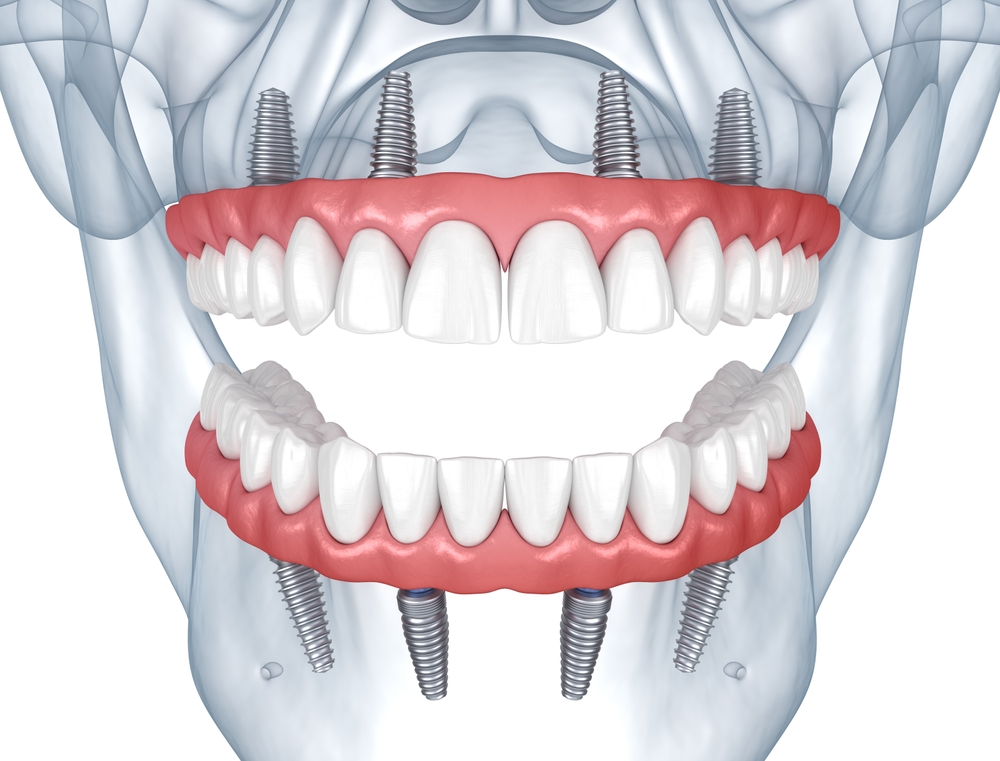
At Smile Science Dental Spa in Glendale, All-on-4 is a fixed bridge for a full arch of teeth, held by four implants. It may suit you if you are missing most teeth, have failing teeth, or are tired of loose dentures.
Your dentists
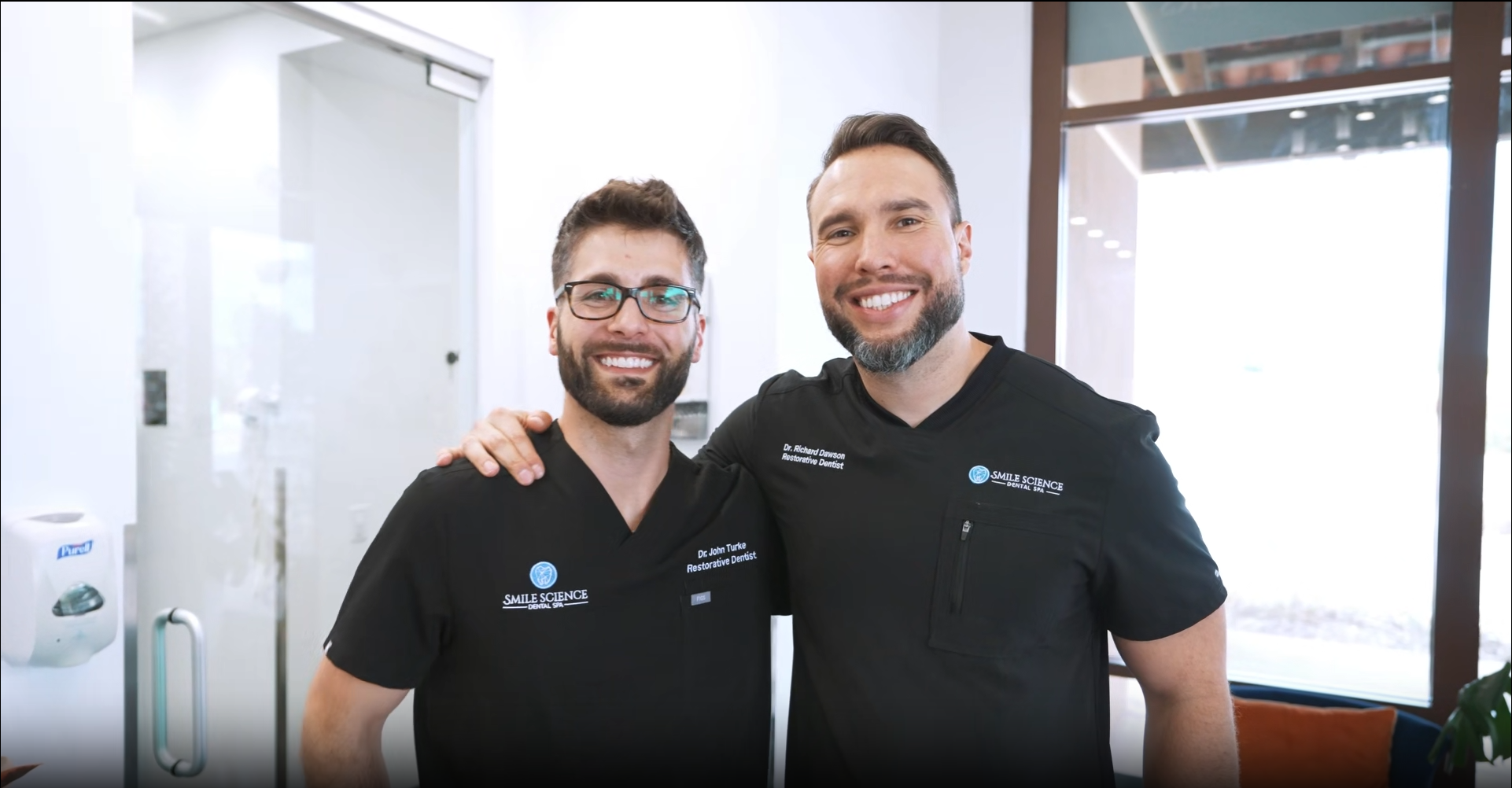
Dr. Dawson plans the implant care, and Dr. Turke works on the bridge design.
-
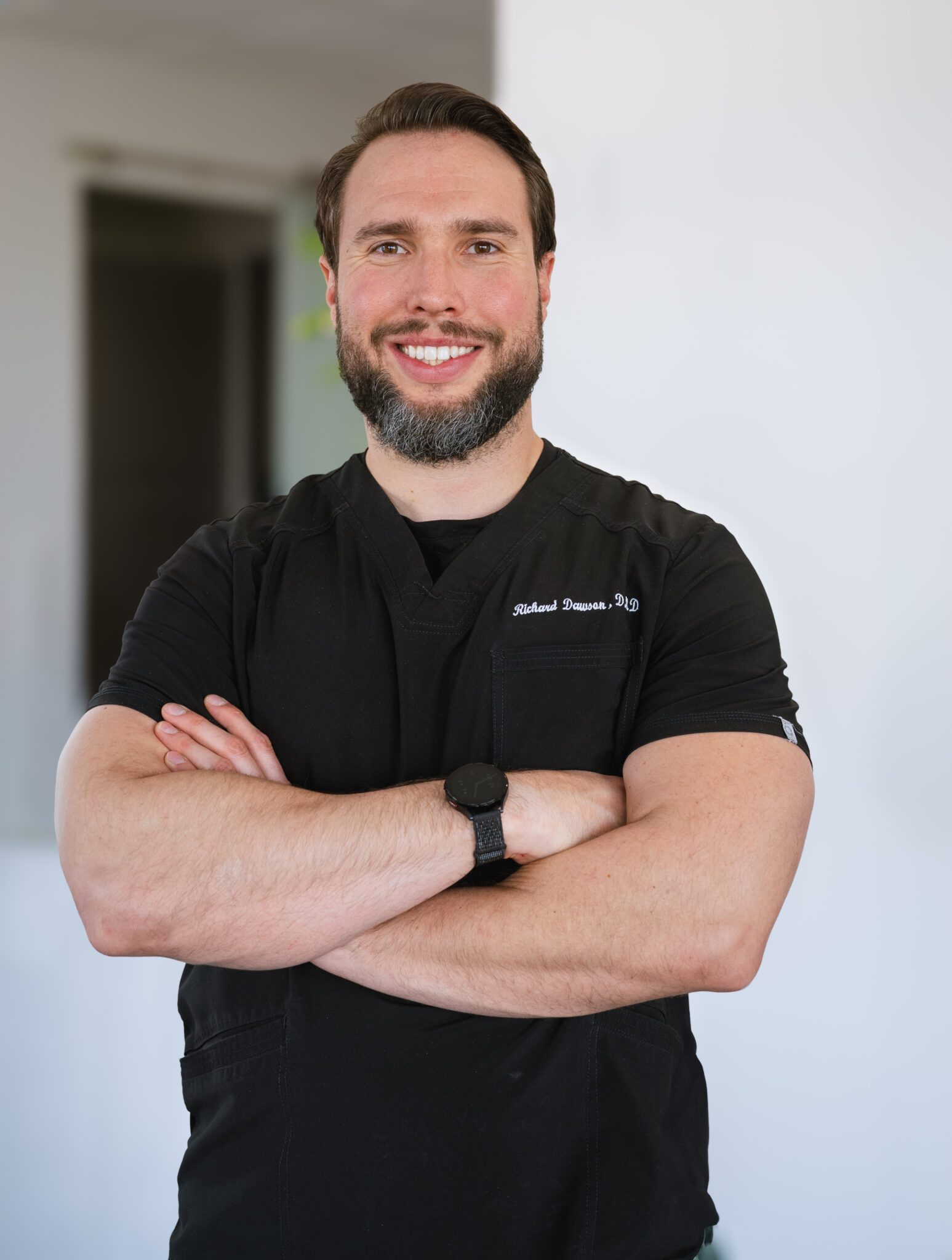
Dr. Richard Dawson, DMD
Full-Arch Implant Dentist
Dr. Dawson plans full arch cases using CBCT scans and digital smile design. He earned his DMD at Midwestern University in Arizona.
-

Dr. John Turke, DMD
Emergency and Restorative Dentist
Dr. Turke works on the restorative side of your care. He uses intraoral scans and smile design to plan your bridge.
Dr. Christopher Barrett, DDS, Full-Arch and Zygomatic Implant Dentist, is a visiting provider for complex zygomatic or pterygoid cases only.
What your visits look like
The whole process typically takes 4 to 6 months from your first visit to your final bridge.

-
Free implant consultation
First visit
We take a CBCT 3D scan and photos, then plan your treatment with you that same day.
-
Planning
Before surgery
We finalize your plan, take scans or impressions, choose anesthesia, and confirm your smile design.
-
Implants and first bridge
Surgery day
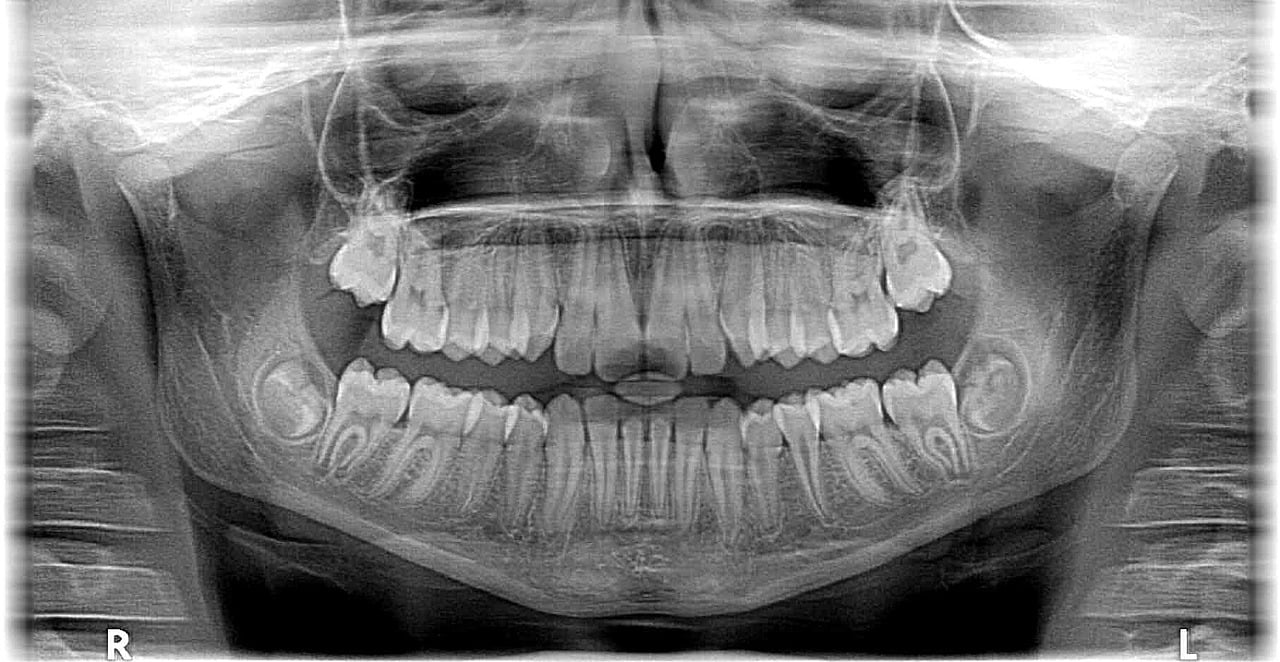
We remove any teeth that need to come out, then place 4 to 6 implants per arch with a guide based on your CBCT scan. Surgery takes about 1 to 2 hours per arch. We fit a PMMA bridge and adjust your bite that day, or deliver it within 24 to 48 hours if same day is not possible.
-
Healing check
After surgery
We check how you are healing and talk through any concerns.
-
Time to heal
Next 3 to 6 months
Your implants bond to the bone during this time. You follow a soft food diet while they heal.
-
Final scans
After healing
We take scans or impressions for your final bridge.
-
Final bridge
Usually 3 to 6 months after surgery
We deliver your final monolithic zirconia bridge, which is included in the treatment price. Most people can eat normally after healing.

Anesthesia and sedation
We review and confirm your options before the surgery date. A dentist anesthesiologist attends IV sedation and general anesthesia cases.
-
Local anesthesia
Your mouth is numbed for surgery. The numbness usually wears off in about 2 to 6 hours.
-
Oral conscious sedation
We can discuss oral conscious sedation during your planning visit.
-
IV sedation
IV sedation is available for an added anesthesia fee, quoted before surgery.
-
General anesthesia
General anesthesia is another option we can review during planning.
After oral or IV sedation, a responsible adult must drive you home. You cannot drive for 24 hours afterward.
Cost and financing
Your written plan lists all fees before any work begins.
All-on-4 for patients who already wear dentures
From $10,999 per arch
All-inclusive, zirconia included.
All-on-4 with extractions
From $12,499 per arch
All-inclusive, zirconia included.
Both arches
From $21,998
For patients who already wear dentures.
Complex full-arch
From $17,500 per arch
For cases lacking bone, needing significant grafting or staged treatment, or needing zygomatic or pterygoid implants.
Ask us about monthly payments for your plan. CareCredit, Cherry, Sunbit, and Proceed Finance offer financing with approved credit.
Some plans contribute to parts of care, such as extractions, imaging, or sedation. Full arch bridges are often elective, and our team checks your benefits.
Written warranty
The implant itself is covered for 10 years, the bridge for 5 years, and early surgical complications for 3 years. You receive the written terms, and what you need to do to keep coverage valid, before treatment begins.
What Our Patients Say
4.9 stars from 450+ Google reviews
I recently had the pleasure of visiting Smile Science Dental Spa, and I couldn't be more impressed with the level of care and service provided by the entire team. Dr. Dawson and Dr. Turke are both incredibly skilled and made me feel completely at ease throughout my procedures. Their professionalism, combined with their gentle approach, made me feel comfortable and well-informed every step of the way. I was especially impressed that I was able to get a same-day crown(apparently their first ever!), which exceeded my expectations. I couldn’t believe how quick and seamless the process was. It really saved me time and made the experience even more convenient. Cindiray and Angeles, the dental assistants, were equally wonderful. They were not only friendly and attentive but also thorough in explaining everything and made sure I was relaxed during each phase of my visit. Lastly, a big thank you to Litzy at the front desk, who greeted me with a smile and helped with scheduling and any questions I had. She made the entire check-in process a breeze. From start to finish, my experience at Smile Science Dental Spa was exceptional. I'll be returning for sure. I highly, highly, highly recommend them for anyone looking for high-quality dental care.
View Full Review on GoogleDusty
Honestly I’ve never been so happy to go to the dentist. I came in (late due to Lyft) and was still taken care of and treated with care. Even without insurance (kicking in within the next month) prices for an extraction on my infected tooth were more than reasonable. I was able to get more than expected done in the same visit. Dr. Dawson and his team made me feel so comfortable and taken care of. Won’t go anywhere else.
View Full Review on GoogleCherish B
I recently started as a patient after leaving our long-time family Dentist and couldn’t be happier! Marcela is AMAZING and a FANTASTIC hygienist!!!! 😃 Dr Dawson is great too! Every time I visit, they make me feel like family.
View Full Review on GoogleTJ Winzeler
Myself and my family had previously gone to Dr. Turk at another dental office that he worked at. He had relocated and we did not know where he had gone to until this week. Today I got in with Dr. Turk and he took the time to look at my x-rays carefully . I was having pain from a tooth and some other issues. The previous Dentist I went to that I saw just a few days earlier, he did not find any issues with my tooth which I had pain in. Dr. Turk identified infection and referred me to an endodontist. He is very gentle as a wonderful disposition and my self and my family are thrilled to be able to get back with him. The office is lovely, relaxing music, heat and massage chair.I have always been very nervous and some anxiety going to dentist as I have had bad reactions with the anesthesia. I am confident that Dr. Kirk will help me get through my next appointment just fine. “The staff are very kind and attentive. I am looking forward as I have quite a bit of work to be done, and I know I’m in good hands with Dr. Turk and his staff. Five stars!⭐️ Sherry
View Full Review on GoogleSherry Redmond
I recently moved to Arizona and had an issue with a tooth repair from 15 years back. Not knowing anyone here in my new home, I searched dentists close to me. I chose Smile Science much like pinning the tail on the donkey and my selection couldn't have been better! What a terrific staff! Dr. Turke was concerned the tooth would need to be extracted, but said he wanted to take a shot at saving it..and that's just what he did! After setting a temporary crown, I was on my way with an appointment to install the permanent crown in the following two weeks. That evening I received a call I've never received from a dentist. Dr. Turke had taken the time to follow up with me to make sure I wasn't in any discomfort..I was completely caught off guard by this kind of attention to detail and caring for my well being. The permanent crown is now in place, it fits and feels fantastic, the job and treatment are first class! Thank you, Dr. Turke and staff for taking in this stray and giving me a home dentist! I'd like to say that I'm just good at selecting blindly, but the truth is I am very lucky..and I'll take lucky over being good any day of the week! Thank you, again and Happiest of New Year's in 2026, Science Smile!!
View Full Review on GoogleEddy
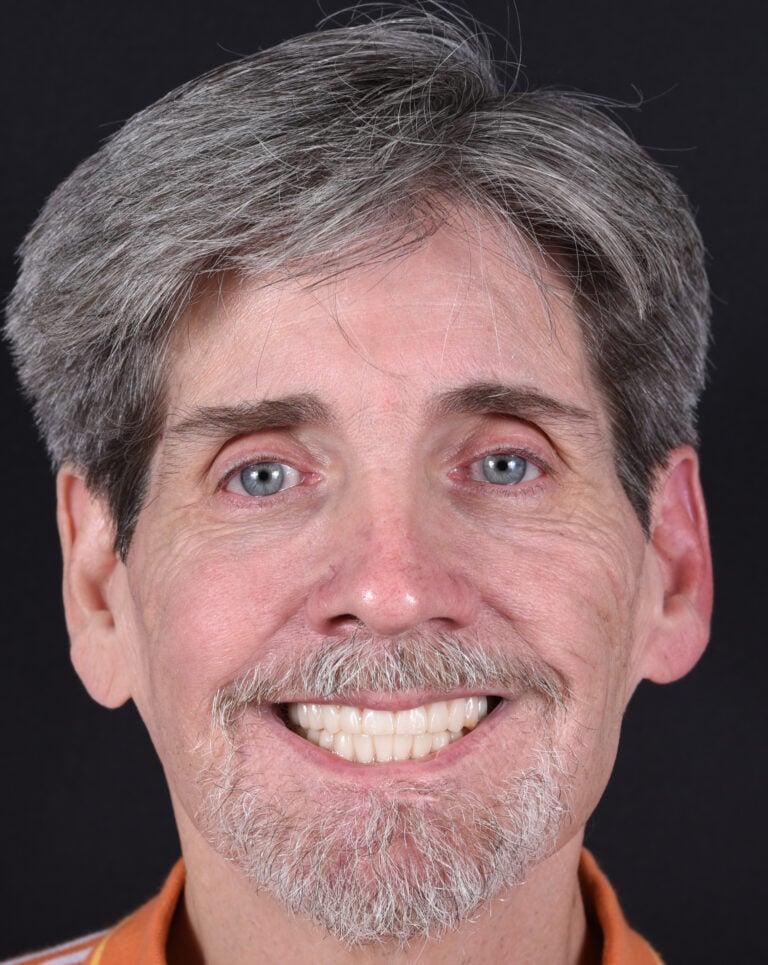
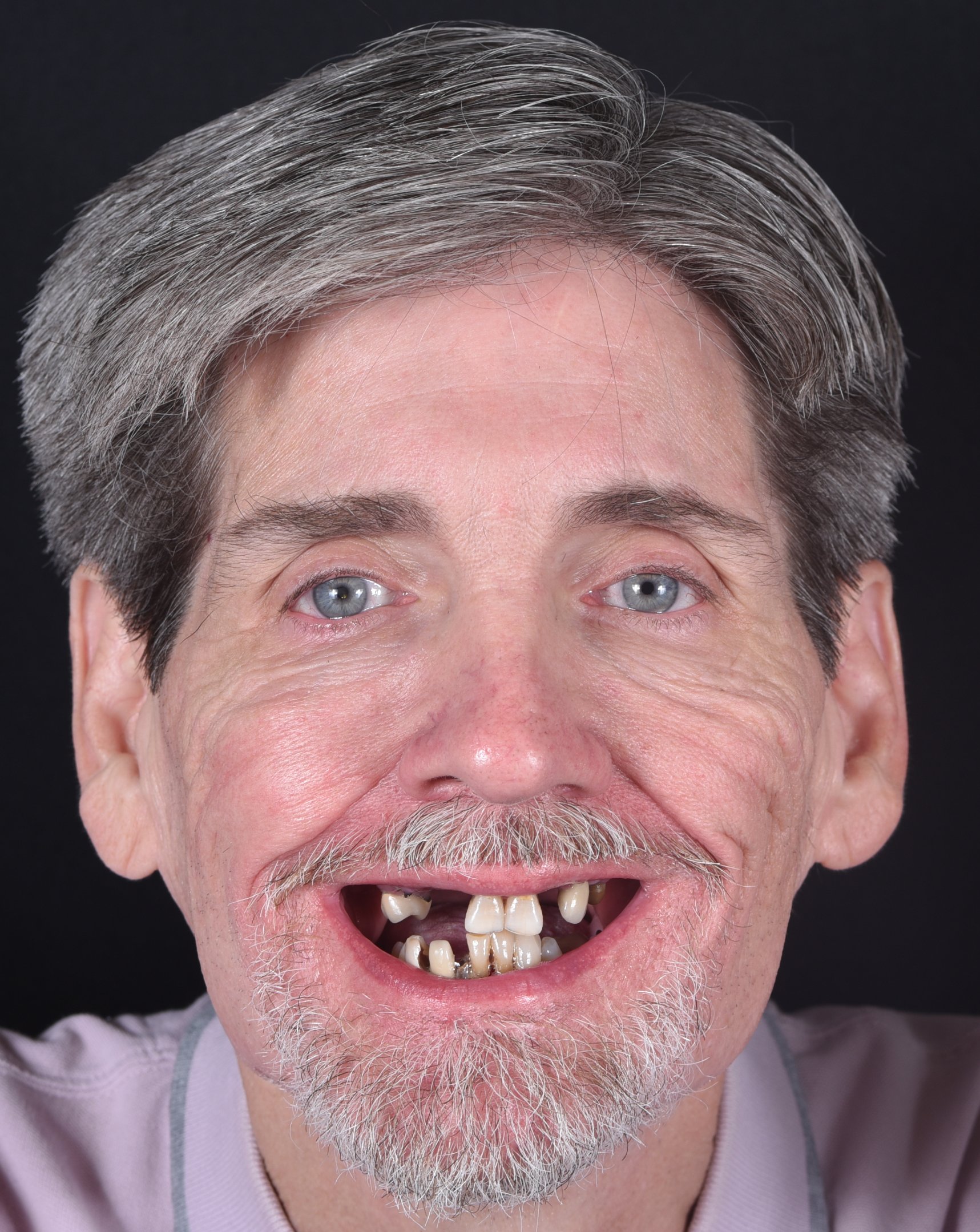
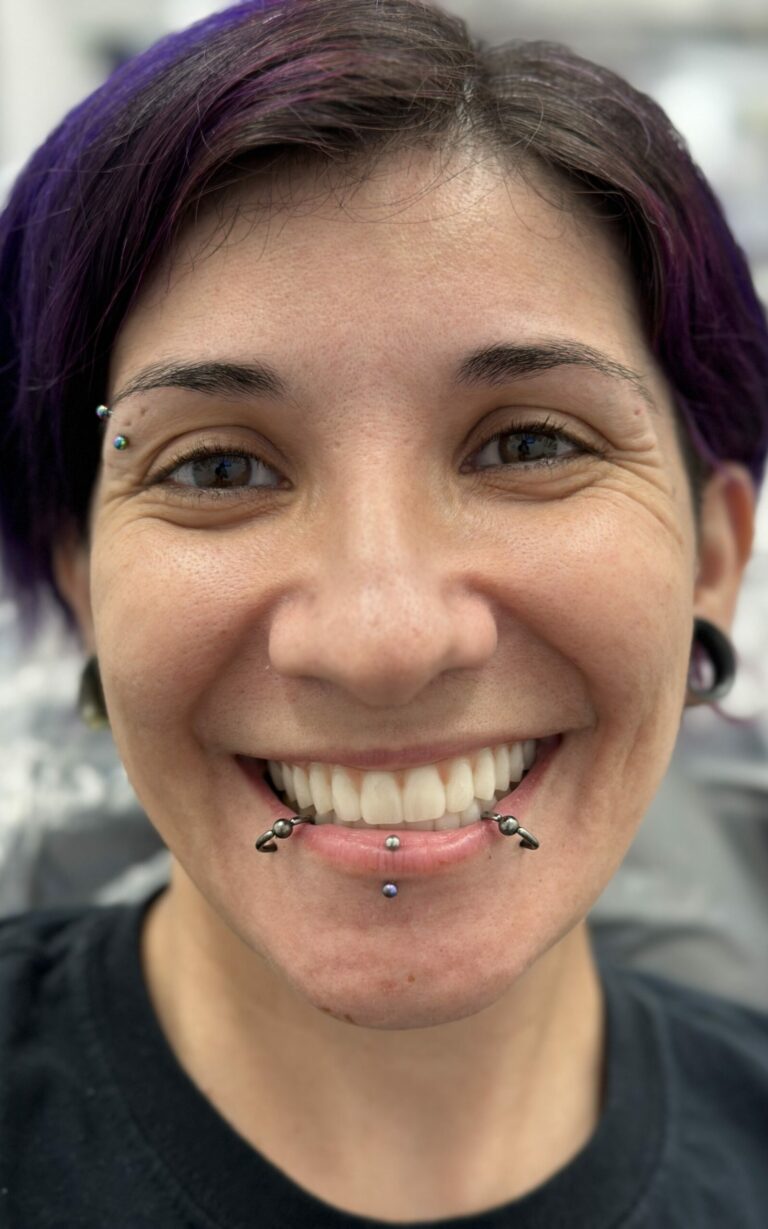
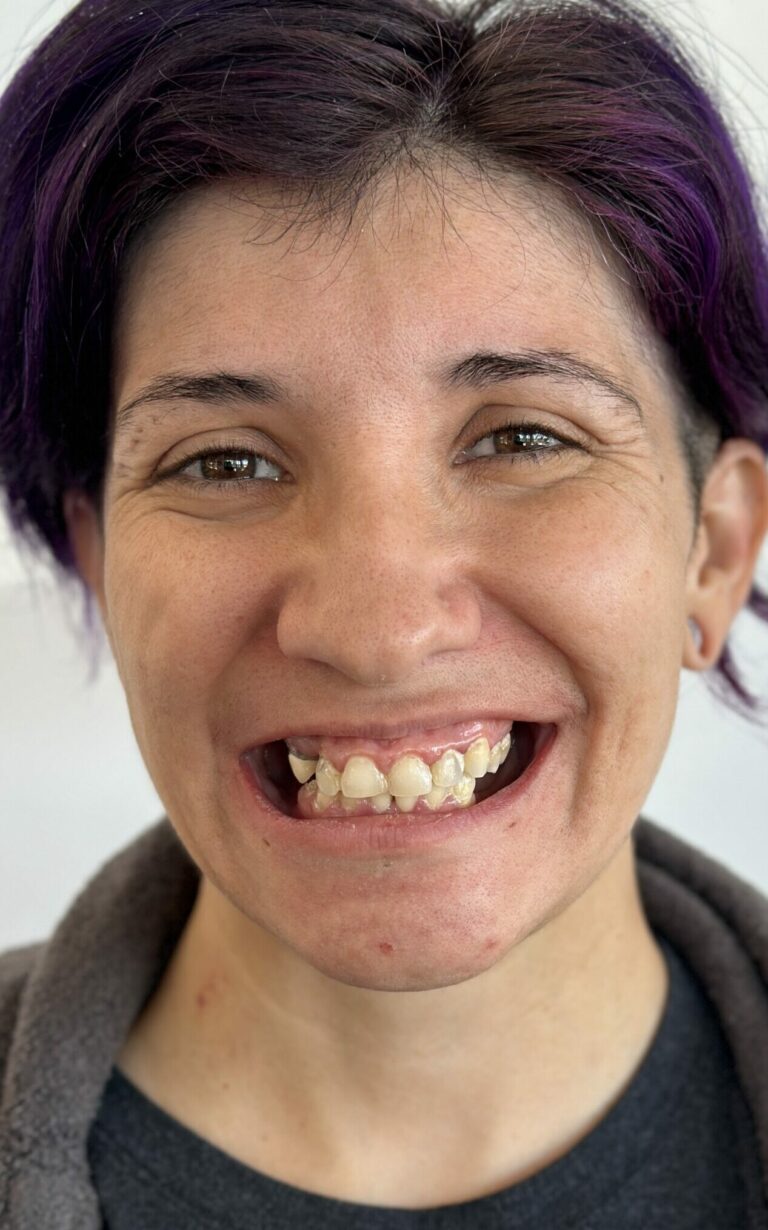
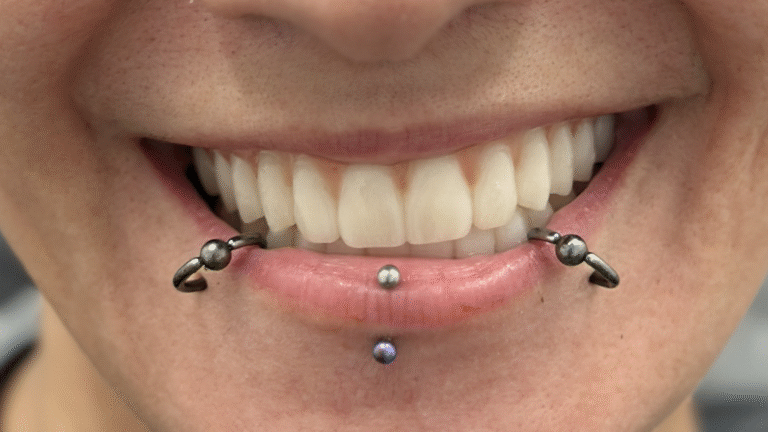
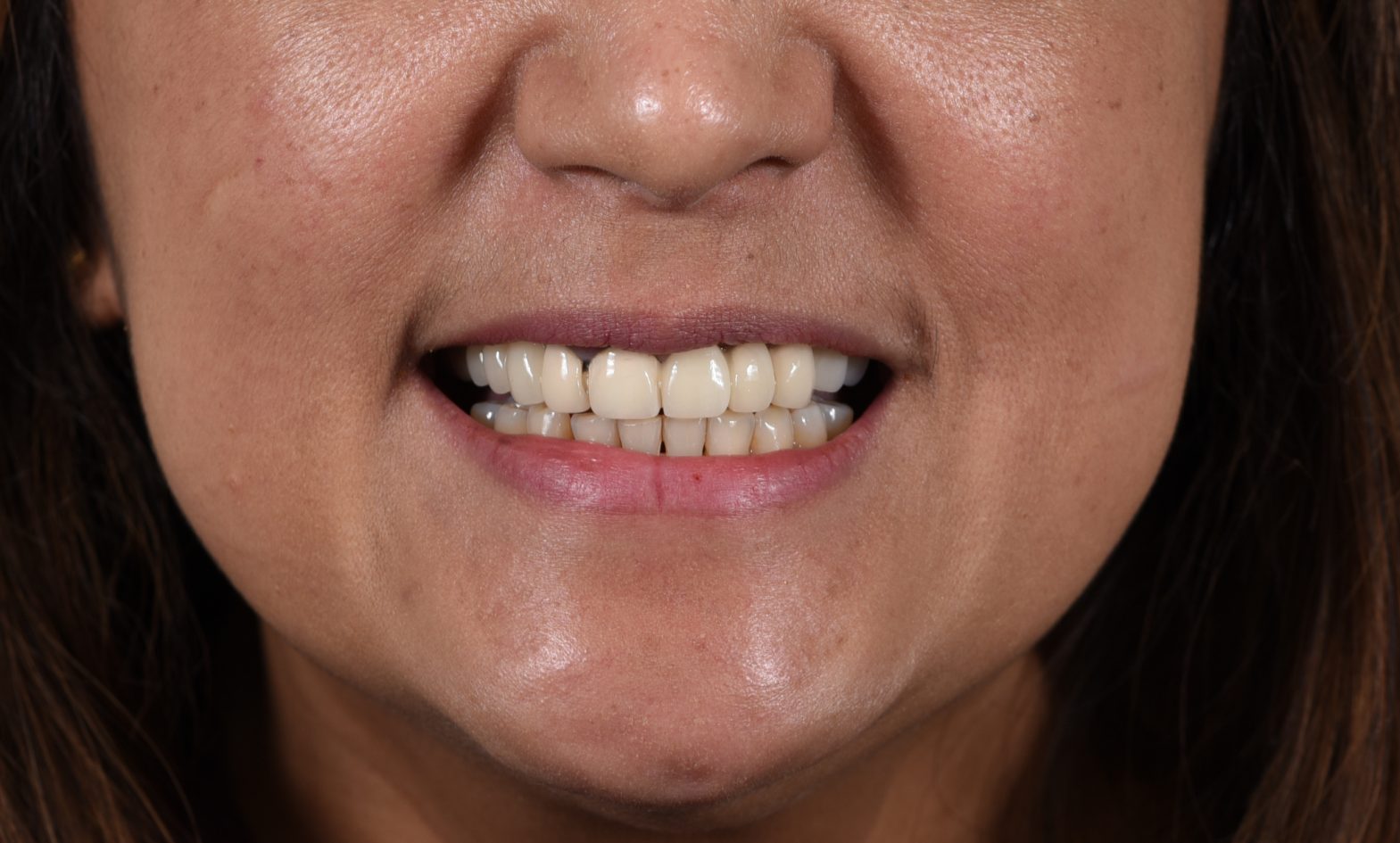
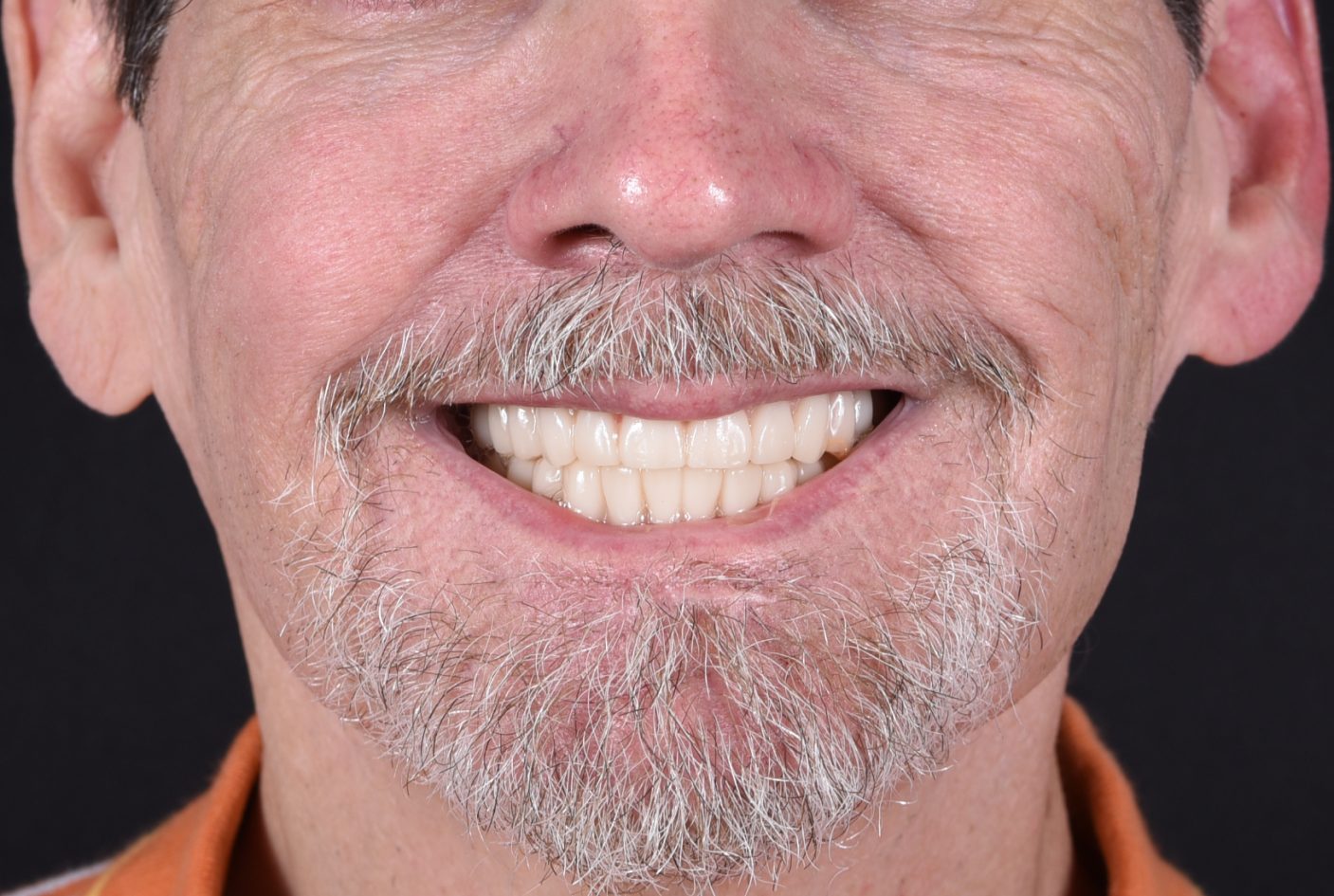
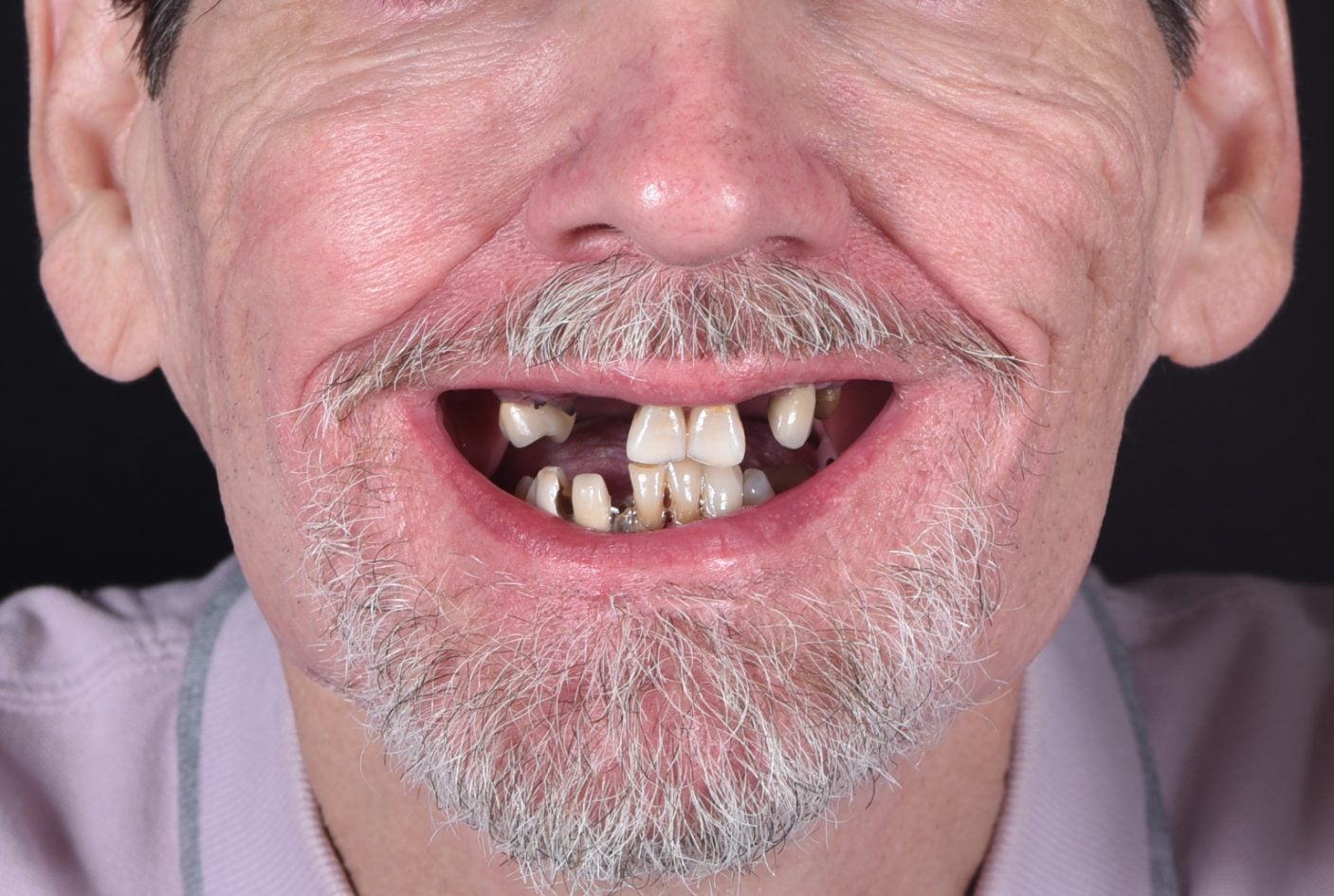
Life-Changing Results
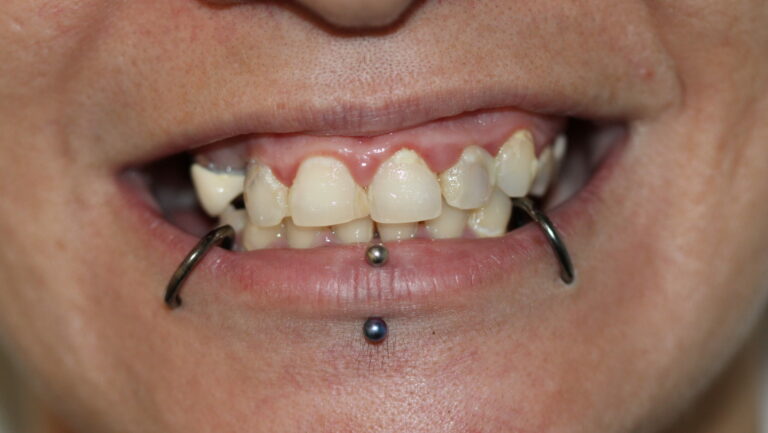
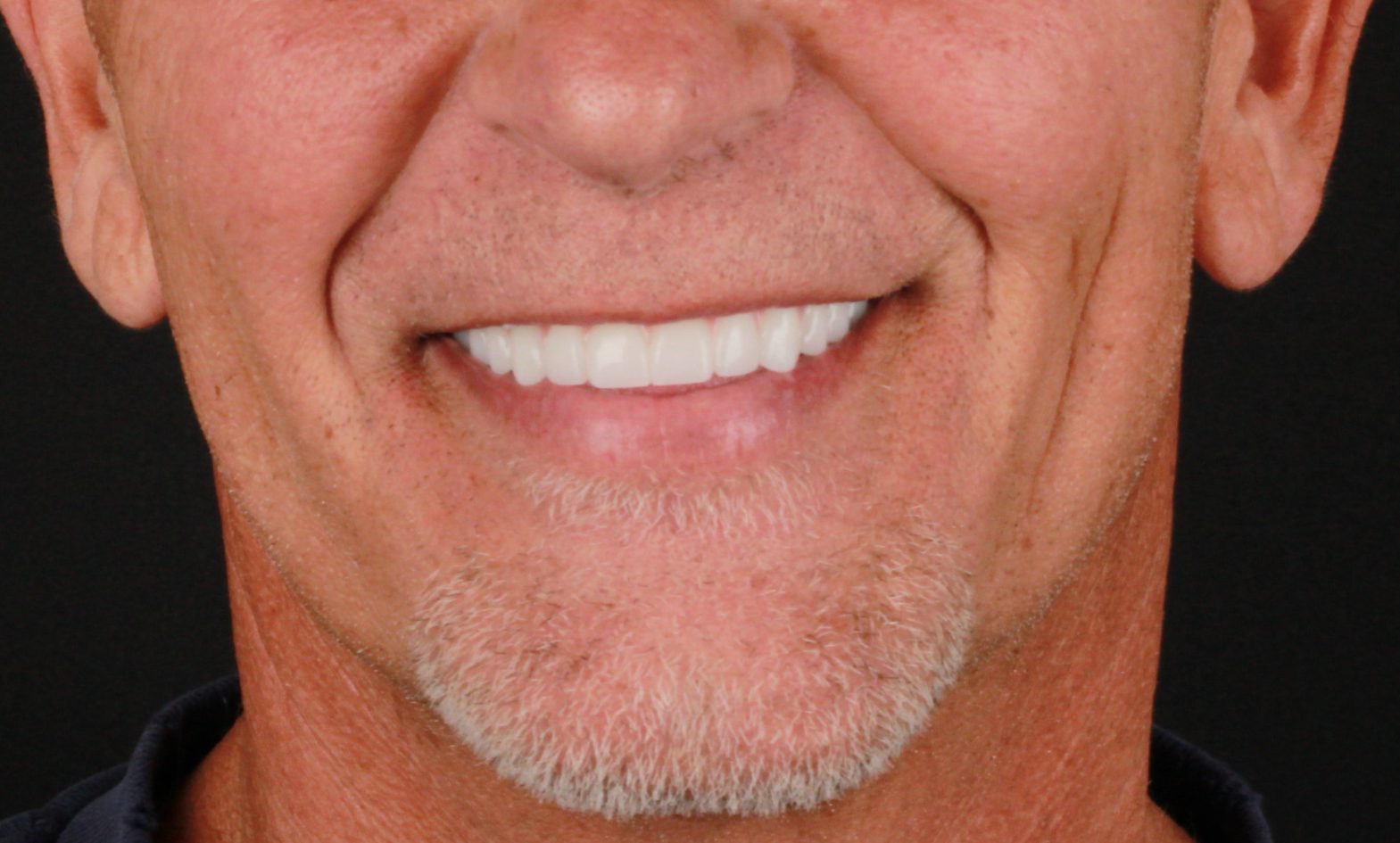
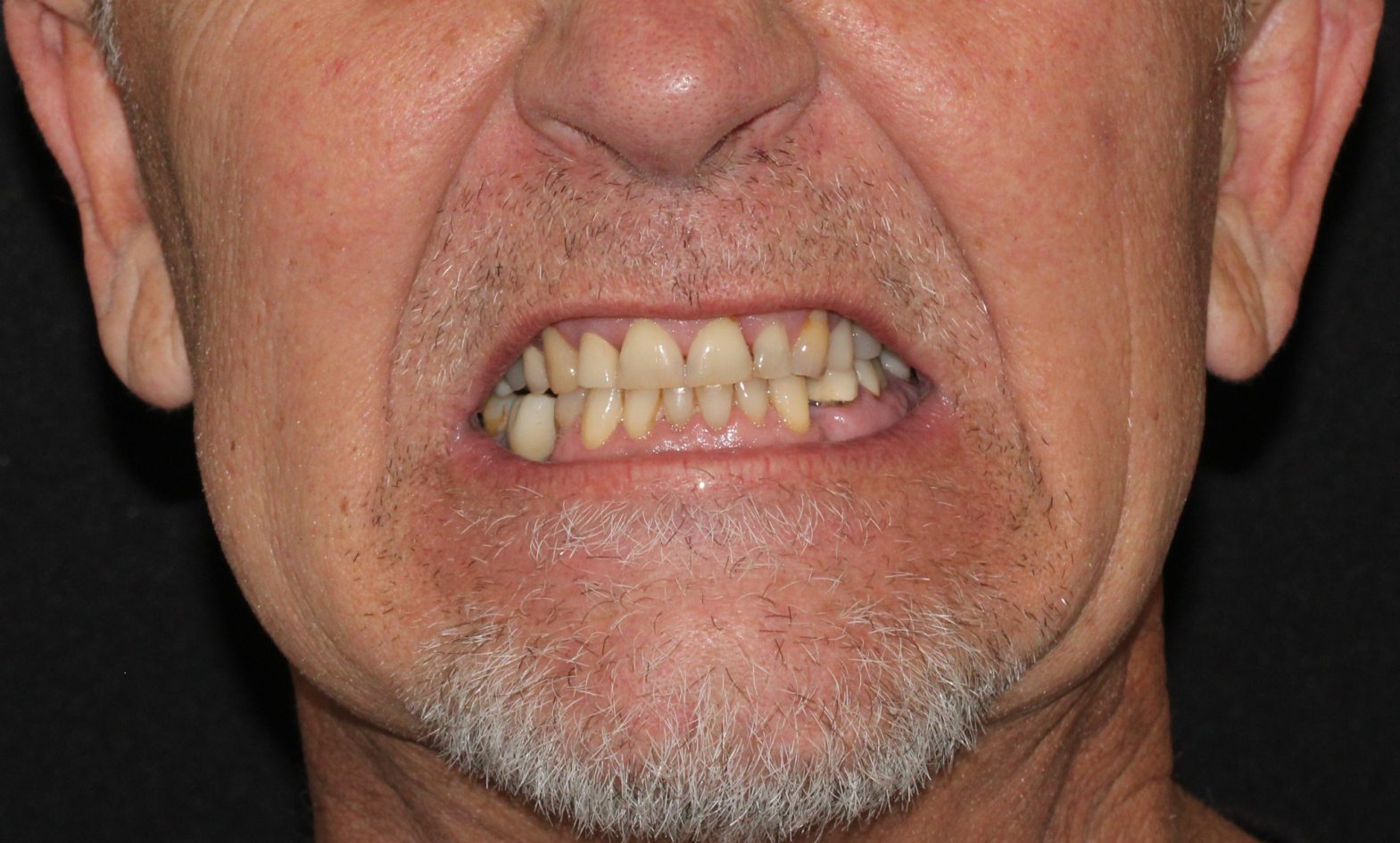
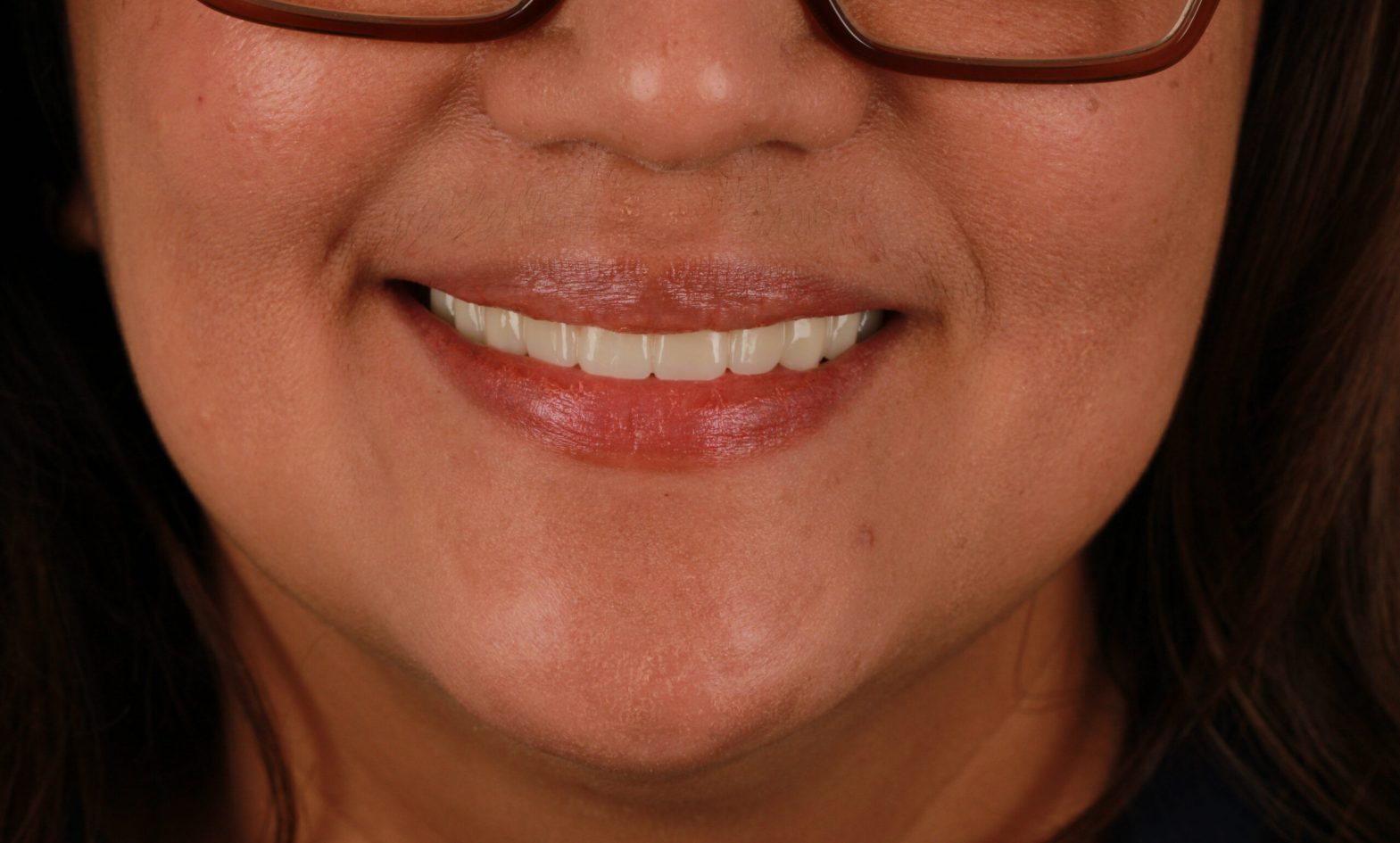
Smile transformations from our actual patients
What is All-on-4®?
All-on-4® is an innovative dental procedure designed to provide a permanent, full-arch restoration for individuals with missing teeth. This solution combines the latest in dental technology with advanced surgical techniques to offer a comprehensive and efficient treatment option. Here's what you need to know:
- Full-Arch Restoration: All-on-4® is specifically designed to replace all teeth on either the upper or lower jaw with just four dental implants.
- Immediate Results: One of the most significant advantages of All-on-4® is the possibility of receiving a full set of temporary teeth on the same day as the implant surgery, leading to immediate improvement in function and aesthetics.
- Fewer Implants Needed: By using only four implants per arch, All-on-4® minimizes the need for extensive surgery and bone grafting, making it a less invasive option compared to traditional methods.
- Strategic Implant Placement: The implants are placed at an angle in areas of the jaw with higher bone density, which not only provides strong support for the prosthetic teeth but also increases the procedure's success rate.
- Long-Term Solution: All-on-4® implants are designed to be a long-lasting solution, offering durability and stability akin to natural teeth.
- Improves Quality of Life: This procedure significantly enhances the ability to eat, speak, and smile confidently, improving overall quality of life.
- Cost-Effective: Considering the longevity and reduced need for bone grafting, All-on-4® can be more cost-effective in the long run compared to traditional implants.
All-on-4 dental implants provide a treatment option for those looking to restore their smile and dental function efficiently and effectively. This procedure represents a significant advancement in dental care, offering hope and improved quality of life for many. Even if you don't need a full-arch restoration, you can benefit from our single or multi-tooth dental implants in Glendale, AZ for individual tooth replacement.
The Risks of Untreated Tooth Loss
Missing teeth are more than just a cosmetic concern, they can lead to a range of oral health complications if left untreated. When a tooth is lost and not replaced, the jawbone in that area begins to deteriorate, a process called bone resorption. Over time, this bone loss can weaken the foundation for your remaining teeth, making them more vulnerable to shifting, loosening, or even falling out.
Untreated tooth loss can also cause your remaining teeth to drift out of alignment, leading to bite problems, jaw discomfort, and difficulty chewing. These changes may affect your ability to eat a balanced diet, potentially resulting in poor nutrition and impacting your overall health. Additionally, gaps in your smile can lead to changes in facial appearance and speech, while also affecting self-confidence and social interactions.
Common complications of untreated tooth loss include:
- Jawbone deterioration and loss of facial structure
- Shifting or misalignment of remaining teeth
- Increased risk of further tooth loss
- Bite and jaw joint problems (TMJ disorders)
- Difficulty chewing and poor nutrition
- Changes in speech and facial appearance
- Reduced self-esteem and confidence
Addressing tooth loss promptly helps prevent these complications and supports long-term oral and overall health.
Prosthesis Material Comparison
| Material Type | Description | Strength & Longevity | Esthetics | Maintenance | Cost Tier |
|---|---|---|---|---|---|
| Acrylic Hybrid Bridge | A titanium bar substructure covered in high-impact acrylic teeth and pink composite gum. Lightweight and repairable. | Durable but can wear over time (average 5 to 8 years). | Natural appearance, slightly less lifelike than porcelain. | Easy to repair or re-polish; requires professional cleaning. | $$ |
| Zirconia Bridge | Solid monolithic zirconia or layered porcelain over zirconia for maximum strength. | Extremely strong and chip-resistant (10 to 15+ years). | Highly lifelike translucency, a strong choice for esthetics. | Harder surface; requires professional cleanings to maintain polish. | $$$ |
| PMMA (Provisional Bridge) | Used during the healing phase while implants integrate. Digitally designed and milled in-office. | Short-term use (3 to 6 months). | Esthetic and comfortable for temporary use. | Replaced after final prosthesis delivery. | Included. (Replaced at final prosthesis delivery) |
All materials are biocompatible, designed for comfort, and fabricated to meet FDA and ADA standards. During your consultation, we'll show you real examples so you can see and feel the difference in weight, gloss, and realism before making your choice.
Who is not a Candidate?
Who isn't a good candidate for All-on-4 (and how we prevent regrets)
All-on-4 succeeds when biology, bite forces, and home care line up. We'll recommend alternatives, or prep you first, if any of the following apply:
- Uncontrolled medical risks (e.g., poorly controlled diabetes, recent bisphosphonate use, active infections).
- Heavy, unmanaged bruxism/clenching with a history of fractured work.
- Active smoking or vaping without a plan to pause/quit around surgery.
- Inadequate hygiene or missed visits that put implants at long-term risk.
- Unrealistic expectations (ignoring soft-diet healing, maintenance needs, or esthetic limitations).
Caring for Your All-on-4® Smile Long-Term
Your All-on-4® bridge is designed to last for decades. Long-term success depends on consistent home care, professional maintenance every 3 to 4 months, and protecting your bite from excessive forces. Here is what we recommend at Smile Science Dental Spa.
- 1Brush twice daily with a soft-bristle or sonic toothbrush. Angle bristles toward the gumline and spend extra time around abutments and bridge margins.
- 2Water flosser daily, this is non-negotiable for full-arch bridges. Flush under the bridge to clear food and plaque that a toothbrush cannot reach.
- 3Avoid abrasive toothpaste or whitening agents on the prosthesis. Use a mild, non-whitening toothpaste to preserve the surface of your bridge.
- 4Antimicrobial rinse as directed, especially during the first year or if you experience any gum inflammation around implant sites.
- 5Night guard if you clench or grind. Bruxism is one of the top causes of bridge fracture and implant overload, do not skip this step.
Checks at 1 to 2 weeks, 6 to 8 weeks, 3 months, and 6 months to monitor healing, tissue health, and bite stability.
- Every 3 to 4 months Full-arch fixed bridges, deep cleaning under the bridge, torque checks, X-rays
- Annually Prosthesis removal and professional cleaning recommended for full-arch cases
- As needed Bite adjustments, night guard replacement, component tightening
- Smoking or vaping after placement
- Skipping professional cleanings
- Uncontrolled diabetes or immune conditions
- Persistent bruxism without night guard protection
- Chewing ice, pens, or very hard foods
- Missed torque checks allowing screw loosening
- Bleeding or swelling that persists around implants
- A bad taste or odor from under the bridge
- Clicking, rocking, or movement in the bridge
- Chips, fractures, or broken bridge teeth
- Soreness or pressure that wasn't there before
- A screw access hole opening up on the bridge surface
Questions about your care routine? We’re always happy to walk you through it. (480) 530-3663
Learn More About All-on-4® Implants
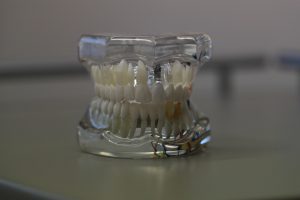
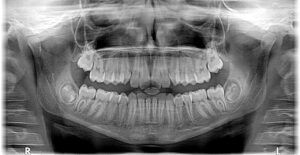
Dental Implants in Glendale, AZ
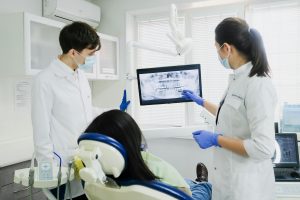
Discover dental implants in Glendale, AZ, designed to restore your smile and confidence.
Read Article
Interactive candidacy assessment
Are you a candidate for dental implants?
Walk through the same screening questions a real implant consult covers, bone, gum health, medical history, lifestyle, and we’ll tell you what tier you fall into and which treatment path fits your situation. Most patients finish in under three minutes.
- 10questions
- ~3minutes
- 5candidacy tiers
- In-house surgical team
Final candidacy is confirmed by a clinical exam and 3D imaging. This tool gives you the same screening framework a real consult uses, so you arrive informed and ready to ask the right questions.
Reference
The five candidacy tiers
Every implant consult places you into one of five candidacy tiers. The interactive tool above predicts your tier from your answers; a clinical exam confirms it.
Excellent Candidate
Healthy bone, healthy gums, no medical or lifestyle factors that interfere with implant integration. The most predictable case type with the highest long-term success rates.
Good Candidate, with Prep
A strong candidate after addressing one or two factors first, typically a deep cleaning for mild gum issues, a simple bone graft for minor bone loss, or stabilizing a medical condition.
Needs Bone Grafting First
The bone in the implant area has shrunk too much to support a standard implant directly. A bone graft (sometimes combined with a sinus lift) builds the site back up over 4–6 months, after which implants are placed normally.
Complex Case (All-on-4 / Zygomatic)
Full-arch tooth replacement combined with severe bone loss. Options like All-on-4, All-on-6, or zygomatic implants (anchored in the cheekbone) make implants possible when traditional placement isn't. Most general practices refer these out, Smile Science places them in-house.
Not the Right Next Step Right Now
A factor blocks implants safely right now, typically uncontrolled diabetes, IV bisphosphonates, recent head/neck radiation, active periodontitis, or being under 18. The right next step is a planning consult to identify the blocking factor and map out a path that resolves it.
Frequently asked questions
How much do All-on-4 dental implants cost in Arizona?
The fees are listed in the cost section on this page and in your written plan. Your fee depends on the care you need, and complex cases are priced separately.
What are the downsides of All-on-4 dental implants?
Surgery and healing take time, and you need a soft food diet while the implants bond to bone. You may have swelling and discomfort after surgery, and the bridge needs regular cleanings and checkups. Smoking raises the risk of implant failure.
How long do All-on-4 implants last?
Implants can last many years with good care. The bridge may need repair or replacement over time. Smoking, grinding, and gum health matter, so keep up with cleanings and checkups and ask about a night guard if you grind.
What disqualifies you from dental implants?
Your scan helps us see whether All-on-4 fits your bone and treatment needs. Too little bone or a need for major grafting may change the plan. Staged care or zygomatic or pterygoid implants may be options for complex cases. Smoking raises the risk of failure, and we ask you to stop around surgery.
How long does it take to get used to full mouth implants?
Most people take 3 to 5 days off work after surgery. You will have a provisional bridge while the implants heal and will eat soft foods during that time. Most people can eat normally after healing.
How painful is getting a dental implant?
Local anesthesia numbs the area during surgery. Swelling often peaks around day 3 and usually settles within a week. Discomfort is usually manageable with prescribed medication, and we review your anesthesia options before surgery.
Will insurance pay for dental implants?
Some plans contribute to parts of care, such as extractions, imaging, or sedation. Full arch bridges are often elective, and our team checks your benefits. The fees are listed in the cost section on this page and in your written plan.
How do I afford All-on-4 dental implants?
Ask us about monthly payments through CareCredit, Cherry, Sunbit, or Proceed Finance, with approved credit. The fees are listed in the cost section on this page and in your written plan. We check whether your insurance contributes to parts of care.
Coming from out of town
Patients travel from Prescott, Flagstaff, Kingman, and Payson to our Glendale office. We can plan visits to help keep trips down.
- Your first visit includes the consultation and CBCT scan.
- Ask us how many trips your plan needs.
- Bring a driver on surgery day if you have sedation.
- Do not drive for 24 hours after oral or IV sedation.
Sources and updates
Last updated:
- The All-on-4 treatment concept for the rehabilitation of the completely edentulous mandible: A longitudinal study with 10 to 18 years of follow-up (opens in a new tab), PubMed, Clinical Implant Dentistry and Related Research
- Prosthodontic Perspective to All-On-4 Concept for Dental Implants (opens in a new tab), PubMed Central, Journal of Clinical and Diagnostic Research
- Dental Implants: What You Should Know (opens in a new tab), U.S. Food and Drug Administration
- Dental Implants: Types, Purpose and Benefits (opens in a new tab), Cleveland Clinic
Talk with us about implants
Book a free implant consultation online or call (480) 530-3663 to visit us in Glendale.