
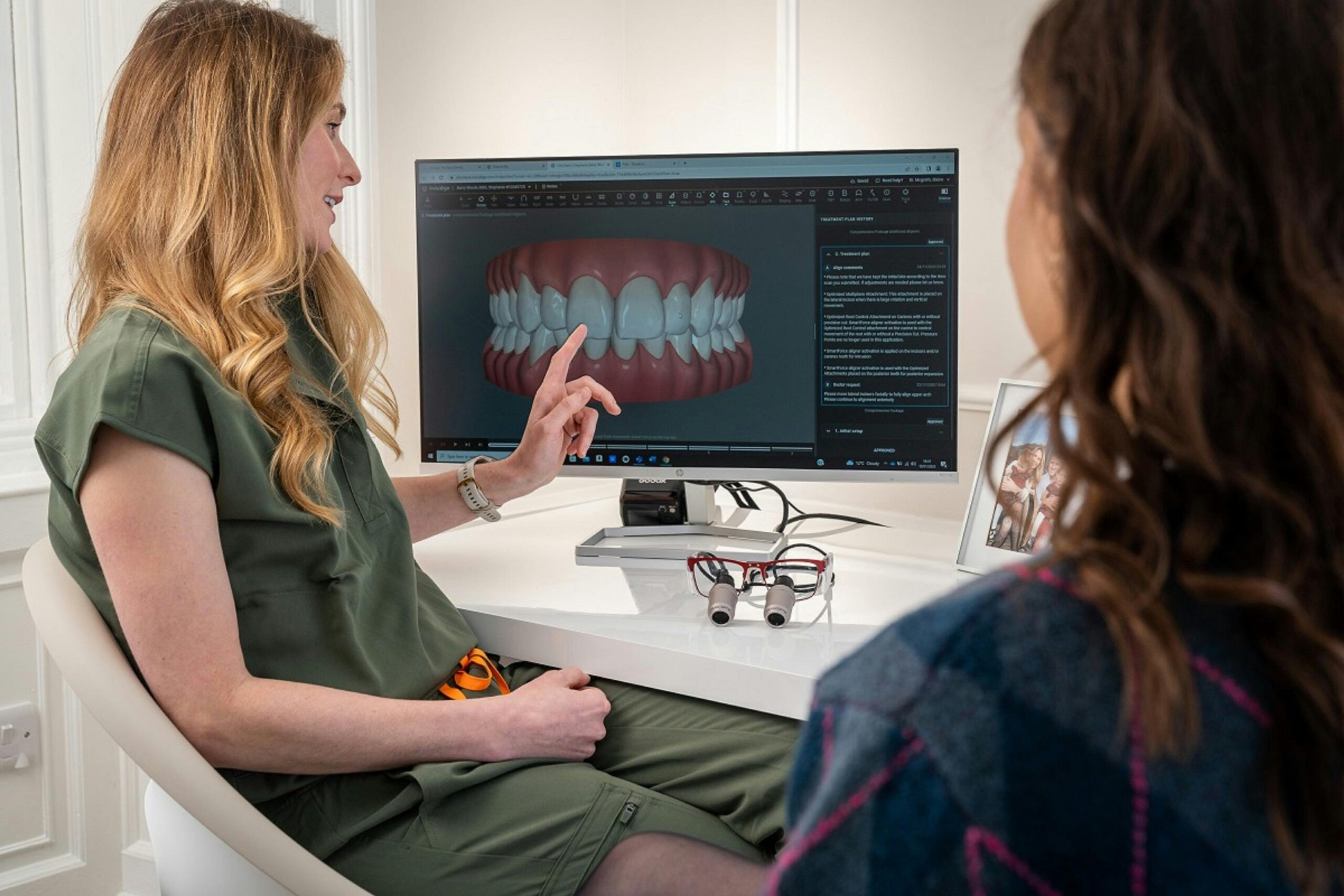
Glendale, Arizona
Dental Bonding in Glendale, AZ
Services provided by an Arizona licensed general dentist.
Dental bonding repairs chips, closes gaps, and covers stains in a single appointment with no enamel removal. It is one of the most affordable and versatile cosmetic treatments available at SmileScience Dental Spa in Glendale, AZ.
What Is Dental Bonding?
Dental bonding uses a tooth-colored composite resin that is applied directly to the tooth surface, sculpted to the desired shape, and hardened with a curing light. Because the resin bonds chemically to enamel, no significant removal of tooth structure is required. The result blends with surrounding teeth and is polished to a natural finish. Most bonding procedures are completed in 30 to 60 minutes per tooth.
Bonding is one of the few cosmetic dental procedures that is completely reversible. If your goals change over time, the composite can be removed without permanently altering the underlying tooth. This makes it an excellent entry point for patients exploring cosmetic options before committing to a longer-term treatment like porcelain veneers.
What Dental Bonding Can Treat
Chipped Teeth
Composite resin rebuilds the missing section of a chipped front tooth, restoring its original shape in a single visit. Even small fractures at the incisal edge are candidates.
Gaps Between Teeth
Small spaces (diastema) can be closed or minimized by adding resin to the sides of adjacent teeth, widening them slightly to fill the gap. No orthodontics required for minor spacing.
Tooth Discoloration
Stains that do not respond to whitening -- such as intrinsic discoloration from tetracycline, fluorosis white spots, or old silver fillings showing through -- can be covered with a color-matched resin layer.
Worn or Short Teeth
Teeth worn down by grinding or acid erosion can be built back to their proper length with bonding, improving both smile proportions and function without crowns.
Exposed Root Surfaces
Bonding covers sensitive root surfaces exposed by gum recession, reducing sensitivity and improving the appearance of the tooth at the gumline -- without a gum graft in many cases.
Shape Corrections
Peg laterals, unusually small teeth, or teeth with irregular contours can be reshaped with composite resin to create better symmetry and proportion within the smile frame.
The Bonding Process -- Step by Step
- Step 1
A shade guide is used to select composite resin that matches your adjacent teeth. If whitening is planned, it should be done before bonding so the resin can be matched to the new, lighter shade. Getting the color right at this step determines how natural the result looks.
Shade Selection
Surface Preparation
Step 2The tooth surface is lightly roughened with a fine instrument and conditioned with a mild etching gel to create microscopic retention points for the bonding agent. This step does not remove meaningful enamel and typically requires no anesthetic unless the procedure is near a sensitive area or cavity.
- Step 3
A liquid bonding primer is brushed onto the conditioned surface and lightly cured. This intermediate layer creates the chemical bridge between enamel and composite resin, ensuring a durable adhesive bond.
Bonding Agent Applied
Resin Application and Sculpting
Step 4The composite is applied in layers, each hand-sculpted to build the correct shape. A curing light hardens each layer before the next is added. This layering approach allows the doctor to build translucency and depth for a natural-looking finish.
- Step 5
The bonded tooth is trimmed, contoured, and polished with a sequence of polishing discs and points until it reflects light the same way as surrounding enamel. Bite is checked and adjusted before you leave. The entire appointment typically runs 30 to 60 minutes per tooth.
Finishing and Polish

Bonding vs. Veneers -- Which Is Right for You?
Both options use tooth-colored materials to improve your smile. The right choice depends on the number of teeth involved, your budget, and how long you want results to last.
| Dental Bonding | Porcelain Veneers | |
|---|---|---|
| Typical Cost | $300 -- $600 per tooth | $1,200 -- $2,000 per tooth |
| Durability | 5 -- 7 years with care | 10 -- 20 years |
| Reversibility | Yes -- fully reversible | No -- requires enamel prep |
| Prep Required | None (light surface etch only) | 0.5 -- 1 mm enamel removal |
| Appointments | 1 visit (same appointment) | 2 -- 3 visits over 3 -- 4 weeks |
| Stain Resistance | Moderate (can discolor over time) | Excellent (ceramic is non-porous) |
| Repairability | Easily repaired chairside | Replacement if chipped |
| Best Fit | Minor corrections, single teeth, budget-conscious | Full smile transformations, long-term investment |
Done in One Visit
Unlike veneers or crowns, dental bonding requires no laboratory fabrication. The entire procedure -- from shade selection to final polish -- is completed at a single appointment. There are no temporaries to wear, no second visit for seating, and no waiting period.
For patients with a chipped tooth before a wedding, a job interview, or another milestone, bonding is often the only cosmetic option that can be completed the same day you call.
Results are immediately noticeable. You leave the appointment with a repaired, polished tooth that matches your surrounding enamel.
What to Expect
- ✓ No anesthesia required in most cases
- ✓ 30 -- 60 minutes per tooth
- ✓ No temporary restorations to manage
- ✓ Return to normal activity immediately
- ✓ No special aftercare beyond normal hygiene
- ✓ Results visible the same day
When Bonding Is -- and Isn't -- the Right Choice
Bonding excels for isolated cosmetic concerns on otherwise healthy teeth. There are situations where another treatment will serve you better, and Dr. Turke or Dr. Dawson will tell you candidly which option is appropriate.
Bonding Works Well When:
- ✓ One or a few teeth need repair
- ✓ The concern is a chip, small gap, or surface stain
- ✓ You want a reversible, no-prep option
- ✓ Budget is a primary factor
- ✓ You need a same-day result
- ✓ Bite forces on the tooth are light to moderate
Consider Alternatives When:
- ✗ Six or more front teeth need transformation
- ✗ Maximum stain resistance is essential (heavy coffee, tea, wine)
- ✗ You grind heavily and need a more durable surface
- ✗ The tooth has significant structural loss needing a crown
- ✗ A 15+ year lifespan without retreatment is the priority
How Long Does Bonding Last?
With proper care, dental bonding typically lasts 5 to 7 years before the composite needs polishing, touch-up, or replacement. Some patients get 10 years or more; others need refresh sooner depending on bite forces and habits. The good news is that repairs are simple and inexpensive compared to replacing a veneer or crown.
Extend Its Life
- ✓ Avoid biting nails, ice, or hard objects
- ✓ Limit coffee, tea, and red wine in the first 48 hours
- ✓ Wear a night guard if you grind
- ✓ Brush with a non-abrasive toothpaste
- ✓ Schedule regular cleanings (polish keeps resin bright)
Signs It Needs Attention
- ● Visible chip or fracture in the resin
- ● Noticeable color difference vs. adjacent teeth
- ● Rough texture when you run your tongue across it
- ● Edge lifting away from the tooth
- ● Sensitivity at the bonded site
Dental Bonding Cost in Glendale, AZ
The following are typical cost ranges. Your exact fee is determined at consultation based on the number of teeth, complexity of the repair, and materials used. Cosmetic bonding is generally not covered by dental insurance, though bonding used to repair decay or structural damage may have partial coverage.
Single Tooth
$300 -- $600
per tooth (estimate)
Chip repair, gap closure, or stain coverage on one tooth.
Multiple Teeth
$900 -- $2,400
3 -- 6 teeth (estimate)
Smile refresh covering chipped edges and closing multiple gaps.
Full Front Smile
$2,400 -- $5,000+
6 -- 8 teeth (estimate)
Comprehensive bonding makeover. Financing available.
We accept CareCredit and Sunbit financing. Ask our front desk about current promotional terms at your consultation.
Real Patient Results
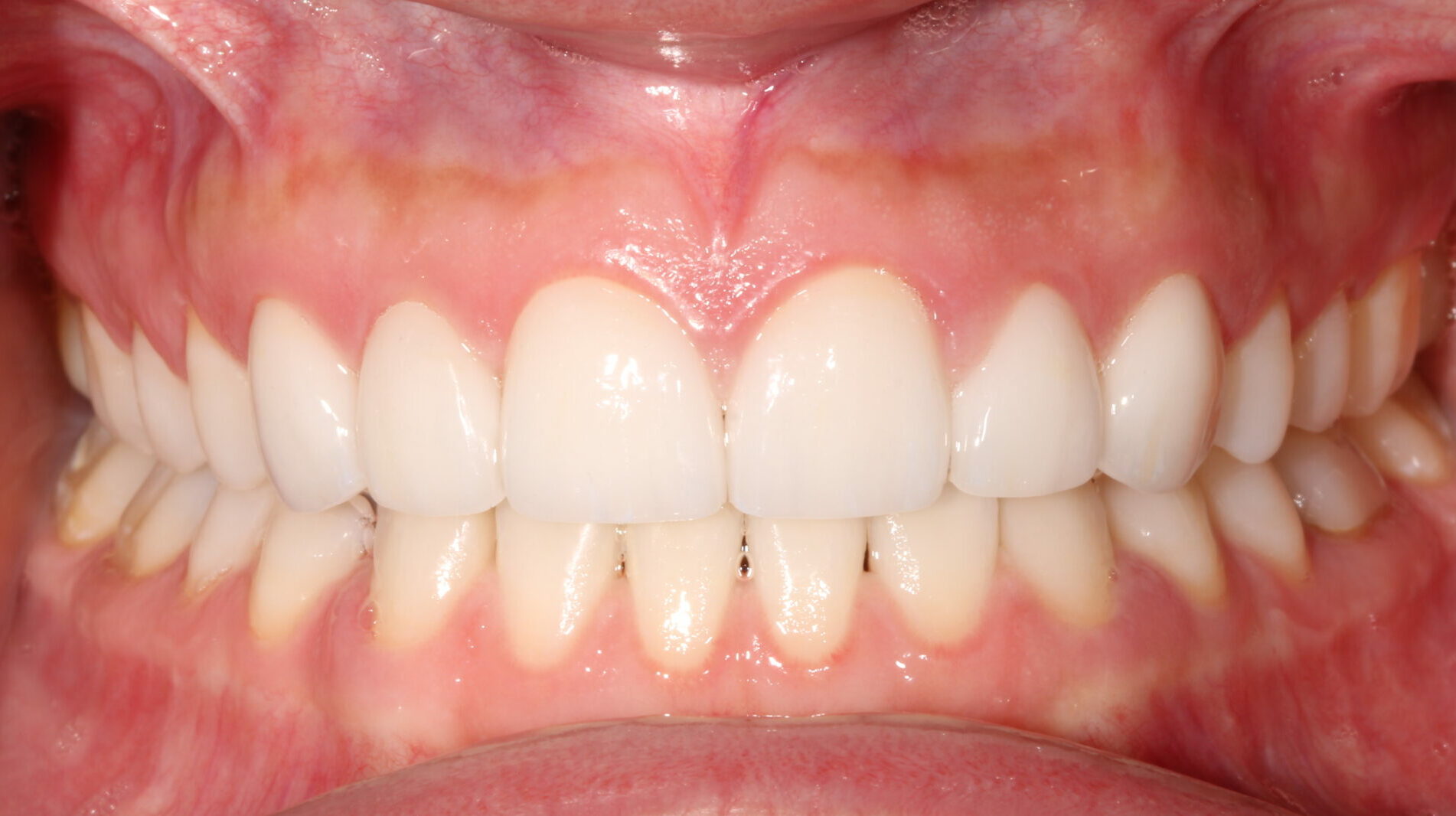
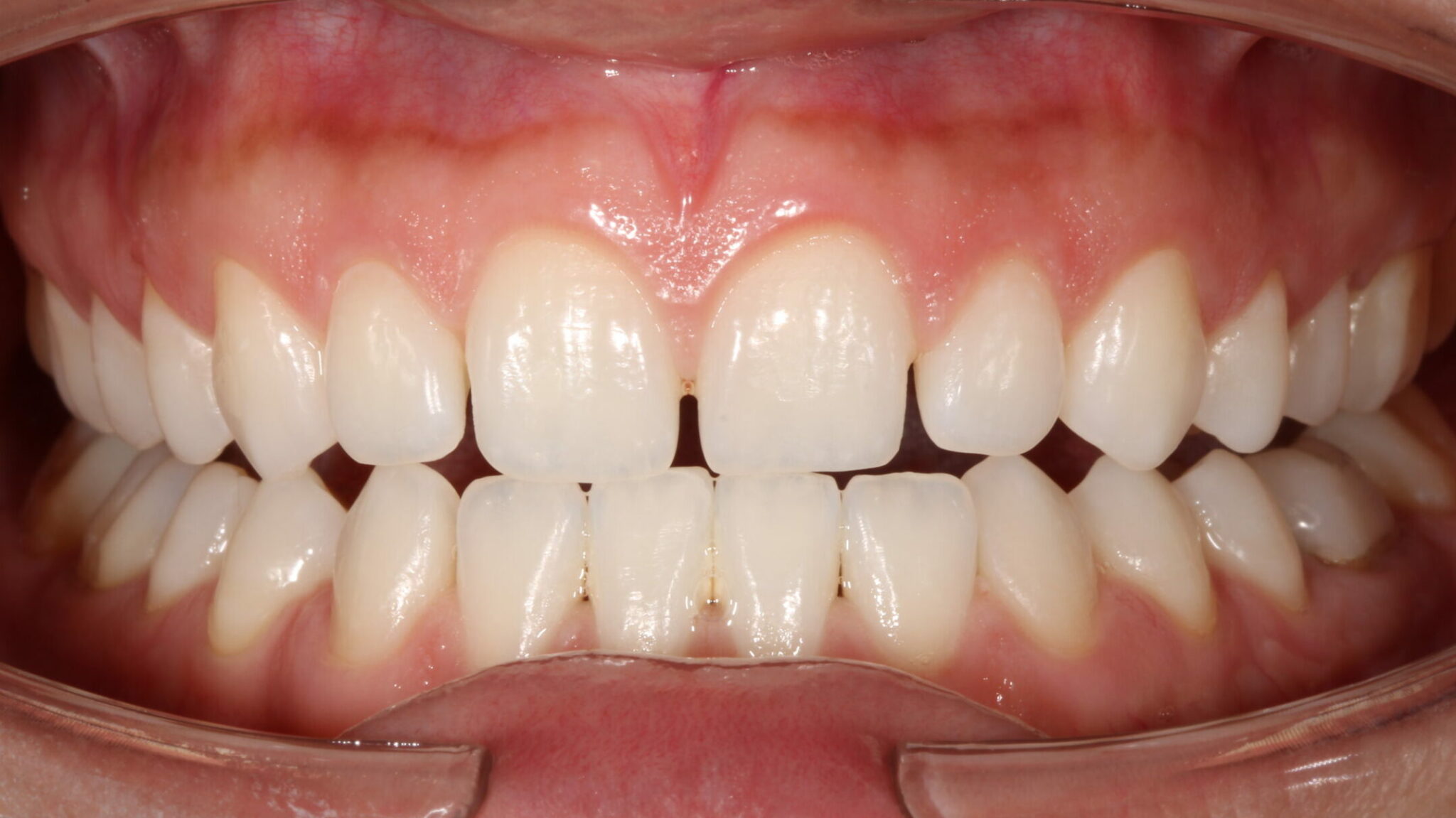
Composite bonding transformations performed at Smile Science Dental Spa in Glendale, AZ.
What Our Patients Say
4.9 (437 reviews)
I recently had the pleasure of visiting Smile Science Dental Spa, and I couldn't be more impressed with the level of care and service provided by the entire team. Dr. Dawson and Dr. Turke are both incredibly skilled and made me feel completely at ease throughout my procedures. Their professionalism, combined with their gentle approach, made me feel comfortable and well-informed every step of the way. I was especially impressed that I was able to get a same-day crown(apparently their first ever!), which exceeded my expectations. I couldn’t believe how quick and seamless the process was. It really saved me time and made the experience even more convenient. Cindiray and Angeles, the dental assistants, were equally wonderful. They were not only friendly and attentive but also thorough in explaining everything and made sure I was relaxed during each phase of my visit. Lastly, a big thank you to Litzy at the front desk, who greeted me with a smile and helped with scheduling and any questions I had. She made the entire check-in process a breeze. From start to finish, my experience at Smile Science Dental Spa was exceptional. I'll be returning for sure. I highly, highly, highly recommend them for anyone looking for high-quality dental care.
View Full Review on GoogleDusty

Honestly I’ve never been so happy to go to the dentist. I came in (late due to Lyft) and was still taken care of and treated with care. Even without insurance (kicking in within the next month) prices for an extraction on my infected tooth were more than reasonable. I was able to get more than expected done in the same visit. Dr. Dawson and his team made me feel so comfortable and taken care of. Won’t go anywhere else.
View Full Review on GoogleCherish B

I recently started as a patient after leaving our long-time family Dentist and couldn’t be happier! Marcela is AMAZING and a FANTASTIC hygienist!!!! 😃 Dr Dawson is great too! Every time I visit, they make me feel like family.
View Full Review on GoogleTJ Winzeler

Myself and my family had previously gone to Dr. Turk at another dental office that he worked at. He had relocated and we did not know where he had gone to until this week. Today I got in with Dr. Turk and he took the time to look at my x-rays carefully . I was having pain from a tooth and some other issues. The previous Dentist I went to that I saw just a few days earlier, he did not find any issues with my tooth which I had pain in. Dr. Turk identified infection and referred me to an endodontist. He is very gentle as a wonderful disposition and my self and my family are thrilled to be able to get back with him. The office is lovely, relaxing music, heat and massage chair.I have always been very nervous and some anxiety going to dentist as I have had bad reactions with the anesthesia. I am confident that Dr. Kirk will help me get through my next appointment just fine. “The staff are very kind and attentive. I am looking forward as I have quite a bit of work to be done, and I know I’m in good hands with Dr. Turk and his staff. Five stars!⭐️ Sherry
View Full Review on GoogleSherry Redmond

I recently moved to Arizona and had an issue with a tooth repair from 15 years back. Not knowing anyone here in my new home, I searched dentists close to me. I chose Smile Science much like pinning the tail on the donkey and my selection couldn't have been better! What a terrific staff! Dr. Turke was concerned the tooth would need to be extracted, but said he wanted to take a shot at saving it..and that's just what he did! After setting a temporary crown, I was on my way with an appointment to install the permanent crown in the following two weeks. That evening I received a call I've never received from a dentist. Dr. Turke had taken the time to follow up with me to make sure I wasn't in any discomfort..I was completely caught off guard by this kind of attention to detail and caring for my well being. The permanent crown is now in place, it fits and feels fantastic, the job and treatment are first class! Thank you, Dr. Turke and staff for taking in this stray and giving me a home dentist! I'd like to say that I'm just good at selecting blindly, but the truth is I am very lucky..and I'll take lucky over being good any day of the week! Thank you, again and Happiest of New Year's in 2026, Science Smile!!
View Full Review on GoogleEddy

Frequently Asked Questions
Composite bonding typically lasts 5 to 7 years before needing a touch-up or replacement, though many patients get closer to 10 years with good habits. Longevity depends on the tooth location (front teeth face different forces than back teeth), bite load, and habits such as nail biting, ice chewing, or heavy grinding. The resin can be repaired or redone easily if it chips.
When shade-matched and polished correctly, composite bonding is indistinguishable from surrounding tooth structure under normal lighting. The material reflects light similarly to natural enamel. An experienced cosmetic dentist can layer different shades of resin to mimic the translucency near incisal edges. Most people -- including the patient -- cannot identify bonded teeth by looking.
Composite resin does not respond to whitening agents. If you plan to whiten, do so before bonding so the resin can be color-matched to your whitened shade. Whitening after bonding will lighten your natural teeth while leaving the bonded resin unchanged, creating a visible mismatch.
Dental bonding is typically painless. The surface preparation involves light roughening and a conditioning gel -- neither of which removes meaningful enamel or requires drilling. Anesthetic is only used if the bonding is near a cavity being repaired at the same time or if the tooth is particularly sensitive near the gumline. Most patients are surprised at how comfortable the procedure is.
Bonded teeth require no special maintenance beyond your normal brushing and flossing routine. Use a non-abrasive toothpaste (avoid whitening formulas with heavy silica grit) and a soft-bristled brush. Limit staining beverages in the 48 hours after bonding while the surface is at its most porous. If you grind at night, a night guard will significantly extend the life of the composite. Your dentist will check and polish the bonded areas at your regular cleaning appointments.
Bonding can repair chips up to roughly one-third of the tooth's visible surface reliably. Larger fractures -- or chips that extend below the gumline or into dentin significantly -- may be better treated with a crown, which provides full coverage and more structural support. At your consultation, the doctor will assess the size and location of the chip and recommend the option with the best long-term outcome.
Yes. Multiple teeth can be bonded in a single appointment. If you are addressing six to eight teeth, the session will run 3 to 4 hours. At that scope, Dr. Turke will typically also review whether composite veneers (a thicker, full-surface application) or porcelain veneers might offer a better long-term result for the investment. Both options can be discussed at your consultation.
Insurance typically does not cover bonding performed for purely cosmetic reasons (closing a gap, improving color). However, if bonding is used to repair a chipped or cracked tooth that resulted from injury, or to cover an exposed root surface causing documented sensitivity, some plans will apply a partial benefit. Our front desk will verify your benefits and give you a clear picture of out-of-pocket costs before treatment begins.
The material is the same -- composite resin -- but the application differs. A tooth-colored filling fills a cavity (space left after removing decay). Bonding is applied to the outer surface of an intact or intact-enough tooth to change its shape, size, or color cosmetically. In many cases the procedure overlaps: a cavity on a front tooth is repaired with composite that is then sculpted and polished to restore both structure and appearance simultaneously.
4.9 (437 reviews)
I recently had the pleasure of visiting Smile Science Dental Spa, and I couldn't be more impressed with the level of care and service provided by the entire team. Dr. Dawson and Dr. Turke are both incredibly skilled and made me feel completely at ease throughout my procedures. Their professionalism, combined with their gentle approach, made me feel comfortable and well-informed every step of the way. I was especially impressed that I was able to get a same-day crown(apparently their first ever!), which exceeded my expectations. I couldn’t believe how quick and seamless the process was. It really saved me time and made the experience even more convenient. Cindiray and Angeles, the dental assistants, were equally wonderful. They were not only friendly and attentive but also thorough in explaining everything and made sure I was relaxed during each phase of my visit. Lastly, a big thank you to Litzy at the front desk, who greeted me with a smile and helped with scheduling and any questions I had. She made the entire check-in process a breeze. From start to finish, my experience at Smile Science Dental Spa was exceptional. I'll be returning for sure. I highly, highly, highly recommend them for anyone looking for high-quality dental care.
View Full Review on GoogleDusty
Honestly I’ve never been so happy to go to the dentist. I came in (late due to Lyft) and was still taken care of and treated with care. Even without insurance (kicking in within the next month) prices for an extraction on my infected tooth were more than reasonable. I was able to get more than expected done in the same visit. Dr. Dawson and his team made me feel so comfortable and taken care of. Won’t go anywhere else.
View Full Review on GoogleCherish B
I recently started as a patient after leaving our long-time family Dentist and couldn’t be happier! Marcela is AMAZING and a FANTASTIC hygienist!!!! 😃 Dr Dawson is great too! Every time I visit, they make me feel like family.
View Full Review on GoogleTJ Winzeler
Myself and my family had previously gone to Dr. Turk at another dental office that he worked at. He had relocated and we did not know where he had gone to until this week. Today I got in with Dr. Turk and he took the time to look at my x-rays carefully . I was having pain from a tooth and some other issues. The previous Dentist I went to that I saw just a few days earlier, he did not find any issues with my tooth which I had pain in. Dr. Turk identified infection and referred me to an endodontist. He is very gentle as a wonderful disposition and my self and my family are thrilled to be able to get back with him. The office is lovely, relaxing music, heat and massage chair.I have always been very nervous and some anxiety going to dentist as I have had bad reactions with the anesthesia. I am confident that Dr. Kirk will help me get through my next appointment just fine. “The staff are very kind and attentive. I am looking forward as I have quite a bit of work to be done, and I know I’m in good hands with Dr. Turk and his staff. Five stars!⭐️ Sherry
View Full Review on GoogleSherry Redmond
I recently moved to Arizona and had an issue with a tooth repair from 15 years back. Not knowing anyone here in my new home, I searched dentists close to me. I chose Smile Science much like pinning the tail on the donkey and my selection couldn't have been better! What a terrific staff! Dr. Turke was concerned the tooth would need to be extracted, but said he wanted to take a shot at saving it..and that's just what he did! After setting a temporary crown, I was on my way with an appointment to install the permanent crown in the following two weeks. That evening I received a call I've never received from a dentist. Dr. Turke had taken the time to follow up with me to make sure I wasn't in any discomfort..I was completely caught off guard by this kind of attention to detail and caring for my well being. The permanent crown is now in place, it fits and feels fantastic, the job and treatment are first class! Thank you, Dr. Turke and staff for taking in this stray and giving me a home dentist! I'd like to say that I'm just good at selecting blindly, but the truth is I am very lucky..and I'll take lucky over being good any day of the week! Thank you, again and Happiest of New Year's in 2026, Science Smile!!
View Full Review on GoogleEddy
Fix That Chip in a Single Visit
Dental bonding at SmileScience Dental Spa in Glendale, AZ is typically completed in one appointment without anesthesia. Book a quick consultation and leave with a repaired smile the same day.