

Understanding Same Day Dental Implants
Same day dental implants place an implant and a temporary tooth in one visit. This approach combines immediate implant placement with an immediate temporary crown or bridge. It does not mean the final, permanent crown is delivered that day. Success depends on bone quality, implant stability, and careful case selection.
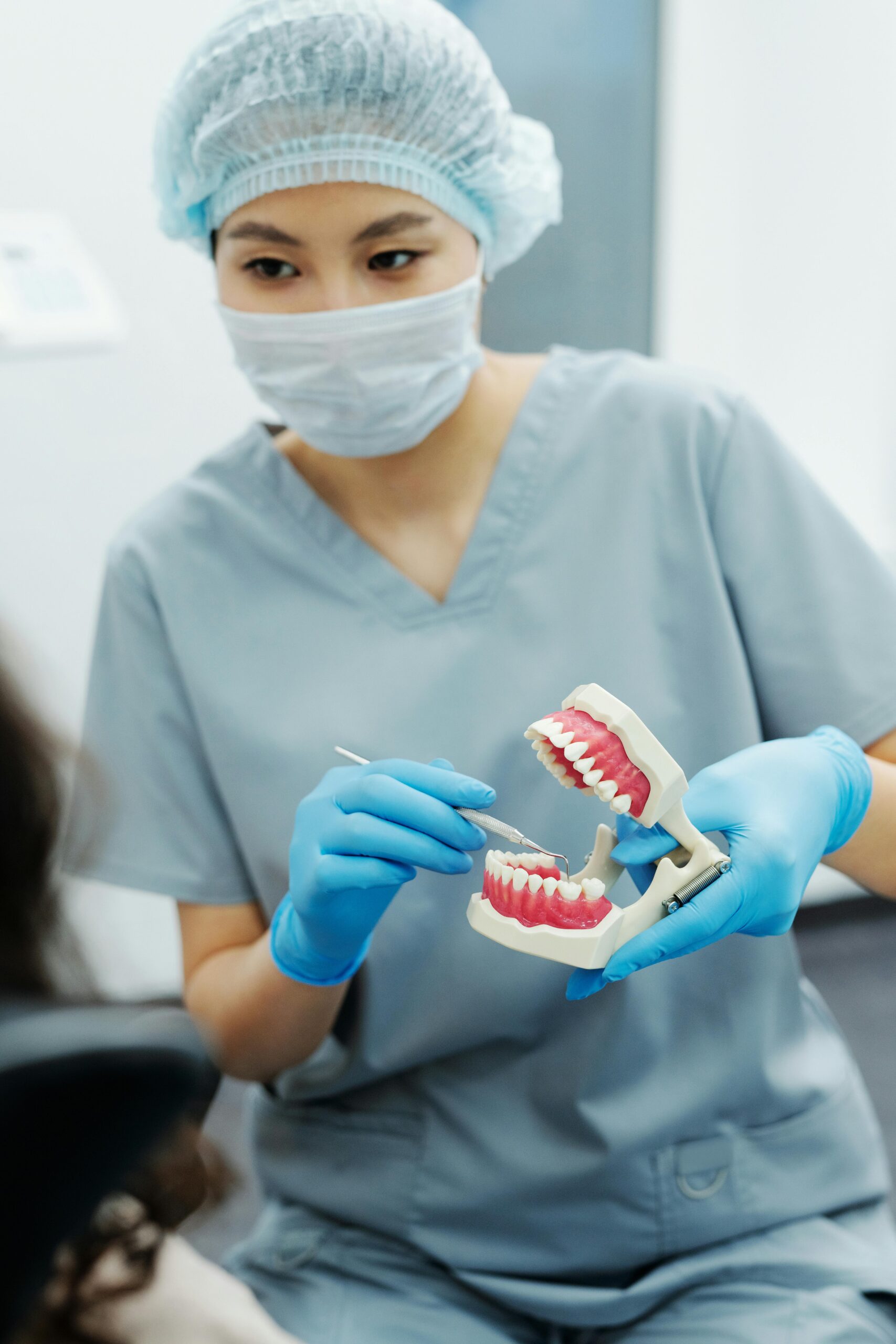
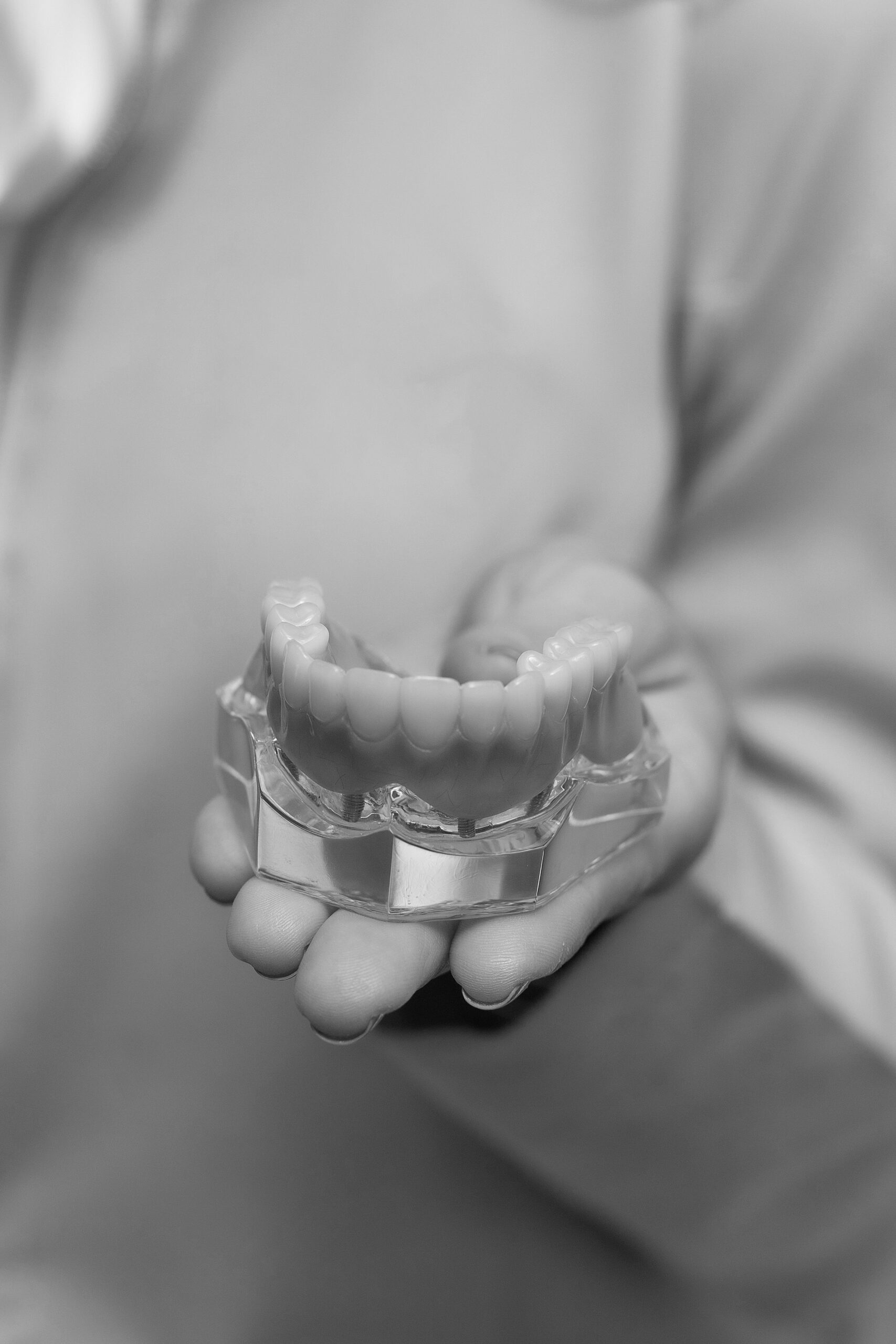
Here is how the process typically works. If a tooth must be removed, your dentist performs a gentle extraction and prepares the site. The implant is placed into the bone; when it achieves solid primary stability, a custom temporary is attached and kept out of heavy biting. During healing, you will favor the other side to protect the site. In certain cases a few teeth are joined on a temporary bridge, including full-arch treatments; learn how these work in our overview of All-on-4 dental implants.
- Healthy gums and good oral hygiene
- Enough bone volume at the site
- Intact or repairable socket walls after extraction
- Stable bite without heavy clenching on the area
- Well-controlled medical conditions and limited tobacco exposure
You lose a front tooth in a fall. With same day dental implants, a temporary tooth can be attached so you leave with a smile the same day. Over the next months, the bone fuses to the implant, and the final crown is placed after confirmed healing. Not everyone qualifies on the day of extraction; alternatives or staged care may be recommended for long-term success. If you need timing details or planning help, check our current hours.
How Immediate Implants Work
Immediate implants place a tooth root replacement and a temporary tooth in one visit when stability is high. Your dentist evaluates the site, measures how firmly the implant grips bone, and fits a light temporary that avoids chewing contact so healing can begin right away.
The core idea is primary stability. The implant is anchored into dense bone so it does not move while the bone heals around it. If a tooth was just removed, any small gap between the implant and socket wall is often filled with bone graft particles to support the ridge shape and protect the site. A custom healing component or temporary crown guides the gumline to heal with a natural contour. Reviews show that immediate placement, including flapless approaches with grafting when indicated, can achieve high survival when the case is chosen carefully [1].
Loading the implant the same day means the temporary is adjusted to keep biting forces off the area. For multiple teeth, the temporaries may be joined for extra stability. Evidence also indicates that immediately loaded implants, including zirconia designs, can perform predictably in selected patients when protocols are followed [2]. If stability numbers are lower, your dentist may delay the temporary or keep it strictly out of function until the bone matures. A cracked molar makes chewing hard the day before travel; a protective same day dental implants plan can stabilize the area while you heal.
Because each mouth is different, your plan balances appearance, function, and biology. Understanding these steps helps set expectations for comfort, diet, and follow-up. To see what outcomes can look like, explore our dental implant before-and-after examples. Coordinated care often leads to clearer days and calmer nights.
Benefits of Same Day Implants
Same day implants let you leave with a fixed temporary tooth the day your implant is placed. You avoid a removable flipper, preserve your smile line, and reduce the number of treatment visits. Gum shape can be guided immediately, which often leads to a more natural-looking result. You still follow a soft-chew diet on that side while the implant heals.
Beyond appearance, function matters. A fixed temporary restores speech clarity better than most removable options, so daily conversations feel normal sooner. Because the provisional is shaped to support the tissue, the gumline maintains its contour as the area heals. When extraction and implant happen in one visit, recovery is consolidated into a single healing window, which many people find easier to manage.
A crown loosens two days before a big event. With same day dental implants, a carefully adjusted temporary can fill the space right away. This approach also avoids shaving neighboring teeth for a bridge, helping keep healthy enamel intact. Many patients appreciate not having to remove and clean a temporary denture; instead, you brush and floss around a fixed shape designed to protect the site. Your dentist will keep the temporary out of heavy bite contact so the implant remains stable, then fine-tune the final crown after the bone has matured.
There are practical time savings as well. Fewer interim appointments, no impressions for a removable device, and early soft-tissue shaping can streamline the path to the final crown. You will still have planned checks to monitor healing and hygiene. If you are weighing long-term function and maintenance across options, our overview of implants versus dentures can help frame the differences. Prompt evaluation supports stable healing and predictable function.
The Process of Teeth in a Day
Teeth in a Day replaces a full arch of failing or missing teeth with implants and a fixed temporary bridge in one coordinated visit. It is a carefully planned sequence that removes bad teeth, places multiple implants, and secures a same-day provisional. The final, durable bridge is made later after healing and gum shaping are complete.
The process starts with thorough planning. Your team gathers a 3D scan, digital impressions, bite records, and medical history. These guide a digital mock‑up of your new smile and a surgical guide that directs precise implant placement. You will review comfort options and a soft diet plan for early healing. For more context on what full-arch treatment involves, explore our full mouth implant overview.
On treatment day, failing teeth are removed and the jaw is shaped to support a straight, clean foundation. Typically four to six implants are placed per arch in positions planned to maximize stability. Low-profile connectors are attached to align the bridge, and stability is verified before proceeding. A custom, screw‑retained provisional bridge is then adapted and secured, and your bite is adjusted so chewing forces are balanced and gentle on the new implants.
After you go home, expect a soft, easy‑to‑chew diet and careful hygiene with a soft brush and specific cleaning tools around the bridge. Follow‑up visits check healing, comfort, and cleanliness. Over several months, bone bonds to the implants and the gums settle. Once tissues are stable, precise records are taken to craft the final bridge with refined bite and contours for long‑term use. A simple real‑world arc: morning surgery, afternoon smile, evening rest. If you are comparing options like same day dental implants versus staged care, this timeline helps you weigh convenience, appearance, and maintenance. Joint planning with your dental team supports long‑term function.
Meet with our team to plan the right implant option and timeline.
A confident smile starts with a single consultation.
What to Expect During One Day Implants
On the treatment day, you arrive for a planned visit that replaces a failing tooth with an implant and a fixed temporary in a single appointment. Your team confirms the plan, numbs the area, places the implant, and secures a provisional tooth. Before you leave, your bite is adjusted so the temporary feels comfortable and avoids hard chewing.
Check-in includes a quick review of your health, medications, and any updates since your consult. A 3D scan or radiograph may be taken to verify angles and spacing. Local anesthesia keeps the site comfortable; many people also choose a calming option after discussing sedation choices. You receive a clear outline of steps, expected duration, and what you will feel: pressure, vibration, and water spray rather than sharp pain.
A molar fractures the day before travel; you need a quick, stable plan. If a tooth is present, it is gently removed and the socket is cleaned. The implant is placed to the planned depth and orientation, then the surgeon confirms stability and position with measurements and imaging. A custom temporary is shaped to support your gumline and is polished so it is smooth and easy to clean. Speech is checked, and your bite is refined so the new tooth is not used for hard chewing.
After the visit, expect numbness for a few hours, then mild soreness for a day or two. Swelling is usually modest and peaks within 48 to 72 hours. You will follow a soft-chew diet on that side and brush gently with a soft brush the first night. Short follow-up visits confirm comfort, cleanliness, and how the tissues are healing. Over the next few months, the bone bonds to the implant; the final crown is made after healing is confirmed. These steps are typical for same day dental implants and help you move from a temporary tooth to a long-lasting result. Well-paced follow-ups keep you on track to your final crown.
Immediate Load Implants Explained
Immediate load means a new implant supports a fixed temporary tooth within 24 to 48 hours. The goal is to protect healing while restoring appearance and basic function right away. It differs from immediate placement, which is when an implant goes in the day a tooth is removed. Both can be combined if the site is stable and the bite can be controlled.
Here is the idea in simple terms. The implant needs a firm initial grip so tiny movements do not disturb early bone healing. Your dentist checks stability and your bite, then designs a temporary that looks natural, stays smooth for cleaning, and avoids chewing load. In the front of the mouth, this approach often focuses on shaping the gumline and speech. In the back, the plan hinges on limiting forces from grinding and heavy chewing.
A front tooth breaks before photos, and you need a fixed look today. With immediate load, the temporary is usually screw‑retained so it can be adjusted or removed without stressing the site. For several missing teeth, linking temporaries together spreads out forces and helps protect the implants; see our overview of implant‑supported bridge basics. Careful bite design matters too, such as avoiding hard contacts on the new tooth and limiting cantilevers. If the initial grip is borderline or your bite is high‑force, a non‑chewing temporary or a healing cap may be safer until the bone matures.
What does this mean for you? Expect a fixed look quickly, a soft food plan, and close follow‑up to fine‑tune contours and cleanliness. You will brush gently and use aids your team recommends to clean around the temporary. As the site strengthens, records for the final crown or bridge are taken, and your bite is refined for long‑term comfort. Used thoughtfully, immediate load can make same day dental implants feel seamless while keeping biology first. A well‑paced plan supports stable healing and confident function.
Same Day Extraction Implant Overview
In a same day extraction implant, a failing tooth is removed and an implant is placed in the same visit. When conditions are right, a temporary tooth or a custom healing part is attached so the area looks complete while the bone heals. This is one form of same day dental implants, and it is planned to protect the site while restoring appearance.
A premolar with a deep crack is removed at noon. Before the visit, a 3D scan helps map bone shape and nearby structures to guide safe positioning. During the extraction, the goal is to preserve the socket walls and gently clean the site. The implant is seated into stable bone, and any small space between the implant and socket is often filled with graft material to help maintain the ridge. A contoured temporary or healing cap can shape the gumline, and fine sutures close the area for comfort.
Front-tooth sites often need careful angulation to keep a healthy facial bone and natural gum curve. Back-tooth sites may focus more on protecting the implant from heavy chewing while the area settles. If the socket is very thin, the infection is extensive, or your bite places strong forces on the spot, a staged approach may be safer. In that case, the site is preserved with grafting and the implant is placed later, sometimes with a short-term removable tooth to fill the space.
This approach starts with a clear decision about whether the tooth can be saved or should be removed. For context on that choice, see our guide to weighing a root canal versus extraction. Once an extraction‑implant plan is set, you will receive simple home‑care steps, a soft‑chew plan for the treated side, and timely check‑ins to confirm comfort, cleanliness, and healing. Thoughtful planning keeps biology first while restoring your smile the same day. Joint care between dental and medical teams helps sustain long-term wellness.
Recovery Tips After Same Day Implants
The first 72 hours set the tone for smooth healing. Rest with your head raised, use cold packs on and off the first day, and choose soft foods on the opposite side. Keep the temporary tooth out of hard chewing, and follow your dentist’s written instructions closely.
Some oozing is normal the first day. If needed, bite gently on folded gauze for 30 to 45 minutes. Avoid vigorous rinsing, spitting, or straws for 24 hours so the site can stabilize. After day one, begin gentle saltwater rinses several times daily to keep the area clean and comfortable. Swelling usually builds for 48 to 72 hours, then eases; cold packs help on day one, and brief warm compresses can soothe after day two.
Oral hygiene matters. Brush all other teeth the first night. Starting the next day, lightly brush near the surgery with a very soft brush using small, slow strokes. If an antimicrobial rinse was prescribed, use it as directed. Clean around the temporary carefully; do not snap floss in and out or water‑jet directly at the site until your dentist says it is safe. If sutures were placed, they may dissolve on their own or be removed at a follow‑up visit.
Eat cool or room‑temperature soft foods, take small bites, and avoid hard, sticky, or spicy items while the area is tender. Skip smoking and intense exercise for several days because both can delay healing. Sleep with two pillows the first two nights. You bump the area while eating; mild soreness follows. Call us if you notice heavy bleeding that does not slow with pressure, increasing pain or swelling after day three, fever, a loose temporary, or any bad taste or drainage. If your visit included an extraction, this extraction healing timeline adds helpful context. Thoughtful home care helps same day dental implants feel comfortable as you transition to the final crown.
A simple routine and steady check‑ins guide calm, predictable healing.
Potential Risks of Same Day Dental Implants
Same day dental implants can restore your smile quickly, but they are not risk‑free. Possible concerns include early implant failure, infection, gum or bone changes that affect appearance, and problems with the temporary tooth. Most risks are reduced with careful planning, a gentle bite, and close follow‑up.
Early failure usually happens when the implant moves too much while bone is healing. This can occur if the bite is too strong on the new tooth or if grinding at night adds extra force. Infection is another risk, especially if the site was infected or home care is poor. In the front of the mouth, thin bone may remodel after extraction, which can lead to gum recession or a small gap near the new tooth. In the upper back jaw, placing an implant close to the sinus needs precise planning to avoid sinus irritation; in the lower jaw, rare nerve injury risk is managed by measuring safe distances with 3D imaging.
Temporary teeth can loosen, chip, or overload the implant if they contact hard foods. You bite into a baguette the first week and the temporary cracks. If forces cannot be controlled, your dentist may switch from an immediate temporary to a healing cap to protect the site. Strong clenching, smoking, poorly controlled diabetes, and poor hygiene raise complication risks and may slow healing. Grafts placed to support the ridge can also become exposed if the area is disturbed or cleaned too aggressively.
Because of these factors, not every site is safe to load right away. A thoughtful plan checks implant stability, adjusts the temporary out of chewing, and sets a soft‑food routine during early healing. Regular checks allow small issues to be fixed before they become bigger problems. Understanding these possibilities helps you and your team choose whether same day dental implants fit your goals and health. Early attention to risks supports stable healing and predictable function.
Comparing Same Day Implants and Traditional Implants
Same day implants place an implant and a fixed temporary tooth right away, while traditional implants use a wait-and-heal approach before adding a crown. Same day treatment focuses on immediate appearance and tissue shaping, and traditional care emphasizes staged healing with fewer early forces on the site.
The main difference is timing. With same day treatment, the implant must feel very stable in bone and the bite is adjusted so it barely touches, if at all. This lets you leave with a fixed temporary while the area heals. In the traditional path, a failing tooth is removed, the site heals with or without grafting, the implant is placed later, and the final crown follows after the bone bonds to the implant. Many patients wear a removable placeholder during the wait, such as a small flipper or a bonded bridge.
Soft tissue management also differs. Same day temporaries can shape the gumline from the start, which helps match the smile line in front teeth. Traditional healing lets the gums and bone settle first, then the dentist sculpts the emergence profile with a custom healing piece or a later provisional. For bite-heavy molars, the slower route can reduce early load on the new implant. Because of this, same day dental implants are often chosen for visible areas when stability is strong, and traditional sequences are favored when the site needs rebuilding, infection control, or sinus and nerve considerations.
Visit flow and home care vary as well. Same day care may mean fewer total steps but more early check-ins to fine-tune the temporary and cleaning. Traditional care spreads steps out, which some people prefer for predictability and simple chewing rules during healing. A quick frame from real life: a front tooth snaps before photos, and you need a fixed look now. Your dentist will review health, bone quality, bite forces, and daily habits to decide which path best supports long-term function and appearance.
The right plan balances biology, comfort, and your goals.
Frequently Asked Questions about Same Day Implants
Patients often ask what happens the day of treatment, who qualifies, and how the temporary tooth works. Same day dental implants place the implant and a fixed temporary in one visit when stability is strong. You will still return later for the final crown after healing. Eating, cleaning, and activity are adjusted for a short time to protect the site.
Plan on a focused visit that includes numbing, implant placement, and shaping a provisional tooth. Comfort is managed with local anesthesia, and sedation may be available when appropriate. Most people feel pressure and vibration, not sharp pain, during the procedure. Before you leave, the bite on the temporary is adjusted so it looks natural but avoids hard chewing. You will receive a simple schedule for check-ins and the steps toward your final crown.
How long until the final tooth? Your dentist confirms healing first, then takes precise records to craft the permanent crown or bridge. During healing, expect a soft-chew plan on that side and careful brushing to keep the area clean. Grinding or clenching can add extra force, so a night guard may be recommended if you have that habit. Tobacco, uncontrolled medical conditions, and poor hygiene can slow healing, so your team will tailor guidance to your health.
What if something feels off? Call if the temporary loosens, your bite feels high, or soreness worsens after the third day. Travel can be planned, but try to schedule short follow-ups before long trips. A soccer injury leaves a small gap the week before school photos. In many cases, a same-day provisional can restore appearance while the bone heals, and your team will outline clear do’s and don’ts to protect the site. Prompt evaluation supports comfortable healing and steady progress.
Frequently Asked Questions
Here are quick answers to common questions people have about Same-Day Dental Implants Explained in Glendale, AZ.
- What makes someone a good candidate for same day dental implants?
Good candidates for same day dental implants typically have healthy gums and good oral hygiene. They should also have enough bone volume at the implant site and stable bites that don’t involve heavy clenching. People who manage medical conditions well and limit tobacco exposure are also better candidates. It’s important to ensure that the socket walls are intact or can be repaired, especially after a tooth extraction. Your dentist will evaluate these factors to determine if same day implants are right for you.
- How should I take care of my temporary tooth after getting same day implants?
You should follow your dentist’s advice closely to care for your temporary tooth after same day implants. Stick to a soft-chew diet, avoiding hard or sticky foods on the implant side. Brush gently with a soft toothbrush and avoid direct pressure on the implant site. If flossing, avoid snapping the floss between your teeth. If you experience discomfort, follow up with your dentist to ensure that everything is healing well. These measures help ensure that the implant remains stable and heals properly.
- How long does the healing process take before receiving the final crown?
The healing process before receiving the final crown typically takes a few months. During this time, the bone fuses to the implant, a process known as osseointegration. Your dentist will confirm that healing is complete through check-ups. This ensures that the implant is stable enough for the final crown, which will more permanently restore your smile and function. Your dental team will keep you informed about your progress and the next steps.
- Can existing medical conditions affect the success of same day dental implants?
Yes, existing medical conditions can impact the success of same day dental implants. Conditions such as uncontrolled diabetes or certain immune disorders can slow healing and increase the risk of infection. It is crucial for these conditions to be well-managed and for your dentist to be aware of your full medical history. Regular follow-ups and good oral hygiene contribute significantly to the success of the implant procedure.
- What should I do if I experience discomfort after getting same day implants?
Some discomfort is normal after getting same day implants, but persistent pain or increased swelling should not be ignored. If discomfort worsens after a few days, or if the temporary tooth feels loose, contact your dentist promptly. They will assess the situation and make any necessary adjustments. Meanwhile, continue to follow your home care instructions, including avoiding hard foods and practicing gentle cleaning around the implant area.
References
- [1] Flapless Immediate Implant Placement With and Without Bone Grafting: A Systematic Review and Meta-Analysis. (2025) — PubMed:40700624 / DOI: 10.1002/cre2.70182
- [2] Clinical performance of immediately loaded zirconia implants: A systematic review with meta-analysis. (2026) — PubMed:41205986 / DOI: 10.1016/j.jdent.2025.106220