
World-Class Implant Dentistry.
Right here in Glendale, AZ
Free consultations include same-day CBCT scan, photography, & treatment planning.
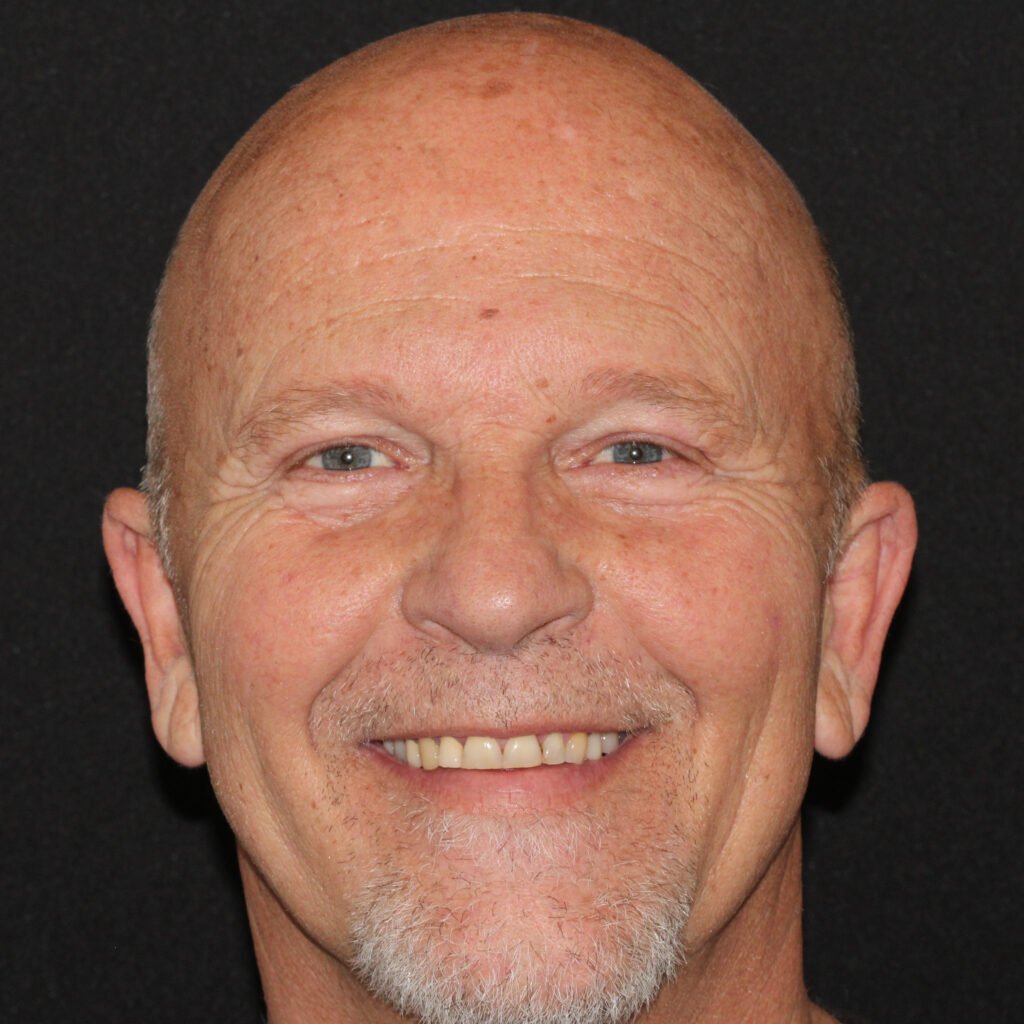

Select From The Following Options to Learn More
Precision. Stability. Esthetics.
The Core of Implant Dentistry.
Implant dentistry is the discipline of replacing missing teeth with precision-engineered titanium or ceramic roots that bond directly to the jawbone. By rebuilding both form and function, implants restore chewing strength, preserve facial structure, and prevent the bone loss that naturally follows tooth loss.
At Smile Science Dental Spa in Glendale, AZ, implant dentistry is not just a procedure. It is a carefully planned, technology-driven process. Every treatment begins with digital imaging, 3D planning, and esthetic design to create restorations that look natural and perform for decades.
From a single missing tooth to a full-arch transformation, our team delivers personalized, predictable outcomes with options that include same-day teeth, zirconia bridges, and advanced surgical solutions.
- Permanent Tooth Replacement:Dental implants act as stable, long-term anchors that mimic natural tooth roots, creating a strong foundation for crowns, bridges, or full-arch restorations.
- Preservation of Bone and Facial Structure: Implants stimulate the jawbone, preventing the bone loss and facial collapse that typically follow tooth loss.
- Improved Function and Confidence: A secure, natural-feeling bite makes it easier to speak, chew, and smile without worry.
- Enhanced Aesthetics: Modern implant restorations are designed to blend seamlessly with surrounding teeth for a natural look.
- Treatment Versatility: Options range from replacing a single missing tooth to complete smile rehabilitation with full-arch solutions.
- Long-Term Stability: With proper care and maintenance, implants can last decades, providing a stable and predictable foundation for oral health.
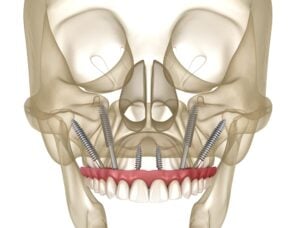
All-on-4 dental implants provide a revolutionary solution for those looking to restore their smile and dental function efficiently and effectively. This procedure represents a significant advancement in dental care, offering hope and improved quality of life for many. Even if you don’t need a full-arch restoration, you can benefit from our single or multi-tooth dental implants in Glendale, AZ for individual tooth replacement.
Typical All-on-4® Timeline
4–6 Months Start to Finish
Consultation & CBCT
Assess candidacy and plan your smile.
A 3D CBCT scan helps us evaluate bone levels, review goals, and outline treatment options.
Pre-Treatment Planning
Designing a precise outcome.
We finalize your plan, take impressions, and map implant placement using digital planning.
Surgical Placement
Placing the foundation for your smile.
Implants are placed into the jawbone. Many patients leave with a temporary restoration the same day.
Healing and Integration
Creating lasting stability.
Implants fuse with the jawbone during healing, supported by follow-up visits.
Healing Period
Allow 3-6 months for osseointegration, where the implants bond with the jawbone.
During this time you’ll wear your secure provisional bridge.
Final Restoration
Function and esthetics restored.
A custom crown, bridge, or full-arch prosthesis is placed for a strong, natural look.
Maintenance and Follow-Up
Protecting your investment.
Regular check-ups and cleanings keep your implants healthy long term.
Consultation & CBCT
Assess candidacy and plan your smile.
A 3D CBCT scan helps us evaluate bone levels, review goals, and outline treatment options.
Pre-Treatment Planning
Designing a precise outcome.
We finalize your plan, take impressions, and map implant placement using digital planning.
Surgical Placement
Placing the foundation for your smile.
Implants are placed into the jawbone. Many patients leave with a temporary restoration the same day.
Healing and Integration
Creating lasting stability.
Implants fuse with the jawbone during healing, supported by follow-up visits.
Healing Period
Allow 3-6 months for osseointegration, where the implants bond with the jawbone.
During this time you’ll wear your secure provisional bridge.
Final Restoration
Function and esthetics restored.
A custom crown, bridge, or full-arch prosthesis is placed for a strong, natural look.
Maintenance and Follow-Up
Protecting your investment.
Regular check-ups and cleanings keep your implants healthy long term.
Why Patients Choose Smile Science for Implants
A Fully Digital Implant Workflow
From the first scan to the final restoration, our implant dentistry process is entirely digital. This level of precision improves fit, reduces treatment time, and eliminates the need for messy impressions.
Advanced Digital Design and Planning
Our team uses Exocad, DTX Studio, and Blue Sky Bio to design every case. Digital planning allows for guided surgery, predictable results, and superior esthetics.
A Calming, Spa-Like Environment
Our office was designed to feel nothing like a dental clinic. Patients relax in leather massage chairs with heat, watch ceiling-mounted TVs, and enjoy noise-canceling headphones, weighted blankets, and warm scented towels.
Comprehensive Clinical Support
We offer neuromodulator therapy for patients with significant bruxism or muscular overloading. In many cases, this improves outcomes and expands treatment options for patients who might otherwise not be good implant candidates.
A Personalized Experience
We do not run a high-volume “conveyor belt” implant center. Our team takes the time to know each patient, build trust, and deliver treatment in a calm, supportive setting.
Designed for Patient Comfort
Every detail is intentional, from filtered, scent-free air to private operatories and a soothing aesthetic. Our environment helps patients feel at ease before, during, and after treatment.
Comfort and Comprehensive Care
Our team offers every level of sedation, from minimal to general anesthesia. We are phlebotomy trained and provide PRF and PRP to enhance healing and long-term success.
Precision Manufacturing In-House
We mill zirconia and e.max restorations on a PlanMeca 60S 5-axis mill, then fire them in an Ivoclar CS6 furnace for strength and beauty. Our SprintRay Pro 2S printer, curing basin, and wash system allow same-day prosthetic production.
World-Class Imaging and Scanning
We use the latest intraoral scanners including Trios 5, iTero Lumina, and Emerald S, along with the Micron Mapper for photogrammetry. A Kavo OP 3D CBCT and Dexis Titanium sensors provide ultra-detailed 3D imaging.
Advanced Case Capability
We treat everything from single-tooth implants to complex zygomatic and pterygoid cases. We also perform revision work for patients with failing prostheses placed elsewhere, including international cases.
Technology & Innovation
A Fully Digital Implant Workflow
From the first scan to the final restoration, every step of your implant treatment is completed using digital technology. This improves fit, reduces treatment time, and enhances precision.
Comprehensive Sedation and Comfort
We provide all levels of sedation, from minimal to general anesthesia, for a calm and safe patient experience. Our team is phlebotomy trained and offers PRF and PRP to support faster healing and long-term success.
Precision Digital Planning
Our planning software includes Exocad, DTX Studio, and Blue Sky Bio. These tools allow for guided implant placement, customized prosthetic design, and predictable outcomes.
In-House Fabrication
We mill zirconia and e.max on a PlanMeca 60S 5-axis mill and finish in an Ivoclar CS6 furnace. Our SprintRay Pro 2S printer with curing basin and wash enables same-day provisional restorations and efficient full-arch workflows.
Complex Case Expertise
Our team treats a full spectrum of cases, including single implants, full-arch rehabilitation, and zygomatic and pterygoid anchorage. We also manage revision cases from other offices and international treatments.
Advanced Imaging and Scanning
We use the latest intraoral scanners, including Trios 5, iTero Lumina, and Emerald S, along with Micron Mapper for photogrammetry. Our Kavo OP 3D CBCT and Dexis Titanium sensors deliver clear, detailed imaging for surgical planning.
Advanced Implant Solutions for Every Patient
We provide custom solutions designed for long-term function
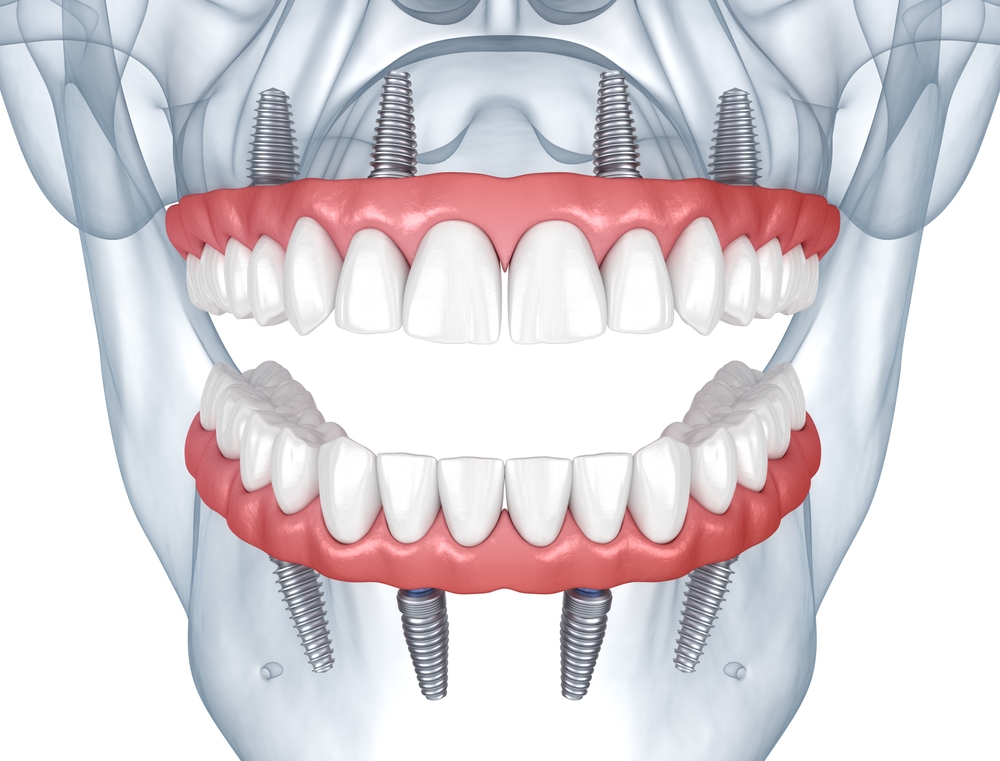
All-on-4® Dental Implants
Transform your smile with a fixed full-arch solution supported by just four dental implants
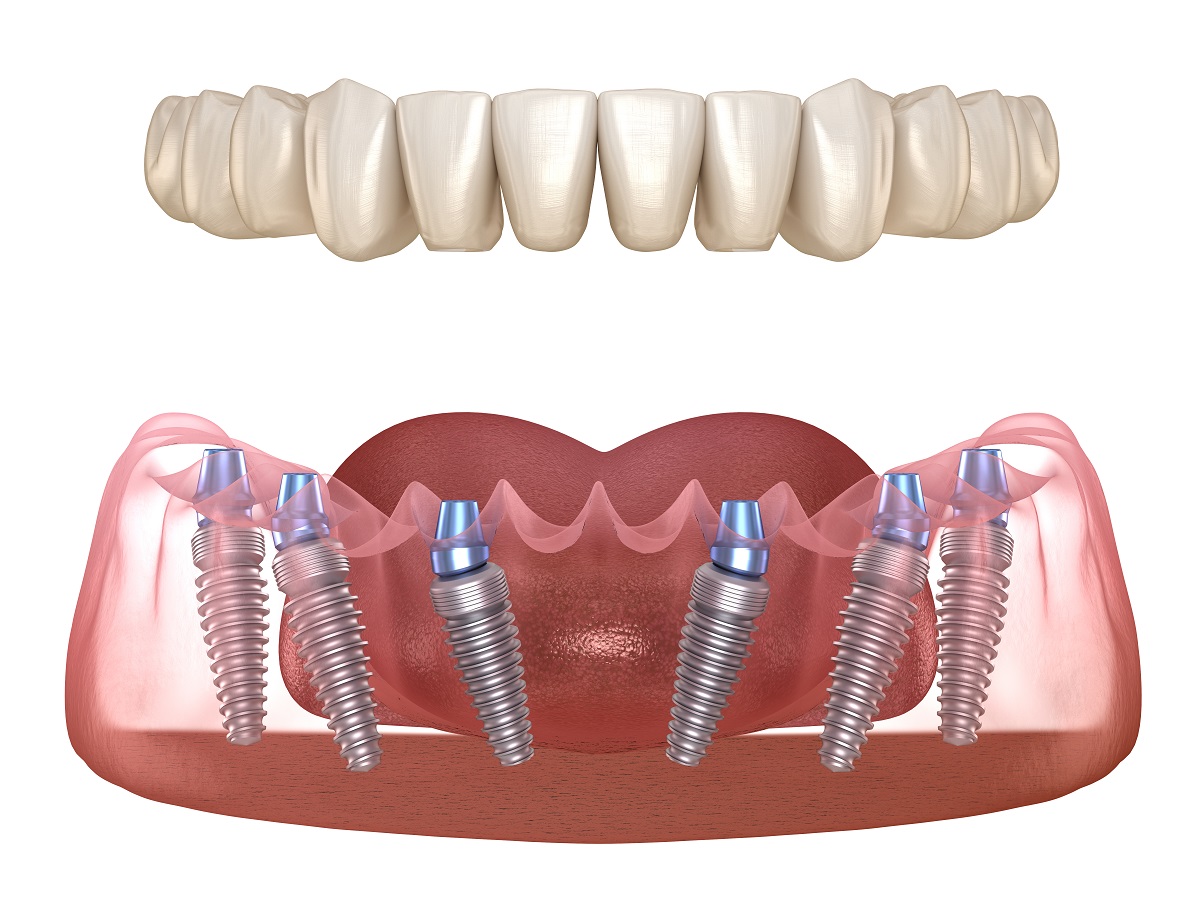
All-on-6 Dental Implants
A stable and durable option for patients who need additional implant support for long-term function.
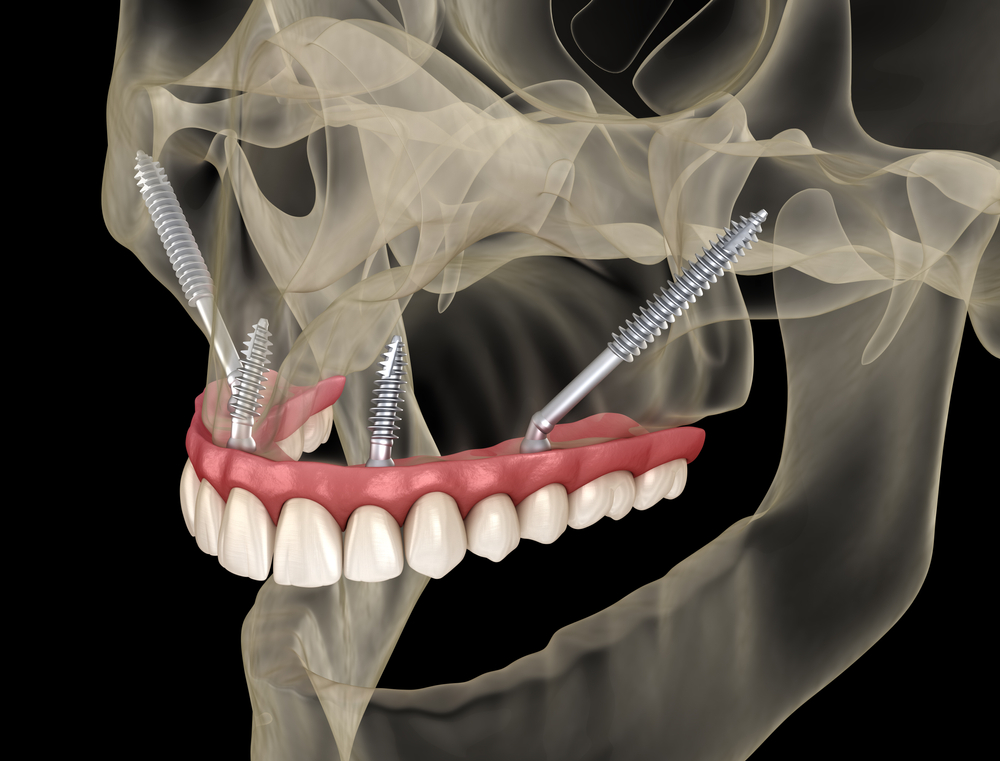
Zygomatic & Pterygoid Implants
Advanced full-arch solutions for patients with severe bone loss or failed grafting, performed in-house by experienced clinicians.
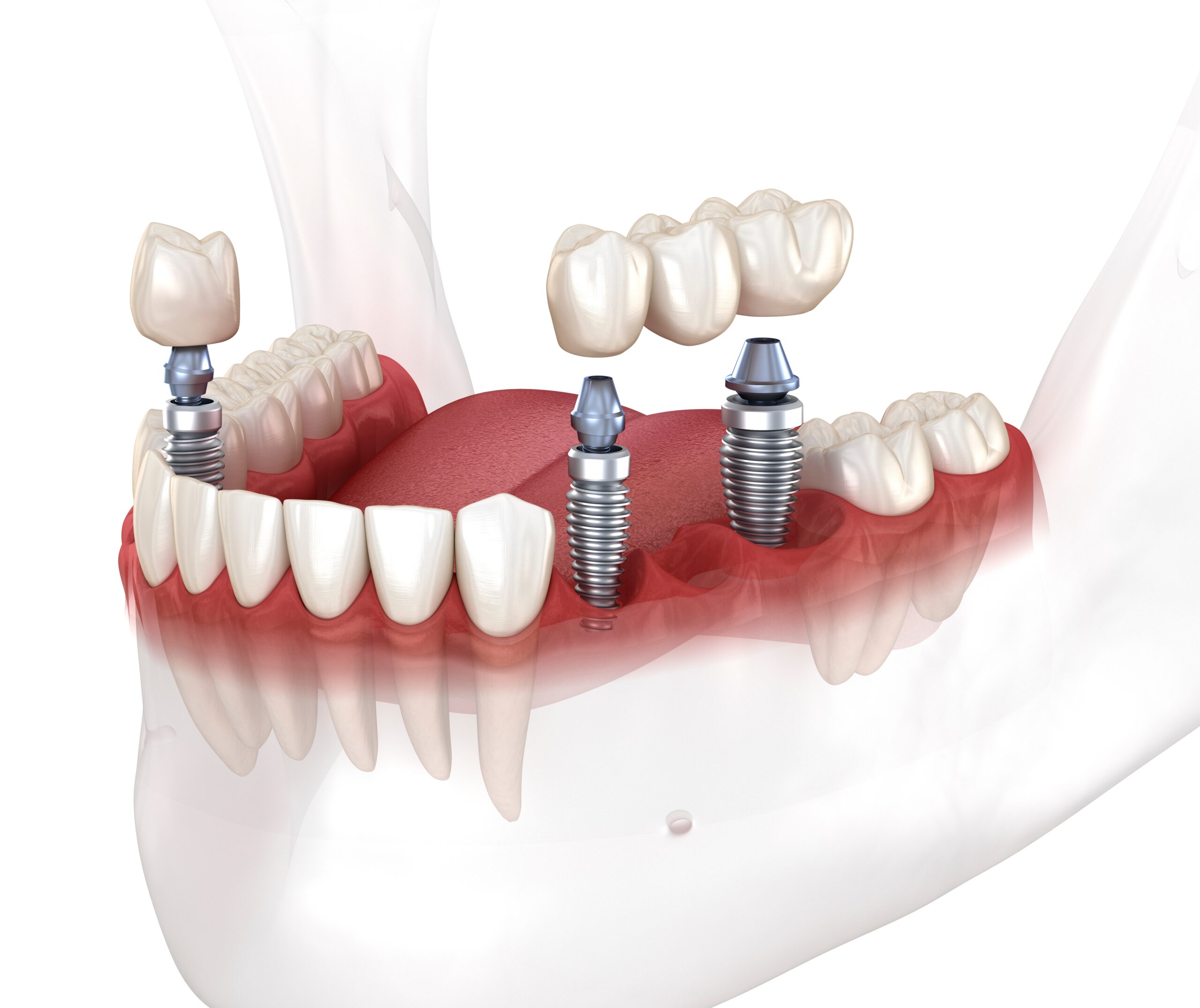
Single Dental Implants
A precise and natural-looking replacement for a single missing tooth, designed for long-term stability and esthetics.

Implant Bridges
Replace multiple missing teeth with a fixed implant-supported bridge that restores strength, function, and natural appearance.
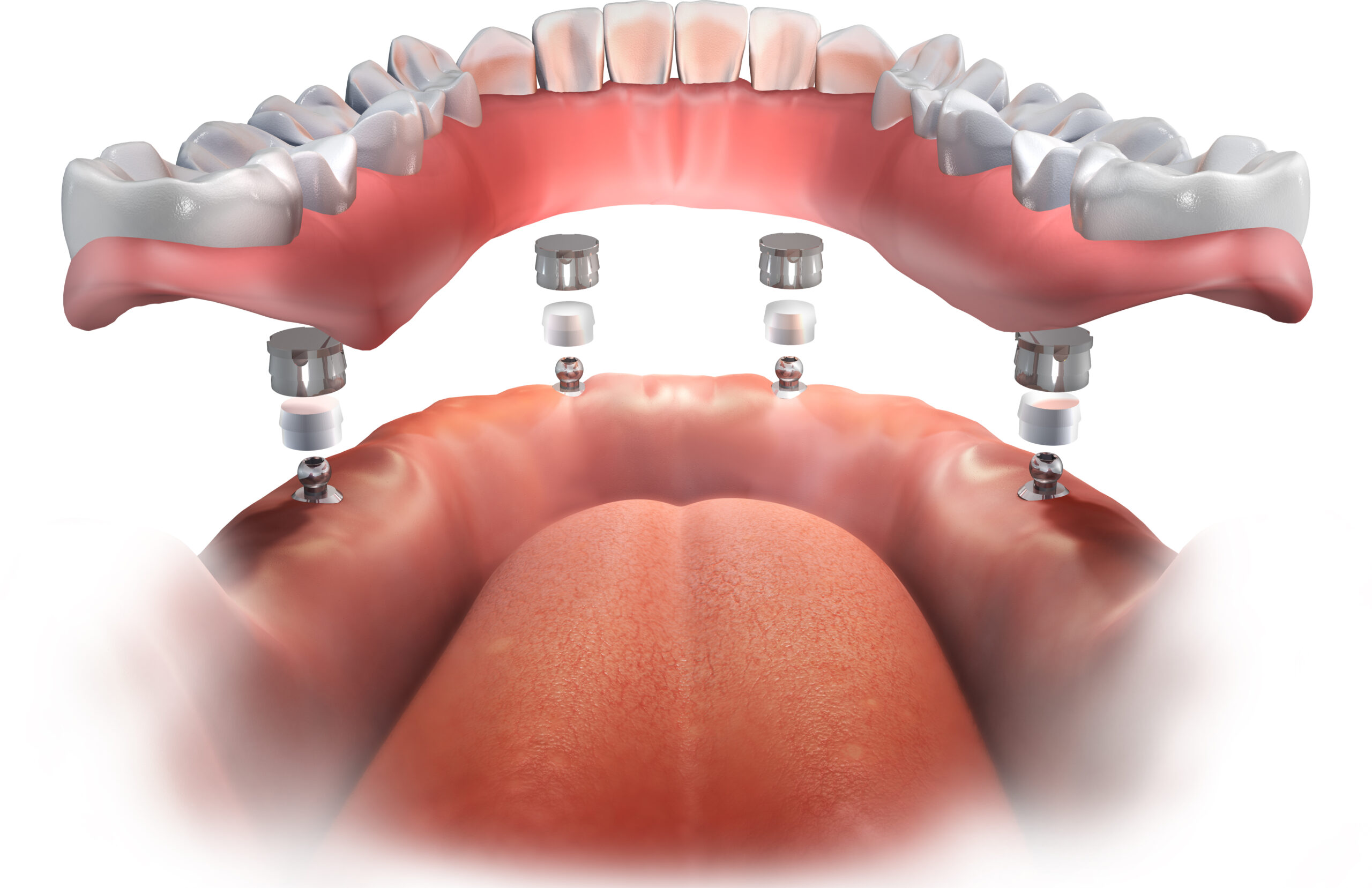
Snap-in Dentures
Removable overdentures that snap onto dental implants for a secure fit and improved comfort compared to traditional dentures.
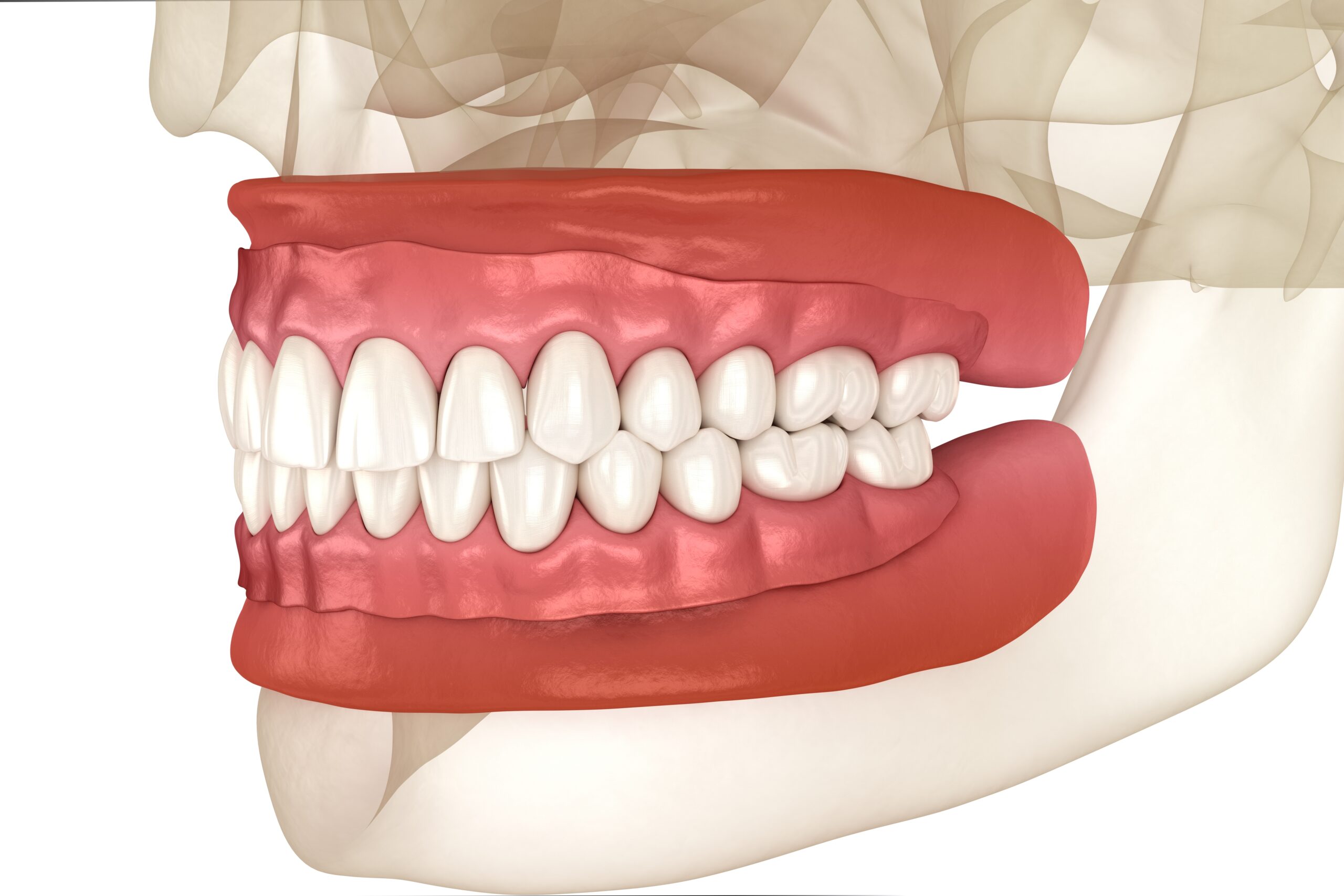
Full Dentures
Custom-designed dentures for patients who prefer or require removable solutions, with the option to upgrade to implant support later.
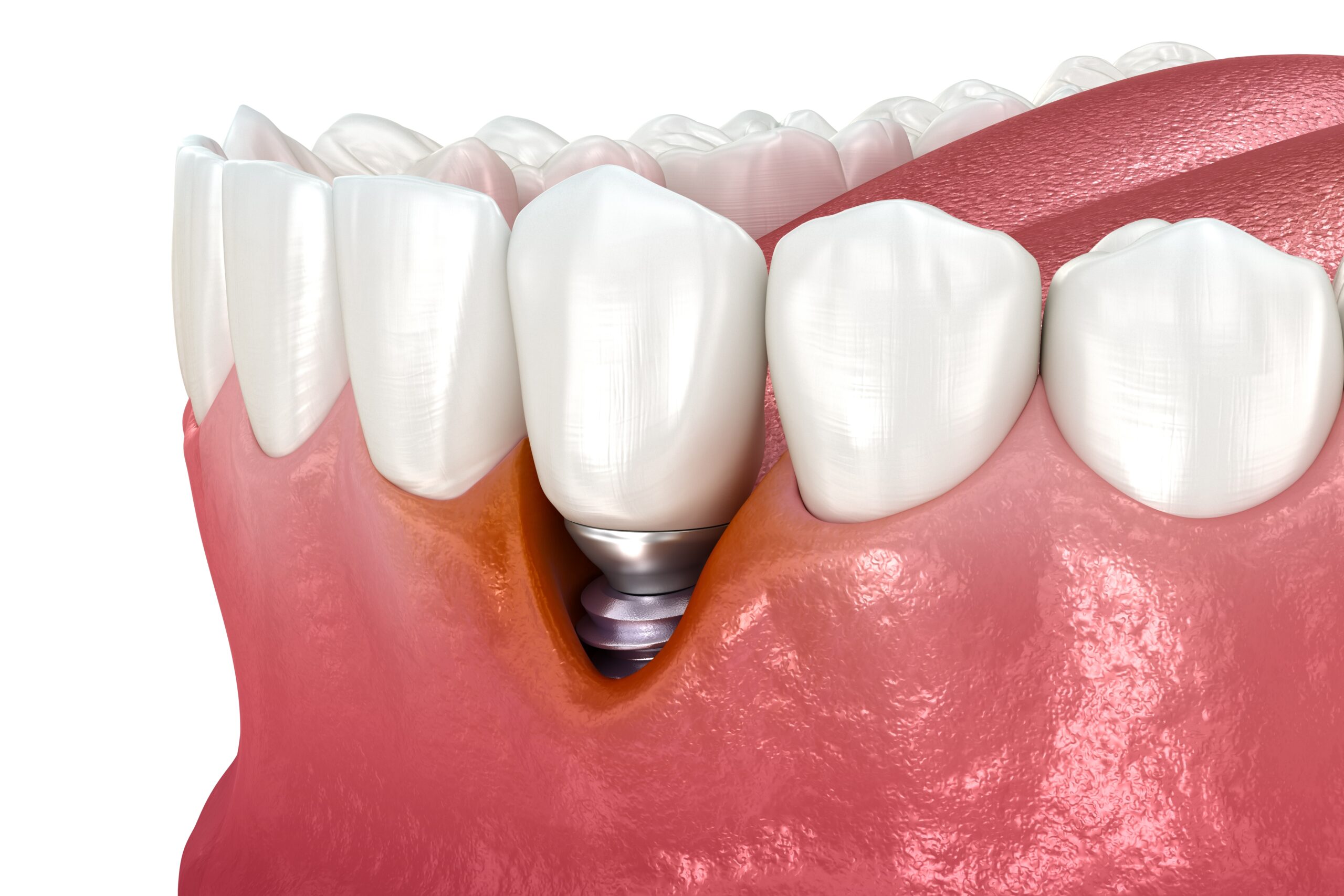
Peri-Implantitis Treatment
Comprehensive diagnosis and treatment for peri-implant disease, preserving existing implants and supporting long-term health.
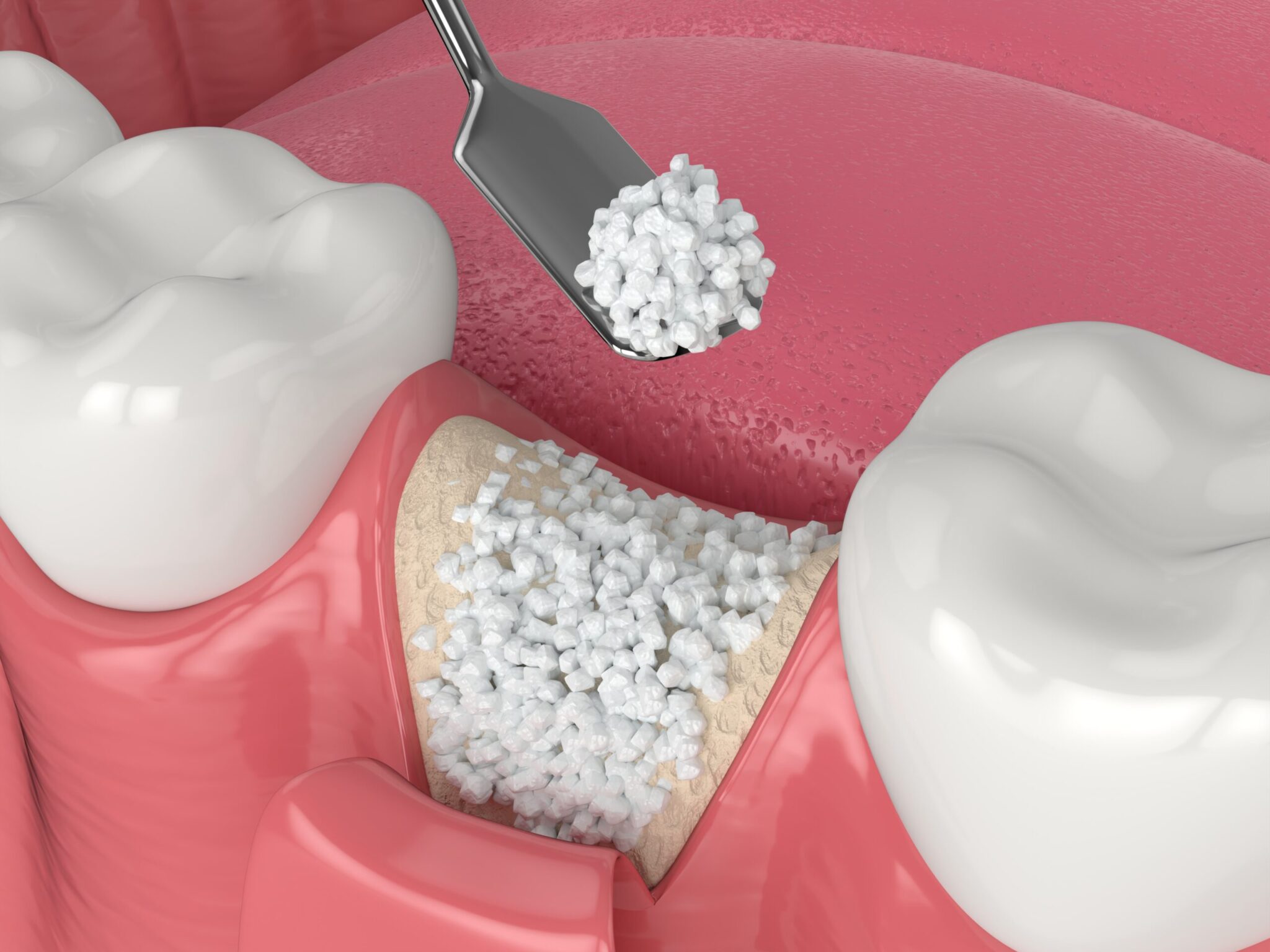
Hard & Soft Tissue Grafing
Comprehensive diagnosis and treatment for peri-implant disease, preserving existing implants and supporting long-term health.
Are you a Candidate for Implant Dentistry?
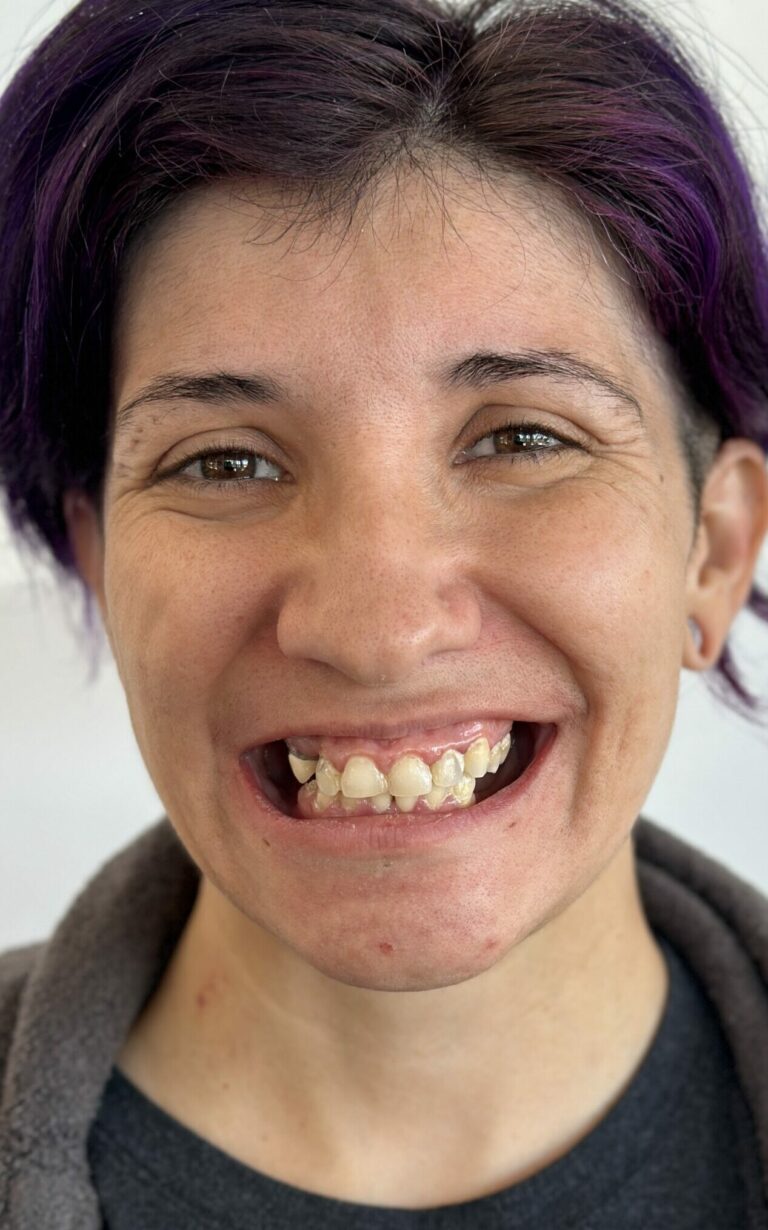
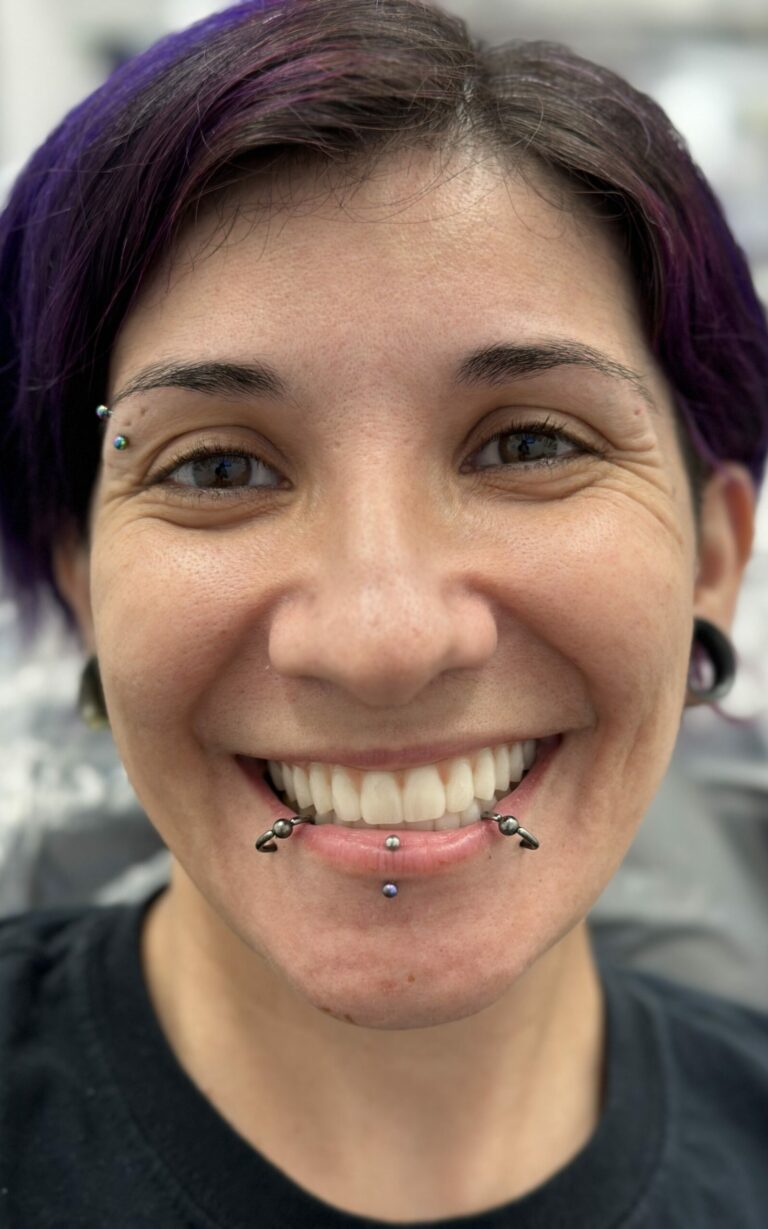
Many patients assume they are not eligible for implants because of age, bone loss, or dentures. At Smile Science, we take a comprehensive, patient-centered approach to care. Every case is carefully evaluated and planned, from single implants to full-arch reconstructions, so even patients who were once told they were not candidates can often receive treatment.
Our team is also a trusted destination in Glendale, Arizona for complex revision cases, including failed or compromised work completed elsewhere or internationally, restoring function, esthetics, and confidence with advanced digital techniques.
- Missing one or more teeth and looking for a long-term solution.
- Dissatisfied with dentures that slip, hurt, or reduce chewing ability.
- Good general health and committed to oral hygiene and follow-ups.
- Sufficient bone or willing to consider bone grafting or advanced anchorage.
- Willing to attend a consult with CBCT scan and digital planning.
Start your FREE Consultation
Free consultations include same-day CBCT scan, photography, & treatment planning.
Transparent Pricing. Flexible Financing.
Investing in dental implants is investing in your health, function, and confidence. At Smile Science Dental Spa, we believe pricing should be clear, fair, and tailored to you. Below you’ll find starting-prices for our most popular implant services, along with simple payment options designed to make treatment accessible.
| Treatment | Starting Price | Includes |
|---|---|---|
| Single Dental Implant | From $2,995 | Extraction, bone graft, implant body, abutment, and crown |
| Implant Bridge (3-unit) | From $5,995 | Two implants + abutments + 3-unit bridge |
|
Snap-in Dentures
2-implant (lower) |
From $5,995 | Two implants + snaps + denture (extractions extra) |
|
Snap-in Dentures
4-implant (lower) |
From $8,995 | Four implants + snaps + denture |
|
All-on-4® Full-Arch
PMMA Final |
$10,999 (single arch) | Extraction, bone graft, implants, hybrid PMMA bridge (bundle) |
|
All-on-4® Full-Arch
(Zirconia final) |
$14,999 | Extraction, bone graft, implants, hybrid monolithic zirconia bridge (bundle) |
* These are starting cash prices. Final treatment plans may vary according to your anatomy, choices, and any additional procedures.
* Membership and sedation options available; ask us for details.
Financing & Membership Options
We work with trusted lenders so you can choose a monthly payment that fits your budget. All applications are quick, done online, and many offer a soft credit check to see options first. Approval and terms are subject to each lender.
Cherry
Simple monthly payments with a fast, mobile-first application.
Soft credit check to preview options in most cases.
Good fit for small to mid-size treatments, add-on procedures, and phased care.
Patients like the clear terms and quick decisions at checkout.
Proceed Finance
Designed for larger treatment plans such as full-arch or complex cases.
Longer terms and fixed monthly payments help keep costs predictable.
Prequalification available, then a full application if you like the offer.
Funds are directed to your treatment so scheduling is straightforward.
CareCredit
A dedicated health and wellness credit card you can use here and at other providers.
Promotional financing on qualifying purchases, plus convenient use for future hygiene visits or emergencies.
Useful if you want one line of credit for ongoing dental care, not just a single procedure.
Sunbit
Fast approvals with a simple application and clear monthly payments.
Often a good option for patients across a wide range of credit profiles.
Works well for everyday dentistry and implant-related visits alike.
Many patients appreciate the straightforward terms and quick checkout.
How to choose
Smaller or mid-size treatments: Cherry or Sunbit.
Full-arch or larger cases: Proceed Finance.
Ongoing care and flexibility across providers: CareCredit.
Next step
Ask us to text or email the prequalification links, or start in office. We will walk you through each option and help you select the plan that fits your timeline and budget.
Transparent Pricing. Exceptional Value.
We are not the cheapest option in Arizona — and for good reason. We invest in advanced technology, skilled clinicians, and long-lasting materials to ensure your dental implants are done right, the first time.
Our in-house lab eliminates unnecessary markups.
We handle complex cases entirely in-house, saving you time and extra costs.
You’ll receive a clear, itemized treatment plan before treatment begins.
No hidden fees, no surprises, just honest pricing and exceptional care.
Insurance & Payment Transparency
Dental implant coverage can be confusing, but we keep it simple. We’ll review your insurance benefits during your consultation and provide a clear breakdown of what is and isn’t covered — before treatment begins.
Some plans cover parts of related procedures like grafting or dentures
Certain plans offer partial reimbursement for implants
Complete estimates and out-of-pocket costs are provided upfront
We file claims on your behalf and help maximize your benefits
Schedule your free implant consultation online, or call us any time:
Life-Changing Results
Smile transformations from our actual patients
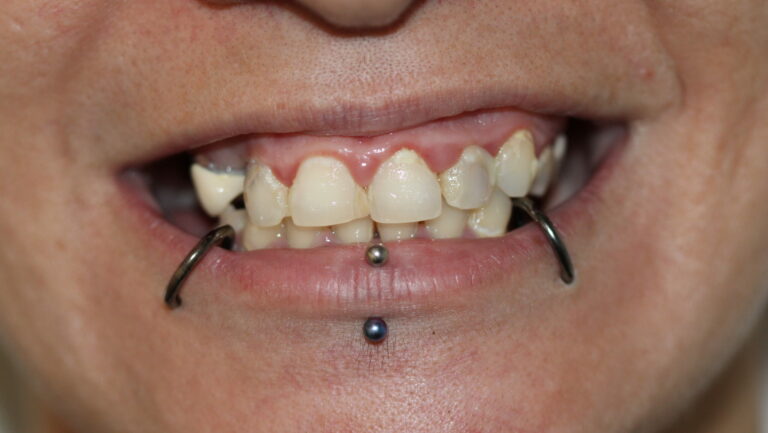
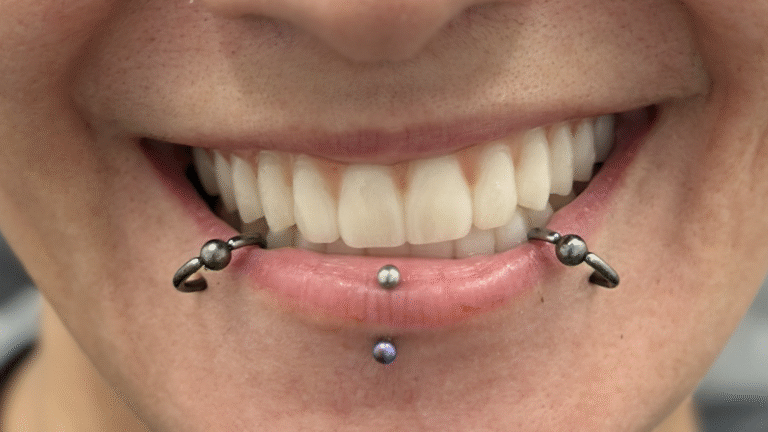
All-on-4® with monolithic zirconia upper and lower.
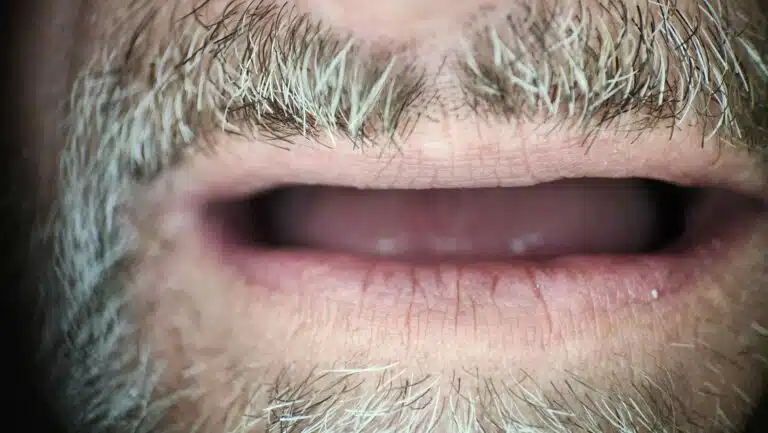
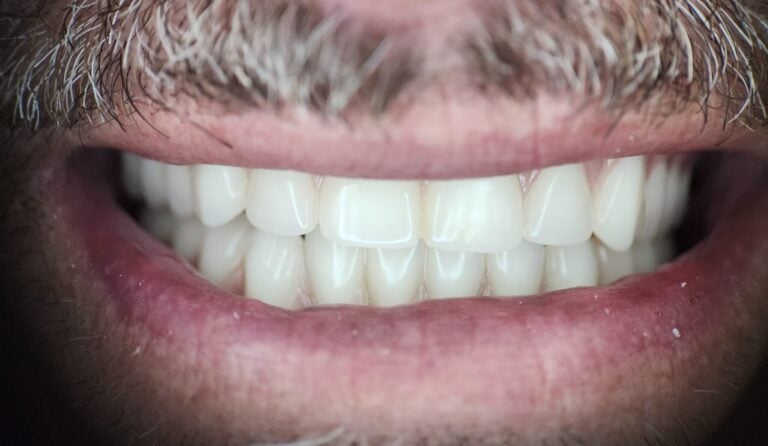
Snap-in acrylic implant overdentures.
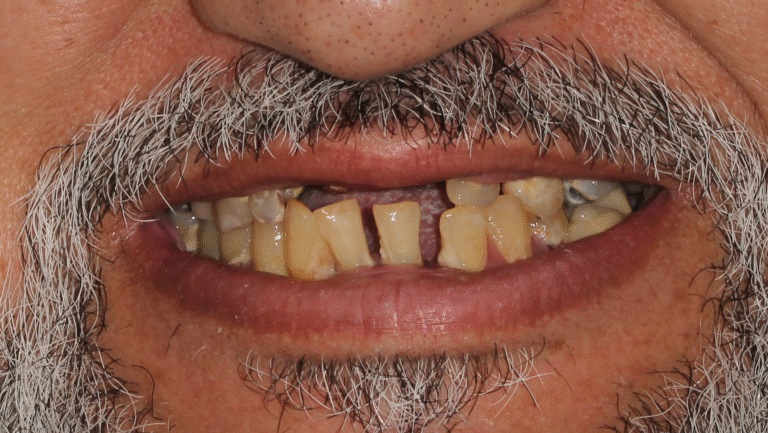
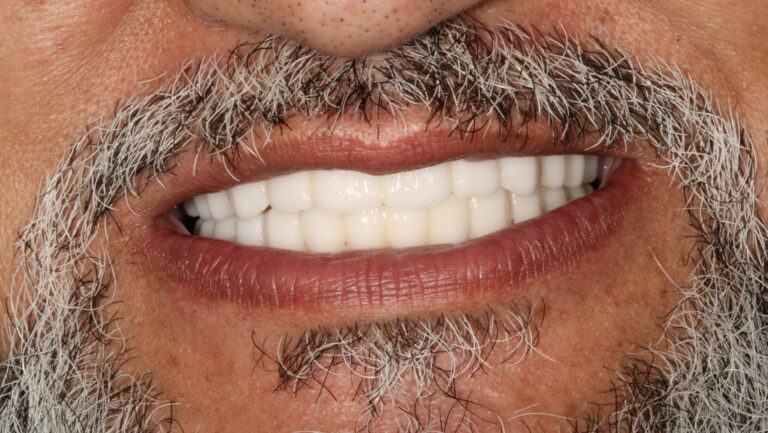
All-on-6 with zygomatic and pterygoid implants with zirconia on titanium.
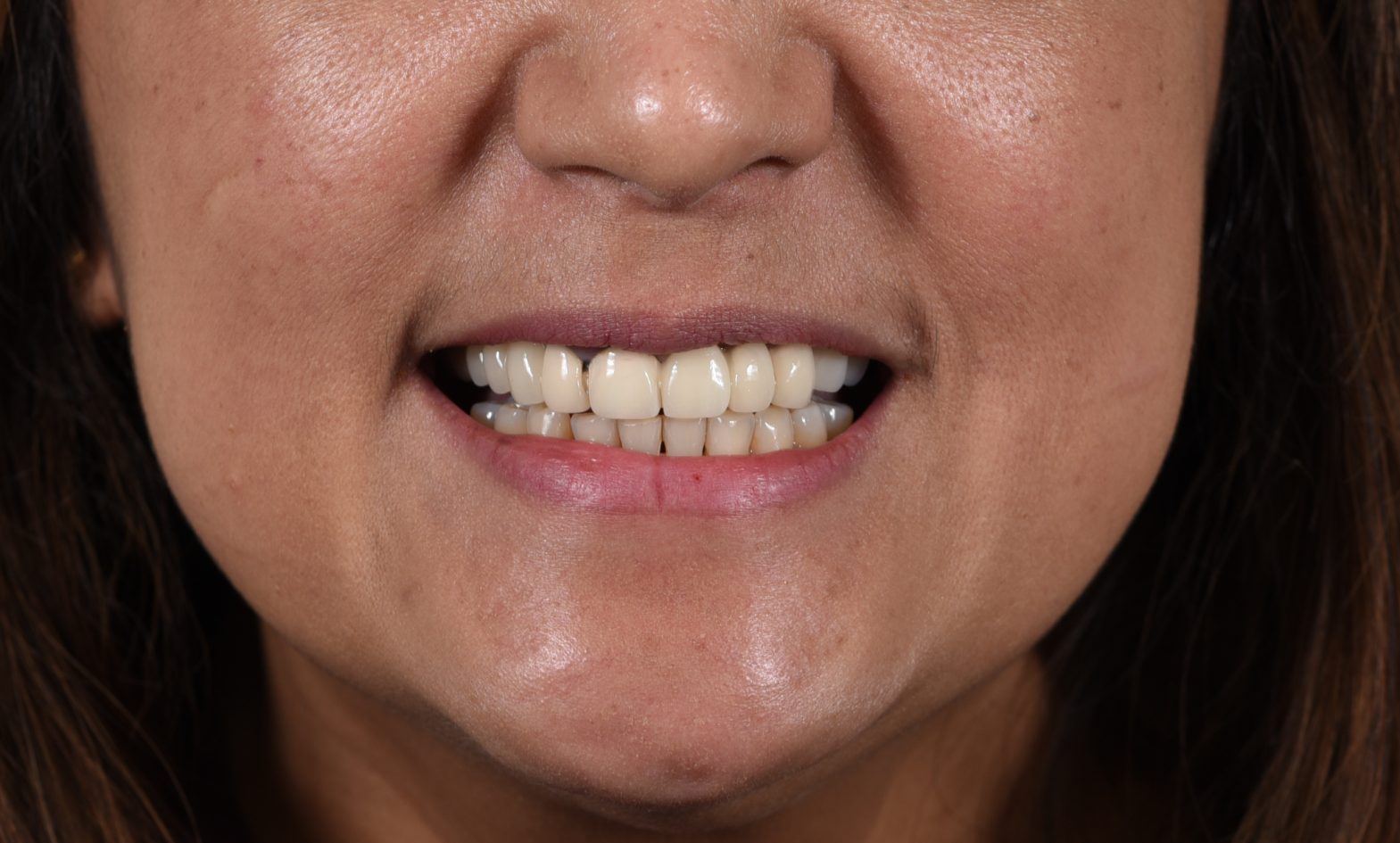
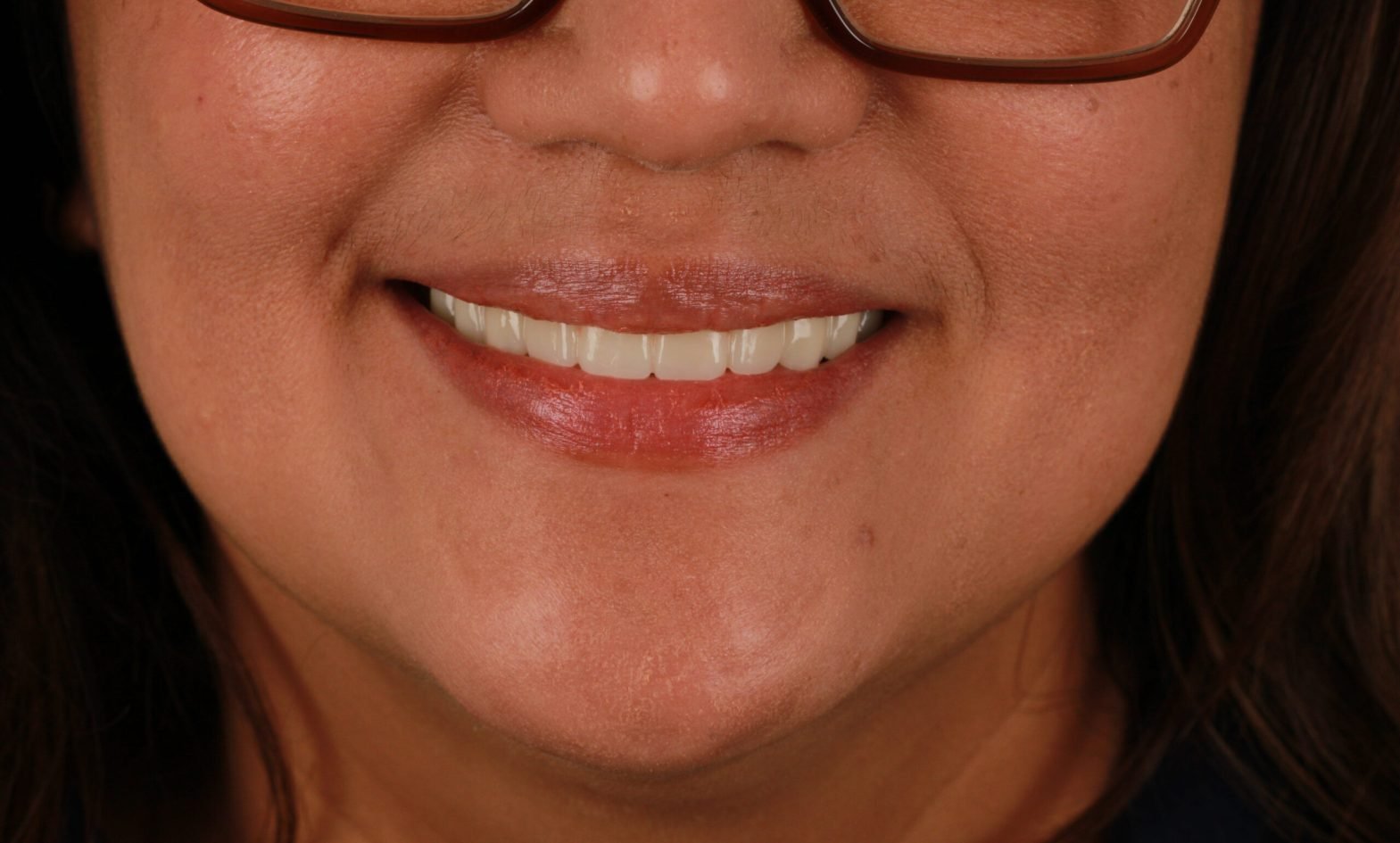
All-on-4® with monolithic zirconia upper prosthesis.
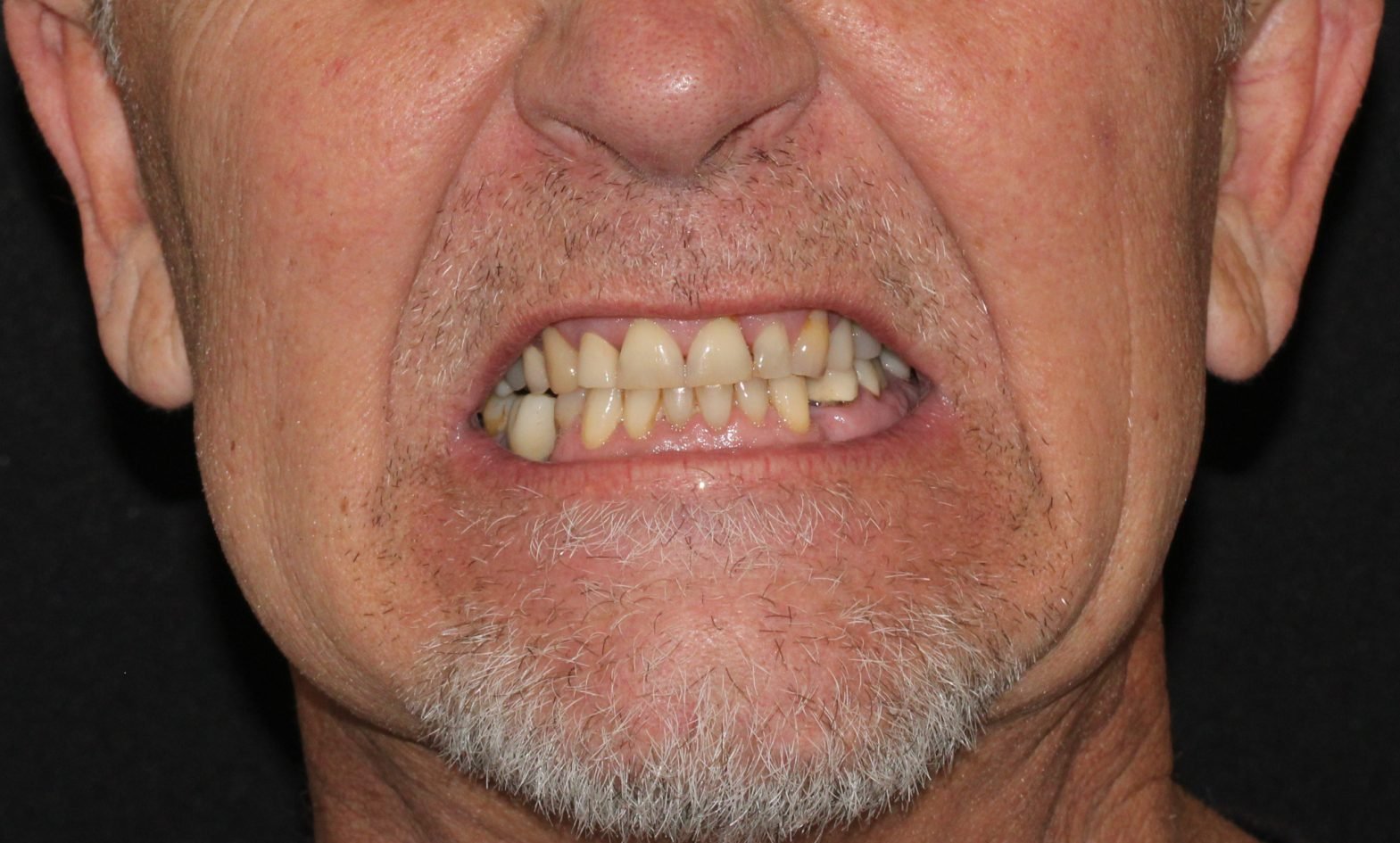
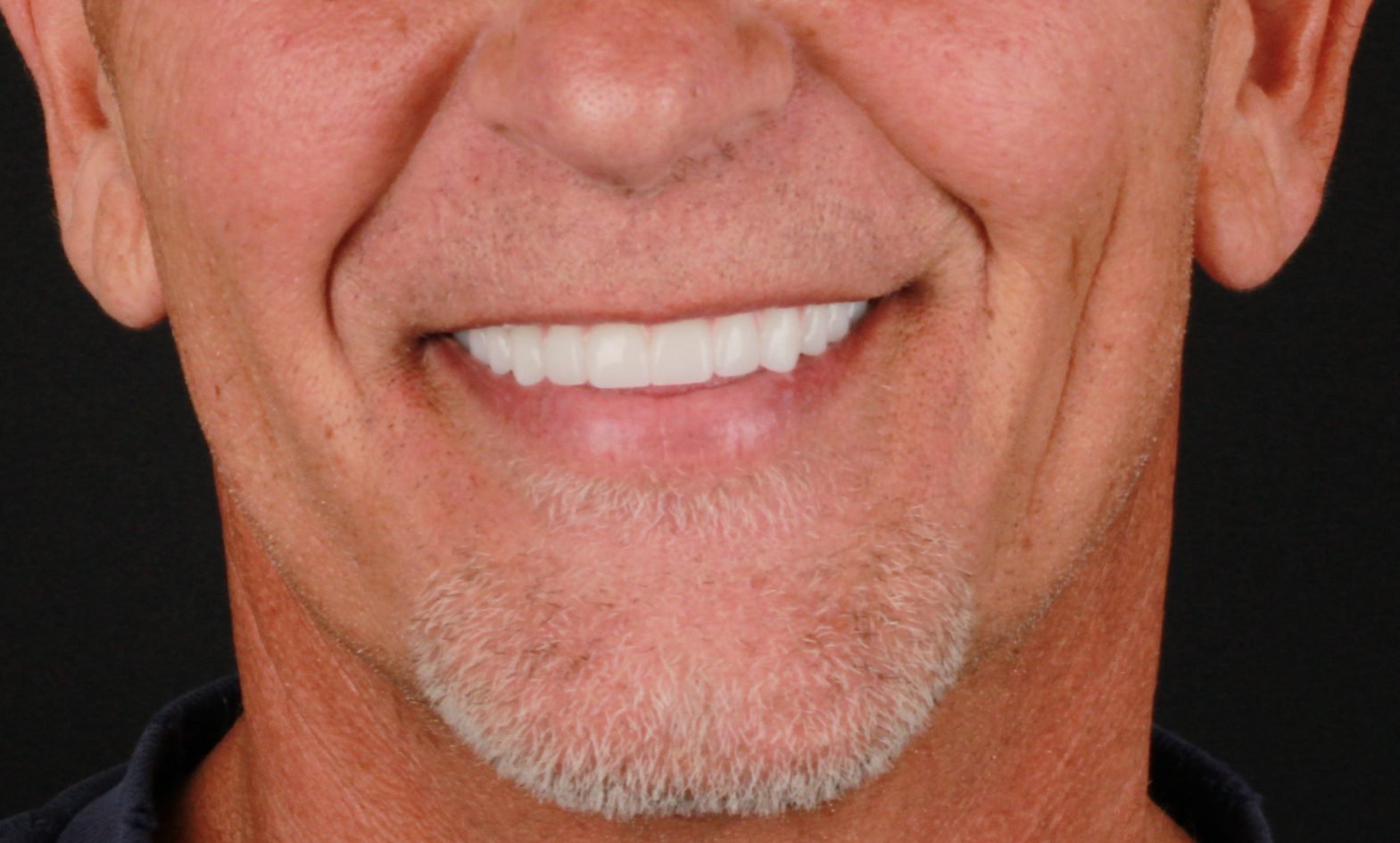
All-on-4® with monolithic zirconia upper and lower.
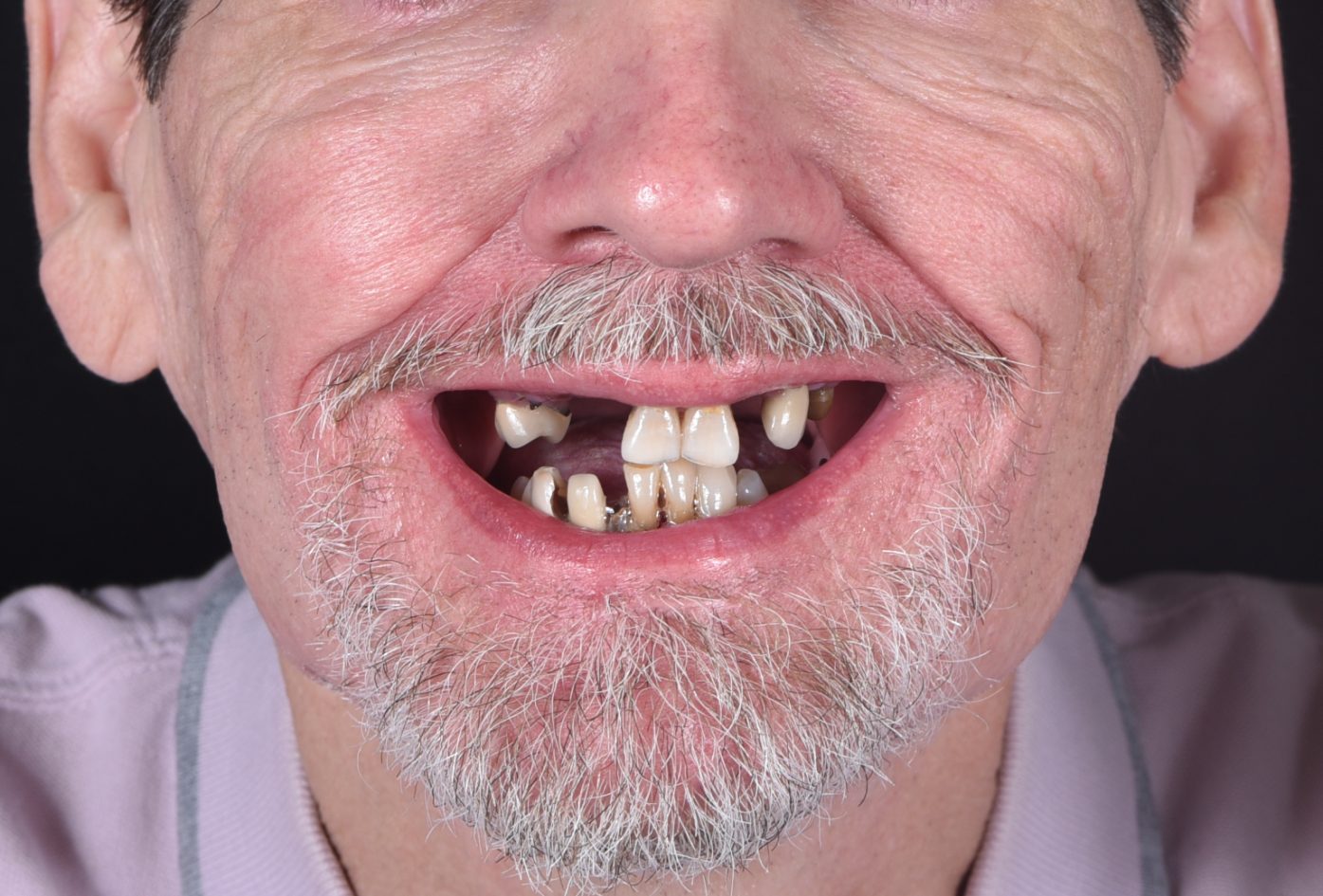
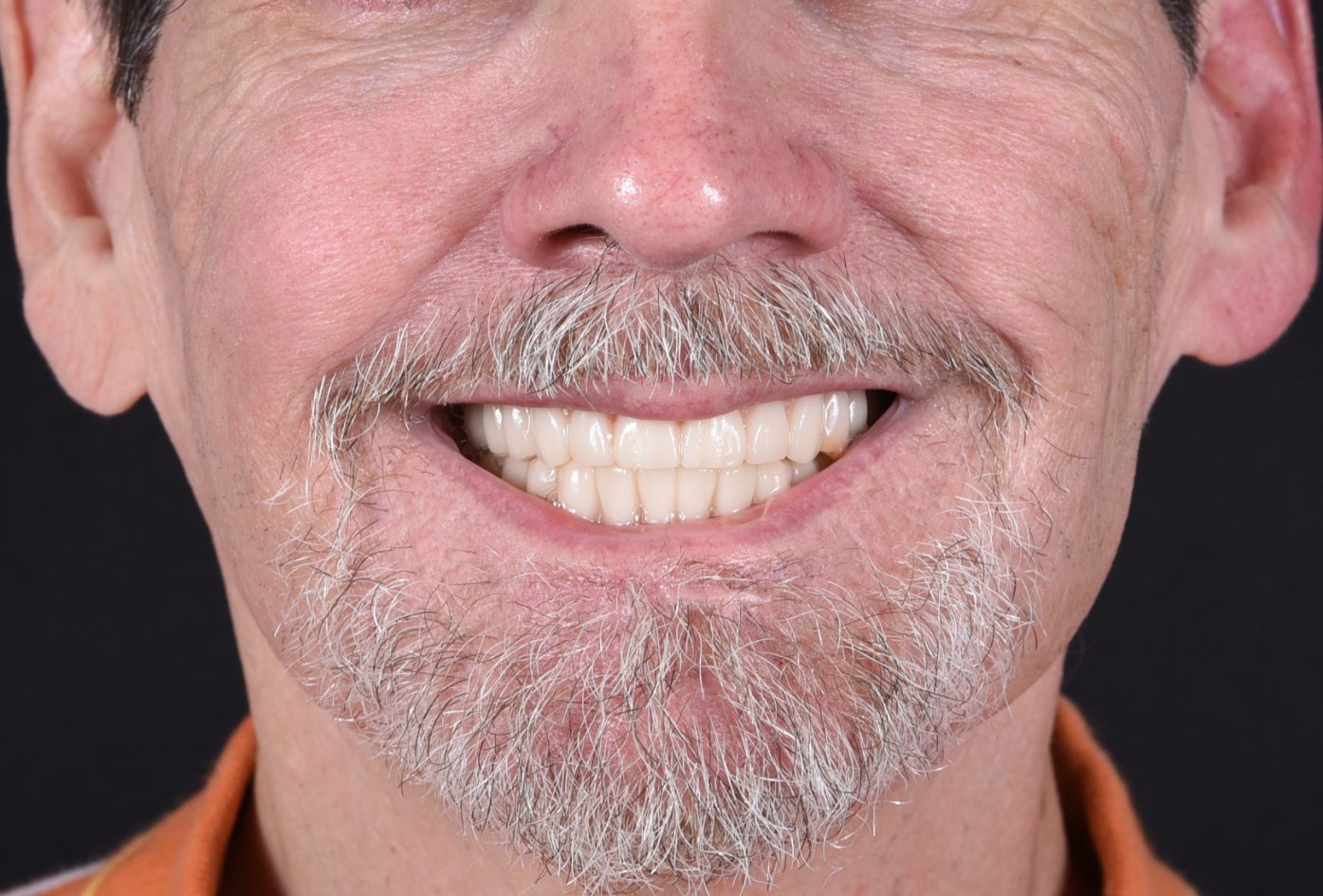
All-on-6 with zygomatic and pterygoid implants upper, all-on-4® lower, with monolithic zirconia.
Your surgery day at a glance
Check-in & Final Review
~30 minutes
We confirm your medical history and consent forms, verify your customized plan, and take any final photos/scans. You’ll meet the surgical and prosthetic team, review expectations, and ask last-minute questions.
Anesthesia & Comfort
10-20 minutes
Based on your plan, we’ll use local anesthesia, oral sedation, or IV sedation. We monitor you throughout. You’ll be comfortable and won’t feel pain during the procedure.
Implant Placement
1-2 hours per arch
Using your CBCT and digital guide, we remove any non-restorable teeth (if needed), prepare the sites, and place 4–6 implants (tilted posterior implants if appropriate). We confirm primary stability and position for the future bridge.
Recovery from Anesthesia
20-30 minutes
You’ll rest in our recovery area until you’re stable, then head home with a responsible adult (no driving after oral/IV sedation for 24 hours). Expect grogginess if sedated; numbness from local anesthesia wears off in ~2–6 hours.
Provisional Try-in & Bite Check
30-60 minutes
We fit your same-day provisional (PMMA) or an immediate healing prosthesis, check your bite/occlusion, and make comfort/phonetic adjustments. If we’re doing upper + lower, we balance your bite so chewing forces are distributed evenly.
Post-Op Instructions & Kit
~15 minutes
You’ll receive written instructions, medication guidance, a soft-diet guide, and hygiene tips for the first weeks. We schedule your first check-in visit and answer any final questions.
Head Home!
Most patients leave the same day with a fixed provisional and a soft-diet plan while the implants integrate (you’ll still smile and speak normally).
Important: same-day delivery depends on start time, case complexity, implant stability, and in-house lab capacity. When same-day isn’t feasible, we deliver your provisional within 24–48 hours—you’ll never be left without teeth.
Check-in & Final Review
~30 minutes
We confirm your medical history and consent forms, verify your customized plan, and take any final photos/scans. You’ll meet the surgical and prosthetic team, review expectations, and ask last-minute questions.
Anesthesia & Comfort
10-20 minutes
Based on your plan, we’ll use local anesthesia, oral sedation, or IV sedation. We monitor you throughout. You’ll be comfortable and won’t feel pain during the procedure.
Implant Placement
1-2 hours per arch
Using your CBCT and digital guide, we remove any non-restorable teeth (if needed), prepare the sites, and place 4–6 implants (tilted posterior implants if appropriate). We confirm primary stability and position for the future bridge.
Recovery from Anesthesia
20-30 minutes
You’ll rest in our recovery area until you’re stable, then head home with a responsible adult (no driving after oral/IV sedation for 24 hours). Expect grogginess if sedated; numbness from local anesthesia wears off in ~2–6 hours.
Provisional Try-in & Bite Check
30-60 minutes
We fit your same-day provisional (PMMA) or an immediate healing prosthesis, check your bite/occlusion, and make comfort/phonetic adjustments. If we’re doing upper + lower, we balance your bite so chewing forces are distributed evenly.
Post-Op Instructions & Kit
~15 minutes
You’ll receive written instructions, medication guidance, a soft-diet guide, and hygiene tips for the first weeks. We schedule your first check-in visit and answer any final questions.
Head Home!
Most patients leave the same day with a fixed provisional and a soft-diet plan while the implants integrate (you’ll still smile and speak normally).
Important: same-day delivery depends on start time, case complexity, implant stability, and in-house lab capacity. When same-day isn’t feasible, we deliver your provisional within 24–48 hours—you’ll never be left without teeth.
Learn More About Implant Dentistry

Dental Implants Scottsdale
Discover expert dental implants in Glendale, AZ, designed to restore your smile and confidence. Schedule a consultation with Smile Science Dental Spa today.
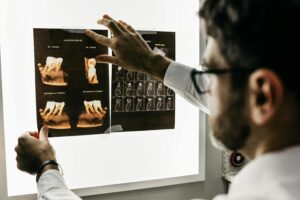
Dental Implants Phoenix
Discover high-quality Phoenix dental implants at Smile Science in Glendale, AZ, and restore your smile with our expert care and personalized solutions.
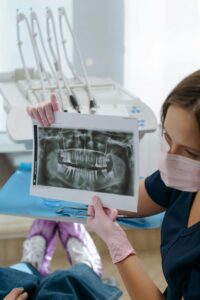
Dental Implants Before & After
Discover the stunning transformations of dental implants before and after treatment at Smile Science Dental Spa in Glendale, AZ.
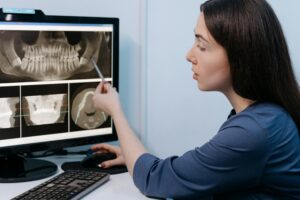
Dental Implant Costs & Financing
Discover the factors influencing dental implant costs in Glendale, AZ, and explore financing options to achieve your perfect smile.
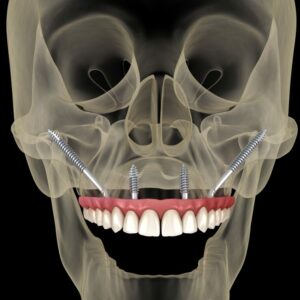
Zygoma Implants: A Definitive Guide
Zygoma implants, a groundbreaking development in dental technology, are changing lives for those who thought dental implants were out of reach. Traditional dental implants require a healthy, strong jawbone to
Zygomatic Implants: The Superior Solution for Complex Dental Needs
Zygomatic implants are a unique type of dental implant, and they’re not something you hear about every day. These are special because they’re designed for situations where regular dental implants
Frequently Asked Questions
What are dental implants?
Dental implants are small, titanium posts that are surgically placed into the jawbone beneath the gum line. They serve as a stable foundation for supporting artificial teeth, including crowns, bridges, and dentures. Dental implants are designed to mimic the root of a natural tooth, providing a strong and durable solution for tooth replacement that can last a lifetime with proper care.
What is the downside of dental implants?
Dental implants require surgery, healing time, and healthy bone for long-term success. While complications are rare, they can include infection, implant failure, or additional procedures like grafting. Implants also require a financial investment, though their longevity often makes them more cost-effective than other options.
How much do dental implants cost?
A single dental implant at Smile Science starts at $2,995. Full-arch solutions such as All-on-4 begin at $10,999. Total cost depends on how many teeth are being replaced, whether bone grafting is required, and the type of final restoration. Transparent pricing and financing options are available to help make treatment accessible.
How painful is a dental implant?
Most patients describe the procedure as far more comfortable than expected. Sedation options are available, and discomfort afterward is typically mild and manageable with over-the-counter medication. Many patients return to normal activities within a few days.
How long do dental implants last?
With proper care and maintenance, dental implants can last decades and often a lifetime. The crown or bridge may need replacement after many years, but the implant itself can remain stable indefinitely with good hygiene and regular checkups.
Who should avoid dental implants?
Most healthy adults qualify for implants. Patients with uncontrolled medical conditions, heavy smoking habits, or untreated gum disease may require additional care before treatment. A personalized consultation determines candidacy and treatment modifications if needed.
Are dental implants covered by insurance?
Most insurance plans do not fully cover dental implants but may cover related procedures like extractions, grafting, or dentures. Some plans offer partial reimbursement for implants. At Smile Science, we review your benefits during your consultation so there are no surprises.
Who is not a good candidate for dental implants?
People with insufficient bone, uncontrolled diabetes, immune disorders, or those who cannot undergo minor surgery may not be candidates without additional preparation. Bone grafting, zygomatic implants, or other techniques may make treatment possible even in complex cases.
What is a cheaper alternative to dental implants?
Removable dentures and partial dentures are less expensive options, but they often lack the comfort, function, and stability of implants. Snap-in dentures offer a middle ground, combining affordability with improved security.
What’s the worst part of getting dental implants?
For many patients, the idea of surgery is more intimidating than the actual experience. Mild soreness and a healing period are expected, but with sedation and good post-operative care, discomfort is minimal.
How long does it take to get dental implants?
A single implant can sometimes be restored the same day with a temporary tooth. Full healing and final prosthetics typically take three to six months. Full-arch cases often allow immediate load, meaning patients leave with teeth the same day.
Do they drill into your jaw for dental implants?
Yes, a small hole is precisely prepared in the bone to place the implant. This is done under local anesthesia or sedation and is typically painless. The implant then integrates naturally with the bone over time.
Can implants get cavities?
No, dental implants themselves do not decay. However, the surrounding gum tissue can develop inflammation or infection (peri-implantitis). Good oral hygiene and regular checkups are essential to keep implants healthy.
Are implants better than dentures?
For most patients, yes. Implants provide greater chewing power, stability, and comfort than removable dentures. They also help prevent bone loss in the jaw, something dentures cannot do.
What is the failure rate of dental implants?
Success rates are typically 95% or higher. Factors like smoking, medical conditions, or poor hygiene can increase the risk of failure, but proper planning and maintenance make complications uncommon.
What is the “dark side” of dental implants?
The “dark side” usually refers to poor outcomes from discount clinics or rushed treatment. Choosing experienced providers, advanced technology, and transparent planning significantly reduces these risks.
At what age are dental implants not recommended?
There is no strict upper age limit. What matters most is bone health and overall medical condition. Many of our patients are in their 60s, 70s, and beyond.
Can you get implants with no teeth?
Yes. Full-arch solutions like All-on-4 and zygomatic implants are designed for completely edentulous patients. In many cases, you can leave with fixed teeth the same day.
How long is the healing time for dental implants?
Most patients heal in 3–6 months depending on their case. Immediate load options allow you to wear temporary teeth while the implants integrate with the bone.
Can dental implants really be done in one day?
Yes. Many patients qualify for “teeth in a day,” where implants and a fixed temporary bridge are placed in a single visit. This is especially common with All-on-4 and full-arch treatments.
Do you get temporary teeth while waiting for implants?
Yes. Depending on the case, patients may receive a temporary crown, bridge, or denture so they never have to go without teeth during the healing period.
What are the alternatives to dental implants?
Traditional dentures, partial dentures, and bridges are common alternatives. However, they may not offer the same stability, function, or long-term benefits as implants.
Why would a dentist not recommend implants?
Certain medical conditions, severe bone loss, or financial constraints may lead to recommending other options. At Smile Science, we explore every viable path, including grafting and advanced anchorage, before ruling out implants.
How can anyone afford dental implants?
Through financing, insurance benefits, membership discounts, and phased treatment plans, many patients can afford implants. Our team helps customize financial options to fit your budget.
Do people regret getting dental implants?
Most patients say their only regret is not getting them sooner. Implants significantly improve chewing, confidence, and quality of life when properly planned and placed.
Dental Implant Glossary
Connector that attaches the implant to a crown, bridge, or denture.
An impression taken after the abutment is placed; used to make the final crown or bridge.
Full-arch restoration that uses four implants to support a fixed bridge.
Full-arch restoration that uses six implants for added support and long-term stability.
Reshaping of the jawbone after extractions to create a smooth base for implants or dentures.
Model component that represents the implant inside a stone or printed model.
Fusion of a tooth or implant to bone; for implants this is expected and is called osseointegration.
Protective layer used during bone grafting to hold graft material in place while healing.
Custom appliance that protects implants and teeth from clenching or grinding.
Material placed to rebuild bone volume. Can be patient-derived, donor, animal-derived, or synthetic.
Shrinkage of the jawbone that occurs after tooth loss; implants help stop this process.
Implant platform sits at or slightly below the bone crest; allows custom soft-tissue shaping.
Fixed restoration that replaces several teeth using one or more implants as support.
Accordion Content
Clenching or grinding of teeth; can overload implants. Often managed with a guard or neuromodulators.
3D scan of the jaws that guides safe, precise implant planning.
Crown is cemented to an abutment on the implant. Screw-retained is often preferred for retrievability.
Soft-tissue graft used to add thickness or improve esthetics around implants.
Small screw placed on the implant during healing under the gums.
Linking multiple implants across an arch to distribute bite forces and improve long-term success.
Implant placed months after extraction once the site has healed.
Intraoral scan that replaces traditional impressions; used for planning and fabrication.
Software-based planning of implant position and prosthetic design before surgery.
Series of drills used to prepare bone for the implant; controls depth and diameter safely.
No natural teeth in an arch or the entire mouth.
Shape of the restoration where it exits the gums; designed to create healthy tissue form.
Lithium disilicate ceramic used for esthetic crowns and bridges in selected indications.
Implant placement through a small opening without raising gum flaps; requires careful planning.
Fixed prosthesis that replaces all teeth in an arch; can be acrylic hybrid or zirconia.
Technique that uses membranes and grafts to rebuild missing bone before or during implant placement.
Use of a surgical guide printed from digital planning to direct precise implant placement.
Amount of gum tissue shown when smiling; important for esthetic planning.
Temporary cap that shapes the gum during healing before the final restoration.
Full-arch bridge with a titanium substructure and an acrylic or composite overlay.
Implant placed at the same visit as the tooth extraction.
Temporary tooth or bridge attached the same day implants are placed.
Size of an implant; chosen based on available bone and bite forces.
Small connector used during traditional impressions to transfer implant position to a model.
Numeric value from resonance frequency analysis that tracks implant stability during healing.
Measurements that record how the upper and lower jaws fit together; used to design the bite.
Firm, protective gum tissue around teeth or implants; supports long-term health and comfort.
Low-profile attachment commonly used to secure snap-in overdentures to implants.
Timing of when a restoration is attached to an implant. Can be immediate, early, or delayed.
Scheduled professional cleanings and exams that protect implant health long term.
When a grafting membrane becomes visible during healing; managed by the clinical team.
Excess movement of an implant during early healing; can compromise osseointegration.
Abutment used to correct angles and connect full-arch bridges to multiple implants.
Use of medications like botulinum toxin to reduce overactive jaw muscles in severe bruxism.
Bone-preserving drilling technique that compacts bone to improve implant stability.
Biologic fusion of implant and bone that creates a stable foundation.
Removable denture that snaps onto implants for improved retention and function.
The prepared site in bone that receives the implant.
Reversible gum inflammation around an implant without bone loss.
Infection and bone loss around an implant; requires professional treatment.
High-precision digital capture of implant positions for accurate full-arch prosthetics.
Using a narrower abutment on a wider implant platform to help protect crestal bone.
Platelet-rich fibrin or plasma made from the patient’s blood to support healing.
Temporary crown or bridge worn during healing before the final restoration.
A long dental implant placed into the pterygoid bone behind the upper jaw (maxilla). It is used when there’s not enough bone in the back of the upper jaw for standard implants, allowing full-arch restorations without the need for a sinus lift or grafting. Pterygoid implants provide strong anchorage, excellent long-term stability, and can often be loaded immediately for full-arch cases.
One quarter of the mouth; used when planning staged treatment.
Device-based measurement that produces the ISQ number for implant stability.
Bone grafting to widen or heighten the jaw ridge for implant placement.
Graft placed at the time of extraction to maintain bone volume for future implants.
Crown or bridge attached to the implant with a small screw for easy retrieval and maintenance.
Comfort options that range from nitrous and oral medication to IV and general anesthesia.
Graft procedure that raises the sinus floor to create space for implants in the upper back jaw.
Printed stent used during surgery to place implants exactly where they were planned digitally.
Where upper teeth and gums show during a smile; important for esthetic planning in full-arch cases.
Titanium base used under a ceramic crown or bridge to combine strength and esthetics.
Rotational force used to place or tighten an implant or screw; confirms mechanical stability.
Implant platform sits above bone at the soft-tissue level; useful in specific case types.
A recessed area in bone or prosthetics that can affect insertion path or cleaning access.
Digital preview of tooth position and smile design before fabrication of the final prosthesis.
Pulsed-water device used to clean around implants and bridges; helpful for full-arch patients.
Protective material placed after surgery to shield the area during early healing.
High-strength ceramic commonly used for long-lasting, esthetic full-arch bridges and crowns.
Long implant anchored into the cheekbone for patients with severe upper jaw bone loss.
Medical Review & Evidence
-
Author: Richard Dawson, DMD
- Medically Reviewed by: Dr. Richard Dawson, DMD
- Last Updated: November 13, 2025
- 12:51 pm
Our patient education reflects current evidence on full-arch immediate-load protocols, single-to-full-arch treatment planning, maintenance intervals, and advanced anchorage for severe maxillary atrophy.
Full-arch immediate load is validated long term. Prospective cohorts of All-on-4 in edentulous jaws report high implant and prosthesis survival at 10 to 18 years, with manageable biological and mechanical complications when cases are carefully planned and maintained. PubMed+1
Outcomes remain favorable even in challenging sites. Ten-year data show implants placed with dehiscence or fenestration can achieve high survival and success when planned within a structured full-arch concept, though smoking and fenestrations are negative modifiers. PubMed+1
Treatment selection should be prosthetically driven. Contemporary reviews emphasize a decision framework that starts with esthetic and functional requirements, then back-plans implant number, position, and materials using digital tools such as CBCT, photogrammetry, and CAD/CAM. PMC+1
Maintenance matters. Systematic reviews highlight the importance of supportive implant therapy, home care, and scheduled professional maintenance to reduce peri-implant inflammation and preserve long-term function. PMC
Advanced anchorage expands candidacy. Long-term meta-analytic data indicate zygomatic implants can achieve survival comparable to conventional implants in severely resorbed maxillae. Sinusitis is the most common biological event; immediate loading shows favorable survival compared with delayed protocols. PMC+1
Patient information and expectations. National specialty resources provide accessible education about indications, alternatives, and finding credentialed implant clinicians. aaid.com
Selected references
Maló P, de Araújo Nobre M, Lopes A, Ferro A, Moss SM. All-on-4 immediate-function concept for completely edentulous maxillae: 10–18 year follow-up. Clin Implant Dent Relat Res. 2019. PubMed. PubMed
Maló P, Rangert B, Nobre M. “All-on-Four” immediate-function concept with Brånemark implants. Clin Implant Dent Relat Res. 2003. PubMed. PubMed
de Araújo Nobre M, Lopes A, Antunes E. Ten-year outcomes of implants with dehiscence or fenestrations in All-on-4 rehabilitation. J Clin Med. 2022. Open access. MDPI
Froimovici FO, Butnărașu C, et al. Fixed full-arch implant-supported restorations: options and decision factors. J Clin Med. 2024. Open access. PMC
Araújo TG, Moreira CS, et al. Long-term implant maintenance: systematic review of home and professional care. Clin Cosmet Investig Dent. 2024. Open access. PMC
Roper MB, Vissink A, et al. Long-term treatment outcomes with zygomatic implants: systematic review and meta-analysis. Clin Oral Implants Res. 2023. Open access. PC+1
American Academy of Implant Dentistry. Patient information resources. AAID. aaid.com
*This content was reviewed by licensed dentists to ensure accuracy and alignment with current implant dentistry literature.
Maintenance & Longevity
Dental implants are designed to last for decades. Their long-term success depends on healthy gums, clean prosthetics, and a bite that does not overload the implants. Here is what we recommend at Smile Science Dental Spa.
Your daily routine at home
Brush twice daily with a soft brush. Angle bristles toward the gumline and spend extra time around abutments.
Clean between with implant-safe tools: Super Floss, interdental brushes, or a water flosser.
Antimicrobial rinse as directed after surgery or if you have a history of inflammation.
Night guard if you clench or grind. Ask us about neuromodulators when bruxism is severe.
Keep it simple: if a tool shreds or catches, switch tools and tell us at your visit.
Professional maintenance schedule
- First year after placement
Checks at 1–2 weeks, 6–8 weeks, 3 months, and 6 months to monitor healing, hygiene, and bite.
Ongoing care
Single implants or small bridges: professional cleaning every 4–6 months.
Snap-in overdentures: maintenance every 3–4 months to clean housings and replace inserts when worn.
Full-arch fixed bridges (All-on-X, zirconia or hybrid): maintenance every 3–4 months. Annual prosthesis removal and deep cleaning are recommended.
What we do at these visits
Peri-implant probing and bleeding scores to track tissue health.
Biofilm removal with implant-safe hand instruments and air polishing as appropriate.
Radiographs or limited CBCT as indicated to monitor bone levels.
Screw and component checks for torque, wear, or micro-movement.
Bite adjustments to reduce overload on specific implants.
Insert replacement for snap-in dentures when retention drops.
How long things last (typical ranges)
Implant fixtures: decades with proper care.
Zirconia full-arch bridges: often 10+ years before any major work.
Hybrid acrylic bridges or PMMA provisionals: expect repairs or refresh of teeth and pink over time.
Locator inserts on overdentures: 6–18 months, depending on use and hygiene.
Night guards: 2–5 years, replaced when worn.
Risk factors that shorten longevity
Smoking or vaping, poor home care, uncontrolled diabetes, untreated gum disease on natural teeth, persistent bruxism, poorly fitting or rarely cleaned prosthetics, missed maintenance visits.
Red flags to call us about
Bleeding that persists, swelling, bad taste from one site, loose or clicking teeth, loss of denture retention, chips or fractures in bridge teeth, sore spots under an overdenture.
Warranty and membership
We stand behind our work. Eligibility for workmanship coverage requires keeping prescribed maintenance visits, wearing night guards where indicated, and notifying us early if something feels off.
Ask about our membership for discounted cleanings, night guard protection, and priority repairs.
Bottom line: consistent home care and scheduled professional maintenance protect your investment, keep tissues healthy, and make your implants last.
Our Implant Warranty
Real Protection, Not Hype
You’ve probably seen other implant centers advertising “lifetime warranties.” The reality is that those promises often sound better than they actually are. Dental implants can last many years, but they are medical devices that require ongoing care, and no one can guarantee a prosthesis for life.
We prefer to be clear and honest with you up front.
| What's Covered | How Long | What it Means | Your Part |
|---|---|---|---|
|
Implant Fixture (the titanium implant in bone) |
10 years | If the implant fails under normal use, we will replace the fixture. Manufacturer support may provide a new implant. | Regular hygiene visits, good home care, proper nightguard use, no nicotine use, follow your maintenance plan. |
|
Prosthetic Restoration
(bridge, full arch, or crown) |
5 years | Covers fractures or failures under normal use. We’ll repair or replace as needed. | Routine scheduled checks, report issues early, wear a night guard as prescribed. |
| Surgical Complications | 3 years | If a fixture fails early despite proper healing, we’ll replace it at no fee. | Follow post-op instructions and attend follow-up appointments. |
Why we don’t say “lifetime warranty”
- No dental prosthesis lasts forever without maintenance.
- Most “lifetime” promises exclude common causes of failure.
- If a clinic is sold or closes, those warranties typically disappear.
- Because trust matters. We believe being honest and transparent with our patients is the foundation of a long-term relationship built on real care, not marketing tactics.
Our approach
- Clear coverage and responsibilities.
- No hidden fine print.
- The same high standard of care years after treatment.
Bottom Line
You deserve a warranty that’s clear, not just clever wording. We choose transparency over marketing gimmicks, so you know exactly what’s covered, how long it’s covered, and what’s expected to keep it valid. Our patients trust us because we make straightforward promises and keep them.
A confident smile starts with a single consultation.
See What Our Patients are Saying
4.9 ★ (350+ reviews)