
Understanding Implants vs Dentures
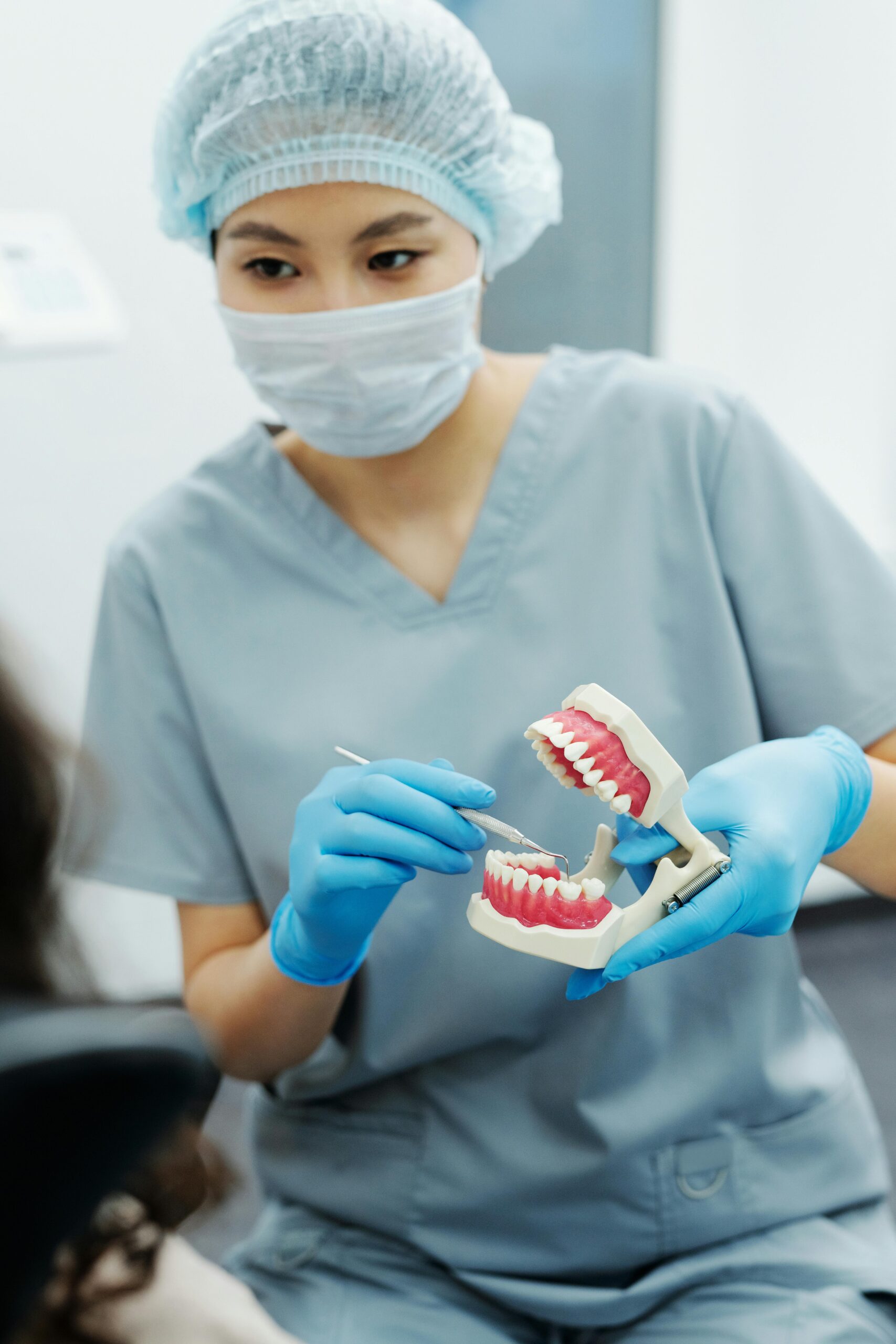
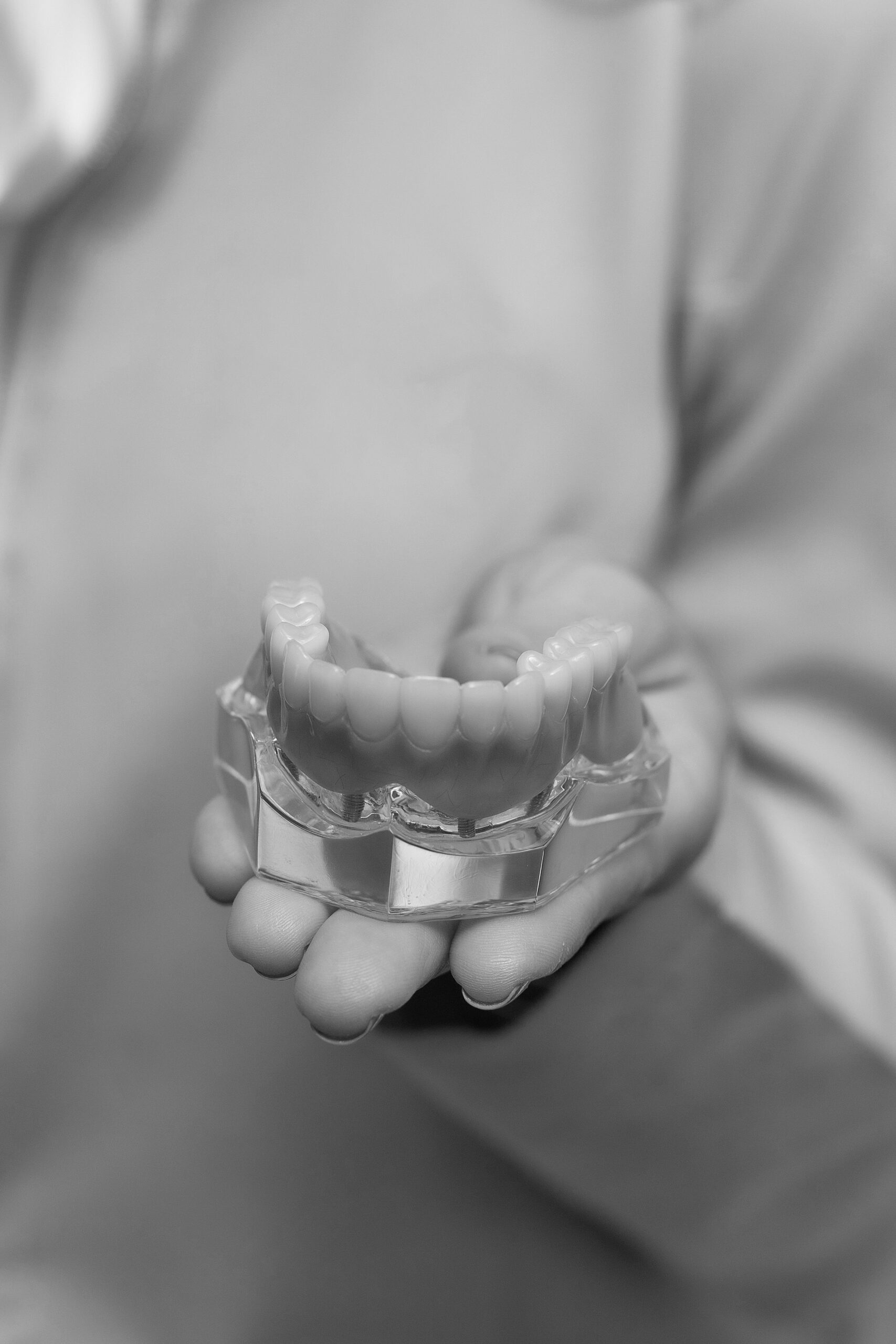
Both treatments replace missing teeth, but they work differently. Dental implants are titanium posts placed in the jawbone to support a crown, bridge, or full arch. Dentures are removable prosthetics that rest on the gums. Choosing between implants vs dentures depends on your goals, health, and timeline.
Implants become part of the bone over time, which helps stabilize your bite and can limit bone loss at missing tooth sites. Dentures rely on gum support, saliva, and sometimes clasps or adhesive. As the jawbone reshapes after tooth loss, dentures may loosen and need relines. For example, a lower denture lifts when you eat sticky foods.
- Stability: Implants anchor in bone, while dentures depend on fit and suction.
- Bone changes: Implants help maintain bone volume; dentures do not slow resorption.
- Hygiene: Implants need careful brushing and flossing; dentures are removed and cleaned daily.
- Comfort and speech: Implants often feel closer to natural teeth; dentures can rub until adjusted.
- Timeline and surgery: Implants require surgery and healing; dentures are non-surgical and quicker to make.
Functionally, implant-supported teeth often allow more confident chewing of firmer foods, while dentures work best when you cut food smaller and chew deliberately. Because of this, some people choose a hybrid approach, such as implant-retained overdentures, to improve stability while keeping a removable design. If cost planning is important, you can review cost factors and financing options.
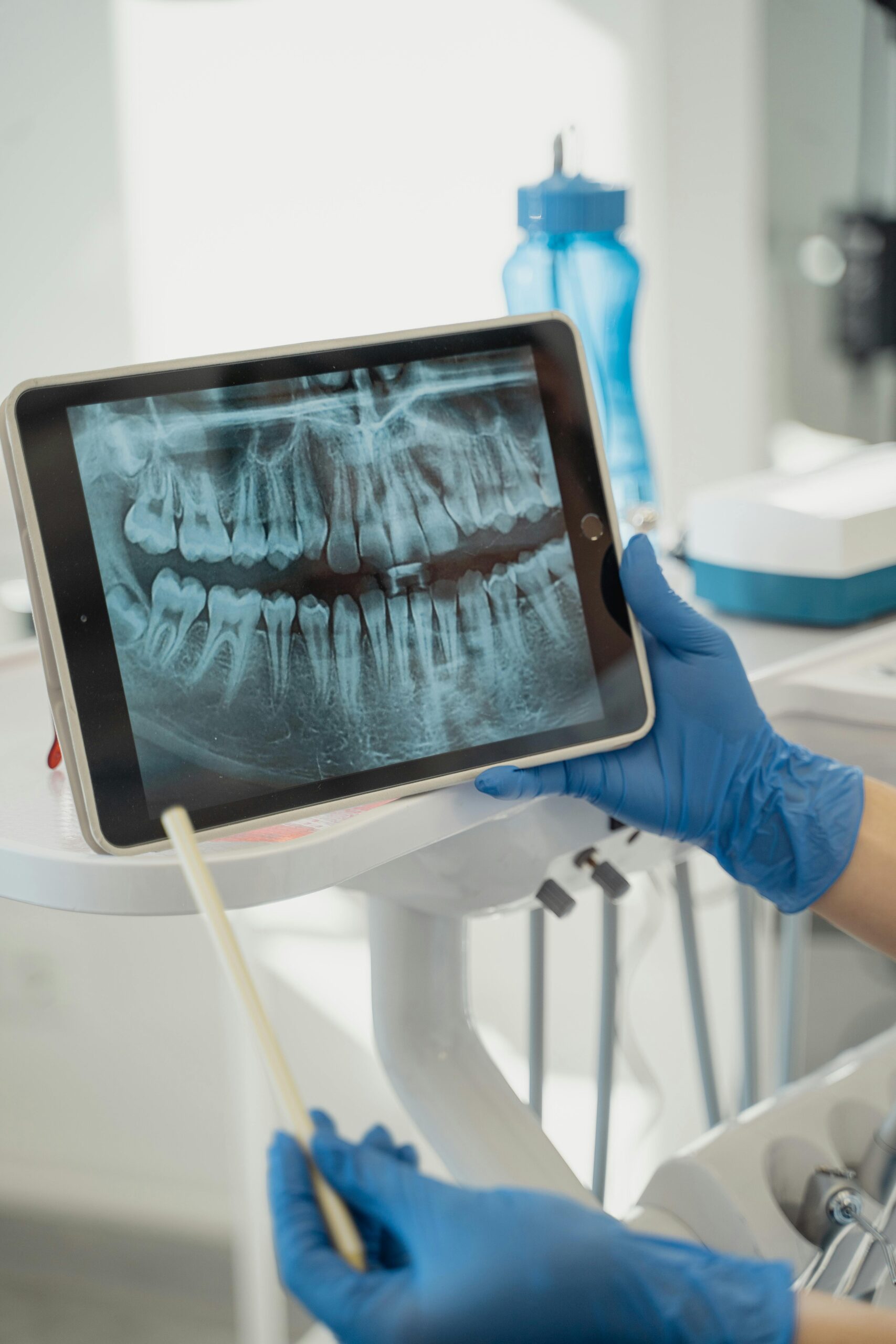
Your decision should consider the number of missing teeth, bone volume, medical conditions, and your comfort with surgery and maintenance. A thorough exam, X-rays, and a discussion of your daily routines help match treatment to your life. If you are arranging a visit, check our current hours. Coordinated care often leads to clearer days and calmer nights.
Overview of Tooth Replacement Options
To replace missing teeth, dentistry offers several paths: single-tooth implants with crowns, fixed dental bridges, removable partial dentures, complete dentures, implant-retained overdentures, and full-arch fixed implant bridges. The best fit depends on how many teeth are missing, the condition of nearby teeth, bone availability, and your preferences for maintenance and feel.
You are missing two back teeth and wonder what comes next. For a single gap, an implant with a crown replaces the root and tooth without involving neighbors. A traditional bridge anchors to prepared adjacent teeth, joining crowns with a replacement tooth in the middle. Resin-bonded bridges may suit specific front-tooth cases where light chewing is expected. If several spaces exist, a well-designed partial denture can restore appearance and basic chewing. If you are comparing how bridge abutment crowns are built, see our overview of crown types.
When most or all teeth are missing, options widen. Conventional complete dentures rest on the gums and are removed for cleaning. Implant-retained overdentures “click” onto implants for improved hold, yet still come out daily for hygiene. Full-arch fixed implant bridges attach to multiple implants and are not removed at home; they feel most like teeth but require precise home care with threaders or water flossing. Transitional choices can phase treatment, starting removable and moving to fixed as healing and planning progress.
Planning weighs anatomy and health. Sinus position, nerve location, and bone volume guide whether grafting is needed. Gum health, bite forces from clenching or grinding, and medical factors like diabetes or smoking influence timing and longevity. Discuss how many visits you can commit to and what daily care suits you. Framing the decision as implants vs dentures is helpful, but many patients do best with the option that matches their habits, anatomy, and long-term goals. Joint care between dental and medical teams helps sustain long-term wellness.
Pros and Cons of Dental Implants
Dental implants can feel and function like natural teeth, but they require surgery and careful home care. They often provide strong chewing and a stable bite, though maintenance visits are essential to keep the surrounding gums healthy. Time and steps are greater than with removable options, and some medical factors can limit candidacy.
You want to bite a crisp apple without worrying about movement. Implants are fixed in place, so there is no acrylic plate covering the palate for upper teeth and no removal at night. Many people find this improves taste and comfort. Because implants are anchored to bone, they can support crowns or bridges without daily adhesives. This design helps distribute biting forces through the implant and into the jaw, which may feel more natural for firm foods.
There are trade-offs. Surgery carries risks such as infection, delayed healing, or, in uncommon cases, nerve or sinus complications. Adequate bone and healthy gums are needed, and some patients require grafting first. Smoking, poorly controlled diabetes, and heavy nighttime clenching can increase the chance of implant or gum problems; a custom night guard may be recommended for grinders. Implants do not get cavities, but the tissues around them can become inflamed (peri-implant mucositis) or infected (peri-implantitis) if plaque control slips. Repairs may also be needed over time, such as retightening a loose screw or fixing chipped porcelain.
Planning also includes time and budget. Most cases involve several visits for imaging, placement, healing, and final teeth, so schedules matter. When comparing implants vs dentures, consider your goals for chewing, daily cleaning, and comfort with surgery. If cost is a key question, you can consider affordability and payment paths as you map your next steps. A clear plan supports long-term oral comfort.
Pros and Cons of Dentures
Dentures replace missing teeth with a removable appliance that restores your smile and basic chewing. Advantages include a non-surgical start, the ability to replace many teeth at once, and chairside adjustments for comfort. Trade-offs include less chewing power than natural teeth, possible movement, and periodic relines or remakes as your mouth changes.
You just received a new set and feel a tender spot. That is common early on, and small adjustments usually help. Upper dentures often feel more secure than lowers because the palate helps with suction; lower dentures compete with the tongue and jaw muscles. Comfort and hold also depend on saliva and ridge shape. If your mouth is dry, retention and comfort can drop, so strategies for managing dry mouth can make a real difference.
Daily care is straightforward but important. Remove dentures at night to let the gums rest, brush the appliance inside and out, and store it in water or a recommended solution so it does not warp. Rinse your mouth and gently clean your gums and tongue. Plan short follow-ups for sore spots or fit checks, especially during the first few weeks. Clear routines help your tissues stay healthy and reduce friction.
Partial dentures can fill gaps while you keep remaining teeth. They are repairable and can be designed to spread forces across several areas. However, metal clasps and connectors can trap plaque, so meticulous brushing and cleaning around clasped teeth are essential to protect enamel and gums. Talk about foods you enjoy, since small changes in how you cut and chew can improve comfort.
Some patients use dentures as a long-term solution, while others view them as a step before implants. When weighing implants vs dentures, think about your goals for chewing, speech, and daily maintenance. If you later pursue implants, your plan can adapt to improve stability and function. Prompt evaluation supports steady function and oral comfort.
Meet with our team to plan the right implant option and timeline.
A confident smile starts with a single consultation.
Comparing Fixed vs Removable Solutions
Fixed teeth stay in your mouth, while removable teeth come out for cleaning and sleep. Fixed options include single-implant crowns, bridges, or full-arch implant bridges that your dentist removes only at visits. Removable options include complete dentures, partial dentures, and implant-retained overdentures that “snap” on and off.
Function differs in everyday life. Fixed restorations feel more continuous during chewing, since biting forces transfer through the prosthesis to implants or teeth. Removables rest on gums or combine gum and implant support, so they can compress soft tissues and may move slightly under load. Your denture rocks when you laugh in a meeting. Adaptation also varies: removable appliances add bulk for strength and support, which can change tongue space until you adjust. Fixed designs are slimmer but demand precise cleaning with threaders or interdental brushes.
Maintenance is not the same. Removable dentures are cleaned in your hands and periodically need relines or clip replacement if they are implant-retained. Fixed systems require professional checks for screw security, gentle debridement around implants, and occasional repairs for chipped ceramics. Bruxism can stress any design; a night guard can protect both fixed and removable prostheses. If you are considering a fixed option that involves surgery, you can review comfort choices in our guide to sedation levels.
Case selection ties it together. Fixed solutions often suit patients who want maximum stability and are comfortable with meticulous daily hygiene. Removable solutions fit those who prefer taking the prosthesis out to clean, value retrievability, or are planning a staged path toward fixed care. In practice, a hybrid plan can work well, such as starting with an implant-retained overdenture, then moving to a fixed bridge when timing and anatomy align. As you weigh implants vs dentures, match the choice to your chewing goals, dexterity, and tolerance for procedures. Thoughtful planning now makes daily care simpler later.
Cost Comparison: Implants vs Dentures
Implants usually cost more upfront, while dentures often start lower. Over several years, total cost depends on repairs, relines, replacements, and how complex your case is. The right choice balances your budget, timeline, and maintenance preferences when comparing implants vs dentures.
Implant costs are driven by planning scans, surgical time, and any needed grafting. Final teeth add parts and lab work, whether that is a single crown, a bridge, or a full-arch option. Fewer implants with a removable overdenture tend to cost less than a full-arch fixed bridge that stays in place. Staging treatment can spread expenses, for example placing implants now and delivering final teeth after healing.
Dentures cost less at the start because they do not require surgery. They often need more follow-up visits in the first weeks for fit adjustments. As your mouth changes, periodic relines and eventual remakes add to lifetime cost, along with cleaners, storage solutions, and occasional repairs of cracked acrylic or worn teeth. Your lower denture needs another reline this year.
Total cost of ownership is the bigger picture. Well-maintained implants may go many years with routine checkups, though you should plan for possible component maintenance like tightening a screw, replacing a chipped tooth, or swapping worn overdenture clips. Dentures typically need replacement on a multi‑year cycle, with added chair time for sore spots and fit checks as tissues remodel. Chewing goals matter too, since stronger function can influence which design is worth investing in for your lifestyle. A straightforward discussion of timelines, visits, and at‑home care helps forecast realistic costs over time. Careful budgeting today supports comfort and function for years.
Durability and Longevity of Implants
Dental implants are designed to last many years. The titanium post fuses with your jawbone, creating a stable foundation. While the implant itself can be long‑lasting, the visible tooth or bridge on top may need maintenance over time. Care, bite forces, and health all influence results.
Ten years later, your back implant still feels solid. That stability comes from bone bonding to the implant, which usually remains unchanged if the surrounding gums stay healthy. The parts above the gumline work hard every day, so they may require repair, such as tightening a screw or replacing a chipped tooth surface. Design matters too. Screw‑retained crowns are easier to service than cemented ones, and full‑arch bridges may need periodic polishing or component checks. Overdentures that attach to implants can be very durable, though their clips or inserts wear and are replaced during routine visits.
Longevity improves with daily cleaning and regular checkups. Plaque left around implants can inflame the tissues, and long‑term irritation can damage supporting bone. Strong bite forces from clenching or grinding add extra stress to parts and porcelain. If you clench at night, learn how a night guard can help. Medical factors also play a role. Smoking, poorly controlled diabetes, and dry mouth increase risk for gum problems around implants. Scheduled maintenance visits allow your dental team to monitor the bite, clean under fixed bridges, replace worn overdenture components, and take X‑rays to confirm bone support.
When comparing implants vs dentures, think of the implant as the long‑term foundation and the prosthetic as the wear part that may need service. Implants often provide steady function for many years, provided you protect the tissues and manage bite forces. Clear expectations about upkeep help you plan time and visits so your restored teeth keep working for you. Timely attention to maintenance habits supports better chewing and tissue health.
Daily Care for Implants and Dentures
Daily care keeps the gums healthy and your prosthesis clean. Implants stay in your mouth and need careful brushing and interdental cleaning. Dentures are removed, brushed, and soaked so they stay fresh and keep their fit. The goal is simple: control plaque and protect the tissues and parts that support your smile.
For implants and fixed implant bridges, brush twice a day with a soft brush and a low‑abrasive paste. Sweep bristles toward the gumline and clean around the implant crown where plaque collects. Thread floss under fixed bridges with a floss threader, or use specialty floss or a water flosser to reach under edges and between implants. If you want technique refreshers, see our guide to flossing. Watch for warning signs like bleeding, tenderness, or a new space under a bridge, and let us know if they appear.
Removable dentures need a different rhythm. Take them out after meals to rinse away debris, then brush all surfaces with a non‑abrasive denture cleanser. Keep dentures moist in water or a recommended soak when they are out, and avoid hot water that can warp acrylic. Take them out during sleep so the gums can recover, and gently clean your tongue and ridges with a soft brush or cloth. Your overdenture clicks feel gritty after a day of wear. If you have implant‑retained dentures, brush the attachments in your mouth and the connectors in the denture daily; this prevents buildup that can weaken retention. Remove any adhesive each day so it does not trap plaque against the tissues.
As you compare implants vs dentures, home routines differ a bit each day, but consistency matters most. Soreness, looseness, persistent odor, or bleeding are signals to schedule a visit for an adjustment or cleaning. Small checks keep parts functioning and help prevent bigger repairs later. Steady habits protect comfort and function over time.
Choosing the Right Option for You
The best choice balances your goals, health, anatomy, and daily routines. Implants often suit people who want fixed teeth, strong chewing, and are comfortable with surgery and detailed home care. Dentures may fit those who prefer a non-surgical start, a quicker timeline, and a removable design. A focused exam with imaging helps match treatment to how you live.
You coach soccer and need teeth that stay put while shouting. Start by listing what matters most: chewing confidence, speech, appearance, cleaning style, and number of visits you can commit to. Then consider health factors. A history of heavy grinding, dry mouth, smoking, or poorly controlled diabetes can affect implant planning and long-term tissue health. Gag reflex, dexterity, and caregiver support also matter, since fixed bridges require precise cleaning, while dentures need removal and soaking. For dentures, a wax try-in can preview tooth shape and bite before finalizing. For implants, discuss healing time, any grafting needs, and whether a temporary tooth is possible during treatment.
Risk tolerance and timelines guide the path. Some patients choose a staged plan, beginning with a well-fitting denture, then adding implants later for improved stability. Others place a few implants now for an overdenture and upgrade to a fixed bridge when ready. In certain cases, medical conditions or limited bone steer the plan toward removable options that are easier to adjust as your mouth changes. If you are selecting a care team, you can review practical tips in our guide to finding a dentist.
Finally, align expectations with maintenance. Implants need consistent brushing between and under crowns or bridges, plus regular checks for parts and tissues. Dentures need periodic relines and daily removal for cleaning and gum rest. When comparing implants vs dentures, choose the option you can maintain reliably, that fits your schedule, and that meets your chewing and comfort goals. When chosen thoughtfully, your restored teeth can feel natural and dependable.
Patient Experiences: Implants vs Dentures
Patients describe different day‑to‑day lives with implants vs dentures. Implants feel fixed, so chewing and speaking usually require fewer adjustments. Dentures are removable, so comfort depends on fit and your ability to adapt to a new routine. Both can look natural; the lived experience varies with your goals and habits.
With implants, many people notice steady function across meals and conversations. You brush and clean in place, and routine checks focus on the gums and the parts that hold the teeth. With dentures, the first weeks involve learning patterns for speech, chewing pace, and where to place your tongue and cheeks for stability. At a work lunch, you want to bite into a wrap. A well‑made denture can handle everyday foods, but softer starts and smaller bites help during the learning curve.
Expectations shape satisfaction. Some patients value the control of removing a prosthesis for cleaning and sleep, while others prefer a fixed feel that stays put. People who choose implant‑retained overdentures often highlight the balance of improved hold with a removable design, and they accept periodic clip changes. Reviews of partial dentures show that comfort, chewing, and esthetics drive satisfaction, and small adjustments matter to patients’ ratings [1].
Visit rhythm also feels different. New dentures often need brief fit checks for sore spots, then relines over time as your mouth remodels. Implant restorations may need occasional screw checks or repairs to a chipped tooth surface, usually at longer intervals. Clear home care and regular maintenance reduce surprises and help you enjoy meals, conversations, and exercise without worry. Understanding these lived experiences helps you choose features that fit your routine and priorities. When well matched to your needs, restored teeth support calm, confident days.
Factors Influencing Your Decision
Your choice depends on health, anatomy, habits, and maintenance preferences. Consider how you want your teeth to feel, how you prefer to clean them, and your comfort with minor surgery. Time available for appointments and healing also matters, as does your goal for chewing strength and speech clarity.
Anatomy and esthetics guide design. Bone width and height, gum thickness, and where your lip lands when you smile affect what will look natural. If you have lost soft tissue, a prosthesis that restores lip and cheek support may be preferable. A high smile line needs careful planning so transitions remain discreet. Medical history plays a role. Diabetes control, a history of gum disease, tobacco use, prior head and neck radiation, and medications that influence bone or immunity can change timing or approach. You take a blood thinner and work night shifts.
Function and lifestyle shape daily experience. If you want to bite into firmer foods with minimal movement, fixed options may align with your goals. If you prefer removing teeth to clean, value retrievability, or need a shorter timeline, a removable design may fit better. Dexterity, vision, and caregiver support influence home care; fixed bridges require precise interdental cleaning, while dentures need removal, soaking, and gentle gum care. Gag reflex, public speaking needs, and tolerance for bulk also guide selection. Athletes or musicians may favor slimmer fixed contours, while frequent travelers may prefer simple, repeatable routines.
Risk tolerance and maintenance expectations complete the picture. Some people accept a surgical path with planned healing to gain stability. Others choose reversible steps and easier adjustments as their mouth changes. Think about the service rhythm you can manage, whether that is periodic clip changes on an overdenture or occasional screw checks on an implant bridge. As you compare implants vs dentures, select the path you can maintain every day and that fits your health and schedule. A clear, individualized plan supports steady function and ease.
Frequently Asked Questions
Here are quick answers to common questions people have about Dental Implants vs Dentures: Pros & Cons in Glendale, AZ.
- What are the primary differences between dental implants and dentures?
The key difference between dental implants and dentures lies in how they fit and function. Implants are titanium posts positioned in the jawbone, providing a sturdy base for crowns or bridges. Dentures, on the other hand, are removable devices resting on the gums. Implants often offer better stability and bone preservation, while dentures are non-surgical and more affordable initially. Choice depends on personal goals, health conditions, and comfort with procedures.
- How do implants and dentures affect daily oral hygiene routines?
Implants require brushing and flossing while they remain in your mouth, similar to natural teeth. Special tools like floss threaders or water flossers help clean hard-to-reach areas. Dentures are removed for cleaning and need brushing and soaking daily. It’s crucial to also clean your gums and tongue with both options to maintain oral health.
- Can both dental implants and dentures accommodate different numbers of missing teeth?
Yes, both dental implants and dentures can replace varying numbers of missing teeth. Implants can be used for single teeth, multiple teeth with bridges, or for full-arch replacements. Dentures can span partial gaps or replace a whole set of teeth in the upper or lower jaw.
- What factors affect the cost of dental implants compared to dentures?
Initial costs for dental implants tend to be higher due to surgical procedures, scans, and possibly grafts. Dentures start with lower costs but may incur additional expenses over time due to adjustments, relines, and replacements as the structure of the mouth changes. The total cost for both options includes upkeep, repairs, and adjustments necessary to maintain proper function and comfort.
- Are there any medical conditions that might affect my choice between implants and dentures?
Yes, certain medical conditions like diabetes, smoking, or a history of gum disease can influence your choice. Implants require healthy gums and adequate bone for support, while dentures might be a better fit if you have conditions that affect healing. Always discuss your medical history with your dentist to choose the best option.
- Which option, implants or dentures, is more durable over time?
Dental implants are often more durable since they fuse with the jawbone and can last many years with proper care. However, the crowns or bridges on top might need occasional maintenance. Dentures are typically less durable due to changes in the mouth’s structure over time, which can affect their fit and require periodic relines or replacements.
- Can I switch from dentures to dental implants later on?
Yes, transitioning from dentures to dental implants is possible. Implants can provide better stability and functionality over time. If bone loss has occurred, bone grafting may be necessary before implants can be placed. Discussing a long-term treatment plan with your dentist can help make this transition smoother.
References
- [1] A Systematic Review of Patient Satisfaction With Removable Partial Dentures (RPDs). (2024) — PubMed:38322077 / DOI: 10.7759/cureus.51793