
What is a Temporary Crown?
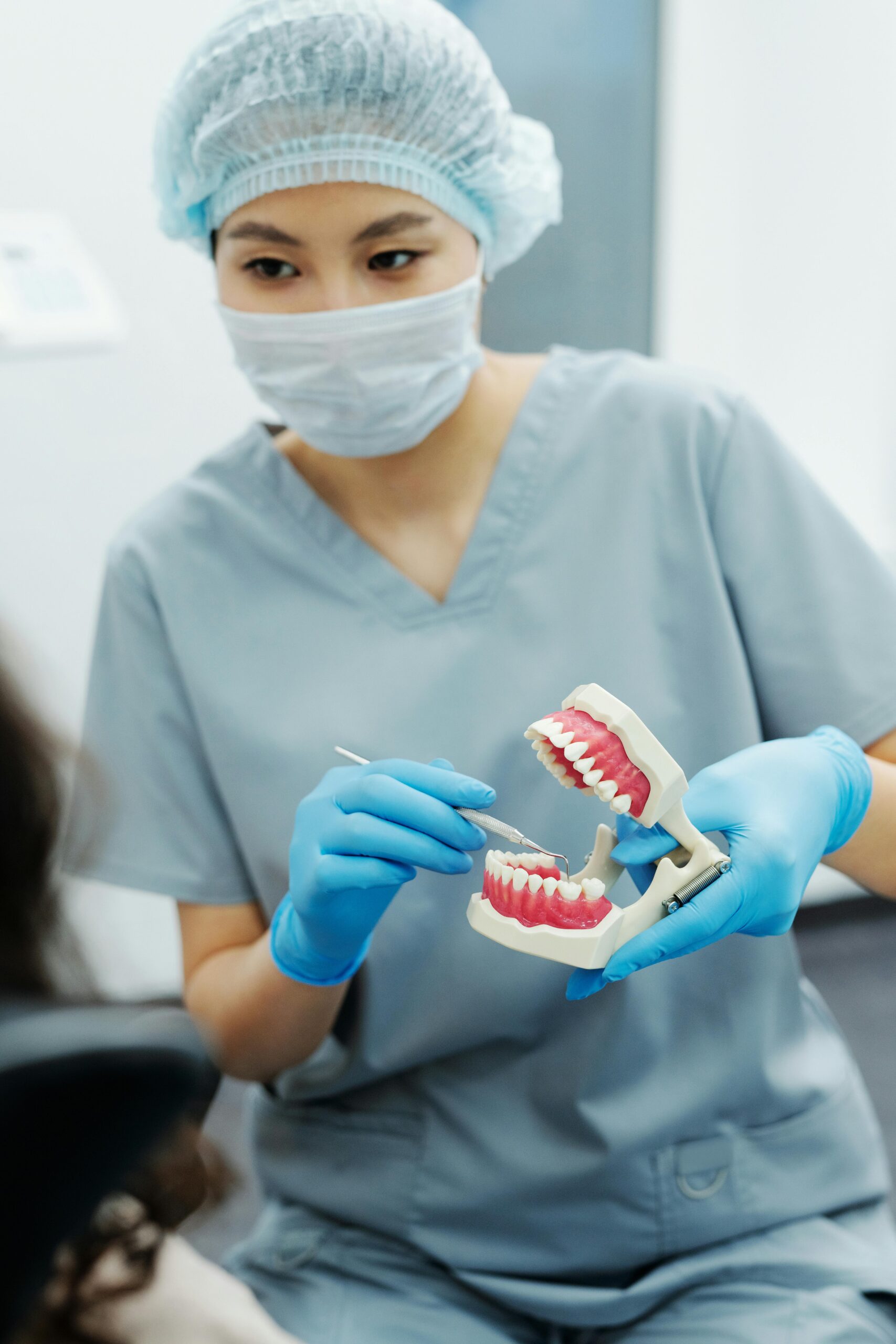
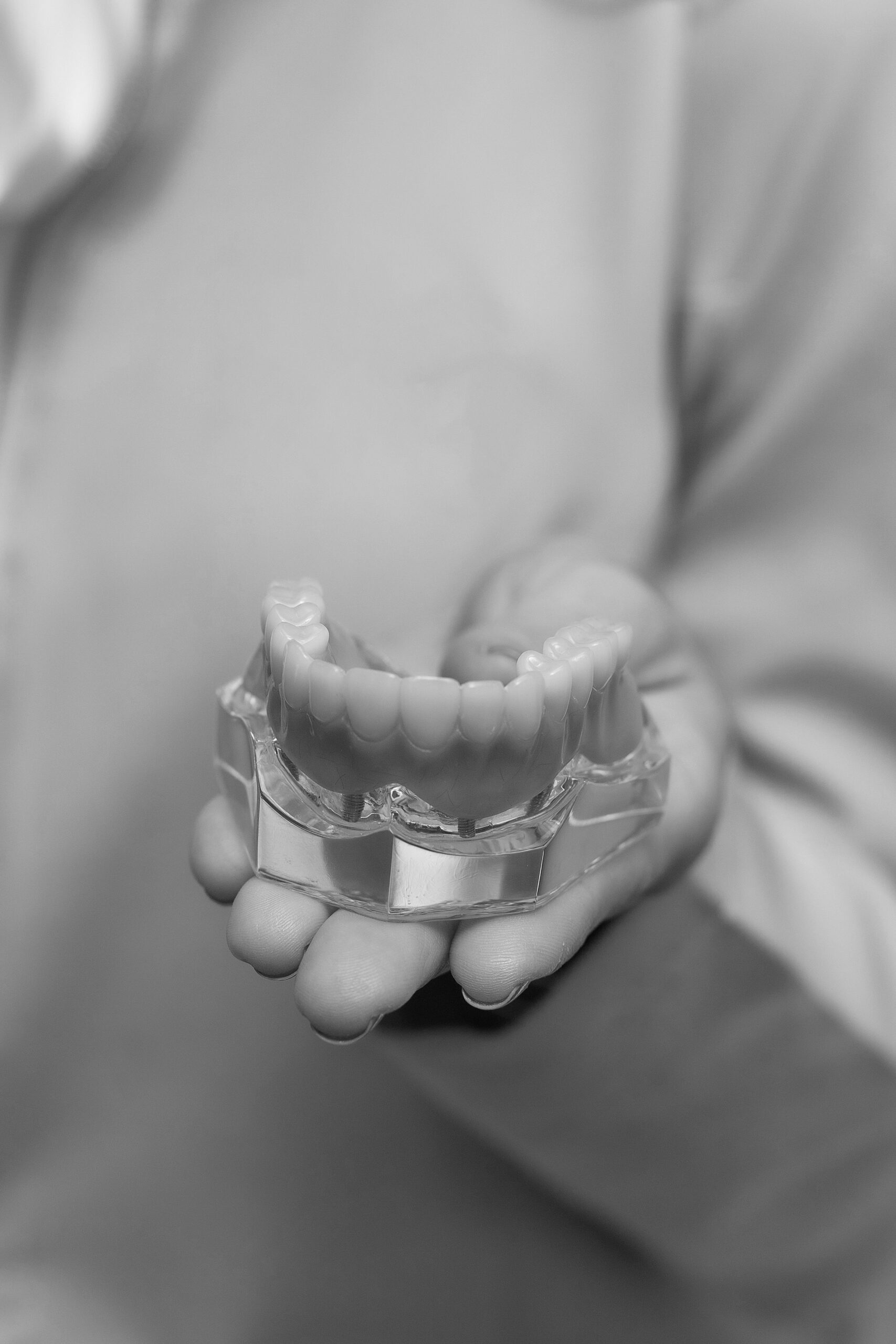
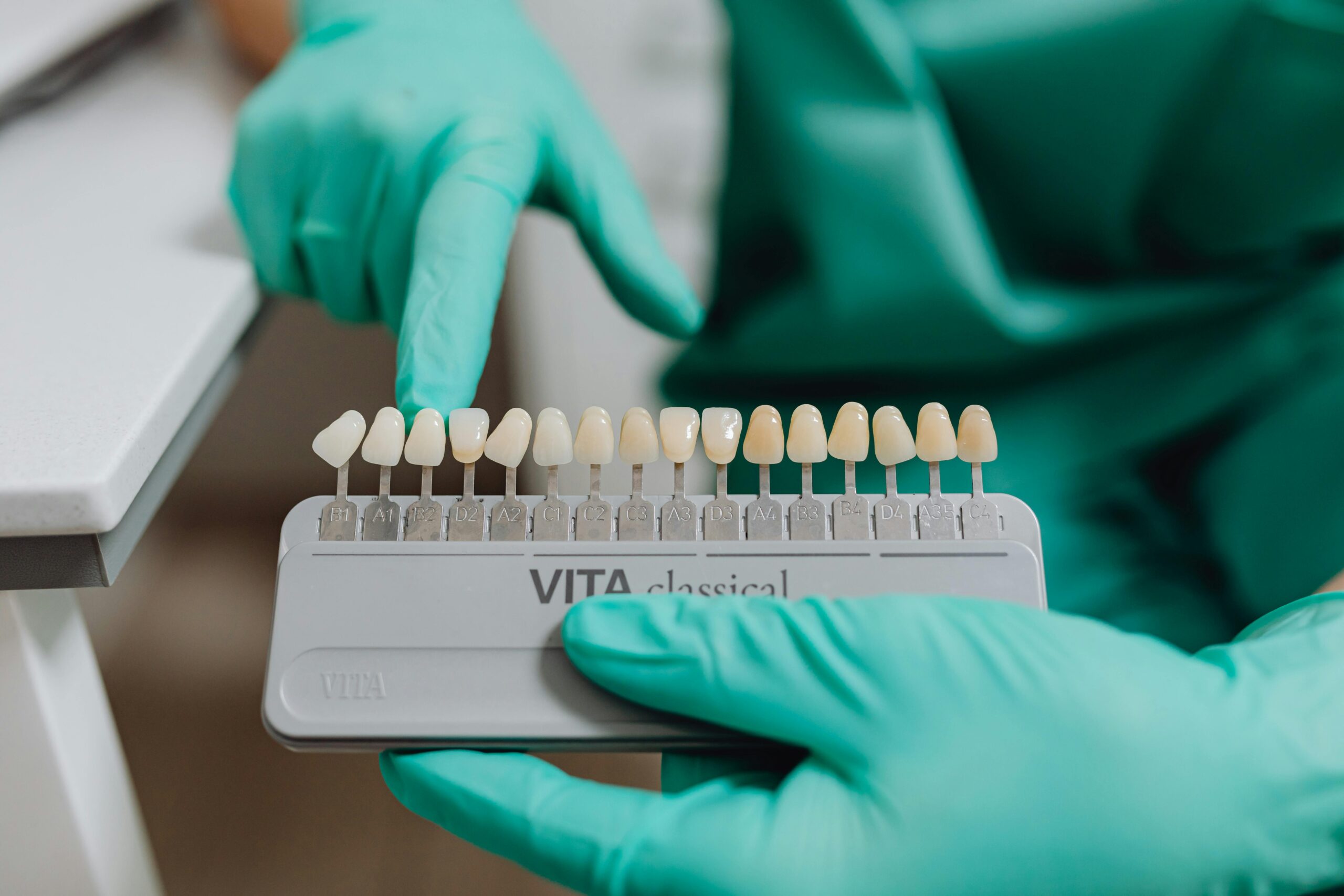
A temporary crown is a short-term cover placed over a prepared tooth while the final crown is made. It protects the tooth, maintains your bite and smile, and allows you to chew gently until the permanent crown is ready. Dentists use a removable, short-lasting cement so it can come off easily when it is time for the final restoration.
Because the final crown is made in a lab, the temporary maintains tooth position and gum health during that wait. It also helps reduce sensitivity by covering exposed dentin and sealing the prepared edges, which supports pulp health while the tooth recovers from drilling and bonding steps [1]. In certain cases, a provisional crown is used to test changes in the bite or jaw height before making them permanent [2]. You leave the visit with a smooth, tooth-colored cap. For material choices of the permanent crown itself, see our overview of dental crown types.
- Cover and protect the prepared tooth surface to limit sensitivity [1].
- Keep neighboring teeth from drifting, preserving the space for your final crown.
- Maintain your chewing contact so the bite stays comfortable and stable [2].
- Shape and support the gumline for healthy, easy-to-clean margins.
- Stabilize fragile or injured teeth during healing when needed [3].
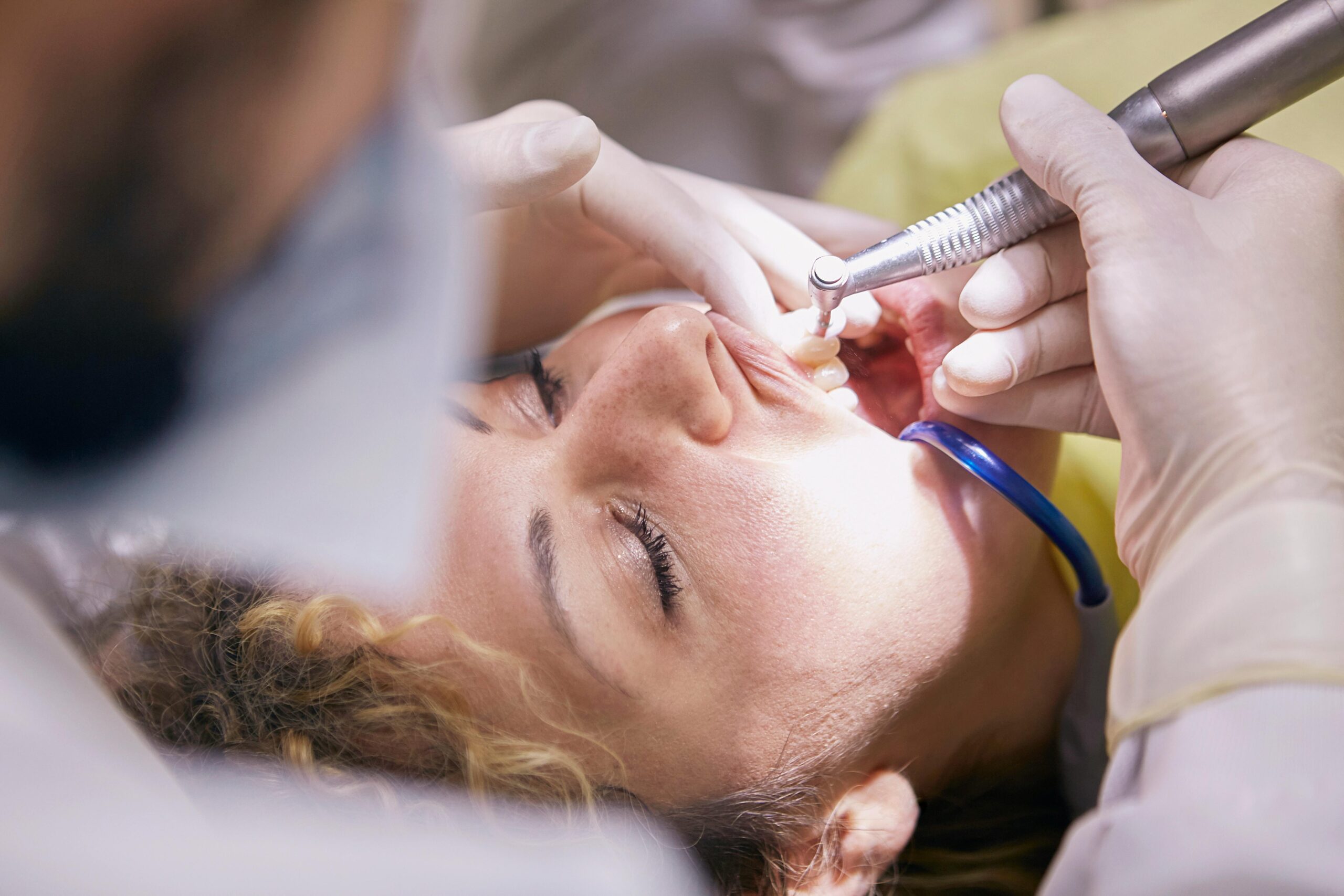
Temporaries are made chairside, usually from acrylic or bis-acryl, then adjusted for proper fit and polished for comfort. They are intended to be short-lived, so avoiding very sticky or hard foods helps them last until your final appointment. If yours loosens or comes off, call your dentist promptly so the tooth does not shift and the prepared surface stays protected. For timing or questions, check our current hours. When addressed early, better protection supports comfort and function.
Common Reasons for Needing a Temporary Crown
Dentists place a temporary crown when a tooth needs short-term coverage between preparation and the final, custom crown. It is most often used after restoring a heavily damaged tooth, stabilizing a cracked tooth, finishing a root canal, or preparing teeth that will support a bridge. A corner of your molar breaks during lunch.
Large cavities or failing, oversized fillings can leave thin walls that are prone to fracture. After reshaping the tooth for a crown, the temporary protects the remaining structure and shields sensitive inner layers from hot and cold. Following a root canal, the tooth can be more brittle, so a provisional cap helps prevent chips or splits while the permanent crown is made. For bridge work, connected temporaries hold the exact spacing for the false tooth, keeping the prepared teeth steady until the final bridge returns from the lab.
Cracks from trauma or long-standing clenching can make a tooth hurt with chewing or temperature changes. A temporary crown can cover these weakened cusps while your dentist verifies comfort and function. If grinding is part of the picture, learning how to reduce nighttime force can help; see our guide to night guards. Temporaries are also used in cosmetic planning to preview the shape and length of new teeth in your smile line, confirming speech and lip support before anything is finalized.
In short, if your dentist recommends a temporary, the goal is to protect the tooth and preserve exact spacing while the definitive crown is crafted. It is a practical bridge between treatment steps, allowing careful checks of comfort and appearance before committing to the final material. When managed well, provisional care supports long-term tooth health.
How to Care for Your Temporary Crown
Caring for your temporary crown helps keep the tooth comfortable and stable until the final crown is placed. Brush twice daily, floss with care, and avoid sticky or hard foods on that side. If the cap feels high or loose, call your dentist promptly. Small daily habits make a big difference.
You bite a caramel and feel the cap loosen. For the first day, chew on the opposite side and choose softer foods, then reintroduce normal textures slowly. Avoid caramels, taffy, gummy candies, and ice or hard nuts, which can pull or crack a provisional. If cold or sweet causes zingers, a desensitizing toothpaste can help. A quick bite adjustment visit often resolves tenderness when pressure feels uneven.
Keep the area very clean to protect the edge where the cap meets your tooth. Brush gently along the gumline with a soft brush, using short, light strokes. Floss daily, but slide the floss out through the side rather than lifting it back up between the teeth; this prevents tugging the temporary loose. If the gum is sore, a warm saltwater rinse can soothe tissues while they settle.
Water flossers may be used on a low setting. Aim along the gumline and avoid directing the stream right into the margin. Hold off on whitening until the final crown is cemented, since color matching is done to your natural teeth. If you wear a night guard, continue using it to limit clenching forces on the provisional.
If the temporary comes off, keep it, gently clean it, and call us for re-cementation. In a pinch, you can place it back on to cover the tooth until you are seen, but avoid chewing on it. For step-by-step guidance, see our notes on what to do if your crown falls out. Staying ahead of looseness or rough edges helps prevent tooth movement and gum irritation.
Thoughtful care now sets up a smoother final-crown appointment and a better long-term fit.
Temporary Crown Care: Essential Tips
Good care keeps a temporary crown comfortable and secure until your final crown is placed. Eat thoughtfully, clean gently but thoroughly, and watch for changes such as looseness or a bite that feels high. If something shifts or pinches, contact your dentist so it can be adjusted before problems develop.
A seed wedges near the cap and the gum feels tender. Rinse to clear debris, then brush the edge where the crown meets the tooth with a soft brush. Choose foods that are easy to chew, and take smaller bites to reduce twisting force on the cap. Highly pigmented foods and drinks can stain temporary material, so limit them if you are concerned about color during the waiting period.
Keep plaque off the margins to protect the gumline. Floss with a gentle seesaw motion and avoid snapping through tight contacts; floss threaders or small interdental brushes can help in larger spaces. If you want a refresher on technique, see our guide to flossing basics. Water flossers are fine on a low setting aimed along the gumline rather than directly into the edge of the crown.
Sensitivity is common for a few days; lukewarm drinks and a desensitizing toothpaste can make it easier to adapt. If the cap feels rough or your bite changes, a quick polish or minor adjustment can prevent gum irritation and muscle soreness. Call promptly if the crown loosens, fractures, or traps food, and avoid chewing on it until it is checked. Small habits now make your final crown appointment easier.
Review material choices and a step-by-step plan for your tooth.
Restore strength and a natural look.
What to Do if Your Temporary Crown Fell Off
If your temporary crown comes off, save it, gently clean it, and call your dentist for a quick re-cementation visit. Avoid chewing on that tooth and keep the area clean so the prepared surface stays protected. If you feel comfortable, you can place the cap back over the tooth to cover it until you are seen. Do not use household glues.
You feel a small cap in your mouth during dinner. First, remove the crown so you do not swallow it, then rinse your mouth and the cap with water. Check the inside of the crown; if it looks intact and fits back onto the tooth in one orientation, you can seat it lightly to shield the tooth. This helps limit sensitivity and keeps the gums from getting irritated while you wait to be seen.
The underlying tooth can be sensitive when uncovered because the protective seal is gone. Food and cold air may sting, which is common. To reduce irritation, brush gently around the area and avoid sticky or hard foods that could wedge against the exposed edges. If the crown will not stay on, keep it in a small container and bring it with you. Over-the-counter temporary dental cement can hold a cap briefly, but skip permanent adhesives, which can harm the tooth and complicate care.
Timely attention matters. When a temporary is off for too long, the tooth and neighboring teeth can shift slightly, making the final crown harder to fit. Recementing the temporary restores coverage, helps maintain spacing, and protects the margins until your final appointment. If you develop severe pain, swelling, or cannot control bleeding, treat it as urgent and seek care; see our guide to what to do in a dental emergency. Quick follow-up preserves comfort and keeps your treatment on schedule.
Short takeaway: Call promptly, save the cap, and keep the tooth covered.
How to Protect a Temporary Crown
Protect a temporary crown by limiting force on it and keeping its edges very clean. Chew on the other side for the first day, avoid sticky or hard foods, and brush gently along the gumline. Floss with care and call if it feels high, loose, or rough. These simple steps help the cap stay put until your final crown is placed.
Crunching popcorn, you feel a tug at the cap. Provisional cement is designed to release, and the material is softer than a final crown, so extra pulling or twisting can dislodge it. Cut food into small pieces and chew slowly to reduce torque on that tooth. Skip taffy, caramels, gummy candies, ice, and hard nuts, which can pull or crack a temporary. Avoid habits that add leverage, such as nail biting, pen chewing, or using teeth to open packages.
Clean margins protect the gums and the seal around the cap. Use a soft brush and short strokes angled toward the gumline; take your time around the edge where the crown meets the tooth. Floss gently through the contact, then release one end of the floss and slide it out to the side to avoid lifting the crown. Water flossers are fine on a low setting, sweeping along the gumline rather than directly into the crown’s edge. For a refresher on technique, see our brush technique guide.
Temperature and sweets can cause brief zingers while the tooth adjusts. Choose lukewarm drinks, and a desensitizing toothpaste can help. If your bite feels uneven, a quick adjustment visit prevents soreness and protects the temporary. Wear your night guard if prescribed, and use a sports mouthguard during contact activities. If the cap detaches, keep it safe, gently clean it, and contact your dentist; do not use household glue.
Thoughtful protection today helps your final crown seat smoothly and fit as planned. When handled early, the final crown fits more predictably.
Foods to Avoid with a Temp Crown
Avoid foods that are sticky, hard, very chewy, or that can wedge under the edge of your temporary crown. These textures can pull the cap off, crack it, or irritate the gumline. Choose gentle textures and smaller bites until your final crown is placed.
The temporary is held with short-term cement and made from a material that is less strong than a final crown. Twisting and pulling forces from certain foods can overcome that cement or stress the provisional. A chewy bagel twists the crown when you pull. Seeds and hulls can slip under the edge, creating soreness and loosening if trapped.
Sticky items are the most likely to dislodge a cap. Skip caramels, toffee, fruit leather, taffy, thick chewy candies, and gum. Very hard foods can crack or pry at the crown surface, so avoid chewing ice, hard pretzels, peanut brittle, dense granola clusters, and uncut raw carrots on that side. Tough, stretchy foods like jerky, thick crusts, and very chewy rolls can torque the crown when you tug them with your teeth.
Watch out for foods that wedge at the margin. Popcorn kernels and hulls, sesame or poppy seeds, chia, and small grains can pack under the edge and inflame the gum. Corn on the cob, whole apples, and crusty baguette encourage strong bite forces; if you choose them, cut into small pieces and chew gently away from the crown. Very hot or cold foods may heighten sensitivity while the tooth settles, so lukewarm options can feel more comfortable early on.
Simple adjustments make eating safer. Take smaller bites, slow your chewing, and use the other side if a texture feels risky. If a food tugs at the cap or you notice new roughness, stop and call for a quick check so the temporary stays secure and the final crown seats smoothly. When uncertain, pick the softer option.
Understanding the Lifespan of a Temporary Crown
Most temporary crowns are designed to last for the short interval between tooth preparation and placement of the final crown. In routine cases, that means a few weeks, though complex treatments can require longer wear with a remake or reinforcement as needed. Your dentist says you will wear it for two weeks. The goal is simple: stay comfortable, protect the tooth, and hold spacing until the permanent crown is ready.
How long a provisional lasts depends on several factors. The cement is intentionally weaker, so the crown can be removed cleanly; strong pulling or twisting forces can loosen it. Common chairside materials, such as acrylic or bis-acryl, polish well and feel smooth, but they are less durable than ceramic or metal, and will wear faster under heavy chewing. Bite balance matters too, since a high spot concentrates force and can crack or dislodge the cap. For front teeth, shaping the temporary may also guide the gumline, which sometimes means wearing it longer to stabilize tissue contours before the final crown.
Daily habits influence longevity. Sticky, very hard, or highly chewy foods shorten a provisional’s life because they exceed the strength of the material and cement. Parafunctional forces like clenching and teeth grinding can also speed wear or cause fractures; if this is a concern, learn more about managing teeth grinding. If treatment timelines extend, your dentist may remake the temporary to refresh its fit, smoothness, and edge seal so the tooth and gums stay healthy.
Plan on the temporary doing its job until your crown seat appointment, without needing to “tough it out” for months. If you notice looseness, rocking, a crack, or persistent bite tenderness, a quick adjustment or re-cement visit keeps everything on track. Short takeaway: temporaries cover the gap in care, not forever.
Signs Your Temporary Crown Needs Attention
Your temporary crown needs attention if it loosens, falls off, or starts to rock. New bite discomfort, sharp pain on chewing, or sensitivity that worsens after a day or two also signals a problem. Cracks, rough edges that catch your tongue or cheek, gum swelling, bleeding, bad taste, or food packing around the cap are additional red flags.
There are clear reasons behind these changes. If the bite is a little high, chewing forces concentrate on the provisional and the tooth beneath, which can cause soreness or a crack. A loose or poorly sealed edge lets saliva and debris seep under the crown, leading to lingering sensitivity and a sour or metallic taste. Rough margins or excess material can rub the gums, making them puffy or prone to bleed. If floss shreds between the teeth, it may indicate a rough contact or a chip that can trap plaque and irritate the tissue. You take a bite of a sandwich and feel a sudden “pop.”
When signs appear, simple steps protect your tooth while you arrange a quick check. Avoid chewing on that side and keep the area very clean so the gum stays calm and the prepared surface remains covered. Recementing a loose cap restores the seal and helps prevent tooth movement that complicates the final fit. If pain is deep, throbbing, wakes you at night, or lingers with heat, the pulp may be inflamed beyond what an adjustment can solve; explore how this presents in our overview of root canal–related pain. Swift follow-up preserves comfort and keeps your treatment timeline on track.
Short takeaway: New looseness, bite changes, cracks, or worsening sensitivity deserve a prompt check.
When to Contact Your Dentist about a Temporary Crown
Contact your dentist if the temporary crown loosens, cracks, or falls off, or if your bite suddenly feels high. Call promptly for worsening pain, swelling, a bad taste, or drainage. Reach out if sensitivity persists beyond a few days, or if you are asked to wear the provisional longer than planned and something changes.
Small changes can signal bigger issues. A high bite focuses force on one spot, which can make the tooth sore and strain the temporary. Rough edges or excess material can irritate the gums and lead to bleeding. A loose fit lets saliva and debris seep under the crown, causing sensitivity and a sour taste. You sip iced water and feel a sharp zing. Because the cement is designed to be short-term, problems often improve quickly after a simple adjustment or re-cement visit.
Timing matters. Treat it as urgent the same day if the crown is off and the tooth is very sensitive, or if you notice facial swelling, fever, or drainage. Call the next business day for a bite that feels high, a rough edge that rubs your cheek or tongue, or a crack in the cap. If floss shreds, food packs at the margin, or the gum around the crown becomes puffy or bleeds, schedule soon so the area can be smoothed and sealed before irritation worsens. Mild, improving sensitivity in the first couple of days is common, but new or intensifying symptoms deserve a check.
While you wait for the appointment, avoid chewing on that tooth and keep the edge where the crown meets the tooth very clean. If the cap came off, save it and keep the area gentle with soft brushing; do not use household glue. Early contact helps preserve tooth position, protects the preparation, and keeps your final crown on schedule. Prompt follow-up keeps your restoration on track and your tooth comfortable.
Frequently Asked Questions
Here are quick answers to common questions people have about Temporary Dental Crowns Explained in Glendale, AZ.
- What is the purpose of a temporary crown?
A temporary crown protects a prepared tooth while a permanent crown is being made. It helps maintain the tooth structure, protects against sensitivity, and prevents neighboring teeth from shifting. This coverage allows you to chew and speak normally without discomfort. Temporary crowns also support gum health and stabilize the tooth during healing if it has been weakened or damaged. This protective step is crucial until the final, custom crown can be placed.
- How should I care for a temporary crown at home?
It’s important to be gentle with a temporary crown. Brush it twice a day and floss carefully to avoid tugging it loose. Avoid sticky, chewy, or hard foods that might pull or crack the crown. Chew on the opposite side of your mouth, especially in the first few days. If sensitivity occurs, a desensitizing toothpaste is helpful. If the crown feels loose or your bite changes, contact your dentist for adjustments.
- Why do temporary crowns sometimes fall off?
Temporary crowns use a weaker cement to ease removal when the final crown is ready. Because of this, they can come loose if exposed to strong forces, such as hard chewing or sticky foods. Common reasons for a crown coming off include chewing gum, biting into hard foods, and using teeth to open packaging. Keeping the crown secure involves eating softer foods and practicing gentle oral hygiene habits.
- Are there foods I should avoid with a temporary crown?
Yes, avoid sticky and hard foods, as they can dislodge or damage a temporary crown. These include candy like caramels and toffee, chewing gum, and hard foods such as nuts or ice. Also, avoid biting into hard fruits or crusty bread. Try to consume softer foods and take smaller bites to place less stress on the crown until your final appointment.
- What should I do if my temporary crown falls off?
If your temporary crown comes off, save it and carefully clean both the crown and your tooth. Try to place the crown back on your tooth to protect it until you can see your dentist. Contact your dentist as soon as possible to have it re-cemented. Avoid chewing on that side and keep your oral hygiene routine gentle to prevent damage until the crown is secure again.
- How long will my temporary crown last?
Typically, a temporary crown is designed to last a few weeks, covering the gap until your permanent crown is ready. The exact period depends on your treatment plan and any special considerations your dentist may have. If your treatment requires more time, your dentist may make adjustments to ensure the temporary crown continues to protect the tooth until your final appointment.
- Why is it important to see a dentist if a temporary crown is loose or damaged?
A loose or damaged temporary crown can lead to tooth movement or increased sensitivity, and it may affect the fit of your final crown. Prompt attention from a dentist helps maintain the tooth’s health and position and keeps your treatment on schedule. Re-cementing or replacing a temporary crown minimizes complications that could impact the final restoration.
References
- [1] Incidence and influential factors in pulp necrosis and periapical pathosis following indirect restorations: a systematic review and meta-analysis. (2023) — PubMed:37009911 / DOI: 10.1186/s12903-023-02826-1
- [2] Importance of an Evaluation Phase When Increasing the Occlusal Vertical Dimension: A Systematic Review. (2025) — PubMed:39404129 / DOI: 10.1111/jerd.13331
- [3] Traumatized teeth: clinical practice guideline for the interim management of teeth with various poor prognosis scenarios in growing patients. (2022) — PubMed:35976739 / DOI: 10.3290/j.qi.b3236409