
Understanding Gum Disease Stages
Gum disease progresses from reversible gum inflammation to deeper infection that can threaten teeth. Understanding gum disease stages helps you know what is happening now and what comes next. Early changes are often controlled with home care and professional cleanings, while advanced disease needs targeted periodontal treatment.
You notice bleeding when flossing. Clinicians describe stages based on how far the disease has spread and its impact on support around teeth:
- Gingivitis: gums are red, swollen, and bleed, but bone is intact.
- Stage I (early periodontitis): early attachment loss and shallow pockets.
- Stage II (moderate): more attachment loss, deeper pockets, possible mild mobility.
- Stage III (severe, complex): deep defects, tooth shifting, or chewing difficulty.
- Stage IV (advanced): multiple teeth affected with functional problems.
Dental plaque triggers inflammation. In gingivitis, the process stays in the gums. When it reaches the ligament and bone, it becomes periodontitis, which can damage the tooth’s foundation. Signs like bleeding, bad breath, and gum tenderness are early alerts; for specifics, see our overview on bleeding gums. Adjuncts such as probiotics can provide small improvements in gum inflammation and clinical measures when added to standard care [1]. Digital, app-based tools are being evaluated to help people stick with brushing, flossing, and periodontal care plans [2].
Risk factors, including smoking and diabetes, can speed progression, so grading considers how fast the disease is moving. Regular exams measure pocket depths, bone levels, and bleeding to track change and guide care. The goal is simple, steady control that preserves function and comfort. When treated early, healthier gums support long-term tooth stability.
What is Gingivitis?
Gingivitis is gum inflammation caused by dental plaque collecting along the gumline. Gums look red or puffy and may bleed with brushing or flossing. The bone and ligament holding teeth are not damaged at this stage. With consistent cleaning, gingivitis can return to health.
You brush and see pink foam in the sink. Plaque is a sticky biofilm of bacteria that irritates the gums. Your immune system responds, blood flow increases, and the tissue becomes tender and prone to bleeding. Because the process is limited to the gums, timely home care often calms the tissue.
In the exam room, your dentist checks color, contour, plaque levels, and where bleeding appears. Daily brushing, interdental cleaning, and regular professional care reduce the plaque that drives inflammation. In certain cases, an antimicrobial mouthrinse may help control plaque and support gum healing when brushing and flossing are challenging [3]. For people who rely on caregivers, structured daily mouth care programs improve gum health outcomes [4].
Gingivitis is the earliest point in the gum disease stages. If inflammation persists, it can extend deeper and become more complex to treat. For practical steps on cleaning between teeth, see our guide to flossing.
Need visit timing details? Check our current hours.
Consistent home care and regular visits help sustain long-term gum health.
Signs and Symptoms of Early Gum Disease
Early gum disease often shows up as gums that look red or puffy and bleed easily with brushing or cleaning between teeth. You may notice bad breath that does not go away, tenderness along the gumline, or mild gum sensitivity to touch or temperature. These changes are usually subtle, but they signal that the tissue is inflamed and needs attention.
Here is a simple picture: you rinse and see specks of blood in the sink. In early disease, plaque at the gumline irritates the tissue, blood flow increases, and the gums swell. Color shifts from healthy pink toward red, and the border where the gum meets the tooth can look rolled or shiny. Bacteria that thrive in this environment release sulfur compounds, which can cause persistent mouth odor. Tenderness when flossing often reflects inflammation, not “flossing too hard.”
Another early clue is that the gumline may feel a little sore after chewing, even though the teeth themselves are not painful. Healthy gums should not bleed with routine home care, and bleeding that returns in the same spots is not normal. Many people underestimate these signals or think bleeding is expected, which can delay care and allow problems to progress [5]. If breath changes are part of what you notice, see our practical guide to managing halitosis.
Recognizing these patterns helps you act before deeper support is affected. Track what you see: which areas bleed, how often breath concerns recur, and whether gums look swollen at certain teeth. Share those observations at your next visit so measurements can confirm what is happening and whether it aligns with the earliest gum disease stages. Early attention keeps gums stable.
Progression to Periodontitis
Periodontitis begins when gum inflammation extends into the ligament and bone that hold teeth. Plaque bacteria and the body’s immune response create deeper pockets, attachment loss, and, over time, bone loss. Recognizing this shift helps you act before damage becomes harder to reverse. Knowing the gum disease stages clarifies where you are and what is next.
Here is one everyday sign: a tooth looks a bit longer and food packs there. As inflammation persists, the seal between gum and tooth loosens, pockets deepen, and bacteria grow in low-oxygen spaces. Toxins and the host response can erode the supporting bone, which makes teeth feel less secure. Bleeding may lessen as pockets deepen, so reduced bleeding does not always mean health. Regular measurements track pocket depth and attachment changes to confirm whether periodontitis is present.
Some factors speed this process. Smoking and vaping are linked with a higher risk of developing periodontitis and faster progression once it starts [6]. Obesity is also associated with increased odds of periodontitis, likely through systemic inflammation that affects gum tissues [7]. On a biologic level, inflammatory signals such as soluble TREM-1 in the fluid around teeth rise in chronic periodontitis, reflecting an amplified immune response that contributes to tissue breakdown [8]. These elements guide grading, which estimates how quickly disease may advance.
What does this mean for you? Early periodontitis is usually managed with thorough cleaning below the gumline and a tailored home routine. Maintenance visits are scheduled to keep pockets disrupted and reduce the bacterial load that fuels breakdown. If you use a rinse, make sure it supports, not replaces, brushing and interdental cleaning; see our overview of mouthwash best practices. Small, steady steps help control inflammation so the foundation around teeth can stabilize.
Treating the transition early often preserves comfort and function.
Gingivitis vs Periodontitis Explained
Gingivitis is inflammation limited to the gums and is usually reversible with improved cleaning and professional care. Periodontitis means the infection has moved deeper, damaging the ligament and bone that support teeth. Dentists tell them apart by findings such as clinical attachment loss, pocket depths, and bone changes on X‑rays. In short, gingivitis irritates gums; periodontitis injures the foundation.
These conditions develop from the same starting point, plaque at the gumline, but the body’s response and depth of involvement differ. In gingivitis, gums look red or puffy and bleed with brushing or cleaning between teeth, yet the support around teeth remains intact. With periodontitis, tissue breakdown creates deeper spaces around teeth, and support fibers are lost. Teeth may feel slightly loose, drift, or become more sensitive to cold as gums recede. After photos, your smile shows receding edges on a few teeth.
The practical difference is how each is managed. Gingivitis typically improves with thorough daily plaque removal and routine cleanings because the damage has not reached the attachment. Periodontitis needs targeted cleaning below the gumline to disrupt bacteria on the roots, plus close follow‑up to keep sites stable. Your dentist may also review technique, tools for between‑teeth cleaning, and a maintenance interval that matches your measured risk. These steps are chosen from what your exam shows, not from symptoms alone.
If you are unsure which condition you have, an exam that measures bleeding points, pocket depths, and bone levels provides clarity. Knowing where you are in the gum disease stages helps set realistic goals and timelines for recovery. Simple, consistent habits combined with the right professional care keep tissues calmer and support more comfortable chewing over time. Joint care between you and your dental team helps sustain long‑term wellness.
Recognizing Advanced Periodontal Disease
Advanced periodontal disease shows up as deep gum pockets, loose or shifting teeth, and trouble chewing. Gums may recede, exposing roots, and you might notice pus, a bad taste, or recurring swelling. At this point, the infection has damaged the support around teeth and needs focused periodontal care soon.
Your front teeth start to spread and chewing feels uncomfortable. In advanced disease, bone loss approaches or exceeds the middle third of the roots, and the gums detach, creating pockets that trap bacteria. Teeth can drift or feel high when you bite. Squeezing the gums may release fluid or pus, and sensitivity to cold is common as roots become exposed. These changes signal complex problems that go beyond everyday cleaning.
Clinicians confirm severity by measuring pocket depths, checking tooth mobility, and assessing furcation involvement where roots split on molars. Radiographs help map bone loss and guide a site‑by‑site plan. Stage III–IV patterns often require more than standard cleanings. Care typically starts with thorough cleaning below the gums, personalized home routines, and close re‑evaluation. When pockets remain deep or defects are complex, surgical options may be considered to access root surfaces, reshape areas, or attempt regeneration in select sites. Splinting may stabilize mobile teeth, and in some cases, removing a non‑restorable tooth protects overall function.
Because advanced disease can affect comfort and chewing efficiency, plan for steady follow‑up to keep bacteria disrupted and reduce ongoing damage. If a tooth cannot be saved, your dentist will discuss replacement choices and timing; to understand the landscape before that conversation, see our overview of dental implant costs and planning. Knowing where you are in the gum disease stages helps set clear goals and timelines for recovery. Prompt evaluation supports stable teeth and more comfortable chewing.
The Role of Pocket Depth in Gum Disease
Pocket depth is the space between the gum and the tooth, measured in millimeters with a gentle periodontal probe. Shallow measurements usually indicate health, while deeper numbers suggest inflammation or loss of attachment. Pocket depth helps define where you are within the gum disease stages and guides the right level of care. It is a simple number that tracks change over time.
Your hygienist calls out “five millimeters” at a back tooth. In health, the sulcus is typically 1 to 3 mm deep and easy to keep clean. As tissue swells or the attachment to the root is lost, the space deepens and becomes harder to reach at home. Deeper pockets hold more plaque in low-oxygen conditions, which favors harmful bacteria. Because of this, increasing depth often signals higher risk and the need for focused cleaning below the gumline.
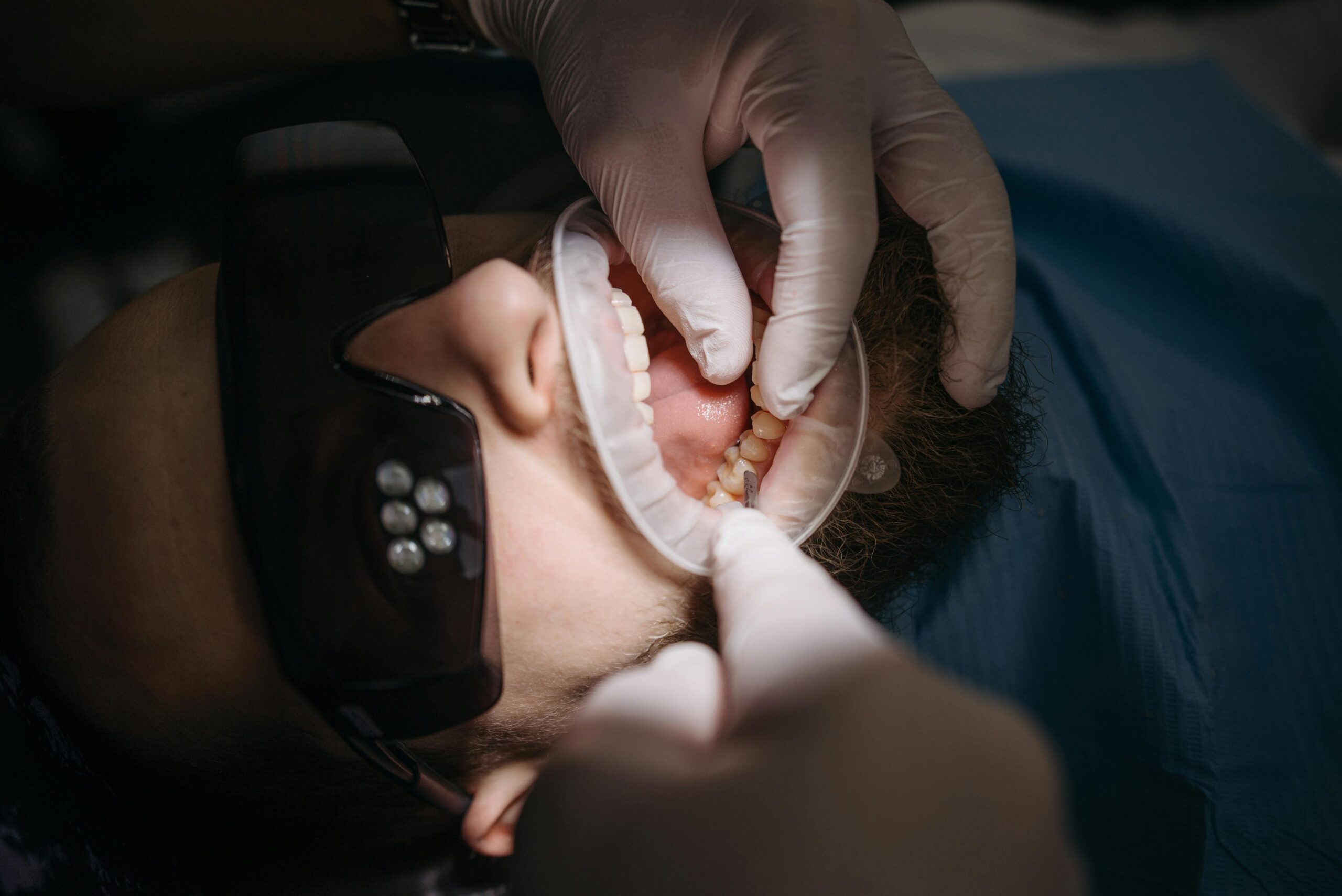
Measurements are taken at several points around each tooth to build a map of your mouth. Clinicians also note gum recession and bleeding, because combining pocket depth with recession shows the true attachment level. After therapy, numbers that shrink and bleed less are signs of healing. Sites that remain 5 mm or deeper are difficult to maintain at home and are more likely to need targeted re-instrumentation or closer follow-up. Recording and comparing measurements at consistent intervals shows whether a site is stable or changing.
Not all deep readings have the same meaning. Swollen gums can create a “pseudo-pocket,” where tissue is puffy but the deeper support is still intact. True pockets reflect lost attachment and carry greater long-term risk. Understanding which type you have keeps treatment focused and avoids overtreatment. Clear records make it easier for you and your dental team to choose the next best step.
Knowing your pocket depths turns a hidden process into clear, measurable information you can act on. Steady monitoring supports calm gums and confident chewing over time.
Bone Loss in Gums and Its Implications
Bone loss in the gums means the jawbone that holds teeth has been reduced by periodontitis. As support shrinks, teeth can loosen, gums recede, and your bite may shift. Deeper spaces are harder to clean, raising the risk of further breakdown and, eventually, tooth loss. Understanding this process helps you act before changes become permanent.
Here is how it develops: plaque-driven inflammation spreads from the gumline into the ligament and bone. The body’s immune response, while controlling bacteria, also activates cells that resorb bone. Patterns can be generalized around many teeth or localized at specific sites, and defects may be broad and horizontal or narrow and vertical. Vertical defects sometimes allow targeted treatment to improve the architecture, but bone does not regrow on its own without therapy. Your back tooth feels slightly wobbly after chewing.
Bone loss has everyday effects. Tooth mobility can make biting uncomfortable, and spaces that open between teeth trap food. Recession exposes root surfaces, which are softer than enamel and more susceptible to decay and cold sensitivity. As support decreases, front teeth may flare or drift, creating black triangles that affect appearance and speech. Clenching or grinding on a reduced foundation can amplify looseness and tenderness.
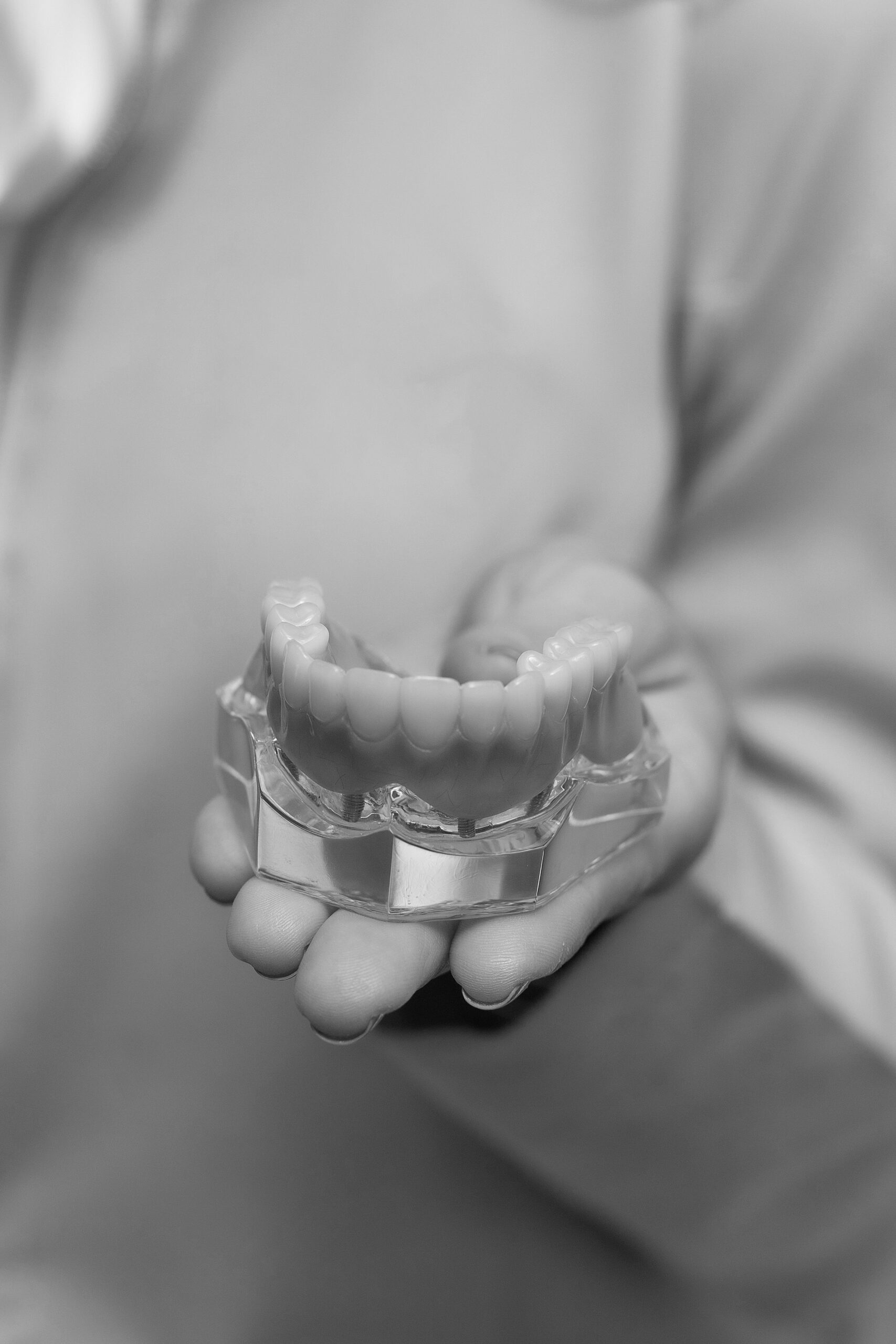
What helps most is stopping the inflammation and keeping it controlled. Dentists confirm bone levels with X‑rays and measure attachment to set a baseline, then clean below the gum line, adjust the bite when needed, and schedule maintenance to hold gains. Splinting may stabilize select teeth, and hopeless teeth are addressed to protect the rest. If replacement is needed, your team will review timing and choices, such as implants or implant‑retained dentures; for a broader overview of costs and pathways, see our guide to affordable dental implants. Bone loss marks later gum disease stages, so early, steady care makes a real difference. When treated promptly, preserving bone supports long‑term comfort and function.
Meet with our team to plan the right implant option and timeline.
A confident smile starts with a single consultation.
Treatment Options for Each Gum Disease Stage
Treatment is matched to how far the condition has advanced. Gingivitis is managed with improved daily cleaning and professional plaque removal. Stage I–II periodontitis is typically treated with scaling and root planing below the gums, followed by close maintenance. Stage III–IV disease may need surgical care, selective regeneration, stabilization of loose teeth, or, when a tooth cannot be saved, replacement planning. Care is personalized using your measurements and risk profile.
For gingivitis, the focus is thorough plaque control. Your hygienist will coach brushing and between‑teeth cleaning and remove deposits above and just under the gumline. Short‑term use of an antiseptic rinse can help reduce bacterial load while your technique improves; for context on common options, see our article that helps you compare common rinses. Local factors such as rough fillings or crowded areas are addressed to make daily cleaning easier. A re‑check confirms that bleeding and swelling have settled.
In early periodontitis, scaling and root planing is performed, often with local anesthesia, to disrupt biofilm and smooth root surfaces. A targeted home routine supports healing, and sites are re‑evaluated in several weeks to track pocket depth and bleeding. When a few spots remain inflamed, localized antimicrobials or re‑instrumentation can be used. Many people benefit from a maintenance interval of about three to four months to keep bacteria disrupted and prevent relapse. A molar traps food and the gum feels sore later that day.
Moderate to advanced disease needs added steps. Surgical therapy may be recommended to access deep roots, reduce pockets, and reshape areas for easier cleaning. In select vertical defects, regenerative approaches aim to rebuild lost support, while resective procedures streamline anatomy when regeneration is not predictable. Teeth with mobility can sometimes be splinted, bite forces may be adjusted, and hopeless teeth are removed to protect overall function. If replacement is needed, your dentist will review timing and choices that fit your goals.
The gum disease stages guide expectations, from simple cleanings to complex reconstruction. Whatever the starting point, steady maintenance and measured follow‑up help keep gains stable over time. Coordinated care often leads to calmer chewing and steadier gums.
Preventing Gum Disease Progression
Preventing gum disease progression means stopping inflammation before it damages deeper support. Consistent plaque removal and risk control are the core strategies. Your dental team then sets a maintenance rhythm to keep sites stable over time.
You brush after a busy week and gums sting at a few spots. Focus first on thorough daily cleaning along the gumline and between teeth. An electric brush with a gentle technique helps disrupt sticky biofilm. Add interdental cleaning that fits your spacing, such as floss or small brushes, so bacteria do not repopulate sheltered areas. If a rinse is recommended, use it to support, not replace, mechanical cleaning. Short, repeatable routines done the same way each day build reliable control.
Next, reduce factors that speed tissue breakdown. If you smoke or vape, quitting lowers your risk of deeper pocketing and tooth loss. Keeping blood sugar near your target range reduces inflammation around teeth if you have diabetes. Treat persistent dry mouth, because low saliva makes plaque stickier and raises irritation; see options in our guide to dry mouth treatment. Review medications that affect saliva with your clinician, and aim for a balanced diet that favors fiber-rich foods over frequent refined sugars. If you clench or grind, ask whether a protective plan could limit extra stress on already tender tissues.
Professional maintenance ties the plan together. After active therapy, measured follow-up visits clean below the gums where home tools cannot reach, check bleeding points, and compare pocket depths to your baseline. Targeted re-instrumentation is used when a few sites stay inflamed, and home care is adjusted based on what the measurements show. Understanding your place within the gum disease stages helps set priorities and cadence, whether you need routine cleanings or closer periodontal maintenance. Small, steady steps, done early and repeated, are what keep gums healthier and teeth more secure.
When addressed early, healthier gums stay comfortable and stable.
Frequently Asked Questions
Here are quick answers to common questions people have about Stages of Gum Disease in Glendale, AZ.
- What causes gum disease to progress?
The progression of gum disease is primarily caused by plaque buildup along and below the gumline. If not properly removed, this sticky film of bacteria leads to irritation and inflammation. Other factors include smoking, uncontrolled diabetes, and genetics, which can speed up tissue breakdown and increase the risk of reaching deeper gum disease stages. Early intervention and consistent oral hygiene are crucial to prevent the disease from advancing.
- How can I tell if I have periodontitis?
Signs of periodontitis include bleeding, red or swollen gums, persistent bad breath, and gum recession that makes teeth look longer. As the condition worsens, you might notice loose teeth, shifting teeth, or discomfort while chewing. Only a dental professional can determine the exact stage by measuring pocket depths and checking bone levels. Routine dental check-ups are essential to catch these signs early and begin appropriate treatment.
- Is gum disease reversible?
Gum disease at the gingivitis stage is reversible with improved oral hygiene and professional dental cleanings because it only affects the gums. However, once it progresses to periodontitis, the damage to bone and ligaments can be managed with treatment but not fully reversed. Consistent care and maintenance can help stabilize the condition and prevent further damage.
- Why is pocket depth important in gum disease?
Pocket depth is important because it indicates the space between the gum and tooth, reflecting the health of the gums. Normal pockets are 1 to 3 mm deep, while deeper pockets suggest inflammation or attachment loss. These measurements help dentists determine the stage of gum disease and guide treatment. Tracking pocket depth over time allows clinicians to monitor improvement or progression.
- What treatment options are available for advanced gum disease?
For advanced gum disease, treatment options include thorough cleaning below the gumline, surgical procedures to reduce pocket depth, and in some cases, bone grafting to regenerate lost support. Teeth that are too loose may be splinted for stability, and severely damaged teeth might be extracted and replaced with options like dental implants. Regular follow-up appointments are essential to maintain oral health and prevent further progression.
- Can lifestyle changes prevent periodontal disease?
Yes, lifestyle changes can play a significant role in preventing periodontal disease. Quitting smoking, managing diabetes, maintaining a balanced diet, and ensuring adequate oral hygiene can reduce the risk. Regular dental check-ups allow for early detection and intervention. By combining good daily habits with professional care, you can help maintain healthy gums and teeth over the long term.
References
- [1] Clinical effects of probiotics on the treatment of gingivitis and periodontitis: a systematic review and meta-analysis. (2025) — PubMed:40186219 / DOI: 10.1186/s12903-025-05888-5
- [2] Effectiveness of Mobile App Interventions to Improve Periodontal Health: Protocol for a Systematic Review and Meta-Analysis. (2024) — PubMed:39083769 / DOI: 10.2196/50479
- [3] Nanoparticle-based oral rinses for plaque control: A systematic review of efficacy and safety. (2025) — PubMed:41176187 / DOI: 10.1016/j.ejpb.2025.114910
- [4] Oral Health Interventions and Their Effectiveness for Dependent Older Adults: A Systematic Review of Outcomes and Outcome Measures Used in Clinical Research. (2025) — PubMed:41205989 / DOI: 10.1016/j.jdent.2025.106218
- [5] Periodontitis Awareness Amongst the General Public: A Critical Systematic Review to Identify Gaps of Knowledge. (2016) — PubMed:26545044 / DOI: 10.1902/jop.2015.150458
- [6] The Impact of Cigarette Smoking and Vaping Use on the Development and Progression of Periodontitis: A Systematic Review. (2025) — PubMed:40959186 / DOI: 10.1002/hsr2.71245
- [7] Is Obesity a Risk Factor for Periodontitis? A Systematic Review and Meta-Analysis. (2025) — PubMed:40955131 / DOI: 10.1111/obr.70020
- [8] Gingival crevicular fluid levels of soluble triggering receptor expressed on myeloid cells 1 in chronic periodontitis: A systematic review and meta-analysis. (2025) — PubMed:41161062 / DOI: 10.1016/j.archoralbio.2025.106440