

What Is a Night Guard?
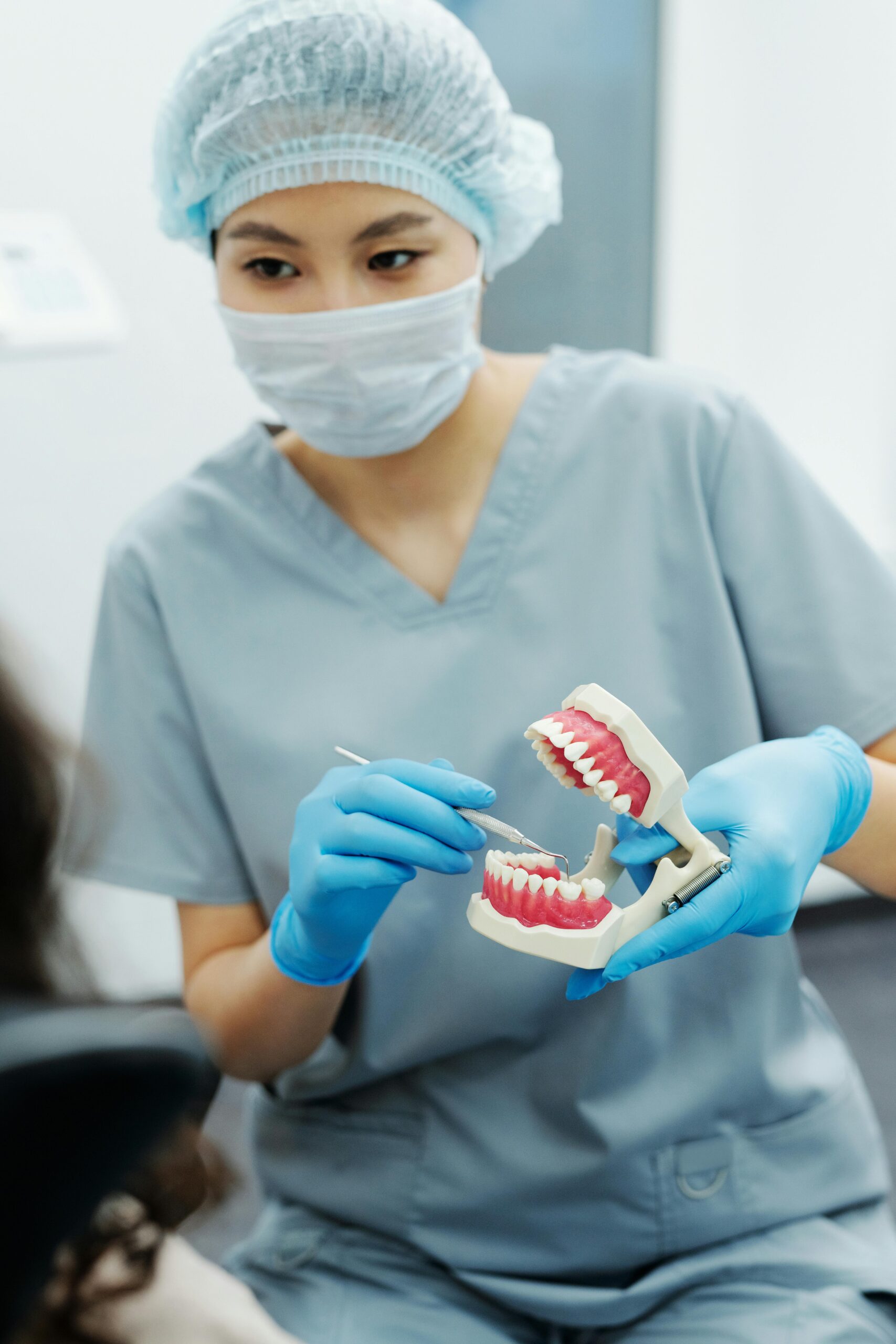
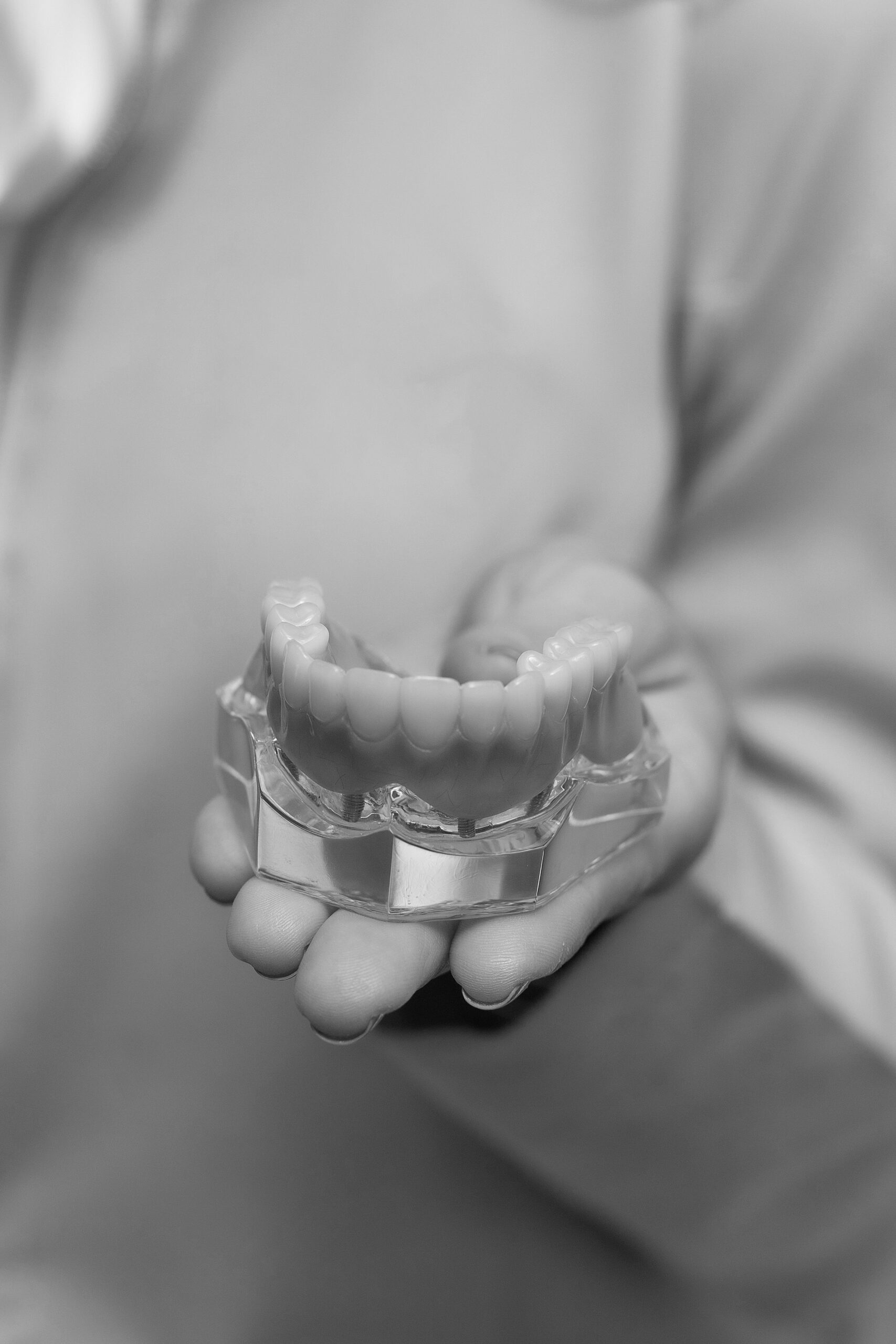
A night guard is a custom-fitted mouthpiece worn during sleep to protect teeth and the jaw from clenching and grinding. Dentists also call it an occlusal splint. It acts as a barrier and shock absorber, reducing excessive chewing forces that can wear down enamel, crack fillings, and strain jaw muscles.
You wake with a sore jaw and a chipped filling after a restless night. The guard works by placing a smooth, durable surface between your teeth, helping guide the jaw into a more stable position. This reduces friction, spreads bite pressure, and can make morning discomfort less likely.
- Distributes bite forces to help prevent enamel wear
- Shields crowns, fillings, and veneers from chipping
- Limits tooth-to-tooth contact that can cause cracks
- May lessen jaw muscle overactivity and morning soreness
- Helps protect orthodontic results and dental implants
Not all guards are the same. Designs vary by arch (upper or lower), material (soft, hard acrylic, or layered), and thickness. Dentists tailor these choices to your bite, symptoms, and TMJ health. Over-the-counter boil-and-bite trays can offer short-term protection, but custom appliances fit more precisely, feel more comfortable, and are easier to adjust over time.
A guard for grinding is different from sleep apnea devices, which reposition the lower jaw to improve airflow. If you are curious about that distinction, learn how oral appliances compare for sleep apnea. Because bruxism often fluctuates with stress, sleep quality, and medications, dentists also reassess wear patterns and fit at regular visits.
Daily care is simple. Rinse on removal, brush gently with cool water, allow to dry, and store in a vented case. Keep it away from heat and pets, and bring it to checkups for inspection and cleaning advice. For timing questions or scheduling, see our current hours. Coordinated care often leads to clearer days and calmer nights.
How Night Guards Help with Bruxism
Night guards help by separating the teeth, spreading bite pressure, and cushioning heavy clenching or grinding. This reduces micro‑damage to enamel and fillings, and lowers stress on the jaw joints and muscles. Many people notice fewer chipped edges and less morning jaw fatigue when they wear a well‑fitted guard.
You notice flattened edges on front teeth after stressful weeks. A guard changes the way your upper and lower teeth meet, creating a smooth, stable surface that limits grinding contact. The slight increase in space between the jaws can also alter jaw‑muscle activity for some patients, which may reduce tenderness on waking. If you already have restorations, you can also explore common crown materials to understand durability choices.
Fit and design matter. Dentists adjust contact points so the appliance guides the bite evenly, often emphasizing canine guidance to deflect heavy forces away from front and back teeth. The material and thickness are chosen for your wear pattern, bite, and TMJ health. Soft materials can feel comfortable for clenchers, while hard or layered designs resist wear from strong grinders. Regular checks help track appliance wear and fine‑tune comfort.
It is important to know what a guard can and cannot do. It protects teeth and dental work and can ease muscle strain, but it does not “cure” bruxism or treat airway problems. Because stress, sleep quality, and some medicines can raise grinding risk, your dentist may review broader factors while monitoring your response to the appliance. Joint care between dental and medical teams helps sustain long-term wellness.
Types of Night Guards Available
Night guards come in several designs, each built for different bite patterns and comfort needs. Common options include soft guards, hard acrylic guards, and dual‑laminate guards with a soft lining and hard exterior. Dentists also choose between upper or lower arch, full‑coverage or anterior‑only, and different thicknesses based on your exam findings.
Material matters. Soft guards can feel cushioned and quiet for light clenchers. Hard acrylic guards provide a flat, durable surface that is easy to fine‑tune for even contacts. Dual‑laminate designs aim to combine comfort inside with wear resistance outside. Thickness ranges from thin, flexible sheets for occasional clenching to thicker plates for heavy grinding or to protect crowns and veneers.
Coverage and arch choice are tailored to your mouth. Full‑coverage guards spread forces across an entire arch, which helps protect teeth and restorations during long‑term use. Anterior bite planes or deprogrammer‑style appliances contact only the front teeth to relax muscles, but they are usually short‑term and monitored closely to avoid unwanted tooth movement. Upper or lower placement depends on tooth shape, missing teeth, gag reflex, and how your jaw tracks during sleep.
Your guard feels bulky, so you stop wearing it. This is where customizing helps. A precise fit reduces edges that rub, and selective adjustments guide how the teeth meet on the guard. For strong grinders, a hard or dual‑laminate surface often holds up better and keeps contacts consistent over time. Sports mouthguards, while protective for impacts, are not designed for bruxism and typically do not provide the same bite guidance.
Over‑the‑counter boil‑and‑bite trays can be a short trial, but custom appliances allow controlled contacts and future adjustments as your bite or symptoms change. If snoring, pauses in breathing, or daytime sleepiness are part of the picture, a different kind of oral appliance may be indicated; you can see our overview of screening tools to understand next steps. The right choice is the one you can wear comfortably, night after night. Prompt evaluation supports comfortable nights and restorative sleep.
Benefits of Using an Occlusal Guard
An occlusal guard protects teeth, muscles, and joints from the heavy forces of clenching and grinding. It creates a controlled contact surface that reduces wear, helps prevent cracks, and shields existing dental work. Many people also notice less morning jaw fatigue and fewer bite-related aches when they wear it consistently.
Because it spreads pressure across a smooth, stable platform, the guard lowers peak force on any single tooth. This can slow the progression of flattened edges and cupped-out chewing surfaces, and may reduce cold sensitivity that follows enamel thinning. By reducing friction during sleep, it can also lessen bite-triggered muscle overactivity that contributes to facial tenderness. For many, this means fewer unexpected chips and a calmer start to the day.
After a tense week, a molar zings with cold water. A guard can soften those stress spikes by cushioning contacts and limiting the grinding pathways that overstress certain teeth. For people with past dental work, it provides a protective buffer that helps restorations last longer under nightly load. It is noninvasive, reversible, and adjustable, so your dentist can fine-tune contact points as your bite or symptoms change. In short, it is a practical, low‑risk way to manage a chronic, often stress‑linked habit.
There are day-to-day benefits too. The appliance can reduce morning chewing discomfort, make wide opening feel easier, and minimize the bite “catch” that occasionally follows a hard clench. Over time, wear marks on the guard also give your dentist a map of when and where grinding occurs, guiding targeted adjustments and tailored home advice. If you are exploring whether a night guard fits your situation, a brief evaluation clarifies design, thickness, and follow‑up needs so you can wear it comfortably and consistently. Timely attention to clenching patterns supports restful sleep and stable teeth.
Choosing the Right Dental Guard
The right dental guard is chosen by matching your symptoms, bite, and daily habits to a specific design. Your dentist evaluates where and how you load your teeth, joint comfort, and any existing dental work, then selects the arch, coverage, material, and thickness that best fit your mouth. A well‑fitted night guard should feel stable, contact evenly, and be easy to wear consistently.
Different patterns call for different builds. Strong grinders usually benefit from a firm, polished chewing surface that resists wear and holds precise contacts. Primary clenchers often prefer a design with a bit more cushioning inside, while still keeping the biting surface smooth and balanced. If the jaw joint is sensitive, a thinner, lower‑arch option can reduce bulk and help with adaptation. Short‑term front‑contact appliances may be used to relax muscles, but they require close monitoring and are not meant for long‑term, unsupervised use.
Existing restorations, implants, and veneers influence coverage choices, since teeth should be supported evenly across the arch to avoid unwanted shifting. Missing teeth, deep bites, or a strong gag reflex can also steer the decision toward one arch or a slimmer profile. Your guard cracks after two months of stress travel. That signals heavy force and may prompt a move to a harder material or added thickness in high‑load areas.
Expect a brief adjustment period. Follow‑up visits fine‑tune contact points so your back teeth and canines share load predictably, and wear marks on the guard act as a map for future tweaks. Bring the appliance to checkups for inspection, cleaning guidance, and timely replacement if it becomes warped or crazed. If snoring, pauses in breathing, or daytime sleepiness are present, appliance goals change; use our guide to sort out snoring versus sleep apnea before settling on a guard. When treated early, improved habits can transform sleep and jaw comfort.
Effectiveness of Bite Guards for Teeth Grinding
Bite guards are effective at protecting teeth and dental work from the heavy forces of grinding and clenching. They reduce enamel wear, help prevent cracks and chips, and can make morning jaw soreness less likely. Worn consistently, a night guard also lowers the risk of damaging existing crowns or fillings. It does not cure bruxism, but it limits the harm bruxism can cause.
The guard works by creating a smooth, stable surface that separates the teeth and spreads pressure across more area. This reduces friction during side‑to‑side movements and lowers peak stress on any single tooth. In certain cases, this change in contact pattern can lessen overactive jaw‑muscle activity during sleep, which may ease tenderness on waking. Comfort and protection improve when the appliance fits precisely and contacts are balanced.
Real-world effect shows up in daily life. A filling fractures after a restless week of clenching. With a well‑fitted guard, grinding occurs against the appliance instead of tooth enamel, so chips and craze lines are less common. Many patients also report fewer bite‑triggered zings from cold or chewing because the guard dampens sudden force spikes. For people with past dental work, this buffer often extends the service life of restorations under nightly load.
Results depend on wear time and follow‑up. Consistent nightly use protects more than occasional use, and brief check visits let your dentist adjust contact points as patterns change. If the guard feels bulky or causes new sore spots, small refinements usually restore comfort. If jaw pain persists, a broader evaluation for joint health, sleep quality, and stress factors helps guide next steps. Steady protection tonight can mean fewer dental problems tomorrow.
Caring for Your Grind Guard
Good care keeps your guard clean, comfortable, and effective. The goals are simple: limit buildup, prevent odors, and preserve the precise fit your dentist created. Clean it gently after use with non‑abrasive methods, allow it to dry completely, and handle it in a way that avoids bending edges or changing the bite surface.
Start by brushing and flossing your teeth before inserting the appliance at night, which reduces the bacteria transferred to the guard. After removal, clean the guard with a soft brush and a small amount of mild, fragrance‑free soap, then rinse thoroughly and air‑dry on a clean surface. Once a week, do a deeper clean to lift mineral deposits; a brief soak in a non‑abrasive retainer cleaner, followed by a thorough rinse and full drying, helps maintain clarity and smell. Avoid toothpaste, bleach, and prolonged soaks in alcohol‑based rinses, which can scratch or degrade materials; if you use rinses in your routine, see our guide to mouthwash best practices.
Care for the case, too. Wash and dry it regularly so you are not placing a clean guard into a damp, contaminated container. Do not store the guard while wet; a dry, ventilated environment limits odor and surface changes. After a red‑eye flight, your guard smells musty. Rinse, let it fully dry, and perform a deep clean before the next wear.
Handle the appliance by the thicker molar areas when inserting and removing, not by thin front edges. It should seat with light finger pressure, without biting down hard to force it in. Watch for warning signs: rocking, new sore spots, white stress lines, rough edges, cloudiness that does not clear after cleaning, or a bite that suddenly feels different in the morning. These changes signal it is time for an adjustment, polishing, or replacement assessment so your night guard continues to protect teeth and dental work reliably. Simple daily care supports calm nights and strong teeth.
Signs You Need a Mouth Guard for Sleep
You may need a mouth guard if mornings bring jaw soreness, temple headaches, or teeth that feel bruised. Look for flattened biting edges, new chips or cracks, and cold sensitivity that appeared without a known cavity. Partners often report loud grinding at night, and some people notice cheek biting lines or scalloped tongue edges. A night guard is often considered when these patterns show up more than once.
You wake with temple tension and a tooth that feels bruised. These clues point to heavy nighttime clenching or grinding that strains chewing muscles and hammers enamel. Repeated tooth-to-tooth contact can form matching shiny “wear facets,” tiny craze lines, or notches near the gumline. Morning jaw stiffness, tenderness when you press the cheeks, or a brief click on opening can also hint at overload from sleep bruxism.
Sometimes the first sign is a broken filling after stressful weeks, or a crown that fractures without a hard bite on food. Teeth may feel taller in the morning, then settle as muscles relax during the day. Earache without ear infection can be referred from jaw muscles, and some people notice their bite feels “off” right after waking. Because these changes often progress slowly, regular dental exams help spot patterns early and separate normal wear from damaging forces.
If you notice snoring, witnessed breathing pauses, or jaw locking along with these signs, mention them during your visit so your dentist can coordinate the right evaluation. A brief exam can confirm whether the wear, symptoms, and muscle findings match sleep bruxism and whether a protective guard makes sense now or after other steps. Small changes today can prevent bigger cracks and sore mornings tomorrow. Timely attention to grinding patterns guides better rest and recovery.
Consulting Your Dentist About a Night Guard
See your dentist if you have morning jaw pain, new chips, or reports of grinding. At the visit, your dentist will examine your bite, jaw joints, and chewing muscles, and discuss whether a night guard is right for you. They will explain material, arch, and thickness choices, then outline how impressions or a digital scan and follow‑up visits work.
During a checkup, your dentist spots shiny wear facets on molars. They will review your symptoms, stress level, and medicines, and ask about snoring or daytime sleepiness. The exam looks for tooth wear, cracked edges, cheek biting lines, joint clicks, and muscle tenderness. Based on these findings, the dentist selects an appliance design that protects teeth and feels comfortable enough to wear nightly.
Expect a simple process. Photos and a scan or molds capture your current bite, and a quick bite record shows how your teeth meet. At delivery, the guard is adjusted so your contacts feel even and smooth. Most people adapt within one to two weeks, and a short follow‑up confirms fit and comfort. If anxiety makes appointments hard, you can learn how adult sedation options support comfortable care.
Come prepared with details. Note when symptoms occur, if a partner hears grinding, and any headaches or earaches on waking. Mention past dental work, sports guards you use, and any sleep concerns. Your dentist will show you how to insert and remove the appliance, how to clean it, and when to bring it back for checks. This visit builds a clear plan so your guard protects teeth without changing your bite. Prompt evaluation supports restorative sleep and steady jaw comfort.
Alternatives to Using a Night Guard
If you prefer not to wear a guard, there are other ways to reduce grinding forces and target common triggers. Options include habit retraining, jaw exercises and physical therapy, sleep and stress strategies, and, when indicated, medical evaluation for airway or reflux problems. A night guard still protects teeth, but these approaches work on the reasons you clench or grind.
Start with daytime habit retraining. Keep the tongue resting on the palate, lips together, and teeth apart, and set reminders to release the jaw during focused tasks. Gentle heat, brief stretching, and posture changes can calm overworked muscles. Avoid gum chewing and ice crunching, which keep muscles active. Limiting late caffeine and alcohol, and treating acid reflux when present, can also reduce nighttime jaw activity.
Next, consider sleep and breathing. Loud snoring, gasping, or unrefreshing sleep suggest an airway issue that can amplify bruxism. Treating nasal congestion or allergies, improving nasal breathing, and addressing suspected sleep apnea with proper testing can lessen strain on the jaw for some people. Oral appliances that advance the lower jaw or CPAP are different from guards; they target airflow and may indirectly decrease clenching when airway collapse is part of the picture.
Stress management and better sleep routine matter too. Brief relaxation practices, cognitive behavioral strategies for insomnia, and consistent bed and wake times can lower muscle tension at night. Some people trial biofeedback devices that prompt relaxation when jaw muscles activate during sleep, though results vary and follow‑up is important. For persistent pain or severe wear, a clinician may discuss short courses of medication, targeted injections, or referral for physical therapy. Bite adjustments are not a routine treatment for bruxism, but orthodontic or restorative planning may be considered if tooth position or damaged surfaces are contributing to overload.
You wake with tight temples after a week of deadlines. Combining small daily habit changes with improved sleep and, when needed, medical evaluation often reduces symptoms and risk over time. Timely attention to airway habits guides better rest and recovery.
Frequently Asked Questions
Here are quick answers to common questions people have about Night Guards: Protecting Against Teeth Grinding in Glendale, AZ.
- How can a night guard help protect my dental work?
A night guard acts as a protective barrier between your teeth, helping to shield dental work like crowns, fillings, and veneers from the forces of grinding and clenching. By distributing bite pressure evenly, the guard reduces the risk of cracks and chips in restored teeth. Consistent use helps preserve the longevity of your dental work and limits damage that can occur during nighttime grinding, keeping your smile intact.
- What types of materials are used in night guards?
Night guards are made from various materials tailored to individual needs. Common choices include soft materials for cushioning, hard acrylic for durability, and dual-laminate designs with soft interiors and hard exteriors. The material selection depends on personal comfort preference and the specific wear pattern of the user. Soft guards feel gentle for lighter clenchers, while hard guards withstand the wear from stronger grinders.
- How do I know if I need a night guard?
Consider a night guard if you experience morning jaw soreness, unexplained tooth sensitivity, or frequent headaches. Signs like flattened tooth surfaces, new chips, tooth fractures, or loud teeth grinding noticed by a partner also indicate bruxism. If these issues persist, it’s beneficial to consult with a dentist for an evaluation to determine if a night guard is appropriate.
- What is the difference between a night guard and a sports mouthguard?
Night guards and sports mouthguards serve different purposes. A night guard is designed to protect teeth from grinding and clenching during sleep, focusing on even bite force distribution and comfort. In contrast, sports mouthguards are bulkier, protecting teeth from impacts during sports activities. They lack the precision fit and bite guidance specific to night guards for bruxism.
- How often should I replace my night guard?
The lifespan of a night guard varies with the material and amount of grinding it endures. Regular dental checkups help monitor wear and ensure it remains effective. Generally, hard acrylic guards last longer than soft ones. If the guard feels uncomfortable, shows cracks, or fails to fit properly, consult your dentist to discuss potential replacement or adjustments.
- Can a night guard help with TMJ issues?
A night guard may help alleviate symptoms related to TMJ disorders by reducing muscle tension and protecting the joint from additional stress. It creates a more stable jaw position during sleep, potentially reducing strain on the TMJ. However, it is important to discuss your specific symptoms with a dentist to explore if a night guard is suitable for TMJ management.
- What care instructions should I follow for my night guard?
To care for your night guard, rinse it after removing, brush gently with a soft brush and mild soap, and let it air dry before storing it in a ventilated case. Avoid using toothpaste or alcohol-based cleaners, which can damage the material. Clean your storage case regularly, and avoid heat which can warp the guard.