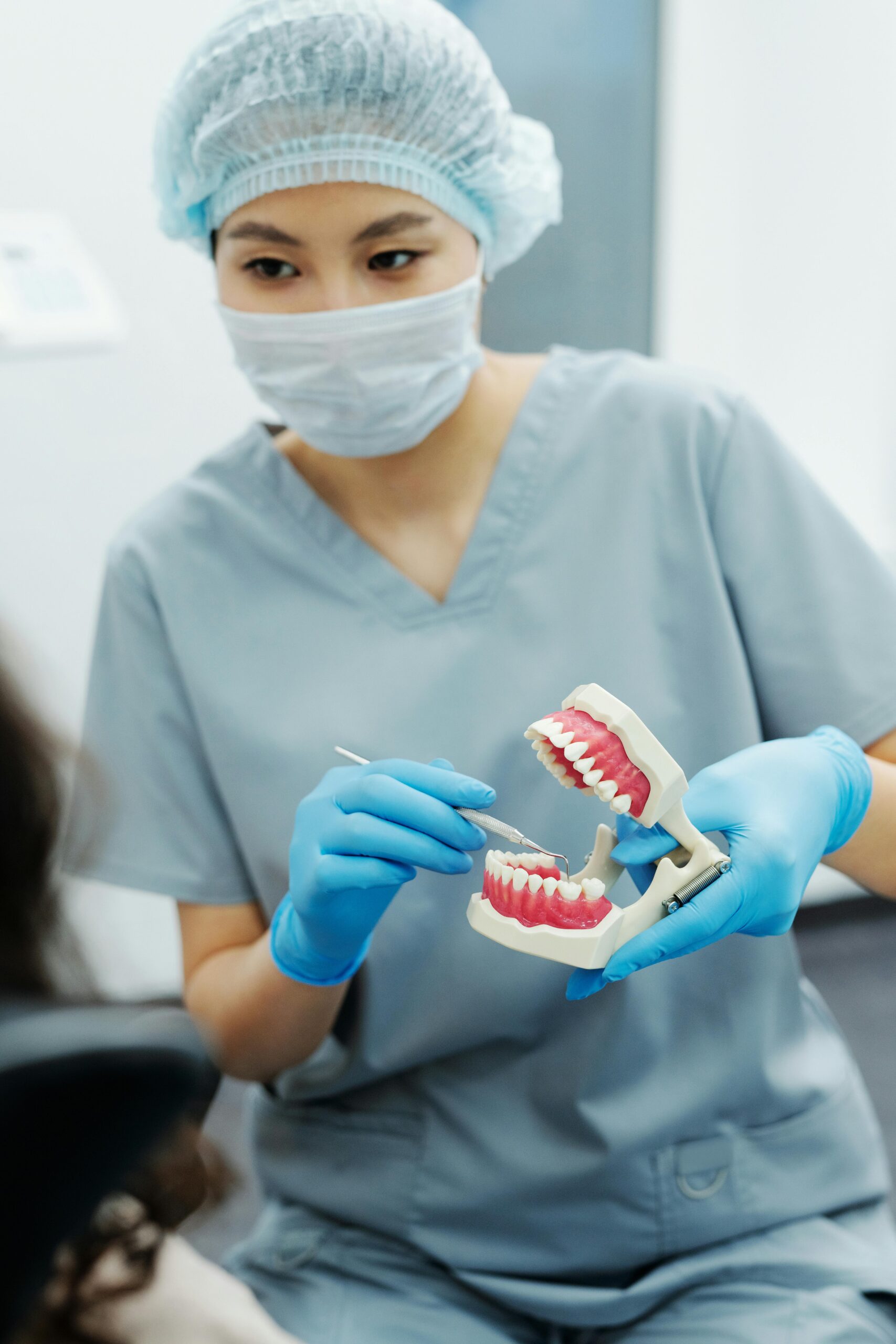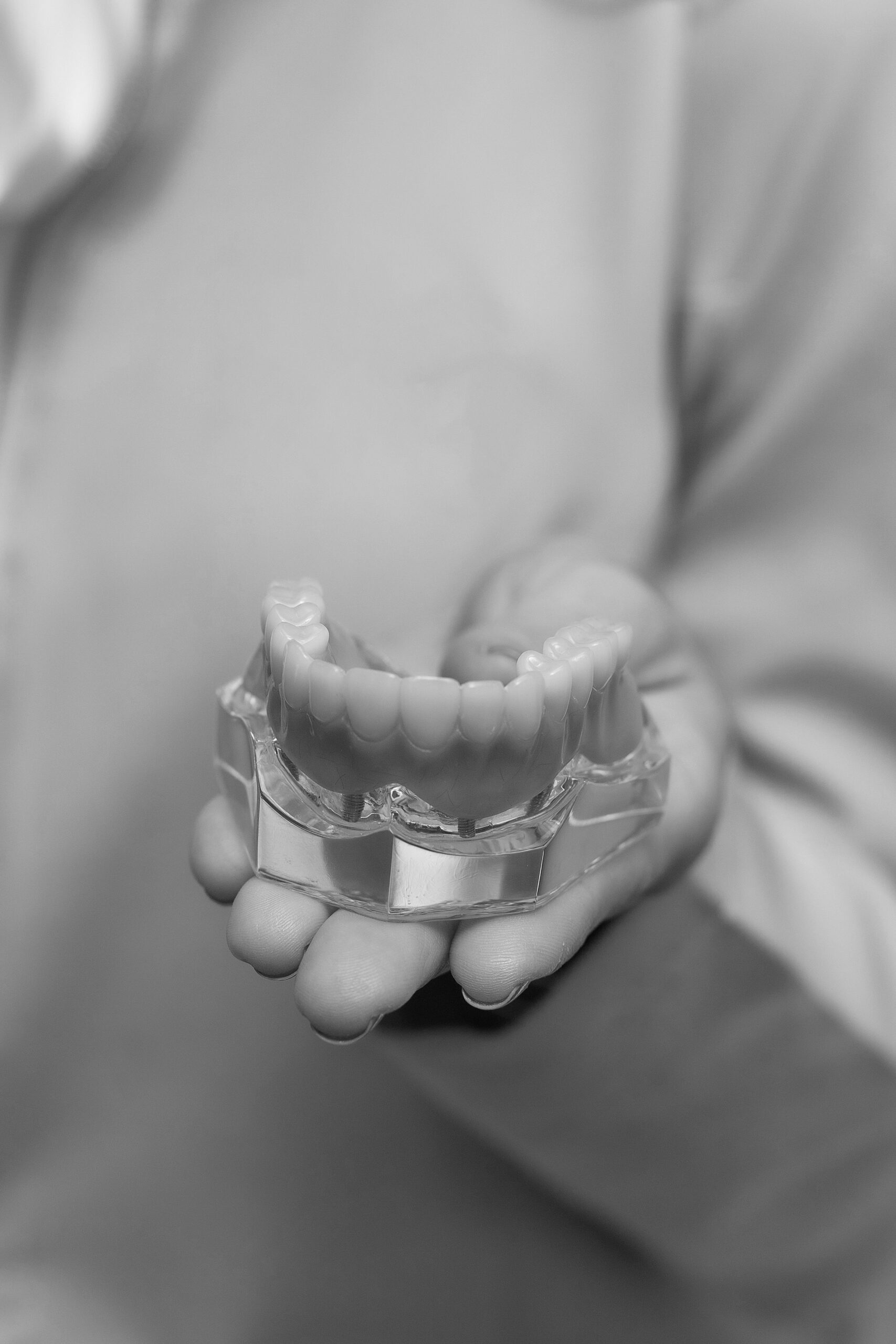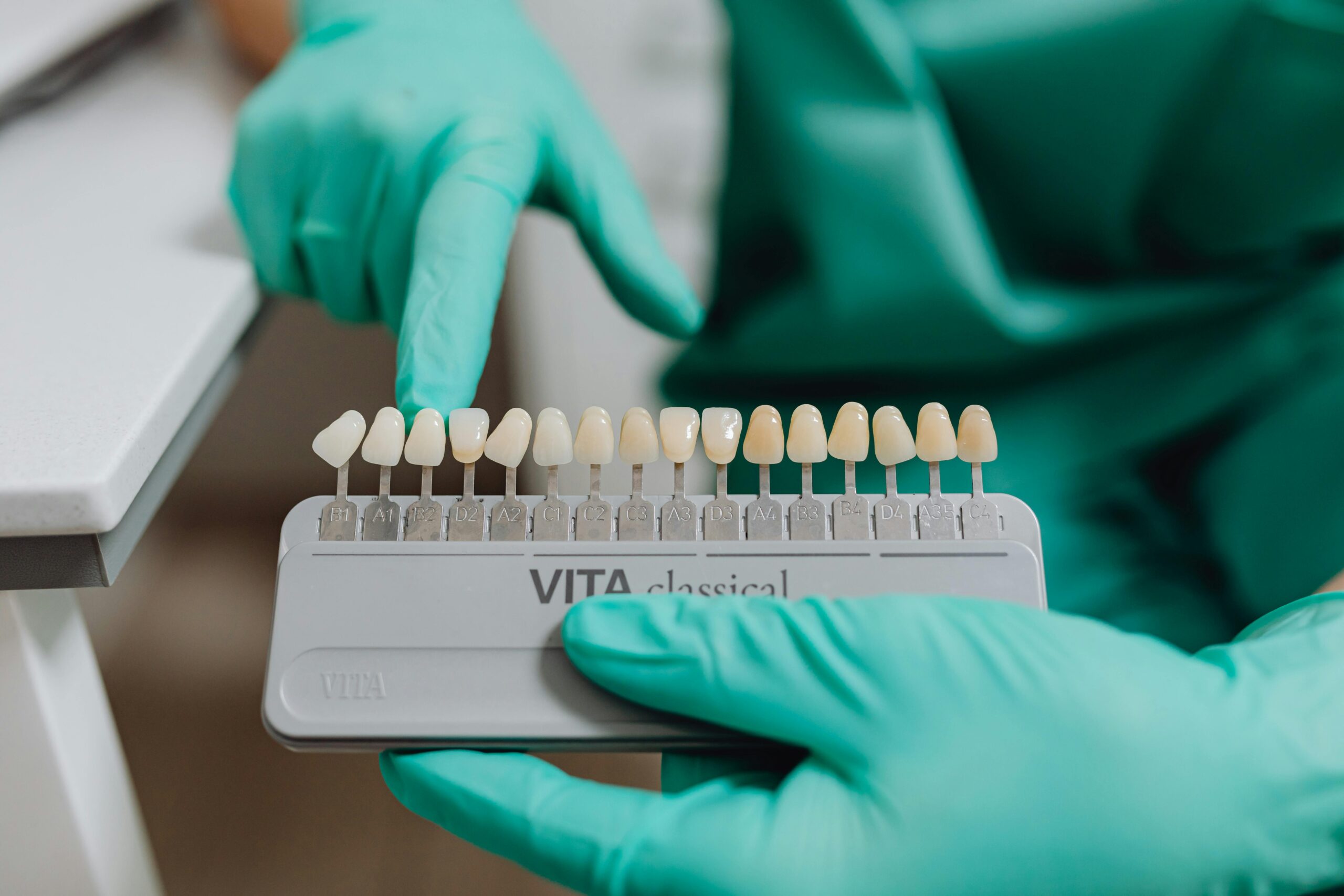
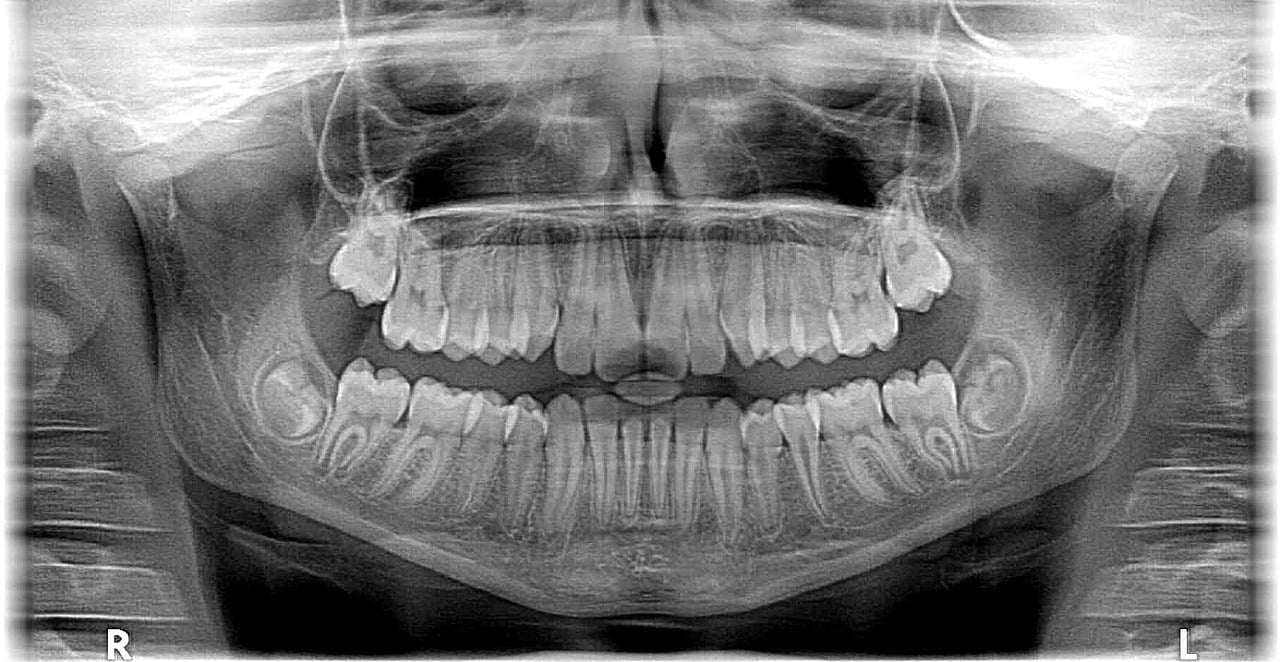

What are Scottsdale Dental Implants?
Dental implants are artificial tooth roots, usually titanium, placed in the jaw to support replacement teeth. They can hold a single crown, a bridge, or a full denture, restoring chewing and a natural look. When we say Scottsdale dental implants, we simply mean receiving this proven treatment here in our community.
You lost a molar last year and want a lasting replacement. An implant has three parts: the implant post anchored in bone, a connector called an abutment, and the visible crown or denture that attaches on top. Over several months, bone bonds to the implant in a process called osseointegration. This creates a stable foundation that does not rely on neighboring teeth.
Not everyone’s plan is identical. A careful exam, imaging, and medical history review guide timing and options. Healthy gums and adequate bone help long-term success. If bone is thin, grafting may be discussed before or during placement. Some cases allow a temporary tooth the same day, while others heal for a period before the final tooth is attached. For a broader perspective on tooth replacement choices, see how we compare implants with dentures.
Implants are designed to feel secure for eating, speaking, and smiling. They also help maintain jawbone where a tooth was lost, which supports facial contours over time. Good daily hygiene and regular professional care are important for the tissues around the implant. For availability, see our current hours.
If you are considering replacing one tooth, several teeth, or a full arch, understanding these basics helps you plan next steps. Collaborative care helps sustain long-term oral wellness.
Benefits of Scottsdale Implants
Choosing Scottsdale dental implants offers a fixed, comfortable way to replace missing teeth. They let you enjoy a varied diet, speak clearly, and smile with confidence. Because they stand independently, nearby teeth usually stay untouched.
You want to eat crisp apples without worrying about a loose denture. Implants are anchored to your jaw, so biting feels stable and predictable. That stability can make everyday chewing feel closer to natural teeth and can reduce the need for denture adhesives. Many patients also notice clearer speech, since there is no removable plate moving during words. For full-arch cases, designs can leave the palate uncovered, which often feels more natural for taste and temperature.
- Preserves neighboring teeth, unlike some bridges that require reshaping.
- Stable biting power compared with removable dentures during daily meals.
- Clearer speech without a plate that can shift.
- Fixed comfort, no daily removal or adhesives.
- Flexible options, from one tooth to full-arch solutions.
- Well-documented longevity when placed and maintained correctly.
Care is straightforward. You brush and floss the crown or bridge like a natural tooth, and your hygienist will show you tools for cleaning around the implant. Regular exams help protect the gums and monitor the implant connection. If you are exploring what results look like over time, you can browse real-case timelines and outcomes for context. These benefits matter most when they fit your goals, health, and timeline, so a personalized plan is essential.
Thoughtful planning today supports confident chewing for years.
Choosing an Implant Dentist in Scottsdale
Choosing an implant dentist means finding a team that plans, places, and maintains your implant with clarity and care. Look for clinicians who assess bone and gum health, use 3D imaging, and explain options, timelines, and risks in plain language. When exploring Scottsdale dental implants, prioritize experience that blends surgical precision with restorative design.
You compare two providers after losing a front tooth. A thorough evaluation often includes a cone-beam CT scan to map bone quality, roots, nerves, and sinuses, plus a bite assessment to plan forces on the future tooth. Your dentist should review medical history, medicines, and habits like grinding, then explain whether grafting, a sinus procedure, or a staged approach is recommended. Ask how they handle temporaries, comfort options, and healing steps so you know what to expect at each visit.
Experience matters, but outcomes and follow-through matter more. Skilled teams discuss both success factors and how they manage complications if they arise, including gum inflammation around implants and bite adjustments. They also plan soft tissue contours for cleaning access and natural appearance. Collaboration with a quality lab helps align color, shape, and screw-retained or cement-retained design choices. Clear hygiene coaching, protective night guards when needed, and scheduled maintenance support long-term health.
Communication style is just as important as technique. Expect photos, radiographs, and a written plan that fit your goals and calendar. It helps to see examples of similar cases and to use reviews well, focusing on details about planning, comfort, and follow-up. If your needs are complex, ask how the dentist coordinates with specialists so your surgical and restorative steps stay aligned.
Thoughtful selection today can make treatment smoother and results more predictable. Joint care between surgical and restorative teams helps sustain long-term wellness.
Understanding Tooth Implants in Scottsdale
Tooth implants replace missing roots with a small post in the jaw that supports a custom tooth. In Scottsdale, this treatment restores chewing and appearance with a solution that stays fixed. The typical steps are careful planning, implant placement, healing, and then attaching the final crown or bridge.
You broke a premolar and want a long-lasting fix. Your visit starts with 3D imaging and a bite review to map bone and plan forces on the future tooth. If the site is healthy and stable, the implant is placed and allowed to heal under the gum or with a healing cap. When needed, minor grafting or a sinus lift helps create support, especially for upper back teeth. With Scottsdale dental implants, planning determines whether immediate placement or a staged timeline is best for you. For several missing teeth in a row, you may replace them with fewer implants that hold a multi-tooth bridge; see how implant-supported bridges function and are maintained.
Daily care protects the tissues around your implant. Brush as you normally would, then clean the sides with floss threaders or small interdental brushes your hygienist recommends. A water flosser can help rinse under a bridge or full-arch design. At checkups, your team reviews home care, checks the bite, and monitors the gums so they stay tight and comfortable around the implant. Call if you notice bleeding, swelling, soreness when chewing, or a chipped crown so small issues do not become bigger ones.
Health habits matter for healing and longevity. Stable blood sugar, tobacco avoidance, and a night guard when you grind can reduce stress on the implant and the surrounding tissues. Clear communication about medicines and medical conditions helps the dentist coordinate timing and comfort options. Understanding these parts of the process makes it easier to choose the right path and timeline. Prompt evaluation supports stable healing and long-term function.
Meet with our team to plan the right implant option and timeline.
A confident smile starts with a single consultation.
Factors Influencing Implant Cost in Scottsdale
Implant cost in Scottsdale varies with the number of missing teeth, jawbone health, and the type of final restoration. Added procedures, such as grafting, sinus augmentation, or guided surgery, affect visits, materials, and timelines. For Scottsdale dental implants, the total reflects planning, surgery, and the custom tooth or prosthesis.
The condition of the site is a major driver. If a tooth must be removed first, the choice to preserve the socket with graft material can influence later stability and cost. Active infection may require healing time before placement, adding appointments. In the upper back jaw, limited bone height can call for a sinus lift to create support for a stable implant. Your coworker needs a sinus lift before an upper molar implant.
Prosthetic design matters too. A single implant with a crown differs from a multi-unit bridge supported by fewer implants, and both differ from full-arch solutions. The abutment type, crown material, and whether the prosthesis is screw-retained or cemented shape both lab work and chair time. Some situations benefit from a provisional tooth during healing, which adds fabrication steps but protects esthetics and function while tissues mature.
Planning tools and comfort choices also play a role. A CBCT scan and a custom surgical guide can improve accuracy, especially near sinuses or nerves, and they add technical steps to the case. Sedation options, when appropriate, require evaluation and monitoring. After placement, follow-up visits to adjust the bite, evaluate gums, and provide hygiene coaching are part of the total care plan. If you would like a broader overview of budgeting and timelines, you can explore our breakdown of costs and financing.
Every plan is individualized, so a clear exam and written estimate help you compare options with confidence. Clear planning helps your budget align with your treatment goals.
Finding the Best Implants in Scottsdale
The best implants are the ones planned for your mouth, placed safely, and maintained over time. In Scottsdale, that means a team that matches the implant plan to your bone, bite, and smile goals, then supports you with clear follow-up. Scottsdale dental implants work best when the approach is personalized, not one-size-fits-all.
Start with health. Stable gums, clean teeth, and well-managed medical conditions help healing and comfort. Tell your dentist about blood thinners, bone medicines, autoimmune conditions, and smoking, since these can affect timing and technique. You take a blood thinner and want a safe plan. The right team coordinates with your physician, schedules visits around your health, and sets realistic timelines you can follow.
Next, consider design and materials. Ask how the future tooth will be shaped for easy cleaning and a natural look. Many patients prefer restorations that can be removed by the dentist for service, which helps long-term care. Discuss whether a screw-retained design is suitable for your case, how the gum line will be shaped for access, and how color and shape will be matched to nearby teeth. Good planning here protects comfort, function, and appearance.
Process matters too. Expect photos, models, and a try-in when esthetics are critical, especially for front teeth. Clear surgical steps, gentle post-op instructions, and a written home-care plan make the experience smoother. After the tooth is attached, scheduled bite checks and periodic X-rays help keep the implant and gums healthy. If you are comparing offices, see our guide to choosing a nearby dentist so you can weigh communication, access, and follow-up policies alongside training.
When you evaluate health fit, design details, and support after placement, you are far more likely to find the “best” option for you. Coordinated care often leads to steadier chewing and easier cleaning.
Role of Scottsdale Oral Surgeons
Oral surgeons handle the surgical steps that make implants possible. They prepare the site, place the implant precisely, and manage complex anatomy safely. For Scottsdale dental implants, they also coordinate with your restorative dentist so the final tooth fits your bite and smile.
You lost a front tooth in a bike fall. An oral surgeon evaluates bone thickness, gum quality, and nearby structures like nerves and sinuses with three-dimensional scans. When bone is thin or missing, they perform ridge preservation or augmentation to build support. In the upper back jaw, they may lift the sinus to create room for a stable implant. If a tooth must be removed first, they shape the socket and protect tissue so the future implant has a healthier foundation.
Precision affects comfort and longevity. Surgeons choose implant size, angle, and depth to balance chewing forces and protect nearby teeth. They can place an implant at the time of extraction in select cases, or stage it when healing is needed. For full-arch solutions, they plan the number and position of implants so the prosthesis feels secure and cleans well; you can learn how full-arch approaches are designed and maintained. When anatomy is challenging, they may use guides to translate the plan directly into surgery.
Risk control is part of their role. They review your medicines and medical conditions, coordinate safe sedation when appropriate, and manage bleeding or infection risk. If complications occur, such as early implant mobility or soft tissue irritation, they diagnose the cause and adjust the plan, sometimes in partnership with a periodontist or your restorative dentist. If an implant needs to be removed, they support a staged path back to function with grafting and a revised design.
Understanding what an oral surgeon does helps you see how planning and surgery connect to the tooth you will wear every day. Clear teamwork supports safer surgery and smoother recovery.
What to Expect During Your Implant Procedure
On the day of implant placement, your mouth is numbed, and the site is prepared under sterile conditions. The dentist places a small titanium post into the jaw, then protects the area with a healing cap or cover screw and sutures. You leave with written instructions and a follow-up plan tailored to your case.
You arrive for a morning appointment after a light meal. First, the team reviews your medical history and the 3D plan, then confirms the site and bite. An antiseptic rinse is used, and a surgical guide may help position the implant precisely. The dentist starts with a pilot opening, gradually shapes the socket, and seats the implant to a measured stability. If a temporary tooth is appropriate, it is adjusted out of heavy biting so the site can rest.
As the numbness fades, mild oozing can occur for several hours. Swelling is common and usually peaks around day two to three; a cool compress in short intervals the first day can help. Eat soft foods and chew on the other side while the site settles. Avoid smoking, straws, and forceful rinsing for the first 24 hours. Brush your other teeth as usual, then gently clean near the surgical area with a soft brush once your dentist says it is safe. Rinsing with salt water after the first day can keep the tissues comfortable. Use over-the-counter pain control as directed by your dentist or physician.
Your first check is often within one to two weeks to review healing and remove sutures if needed. The implant typically rests undisturbed for a period before the next steps. At the integration visit, the team verifies stability and takes a scan or impression for the custom abutment and crown. The final appointment attaches the tooth and fine-tunes your bite, with cleaning tips for easy home care. For Scottsdale dental implants, knowing this sequence helps you plan work, meals, and exercise around each step. With clear steps, most patients find recovery predictable and the next visit straightforward.
Aftercare Tips for Dental Implants
Good aftercare protects the gums and bone around your implant and helps it last. Keep the area clean, follow food and activity guidance, and attend scheduled checks. If something feels off, call promptly so small issues do not grow. These tips apply whether you received a single implant or full-arch care, including Scottsdale dental implants.
You had your implant placed yesterday and want to heal well. For the first day, avoid disturbing the site. Do not smoke, use straws, or rinse forcefully. Expect some swelling and minor oozing; use a cool compress on and off the first day and rest with your head slightly raised. Choose soft, lukewarm foods and chew away from the surgery side until your dentist says to advance.
Oral hygiene starts gently. Brush the rest of your teeth as usual, then use a soft brush around the surgical area as soon as your dentist allows. After the first 24 hours, a mild saltwater rinse can keep tissues comfortable. Once the gum heals, clean the implant sides daily with floss threaders or small interdental brushes. A water flosser can help under a bridge or around full-arch designs. Protect your progress by managing health habits, including blood sugar control and avoiding tobacco. If you clench or grind, ask about a night guard to reduce stress on the implant.
Know the warning signs that need a call: increasing pain after the third day, persistent bleeding, fever, bad taste, new swelling, or the feeling that the crown is loose. Early attention keeps gum inflammation from becoming a deeper problem. If your dentist recommends a non-staining, alcohol-free rinse during healing, see our overview of implant-safe rinses for how they fit into home care.
Long-term, plan regular professional cleanings and exam visits. Your team will check the bite, take periodic X-rays, and show you tools that make cleaning around the implant simple. Consistent home care and timely maintenance support healthy tissues and steady function. Joint care between you and your dental team supports lasting implant health.
Common Concerns About Dental Implants
People often worry about pain, safety, and how long implants last. Common concerns include healing time, bone grafting, nerve or sinus issues, and long-term maintenance. With careful planning and good home care, most risks can be reduced and problems are usually manageable.
Placement safety is a frequent question. In the lower jaw, the inferior alveolar nerve sits near molar sites, so 3D imaging and precise depth control help lower the chance of temporary or persistent nerve symptoms [1]. In the upper back jaw, limited bone height near the sinus may require a sinus lift to create stable support. You smoke and worry an implant might fail.
Health habits and medical factors matter. Smoking is linked with worse peri-implant gum measures and more inflammation, so quitting or reducing can aid outcomes [2]. Good daily cleaning, stable blood sugar, and a protective night guard for clenching help protect the tissues and the implant connection. Regular visits allow the team to catch early gum changes before they progress.
Longevity includes the tooth on top of the implant. Over time, material-related issues like porcelain chipping or screw loosening can occur, and they are typically handled with maintenance or component repair [3]. Some patients ask about cancer risk. Current evidence does not show a causal link between dental implants and oral squamous cell carcinoma [4]. That said, rare case reports exist, often alongside chronic inflammation, which is why routine follow-up is important [5].
Age is another concern. Because implants do not move with growing jaws, children and many teens are not typical candidates until growth is complete [6]. If you are weighing Scottsdale dental implants, bring your specific questions to the consult so the plan reflects your health, goals, and timeline. Coordinated care often leads to steady function and healthier tissues.
Frequently Asked Questions
Here are quick answers to common questions people have about Dental Implants Scottsdale in Glendale, AZ.
- What are the components of a dental implant?
A dental implant typically consists of three parts: the implant post, the abutment, and the crown. The implant post is a titanium screw that is placed into the jawbone, serving as an artificial tooth root. The abutment is a connector piece that attaches to the top of the implant, supporting the final restoration. The crown is the visible part that looks like a tooth, securing the appearance and function of a natural smile.
- How do dental implants protect jawbone health?
Dental implants help maintain jawbone health by mimicking natural tooth roots. When a tooth is lost, the bone beneath can start to shrink. An implant stimulates the jawbone as a natural root does, preventing bone loss over time. This support helps maintain your facial structure and keeps neighboring teeth stable, a benefit that removable dentures cannot provide.
- What should I expect during the initial implant consultation?
At an initial implant consultation, the dentist will review your dental history and health to determine if you are a good candidate for implants. Imaging, such as a 3D scan or X-rays, maps your jawbone’s condition. Your dentist will discuss the treatment timeline, any needed preparatory procedures like grafting, and tailor the approach to your specific needs. This thorough evaluation helps to ensure successful implant integration and longevity.
- How long does the entire dental implant process take?
The dental implant process can vary but often takes several months from start to finish. After the initial consultation and planning stage, if grafting or healing time is needed, the implant post is placed. Osseointegration, where the bone bonds to the implant, usually takes a few months. Only then is the final crown or denture attached. Some cases allow for a temporary tooth during this period, providing a functional and aesthetic solution while healing.
- What are possible complications with dental implants?
Though rare, potential complications with dental implants can include infection at the site, implant failure due to lack of osseointegration, nerve damage, or sinus issues if the implant is in the upper jaw. Maintaining good oral hygiene and following aftercare instructions can help prevent these issues. Regular check-ups with your dentist allow early detection and management of any complications.
- Why might bone grafting be necessary before getting dental implants?
Bone grafting may be necessary if there is not enough healthy bone in the jaw to support an implant. This can occur due to bone loss from missing teeth, gum disease, or injury. Grafting adds bone material to the area, creating a stable foundation. Depending on the amount of grafting needed, the procedure might be done before or during implant placement, impacting the overall treatment timeline.
- Can dental implants improve speech compared to dentures?
Yes, dental implants can improve speech compared to dentures. Because implants are securely anchored in the jawbone, they are stable and do not shift or slip like removable dentures can. This stability allows for clearer speech, as there is no removable plate that might move during talking, providing a more natural speaking experience.
- Is age a factor in whether I can get dental implants?
While dental implants are suitable for many adults, they are generally not recommended for children or teens whose jaws are still growing. Implants do not shift as natural teeth might in a growing jaw. Adults and seniors can benefit from implants, as long as they have adequate bone and healthy gums. It’s essential to discuss your medical history and any conditions with your dentist during the consultation.
References
- [1] Inferior alveolar nerve damage related to dental implant placement. A systematic review and meta-analysis. (2025) — PubMed:40192114 / DOI: 10.4317/medoral.27125
- [2] Impact of Smoking Habit on Peri-Implant Indicators following Different Therapies: A Systematic Review. (2022) — PubMed:36290537 / DOI: 10.3390/bioengineering9100569
- [3] Material-related complications in implant-supported fixed dental restorations. A systematic review. (2018) — PubMed:30109306
- [4] Lack of association between dental implants and oral squamous cell carcinoma. (2022) — PubMed:35338331 / DOI: 10.1038/s41432-022-0250-2
- [5] Squamous cell carcinoma and dental implants: A systematic review of case reports. (2015) — PubMed:26538881 / DOI: 10.4103/0975-7406.163457
- [6] Dental implants in growing patients: A systematic review and meta-analysis. (2023) — PubMed:36502352 / DOI: 10.3233/THC-220581