
Understanding Phoenix Dental Implants
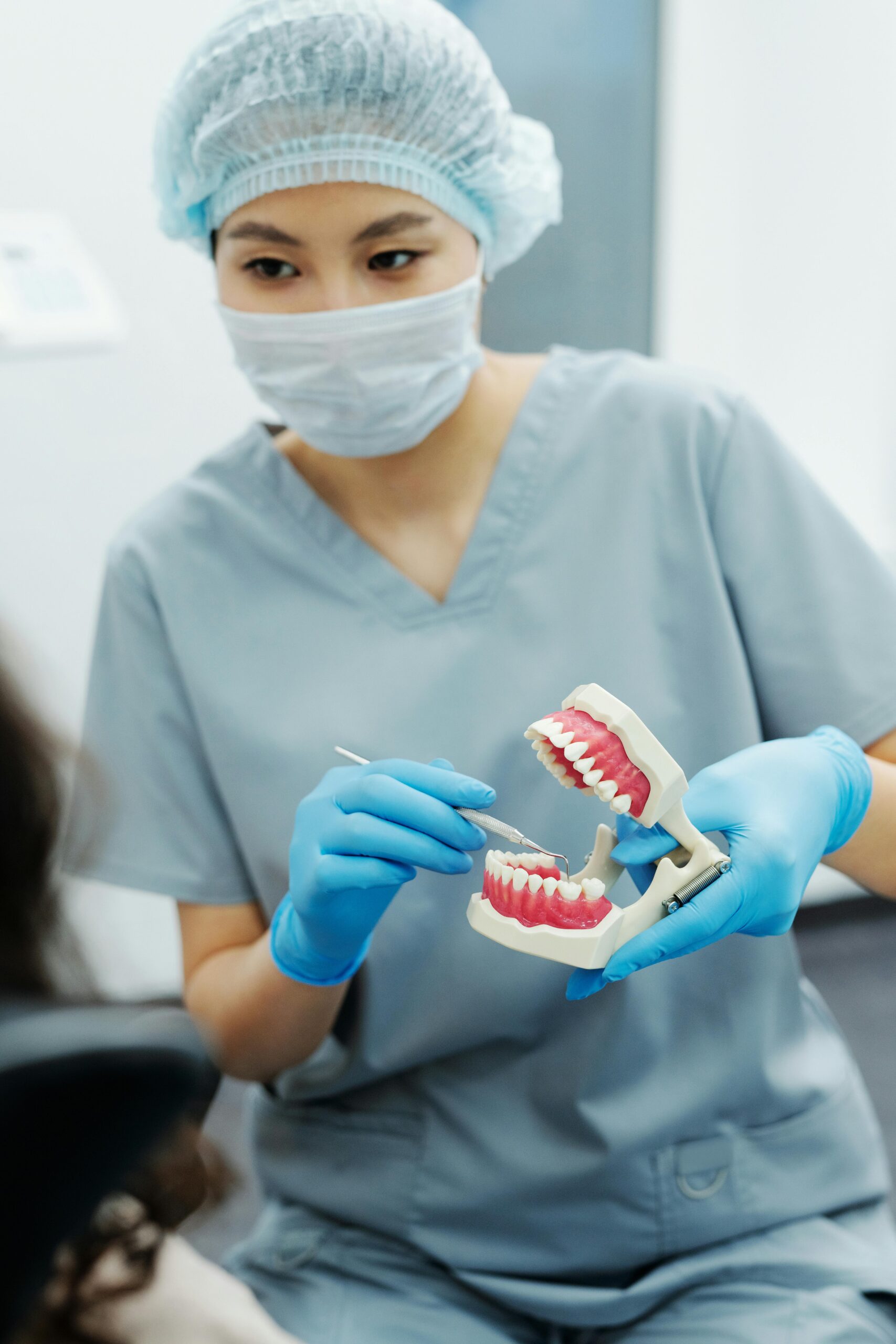
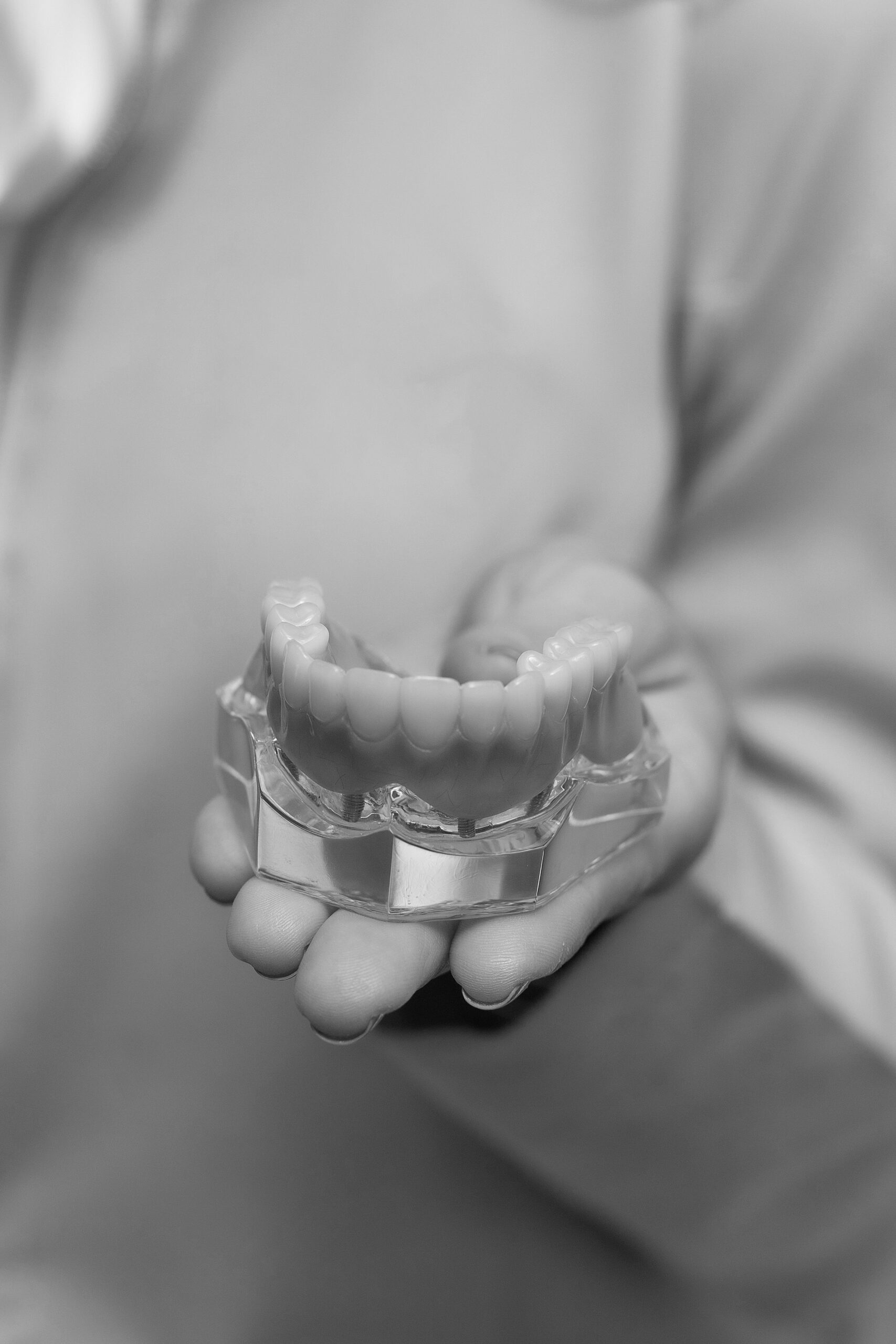
Dental implants are small posts placed in the jaw to replace missing tooth roots. They support a crown, bridge, or denture so you can chew and speak comfortably. Phoenix dental implants are planned with detailed imaging, then placed and restored in phases. With healthy gums and bone, they can feel and function like natural teeth.
You lost a molar years ago and now want a fixed tooth. An implant works by fusing with your jawbone, a process called osseointegration. Each implant has three parts: the implant body in bone, a connector called an abutment, and the visible tooth or denture attachment. Here is the typical sequence:
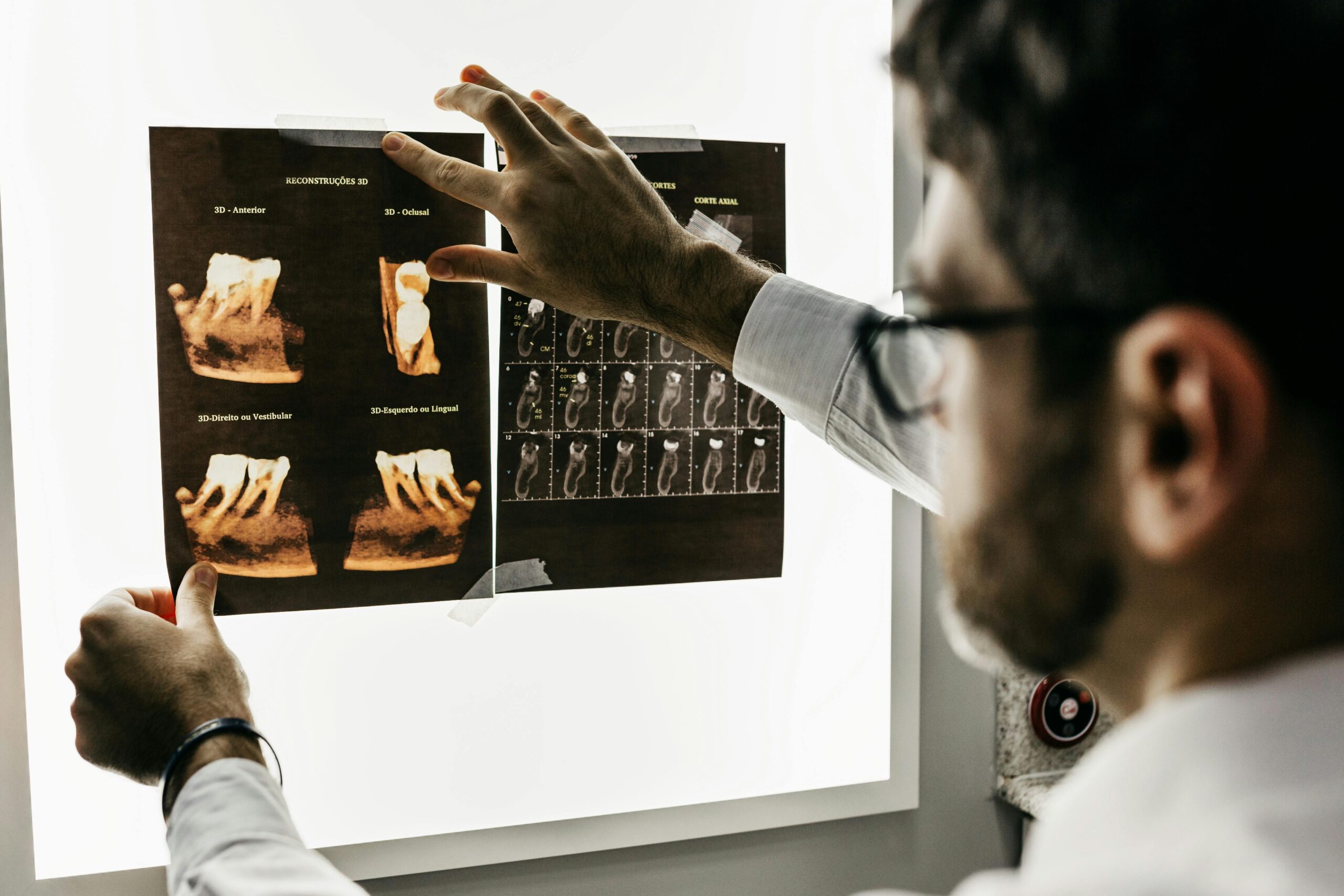
- Consultation and 3D imaging to map bone and nerves.
- Gentle placement of the implant with local anesthesia.
- Healing time for bone to integrate with the implant.
- Abutment connection to support the restoration.
- Custom crown, bridge, or denture fitted for function and look.
- Follow-up checks and hygiene coaching.
Timelines vary with bone quality, gum health, and whether grafting is needed. Good candidates have stable medical conditions and healthy gums. If bone is thin, guided bone grafting or a sinus lift can rebuild support before or during placement. Smokers and people with poorly controlled diabetes may need extra planning because healing can be slower. If you grind your teeth, a night guard can protect your new restoration. To see how implants stack up against other options, you can compare implants with dentures.
Daily brushing, flossing, and regular cleanings help prevent peri-implant inflammation and keep tissues healthy. If you are coordinating visits, check our current hours. Next, we outline candidacy and planning steps so you know what to expect. Joint care between dental and medical teams helps sustain long-term wellness.
Choosing a Phoenix Implant Dentist
Look for a dentist who plans the entire implant process from assessment to maintenance. Training in implant surgery and restoration, clear communication, and a stepwise plan are essential. When comparing Phoenix dental implants providers, ask how they evaluate your bone, gums, and bite before recommending treatment.
A strong choice blends surgical skill with restorative design. That means careful records, digital planning, and collaboration with a quality dental lab so the final tooth fits your smile and bite. If you have medical conditions or take certain medications, your dentist should coordinate with your physician and tailor healing timelines. You want one strong tooth to replace a front incisor. Comfort options matter too, so ask what local anesthesia or sedation choices are available and how safety is managed.
Experience with both straightforward and complex cases can reduce surprises during care. A dentist should explain alternatives, risks, and how they manage complications if they arise. Ask how they protect the tissues around implants with hygiene coaching, night guard recommendations when needed, and a recall schedule that monitors bone and gum health. If you use online feedback in your search, see our guide to understanding dentist reviews so comments are weighed fairly and in context.
Before you decide, request a written plan that outlines steps, timelines, and follow-up. Clarify who places the implant, who restores it, and how the team handles maintenance after delivery. This makes it easier to compare providers and choose the fit that matches your goals, comfort level, and schedule. Coordinated care often leads to clearer days and calmer nights.
What to Expect During Your Implant Procedure
During your implant visit, the team will numb the area, prepare the site, and place the implant into your jawbone. The implant is positioned with precise measurements, then covered with a small healing component or a protective cap. You leave with written instructions and a clear plan for your first check-in.
On surgery day, you check in and get settled. Local anesthesia numbs the tissues so you feel pressure, not sharp pain. If you prefer added relaxation, your dentist can discuss nitrous, oral sedation, or deeper options; see our overview of sedation levels in dentistry for what each involves. Throughout the appointment, your vital signs and comfort are monitored.
For placement, your dentist follows a guided sequence to shape a precise channel in bone while keeping the site cool with sterile irrigation. A sterile implant is then threaded into place at a planned depth and angle. Position and stability are checked so the future tooth aligns with your bite. Depending on the location and plan, a healing abutment that sits above the gums or a small cover screw beneath the gums is used. Fine sutures close the gum tissue where needed.
For front teeth, a temporary tooth may be added when stability allows, with instructions not to chew on it. Before you go, you will learn how to manage swelling with cold packs, how to use gauze, and which foods are safest early on. Most people do best with soft, cool foods at first and gentle brushing around the area. Avoid smoking and heavy exercise while tissues calm down. You will also receive guidance on medications and what warning signs merit a call, such as increasing pain, unusual bleeding, or a loose healing cap.
Your follow-up visits confirm healing and plan the final tooth. This stepwise approach helps Phoenix dental implants feel predictable from day one through restoration. Clear planning and gentle technique support a smooth, confident recovery.
How Much Do Implants Cost in Phoenix?
Implant costs in Phoenix vary because every mouth and treatment plan is different. Your total depends on how many implants you need, the type of final tooth or denture, and whether added procedures are required. Estimates include imaging, surgery, parts, and the custom restoration. A precise figure follows an exam and 3D scan so the plan matches your goals.
You need one back tooth replaced after a fracture. A single implant with a crown typically costs less than multiple implants supporting a bridge or a full-arch solution. Front teeth may involve extra steps for gum shaping and temporaries to fine-tune appearance. Materials and design affect fees too, such as a custom abutment versus a stock connector, or layered ceramics for high-visibility areas. Bite forces, space, and aesthetics guide these decisions so the result is strong and natural-looking.
Site complexity influences both timeline and cost. Bone grafting or a sinus lift may be recommended to create stable support; these add appointments and materials. Digital planning, including a CBCT scan and a surgical guide, improves accuracy and helps avoid surprises, and those tools are part of the overall fee. Comfort choices can also affect pricing, since local anesthesia is standard while sedation options add clinical time and monitoring. For a deeper breakdown of components and payment pathways, see our cost and financing overview.
Insurance may contribute to parts of care, and many patients use HSA or FSA funds. Because implants can preserve neighboring teeth and support chewing, they are often a long-term value compared with short-term fixes. The best way to understand your number is a personalized plan that details steps, parts, and lab work. Phoenix dental implants feel more predictable when you know exactly what is included. Thoughtful planning supports a smooth path from estimate to final tooth.
Meet with our team to plan the right implant option and timeline.
A confident smile starts with a single consultation.
Finding the Best Implants in Phoenix
The best implants are those matched to your mouth, health, and goals, not a single brand or shortcut. In Phoenix, look for a plan that fits your bone, gums, and bite, plus a restoration designed for your smile. Clear steps, modern imaging, and reliable follow-up help Phoenix dental implants feel predictable and durable.
You want a front tooth replaced before a big event. The “best” choice considers site specifics, including bone shape, gum thickness, and your bite forces. For some, immediate placement and a temporary tooth work well; for others, a staged approach protects the tissues and improves final contours. Your dentist should explain why one timeline serves your site better than another, and what you should avoid while healing.
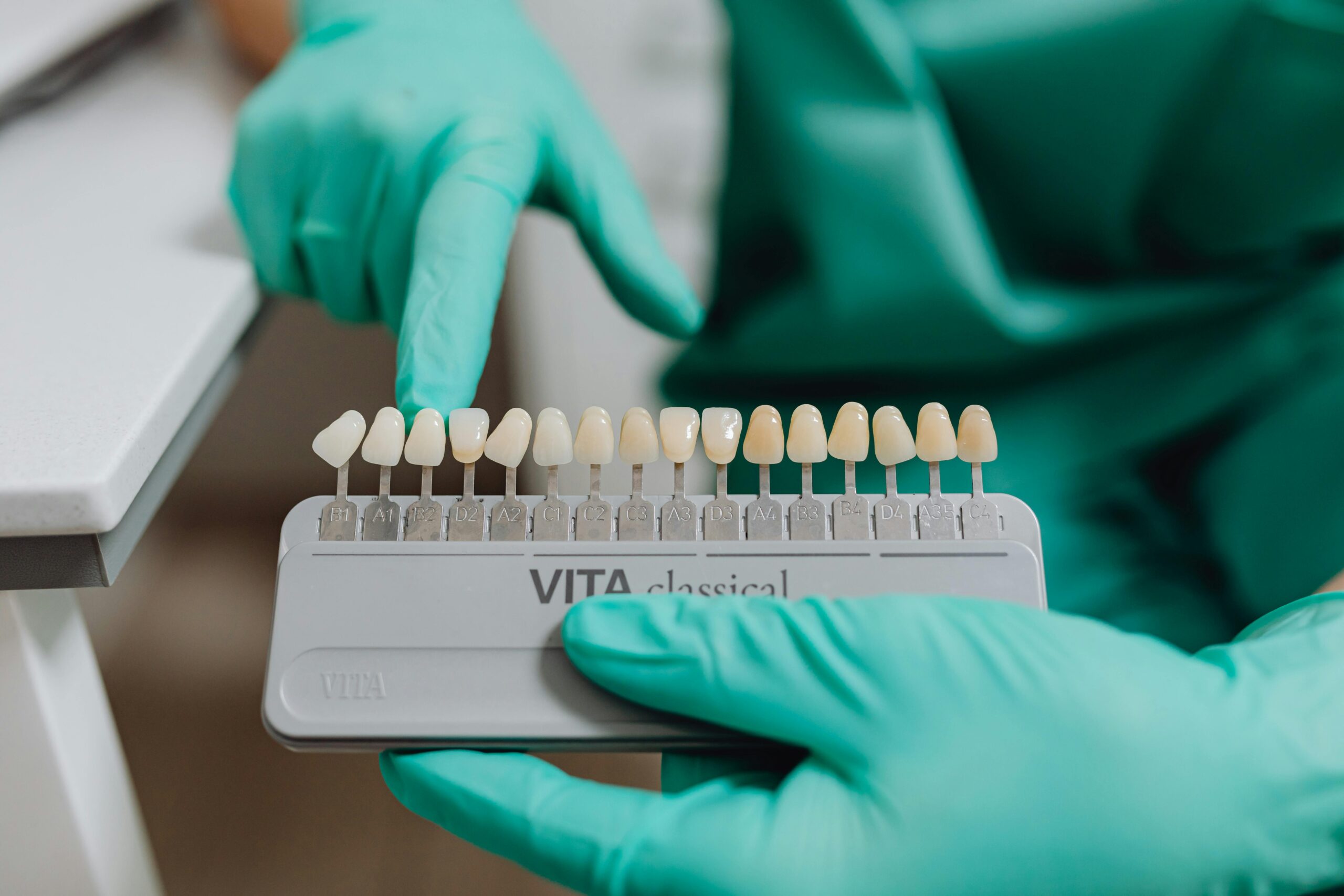
Materials and design matter. A custom-matched abutment and crown contour can support the papilla and gum line so the result looks natural. For back teeth, strength and cleanability often take priority, so the emergence shape and contact points are tailored for easy flossing and brushing. Digital scans and careful records help the lab craft a restoration that fits on the first try, reducing adjustments and chair time.
Because several paths may reach a good result, compare options side by side. Ask how many implants are truly needed, when the tooth will be attached, and how repairs are handled locally. If you are weighing alternatives for a single missing tooth, you can review bridges versus implants to understand tradeoffs in tooth preservation, maintenance, and longevity. Thoughtful planning today usually pays off with fewer surprises later.
In short, the “best implants” come from the right diagnosis, precise placement, and a restoration designed for your bite and smile. A written plan that outlines steps, timelines, and maintenance helps you choose confidently and track progress. When planned well, stable implants support comfort and long-term function.
The Role of an Implant Specialist in Phoenix
An implant specialist guides your case from diagnosis to long-term maintenance. They evaluate bone, gums, and bite, plan precise placement, and design the final tooth or teeth. Their role is to reduce risks, coordinate care, and help your implants function comfortably over time.
First, the specialist completes a detailed exam with 3D imaging to map nerves, sinuses, and bone quality. Medical history and medications are reviewed, and, when needed, your physician is consulted so healing is predictable. You lost two premolars and have limited bone near the sinus. With this information, the specialist explains options, timelines, and why a staged or immediate approach suits your site.
During planning, they determine if grafting, sinus elevation, or tissue shaping will improve support and appearance. Digital guides and measured torque help place the implant in ideal bone and angle so the future crown aligns with your bite. When appropriate, a temporary tooth may be used while protecting the site from heavy chewing. The specialist also balances chewing forces and designs contacts that are strong yet cleanable.
After placement, the specialist monitors healing, then sculpts or selects the abutment and coordinates with the lab for a crown that fits your smile and function. Follow-up visits include hygiene coaching, checkups for the screws and connectors, and scheduled X-rays to watch the bone level around the implant. If you have multiple missing teeth or full-arch needs, your specialist discusses fixed and removable solutions and how maintenance differs; for a deeper overview of full-arch concepts, you can review All-on-4 treatment basics. Thoughtful planning helps Phoenix dental implants feel dependable from surgery through restoration.
In short, an implant specialist integrates diagnosis, surgical skill, and restorative design into one clear plan. This teamwork-focused approach supports stable teeth and steady, confident chewing.
Phoenix Tooth Implant Success Rates
Most modern tooth implants have high long‑term survival when planned and maintained well. Success reflects stable bone support, healthy gums, and a comfortable bite over time. Rates vary by your health, the implant site, and the type of restoration.
Clinicians measure two ideas. Survival means the implant remains in place. Success adds stricter checks, like minimal bone changes, healthy tissues, and a crown that functions without pain. Early problems usually relate to lack of integration with bone. Later issues often involve inflammation around the implant or excess bite forces. Because of this, careful diagnosis and a tailored plan matter more than a single statistic.
Several factors influence outcomes. Smoking, poorly controlled diabetes, a history of gum disease, and inconsistent home care raise risk. Heavy clenching or grinding can overload parts, especially on back teeth, so bite design and protective night guards are important. Site specifics also play a role. Front teeth may prioritize aesthetics and soft‑tissue support, while molar areas manage higher forces. Immediate placement or same‑day teeth can work when bone quality and initial stability are strong. When grafting or sinus lifts are needed, success remains high with precise technique and healing time.
Daily habits strongly affect long‑term stability. Brush, clean between teeth, and follow a maintenance schedule so early gum irritation does not progress. Your hygienist will show you how to clean around the posts and under the crown edges. Products that reduce biofilm and support gum health can be helpful; explore our overview on implant-friendly rinsing routines for practical tips. Regular checkups allow small adjustments to bite and early treatment if tissues look inflamed.
You want to replace a premolar and keep it working for years. In our Phoenix office, we review your health, bite, and site anatomy, then design steps that match your goals. With this approach, Phoenix dental implants can deliver predictable comfort and function. Steady habits and follow‑up help your implant thrive for years.
Post-Implant Care in Phoenix
Post-implant care focuses on protecting the site, keeping it clean, and avoiding strain while bone heals. In Phoenix, plan for rest, hydration, and gentle hygiene in the first days. Good home care and scheduled checks help your implant and gums stay healthy. Thoughtful routines make Phoenix dental implants more comfortable during recovery.
You just had a molar implant placed this morning. For the first 24 hours, bite gently on gauze if instructed, avoid spitting, straws, and smoking, and keep your head elevated when resting. Use cold packs on and off to limit swelling, and choose soft, cool foods. Take medications only as directed. Because of our dry, warm climate, drink water often and avoid heavy exercise or sun exposure for at least 48 hours.
Oral hygiene starts carefully. Brush the rest of your teeth as usual the first night, but skip the surgical site. After 24 hours, you can begin gentle saltwater rinses several times a day. At 48 to 72 hours, lightly brush near the area with an extra-soft brush. Interdental brushes with plastic-coated wire can help clean around a healing abutment without scratching it. A water flosser on a low setting may be useful once tenderness fades. If you use mouthrinse, choose an alcohol-free option and follow your dentist’s timing; see our practical mouthwash guidance for safe use.
Call if bleeding restarts after it stopped, pain increases after day three, you see pus or develop fever, or a cap feels loose. Temporary teeth are for looks, not chewing; avoid biting on them until you are cleared. If you clench or grind, ask about a night guard once healing allows. Phoenix heat can expand swelling, so rest indoors, sleep with your head slightly up, and keep meals soft for several days. Your follow-up visits confirm healing and set the timeline for impressions and the final tooth. Prompt follow-up supports healthy healing and long-term function.
Common Myths About Dental Implants
Several myths make implants seem scary or off-limits, but the facts are calmer and clearer. Most people can have implants with a tailored plan, and recovery is usually manageable. With good home care and regular checkups, implants can serve reliably for years. Knowing what is true helps you decide with confidence.
Pain is the most common worry. During placement, the area is fully numbed so you feel pressure, not sharp pain. Afterward, soreness is typical for a few days and is usually controlled with the instructions your dentist provides. A neighbor says implants always hurt and fail. In reality, careful planning and hygiene are the biggest drivers of long-term comfort.
Another myth is that implants are only for older adults. Adults of many ages choose implants when a tooth is missing. People with diabetes or who smoke sometimes believe they cannot have implants at all. These factors may raise risk, but they do not automatically rule treatment out; your dentist can coordinate with your physician and adjust timelines. It is also untrue that everyone needs a large bone graft. Many sites have enough support, and when enhancement is needed, it can often be minimal and well timed.
Some worry an implant will look fake. The visible tooth is a custom crown that is shaped and shaded to blend with your smile. Others think implants are maintenance‑free. While implants do not get cavities, the surrounding gums can become inflamed if plaque builds up. Daily brushing and cleaning between teeth, plus professional maintenance, protect the tissues around your implant. Finally, implants are fixed in place; they are not removed at night.
Clearing up myths makes next steps simpler. If Phoenix dental implants are on your mind, ask for a plan that explains your options, healing, and maintenance in plain terms. Timely facts help you choose care with confidence.
Long-Term Benefits of Dental Implants
Dental implants provide stable chewing, protect jawbone volume, and do not rely on neighboring teeth for support. With steady home care and routine checkups, they can stay comfortable and functional for many years.
You bite into a crisp apple without thinking about your tooth. Because an implant is anchored in bone, it transmits chewing forces to the jaw, which helps the bone stay active and strong. Unlike a traditional bridge, nearby teeth are not drilled for crowns, so healthy enamel is preserved. Many people also notice clearer speech and easier tasting compared with bulky removable plates that cover the palate.
Modern implant surfaces are designed to join closely with bone, supporting firm, long-term attachment and load-bearing during chewing [1]. Day to day, success depends on clean, calm gums around the implant. Consistent brushing, interdental cleaning, and professional maintenance are recommended to reduce peri-implant inflammation and protect the tissues that hold your restoration in place [2]. When your dentist designs the crown and bite to balance forces, the parts are less likely to feel overloaded, and cleaning access stays simple.
These benefits add up in practical ways. Stable teeth let you choose a wider range of foods, which supports nutrition and comfort. Preserved bone helps maintain facial contours over time. Keeping adjacent teeth untouched can make future care simpler if needs change later. If you are weighing options for Phoenix dental implants, consider which features matter most to you: strong chewing, gum health, easy cleaning, and a natural look. A personalized plan that matches your health and bite is the best way to capture these long-term gains. Well-cared-for implants can support confident chewing for years.
Frequently Asked Questions
Here are quick answers to common questions people have about Dental Implants Phoenix in Glendale, AZ.
- What steps are involved in getting a dental implant in Phoenix?
Getting a dental implant involves several key steps. First is a consultation with your dentist, who will use 3D imaging to plan the procedure. Next, the implant is placed in your jawbone under local anesthesia. After this, there’s a healing period where the bone integrates with the implant. Once stable, an abutment is attached, followed by a custom-made crown or denture. Throughout this process, follow-up visits ensure everything is healing well.
- Who is an ideal candidate for dental implants in Phoenix?
Ideal candidates for dental implants typically have healthy gums and enough bone to support the implant. Stable medical conditions and good oral hygiene are also important. For those with thin bone, procedures like bone grafting or a sinus lift may be necessary. While smokers or those with poorly controlled diabetes can face challenges, careful planning can often make implants a viable option.
- How do dental implants compare to other tooth replacement options?
Dental implants offer stability and function similar to natural teeth. Unlike bridges, they do not require altering neighboring teeth. Compared to dentures, implants provide more secure chewing and clearer speech. While initial costs may be higher, implants often last longer and maintain jawbone health better, making them a cost-effective option over time. To explore different options, including pros and cons, you can compare implants with dentures.
- What are some myths about dental implants?
Common myths include the ideas that implants are painful or only for older adults. In reality, the procedure is done under anesthesia, minimizing discomfort. Adults of various ages can benefit from implants. Another myth is that implants need large bone grafts, but many sites already have adequate bone. Additionally, while implants don’t get cavities, they do require regular cleaning to avoid gum issues. Finally, implants are fixed in place and do not need removal at night.
- How do I care for my dental implants after surgery?
After surgery, take care of your dental implants by gently biting on gauze if needed, avoiding smoking, and keeping your head elevated. Use cold packs to reduce swelling and eat soft foods. Maintain oral hygiene by brushing other teeth and after 24 hours, start gentle saltwater rinses. At 48 to 72 hours post-surgery, begin brushing near the implant softly. Stay hydrated, especially in Phoenix’s dry climate, but avoid strenuous activities for at least 48 hours.
- What should I look for in a Phoenix implant dentist?
When choosing a Phoenix implant dentist, look for one with expertise in both implant surgery and restorative dentistry. Ensure they provide a clear treatment plan covering all steps from evaluation to maintenance. The dentist should also coordinate care if you have medical conditions. Comfort options, such as sedation choices, should be discussed, along with how they manage hygiene and potential complications. Asking questions and understanding the process lead to an informed choice.
- Can dental implants help preserve my jawbone?
Yes, dental implants can help preserve jawbone. By acting like natural tooth roots, implants stimulate the jawbone, reducing the risk of bone loss that can occur with missing teeth. This can help maintain your facial structure over time. The implant distributes chewing forces to the bone, keeping it healthy and strong. For more insights on implant benefits, consider exploring comprehensive treatment plans that outline how implants can aid in bone preservation.
References
- [1] Nanofeatured Titanium Surfaces for Dental Implants: A Systematic Evaluation of Osseointegration. (2025) — PubMed:41463694 / DOI: 10.3390/antibiotics14121191
- [2] Best oral self-care practices for peri-implant conditions and diseases: a systematic review. (2025) — PubMed:41487703 / DOI: 10.3389/froh.2025.1657025