
What Are Composite Veneers?
Composite veneers are thin layers of tooth-colored resin that a dentist sculpts directly onto the front of your teeth. They can change shape, length, and shade with minimal enamel removal, often in a single visit. The material bonds to enamel, allowing careful contouring for a natural look.
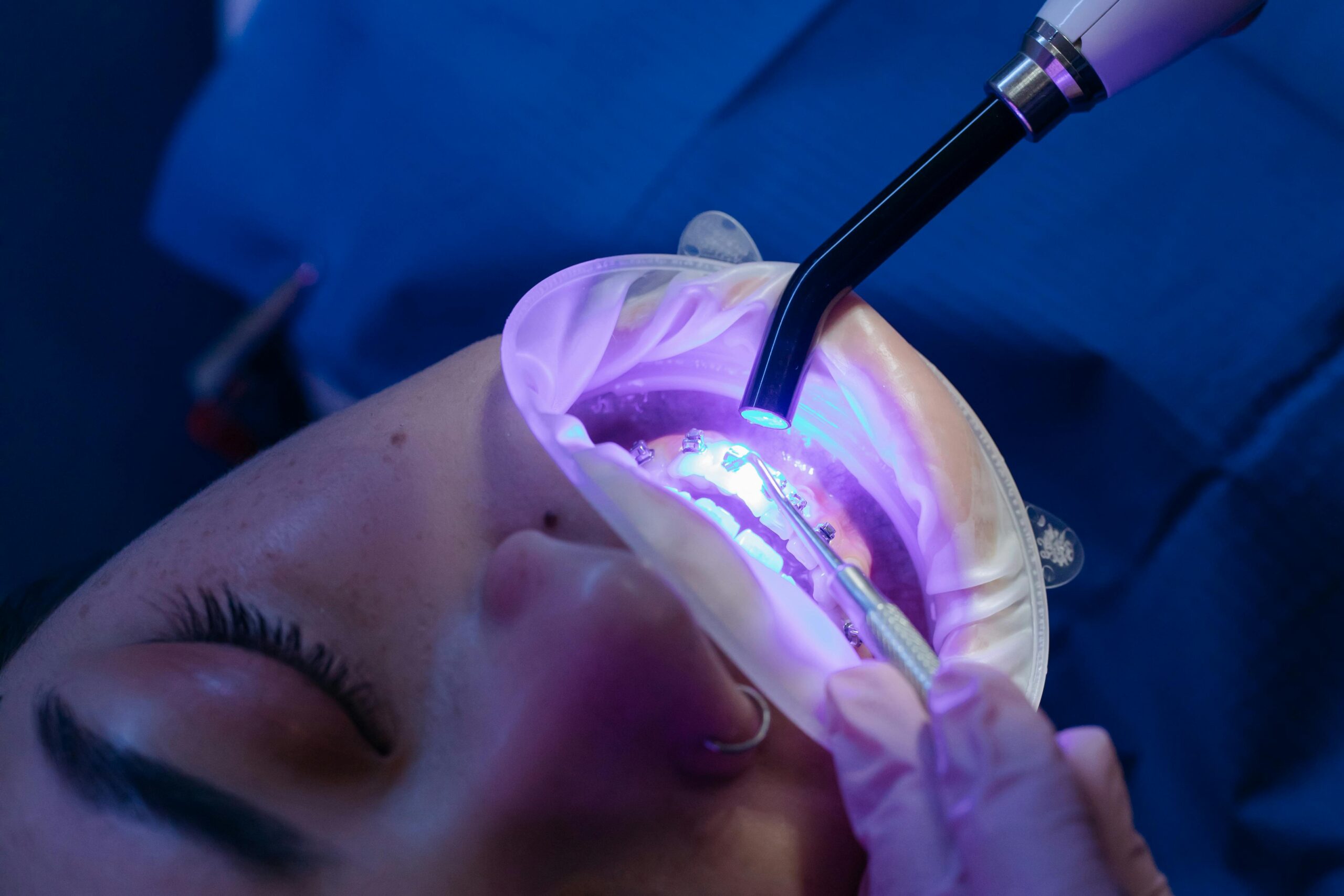
A small gap and uneven edges bother you before an event. Here is how the process works: the tooth surface is cleaned and lightly prepared, a bonding agent is applied, and then layers of composite are placed and light-cured. The dentist refines the shape, adds natural textures, and polishes for smoothness and shine. Because the material is placed chairside, shade and details can be adjusted in real time. For a ceramic alternative, see our overview of porcelain veneers.
- Close small gaps and even out asymmetry.
- Repair minor chips and worn edges.
- Mask isolated discoloration when whitening is insufficient.
- Refine tooth proportions for a more balanced smile.
- Create the appearance of slight alignment improvements.
Composite is conservative, yet it still relies on healthy enamel for strong bonding. It can pick up surface stains over time from coffee, tea, or tobacco, though professional polishing usually refreshes the luster. Small chips are often repairable without replacing the entire veneer, which helps preserve tooth structure. If you clench or grind, a night guard may be recommended to protect edges and maintain results. Thoughtful planning and careful home care support a natural-looking outcome that fits your face.
Benefits of Composite Veneers
Composite veneers offer a conservative, additive way to enhance front teeth without extensive drilling. The material is layered and shaped directly, so edges, symmetry, and color can be refined to match your features. Because the restorations are built on the tooth, future touch-ups are typically straightforward, helping you maintain a consistent look over time.
Beyond appearance, the bonding approach often keeps finish lines near or above the gumline, which makes daily cleaning simpler and supports gum comfort. Careful layering also allows targeted color control. For teeth with internal discoloration that do not respond well to bleaching, veneers can improve shade while preserving more natural tooth than a crown would require [1]. To compare how chairside bonding techniques build shape and texture, see our overview in Composite Bonding Explained.
You chip a front tooth on a fork the night before photos. Direct veneers can restore form and blend color without the commitment of a full-coverage crown. If your goals change later, the tooth-sparing approach generally leaves options open for future ceramic treatment. Results tend to hold best with gentle habits, periodic polishing, and routine exams. If you are planning a visit, check our current hours.
Understanding Direct Veneers
Direct veneers are thin layers of tooth-colored resin that your dentist sculpts directly onto the front of teeth. This chairside method lets the dentist fine-tune shape and shade during the visit. Direct veneers, often called composite veneers, are formed without a lab-made shell.
The material bonds to enamel through an adhesive technique, so a clean, dry field is important for a strong result. Because the resin is layered, the dentist can build translucency at the edge, add subtle texture, and polish the surface for luster. The bite is checked as the final shape is created, which helps avoid heavy contact on vulnerable edges. These steps work together to create smooth contours that blend in and feel natural.
A front tooth looks short after years of wear. In a case like this, direct veneers can add length and close small spaces while keeping changes conservative. They work best for minor to moderate shape or color improvements on teeth that are otherwise healthy. If there is severe crowding, deep bite problems, or very dark internal staining, other options such as orthodontics or ceramic veneers may be discussed. For a broader look at steps many veneer cases share, see our step-by-step overview in Veneers Procedure Explained.
Planning is key. Photos, shade mapping, and sometimes a quick mock-up guide the final look before any bonding begins. When needed, whitening or alignment may be completed first to set a better foundation. After placement, gentle brushing, nonabrasive toothpaste, and regular professional polishing help maintain gloss. Avoid chewing hard items like ice or pens, and let your dentist know if your bite changes so small adjustments can be made. Thoughtful, staged care tends to produce the most natural, lasting result.
Composite Bonding Veneers Explained
Composite bonding veneers are cosmetic restorations built directly on your teeth using tooth-colored resin. They refine shape, edges, and shade in a single appointment, with minimal alteration to natural enamel. The dentist designs contours chairside, then polishes the surface to a smooth, lifelike shine.
These veneers adhere through a precise adhesive process. The tooth is cleaned and conditioned, a bonding agent is applied, and thin layers of resin are placed with varied translucency to mimic natural enamel. Because adjustments happen in real time, the dentist can balance width-to-length ratios, soften line angles, and blend color with neighboring teeth. This approach suits small to moderate cosmetic changes where teeth are otherwise healthy.
A corner chip appears the morning of an interview. In that situation, direct bonding can rebuild the missing area, close a faint gap, and soften wear facets, all while keeping finish lines accessible for brushing and flossing. It also allows subtle texture at the surface, which helps the restoration look like enamel rather than paint. For a deeper dive into the chairside method and common uses, you can learn more about dental bonding.
There are limits. Large color jumps, heavy bite forces, or significant crowding may point toward staged care, such as whitening first, alignment, or a ceramic solution for durability. Good daily hygiene and gentle chewing habits help the gloss last. If you notice roughness, color shift, or a catch with floss, a quick polish or minor adjustment often restores the finish. Joint planning with your dentist supports long-lasting, natural results.
Explore conservative cosmetic options, timelines, and materials with our team.
Design a smile that fits your face.
Composite vs Porcelain Veneers
Both options improve tooth shape and color, but they differ in material, process, and maintenance. Composite veneers are sculpted directly on teeth in one visit, while porcelain veneers are custom ceramic shells made in a lab and bonded later. Porcelain typically offers greater color stability and a glass-like surface, whereas composite allows easier same-day customization and repair.
Material drives many differences. Composite is a tooth-colored resin placed and shaped chairside, so minor changes can be made immediately. Porcelain is a fired ceramic fabricated from an impression or scan, then tried in and bonded at a follow-up visit. Because ceramic is prefabricated, it often requires more precise enamel reshaping to create space and seamless margins. In contrast, composite is additive, so tooth reduction is usually limited to selective smoothing.
Durability and upkeep also vary. Porcelain resists surface stain and wear well, and its gloss is baked-in by the lab. Composite can maintain a natural shine, but its surface may lose luster over time and benefit from periodic professional polishing. If a chip occurs, composite is typically repaired directly; porcelain chips may need a bonded repair or, if larger, a new veneer. You want a brighter, more even smile before a reunion.
Case selection matters. For subtle to moderate reshaping, closing small spaces, or refining edges, composite veneers provide a conservative path with straightforward revisions later. For larger color changes, masking deep discoloration, or managing significant wear, porcelain’s strength, translucency control, and long-term polish can be advantageous. Because goals, enamel thickness, and bite forces vary, a careful exam and smile preview help clarify the best fit for you. If budgeting is part of your decision, our overview of veneer costs and factors can provide helpful context without committing you to a material.
In short, choose the option that balances your goals, tooth health, and maintenance preferences.
Same Day Veneers: How They Work
Same day veneers are built directly on your teeth in one visit using shade-matched composite. After a short planning step, the dentist prepares the surface, bonds the material, shapes it to your smile, and polishes it before you leave. This chairside method is best for modest changes to healthy front teeth.
You chip a front edge the morning of photos. The visit starts with photos, shade selection, and a quick smile preview so goals are clear. Teeth are cleaned, isolated, and lightly smoothed where needed. The enamel is conditioned, an adhesive is placed, and thin layers of composite are added and light-cured in sequence. Contours are refined, subtle texture is introduced, and the surface is polished to a smooth, lifelike gloss.
The process works because it is additive, so most natural tooth stays intact. Bonding to enamel creates a secure interface when the field is kept dry and clean. Layering allows control over opacity at the center and translucency near the edge, which helps new material blend with neighboring teeth. As a final check, the bite is adjusted so no heavy contact hits thin edges first, supporting comfort and durability.
This approach offers real-time feedback. You and your dentist can fine-tune length, width, and color during the appointment, then repolish easily at future cleanings. It is not ideal for very dark internal stains or major alignment problems; those cases may call for staged care, such as whitening or orthodontics first, or a ceramic solution for stronger masking. To visualize outcomes, you can browse our veneer before-and-after examples.
After placement, normal brushing and flossing keep the surface clear, and avoiding pens, ice, or nail biting protects edges. If you grind, a custom night guard can help maintain the finish. Thoughtful technique and conservative planning make same-day treatment efficient and predictable. A careful process makes fast results possible.
Composite Veneer Cost Factors
Costs vary based on how many teeth are treated, the complexity of shaping or shade change, and the chair time required. Fees also reflect the dentist’s planning, artistry, and follow-up needs, such as finishing polishes or future touch-ups.
Extent of treatment drives the baseline. Treating one or two front teeth takes less time than redesigning eight to ten for a wider smile zone. When teeth need significant contour correction or layered color effects to mask discoloration, the visit is longer and more technique-sensitive, which can raise the fee. You want to fix two chipped edges before graduation.
Preparation needs make a difference. Simple edge repairs usually require minimal smoothing, while correcting rotation, closing spaces, or building length demands careful incremental layering and bite checks. If whitening or minor alignment is recommended first, those steps are separate from the veneer fee, yet they may allow a thinner, more natural final restoration. Isolation tools and finishing systems are part of the visit, and higher-gloss polishing sequences take time but improve the look and feel.
Material selection within resin systems also influences time. Some shades require multiple opacities to mimic enamel and dentin, especially near translucent edges. Detailed surface texture and refined margins add minutes now, but they often lead to better blend and easier maintenance later. If you clench, a protective night guard may be advised to preserve edges, which is a distinct cost from the veneers themselves.
Think beyond day one. Composite veneers can be refreshed with periodic professional polishing and small repairs rather than full replacement, which spreads upkeep over time. Discuss goals, number of teeth, and any staging with your dentist so the estimate matches the plan. For broader context on how smile goals shape scope and timing, see our overview of smile makeover planning. Clear priorities help align treatment steps with your budget and timeline.
Caring for Composite Veneers
Care is simple: brush twice daily with a soft toothbrush and a low‑abrasive toothpaste, and floss gently every day. Avoid biting hard items and limit dark, sticky foods and drinks to help preserve shine. Regular checkups allow small touch‑ups and polishing so your composite veneers continue to look natural.
You notice a faint coffee stain near an edge before a presentation. Rinse after staining drinks, then brush once the pellicle reforms, usually 30 minutes later. Whitening gels typically do not change the color of resin, so shade adjustments involve professional polishing or replacing small amounts of material rather than bleaching the veneer itself. Because of this, complete any tooth whitening before new veneers so the final shade matches your goals.
Technique matters. Use short, gentle strokes along the gumline to reduce wear at margins. When flossing, slide the floss out instead of snapping up, which can catch edges. If a margin feels rough, ask your hygienist to use fine finishing strips and high‑gloss polishers to smooth it. At home, avoid abrasive whitening pastes or charcoal powders that can dull the surface over time.
Protect the edges from heavy forces. Do not chew ice, open packages with your teeth, or bite pens and nails. If you clench or grind, a custom night guard reduces stress on thin edges and helps maintain the finish; learn more in our overview of night guards for teeth grinding. Let your dentist know if your bite changes or if you feel a “click” on one spot, so minor adjustments can be made before chipping occurs.
Call promptly if you see a small chip, a catch with floss, or a dark line at a margin. Minor repairs are often quick and conserve healthy enamel, keeping your smile on track with minimal disruption. Small, steady habits help your veneers look great longer.
Longevity of Composite Veneers
Composite veneers can serve well for years, especially with good home care and routine polishing. Their lifespan depends on factors like bite forces, diet, and how much the tooth was reshaped. Many small issues are repairable without replacing the entire veneer, which helps extend service time.
Longevity comes from strong bonding to enamel and a smooth, well-polished surface that resists plaque and stain pickup. Over time, normal chewing can soften the gloss, and thin edges may chip if they take heavy contact. Regular exams let your dentist refine the bite, add small repairs, and repolish to restore luster. In certain cases, spacing appointments for maintenance is what keeps the veneers looking natural year after year.
Systematic reviews of direct anterior composite restorations report favorable long-term survival, with fractures, marginal defects, and discoloration as the most frequent complications [2]. An updated review shows similar patterns and underscores that many complications can be managed with selective repair and repolishing rather than full replacement [3]. For comparison, ceramic veneers show high 10-year survival in recent meta-analyses, though repair steps differ and often involve ceramic-specific protocols [4]. Broader evidence on composite resin restorations also notes that technique and isolation quality relate to outcomes over time [5].
You bite a cherry pit and nick an edge. If that happens, small additions or a quick polish can often restore form and shine the same day. Avoid chewing hard items on thin edges, and tell your dentist if any spot feels high so forces can be balanced. Thinking ahead with night protection, sports guards, and gentle habits reduces the chance of chips and keeps the surface smooth.
In short, the material can last when it is planned well, protected from heavy stress, and maintained with periodic touch-ups. Collaborative planning with your dentist supports long-term, natural results.
Is Composite Right for You?
Yes, if you want subtle to moderate changes to front teeth and your enamel is healthy, composite veneers can be a good match. They suit people looking to refine shape, length, or shade with little reshaping. If you have very dark internal stains, major crowding, or heavy bite forces, other options may be better.
Good candidates have stable gums, low decay risk, and a bite that will not overload thin edges. Composite bonds best to sound enamel, so existing cracks, large fillings, or active wear patterns may change the plan. The material can pick up surface stain over time, but it can usually be repolished during checkups. A small diagonal chip shows in selfies.
Case goals guide the choice. For mild asymmetry, small spaces, or edge wear, direct resin lets your dentist fine-tune contours in the chair. For larger color shifts or severe wear, ceramic may offer stronger masking and long-term gloss. When alignment is off or teeth are rotated, short orthodontic treatment first can let you keep the veneers thinner and more natural-looking. If whitening is part of your plan, it is done before bonding so the final shade stays consistent across your smile.
The evaluation is straightforward. Your dentist will review photos, shade mapping, and your bite contacts to see where edges touch during chewing and speaking. They will check for dry lips or mouth breathing that can affect polish, and ask about clenching or grinding. These details help set thickness, length, and texture so the veneers look natural and do not sit in heavy contact. Sometimes a quick mock-up or digital preview is used to confirm proportions before any bonding starts.
In short, composite is a tooth-sparing option when teeth are generally healthy and goals are modest. If your exam shows strong enamel, balanced contacts, and realistic color needs, you are likely a good fit. When the exam points to stronger masking, bite correction, or longer spans of wear, your dentist will outline alternatives and staging. A focused consult clarifies the best path forward for your smile.
Frequently Asked Questions
Here are quick answers to common questions people have about Composite Veneers Explained in Glendale, AZ.
- What are composite veneers made from?
Composite veneers are made from a tooth-colored resin material. This resin is sculpted directly onto the front of your teeth to enhance their appearance. The dentist applies the composite in thin layers and shapes it right in the dental chair, ensuring the look and feel closely resemble natural teeth. This method allows for real-time adjustments to achieve the desired shade, shape, and texture, providing a customized result that fits your smile.
- How long do composite veneers last?
Composite veneers can last for several years with proper care. Their longevity depends on factors like your dental hygiene, bite forces, and dietary habits. Regular checkups and professional polishing help maintain their appearance by touching up small imperfections and enhancing surface gloss. If a composite veneer develops a minor chip, it is often repairable without having to replace the entire veneer, which extends its lifespan.
- Can composite veneers be placed in one visit?
Yes, composite veneers can usually be placed in a single dental visit. This chairside method involves cleaning and preparing your teeth, applying a bonding agent, and sculpting the composite resin directly onto the tooth surface. Once the desired shape is achieved, the composite is light-cured and polished for a smooth finish. This quick process is ideal for minor cosmetic changes and lets your dentist adjust details during the appointment.
- What are the main benefits of choosing composite veneers?
Composite veneers provide a conservative approach to enhance your smile. Key benefits include:
- Minimal enamel removal, preserving natural tooth structure.
- Real-time adjustments for precise color and shape matching.
- Simplified touch-ups and repairs.
- A single-visit procedure for convenience.
These features make composite veneers a flexible choice for improving aesthetics while maintaining healthy enamel.
- Are composite veneers suitable for everyone?
Composite veneers are ideal for individuals seeking modest improvements to the front teeth, such as small gap closures, minor chips repair, and reshaping. Candidates should have healthy enamel and a stable bite. However, those with significant alignment issues, very dark internal stains, or greater bite forces may need alternative treatments like porcelain veneers or orthodontics for better results. A dental evaluation will help determine the most suitable treatment for your specific needs.
- How should I care for my composite veneers?
To take care of your composite veneers, brush twice daily with a soft toothbrush and low-abrasive toothpaste, and floss gently every day. Avoid biting down on hard objects and limit exposure to staining foods and drinks, like coffee and tea. Regular dental checkups will help in performing small touch-ups and professional polishing to keep your veneers looking natural and shiny.
- Do composite veneers require special maintenance?
Composite veneers do not require special maintenance beyond regular oral hygiene practices. However, it is important to use non-abrasive toothpaste and a soft-bristle toothbrush to avoid scratching their surfaces. Regular dental checkups are crucial for professional polishing, keeping them smooth and free of stains. Avoiding habits like chewing on hard objects or using your teeth as tools will also help preserve the veneers.
- Can composite veneers become stained over time?
Composite veneers can pick up surface stains, especially from dark-colored beverages like coffee, tea, and red wine. However, these stains are usually superficial. Regular professional polishing can restore their original luster, and maintaining good oral hygiene will help minimize staining. If lifestyle habits contribute to staining, discuss potential adjustments during your dental visits to keep your smile looking bright.
References
- [1] Direct versus indirect veneer restorations for intrinsic dental stains. (2004) — PubMed:14974066 / DOI: 10.1002/14651858.CD004347.pub2
- [2] Anterior composite restorations: A systematic review on long-term survival and reasons for failure. (2015) — PubMed:26303655 / DOI: 10.1016/j.dental.2015.07.005
- [3] Long-term survival and reasons for failure in direct anterior composite restorations: A systematic review. (2021) — PubMed:35399771 / DOI: 10.4103/jcd.jcd_527_21
- [4] Clinical survival and complication rate of ceramic veneers bonded to different substrates: A systematic review and meta-analysis. (2025) — PubMed:38604905 / DOI: 10.1016/j.prosdent.2024.03.019
- [5] [The long-term results of teeth restoration with composite resin materials: a systematic literature review]. (2019) — PubMed:31322607 / DOI: 10.17116/stomat201998031117