
Understanding Composite Bonding
Composite bonding is a conservative way to repair or reshape teeth using a tooth-colored resin. Your dentist places and sculpts the material directly on the tooth, then hardens it with a curing light. It can repair chips, close small gaps, adjust length, and blend with your natural enamel in a single visit.
You chip a front tooth on a fork. With bonding, the tooth is cleaned, the surface is prepared, and a thin adhesive layer helps the resin stick. The dentist adds the resin in small layers, shapes it while soft, then cures and polishes it so it looks smooth and natural. This stepwise process helps the restoration blend in and feel comfortable.
How long bonding lasts depends on technique and materials. Laboratory evidence shows that bonding protocols and the composite’s physical properties influence durability and failure patterns [1]. Bonding to enamel is predictable, while dentin requires careful control of moisture and collagen, and certain pre-treatments can change bond strength outcomes [2]. Surface treatments of the tooth or other substrates also affect how well things bond to dentin, reinforcing the value of proper preparation [3].
- Repair small chips and worn edges
- Close minor spaces between teeth
- Reshape uneven or short teeth
- Cover stubborn discoloration
- Protect exposed root surfaces
Composite bonding is part of adhesive dentistry, which can even support more complex options like resin-bonded bridges when carefully planned [4]. Daily habits matter. Coffee, tea, and tobacco can stain resin faster than enamel, but gentle polishing can refresh the surface. If you clench or chew ice, expect extra wear; a custom night guard can help protect results. For step-by-step details, you can see our overview of dental bonding. When planned well, small changes can transform a smile.
Uses of Composite Tooth Bonding
Composite tooth bonding is used to add, repair, and contour tooth structure with minimal drilling. It can restore broken corners, close certain small spaces such as “black triangles,” and mask localized color or enamel defects. Dentists also use it to refine tooth proportions and symmetry so your smile looks balanced.
After braces, small black triangles bother your smile. Bonding can add precise material between teeth to soften those spaces while keeping floss access. For front-tooth fractures, a carefully layered build-up can replace the missing edge in one visit, matching translucency and texture. When shallow cavities or wear occur near the gumline, composite seals the area to reduce sensitivity and smooth plaque-catching ledges. In selected cases, a “direct veneer” on one or a few teeth adjusts shape and shade without removing much enamel.
Planning matters. If whitening is part of your goal, dentists typically brighten first, then match the composite to the new shade; you can learn how professional whitening works. Bonding is also useful as a “trial smile,” letting you test planned contours before choosing longer-term options. For spacing or bite issues that are beyond the reach of additive shaping, orthodontic movement or other treatments may be recommended instead. Because composite is sculpted directly in the mouth, it is adaptable for single-tooth fixes or small groups of teeth where precise contouring makes a visible difference.
If you are considering changes to the edges, shapes, or small gaps in your front teeth, a short evaluation can clarify whether bonding fits your needs. For timing and availability, see our current hours. Thoughtful planning leads to natural-looking results.
The Process of Cosmetic Composite Application
Cosmetic composite application is a planned, step-by-step method to add tooth-colored resin with precision. After isolating the tooth, the dentist conditions the surface, applies an adhesive, layers the material, light-cures each increment, then shapes and polishes for a natural finish. This is the practical core of composite bonding.
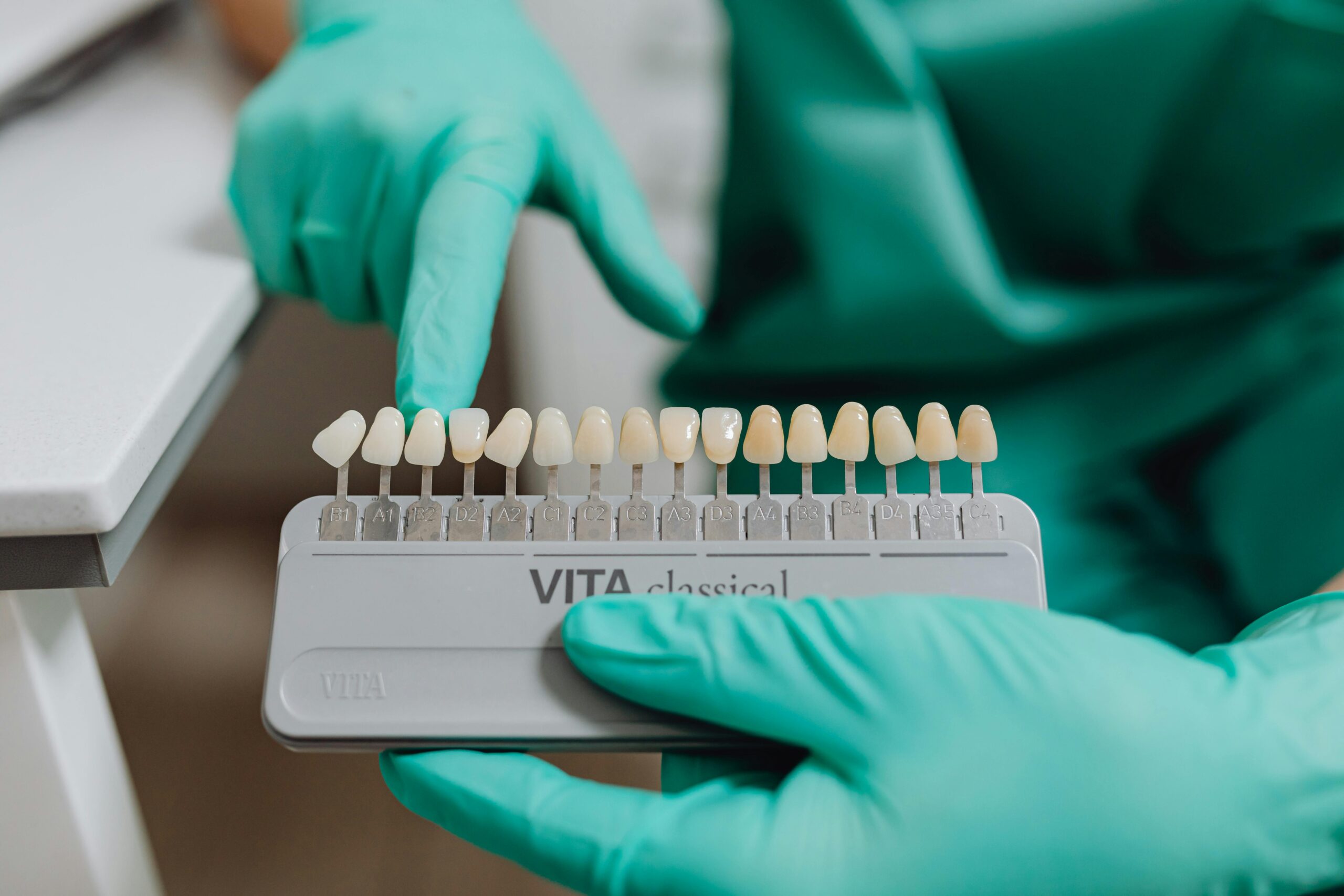
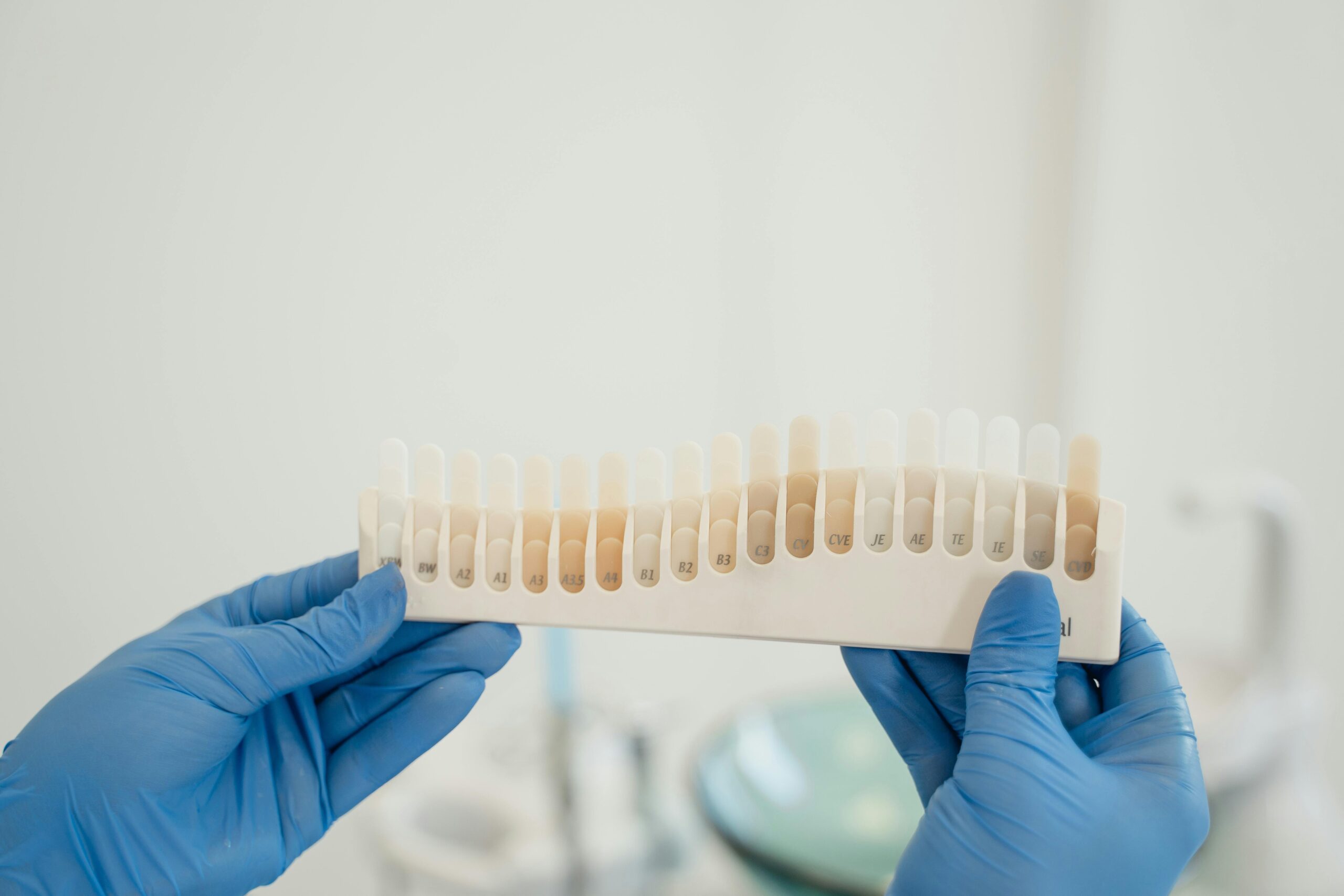
The visit begins with shade selection in natural-looking light and a quick smile analysis to define contours. Teeth are kept dry using cotton rolls or a rubber dam so the adhesive works properly. A tiny bevel is often placed in enamel to blend the margin invisibly. Depending on the tooth areas involved, your dentist may selectively etch enamel, apply a universal adhesive, and air-thin it so there is an even, glossy film before curing.
Material is added in small layers to control shape and reduce internal stress as it hardens. Clear forms or thin strips help create smooth edges and contact points with neighboring teeth. A short scenario: a small corner is rebuilt on a front tooth after a bite accident. As layers build, the dentist sculpts natural grooves and line angles, checking your bite during the process so the new edge feels right when you close.
Finishing uses a sequence of fine discs, strips, and silicone polishers to smooth the surface and close the margins. A smooth surface resists plaque and stains better than a rough one, and it feels more like enamel to your lip and tongue. Some dentists place a thin surface sealant at the end for added gloss. You will receive simple care guidance, such as avoiding very strong dyes for the first day if a surface sealant was used, and when to return for a quick check. If you are anxious about procedures, you can see how sedation levels work and whether they fit your needs.
Knowing each step helps you understand what to expect and why it matters.
Edge Bonding: Techniques and Benefits
Edge bonding adds tooth-colored resin to the biting edges of front teeth to repair chips, lengthen worn corners, or refine shape. It is conservative, often requires no drilling, and blends with your enamel for a natural look. The result can improve symmetry, protect thin edges, and restore smooth function in a single visit.
Planning comes first. Your dentist may preview the new length with a quick mock-up or a silicone guide so the final edge follows your smile line and bite. During placement, the tooth is isolated for a clean, dry surface. A tiny enamel bevel can soften the transition and hide the margin. Material is layered purposefully, building a firm palatal shelf and a lifelike incisal zone so the new edge resists wear and looks like natural enamel. A runner trips and shortens a front tooth.
Function matters as much as appearance. The new edge is shaped to clear opposing teeth in your bite and to glide smoothly during forward and side movements. This reduces stress on the composite and helps prevent micro-fractures. After polishing to a glassy finish, the surface is easier to keep clean and less likely to pick up stains. If you clench or grind, a protective appliance can extend the life of edge bonding; you can see how night guards help safeguard teeth. Small touch-ups are simple because composite is repairable and can be refreshed without removing healthy enamel.
Edge bonding is a precise, additive approach that preserves tooth structure while improving form and function. When composite bonding is planned around your bite, it often feels seamless and looks natural. Thoughtful details at the edge can make a visible difference.
Explore conservative cosmetic options, timelines, and materials with our team.
Design a smile that fits your face.
Repairing Small Chips with Bonding
Small chips on front teeth are often repaired with tooth-colored resin that blends into your enamel. The dentist shapes and polishes the area so it looks smooth and natural, usually in one appointment. Because healthy tooth is kept intact, composite bonding is a conservative, quick fix for minor enamel loss.
A spoon slips and a front tooth corner flakes. After a brief exam to confirm the chip is shallow and the bite is stable, the tooth is cleaned and the surface is readied so the resin adheres well. The dentist places a small amount of material, shapes it to match your tooth, then light-cures and polishes it to a glassy finish. Local anesthetic is rarely needed for tiny enamel-only chips.
Color and texture matching matter for an invisible result. The added resin should mirror the translucency at the edge and the luster of neighboring teeth. Polished surfaces resist plaque and stain better, and smooth margins help the repair feel seamless to your tongue. You will be shown how to protect the new edge by avoiding hard biting on ice, pens, or shells, especially during the first day.
Longevity depends on chip size, bite forces, and home care. Small repairs that sit fully in enamel tend to last longer than those that extend onto the root surface or into heavy contact areas. If you clench or grind, a night guard can reduce chipping risk and help the bonded edge last. When a chip is large, or there are hidden crack lines, a stronger solution like a full or partial crown may be advised; you can review common crown types to see how they differ.
If a minor chip is bothering your smile or catching your lip, a short evaluation can confirm whether bonding is the right match. Small, well-executed repairs often restore confidence quickly.
Bonding Longevity: How Long Does It Last?
Well-placed bonding can last several years, and with thoughtful care, sometimes much longer. Lifespan depends on where the resin sits, the size of the repair, your bite forces, and daily habits. Smaller additions on enamel edges usually outlast larger builds that extend onto root surfaces or heavy contact zones. Because composite is repairable, gentle maintenance can extend service life.
Location and load matter. Enamel provides a stable surface, while dentin is more technique-sensitive, so moisture control and adhesive steps are critical. Strategies that manage dentin collagen and reduce degradation can improve bond stability over time, which supports durability when these areas are involved [5]. A quick scenario: a coffee lover notices the bonded edge looks dull after years of use. That change often reflects surface wear or staining rather than failure of the underlying bond.
Habits influence longevity. Clenching, nail biting, or chewing ice concentrates stress at the margin and can chip edges sooner. Dark beverages and tobacco can stain resin faster than natural enamel, though a polish can refresh luster. At routine visits, your dentist can smooth micro-roughness, re-seal margins if needed, and spot early wear before it fractures. Good home care helps too; see our practical hygiene tips for keeping margins clean and plaque-light.
Think of bonding as maintainable. Minor touch-ups are simple and conserve tooth structure, which is why many people choose it for small-to-moderate changes. If a site fractures repeatedly or sits in a heavy bite zone, your dentist may discuss strengthening strategies or alternative materials tailored to that location. Periodic checks, smart habits, and timely polishing keep bonded areas looking natural and feeling smooth.
When maintained well, polished bonding can look natural for years.
Preventing Bonding Stains Over Time
Composite bonding can stay bright when the surface stays smooth and clean. Stains cling to roughness and plaque, not just color alone. Daily care plus periodic polishing controls discoloration and helps the resin keep its shine.
Surface texture is the key. A highly polished composite has fewer tiny grooves, so pigments from coffee, tea, red wine, curry, and tobacco have less to hold onto. Over time, normal brushing can create micro-scratches if the toothpaste is too abrasive, which invites stain. Choose a soft brush and a low-abrasive paste to protect the gloss. Whitening toothpaste will not change the color of the resin itself; when staining appears, your dentist refreshes the surface with a fine polish rather than bleaching the composite. You sip iced tea all day at work.
Small habit shifts help. Try to finish dark drinks in one sitting instead of frequent sipping, and swish with water afterward. A straw for cold beverages can route liquids past the front teeth. Keep plaque light at the margins with gentle, thorough brushing and daily flossing so biofilm does not trap pigments. If you use mouthrinse, pick one that fits your goals and avoid overuse of formulas known to discolor teeth; for guidance, see our overview of mouthwash best practices.
Plan on maintenance. At routine cleanings, ask for a high-gloss repolish if the bonded area looks matte or feels rough to your tongue. This quick step restores luster and reduces future staining. Skip harsh scrubs like baking soda slurries or charcoal powders on bonded edges, since they can scuff the resin faster. If a stain resides within the outermost layer, in-office finishing usually removes it; if color has penetrated deeper or the resin is aged, a small resurface or replacement may be discussed so the shade matches your enamel again.
Early polish and steady habits keep bonded teeth looking bright.
Comparison to Other Cosmetic Dentistry Options
Bonding is typically the most conservative way to change tooth shape or small defects, while veneers and crowns require more enamel removal. Whitening changes tooth color only, and orthodontics moves teeth into better positions. The best choice depends on how much change you want, where the wear or discoloration sits, and how your bite loads those teeth.
Compared with porcelain veneers, bonding preserves more natural enamel and is placed chairside in one visit. It is also straightforward to repair or adjust later. Veneers, by contrast, offer greater color stability and surface luster over time, which can help for deeper stains or larger shape changes. Crowns provide the most reinforcement when a tooth is cracked, heavily filled, or missing significant structure, but they remove more tooth to create space. A simple way to think about it, small additive changes favor bonding; larger or more color-critical upgrades often favor ceramics.
Whitening and orthodontics address different problems. Whitening lightens the tooth itself but does not fix chips, edges, or contour. Clear aligners or braces can close spaces and straighten alignment, reducing how much material is needed later. In some plans, teeth are aligned first, then refined with small additions of composite bonding for symmetry. If you are leaning toward porcelain for a multi-tooth makeover, you can explore veneer costs and planning to understand scope and timing. For very small gaps or localized enamel defects, bonding remains a precise, minimal solution.
Bite forces and habits guide the choice, too. Heavily loaded edges, deep overbites, or ongoing grinding may push treatment toward stronger ceramics or a protective night guard alongside bonding. A short scenario: a patient wants to close a midline gap before a reunion. For narrow spaces with a stable bite, bonding can blend the gap quickly; for wider spacing or rotation, orthodontic movement gives a more balanced result, sometimes with tiny bondings afterward. A brief evaluation maps your goals to the least invasive path that will hold up in your mouth.
Choose the option that meets your goals with the least tooth cost.
Frequently Asked Questions
Here are quick answers to common questions people have about Composite Bonding Explained in Glendale, AZ.
- What is composite bonding used for?
Composite bonding is versatile and helps improve your smile by fixing small chips, closing gaps, and reshaping teeth. It’s useful for:
- Repairing chipped or worn edges
- Closing minor spaces between teeth
- Reshaping short or uneven teeth
- Masking stubborn discoloration
- Protecting exposed root surfaces
This minimally invasive technique helps restore balance and symmetry to your smile without extensive procedures.
- How long does composite bonding last?
The longevity of composite bonding varies, typically lasting several years, depending on factors like the size of the repair and your dental habits. Bonding on enamel edges usually lasts longer than those on roots or high-pressure areas. Good oral hygiene and avoiding habits like clenching and biting hard objects help extend the life of the bond. Routine dental check-ups also allow for timely touch-ups, ensuring your bonded teeth stay looking their best.
- Can composite bonding be used for larger tooth repairs?
While composite bonding is excellent for minor repairs like chips and gaps, it may not be suitable for larger structural issues. In cases where there is significant tooth damage, options like crowns or veneers might provide better support and reinforcement. These alternatives involve more tooth preparation but offer greater durability for substantial repairs. Discussing your specific needs with a dentist can help determine the most appropriate treatment for larger fixes.
- How does composite bonding differ from veneers or crowns?
Composite bonding is a conservative approach that focuses on minor adjustments by adding resin directly to teeth. It requires minimal enamel removal. Veneers and crowns, however, are used for more extensive cosmetic changes or structural reinforcement, requiring more tooth preparation. Veneers cover the front surface of teeth, while crowns encase the entire tooth. Each option provides unique benefits, and a dentist can help decide the best choice based on your needs.
- What should I expect during a composite bonding procedure?
The composite bonding procedure is a step-by-step process, typically completed in one visit. It starts with selecting a resin shade that matches your teeth. Your dentist will clean and prepare the tooth surface, apply a bonding agent, and layer the resin to sculpt it into the desired shape. Each layer is hardened with a curing light before polishing to achieve a natural finish. The process is relatively quick, and local anesthesia is rarely needed.
- How can I care for my bonded teeth to prevent stains?
To keep your bonded teeth bright, maintain good oral hygiene by brushing with a soft brush and a low-abrasive toothpaste. Try finishing dark drinks promptly and rinse with water afterward. Regular dental cleanings and polishings help remove any surface stains or plaque, keeping your bonding polished and less prone to discoloration. Avoid abrasive materials, like baking soda or charcoal, which can scuff the resin and make staining more likely.
- Can composite bonding be removed or adjusted later?
Yes, composite bonding is reversible. If you wish to adjust or remove it, your dentist can do so with minimal impact on your natural tooth. Adjustments and repairs are straightforward since the bond is added directly to your teeth. Whether you need a minor change or an update to an aged bond, composite’s adjustability allows for flexibility in maintaining or altering your smile over time.
- Is composite bonding suitable for everyone?
Composite bonding is a suitable option for many, particularly for those needing subtle enhancements or minor repairs. However, it’s not always ideal for larger structural issues or extensive aesthetic changes where veneers or crowns might be more appropriate. A professional dental evaluation is essential to assess whether bonding meets your specific needs or if other treatments would offer more benefits for your smile goals.
References
- [1] Impact of bonding protocols and physical-mechanical properties of composite on durability and failure rate of fixed orthodontic retainers: a systematic review of laboratory studies. (2025) — PubMed:40713668 / DOI: 10.1186/s12903-025-06635-6
- [2] Effect of collagen crosslinkers on sodium hypochlorite treated dentin bond strength: a systematic review and meta-analysis. (2025) — PubMed:40271350 / DOI: 10.3389/fbioe.2025.1547158
- [3] Effects of Surface Treatments of Glass Fiber-Reinforced Post on Bond Strength to Root Dentine: A Systematic Review. (2020) — PubMed:32340106 / DOI: 10.3390/ma13081967
- [4] Predictability of resin bonded bridges – a systematic review. (2017) — PubMed:28703151 / DOI: 10.1038/sj.bdj.2017.497
- [5] Collagen-depletion strategies in dentin as alternatives to the hybrid layer concept and their effect on bond strength: a systematic review. (2022) — PubMed:35906302 / DOI: 10.1038/s41598-022-17371-0