
Understanding All-on-4 Dental Implants
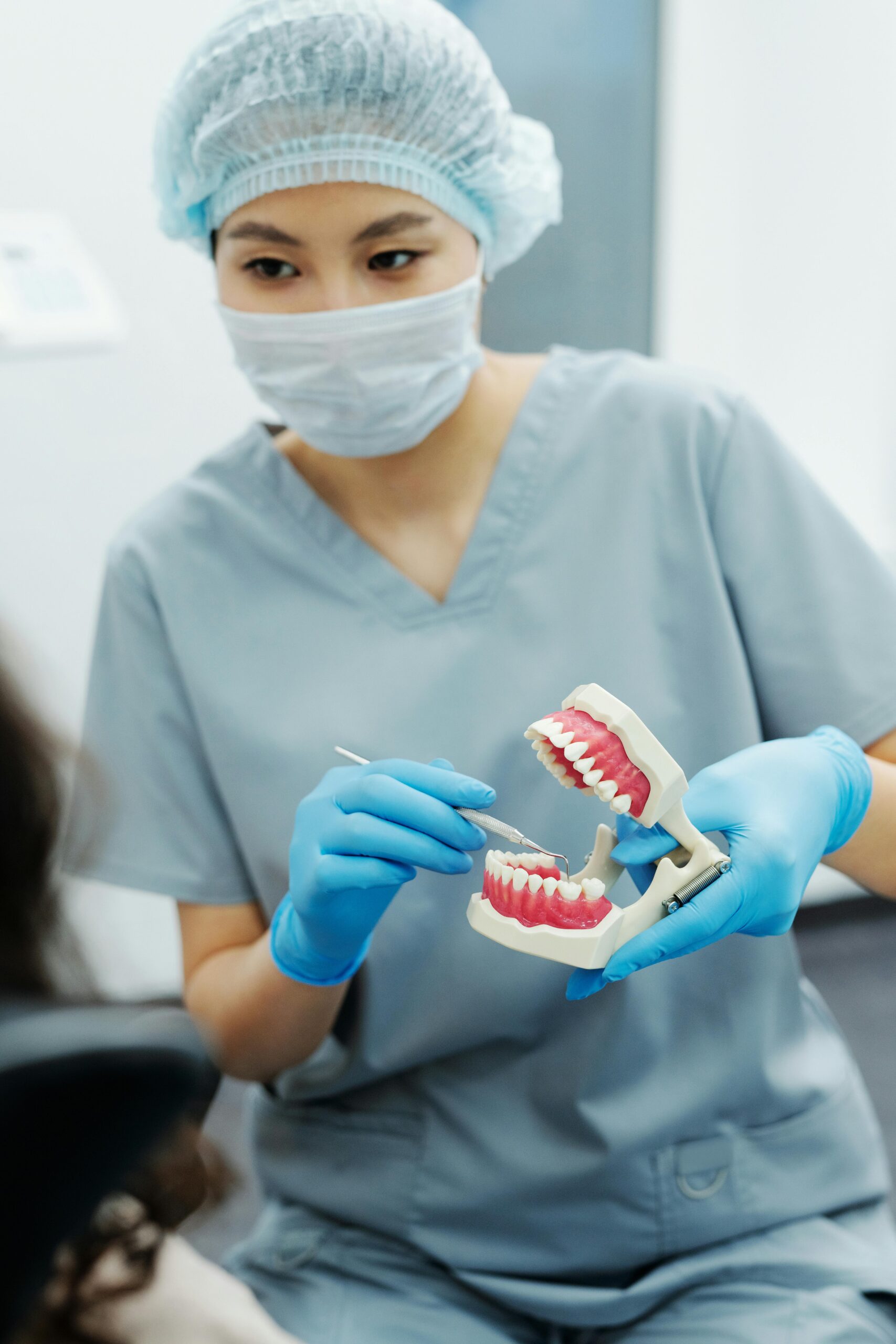
All-on-4 is a way to replace a full arch of missing teeth with a fixed bridge that is supported by four strategically placed dental implants. It is designed to provide chewing stability and a natural look without a removable denture. Many patients can receive a temporary fixed set of teeth the same day the implants are placed, depending on bone and bite factors.
You lost most upper teeth and want fixed teeth again. Here is how it works. Two implants are placed near the front of the jaw where bone is often strongest. Two more are placed farther back at an angle, which increases support and often reduces the need for bone grafting. A custom full-arch bridge connects to these implants, spreading biting forces across the jaw.
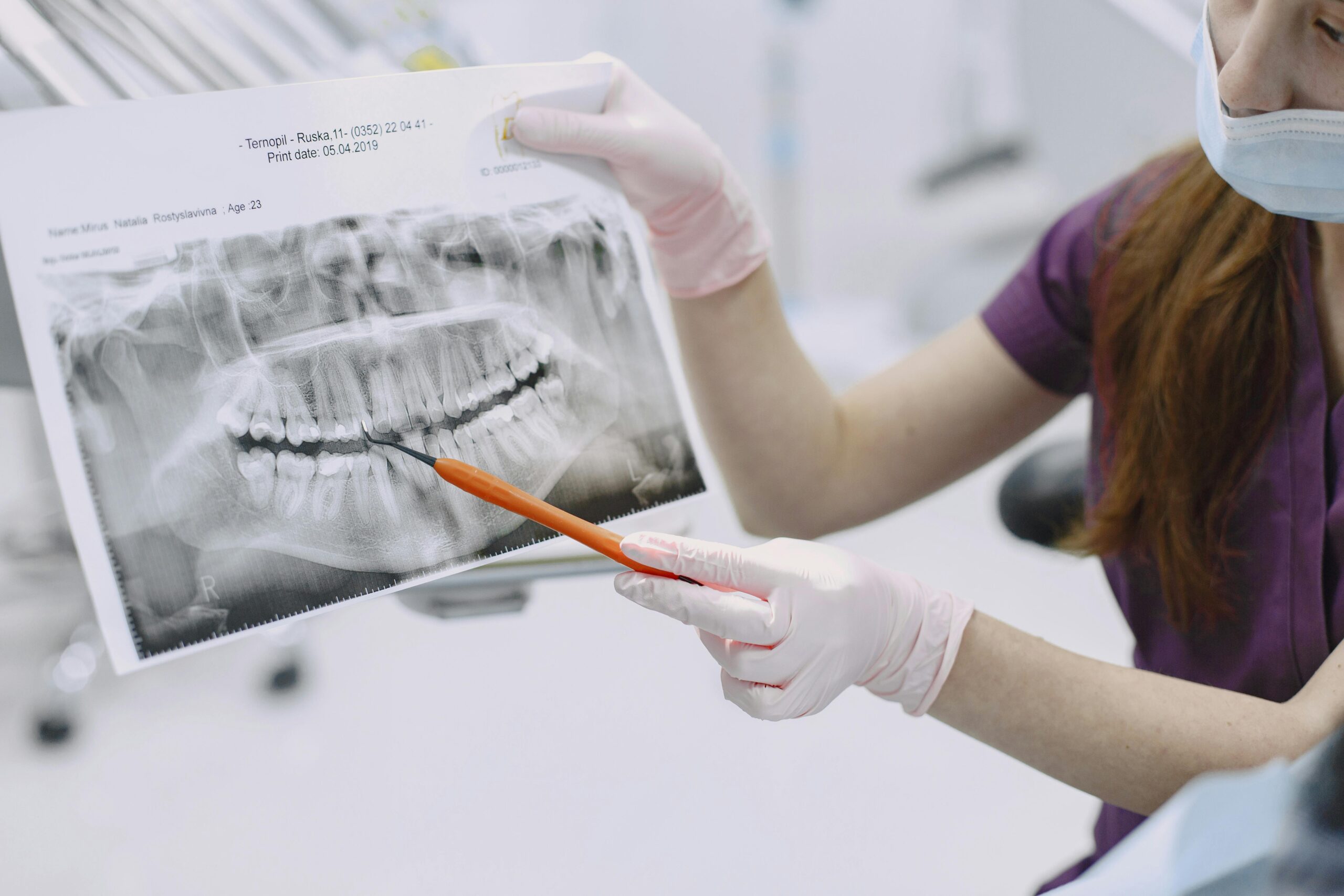
Planning matters. A 3D scan helps your team evaluate bone quality, map nerves and sinuses, and design the bite. Because the immediate temporary bridge is lighter and carefully adjusted, it protects the healing implants while you function on soft foods. After several months, the temporary is replaced with a durable final bridge that fits your healed gums and refined bite.
Typical steps on treatment day:
- Exam and 3D imaging to confirm candidacy
- Guided placement of four implants, with angled back implants as indicated
- Connection of a provisional fixed bridge
- Bite checks, home-care review, and follow-up scheduling
Good candidates have healthy gums, enough bone for four well-positioned implants, and a plan for daily cleaning around implants and under the bridge. Smoking, uncontrolled diabetes, and active gum disease raise risks and may require additional care before surgery. For context on how this approach compares with traditional dentures, you can compare implants and dentures.
If you are coordinating visits or travel, see our current hours. This foundation helps you understand the steps before exploring timelines, comfort options, and maintenance. The right plan balances health, stability, and comfort.
How All-on-4 Implants Work
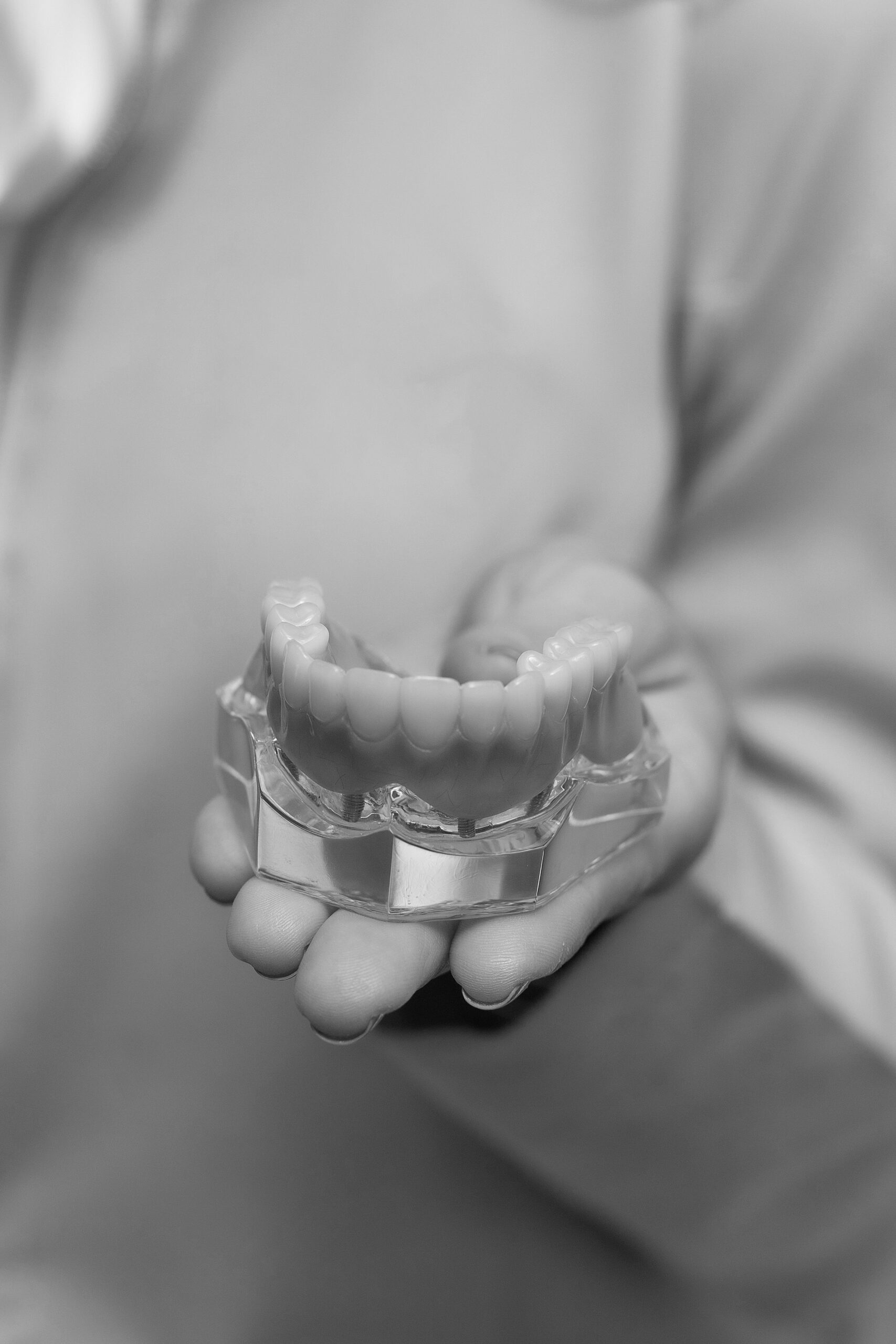
All-on-4 works by turning four dental implants into a stable base for a full-arch, screw-retained bridge. The implants act like pillars, and the rigid bridge links them together so chewing forces are spread across the jaw. As you use the teeth, bone gradually bonds to each implant, securing the foundation.
You take a bite of soft pasta and the bridge stays put. Biomechanically, the cross-arch bridge “splints” the implants together, which reduces micromovement at any single implant during healing. Tilting the back implants widens the front-to-back support area, shortening cantilevers and helping control biting loads. A light, well-adjusted bite further limits stress on the healing sites. A systematic review also reports measurable changes in masseter muscle activity after All-on-4 treatment, consistent with improved chewing function once stabilized [1].
Under the bridge, small connector parts called multiunit abutments create a level platform for the prosthesis. The lab designs a passively fitting framework so it seats without strain, then the dentist secures it with tiny screws and verifies the bite. With all on 4 dental implants, the bridge is engineered to direct forces along the length of the implants and into healthy bone. Early on, the occlusion is shaped to avoid heavy contacts at the ends of the bridge, which protects the implants while bone integrates.
Day to day, you will clean around the posts and under the bridge using a water flosser or threaded floss. Periodic visits allow the team to check screw stability, clean deeper areas, and fine-tune the bite as tissues settle. If you are considering comfort options for the surgical visit, you can review sedation levels in dentistry to understand how they support a smooth experience. These steps keep the system stable while your bite returns to confident function.
Takeaway: a rigid, well-balanced bridge helps your implants heal and your bite feel natural.
Benefits of Full Arch Implants
Full arch implants provide a fixed set of teeth that feel stable for daily eating and speaking. They restore chewing strength, maintain facial support, and avoid the movement and adhesives that come with removable dentures. Many patients appreciate that the palate is not covered, so taste and temperature are clearer.
The design spreads bite forces across the jaw, which helps comfort and function over time. Because support comes from implants placed in strong areas of bone, extensive grafting is often not required. The bridge is shaped for speech, so common sounds are easier to pronounce once your bite is balanced. You speak on a call and the teeth feel steady.
Hygiene is direct. You clean around the posts and under the bridge with a water flosser and threaders, and your dental team removes the bridge periodically for deeper maintenance as needed. Without a denture covering the gums, sore spots are less common and the tissues can be examined and cleaned more effectively at visits. If you clench or grind, a night guard can protect both the bridge and your jaw joints.
Compared with traditional dentures, full arch implants usually improve chewing efficiency and day‑to‑day confidence. For many, the streamlined approach of all on 4 dental implants means fewer surgeries, a shorter path to a fixed smile, and a design that aims for long‑term stability. As you weigh benefits alongside timing and materials, you can also review implant costs and financing to plan your next steps. When planned well, full‑arch care supports strong function and a natural look.
Teeth in a Day: Instant Solutions
“Teeth in a Day” means you leave surgery with a fixed, provisional bridge attached to new implants. This is possible when the implants feel stable at placement and your bite can be set light and balanced. Not everyone qualifies, but careful screening makes same‑day function realistic for many full‑arch cases, including all on 4 dental implants.
You arrive early, and leave with fixed teeth the same day. In the operatory, your surgeon checks implant stability as each fixture goes in. When the measurements show adequate “hold,” the team connects small parts that level the gumline and adapts a custom provisional bridge. The bite is adjusted so contacts are even in the middle and lighter at the ends, which protects healing sites. A soft‑food diet keeps chewing forces gentle while bone bonds to the implants.
The same‑day bridge is purposeful. It restores your smile and speech right away, yet it is lighter than your final to reduce stress. Swelling is expected for a few days, so salt‑water rinses and careful cleaning under the bridge are important. As tissues settle over the next months, follow‑ups allow the team to retighten tiny screws, recheck your bite, and guide hygiene around the posts and under the prosthesis.
Sometimes, immediate loading is not advised. Active infection, very thin bone, heavy nighttime grinding, or medical factors can lower early stability. In those cases, the plan may include a healing period before a fixed bridge is attached. If you are considering comfort options for surgery day, you can see how we approach sedation safety so you know what to expect. Clear planning sets up a smooth day, and a deliberate diet plus good home care support a steady recovery.
When you understand why the provisional is lighter, why the bite is gentle, and how healing progresses, the same‑day plan feels simple and achievable. Plan, stability, and soft foods support smooth early healing.
Meet with our team to plan the right implant option and timeline.
A confident smile starts with a single consultation.
Comparing All-on-X and All-on-4
All-on-4 is a specific All-on-X plan that uses four implants to support one full-arch, fixed bridge. All-on-X means the bridge is supported by a variable number of implants, often 4, 5, or 6, chosen to match your bone, bite, and goals. The core difference is how many implants are placed and how they are positioned to share chewing forces. Both approaches aim for a stable, screw-retained bridge that feels secure.
Your friend needs a full upper bridge and asks which plan is stronger. Four implants can work well when bone is favorable and the bite can be balanced in the middle of the arch. Adding a fifth or sixth implant can help in softer bone, broader arches, or heavy clenching, because load is spread over more fixtures and cantilevers can be shortened. More implants may also give some resilience if one site heals slowly, though every case needs individual planning. The tradeoff is more surgical sites and sometimes a need for additional bone work.
Placement strategy differs too. All-on-4 typically uses two front implants and two angled posterior implants to reach stronger bone and reduce grafting. All-on-X with 5 or 6 implants may still angle the back fixtures, but it introduces extra vertical implants where bone allows, widening support. This choice is guided by 3D imaging, arch shape, sinus or nerve positions, and the expected chewing load. The goal is a rigid bridge with even contact and minimal stress at the ends.
Maintenance stays similar across designs. You will clean around the connectors and under the bridge daily, and your team will periodically remove the prosthesis to clean and check screw stability. With more implants there can be more access points to clean, so tools like a water flosser and threaded floss help. If an implant needs attention later, a 5- or 6-implant plan may provide more flexibility while the prosthesis is adjusted or repaired.
Choosing All-on-4 versus All-on-X comes down to anatomy, bite forces, medical risks, and your priorities for healing time and complexity. As you weigh these factors, you can also compare implant options and budgets to plan confidently. Well-matched planning supports steady function and long-term comfort.
The Process of Getting Hybrid Dentures
Hybrid dentures are fixed teeth that attach to dental implants, built to stay in place while you eat and speak. The process moves from records and planning, to surgery with a provisional bridge, to a final custom prosthesis after healing. Expect several visits that focus on fit, comfort, and hygiene at each stage.
The first step is records. Your team gathers photos, a 3D scan, and bite measurements, then designs your smile and chewing position. A try-in may be used to check speech, lip support, and tooth display. You try a mock-up and say “s” sounds clearly. Planning aligns the implants with the final tooth position so a guided, efficient surgery is possible.
On the surgical day, implants are placed and a temporary fixed bridge is adapted to them. This bridge looks like teeth but is lighter to reduce stress while bone heals. You follow a gentle diet and clean carefully around the connectors and under the bridge. Early check visits confirm tissue health, verify screw stability, and fine‑tune the bite as swelling resolves.
Transitioning to the final bridge comes after the implants have integrated. Precise impressions or digital scans capture healed gums and implant positions. The lab verifies fit with a rigid try‑in so the framework seats without strain, then confirms speech and bite again. Materials are selected based on goals, such as durability, stain resistance, and repairability. When hybrid dentures are built on all on 4 dental implants, the final prosthesis is torqued to specification and access openings are sealed so it looks and feels natural.
Long‑term care is straightforward. Daily cleaning includes a water flosser and threaders to reach under the bridge, and periodic professional maintenance lets the team remove the prosthesis for deep cleaning when needed. If you clench or grind, a protective night guard can help preserve the teeth and screws. Small issues like screw loosening are usually simple to retighten at routine visits.
Clear steps, steady follow‑up, and careful hygiene lead to a confident result. Joint care between dental and medical teams helps sustain long-term wellness.
Fixed Full Arch: A Permanent Option
A fixed full arch is a non-removable bridge that your dentist screws to implants so it stays in place day and night. It replaces an entire row of teeth with a rigid, precise prosthesis you do not take out. Unlike removable dentures, it relies on implants for support, not your gums, which helps chewing feel stable.
Here is what “permanent” means in practice. The bridge is secured with tiny screws through discreet access openings, then sealed, so it functions like natural teeth. Your dental team can remove it at maintenance visits to clean hidden areas and check components, then reinstall it. Day to day, you clean around the connectors and under the bridge using interdental tools and an oral irrigator. Because it does not rest on soft tissue, sore spots are uncommon when the bite is properly balanced.
Design and materials are chosen to match your bite forces and goals. Frameworks may be milled in titanium or other strong alloys for stiffness, then layered with tooth and gum materials selected for wear profile, stain resistance, and repair ease. Heavier biters may benefit from a tougher exterior, while others prioritize polishability and soft-tissue harmony. The key is a passive, strain-free fit that spreads load evenly across the implants.
Compared with snap-in overdentures, a fixed arch offers a more “set-and-forget” feel because it does not move during speech or meals. You bite into a crisp apple and the teeth stay steady. Small issues can still occur over years, like screw loosening or tooth wear, but these are usually serviceable in-office. Many patients with all on 4 dental implants also use a protective night appliance if they clench, to reduce long-term stress on the prosthesis. If you want guidance on gentle daily rinsing around implants, see our implant-friendly rinse guidance. Thoughtful design, steady hygiene, and periodic checkups support lasting function.
A well-engineered fixed arch supports confident chewing for the long term.
Care and Maintenance for All-on-4 Implants
Keeping All‑on‑4 implants healthy means daily cleaning under the bridge and around the connectors, plus regular professional maintenance. Use gentle tools and techniques to prevent gum irritation, protect component screws, and keep breath fresh. Your dentist will also set a checkup and cleaning schedule to monitor the implants and the bridge.
Focus on access points. With all on 4 dental implants, food and plaque can collect where the bridge meets the gums and around each post. An oral irrigator helps rinse these areas, and threaded “super floss” or small interdental brushes can sweep under the bridge. After dinner, you irrigate under the bridge and check for trapped food. Choose a low‑abrasive toothpaste and a soft brush to clean along the gumline without scratching the prosthesis.
Technique matters as much as the tool. Angle the irrigator tip parallel to the gumline, pause briefly around each connector, then trace the underside of the bridge from both the cheek and tongue sides. Threaded floss should pass under the bridge, wrap around a post in a “C” shape, and glide gently up and down. For a quick refresher on fundamentals, you can read our guide to flossing and adapt the method to your bridge.
Watch for early warning signs. Redness, bleeding when cleaning, tenderness, sour taste, or persistent odor can signal inflammation around the implants. Call promptly if the bridge ever feels high, clicks, or loosens, or if a screw access cover dislodges. Avoid chewing very hard items at the far ends of the bridge, and wear a night guard if you clench. Tobacco and poor glucose control raise gum risks, so address those with your medical team.
Professional care complements home care. At maintenance visits, the team will examine the tissues, clean deeper areas, check screw stability, and verify the bite. They may remove the bridge periodically for a more thorough cleaning and to inspect hidden surfaces. Clear habits at home and steady follow‑up help your implants and bridge work comfortably for years.
Consistent home care and scheduled maintenance protect your investment and comfort.
Common Concerns About All-on-4 Implants
Patients often ask about pain, healing time, looks, and durability. Most report soreness and pressure for a few days, which is manageable with typical pain control. Many do not need bone grafts because angled back implants use stronger areas of bone. With good planning and hygiene, a fixed bridge can function comfortably for years.
Comfort and recovery come first. Expect swelling for two to three days and possible bruising, especially after extractions. You wake the next day and feel pressure, not sharp pain. A soft diet protects the new implants while bone bonds to them. As healing progresses, your dentist will guide a steady return to normal foods.
People also worry about implant “failure.” If one site does not heal as expected, the bridge can be removed, the area treated, and a replacement implant considered later. In some cases the team can keep you functioning on the others while a plan is made. Cross-arch support helps protect the remaining implants, and small issues like a loose screw are usually simple to retighten at a visit.
Speech and appearance are common questions too. The provisional bridge is shaped to help “s,” “f,” and “v” sounds, and minor adjustments fine-tune clarity. The final bridge is designed around your lip line and smile, with tooth shape and gum contours chosen to look natural. Because taste buds are not covered, most patients find flavors clear once swelling settles.
Long-term health depends on cleaning and checkups. Plaque around implants can inflame the gums, so daily irrigation and threaders are important, and your team will set a maintenance schedule. Tobacco use, uncontrolled diabetes, and dry mouth increase risk around implants, so plan medical support as needed. If you clench, a night guard can lower bite stress on the bridge. With all on 4 dental implants, consistent home care and periodic professional visits work together to protect your result.
Clear expectations and a practical plan make the process feel manageable from day one. When cared for early, stable implants can support comfort and function for years.
Who Qualifies for Full Arch Implants?
You may qualify if you are missing most or all teeth in one arch, are in stable overall health, and have enough bone to place well‑positioned implants. Good candidates can keep gums clean around implants and attend regular maintenance visits. Certain medical issues, medications, or habits may require adjustments to the plan, but rarely rule treatment out entirely.
Candidacy starts with healthy tissues and controllable risks. Active gum infection is treated first so the foundation is calm for surgery. Well‑controlled diabetes is generally acceptable, while tobacco use should be reduced or stopped to support healing. Tell your dentist about bone‑affecting medications and any history of head and neck radiation, since these factors change how surgery is planned and healed.
Your anatomy matters too. A 3D scan checks bone thickness, sinus and nerve positions, and the vertical space needed for a hygienic, durable bridge. Heavy clenching does not automatically exclude you, but it may change the design, bite scheme, or the need for a protective night guard. You quit smoking six weeks before surgery and your gums look calmer.
Function and stability guide timing. Immediate “teeth in a day” placement depends on strong initial implant hold and a bite that can be set light and even. If bone is softer or extraction sites are inflamed, a short healing phase before attaching a fixed bridge protects long‑term results. With all on 4 dental implants, the goal is a rigid, balanced prosthesis on a sound, cleanable base.
When bone is very limited or medical risks are higher, alternatives such as staged grafting, zygomatic solutions, or a removable overdenture may be discussed. Your team will match the plan to your health, anatomy, and cleaning routine so you can maintain the result comfortably over time. Prompt evaluation supports steady healing and lasting function.
Frequently Asked Questions
Here are quick answers to common questions people have about All-on-4 Dental Implants Explained in Glendale, AZ.
- What is the All-on-4 dental implant procedure like?
The All-on-4 dental implant procedure involves placing four implants to support a full-arch bridge. The process typically includes several steps on treatment day: an exam and 3D imaging to assess candidacy, guided placement of the implants, attaching a temporary bridge, and detailing home-care instructions. Most patients experience manageable soreness and are encouraged to follow a soft-food diet to protect the healing implants while bone stabilizes around them. Over time, the temporary bridge is replaced with a durable, custom final bridge.
- How does the All-on-4 implant technique differ from traditional dentures?
All-on-4 implants provide a fixed set of teeth, unlike traditional dentures, which are removable. This technique uses four implants to anchor a full-arch bridge, delivering stability during eating and speaking. All-on-4 implants avoid the need for denture adhesives and the palate isn’t covered, preserving taste sensations. The implants are placed in strong bone areas, reducing the need for bone grafting, while the bridge is engineered to evenly distribute chewing forces across the jaw, enhancing long-term function and comfort.
- Can you get teeth in a day with All-on-4 implants?
Yes, with the All-on-4 approach, many patients qualify for “Teeth in a Day,” where a provisional bridge is attached to the implants immediately after placement. Not everyone qualifies, as it’s based on factors like implant stability and appropriate bone support. The temporary bridge is designed to be lighter and gentle on the healing implants, allowing for immediate restoration of smile and speech. A soft-food diet supports the healing process, with follow-ups checking stability and function.
- What are the benefits of using All-on-4 dental implants?
All-on-4 dental implants offer multiple benefits. They provide a natural-looking, stable set of teeth that don’t rely on adhesives or cover the palate, enhancing taste and comfort. This implant method typically doesn’t require extensive bone grafting and supports strong chewing function by spreading forces across the jaw. With good maintenance, the bridge is designed for long-term durability and functionality, supporting both aesthetic and practical needs without the inconvenience of removable dentures.
- Who is a good candidate for All-on-4 dental implants?
A good candidate for All-on-4 dental implants is someone who has lost most or all teeth in one arch, is in stable health, and has adequate bone for implant support. Candidates should maintain a good oral hygiene routine and commit to regular dental visits for ongoing care. Those with conditions like active gum disease or uncontrolled diabetes may need additional measures to improve candidacy. Reducing risk factors such as smoking can improve healing and implant success rates.
- What is involved in the care and maintenance of All-on-4 implants?
Maintaining All-on-4 implants involves daily cleaning with tools like water flossers or interdental brushes to remove plaque from around posts and under the bridge. Using a soft brush and non-abrasive toothpaste is important to avoid damaging the prosthesis. Regular professional checkups are essential to ensure implant health and bridge stability. Avoiding very hard foods and using a night guard if you grind your teeth can help extend the life of your implants and bridge.
- How do the All-on-4 implants improve chewing function?
The All-on-4 implant system uses a full-arch bridge supported by four implants strategically placed in strong bone areas. This configuration spreads chewing forces across the jaw, improving bite stability and efficiency. The rigid bridge minimizes movement and mimics the feel of natural teeth, allowing you to chew comfortably and confidently. As the implants integrate with the bone, they provide a durable foundation that supports daily function and enhances overall oral health.
- How do All-on-4 implants affect speech?
All-on-4 implants can significantly improve speech clarity because they are designed to stay fixed in place, unlike removable dentures. The bridge is shaped to assist in forming common sounds like “s,” “f,” and “v” effectively. The design prevents slipping or movement while talking, allowing for clearer pronunciation and improved confidence during conversations. Once healing has stabilized, speech typically becomes more natural and consistent compared to experiences with traditional dentures.
References
- [1] Analysis of Masseter Muscle Activity Following Treatment of Fully Edentulous Patients With Mono-arch and Bi-arch All-on-4 Prostheses: A Systematic Literature Review. (2025) — PubMed:41127768 / DOI: 10.7759/cureus.92848