
Understanding Full Mouth Dental Implants
Full mouth dental implants replace all teeth in an upper or lower arch using several implants that support a new set of teeth. Depending on your anatomy and goals, the teeth can be fixed in place or designed to snap on and off for cleaning. This treatment restores chewing, clear speech, and facial support for people with many missing or failing teeth.
A patient missing most teeth wants a fixed, stable smile again. Evaluation starts with a thorough exam and 3D imaging to map bone, sinuses, and nerves. Your dentist then plans the number and position of implants, often four to six per arch, to distribute bite forces safely. Some cases allow a same-day temporary bridge, while others need healing time before the teeth are attached. For a closer look at fixed full-arch options like All-on-4, see our overview in All-on-4 Dental Implants Explained.
- Consultation, records, and 3D imaging to assess bone and bite.
- Personalized plan for extractions, grafting if needed, and implant positions.
- Surgery to place implants, often four to six per arch.
- Temporary teeth the same day in select cases.
- Healing period for the implants to fuse with bone.
- Design and delivery of the final bridge or overdenture.
- Regular maintenance visits for cleanings and fit checks.
Good daily care supports long-term success. Brush twice daily, clean under the bridge with floss aids or a water flosser, and keep scheduled cleanings. Tell your dentist if you clench or grind; a night guard may protect the new teeth. Health factors such as gum disease, smoking, or poorly controlled diabetes can raise complication risks, so honest medical history helps guide the plan. If you are comparing fixed and removable approaches, your dentist will review comfort, cleaning access, and repair considerations so the choice fits your lifestyle. Collaborative planning supports durable, comfortable function.
Benefits of Full Arch Restoration
Full arch restoration aims to give you stable, comfortable teeth that function like a single, unified set. Many people notice easier eating, clearer words, and less worry about slipping teeth. For fixed options, there is no acrylic palate, so foods can feel and taste more natural. Everyday routines, from laughing to sharing a meal, often feel simpler.
Here is why. Implants are anchored in bone, so bite forces are shared through the jaw, not the gums. This reduces rubbing and sore spots that are common with traditional dentures. Fixed bridges stay in place during the day and night, while snap-in overdentures connect securely to implants, then detach for cleaning. Digital planning and precise impressions help the final teeth fit accurately and look natural, and modern intraoral scanners support accuracy and practicality for implant workflows [1].
Because chewing efficiency and comfort influence what you can eat, restoring a full arch can expand food choices and support better nutrition. Prosthodontic treatment has been shown to affect functional outcomes compared with leaving shortened arches untreated, underscoring the value of thoughtful rehabilitation [2]. If you are weighing fixed implants against removable dentures, our comparison in Dental Implants vs Dentures: Pros & Cons can help frame the discussion. Full mouth dental implants also reduce the need for pastes or adhesives and can make speech more predictable once you adapt.
Plan on regular hygiene visits and consistent home care to protect your results. Your dentist will guide you on cleaning tools, night guard needs, and how to monitor fit over time. With a well-coordinated plan, stability and confidence become part of daily life. When planned well, improved stability can transform eating and smiling.
What Are Teeth in a Day?
Teeth in a Day is a treatment where dental implants and a fixed temporary bridge are placed on the same day. After surgery, a custom provisional set of teeth is attached to the implants so you leave with a stable smile. The final, stronger bridge is made after the implants fully integrate with bone.
This works through immediate loading. The implants must achieve secure initial stability, and the temporary bridge splints them together to spread bite forces while healing occurs. Planning often includes extractions at the same visit, plus careful positioning of several implants to support an entire arch. Sedation options are available when appropriate, and you will follow a soft diet while tissues recover. You arrive early, have extractions and implants, then leave with fixed temporary teeth.
Not everyone is a candidate on day one. Bone volume, gum health, bite forces, and habits like clenching help determine if immediate loading is safe. When needed, your dentist may stage treatment so the implants heal before attaching teeth. The temporary bridge provides function and appearance, but it is designed for healing, so expect adjustments and follow-up checks. You will learn how to brush and clean under the bridge with specific tools, and you will return for visits to monitor comfort and integration. If you want to see how provisional-to-final timelines look in real cases, explore our guide in Dental Implants Before & After. Teeth in a Day can be part of full mouth dental implants planning, aligning your surgical steps with a clear pathway to the final restoration. Thoughtful planning helps the day run smoothly.
Exploring Hybrid Prosthesis Options
Hybrid prostheses are full-arch teeth supported by implants that blend strength, repairability, and gum replacement. The term usually refers to a screw-retained bridge that stays in your mouth, though some designs clip to an implant bar for removal. Your choice depends on bone, smile line, hygiene needs, and wear patterns.
A fixed hybrid bridge is secured to multiunit abutments with tiny screws, so it does not come out at home. Its underside is contoured for cleaning and may include pink material to replace lost gum and support the lips. Common materials include metal-acrylic and monolithic zirconia. Metal-acrylic is lighter and easier to repair or reline if teeth wear; it may need periodic maintenance. Zirconia feels rigid and resists chipping, but repairs are more involved if a large fracture occurs.
A removable bar overdenture is a middle path. Implants are joined by a rigid bar, and the denture snaps on for the day, then removes for brushing and night cleaning. Chewing is steadier than with traditional dentures, and attachment inserts are replaced as they wear. For a deeper dive into this removable route, see our overview of implant overdentures.
How should you choose? Consider your dexterity, gag reflex, speech goals, and clenching habits, plus how much pink gum you want shown in your smile. You want fixed teeth but easy cleaning. With full mouth dental implants, your dentist can tailor a fixed hybrid or a removable bar approach to fit your anatomy and routine. Expect regular visits for screw checks, polishing, and component updates, and plan to use floss aids or a water flosser daily. If you need timing details, check our current hours to schedule. Collaborative planning with your dental team helps sustain long-term comfort.
Meet with our team to plan the right implant option and timeline.
A confident smile starts with a single consultation.
All-on-X Cost: What to Consider
All-on-X cost reflects the full process, not just the implants. Your estimate depends on the number of arches treated, extra steps like extractions or grafting, and the materials used for the temporary and final teeth. Sedation choices, digital planning, and follow-up maintenance are also part of the total.
The surgical plan is a key driver. Treating one arch costs less than both. Four to six implants per arch are common, and any needed extractions, ridge shaping, or sinus grafts add time and visits. For example, a patient needing sinus grafts and extractions will have a different estimate. Staging versus immediate teeth can change lab work and appointment flow, which also affects fees.
Prosthesis design matters. A metal-acrylic hybrid is generally lighter and easier to repair if teeth wear or chip. Monolithic zirconia feels solid and resists wear, but larger fractures can be harder to fix. Each arch typically includes abutments, screws, and a lab-fabricated bridge. Immediate temporaries require fabrication and chair time, while digital guides, 3D scans, and try-ins add precision and predictability, but are part of the cost of care.
Long-term maintenance should be budgeted up front. Professional cleanings on a set schedule, screw checks, and bite adjustments help prevent bigger repairs later. Night guards may be advised if you clench. If your plan uses a bar or snap-on design, expect periodic replacement of attachment inserts. Planning for these routine needs can lower surprise expenses over time.
Insurance may help with some parts, such as extractions or imaging, but full-arch implant restorations often involve mixed coverage. Many patients use staged timelines or financing. For a deeper breakdown of common fee components and payment paths, see our overview in Dental Implant Costs & Financing. When comparing full mouth dental implants, ask for a written, itemized plan so you understand what is included and what future maintenance looks like. Clear planning and regular maintenance protect both your smile and your budget.
Fixed Zirconia Bridge Explained
A fixed zirconia bridge is a one-piece ceramic set of teeth that screws onto dental implants to replace a full upper or lower arch. It stays in your mouth, and your dentist can remove it at visits through small access openings that are sealed afterward. The bridge is designed for strength, a precise fit, and a natural look.
Here is how it works. Several implants are placed to support a cross-arch bridge. The zirconia is milled from a solid block, which helps the teeth feel rigid and stable. In many designs, the chewing surfaces are monolithic zirconia for durability, while the front surfaces may be layered for lifelike esthetics. The bridge connects to precision abutments with tiny screws, creating a unified, balanced bite across the jaw. You bite into toast and feel solid, even pressure.
Design details matter. Your dentist aims for even contact on both sides, short back-end extensions to limit leverage, and a contour that lets a brush or floss threader slide underneath. These choices help protect the implants and make daily cleaning practical. If you clench or grind, your team may adjust the bite or recommend a protective night guard to reduce extra stress. Transitional steps, such as wearing a temporary set first, allow you to test speech, shape, and length before the final bridge is made.
Home care supports long-term success. Brush twice daily, clean under the bridge with a water flosser or threaders, and schedule professional cleanings so the team can polish the zirconia and check the screws. For step-by-step home care basics, review our daily hygiene tips. As part of full mouth dental implants, a fixed zirconia bridge offers a stable, slim profile that can restore chewing and confidence when planned carefully. Material choice should match your bite and cleaning habits.
The Full Mouth Implants Procedure
This procedure replaces an entire upper or lower arch through a planned series of visits. You start with records and planning, then have surgery to place implants, and a temporary set of teeth may be attached when stability allows. After healing, the final bridge or overdenture is made and secured. The goal is steady function and comfortable daily care.
Planning comes first. Your team reviews medical history, takes a 3D scan, and records your bite and smile goals. A try-in or digital mock-up helps set tooth position and speaking space. Comfort options are discussed in advance; for a deeper overview, see Levels of Sedation in Dentistry Explained. Clear steps and timelines are shared before you begin.
On surgery day, you rest while the team places the implants and shapes the gums. If teeth need removal, extractions are completed at the same visit, and angled or multiunit abutments may be used to support a level bite. When initial stability is adequate, a light provisional bridge is attached so you leave with fixed teeth. You will follow a soft-food plan and return soon for checks and suture removal.
Healing follows a set cadence. Integration is monitored, then precise records are taken for the final prosthesis. Many teams use intraoral scanning for full-arch implant work because current evidence supports high impression accuracy for these cases [3]. If bone volume is limited near sinuses or nerves, options can include using shorter implants or tilting implants to avoid grafting; randomized trials suggest short implants are a viable choice in selected scenarios [4]. These decisions are individualized to your anatomy and bite forces.
The last steps focus on fit, speech, and bite balance. Your dentist verifies screw torque, polishes the prosthesis, and reviews daily cleaning tools so you can care for the underside of the bridge. One short scenario: you bite into toast and feel even pressure without wobble. With full mouth dental implants, a structured, stepwise plan helps you know what happens at every visit. Joint care between dental and medical teams helps sustain long-term wellness.
Post-Procedure Care for Implant Patients
After implant surgery, focus on gentle hygiene, swelling control, and a soft, nourishing diet. Expect mild oozing and swelling for a day or two, which usually improves with rest, elevation, and cold packs. Keep the surgical area clean without scrubbing it, and follow your dentist’s instructions about when to begin rinsing and cleaning around the implants. For full mouth dental implants, careful early habits support long-term stability.
That first evening, you choose yogurt and soup, then rest with your head elevated. Avoid vigorous swishing, straws, and smoking because they can disturb the clot and slow healing. Light pink saliva is common early on; firm pressure with clean gauze helps if you see steady bleeding. Take prescribed medications as directed, and call if pain suddenly worsens rather than eases. Most stitches are removed at a follow-up visit once tissues settle.
Hygiene begins gently, then becomes more thorough. Brush the non-surgical teeth normally, and when cleared, add careful brushing around the implants with a soft brush. For fixed provisional bridges, cleaning under the bridge is key; your team may suggest a water flosser and threaders once the gums are comfortable. If you wear a snap-on overdenture, remove it to clean the implants and the underside of the denture daily, and keep attachments free of debris. An alcohol-free antimicrobial rinse may be recommended for a short period.
Eat soft foods that you can cut with a fork, then progress as comfort allows. Avoid hard, sticky, or seedy items that can overload the new work. If you clench or grind, ask about a protective night appliance to reduce extra force on the implants; see our practical guide to protecting against teeth grinding. Planned maintenance matters, too. Expect a check within one to two weeks, then scheduled cleanings where screws, bite, and tissues are reviewed.
Call promptly for heavy bleeding, fever, spreading swelling, pus, a loose prosthesis, or a bite that suddenly feels off. With steady home care and regular maintenance, your new teeth can feel natural and dependable day to day. When maintained well, stable implants support confident eating and speech.
Common Myths About Full Arch Solutions
Full arch solutions are not one single procedure, and they are not the same for everyone. Plans are tailored to your bone, bite, and cleaning needs. With full mouth dental implants, your dentist selects the number of implants and the type of prosthesis to match your goals.
Myth: Everyone gets “teeth in a day.” Reality: some patients safely receive a same-day temporary, while others need healing before the teeth are attached. Immediate teeth depend on initial implant stability, bite forces, and tissue health. Smoking, untreated gum disease, and uncontrolled diabetes raise risks, but they do not automatically rule you out; they are managed with careful planning and clear home-care steps. A friend says implants never need cleaning. They do, just differently.
Myth: Bone grafts are always required. Reality: many arches can be restored without grafting by choosing implant positions and angulations that use available bone. In certain cases, shorter or tilted implants help avoid sinuses or nerves. Your 3D scan guides these decisions so the plan fits your anatomy, not a preset template.
Myth: Fixed bridges are indestructible. Reality: they are strong, but they still experience wear, screw loosening, or chips. Night grinding, hard foods, or imbalanced bites can stress components over time. Regular checks, bite adjustments, and protective appliances reduce those forces. Expect maintenance, because small tune-ups help prevent larger repairs later.
Myth: Full arch teeth always look bulky or sound unnatural. Reality: tooth shape, length, and the amount of pink gum can be customized to your smile line and speech. Most people adapt over days to weeks as tongue and lip patterns settle. If your gag reflex or dexterity affects cleaning, designs can be modified for better access or removability. Comfort grows when form and hygiene work together.
Myth: There is only one “best” method. Reality: fixed hybrids, bar-supported overdentures, and other designs each solve different problems. The best option is the one that fits your mouth and routine. Well-informed choices often lead to steadier function and easier care.
Choosing the Right Implant Solution for You
The right option balances your goals, oral anatomy, and daily care habits. Your dentist will compare fixed bridges, bar-supported overdentures, and snap-in dentures, then match features to what matters most to you. The aim is steady chewing, clear speech, and a design you can clean well at home.
Smile line and lip support guide the look. If you show gums when you smile or have lost gum volume, a design that replaces some pink tissue can create natural proportions. If your smile line is low, a tooth-only approach may suit you. Dexterity and gag reflex matter too, since fixed bridges stay in place while snap-in designs come out for brushing. You clench at night and show a wide smile.
Bite force and wear patterns influence materials and implant distribution. Heavy clenching may favor robust materials and careful bite shaping to reduce stress on components. The number and position of implants are planned to spread load, maintain hygiene access, and respect sinuses and nerves. Your team will also consider how far back the teeth extend so chewing feels even without adding leverage to the ends.
Timeline is another choice. Same day temporaries are possible for select cases, but many plans stage healing before attaching the final teeth. This depends on initial implant stability, bone quality, and your ability to follow a soft diet while tissues recover. With full mouth dental implants, the path can be immediate or stepwise, and both are designed to reach dependable function.
Health factors shape the plan as well. Smoking, active gum disease, and poorly controlled diabetes raise complication risk, so stabilization and honest medical history help guide safe decisions. Just as important, choose a design you can keep clean every day, since long-term success is tied to home care and regular maintenance visits. When the solution fits your mouth and your routine, you are more likely to enjoy comfortable, lasting results.
Frequently Asked Questions
Here are quick answers to common questions people have about Full Mouth Dental Implants: What to Expect in Glendale, AZ.
- What are the advantages of choosing full mouth dental implants?
Full mouth dental implants provide a stable and comfortable set of teeth that feel like your own. Unlike dentures, implants anchor in the jawbone, distributing bite forces evenly and reducing irritation. You can enjoy expanded food choices and better nutrition because they allow for efficient chewing. Additionally, they help improve speech clarity and reduce the need for adhesives or pastes. With proper care, implants offer long-lasting, dependable function, enhancing overall quality of life by making eating and speaking more natural.
- How is ‘Teeth in a Day’ different from traditional dental implant procedures?
‘Teeth in a Day’ offers immediate results by placing implants and a temporary bridge in a single visit. This approach requires secure initial stability of the implants and typically involves a soft food diet during healing. In contrast, traditional implant methods may require several months of healing before attaching the final teeth. ‘Teeth in a Day’ is not suitable for everyone; factors like bone volume, gum health, and bite forces determine candidacy. Immediate results offer a temporary solution but still require a period of adjustment and monitoring.
- What factors influence the cost of full mouth dental implants?
The cost of full mouth dental implants is influenced by the number of arches treated, necessary extractions or grafting, and the materials used for both temporary and final teeth. Additional factors include sedation choices, digital planning, and long-term maintenance, which all contribute to the total expense. A comprehensive estimate factors in the surgical plan, implant materials, and any special procedures required. Long-term maintenance, such as regular cleanings and adjustments, should be included in financial planning for these extensive dental procedures.
- Can anyone get ‘Teeth in a Day’ with full mouth dental implants?
Not everyone is a candidate for ‘Teeth in a Day.’ Eligibility depends on factors like bone health, gum condition, bite forces, and certain habits like clenching. While some patients can receive a same-day temporary bridge, it depends on the initial stability of the implants. If conditions aren’t optimal, traditional methods that allow for healing before tooth attachment might be recommended. It’s crucial to have a personalized assessment to determine the safest and most effective plan tailored to your specific oral conditions.
- What is the healing process like for full mouth dental implants?
After implant surgery, healing involves several stages. Initially, you should focus on gentle oral hygiene, controlling swelling, and following a soft diet. Swelling and mild oozing are common for a few days and are usually managed with rest and cold packs. Over time, your implants will integrate with the bone, providing a stable base for your final prosthesis. Regular follow-up visits are essential to monitor healing, adjust bite fit, and ensure the implants anchor correctly. Complete recovery can take several months before the final teeth are affixed.
- What types of prostheses can be used with full mouth dental implants?
Full mouth dental implants can support different types of prostheses, including fixed bridges made of materials like metal-acrylic or zirconia, and removable overdentures that snap onto an implant bar. Fixed bridges provide a permanent, natural feel and stay in place, whereas removable overdentures are easier to clean since they can be detached. The choice depends on your personal care routine, chewing habits, and aesthetic preferences, with your dentist guiding the most suitable option for you.
References
- [1] Precision and practical usefulness of intraoral scanners in implant dentistry: A systematic literature review. (2020) — PubMed:32913577 / DOI: 10.4317/jced.57025
- [2] Differences in functional outcomes for adult patients with prosthodontically-treated and -untreated shortened dental arches: a systematic review. (2014) — PubMed:24992473 / DOI: 10.1371/journal.pone.0101143
- [3] Does intra-oral scan improve the impression accuracy of full-arch implant-supported prostheses: A systematic review and meta-analysis. (2024) — PubMed:38517307 / DOI: 10.1111/cid.13321
- [4] Short (≤6 mm) compared with ≥10-mm dental implants in different clinical scenarios: A systematic review of randomized clinical trials with meta-analysis, trial sequential analysis and quality of evidence grading. (2024) — PubMed:38764386 / DOI: 10.1111/jcpe.13981
You Might Also Like
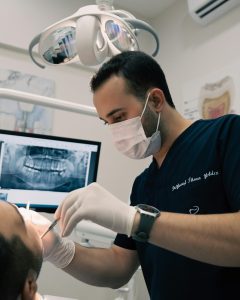
All-on-6 Dental Implants Explained
Discover the benefits of All-on-6 dental implants for a complete smile transformation at Smile Science Dental Spa in…
Read Article
Full Mouth Dental Implants: What to Expect
Discover what to expect with full mouth dental implants, an effective solution for complete restoration in Glendale, AZ.…
Read Article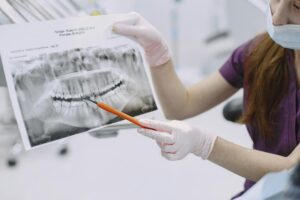
All-on-4 Dental Implants Explained
Discover how All-on-4 dental implants work and their benefits for restoring smiles at Smile Science Dental Spa in…
Read Article