
Zygomatic Implants in Glendale, AZ
Fixed full-arch restorations for patients with severe upper-jaw bone loss
Free consultations include same-day CBCT scan, photography, & treatment planning.

Your new smile is only one click away
Select From The Following Options to Learn More
What are Zygomatic Implants?
A fixed upper bridge when bone is limited
Zygomatic implants are longer dental implants anchored in the cheekbone, also called the zygoma. The zygoma is dense, stable bone. It allows us to secure a fixed upper bridge for patients who have severe bone loss in the upper jaw, have had sinus grafts fail, or were told they are not a candidate for traditional implants.
In many cases we connect the zygomatic implants to additional implants in the front of the upper jaw. This creates a rigid foundation for a same-day fixed provisional bridge. Final bridge options include zirconia or a titanium-framework hybrid.
Key benefits list:
- Uses the cheekbone for strong anchorage when upper-jaw bone is thin
- Often avoids sinus grafting and lengthy healing
- Can support a same-day fixed provisional in qualified cases
- Designed for patients who want a stable, non-removable solution
Who is this for:
- Long-term denture wearers with severe upper bone loss
- Patients with failed sinus lifts or grafts
- Patients told implants are not possible due to the sinuses or poor bone
- Strong bite or bruxism cases where added support is helpful
How the process works:
- CBCT scan and digital planning
- Sedation options reviewed with our in-house anesthesia team
- Placement of zygomatic and companion implants
- Same-day fixed provisional in many cases
- Integration and bite refinement
- Delivery of the final bridge and maintenance plan
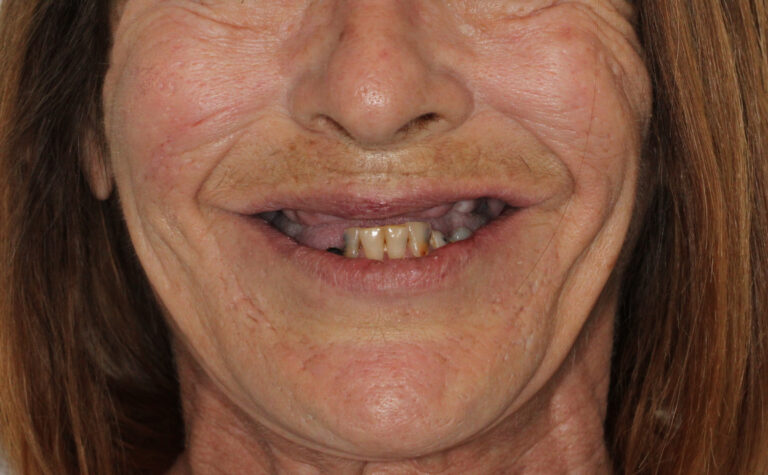
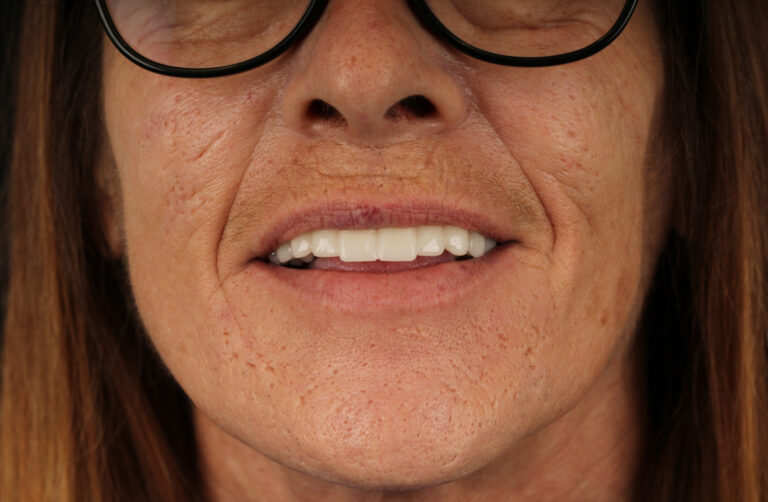
An actual Smile Science patient before and after zygomatic implant surgery.
| Zygomatic Apprach | Tradional Implants with Grafting |
|---|---|
| • Fixed teeth sooner in many severe bone-loss cases, often with no sinus grafting. |
• More surgeries, longer timeline, can be appropriate in select cases. • We recommend the option that best matches your anatomy, health, and goals after a full exam. |
Procedure at a Glance
- Assessment: 3-D CBCT and bite analysis to plan remote anchorage in the cheekbone.
- Digital planning: guided trajectories for zygomatic plus companion anterior implants.
- Placement: zygomatic implants engage dense zygoma; anterior implants add cross-arch stability.
- Same-day fixed teeth: a non-removable provisional in qualified cases when stability allows.
- Final bridge & maintenance: zirconia or titanium-hybrid options, hygiene visits, nightguard if indicated.
Am I a Candidate for Zygomatic Implants?
Zygomatic implants are specifically designed for patients with severe upper jaw bone loss who want a stable, fixed full-arch solution. If you’ve been told that you are not a candidate for regular dental implants or that you would need extensive bone grafting or sinus lifts, you may be a strong candidate for this approach.
Zygomatic implants anchor in the zygoma, or cheekbone, which is naturally dense and supportive. This allows many patients to avoid grafting altogether and proceed directly to a same-day fixed provisional bridge in the right conditions.
Patients who benefit from zygomatic implants often include those who:
- Have worn an upper denture for many years
- Were told they “do not have enough bone for implants”
- Previously had a sinus lift or graft that failed
- Have severe maxillary bone resorption or sinus expansion
- Want a permanent solution instead of a removable denture
- Want to restore facial support, chewing function, and confidence
- Prefer to avoid prolonged grafting or multi-stage surgeries
- Have strong or heavy bite forces that require greater support
Note: Zygomatic implants are an advanced procedure and are not appropriate in every upper jaw case. Candidacy is confirmed only after a complete evaluation and 3-D CBCT scan.
Not sure how much bone you have?
The only way to determine whether zygomatic implants are appropriate is with a 3-D CBCT scan. This imaging allows us to evaluate bone volume, sinus anatomy, bite forces, and prosthetic space. Many patients who were previously told they “do not have enough bone” are able to move forward once these anatomical details are assessed properly.
When All-on-4® May Be More Appropriate
Not every case requires zygomatic implants. If upper-jaw bone is sufficient for standard or tilted implants, an All-on-4 or All-on-6 approach may be preferred due to lower surgical complexity and shorter implant length. We determine the ideal treatment only after your CBCT scan, not before.
Key point: Zygomatic implants are chosen when they are the safest and most predictable solution, not simply because they are available.
When Zygomatic Implants are the Better Option
If the upper jaw shows advanced resorption, sinus pneumatization, or if prior bone grafting has failed, zygomatic implants provide anchorage in dense zygoma bone, which can allow a fixed, same-day provisional even when traditional implants would not hold reliably.
This is often the case in:
- Long-term denture wearers
- Failed sinus lift patients
- Patients told “no implants possible”
If you have been told you are not a candidate for dental implants, do not assume that is final.
We see these cases every week.
Your Treatment Timeline
Step 1
Consultation and 3-D imaging
We review your goals, medical history, and existing dental conditions. A CBCT scan allows us to evaluate bone structure, sinus shape, bite forces, and prosthetic space. This determines whether zygomatic implants, All-on-4, or another approach is the right fit.
Step 2
Digital planning and case design
We use your imaging and facial measurements to design implant positioning and your initial fixed full-arch prosthesis. Your treatment plan, cost options, and available financing are reviewed before moving forward.
Step 3
Surgery day
Zygomatic implants and companion implants are placed under sedation with our in-house anesthesia team. When implant stability is adequate, a fixed provisional bridge is secured the same day, allowing you to leave with non-removable teeth.
Step 4
Healing and bite refinement
Over the next several months, bone and soft tissues adapt while we monitor stability and comfort. Adjustments are made to improve chewing efficiency and speech during this period.
Step 5
Delivery of the final bridge
Once tissues are stable, we take precision records for your final bridge. Material options may include zirconia or a titanium-based hybrid. The final prosthesis is milled, polished, adjusted, and secured.
Step 6
Maintenance and long-term care
Routine professional cleanings and periodic evaluations protect the health of the implants and bridge. Home care coaching is provided so the area under and around the bridge is kept clean and comfortable.
Step 1
Consultation and 3-D imaging
We review your goals, medical history, and existing dental conditions. A CBCT scan allows us to evaluate bone structure, sinus shape, bite forces, and prosthetic space. This determines whether zygomatic implants, All-on-4, or another approach is the right fit.
Step 2
Digital planning and case design
We use your imaging and facial measurements to design implant positioning and your initial fixed full-arch prosthesis. Your treatment plan, cost options, and available financing are reviewed before moving forward.
Step 3
Surgery day
Zygomatic implants and companion implants are placed under sedation with our in-house anesthesia team. When implant stability is adequate, a fixed provisional bridge is secured the same day, allowing you to leave with non-removable teeth.
Step 4
Healing and bite refinement
Over the next several months, bone and soft tissues adapt while we monitor stability and comfort. Adjustments are made to improve chewing efficiency and speech during this period.
Step 5
Delivery of the final bridge
Once tissues are stable, we take precision records for your final bridge. Material options may include zirconia or a titanium-based hybrid. The final prosthesis is milled, polished, adjusted, and secured.
Step 6
Maintenance and long-term care
Routine professional cleanings and periodic evaluations protect the health of the implants and bridge. Home care coaching is provided so the area under and around the bridge is kept clean and comfortable.
Why have zygomatic implants done at Smile Science?
Full-arch expertise
We restore full smiles daily, including complex upper arch cases with severe bone loss. Treatment is planned with CBCT imaging and digitally guided techniques.
Team-based care
Your surgical and restorative treatment is coordinated in one location, supported by a dedicated anesthesia provider and in-house digital lab processes.
Same-day fixed provisional in qualified cases
When stability allows, we secure a non-removable provisional bridge the same day. You leave with fixed teeth, not a denture.
Material and design options for different bite forces
Zirconia or titanium-based hybrid bridges are selected based on functional needs, esthetics, and long-term maintenance.
Zygomatic implants require careful planning, precise angulation, and an experienced surgical and restorative team. Our approach focuses on predictable outcomes, long-term stability, and natural esthetics, even in cases of advanced upper jaw bone loss.
- Specialty leadership in upper-jaw full-arch rehab including zygomatic treatments.
- Thousands of full-arch cases completed; many via advanced anchor protocols.
- Single-venue comfort: diagnostics, surgery, recovery, final prosthesis all in one location.
- Team approach: prosthodontist + oral surgeon + anesthesia all aligned for your outcome.
- Transparent pricing, detailed pre-treatment planning, and ongoing maintenance built-in.
If you were told you aren’t a candidate for implants, we encourage you to get a second evaluation.
Life-Changing Results
Smile transformations from our actual patients
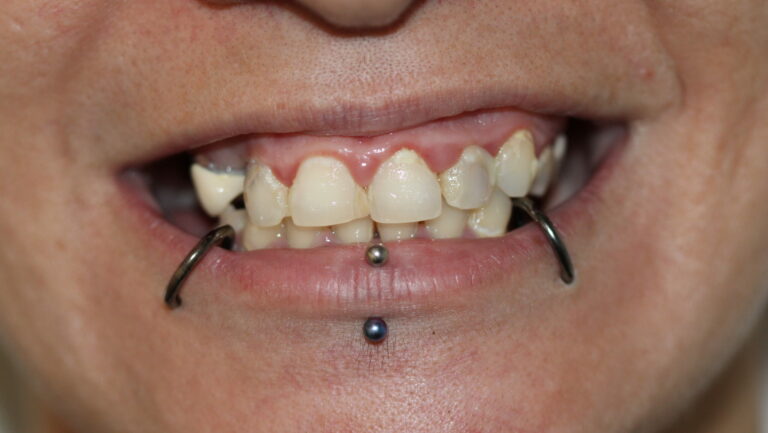
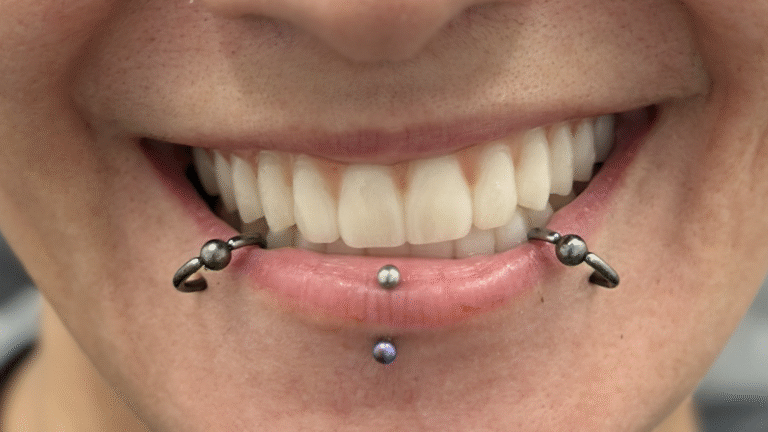
All-on-4® with monolithic zirconia upper and lower.
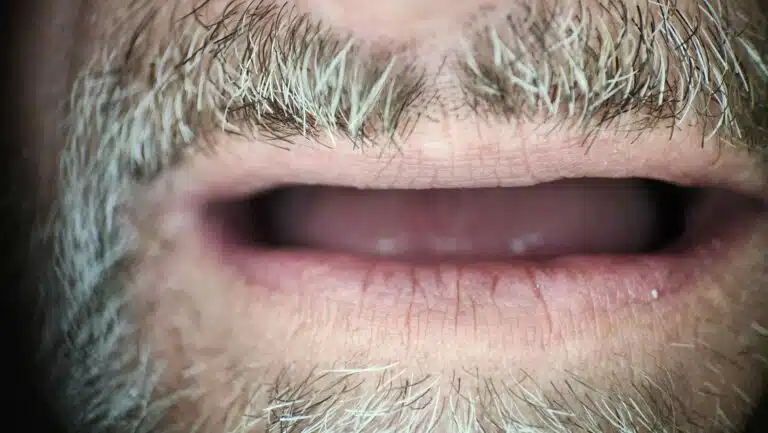
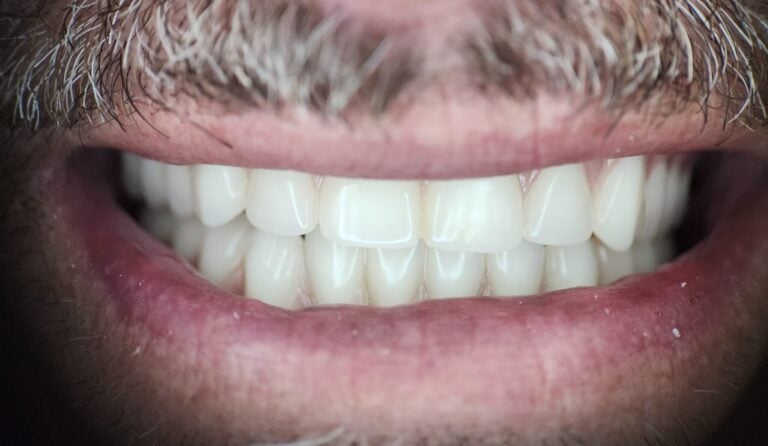
Snap-in acrylic implant overdentures.
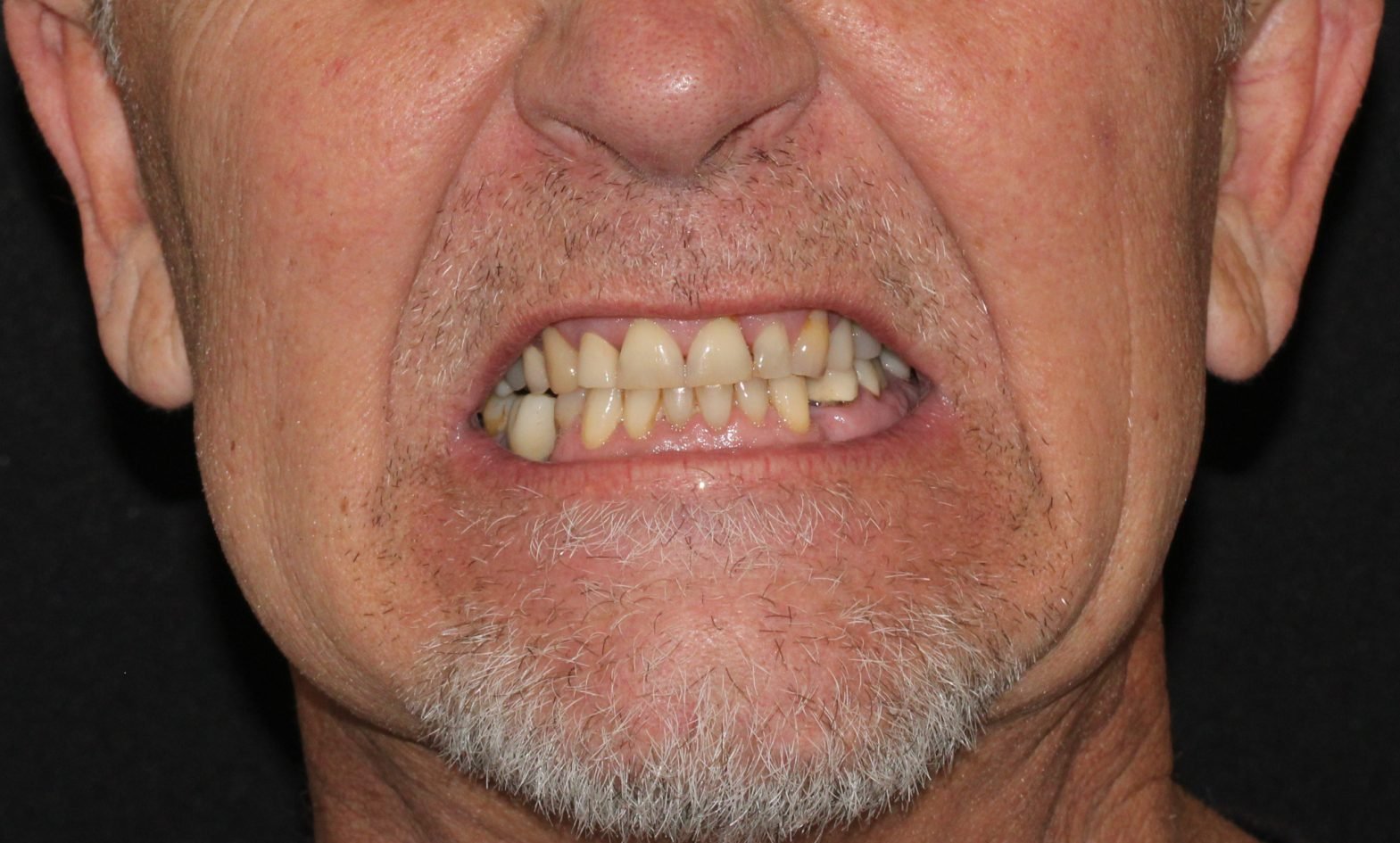
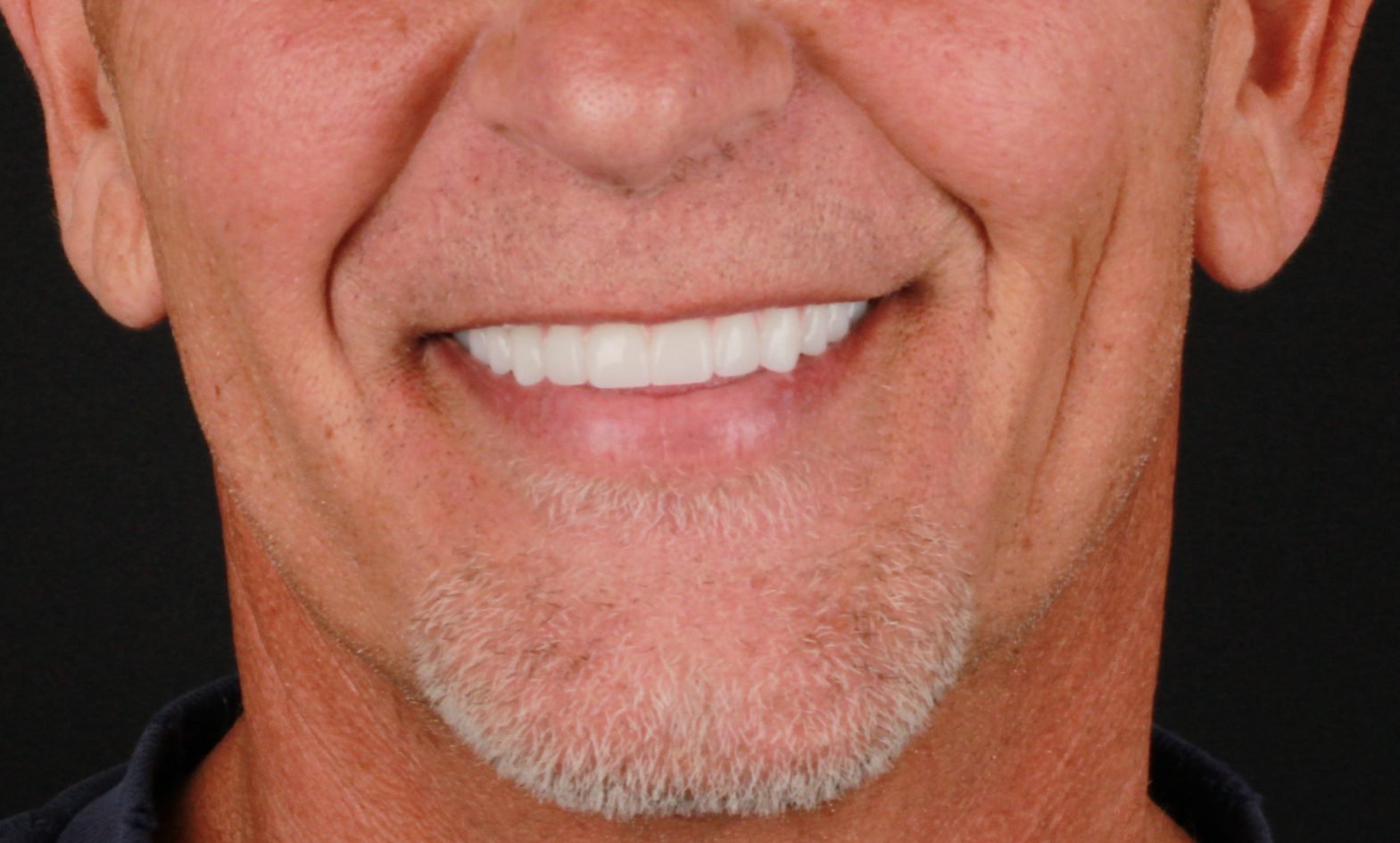
All-on-4® with monolithic zirconia upper and lower.
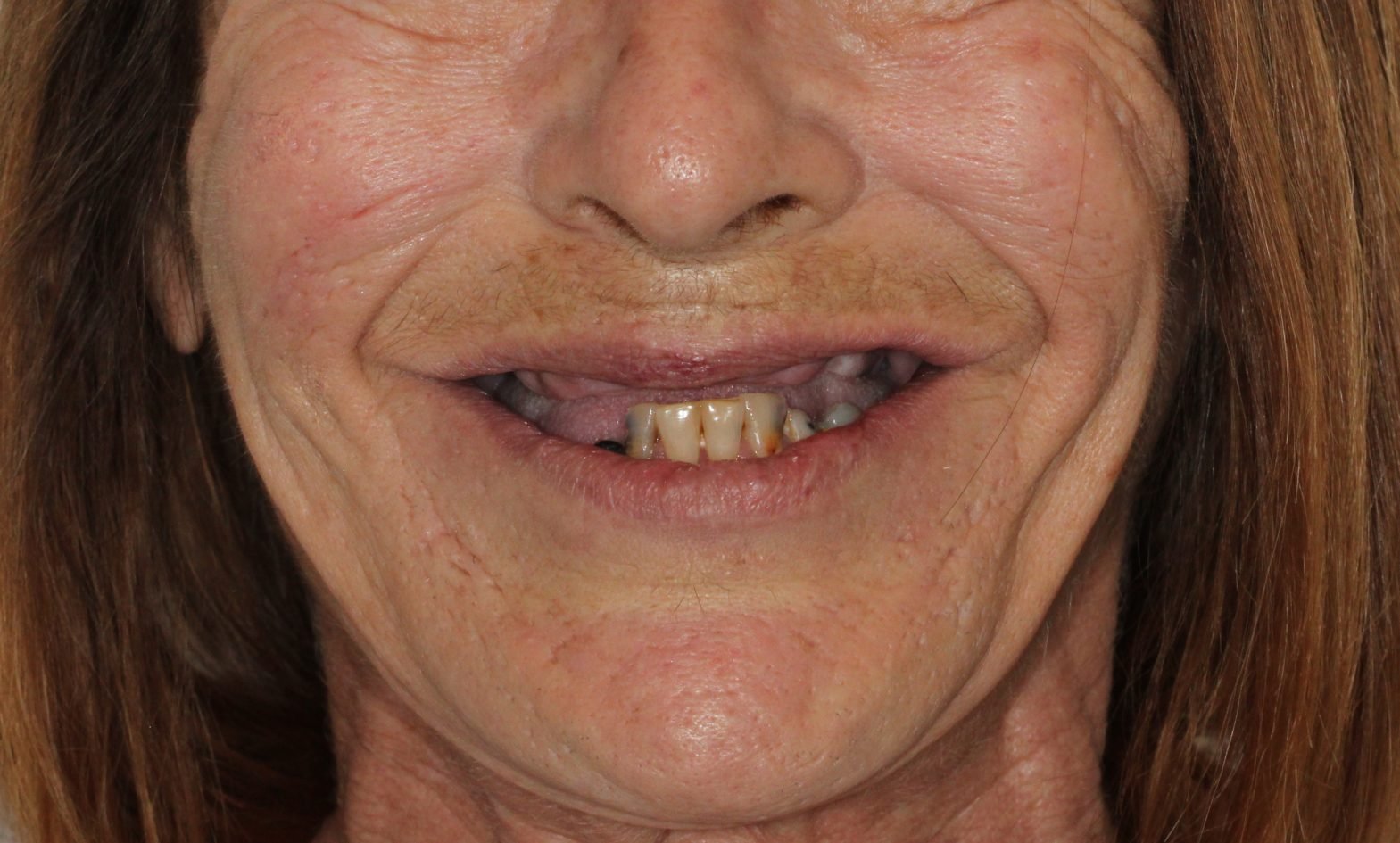
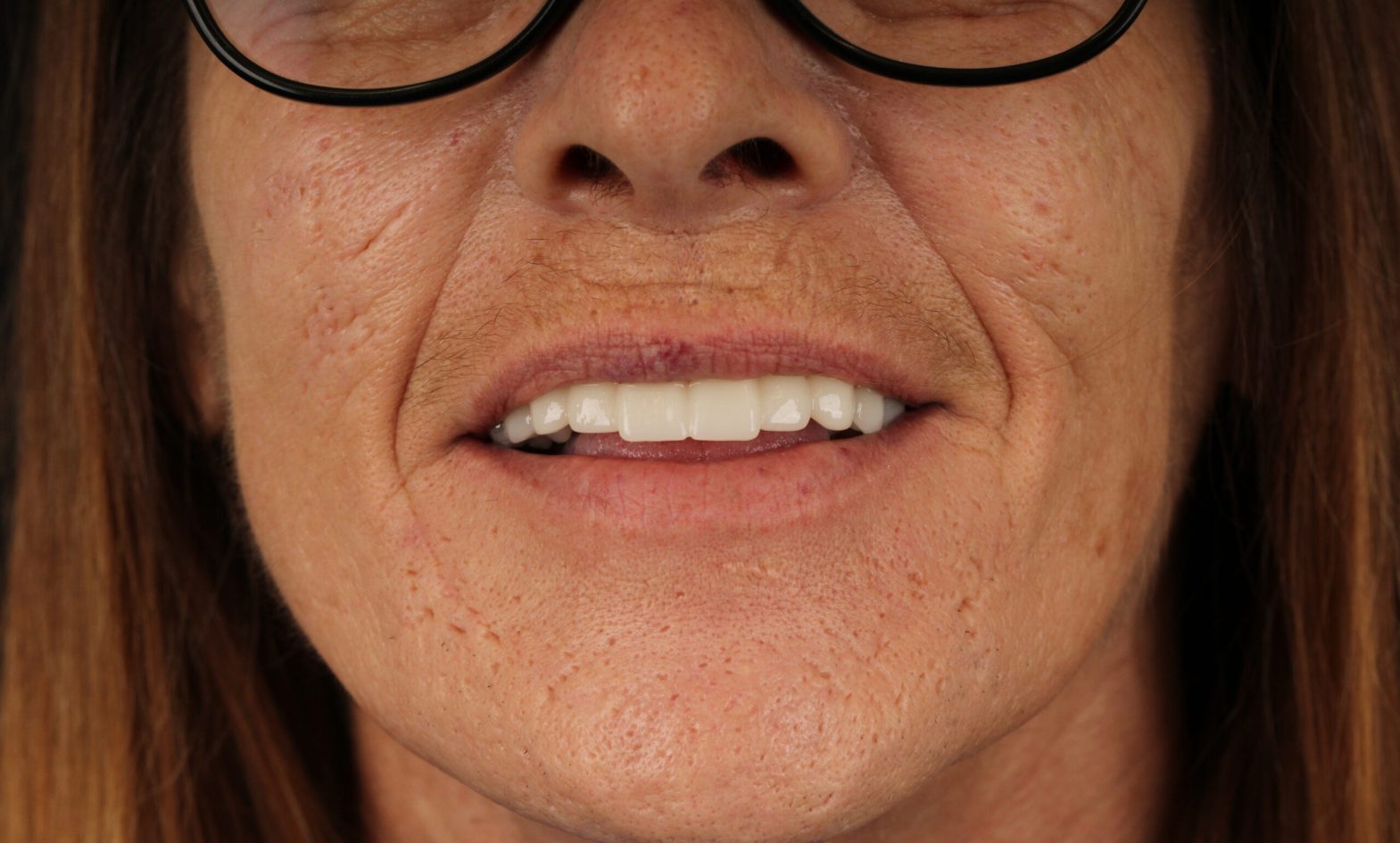
All-on-6 zygomatic and pterygoid implants with monolithic zirconia upper prosthesis.
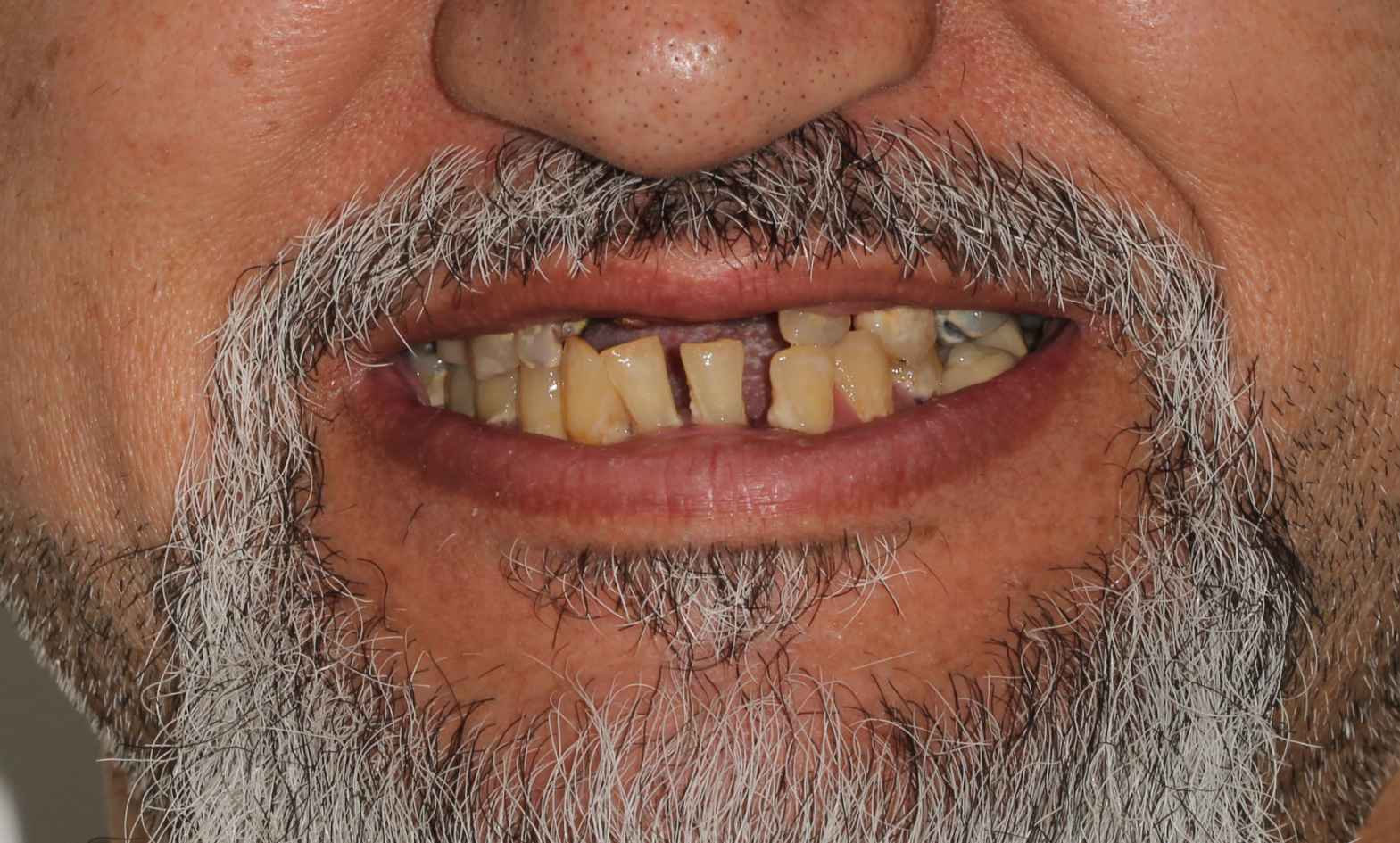
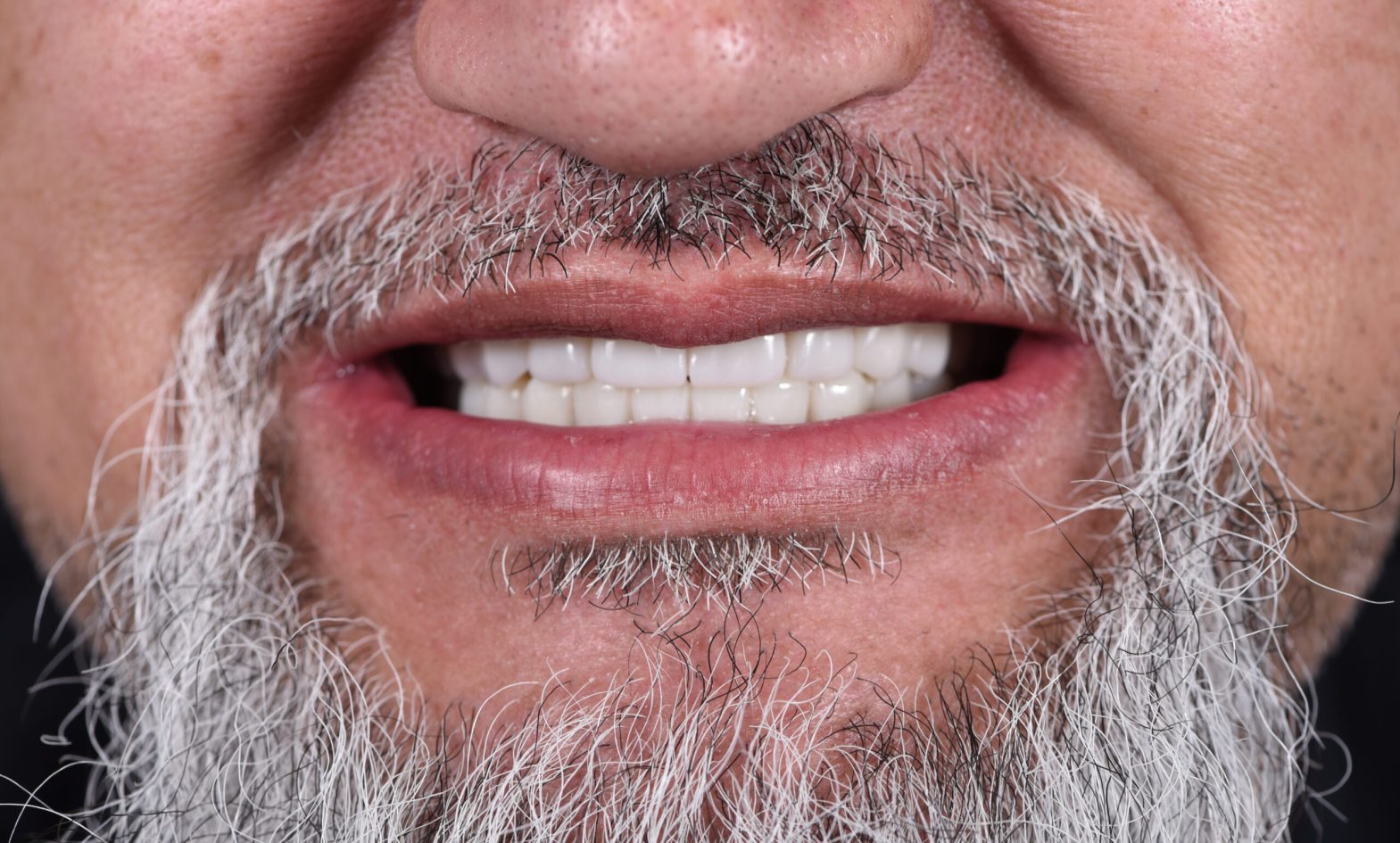
All-on-6 with zygomatic and pterygoid implants with zirconia on titanium.
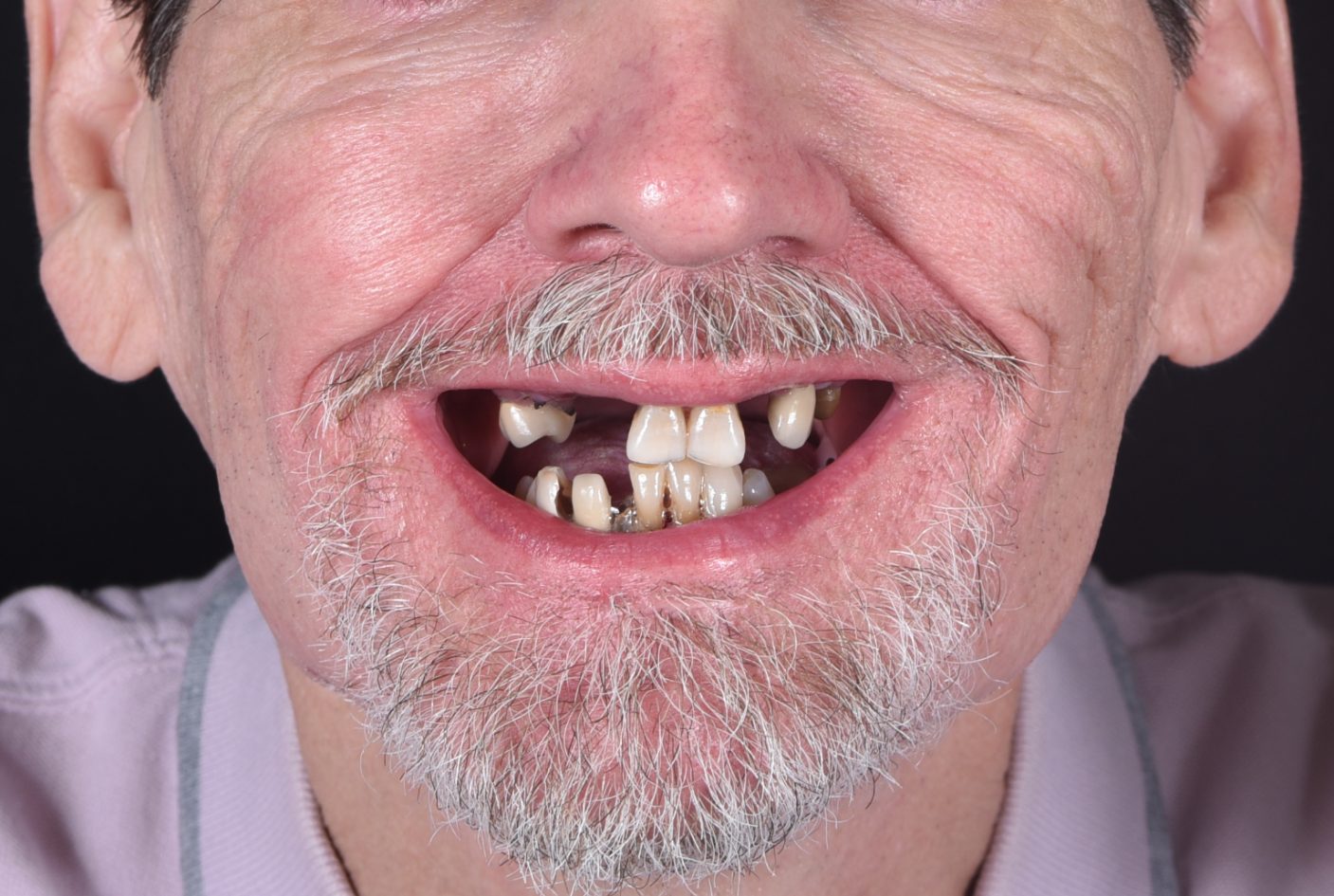
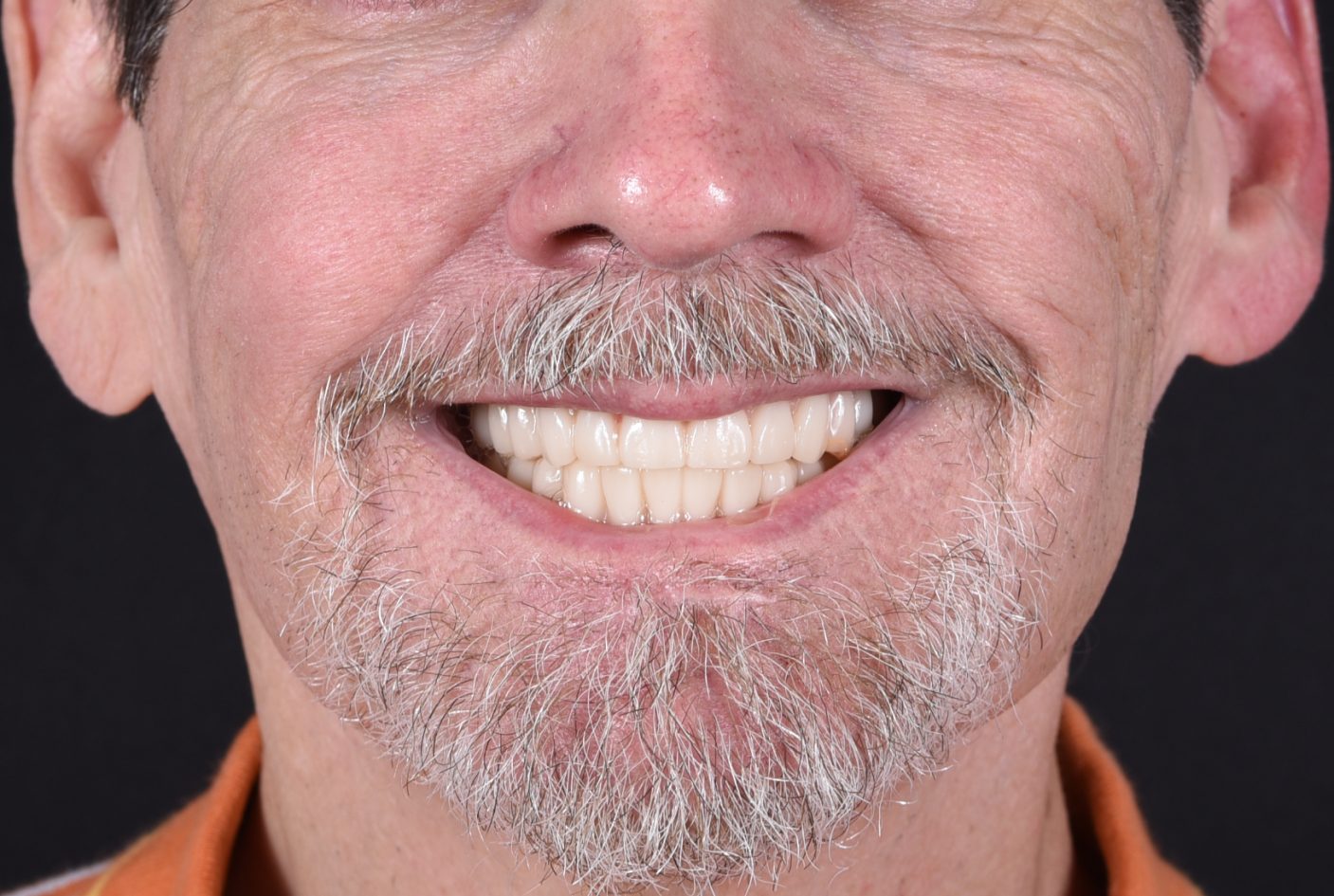
All-on-6 with zygomatic and pterygoid implants upper, all-on-4® lower, with monolithic zirconia.
Affordable Financing Options
Zygomatic implant care is customized based on your anatomy, surgical needs, and final bridge material. We provide a clear, written treatment plan after your 3-D evaluation so you know exactly what to expect. Most patients choose monthly payment options to make treatment manageable and predictable.
We work with financing partners that offer low-monthly-payment plans and no-penalty prepayment options.
Our Other Lending Partners



See What Our Patients are Saying
4.9 ★ (350+ reviews)
Our Implant Warranty
Real Protection, Not Hype
You’ve probably seen other implant centers advertising “lifetime warranties.” The reality is that those promises often sound better than they actually are. Dental implants can last many years, but they are medical devices that require ongoing care, and no one can guarantee a prosthesis for life.
We prefer to be clear and honest with you up front.
| What's Covered | How Long | What it Means | Your Part |
|---|---|---|---|
|
Implant Fixture (the titanium implant in bone) |
10 years | If the implant fails under normal use, we will replace the fixture. | Regular hygiene visits, good home care, proper nightguard use, no nicotine use, and follow your maintenance plan. |
|
Prosthetic Restoration
(bridge, full arch, or crown) |
5 years | Covers fractures or failures under normal use. We’ll repair or replace as needed. | Routine scheduled checks, report issues early, wear a night guard as prescribed. |
| Surgical Complications | 3 years | If a fixture fails early despite proper healing, we’ll replace it at no fee. | Follow post-op instructions and attend follow-up appointments. |
Why we don’t say “lifetime warranty”
- No dental prosthesis lasts forever without maintenance.
- Most “lifetime” promises exclude common causes of failure.
- If a clinic is sold or closes, those warranties typically disappear.
- Because trust matters. We believe being honest and transparent with our patients is the foundation of a long-term relationship built on real care, not marketing tactics.
Our approach
- Clear coverage and responsibilities.
- No hidden fine print.
- The same high standard of care years after treatment.
Bottom Line
You deserve a warranty that’s clear, not just clever wording. We choose transparency over marketing gimmicks, so you know exactly what’s covered, how long it’s covered, and what’s expected to keep it valid. Our patients trust us because we make straightforward promises and keep them.
Frequently Asked Questions
What is a zygomatic implant?
A zygomatic implant is a longer dental implant that anchors into the cheekbone instead of the upper jaw. The cheekbone is dense and stable, which allows a fixed full-arch bridge even when there is severe bone loss in the upper jaw.
How do zygomatic implants work?
The implant is placed at an angle that allows it to engage the strong zygoma bone. When combined with additional implants in the front of the arch, it creates a stable foundation for a fixed set of teeth.
Who is a good candidate for zygomatic implants?
Patients with significant upper jaw bone loss, long-term denture wearers, patients with failed sinus grafts, and patients who were previously told they are not candidates for traditional implants may qualify. Candidacy is confirmed with a 3-D CBCT scan.
What are the benefits of zygomatic implants?
They often make it possible to avoid sinus grafts, allow a fixed same-day provisional bridge, restore biting function, improve facial support, and provide a stable non-removable solution in severe bone loss cases.
How long do zygomatic implants last?
Studies report high survival rates over long follow-up periods when placed and restored correctly. Long-term success depends on proper planning, stable bite design, professional maintenance, and consistent home care.
What is the success rate of zygomatic implants?
Recent systematic reviews report high survival rates similar to conventional full-arch implant therapy. The success rate depends on case selection, surgical experience, prosthesis design, and follow-up care.
What is the average cost of zygomatic implants?
Costs vary based on case complexity, sedation, number of implants, and final bridge material. A written treatment plan is provided after evaluation. Most patients use financing to make treatment affordable month by month.
Are zygomatic implants placed in one day?
In many cases, yes. When implant stability is sufficient, a fixed provisional bridge can be secured on the day of surgery. Some cases require a staged approach depending on anatomy and healing.
What is the difference between zygomatic implants and All-on-4?
All-on-4 uses implants in the upper jaw bone. Zygomatic implants are used when that bone is too thin or resorbed. They anchor in the cheekbone to create the support needed for a fixed bridge in advanced upper jaw bone loss.
What are the disadvantages of zygomatic implants?
The procedure is more complex than standard implant placement and requires advanced training and planning. Some patients may experience temporary swelling or sinus-related discomfort. Serious complications are uncommon when performed by experienced surgical teams.
Do zygomatic implants look natural?
Yes. The esthetics come from the final full-arch bridge, which is designed to match your smile shape, facial features, and bite. Materials may include zirconia or titanium-based hybrid designs.
Will I feel or see the implants?
No. The implants are covered by the gums and the fixed bridge. You see and feel the teeth, not the implants themselves.
What is recovery like after zygomatic implant surgery?
Most patients experience swelling and pressure for a few days. Soft foods are recommended at first. Follow-up visits help monitor healing and comfort during the adjustment period.
Are zygomatic implants safe?
Yes, when placed by trained clinicians using CBCT-guided planning. Like any surgical procedure, risks exist, but careful planning and skilled execution make complications uncommon.
How do I care for zygomatic implants long-term?
Daily cleaning under and around the bridge and regular professional maintenance visits are essential. We provide specific home care instructions and supportive products to help you protect your implants.
Glossary & Terms
A longer dental implant that anchors into the zygoma bone (cheekbone) to support a fixed upper bridge when the upper jaw does not have enough bone for standard implants.
A dense, strong facial bone located above the upper jaw. Its strength and structure allow it to serve as a stable anchorage point for remote implant support.
A treatment method that uses bone outside the upper jaw to stabilize implants, such as the zygoma or pterygoid regions. Used when the upper jaw bone is severely resorbed.
Loss of bone in the upper jaw. Common in long-term denture wearers or after tooth loss. This can limit the ability to place traditional dental implants.
Expansion of the sinus cavity into areas where bone used to be. This reduces available implant-supporting bone in the upper jaw.
An implant placed near the pterygoid plate, located behind the upper jaw. Often used along with zygomatic implants when additional support is needed.
A treatment approach where a fixed provisional bridge is placed on the implants on the day of surgery, instead of waiting months before attaching teeth.
A complete set of replacement teeth attached to implants to restore an entire upper or lower arch.
A fixed full-arch prosthesis with a titanium internal framework and high-strength acrylic or PMMA for teeth and gum shading.
A full-arch prosthesis milled from zirconia, known for strength, stability, and long-term esthetics.
The planned bite design that helps distribute chewing forces evenly across the implants and prosthesis.
A scheduled cleaning and evaluation appointment to keep the implants, gums, and bridge healthy over time.
A confident smile starts with a single consultation.
Medical Review & Evidence
-
Author: Richard Dawson, DMD
- Medically Reviewed by: Dr. Richard Dawson, DMD
- Last Updated: November 13, 2025
- 11:37 am
The patient education on this page is aligned with current literature on full-arch, immediate-load implant therapy, maintenance, and advanced anchorage options (e.g., zygomatic implants). Key references:
Maló P, de Araújo Nobre M, Lopes A, Ferro A, Moss SM. All-on-4 immediate-function concept for completely edentulous maxillae: A longitudinal study with 10–18 years of follow-up. Clin Implant Dent Relat Res. 2019.
PubMed. https://pubmed.ncbi.nlm.nih.gov/30924309/de Araújo Nobre M, Lopes A, Antunes E. The 10-Year Outcomes of Implants Inserted with Dehiscence or Fenestrations in the Rehabilitation of Completely Edentulous Jaws with the All-on-4 Concept. J Clin Med. 2022;11(7):1939.
PubMed. https://pubmed.ncbi.nlm.nih.gov/35407547/
Open Access. https://www.ncbi.nlm.nih.gov/pmc/articles/PMC8999632/Froimovici FO, Butnărașu C, et al. Fixed Full-Arch Implant-Supported Restorations: Techniques Review and Proposal for Improvement. Dent J (Basel). 2024;12(12):408.
PubMed. https://pubmed.ncbi.nlm.nih.gov/39727465/
Open Access. https://www.ncbi.nlm.nih.gov/pmc/articles/PMC11674276/Araújo TG, et al. Long-term Implant Maintenance: A Systematic Review of Home and Professional Care. Braz Dent J. 2024.
PubMed. https://pubmed.ncbi.nlm.nih.gov/39476119/
Open Access. https://www.ncbi.nlm.nih.gov/pmc/articles/PMC11506129/Roper MB, et al. Long-term treatment outcomes with zygomatic implants: systematic review and meta-analysis. Clin Oral Implants Res. 2023.
PubMed. https://pubmed.ncbi.nlm.nih.gov/37405545/
Open Access. https://www.ncbi.nlm.nih.gov/pmc/articles/PMC10322814/Albaqawi AH, et al. “All-on-4” and “All-on-6” treatment concept applied using guided implant placement for full-arch rehabilitation: clinical outcomes. Clin Exp Dent Res. 2023.
Open Access. https://www.ncbi.nlm.nih.gov/pmc/articles/PMC10014524/American Academy of Implant Dentistry — Dental Implant Resources for Patients.
AAID. https://aaid-implant.org/dental-implant-resources/
This content was reviewed by licensed dentists to ensure accuracy and alignment with current implant dentistry literature.