
Overview of Phoenix Veneers
Veneers are thin, custom covers that bond to the front of teeth to improve color, shape, and spacing. They are designed to look natural, while preserving as much healthy enamel as possible. In Phoenix, veneers are chosen to address chipped edges, stubborn stains, small gaps, and uneven tooth shapes with a predictable, conservative approach.
You have a chipped front tooth before a big event. Veneers can be made from porcelain or composite. Porcelain typically offers lifelike translucency and stain resistance, while composite can be sculpted chairside for quicker changes. Your dentist evaluates gum health, bite forces, and enamel thickness to decide if preparation is needed. Because of this careful planning, veneers can refresh a smile without major changes to tooth structure.
- Mask deep discoloration that whitening cannot lift
- Reshape worn or chipped edges
- Close small gaps between front teeth
- Correct minor alignment or size differences
- Harmonize tooth proportions for a balanced smile
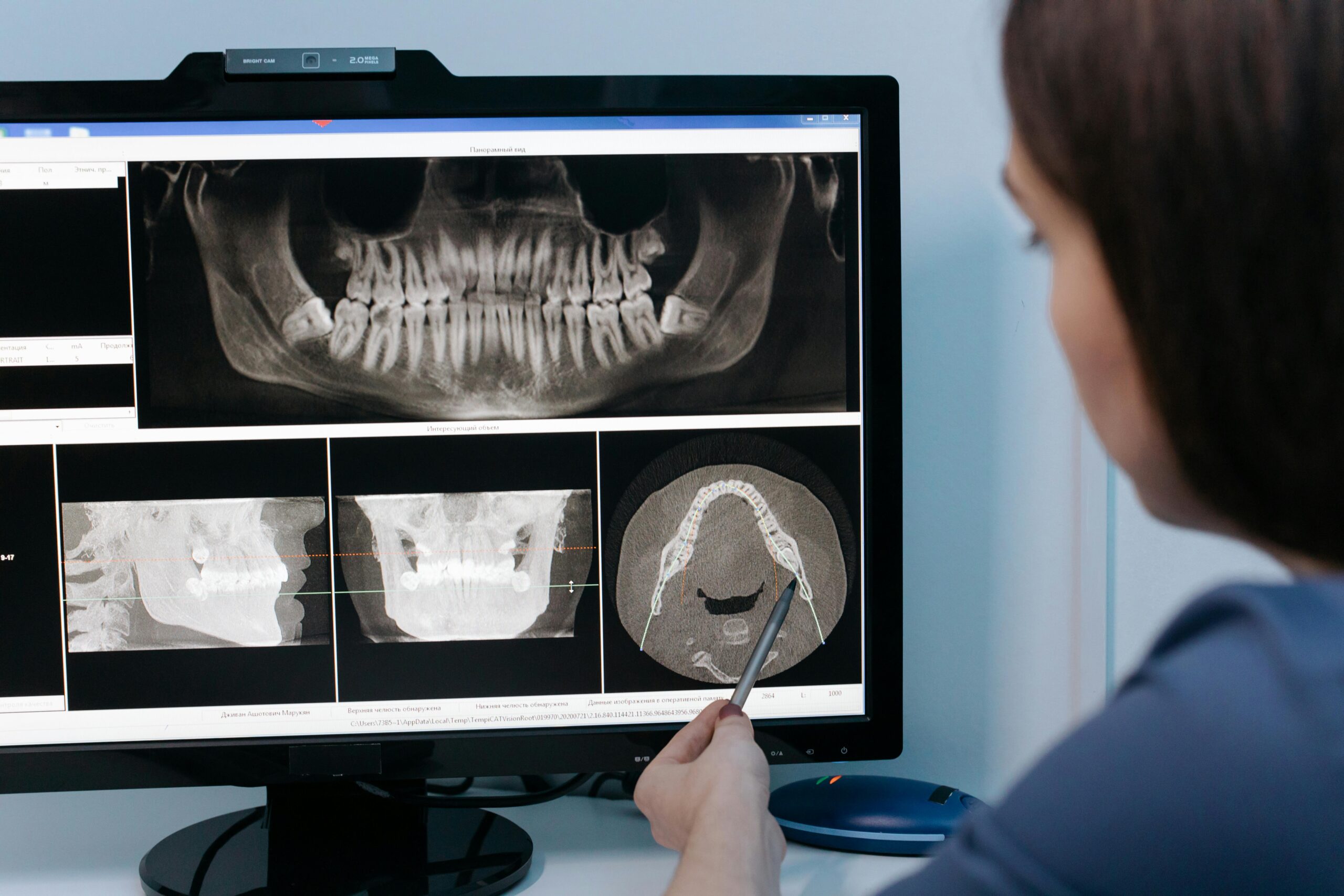
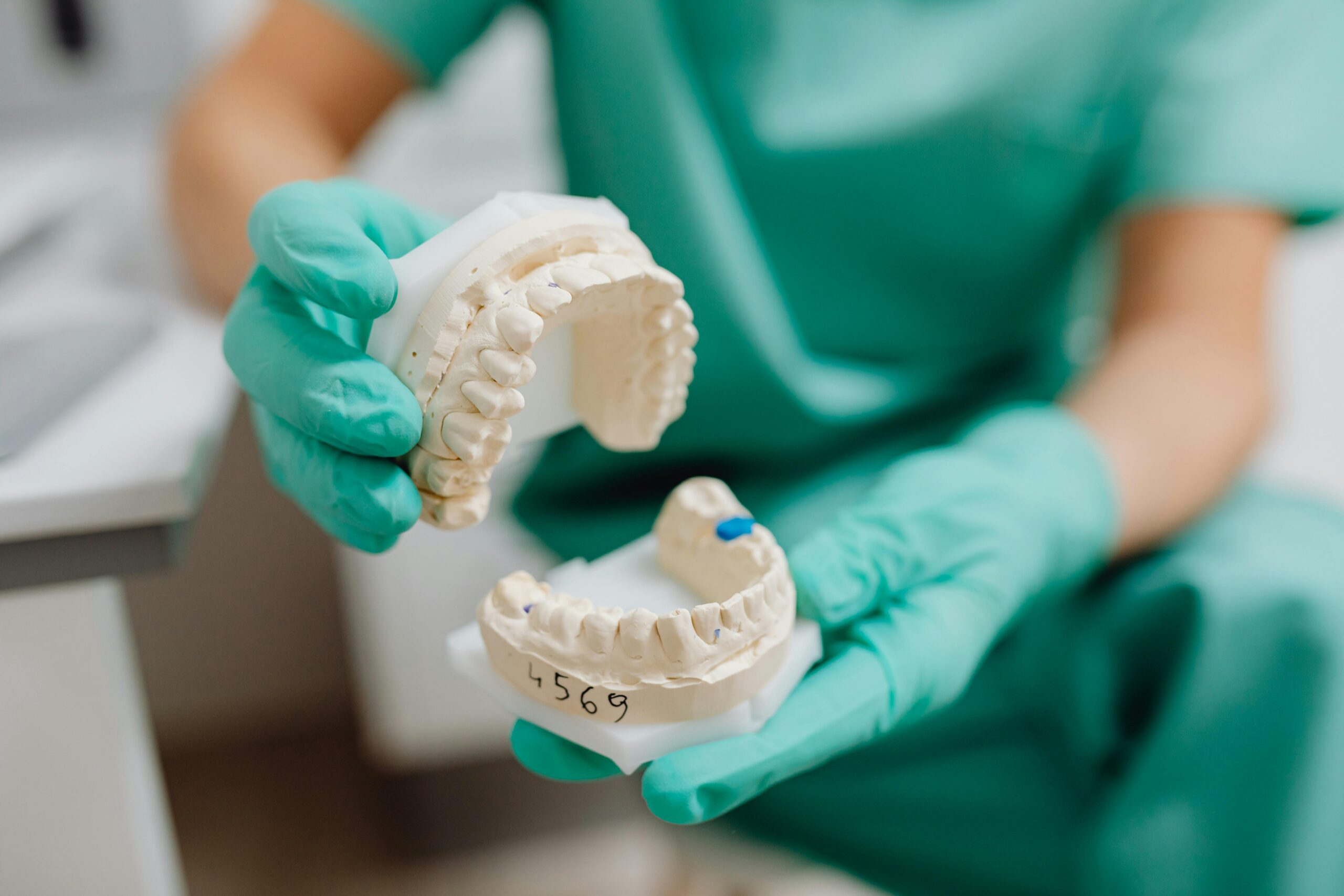
The process starts with a consultation, photos, and models. A smile design or mock-up helps you preview shape and length. If teeth need slight reshaping, a minimal amount of enamel is smoothed to make room for the veneer. Temporaries guide comfort and appearance while the lab crafts the final restorations. At delivery, each veneer is tried in, adjusted, then bonded and polished. For more detail on materials and steps, see our porcelain veneers overview.
Daily brushing, flossing, and regular cleanings support long-term results. Avoid chewing on ice or nails, and consider a night guard if you clench. If you are exploring Phoenix veneers, a personalized exam will clarify candidacy, timing, and material choice. To plan a visit, check our current hours. Collaborative care often leads to clearer days and calmer nights.
Types of Veneers: Porcelain vs. Composite
Porcelain and composite veneers differ in how they are made, how they age, and how they are maintained. Porcelain is a laboratory-crafted ceramic with a baked, glassy surface; composite is a tooth-colored resin shaped directly by the dentist and easier to modify later. If you are comparing Phoenix veneers, your dentist will match material to your goals, bite, and timeline.
Both options aim to bond to enamel for strength and a natural edge. Porcelain usually requires carefully planned space so the ceramist can build lifelike contours and shade layers that blend with nearby teeth. Composite can sometimes be added with little reshaping when only small changes are needed. You sip coffee every morning and want a bright smile.
Day-to-day care is similar, but upkeep differs. Composite can pick up surface stain and develop tiny chips over time; the benefit is that it can be smoothed, polished, and spot-repaired in the chair. Porcelain tends to hold its gloss and color longer, and minor roughness can be polished, though larger chips often need a lab-based repair or replacement. Finishing quality and smooth margins help gums stay healthy, and habits like nail biting or using teeth as tools raise the risk of edge fractures. For a deeper look at the resin option, see our composite veneers guide.
Choosing between them comes down to the amount of shade change, how many teeth are involved, and how much length or shape you want to add. A careful exam, photos, and a reversible smile preview help set expectations before any enamel is altered. When selected thoughtfully, either material can deliver a balanced, confident result.
Benefits of Getting Veneers in Phoenix
Veneers offer a fast, conservative way to refresh your smile. In Phoenix, veneers are tailored to your teeth, lips, and bite so the result looks natural and feels comfortable. Benefits include a noticeable change in color and shape with minimal alteration of healthy enamel.
You have a high school reunion in two months. Veneers can address several concerns at once, like uneven edges, small gaps, and discoloration that whitening cannot lift, often in a shorter timeline than braces for minor issues. Because each veneer is custom-shaped, your dentist can balance tooth length and contours to support clear speech and comfortable chewing. Careful edge design also helps reduce new chipping on worn front teeth by reestablishing smooth guidance during biting.
The materials provide everyday advantages. Glazed ceramic holds its gloss and resists common stains from coffee or tea, so shade changes stay more stable over time. Composite, when chosen, is easier to adjust or repair in small areas if your goals evolve. Both create a smooth, easy-to-clean surface that works well with routine brushing and flossing. Healthy, polished margins help gums stay calm, which supports a clean, well-framed smile.
Planning is another benefit of Phoenix veneers. Preview tools, like a digital design or a temporary mock-up, let you test shape and length before final bonding. This reduces uncertainty and aligns the outcome with your facial features and goals. If you want to see how subtle changes transform a smile, you can see real before-and-after cases. Selecting the right material, number of teeth, and edge position ensures your veneers blend under bright desert sun and indoor lighting alike.
If you are weighing options, a personalized exam will map out candidacy, timing, and maintenance so your plan fits your life. Prompt evaluation supports confident smiles and comfortable function.
What to Expect from Your Cosmetic Dentist in Phoenix
Expect a focused consultation, clear records, and a custom plan. Your cosmetic dentist in Phoenix will assess tooth health, gum condition, and your bite, then map options, timelines, and maintenance. If you are considering Phoenix veneers, you will see how proposed shapes and shades fit your face and goals.
The visit begins with a conversation about what you like and what you want to change. Photos, a digital scan, and shade mapping help capture details of your smile in different lighting. The dentist reviews enamel thickness, existing restorations, and how your front teeth guide your bite. You want slightly longer front teeth without a “done” look. A digital design or temporary “trial smile” lets you preview length and contours before any final steps.
Once the plan is set, teeth may be smoothed slightly to create space where needed, then numbed comfortably for that step. A precise scan or impression goes to the lab with notes on shape, translucency, and texture. You will wear well-shaped temporaries that model the planned result, so you can test speech and lip support. At delivery, each veneer is tried in, checked under natural and indoor light, adjusted for bite comfort, then bonded and polished. For more detail on what the procedure involves, see our step-by-step guide.
After placement, expect simple care and a short follow-up. Your dentist will show you how to clean around the edges and may suggest a night guard if you clench. Small refinements are common at the follow-up visit to optimize comfort and symmetry. This measured process keeps changes predictable and helps your new smile feel natural from day one. Thoughtful planning today shapes confident smiles tomorrow.
Explore conservative cosmetic options, timelines, and materials with our team.
Design a smile that fits your face.
Veneers Cost in Phoenix: Understanding Your Options
Costs for veneers in Phoenix vary with material, how many teeth are treated, and case complexity. Porcelain typically involves a dental lab and detailed customization, while composite is built directly in the chair. Planning steps like smile design, mock-ups, and temporaries also influence the overall fee. Your dentist will map options so you can choose a plan that fits your goals and timeline.
You want to refresh two front teeth before job interviews. Material choice is a key driver of cost because porcelain includes lab artistry, custom shading, and glazing, while composite relies on chairside sculpting and polishing. The number of teeth included matters too, since treating the full smile zone improves color harmony compared with treating only one or two. Preparation needs can differ as well; some cases need slight enamel shaping for space, while others can be additive. More visits and lab steps usually mean a higher overall investment.
Related treatments can add value and affect budgeting. Whitening beforehand may let you choose lighter shades with fewer veneers, while minor orthodontic alignment can reduce how much reshaping is needed. Bite considerations sometimes call for a night guard to protect edges from clenching or grinding. Repairs and maintenance also factor in: composite is easier to spot-polish or patch, and porcelain often holds gloss longer but may need lab help if chipped. Insurance coverage for purely cosmetic changes is often limited, so many patients plan with phased care and flexible timelines.
A practical way to plan is to stage the process. Start with a digital or provisional “trial smile” to test shape and length before committing to finals. Some patients begin with a small number of veneers or use composite prototypes to confirm aesthetics, then expand later. For a deeper cost breakdown and planning tips, see our comprehensive cost overview. Prompt planning supports clear timelines and steady progress.
Finding a Reliable Veneer Dentist in Phoenix
A reliable veneer dentist combines careful diagnosis, clear planning, and consistent results. Look for someone who explains options, shows representative case photos, and builds a step-by-step plan that fits your teeth, bite, and facial features. Ask how they design and test shapes before bonding, and how they maintain results over time. If you are considering Phoenix veneers, choose a clinician who welcomes questions and outlines alternatives.
A friend’s referral sounds great, but you want more proof. Start with the exam approach. A thorough dentist evaluates gum health, enamel thickness, bite guidance, and any habits like clenching. They discuss material choices without hype, explain what minimal reshaping means for your case, and map the sequence from records to try-in to final bonding. You should understand timelines, comfort options, and how they protect edges if you grind at night.
Planning tools matter. Ask whether you will preview proposed shapes with a digital design or a removable mock-up, so you can test speech and lip support before committing. Review before-and-after photos taken under similar lighting and angles, and ask how the dentist handles challenging cases like deep discoloration or uneven gumlines. A dependable provider also covers maintenance, touch-up options, and how small chips are managed. For help weighing public feedback, see our guide to using dentist reviews.
Communication is as important as technique. Choose a dentist who listens to your goals, explains trade-offs clearly, and encourages a follow-up after placement to fine-tune comfort and symmetry. The right fit feels collaborative and transparent from the first conversation to the post-bonding check. Collaborative planning with your dentist supports steady, satisfying outcomes.
Caring for Your New Veneers: Tips and Tricks
Good care starts the day your veneers are placed. Brush gently twice a day, floss daily, and keep the edges clean so gums stay calm. Use a soft brush and a non‑abrasive toothpaste to protect the polished surface. With Phoenix veneers, a few simple habits keep them looking and feeling their best.
For the first 24 to 48 hours, favor softer foods and chew with your back teeth while your bite settles. If a veneer edge feels high or your teeth feel “off,” call for a quick adjustment rather than waiting. Mild cold sensitivity can occur at first and usually fades; a desensitizing toothpaste can help. You sip iced tea and worry about stains.
Daily hygiene matters. Angle the brush toward the gumline and make small, gentle strokes over veneer margins. Floss by easing the strand through, then slide it out the side instead of snapping up and down. A water flosser is a useful add‑on, but keep the stream low and sweep along the gumline, not directly into the margin. Choose low‑abrasion toothpaste and avoid gritty powders that can dull the gloss over time. Rinse after coffee, tea, or wine, and consider drinking dark beverages with meals to reduce staining on nearby natural enamel.
Bite forces are a common source of wear. Cut up very hard foods like dense bread crusts or raw carrots, and avoid twisting motions on tough items with front teeth. If you clench or grind, a custom night guard spreads pressure and protects edges; learn more in our night guard basics. During cleanings, ask for fine prophy pastes and gentle polishing so surfaces stay smooth. If a veneer chips or a margin feels rough, do not try home fixes; small issues are easier to repair early.
Consistent care and timely check‑ins help your veneers blend naturally for years. Timely refinements protect your veneers and preserve a natural look.
Veneers Near Me: How to Choose the Right Provider
Choose a veneer dentist who plans carefully, explains options clearly, and prioritizes tooth preservation. Look for a thorough exam, a preview of shapes before bonding, and a step-by-step process that matches your goals and bite. When comparing Phoenix veneers providers, the right fit will feel collaborative and transparent.
Start with how they diagnose. A strong provider evaluates gum health, existing restorations, enamel thickness, and how your front teeth guide your bite. They discuss material choices in plain language and explain what “minimal preparation” means for your specific teeth. Ask how they manage clenching or grinding so veneer edges stay protected.
Process quality matters. Expect detailed records, including photos and a precise scan, so color and texture match your smile in different lighting. Ask about a reversible mock-up or try-in to test length, speech, and lip support before final bonding. During placement, isolation and careful bonding steps help margins stay smooth and cleanable. After delivery, a short follow-up to fine-tune bite and symmetry shows commitment to comfort and longevity.
You are comparing two offices after a virtual consult. Compare case photos taken under similar angles and lighting, and ask which cases resemble yours in color change, shape, or wear. Learn how the dentist partners with a ceramist, how they handle small chips, and what maintenance visits include. For practical steps beyond cosmetics, see our guide to choosing a local dentist. Selecting someone who listens, measures, and tests before bonding helps your new smile look natural and feel stable from day one.
Understanding the Procedure for Phoenix Veneers
The veneers procedure starts with records and smile planning, then moves to careful tooth shaping when needed, and ends with precise bonding. Your dentist designs each step so the final result looks natural, fits your bite, and feels comfortable. Phoenix veneers typically take two main visits after the initial consult, with a brief follow-up to fine-tune details.
The planning visit gathers high-quality photos, a digital scan, and shade notes to map your goals. Models or a digital design guide a wax-up that becomes a “test smile,” so you can preview length and contours before final work. You want a brighter, slightly longer smile for spring photos. Gum health and bite guidance are checked, and any needed pre-treatments, such as cleaning or minor alignment, are scheduled so the veneers have a stable foundation.
At the preparation appointment, teeth are numbed for comfort, and only the amount of enamel required for shape and thickness is smoothed. Clear depth guides help preserve enamel wherever possible. Provisional veneers are then made from the design, letting you test speech and lip support in daily life. At the delivery visit, each porcelain shell is tried in with a water-soluble paste to confirm shade, fit, and symmetry. After approval, the bonding sequence follows a strict order: the tooth surface is cleaned and conditioned, the veneer’s inside is treated for adhesion, and a thin resin cement is used to seat it. Excess is removed, light-curing sets the bond, contacts are flossed clean, and the bite is adjusted so edges glide smoothly.
Right after placement, you may notice mild temperature sensitivity, which typically settles within days. Eat softer foods the first evening, avoid using front teeth to twist through very hard items, and return for a short check once you have worn the veneers for a week. That visit is where tiny polish or bite refinements create a seamless feel. Understanding this sequence helps you know what happens, when it happens, and why each step matters. Clear steps and close follow-up help your new smile feel natural and last.
Frequently Asked Questions About Veneers
Veneers are thin covers that bond to the front of teeth to improve color, shape, and spacing. They work best on healthy teeth and gums, and they are planned to look natural and feel smooth. Porcelain and composite are common materials; both can be good choices depending on your goals and bite. With routine care, well-made veneers can serve for many years.
Veneers usually require minimal enamel shaping to make room for a natural contour, then they are bonded to the tooth. Because a small amount of enamel is removed, veneers are not considered reversible, but the goal is to keep preparation as conservative as possible. Whitening does not change the shade of porcelain, so if you want whiter neighboring teeth, that is done before shade selection. Porcelain tends to resist common stains better than composite, though both benefit from gentle daily cleaning and regular professional polishing.
You bite a fork and chip an edge. Small veneer chips can often be smoothed or repaired, with composite repairs more likely to be done chairside. Larger porcelain fractures may need a lab-supported fix or replacement. If you clench or grind, a custom night guard helps protect edges and the bond. Avoid using front teeth to twist through very hard items, and keep margins clean so gums stay calm around the new edges. Speech usually feels normal, though tiny refinements after placement can fine-tune comfort.
Veneers are not a treatment for decay or active gum disease, so those issues are addressed first. Sensitivity right after bonding is possible and typically fades within days. Daily brushing with a soft brush, careful flossing, and periodic maintenance visits help preserve gloss and fit. If you are weighing Phoenix veneers, a focused exam will confirm candidacy, map timing, and outline material trade-offs so the plan matches your smile goals. Joint care between you and your dentist helps sustain long-term results.
Risks and Limitations of Veneers
Veneers are durable, but they are not risk‑free. Enamel shaping is irreversible, and short‑term sensitivity can occur. Edges can chip, veneers can debond, and color cannot be lightened once ceramic is made. Gum tissues may feel tender at first, and careful cleaning at the margins is important.
Complications are uncommon when planning and bonding are meticulous, yet they can happen. Research shows ceramic veneers have high long‑term survival with relatively low rates of fracture, debonding, and secondary caries. Outcomes are better when bonding is primarily to enamel rather than dentin, so case selection and conservative preparation matter [1]. A popcorn kernel cracks against a front tooth. In that moment, a small chip might be polished or repaired, but larger fractures can require a replacement veneer.
Material and workflow do not eliminate risk. Lithium disilicate veneers made by pressed or milled techniques can perform well when properly bonded, but success still depends on isolation, adhesive steps, and bite harmony [2]. Preparation design also affects veneer behavior; studies on ceramic veneer restorations show that margin quality and adequate thickness influence fit and fracture resistance [3]. Because of this, your dentist may limit lengthening or thickness if enamel is thin, or recommend aligning teeth first to avoid over‑reducing enamel.
Some limits are practical rather than structural. Veneers do not treat active decay or gum disease, and they are not the best answer for heavily weakened teeth that may need crowns. Parafunction, like heavy clenching, raises the chance of edge wear or chipping, so a night guard is often advised. If you are considering Phoenix veneers, a thorough exam can confirm enamel availability, bite forces, and alternatives such as whitening, bonding, or limited orthodontics for a safer, more predictable plan. Collaborative planning supports stable, satisfying outcomes.
Veneers Maintenance and Aftercare
Maintenance and aftercare keep veneers comfortable, clean, and looking natural. Brush with a soft toothbrush and low-abrasion toothpaste, and clean between teeth daily. Schedule regular checkups so your dentist can monitor margins, bite, and gum health. Address rough spots or looseness early to prevent bigger repairs.
Healthy gums frame great veneers. Keep plaque off the veneer edges with gentle, small strokes aimed at the gumline, and glide floss through contacts without snapping. Tell your hygienist you have veneers so they can use fine polishing pastes and careful instrumentation. Avoid gritty powders and highly abrasive pastes that can dull ceramic gloss or scratch composite. Alcohol-free, neutral pH rinses can support comfort if your mouth feels dry.
Professional care focuses on smooth margins, a balanced bite, and clean surfaces. Your dentist may fine-tune contact points or polish small surface snags that collect stain. Porcelain holds color well, while composite can pick up surface stain; both can be refreshed with in-office polishing. If gums recede over time, early attention helps keep exposed edges clean and discreet. Because of this, routine exams are an important part of long-term success with Phoenix veneers.
Bite forces matter. If you clench or grind, plan for a custom night guard and bring it to visits so wear can be checked. Rinse after acidic or very hot-and-cold foods to protect natural enamel next to veneers. You bite a cherry pit at lunch. If a veneer chips or feels loose, save any fragment, avoid home glues, and call promptly. A small chip can sometimes be smoothed or bonded; waiting often makes a simple fix harder.
Travel or lifestyle changes can shift habits. Build a small kit with a soft brush, floss or picks, and a protective case for your guard. Consistent home care plus measured professional maintenance keeps veneers blending quietly into your smile. Small habits add up to long-term success.
Frequently Asked Questions
Here are quick answers to common questions people have about Veneers Phoenix in Glendale, AZ.
- What are veneers and why are they used?
Veneers are thin, custom-made covers that bond to the front of your teeth. They are used to improve the appearance of your smile by enhancing color, shape, and spacing. Veneers are particularly helpful for fixing issues like chipped edges, stubborn stains, small gaps, and uneven tooth shapes. By choosing veneers, you can achieve a natural-looking smile while preserving most of your tooth’s healthy enamel.
- How do porcelain and composite veneers compare?
Porcelain veneers are crafted in a lab, known for their lifelike appearance and stain resistance. Composite veneers are applied directly to teeth, allowing for quicker adjustments. Porcelain typically lasts longer but may require careful handling, while composite is easier to repair but might pick up stains over time. The choice depends on your needs, timeline, and budget, and should match your dental goals and bite considerations.
- What is the process for getting veneers in Phoenix?
The process starts with a dental consultation that includes photos and models of your teeth. A preview design helps you see the proposed results. If some enamel reshaping is necessary, your dentist will do so carefully. Temporary veneers might be placed while the final ones are crafted. On the final visit, the veneers are adjusted, bonded, and polished to achieve a flawless smile. Regular follow-ups ensure your comfort and satisfaction with the results.
- How long do veneers typically last?
With proper care, veneers can last many years—often over a decade. Porcelain veneers generally have a longer lifespan compared to composite, given their durability and stain resistance. Proper maintenance, such as daily brushing, flossing, and regular dental check-ups, helps prolong their life. Avoiding habits like nail biting or chewing on hard objects also keeps veneers in excellent condition for longer.
- What are the potential risks or limitations of getting veneers?
While veneers are durable, they come with some risks. Enamel shaping is irreversible, so veneers need careful planning. Short-term sensitivity might occur, and edges can chip or debond over time. Veneers cannot change color once placed, and gum tissue may feel tender initially. A thorough dental evaluation ensures candidacy and helps avoid these risks by identifying alternatives, if needed, ensuring the best outcome.
- What aftercare is necessary for veneers?
Aftercare for veneers includes gentle twice-daily brushing with a soft brush and low-abrasion toothpaste, along with daily flossing. Regular dental check-ups are important to monitor the veneer edges, gum health, and overall fit. Avoid biting hard foods with front teeth and using teeth as tools. These steps help maintain the look and feel of your veneers for years to come.
- Can veneers be repaired if damaged?
Yes, veneers can often be repaired if damaged. Small chips in composite veneers can usually be fixed easily in a single dental visit. Porcelain veneers might need more attention; larger chips often require lab-supported repair or replacement. It’s important to address issues promptly to avoid further complications and maintain your smile’s integrity.
- Are there any foods or habits to avoid with veneers?
To keep your veneers in good shape, avoid biting down on hard items like ice, hard candies, or nuts using your front teeth. Steer clear of using your teeth as tools—for example, opening packages. If you have a habit of clenching or grinding your teeth, a night guard is recommended to protect the veneers from extra wear and tear.
References
- [1] Clinical survival and complication rate of ceramic veneers bonded to different substrates: A systematic review and meta-analysis. (2025) — PubMed:38604905 / DOI: 10.1016/j.prosdent.2024.03.019
- [2] Clinical Performance and Survival Outcomes of Milled Versus Pressed Lithium Disilicate Veneers: A Systematic Review. (2025) — PubMed:41024714 / DOI: 10.1111/jerd.70038
- [3] Effect of preparation design on marginal adaptation and fracture strength of ceramic occlusal veneers: A systematic review. (2022) — PubMed:36062841 / DOI: 10.1002/cre2.653