
Understanding Veneers Before and After
“Before and after” with veneers means comparing your smile at the start to the finished result. Before, we plan shape, shade, and tooth changes that fit your face and bite. After, the thin porcelain shells are bonded to improve color, alignment appearance, and symmetry. Photos of veneers before and after show how careful planning leads to a natural look.
You chipped a front tooth the week before a reunion. Before treatment, your dentist checks gum health, enamel thickness, and how your teeth meet. This visit also reviews options, like whitening or bonding, if a simpler fix may work. Together you choose shade and style, often using photos, mock-ups, or a “trial smile” to preview changes. When needed, a small amount of enamel is smoothed to make room for the veneer, then a scan or impression is taken. A short period in temporaries lets you test the look and speech before final bonding. For a deeper dive into materials and steps, see our porcelain veneers overview.
After placement, your dentist checks the bite, makes minor polish adjustments, and reviews home care. Some people notice brief temperature sensitivity, which usually settles as the tooth adapts. Daily brushing and flossing, plus regular cleanings, help the edges stay smooth and stain-resistant. If you clench or grind, a custom night guard may be recommended to protect the porcelain and your natural teeth. Avoid using teeth to open packages, and be cautious with very hard foods on the edges.
Here is a simple way to picture the process:
- Assessment and smile design to match your goals.
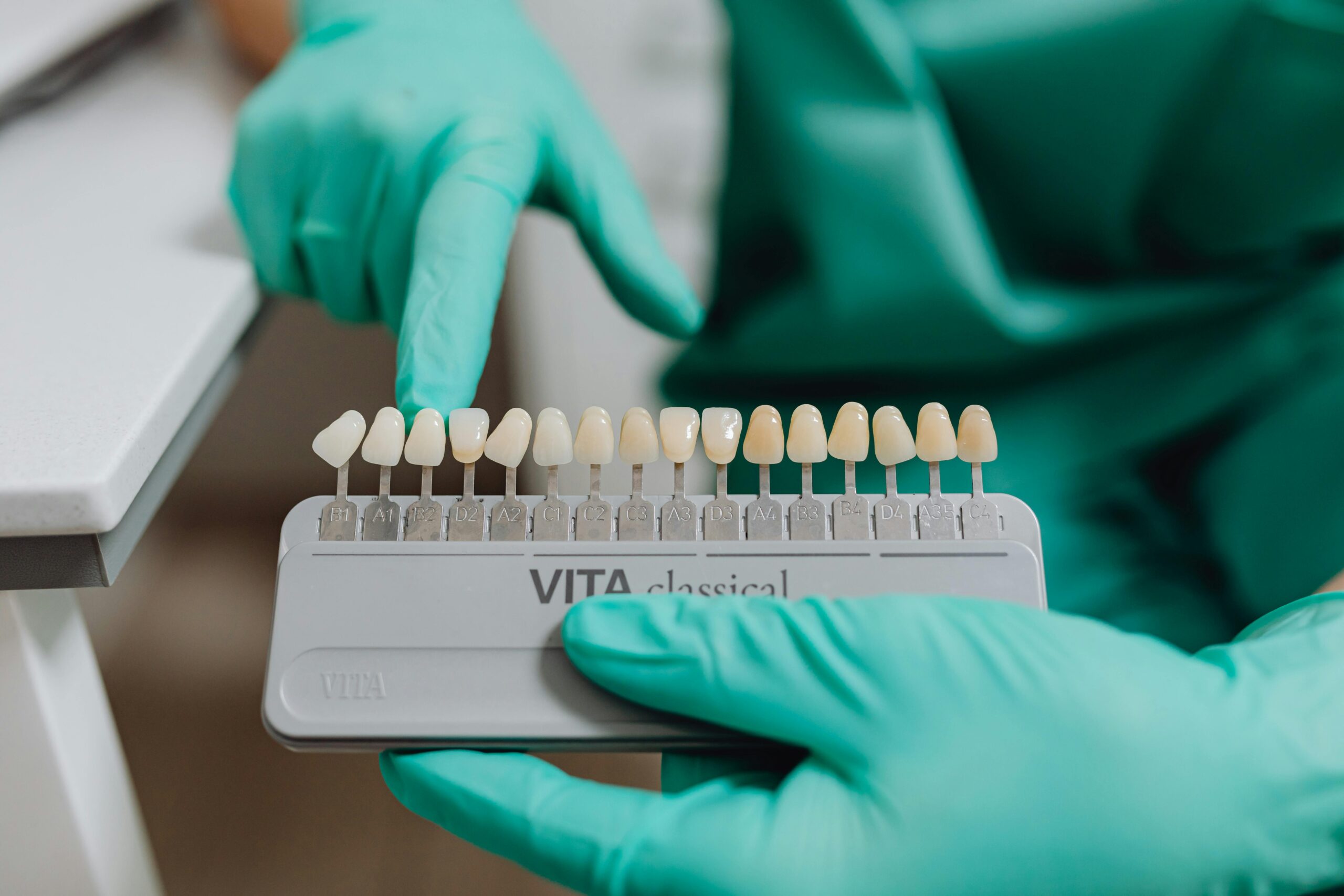
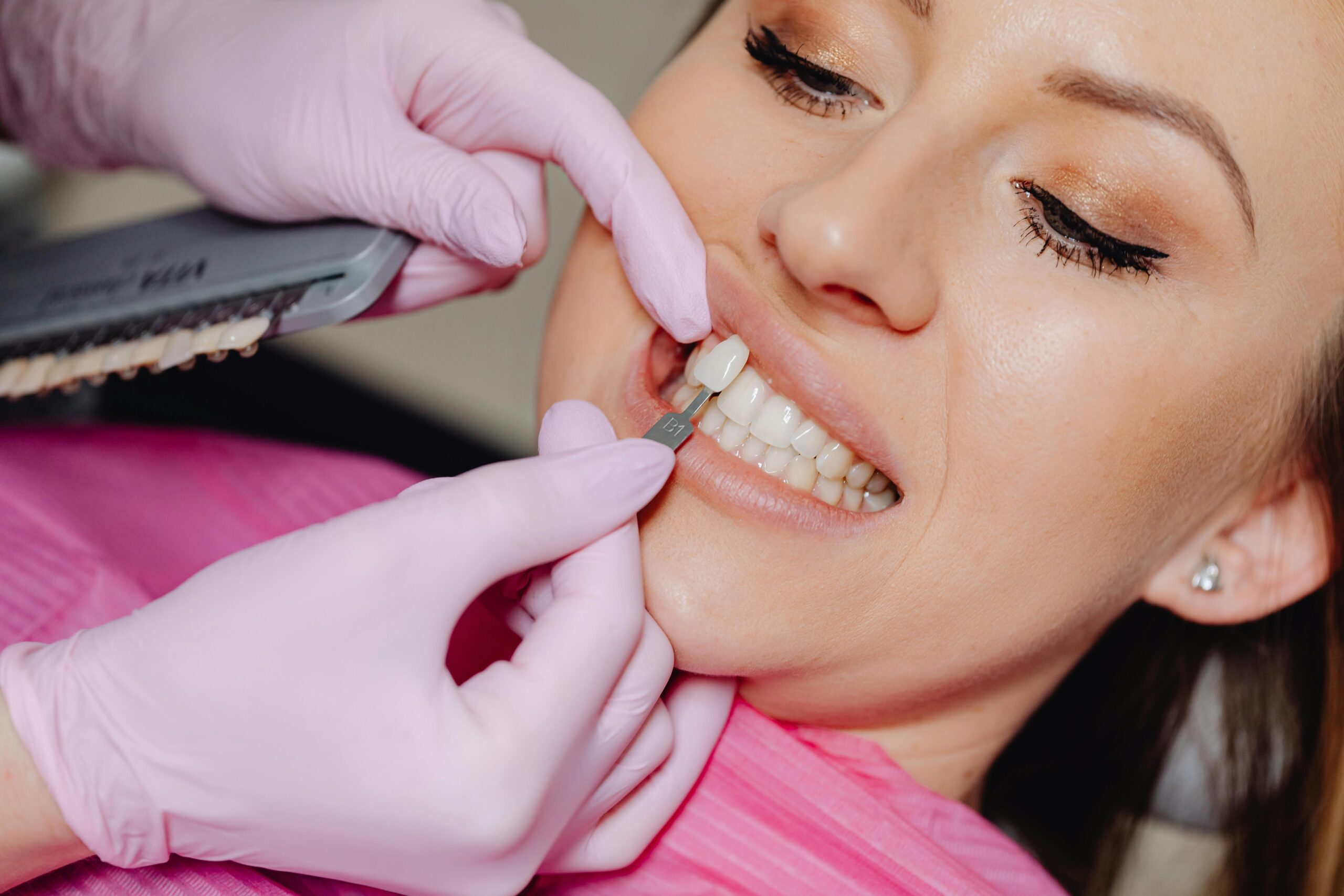
- Shade and shape selection with previews when possible.
- Minimal enamel smoothing, then scan or impression.
- Try-in, bite check, and final bonding.
- Follow-up for comfort, polish, and maintenance tips.
Understanding each step helps you judge fit, function, and esthetics with calm confidence. If you are planning a visit, check our current hours. Coordinated care often leads to clearer days and calmer nights.
What to Expect from Veneer Transformation
A veneer transformation is a planned change in tooth shape and shade that aims for a natural look. Expect a clear timeline, previewable design, and careful bonding that blends with your gums and bite. You will leave with teeth that look brighter and more proportional to your lips and face.
You want a brighter, more even smile before a milestone event. Most veneer plans move from records and design, to try-in, to final placement over a few weeks. During try-in, you review shape and shade in real lighting so small refinements can be made before bonding. In some cases, combining whitening or short orthodontic alignment creates better harmony across the smile; see how these plans come together in our smile makeovers guide.
After bonding, your lips, tongue, and bite usually adapt quickly as you speak and chew. Porcelain resists stains well, but plaque can collect at edges, so daily brushing and flossing matter. At cleanings, your hygienist will use non-abrasive polish and gentle tools to keep the margins smooth. If only some teeth are veneered, future whitening can adjust the shade of the untreated teeth to match the porcelain.
Because veneers are custom, the look is not “one size fits all.” Subtle surface texture, line angles, and translucency are tuned to your age and facial features. Comparing veneers before and after helps you see shifts in tooth contour, symmetry, and brightness. Plan to take updated photos under similar lighting so your results are easy to evaluate over time. Thoughtful planning leads to a natural look and confident function.
Exploring Veneer Case Photos
Veneer case photos show how teeth looked at the start and how they look after treatment. Good galleries use similar angles and lighting so you can judge color, shape, and gum contours clearly. Search terms like “veneers before and after” can help you find examples that match your goals.
You scroll a veneer gallery on your phone at night. Start by checking consistency: Are the before-and-after images taken from the same distance, angle, and lighting? Look for both smiling and retracted views. Smiling photos reveal overall harmony with lips and face; retracted photos help you see edges, contacts, and gum health. Natural results show gentle translucency at the tips, lifelike surface texture, and a midline that suits the face. Excessive brightness or a very flat surface can look less natural in real life than in studio light.
Next, match the case to your situation. Note the starting issues, such as chipped edges, small gaps, discoloration, or worn teeth. If a case began with significant crowding or bite problems, the plan may have included alignment first. In contrast, a small chip or single dark tooth might be managed with a different approach; see how materials and methods compare in our composite bonding overview. Also consider gum symmetry. Healthy, even gums support a balanced smile, and minor gum shaping in some cases improves the final line of the teeth. Photos should reflect that the teeth fit the patient’s age and face, not a one-size style.
Finally, look for clarity and transparency. Case notes that mention the number of teeth treated, any whitening done for neighbors, and how long the photos were taken after placement help you understand durability and color stability. If you save reference images, bring them to your consult so your dentist can explain which features fit your teeth and which may need a different plan. Thoughtful review of photos helps you set realistic goals and communicate what you like.
Collaborative planning helps smiles look natural in photos and in real life.
Veneer Outcomes: A Comprehensive Overview
Veneer outcomes include how your smile looks, functions, and holds up over time. With careful planning and bonding to healthy enamel, porcelain veneers often show high survival over many years and low complication rates [1]. Outcomes also cover gum response, color stability, and how well the new shapes fit your bite [1].
Three years later, you ask how long your veneers should last. Longevity depends on diagnosis, enamel preservation, bite forces, and home care. Minimally invasive designs that stay in enamel can support strong bonds and natural translucency. A recent review found that both conventional and conservative veneer approaches perform well when case selection and bonding protocols are sound [1]. Because of this, your plan may favor lighter preparation when your tooth position and shade change goals allow.
Most issues, when they occur, are manageable. Small edge chips may be polished or repaired, while larger fractures or repeated debonds may need a new veneer. Marginal staining is uncommon with well-finished edges and consistent brushing and flossing. Brief temperature sensitivity sometimes appears early and typically resolves as the tooth adapts. If you clench or grind, wearing a protective appliance reduces stress on porcelain; see our night guard overview. These steps help maintain surface gloss, clean margins, and a comfortable bite over time [1].
What matters to you is predictability and a result that still looks like you. Reviewing veneers before and after photos helps you judge contour and shade, but outcomes also reflect biology and daily habits. A short follow-up schedule, non-abrasive polishes at cleanings, and mindful chewing on very hard items support long-term success. If your goals or bite change later, updates can be planned without rushing. Joint care between patient and dentist helps sustain long-term results.
Explore conservative cosmetic options, timelines, and materials with our team.
Design a smile that fits your face.
Smile Gallery: Stunning Veneer Results
A smile gallery highlights real veneer cases so you can see what refined shape, color, and symmetry look like in everyday smiles. The best results appear seamless at the gumline, reflect light naturally, and support the lips without looking bulky. Comparing veneers before and after images shows how subtle adjustments can create a balanced, lifelike smile.
At lunch, you compare two cases with chipped edges. Notice tooth length and proportion from canine to canine, plus gentle curves at the corners. Natural-looking veneers show slight translucency at the biting edges and soft surface texture, which helps avoid an overly flat look. Even spaces between teeth should be shaped so the gum fills in neatly, creating clean, triangular embrasures that frame each tooth.
Because starting points differ, galleries should show variety. Some cases correct short or worn teeth, others reshape small lateral incisors, and some focus on masking deep discoloration. When only some teeth receive veneers, shade harmony matters; whitening neighboring teeth beforehand can help the overall smile match well. If you want to understand how whitening influences color blending, see our guide to professional whitening.
Look for authenticity. “After” photos that still show natural gum texture, realistic edge translucency, and consistent tooth contours are more likely to look good in person, not just in studio light. Read any case notes about how many teeth were treated and whether gum contouring or whitening was part of the plan. Bring saved images to your consult and point to the exact features you like, such as edge shape or brightness level. Clear preferences help your dentist design veneers that fit your face, voice, and bite smoothly. Well-chosen details often turn small changes into a smile that feels like you.
Comparing Veneers Before After
Comparing veneers before and after means looking for specific changes in shape, color, and balance with your face. You want teeth that look proportional, edges that align cleanly, and gums that appear healthy and calm. A good “after” also feels natural when you speak and chew, not just in photos.
You hold two photos side by side. Start with symmetry and proportion: do the front teeth look even in length, with gentle curves that suit your lip line? Next, check color blending. The shade should be bright yet natural, with smooth transitions at the gum and a subtle glow at the edges. Lip support should look unchanged or slightly improved, not bulky. As you speak, F and V sounds should feel crisp, and S sounds should be clear without a whistle.
Function matters. Light bite contact should feel even, without a single tooth taking most of the pressure. Edges should be smooth to the tongue, and the gumline should look pink and stable in the weeks after placement. Over time, well-bonded ceramic shows strong survival, whether the veneers are milled or pressed lithium disilicate, when planning and bonding are done carefully [2]. Independent consensus data on anterior partial-coverage restorations also reports favorable survival with manageable complication rates, supporting conservative approaches that respect enamel when possible [3].
Context helps your comparison. Note the starting concerns, such as wear, spacing, or discoloration, and confirm the “after” addresses them without looking overdone. If goals include minor alignment or whitening in addition to veneers, the final look may be smoother when treatments are sequenced; you can compare common treatments to see how plans are combined. Keep your own photos under similar lighting and angles for honest side-by-side review. When planned well, subtle changes can transform daily confidence.
Factors Influencing Veneer Results
Veneer results depend on tooth biology, bite forces, materials, and bonding quality. Gum health, available enamel, and your color goals shape the plan. Careful design, precise fit, and smooth finishing influence how natural the veneers look and how they age.
You sometimes clench in traffic and wake with jaw tightness. Parafunction, such as clenching or grinding, can stress porcelain edges and bonds, so occlusion is adjusted carefully and protection may be advised. Teeth with sound enamel allow stronger bonds and more conservative shaping, which supports long-term stability. If a front tooth has had a root canal, success can still be high, but case selection, ferrule, and bonding area need special attention [4].
Initial tooth color and the amount of change you want guide material thickness and translucency. Deep discoloration may need a more opaque design, while minor shade changes can stay thinner for a lifelike glow. When you review veneers before and after images, remember that lighting and lip posture vary, so also judge margin blending, symmetry, and how the teeth support the lips.
Cement choice matters too. The shade and thickness of resin cement can influence final tooth color under thin ceramics, especially in the front of the mouth [5]. Fine surface texture and a high polish help the veneers reflect light naturally and resist plaque buildup. Healthy, even gums frame the result, so gentle margins and clean home care support calm tissues over time.
Daily habits complete the picture. Avoid chewing very hard items on the edges, keep up brushing and flossing, and manage grinding if present; see practical steps in our guide to teeth grinding. Small check-ins after placement allow early refinements so your smile looks natural in person, not just in photos. Thoughtful choices at each step lead to steady, durable results.
Maintaining Your Smile After Veneers
Maintaining your smile after veneers means protecting the porcelain, the bonding, and the surrounding gums. Keep the teeth clean, monitor small changes, and address any roughness or bite concerns early. Simple, steady habits help the result stay natural over time.
You sip coffee on your commute. Rinse with water after dark drinks or sauces, then clean your teeth thoroughly that day. Use a soft-bristled brush and a low-abrasion toothpaste to help preserve the veneer’s surface gloss. Clean between teeth daily with floss or a water flosser so the margins stay smooth to your tongue. If you plan to whiten later, remember that bleach brightens natural enamel, not porcelain, so whitening is aimed at untreated teeth to maintain shade harmony.
Protect your veneers during activities that could cause impact. Wear a well-fitted sports mouthguard for contact or court sports, and avoid using teeth to tear packages or hold objects. When eating very firm foods, cut them into smaller pieces and chew with back teeth to limit edge stress. If a seam ever feels sharp, or your bite starts landing on one spot, schedule a quick adjustment so forces are balanced again.
At routine visits, tell your hygienist which teeth have veneers so polishing choices protect the ceramic glaze and the edges remain refined. Your dentist will check gum health, margin integrity, and color match with neighboring teeth, and can smooth tiny chips before they grow. Day to day, consistent technique matters more than force. If you want a refresher on simple, reliable methods, see our guide to everyday hygiene tips.
Enjoying veneers before and after photos is exciting, but lasting beauty comes from calm, regular care. Consistent care keeps veneers looking natural over time.
Real-Life Veneer Transformations
Real-life veneer transformations show how tailored changes in tooth size, shape, and shade can refresh a smile while keeping it natural. Results range from subtle refinements to noticeable improvements, depending on your goals and starting teeth. Good outcomes blend with your gums, fit your bite, and look believable in everyday light. Comparing veneers before and after photos helps you visualize these changes clearly.
On a Monday morning consult, you point to a dark front tooth. One common transformation masks deep discoloration from prior trauma by combining internal whitening and a carefully shaded veneer, so the tooth matches its neighbors without looking flat. Another frequent scenario enhances small lateral incisors by adding width and length for better proportion. Spacing can be closed across several teeth to avoid bulk, with contours distributed so each tooth keeps a natural silhouette.
Worn edges are also a typical starting point. By restoring length and adjusting the smile arc, veneers can soften a harsh, square look and help protect the edges from further chipping. If gum lines are uneven, minor gum reshaping may be timed before final ceramics so the new tooth shapes sit on a balanced frame. For patients replacing old, stained bonding, ceramic veneers offer stable color and a lasting polish that maintains a smooth feel at the tongue.
Timing depends on the plan. Simple cases may be completed in a short series of visits, while cases that include gum contouring or bite refinements take longer to stage thoughtfully. Photographing your trial and final smiles in consistent angles and lighting makes the change easier to judge later. Bring reference images to your visit and point out what you like, such as tooth length, corner softness, or brightness level, so your dentist can translate preferences into precise design.
The best transformations look like an improved version of you, not a template. Clear goals, careful sequencing, and honest previews help your result feel natural in photos and in daily life. Thoughtful planning supports confident function and a calm, credible smile.
The Process of Getting Veneers
The process of getting veneers moves from diagnosis and smile design, to tooth preparation when needed, to precise bonding. Your dentist gathers records, plans shapes and shade, and coordinates the lab steps so the final ceramics fit your face and bite. Knowing the sequence makes “veneers before and after” comparisons easier to understand.
You book a consult two weeks before a wedding. At the first visit, we review your goals, health history, and bite. Photos, a digital scan, and X-rays help evaluate enamel, alignment, and gum health. A wax-up or digital mock-up previews tooth length and contours on models or on-screen. Shade mapping is recorded under natural light, and we discuss whether whitening or minor alignment would improve the overall blend.
At the preparation appointment, comfort is prioritized with local anesthetic as needed. Depth guides help remove only the enamel required for the planned shape, preserving tooth structure whenever possible. A gentle retraction cord opens the gum edge so margins are captured cleanly, then a high-resolution scan or impression is taken for the lab. Provisional veneers are made from the mock-up so you can test length, lip support, and speech in daily life. In some carefully selected cases, no-prep or minimal-prep designs are possible, but this depends on starting tooth position and color goals.
When the ceramics arrive, each veneer is tried in with a neutral paste to confirm fit and color in real lighting. Contacts, margins, and symmetry are checked before bonding. The teeth are isolated, enamel is etched, and the ceramic is treated and bonded with resin cement, then light-cured. Excess cement is removed, floss slides smoothly through the contacts, and the bite is adjusted so forces are shared evenly. Final polishing refines the edges. A short follow-up visit confirms comfort, gum response, and photographs document the result. Clear steps and honest previews make the timeline predictable and the outcome easier to evaluate.
Thoughtful sequencing turns a plan into a smile that functions smoothly and looks believable.
Benefits of Choosing Veneers
Veneers can brighten color, refine tooth shape, and close small gaps with a conservative approach. They are designed to look lifelike, feel smooth, and function well with your bite. Because the plan is customized, results are predictable and tailored to your face.
Porcelain resists stains from coffee, tea, and wine better than natural enamel, helping your smile stay even in shade. Bonding to enamel lets many cases keep more natural tooth structure, which supports strength and long-term stability. Edges can be shaped to improve phonetics so F and V sounds feel crisp, and S sounds remain clear. You will also notice polished surfaces that feel glassy to the tongue and are easy to keep clean.
Before a big presentation, you want a confident, even smile. Veneers can correct chipped edges, narrow spaces, and uneven lengths in a short, planned series of visits. They can also mask deep discoloration that does not respond to whitening, using controlled translucency so teeth still look natural. Gum-friendly margins and a refined finish help tissues stay calm, which supports a healthy frame around your new tooth shapes. If you clench or grind, an occlusion check and a protective night guard can reduce stress on the porcelain and your natural teeth.
Because veneers are custom, you have control over details like brightness, corner softness, and tooth length. Subtle surface texture and edge translucency are added to avoid a flat, “one shade” look. When only some teeth are treated, the plan accounts for shade harmony with neighboring enamel. Reviewing veneers before and after images can clarify which contours and proportions fit your goals, and your dentist can translate preferences into precise design choices.
The most meaningful benefit is a smile that feels like you, only more refined. A thoughtful plan, careful bonding, and consistent care help your veneers look believable and function comfortably. When tailored well, small changes can make daily life feel easier and more confident.
Frequently Asked Questions
Here are quick answers to common questions people have about Veneers Before & After in Glendale, AZ.
- What are veneers and how do they work?
Veneers are thin shells of porcelain that cover the front of teeth to improve their appearance. They change the color, shape, or alignment of teeth to give a more uniform and attractive smile. The process involves designing a custom plan for your teeth, preparing them as needed, and then bonding the veneers in place. Veneers can provide a natural-looking enhancement, blending seamlessly with your gums and other teeth.
- How should I clean my veneers to maintain their appearance?
To keep your veneers looking great, maintain a regular oral hygiene routine. Use a soft-bristled toothbrush and low-abrasion toothpaste to avoid scratching the porcelain surface. Brush twice daily and floss or use a water flosser to clean between teeth daily. This helps prevent plaque buildup around the edges. Regular dental cleanings with non-abrasive polish also help maintain the glossy finish of the veneers.
- Can veneers fix all dental issues related to appearance?
Veneers can address many aesthetic concerns, including discoloration, minor alignment issues, worn down or uneven teeth, and small gaps. However, they are not suitable for all types of dental problems. Significant alignment or bite issues may require orthodontic treatment, while severe decay or gum disease needs to be managed before considering veneers. A consult with your dentist will help determine if veneers are the right option for your needs.
- Will getting veneers affect the sensitivity of my teeth?
Some temporary sensitivity is common after veneers are first placed, especially to temperature changes. This happens as your teeth adjust to the new covering and should subside within a few days. Using toothpaste designed for sensitive teeth can help manage any discomfort. If sensitivity persists, contact your dentist for further evaluation to ensure the veneers are properly fitted.
- What can I do if I chip or damage a veneer?
If a veneer is chipped or damaged, it’s important to contact your dentist promptly. Small chips can often be smoothed or repaired without replacing the entire veneer. More significant damage might require a new veneer to ensure it fits properly and blends with your existing teeth. Avoid biting hard objects or using teeth to open packages to help protect your veneers.
- How long do veneers typically last?
Veneers can last 10 to 15 years or more with proper care. Their longevity depends on factors like oral hygiene, bite forces, and regular dental check-ups. Minimizing stress on veneers by avoiding very hard foods, maintaining good oral hygiene, and using a night guard if you grind your teeth can help extend their lifespan. Regular follow-up visits with your dentist ensure the veneers remain in good condition.
- Can I still whiten my teeth after getting veneers?
Veneers themselves do not respond to whitening treatments as they are made from porcelain, which resists color change. However, you can whiten natural teeth that have not been veneered to improve shade harmony between veneered and non-veneered teeth. It’s best to complete any whitening before getting veneers placed, so they match your natural tooth color.
References
- [1] Conventional Versus Minimally Invasive Veneers: A Systematic Review. (2023) — PubMed:37799216 / DOI: 10.7759/cureus.44638
- [2] Clinical Performance and Survival Outcomes of Milled Versus Pressed Lithium Disilicate Veneers: A Systematic Review. (2025) — PubMed:41024714 / DOI: 10.1111/jerd.70038
- [3] EPA Consensus Project Paper: Anterior Full or Partial Coverage Single Tooth Restorations – A Systematic Review of Survival and Complication Rates. (2023) — PubMed:37694964 / DOI: 10.1922/EJPRD_2582Hjerppe25
- [4] Factors influencing success rate of ceramic veneers on endodontically treated anterior teeth: A systematic review. (2025) — PubMed:38030544 / DOI: 10.1016/j.prosdent.2023.10.031
- [5] Influence of light-cured luting agents and associated factors on the color of ceramic laminate veneers: A systematic review of in vitro studies. (2018) — PubMed:30213524 / DOI: 10.1016/j.dental.2018.08.298