

Overview of Dental Fillings Types
Dental fillings repair decayed or broken tooth structure and help prevent further damage. Common materials include tooth-colored composites, glass ionomers, ceramic inlays or onlays, gold alloys, and traditional silver-colored amalgam. Each option behaves differently in the mouth, so selection depends on cavity size, location, and bite forces. In simple terms, the “best” filling is the one that fits your tooth and your needs.
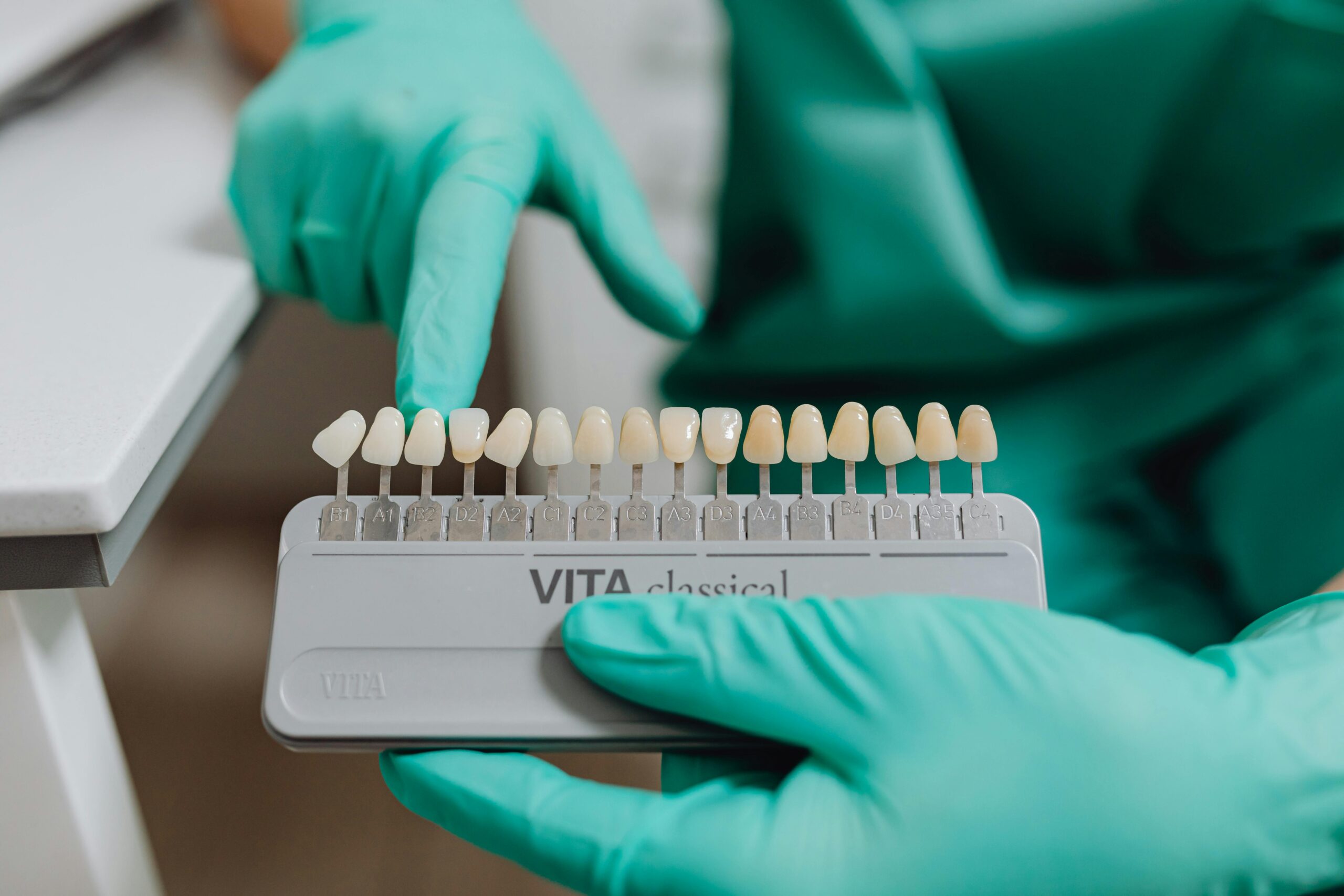
You bite a popcorn kernel and feel a sharp twinge. Composite resin is the most used material for small to medium cavities. It bonds to enamel and dentin, preserves more natural tooth, and blends with your smile. Because it is technique sensitive, it requires a dry field and careful layering for strength and wear resistance. For front teeth or visible areas, composites often provide the most natural look.
Glass ionomer cements, and resin-modified versions, release fluoride and tolerate some moisture. They are useful for root-surface cavities, areas near the gumline, and as interim restorations. Their strength is modest, so they are best in low-bite-pressure spots. Ceramic inlays or onlays are indirect fillings shaped outside the mouth, then bonded in. They are strong and color-stable, and they suit larger defects where a direct composite might not hold up. Gold inlays or onlays have excellent longevity and precise fit, especially for heavy grinders, though their color is distinct. Amalgam remains a durable choice for back teeth in some cases, particularly where moisture control is difficult, but it is more visible and often requires more tooth removal.
Because of this, dentists weigh several factors before recommending a material:
- Size and depth of the cavity or fracture
- Tooth location and chewing load
- Moisture control and access during placement
- Esthetic goals and stain resistance
- Risk of future decay and fluoride needs
Understanding dental fillings types helps you discuss trade-offs and make a confident choice. If structural loss is extensive, a partial or full coverage restoration may be stronger than a filling; see our overview of dental crown types for context. Timely repair keeps teeth comfortable and functional.
Amalgam vs Composite Fillings
Both amalgam and composite restore decayed areas so you can chew comfortably again. Amalgam is a metal-based filling, while composite is a tooth-colored resin. Neither material is “best” for every tooth; the right choice depends on cavity size, bite forces, moisture control, and your goals. When comparing dental fillings types, your dentist matches the material to the situation.
These materials are placed differently, and that affects performance. Composite is placed in small increments and light-cured, which allows detailed shaping and tight contact with nearby teeth. Amalgam is packed into the prepared space as a single mass and hardens into a solid restoration. In many cases, small chips or wear at the edge of a composite can be polished or patched; worn amalgam usually needs full replacement. Because of these differences, the dentist evaluates how each option will support the remaining tooth.
You notice a dark spot on a back tooth. If the area is large or the bite is heavy, a sturdier material or a different design may be preferred. Thermal sensitivity can occur briefly with any new filling; temperature, bite, and brushing habits all play a role. Good hygiene and regular checks help any filling last, regardless of the material chosen. Night grinding, gum recession, and dry mouth can also influence which option ages better in your mouth.
Appearance often matters, especially in visible areas. Composite can be shaded to blend with nearby enamel and shaped to mimic natural grooves. For chips or small shape changes on front teeth, you can learn how resin is used in our guide to composite bonding. If a metal look does not bother you, a metal-based filling may still be considered for certain back teeth.
The practical next step is a focused exam and a clear discussion of trade-offs. If you are planning a visit, check our current hours. Collaborative decisions lead to durable, comfortable results.
Benefits of Composite Fillings
Composite fillings offer a natural-looking, versatile way to restore teeth. Among dental fillings types, composites can be color-matched, shaped precisely, and polished smoothly. They often allow conservative tooth preparation and can be repaired without removing the entire restoration.
You chip a corner while biting a tortilla chip. Composites cure on demand with a special light, so your dentist can sculpt fine details and finish the surface in one visit. The material’s low thermal conductivity means less temperature transfer than metal, which may help reduce cold sensitivity for some patients. Because the surface can be refined, small edge wear or stains are frequently correctable without a full replacement.
For back teeth, clinical studies show that resin restorations can function successfully over several years in adults, though failures tend to occur from secondary caries rather than fracture. Understanding these patterns helps tailor your maintenance plan and recall interval. [1]
Composite works with adhesive techniques that support minimally invasive care, aiming to preserve as much healthy structure as possible when appropriate. This approach fits modern caries management strategies that favor selective removal and sealed restorations. If you are curious how the same material is used cosmetically to reshape edges or close small gaps, see our overview of dental bonding. [2]
In practical terms, composites help restore comfort, protect against food traps, and blend with your smile in a single appointment. A short discussion about cavity size, bite forces, and hygiene habits will determine if composite is the right fit for your tooth. Thoughtful planning with your dentist keeps teeth strong and comfortable.
Understanding Gold Fillings
Gold fillings are custom-made restorations, typically inlays or onlays, crafted from gold alloys. They are valued for precision fit, stability under chewing forces, and excellent biocompatibility. The color is noticeable, so they are usually chosen for back teeth where strength and longevity are priorities.
These restorations are made indirectly. Your dentist prepares the tooth, records a scan or impression, and places a temporary. At a second visit, the lab-made piece is adjusted and cemented. Gold’s malleability allows the margins to be finished very closely to the tooth, supporting a tight seal. It also wears in a way that is kind to the opposing teeth and resists cracking, unlike some brittle ceramics.
You clench at night and a molar keeps chipping. In situations with high bite stress or when one or more cusps need coverage, a gold onlay can provide a durable solution without a full crown. It often preserves more healthy structure than a crown while reinforcing weak areas. Because it is metal, temperature changes can be felt more readily than with resin, though most patients adapt quickly. People with a history of metal sensitivity should discuss alloy components with their dentist.
Care is straightforward. Routine cleanings and flossing keep the margins healthy. If you grind or clench, a night guard can help protect both natural enamel and the restoration. Gold cannot be patched like composite; if decay develops at an edge or the piece loosens, replacement is the typical fix. Among dental fillings types, gold remains a reliable option when long-term function is the main goal.
Choosing gold depends on tooth location, bite load, and esthetic preferences. A focused exam clarifies whether an inlay, onlay, or a different material best supports your tooth. Coordinated care often leads to clearer days and calmer nights.
Review material choices and a step-by-step plan for your tooth.
Restore strength and a natural look.
Porcelain Inlays Explained
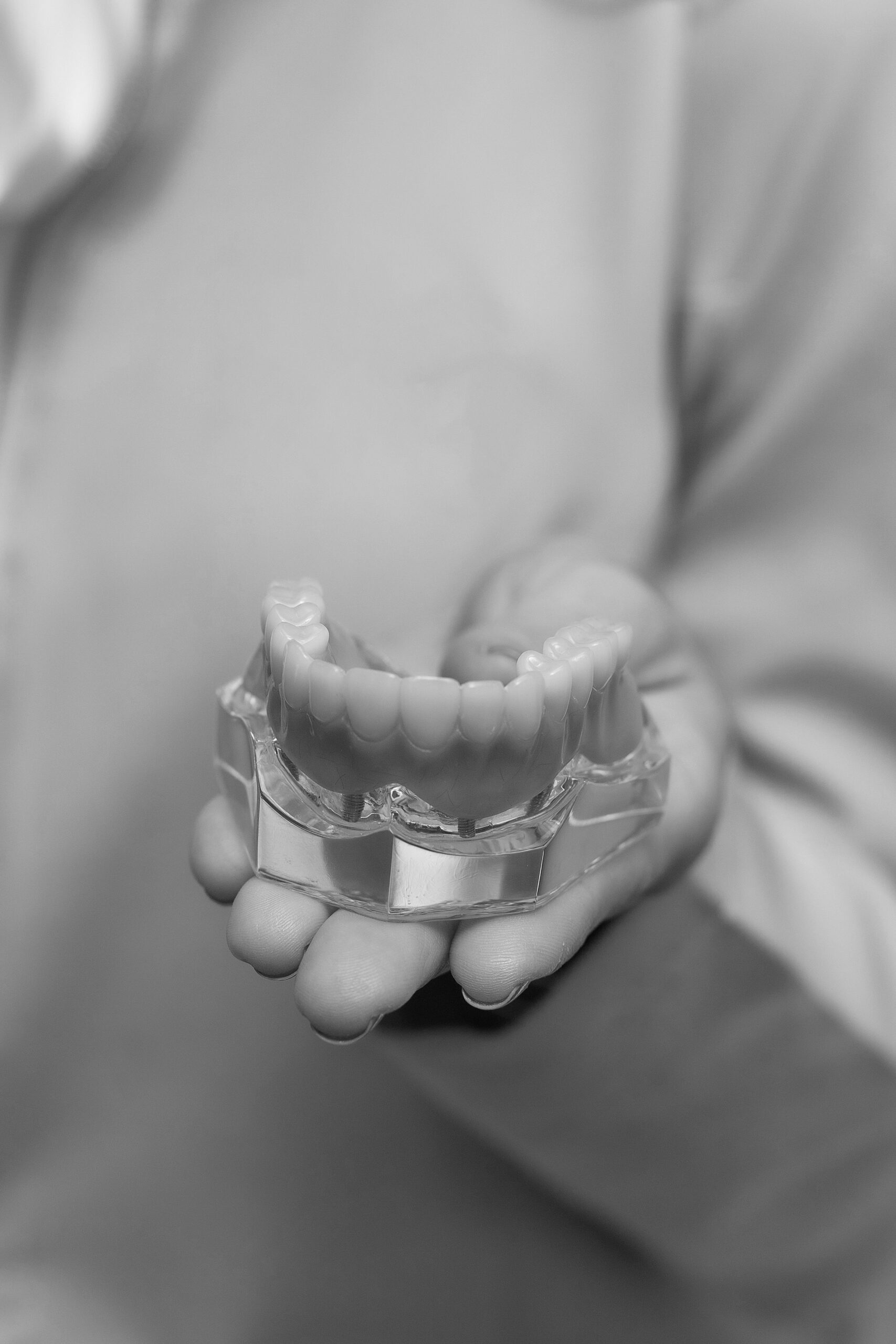
Porcelain inlays are custom ceramic restorations that fit within the chewing surface of a tooth. They are made outside the mouth from a digital scan or impression, then bonded into place. Dentists use inlays for moderate cavities or old fillings that are too large for simple resin, but do not require full cusp coverage.
Here is the typical sequence. The tooth is cleaned and shaped conservatively, a scan or impression is taken, and a temporary is placed. At the next visit, the inlay is tried in, adjusted for contact and bite, and bonded with adhesive cement. A strong bond is most predictable when margins lie in enamel, so designs often aim to keep edges on sound enamel for durability.
A back tooth feels rough after a cracked filling. Porcelain inlays are highly polishable and color-stable, so they resist surface stain and blend with nearby enamel. Their hardness supports crisp anatomy, which can improve food flow across grooves. Because ceramic is rigid, the preparation must allow enough thickness for strength. If a cusp is thin or cracked, the plan may shift to an onlay that covers and reinforces that area.
Material choice also considers bite forces and habits. Strong clenching or grinding concentrates stress at edges; careful bite design, smooth transitions, and protective night appliances help reduce chipping risk. If you are exploring whether bruxism could affect your restorations, see our overview of teeth grinding causes and treatments. Porcelain does not release fluoride, so home care and recall matter for preventing new decay at margins.
Among dental fillings types, porcelain inlays offer a conservative, esthetic option for medium-size defects with solid enamel edges. They preserve healthy structure, restore function, and can last well with good hygiene and routine checks. A brief exam can confirm whether an inlay, an onlay, or another approach will best support your tooth. Prompt evaluation supports durable restoration and healthy function.
Different Filling Materials Available
Several materials can repair a cavity, and each behaves differently in the mouth. Tooth-colored composites, glass ionomer cements, porcelains, and metal alloys are all used. The best fit depends on where the cavity sits, how hard you bite, and how dry the tooth can be kept during placement.
One helpful way to compare options is by how they hold to the tooth. Composites and porcelains are bonded with adhesives, which can preserve more natural structure when the tooth can be kept dry. Amalgam and cast gold rely more on the shape of the prepared space and are less sensitive to brief moisture. Resin‑modified glass ionomer tolerates some moisture and slowly releases fluoride, which can be useful near the gumline or on root surfaces.
A molar near the gums keeps catching food. Small to medium pits or grooves often suit bonded composite, placed in layers for strength and smooth contacts. For deeper spots that are hard to keep dry, a glass ionomer base can be placed first, then covered later with composite once conditions are ideal. Very wide defects may be stronger with an indirect option, such as a ceramic inlay or onlay that is made outside the mouth and bonded in. For children or preventive care on chewing surfaces, see how dental sealants work.
Material choice also reflects long‑term wear and your goals. Heavy grinders may benefit from gold or carefully designed ceramics on back teeth, while front teeth often look most natural with layered composite. If you have a history of metal sensitivity, let your dentist know so alloy components can be reviewed. Understanding the dental fillings types makes it easier to choose a material that matches your tooth, your bite, and your daily habits.
A short conversation about size, location, and moisture control will point to a reliable option. When chosen thoughtfully, the right material supports comfort and long‑term function.
Choosing the Right Type of Filling
The right filling depends on your tooth, your bite, and your goals. Dentists consider cavity size, where it sits, how well the area can be kept dry, and how the material will age in your mouth. Your choice within dental fillings types should balance strength, appearance, and future maintenance.
Small, shallow spots often suit a direct composite placed and shaped in one visit. Wider or deeper damage, or a cracked cusp, may benefit from an indirect inlay or onlay that is made outside the mouth and bonded in place. When enamel edges are available, bonded options typically achieve a strong, predictable seal. If access is limited or moisture control is challenging, a material less sensitive to fluids may be preferred. People with a history of metal sensitivity should review alloy components before selecting a metal-based restoration.
A back tooth aches after chewing on a seed. Active decay risk, dry mouth, and gum recession change the plan. For patients with frequent new cavities, a fluoride-releasing material can be used as a definitive or interim restoration, with the option to upgrade later when conditions stabilize. In areas near the gumline or on root surfaces, materials that tolerate mild moisture can improve success. Heavy clenching or grinding concentrates force; in those cases, a reinforced design and a protective night appliance can help the restoration last.
Caring for the new filling matters as much as the material. Smooth margins, flossable contacts, and good saliva flow reduce the chance of new decay at the edges. Periodic exams and bite checks allow early adjustments and catch small issues before they grow; see why routine dental checkups matter. If a tooth has lost a great deal of structure, your dentist may recommend stepping up to partial or full coverage to protect it long term.
Clear goals, careful diagnosis, and a material matched to your mouth lead to steadier results. Joint care between you and your dentist supports long-term oral wellness.
Longevity of Various Filling Types
How long a filling lasts depends on the material, the tooth, and your habits. Gold and well-designed ceramics often endure longest under heavy chewing. Amalgam can be reliable in back teeth, while composite performs well for small to medium repairs when placed carefully. Glass ionomer usually serves best in low-bite areas or as an interim option.
You crunch a seed and feel a twinge. Longevity starts with how the material handles stress and seals to tooth structure. Adhesive restorations, like composite and bonded ceramics, rely on a clean, dry surface for a strong bond. If margins rest on solid enamel and the bite is balanced, these restorations tend to resist leakage and wear. Metal-based options such as gold and amalgam are less sensitive to brief moisture during placement and distribute chewing forces predictably, which supports long service.
Size and location matter as much as material. Small restorations in shallow defects usually outlast large ones because they flex less and have more surrounding enamel. Deep or wide fillings are exposed to greater bending and fatigue, which can shorten service life or shift the plan toward an inlay or onlay. For root-surface or gumline repairs, fluoride-releasing materials help, but they are not meant for high-load chewing zones. This is why comparing dental fillings types always includes cavity design and bite, not just color or cost.
Your daily routine influences lifespan. Consistent brushing, interdental cleaning, and saliva-friendly habits lower the risk of new decay at the edges. Acidic drinks and frequent snacking can undermine any filling by softening nearby enamel. Night grinding concentrates force; a protective appliance can reduce chipping and marginal wear. Regular exams allow small bite adjustments and early repair of minor edge issues before they become replacements.
For simple ways to protect restorations between visits, see our overview of why flossing matters. With a material matched to the tooth and steady home care, fillings can serve comfortably for years. Good planning and follow-up help your fillings stand the test of time.
What to Expect with Dental Fillings
A typical filling visit includes numbing the area, removing decay, placing the material, and shaping the bite. Appointments usually take under an hour for small to medium cavities. Your dentist will also review dental fillings types that best match your tooth and goals.
You sip iced water and feel a zing on a back tooth. After a focused exam and an x‑ray if needed, the tooth is isolated to keep it clean and dry. Local anesthetic lets you feel pressure and vibration, not pain. You may hear the handpiece and feel gentle rinsing and suction throughout.
Once decay is cleaned, the tooth is prepared for the chosen material. For tooth‑colored resin, the surface is conditioned, then the material is placed in small layers and light‑hardened. For other materials, your dentist follows the steps that fit their placement and sealing method. To finish, the restoration is polished and your bite is checked with marking paper; small adjustments remove any “high spots.”
When you leave, the cheek and lip can stay numb for a few hours. Avoid chewing until the numbness fades so you do not bite yourself. Mild sensitivity to cold or chewing is common for a few days and often settles as the tooth adapts. If the bite feels uneven, a quick adjustment can help. In general, both composite and amalgam can show similar survival in many back teeth when placed carefully and maintained well. [3]
Home care starts right away. Brush gently the same day, floss as usual, and limit very hard or sticky foods until the area feels normal. Keep follow‑up visits so small changes can be fine‑tuned and new issues are caught early. If decay was deep, your dentist may monitor the nerve response over time.
Knowing the steps, sensations, and aftercare helps the visit feel predictable and calm. Timely attention to small problems supports long‑term comfort.
Potential Risks and Limitations
Any filling has trade-offs. Sensitivity, wear, and edge leakage can occur, and very large fillings may weaken a tooth over time. Rarely, people react to components or develop cracks near the restoration. No filling is permanent, so replacement may be needed in the future.
You bite taffy and feel a quick shock of pain. Short-term sensitivity often relates to a “high” spot, recent drilling near the nerve, or temporary irritation from bonding steps. This usually improves as the tooth calms, but a persistent sharp response or pain on chewing can signal an adjustment or further care is needed. Clear follow-up with your dentist helps small issues stay small.
Placement conditions matter. Adhesive restorations need a clean, dry field; moisture contamination during bonding raises the chance of marginal stain or new decay at the edges later. Very deep cavities carry higher risk for lingering sensitivity or nerve irritation, which might lead to further treatment if symptoms persist. Heavy grinding concentrates stress, so large fillings in back teeth may chip or flex, especially if the bite is uneven.
Materials also differ. Composite is technique sensitive; if isolation is poor or increments are too thick, the bond and wear resistance can suffer. Glass ionomer tolerates some moisture but is less strong, so it fits low-bite areas or interim use better than high-load chewing zones. Ceramic inlays and onlays are hard and color-stable, yet they can chip at thin edges if forces are not well distributed. Gold is gentle to opposing teeth and durable, but the color is visible and temperature changes may be felt more. Amalgam is sturdy when moisture control is difficult, though it does not bond to the tooth and is more noticeable.
Good habits reduce risks across all dental fillings types. Daily plaque control, limiting frequent acids, and managing clenching protect margins and the tooth underneath. Regular checks allow early bite adjustments and timely repair of minor edge wear before it becomes a replacement. Clear planning and steady maintenance keep restorations working as intended.
Aftercare for Your Dental Fillings
Good aftercare helps your new filling settle in and last. Wait to chew until the numbness fades so you do not bite your cheek or tongue. Mild sensitivity to cold or pressure can occur for a few days and often improves as the tooth adapts. If anything feels “high” when you bite, a quick adjustment can help.
Care depends a bit on the material. Tooth-colored composite is fully set before you leave, so you can chew on it once you feel normal. Metal-based fillings continue to gain strength over the next day, so treat them gently at first. Across dental fillings types, avoiding very hard or sticky foods the first evening reduces the chance of edge stress.
You sip hot coffee and feel a brief twinge. That kind of short, sharp response is common early on, especially after deep cavities. Brush gently the same day, using a soft brush and a fluoride toothpaste. Floss normally; if the contact feels snug, guide the floss through and slide it out to the side so it does not snag. A desensitizing toothpaste can be helpful if temperatures bother the tooth. Stay hydrated to support saliva flow, which protects the edges from new decay.
Pay attention to how the bite feels once numbness wears off. If one spot hits before the others, or you feel pain on release after biting, call for an adjustment. For deep restorations, your dentist may check the nerve response at follow-ups. Night grinding can chip margins or wear surfaces; a protective night guard can reduce that risk and help the filling wear more like natural enamel. If a filling ever feels rough, catches floss, or you notice a crack or discoloration at the edge, schedule a review.
Know when to reach out. Persistent pain with chewing, lingering hot sensitivity beyond a couple of weeks, swelling, or a loose filling deserve a prompt look. Simple daily care and early fine-tuning go a long way toward comfortable, long-lasting results. Simple, steady habits help your new filling thrive.
Common Questions About Dental Fillings
Most people want to know if fillings will hurt, how long they last, and which material is safest. A filling stops decay and rebuilds the tooth’s shape so you can chew comfortably. Treatment is done with local anesthetic, and your dentist selects a material that fits the tooth’s size, location, and your bite.
You floss and feel a snag on a molar. Dentists use a focused exam and, when needed, X‑rays to decide if a filling is appropriate. Old silver fillings do not need automatic replacement; changes are recommended when there is new decay, a fracture, or a poor seal. In some cases, a limited repair of a defective restoration can be a reasonable alternative to full replacement, depending on the defect and material [4][5].
Soreness after a filling is typically mild and short‑lived. Sensitivity to cold or a tender bite often settles as the tooth adapts; if a spot feels “high,” a small adjustment helps. Material safety is a common concern. True allergies are uncommon, but people with a known metal sensitivity should review alloy components with the dentist. Placement conditions also matter. Adhesive options work best on a clean, dry surface, while other materials may be chosen near the gumline where moisture control is harder.
Eating and care are straightforward. Wait until numbness fades to avoid biting your cheek. Brush and floss as usual, keeping the edges clean. If you notice roughness, a catch with floss, or lingering pain on chewing, schedule a quick check. Understanding dental fillings types helps you weigh appearance, durability, and maintenance with your dentist during the exam.
Prompt evaluation supports healthy teeth and comfortable chewing.
Frequently Asked Questions
Here are quick answers to common questions people have about Types of Dental Fillings Explained in Glendale, AZ.
- What are the different types of dental fillings available?
There are several types of dental fillings, each with unique properties that suit different needs. Common materials include composite resin, glass ionomer, ceramic, gold alloy, and amalgam. Composite resin is tooth-colored and great for visible areas. Glass ionomer releases fluoride and works well near gums. Ceramic resists stains and suits larger repairs. Gold is durable for heavy grinders. Amalgam is sturdy for back teeth where moisture control is tricky. The right choice depends on the cavity location, size, and your specific needs.
- How long does a dental filling procedure usually take?
A typical dental filling procedure takes about an hour, though it can vary depending on the size and location of the cavity. During the visit, your dentist will numb the area, remove decay, and place the filling. The material is then shaped and polished to fit your bite comfortably. For more extensive fillings, such as inlays or onlays, additional visits might be needed. Your dentist will guide you on what to expect for your specific situation.
- Can dental fillings be repaired if they get damaged?
Yes, dental fillings can often be repaired if they become damaged. Small chips or edge wear on composite fillings can usually be polished or patched. However, larger issues might require full replacement. Amalgam fillings generally need to be replaced if damaged, as they cannot be patched easily. Regular dental checkups help catch minor issues early, allowing for timely repair if needed. Always consult with your dentist to understand the best course of action for your particular filling.
- Why might a dentist choose gold fillings for certain teeth?
Gold fillings are chosen for their durability and precision fit, particularly in high-stress areas like back teeth. They are crafted from gold alloys, which handle chewing forces well and resist cracking. Gold is also biocompatible and tends to be gentle on opposing teeth. Despite their noticeable color, gold fillings are often preferred in situations where strength and longevity are priorities, such as for patients who grind their teeth or have heavy bite forces.
- Are there any specific aftercare steps to follow for new dental fillings?
After getting a dental filling, wait until the numbness fades before eating to avoid biting your cheek or tongue. Brush and floss gently, especially if any sensitivity is present. Avoid very hard or sticky foods initially to prevent stress on the filling edges. Monitor any discomfort or uneven feeling in your bite, and contact your dentist if it persists. Regular dental checkups ensure your filling remains in good condition, and addressing minor issues early can prevent larger problems.
- What factors influence the choice of filling material?
The choice of filling material depends on several factors including:
- Cavity size and location – Different materials suit various areas of the mouth.
- Bite forces – Some materials handle pressure better.
- Moisture control – Adhesive fillings need a dry surface.
- Esthetic preferences – Tooth-colored options blend better visually.
- Allergies or sensitivities – Discuss any metal sensitivities with your dentist.
Your dentist will consider these factors to recommend the most suitable filling for your needs.
- Why might someone experience sensitivity after a dental filling?
Sensitivity after a dental filling is common and can occur due to several reasons. It might be caused by a “high” spot in the bite that needs adjustment, recent drilling near the tooth nerve, or temporary irritation from the bonding process. This sensitivity usually improves as the tooth settles, but persistent discomfort might require a follow-up with your dentist. Practicing good oral hygiene and avoiding extreme temperatures can help minimize sensitivity during the adjustment period.
References
- [1] Direct composite resin fillings versus amalgam fillings for permanent or adult posterior teeth. (2014) — PubMed:24683067 / DOI: 10.1002/14651858.CD005620.pub2
- [2] How to Intervene in the Caries Process: Dentin Caries in Primary Teeth. (2020) — PubMed:32854105 / DOI: 10.1159/000508899
- [3] Direct composite resin fillings versus amalgam fillings for permanent posterior teeth. (2021) — PubMed:34387873 / DOI: 10.1002/14651858.CD005620.pub3
- [4] Replacement versus repair of defective restorations in adults: amalgam. (2014) — PubMed:24510713 / DOI: 10.1002/14651858.CD005970.pub3
- [5] Replacement versus repair of defective restorations in adults: amalgam. (2010) — PubMed:20166077 / DOI: 10.1002/14651858.CD005970.pub2