

An Overview of Dental Braces Types
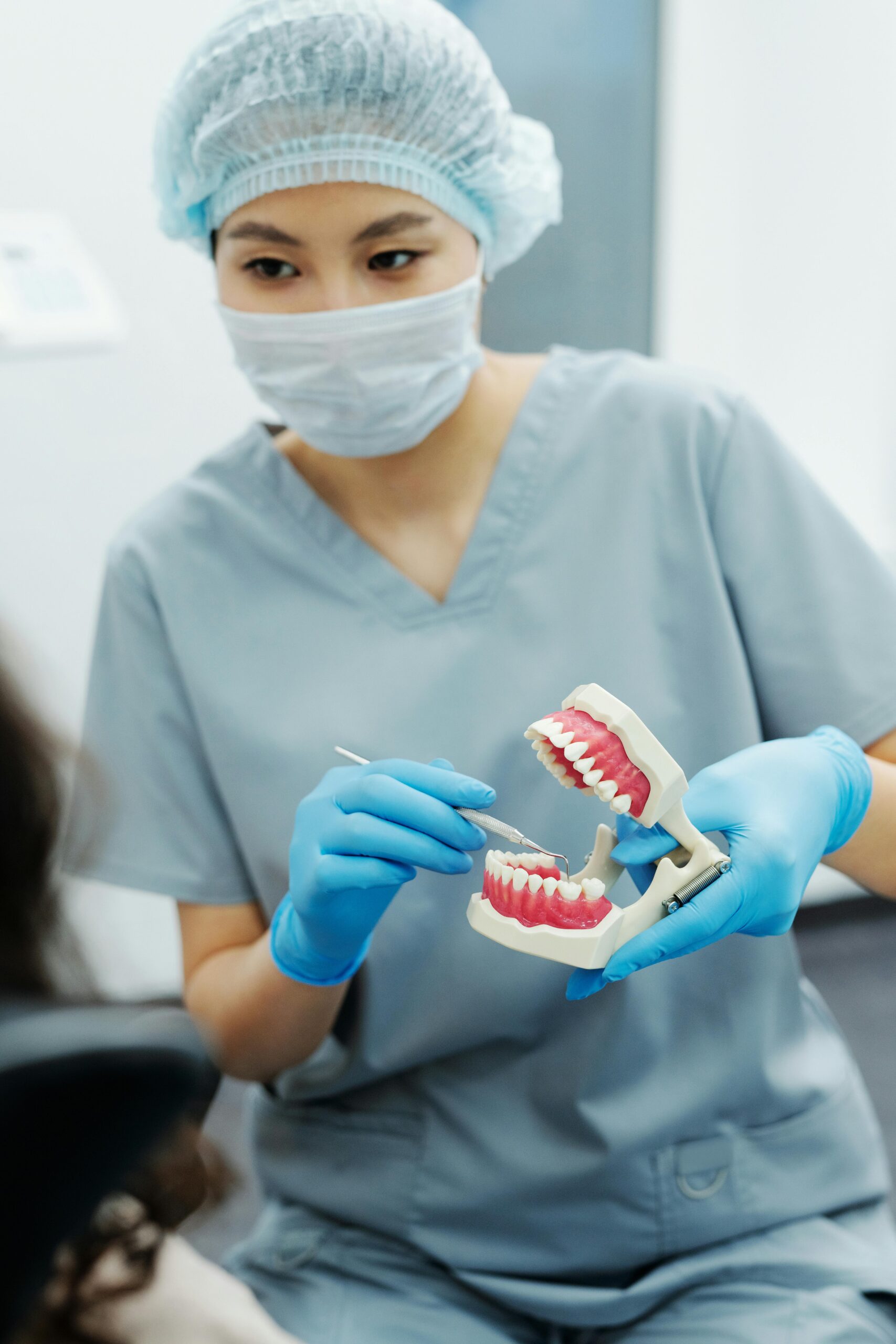
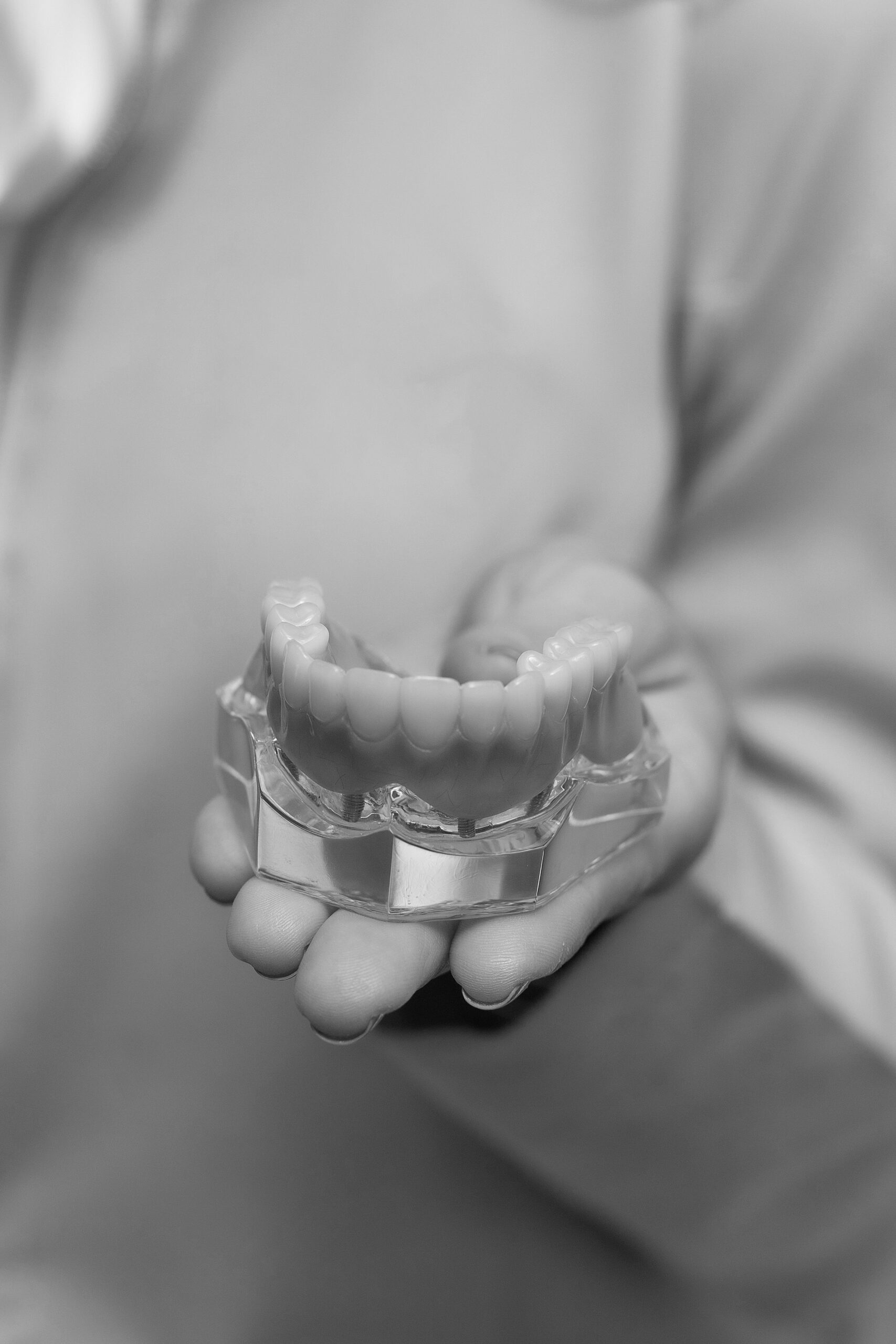
Braces use gentle, controlled forces to move teeth and align the bite. Common options include metal, ceramic, lingual, self-ligating systems, and clear aligners. Each works, but they differ in appearance, maintenance, and suitability for certain tooth movements. Knowing the main dental braces types helps you discuss choices confidently with your dentist or orthodontist.
Selections depend on your goals, case complexity, lifestyle, and oral hygiene habits. Your teen wants less visible braces before yearbook photos. Visibility and comfort matter, but so do speech effects, dietary limitations, and how well you can keep brackets and gums clean. For complex rotations or significant bite changes, fixed braces may offer more control. Clear aligners can work very well for many mild to moderate cases when worn as directed.
- Metal braces: Durable, efficient for a wide range of movements; visible and may require dietary care.
- Ceramic braces: Tooth-colored brackets blend in; slightly more brittle and may require meticulous cleaning.
- Lingual braces: Placed behind teeth for near-invisibility; can affect speech initially and are harder to clean.
- Self-ligating braces: Built-in clips hold the wire; similar outcomes to conventional brackets, with fewer elastics to change.
- Clear aligners: Removable and discreet; effective when worn 20–22 hours daily, removed for eating and brushing.
- Interceptive appliances: Expanders or partial braces in growing kids guide jaws and create space before full treatment.
Because every mouth is different, the “best” option is the one that balances your clinical needs with what you can maintain day to day. If you are comparing aligners with fixed braces, see our guide to compare Invisalign and traditional braces. Early evaluation clarifies whether cosmetic concerns, bite correction, or both should drive your plan. Joint care between dental and medical teams helps sustain long-term wellness.
Understanding Metal Braces and Their Benefits
Metal braces are fixed brackets and wires that guide teeth into healthier positions. They are strong, dependable, and give orthodontists precise control over complex tooth movements and bite correction. Among dental braces types, they remain the most time-tested choice for a wide range of needs.
Your teen starts soccer season with new metal braces. Brackets are bonded to teeth and connected with an arch wire that applies gentle, steady forces. Treatment often starts with lighter initial wires, then progresses to more rigid wires as alignment improves. This staged approach helps straighten teeth efficiently while allowing careful adjustments at follow-up visits. Evidence reviews describe how initial arch wires are chosen to begin alignment effectively [1].
Comfort is manageable for most patients. You may feel tenderness for a few days after adjustments, and soft wax can ease cheek or lip irritation. Protecting brackets is important, so avoid very hard, sticky, or chewy foods that can bend wires or loosen a bracket. Daily cleaning takes a bit more time, since plaque tends to collect around brackets and along the gumline.
Good home care keeps treatment on track. Use a soft toothbrush, angle bristles around brackets, and thread floss under the wire. Fluoride toothpaste supports enamel, and an interdental cleaner helps reach tight spaces. For step-by-step technique, see our guide to flossing that makes a difference.
Metal braces fit many goals, from leveling crowding to correcting the bite with elastics and other auxiliaries. If lower visibility is your top priority, there are alternatives that blend in or sit behind the teeth. Coordinated care often leads to clearer days and calmer nights.
Exploring Ceramic Braces for Aesthetic Appeal
Ceramic braces use tooth-colored or clear brackets that blend with your smile, so they are less noticeable than metal. They move teeth effectively using the same orthodontic mechanics, while focusing on a discreet look. Within common dental braces types, ceramic brackets offer a balance of appearance and control.
You start a new job and want braces that barely show. Ceramic brackets are made from a strong, glass-like material and are bonded to the front of teeth. A thin metal archwire guides movement; depending on the plan, it may be silver or coated to match. Because ceramic is more rigid than metal, the brackets are designed to be smooth and contoured for comfort. Most patients adapt quickly to speaking and eating after a short adjustment period.
Day-to-day care matters. Clear or white elastic ties can pick up color from coffee, tea, red sauces, and curry; they are replaced at visits, but brushing soon after staining foods helps. Take time to clean around the brackets and along the gumline with a soft brush, floss threaders, or a water flosser. To reduce the chance of a bracket loosening, avoid very hard or sticky foods and cut firm foods into smaller pieces. In areas where biting forces are high, your orthodontist may recommend metal brackets instead for durability and to protect opposing teeth.
Ceramic braces suit teens and adults who want a quieter look without sacrificing treatment options. If you are comparing discreet choices, clear aligners can also be effective for many cases; see our full Invisalign overview to understand how they differ in wear time, diet, and care. The best decision considers your goals, bite, and how easily you can keep everything clean. Prompt evaluation supports healthy alignment and confident smiles.
What Are Lingual Braces and How Do They Work?
Lingual braces are fixed brackets and wires bonded to the back (tongue side) of your teeth, so they are hidden from view. They move teeth with gentle, continuous forces, just like front-facing braces, but the hardware sits inside the dental arch. With careful planning, they can correct crowding, spacing, and many bite concerns while staying out of sight.
You start a new job the week after bonding. The process begins with detailed scans or impressions, and many systems use custom brackets and wires tailored to your anatomy. Brackets are placed on the lingual enamel, an archwire is engaged, and light forces start alignment. Some people notice a brief lisp or tongue irritation; soft wax, speech practice, and small adjustments usually help as your tongue adapts. Because everything is tucked behind the teeth, cleaning takes extra attention; see our guide to smarter daily hygiene for techniques that keep gums healthy.
Over time, wires are changed to guide more precise movement, and elastics or other auxiliaries may be added to refine the bite. Visit intervals are similar to other fixed braces, typically every few weeks for checks and adjustments. Eating habits follow the same rules too, avoiding very hard or sticky foods that can bend a wire or loosen a bracket. In certain cases, your orthodontist may use lingual braces on all teeth, or only the front “social six,” depending on goals and complexity. Among dental braces types, this option emphasizes discretion without giving up comprehensive control.
If you are weighing visibility against ease of cleaning and early speech changes, a consultation helps clarify fit and trade-offs. To plan a timeline that works for school, work, or travel, check our current hours and bring your questions about comfort, hygiene tools, and expected visits. Timely attention to orthodontic needs guides better function and long-term stability.
See your alignment options, expected timeline, and retention strategy.
Straighter teeth, clearer plan.
The Advantages of Self Ligating Braces
Self-ligating braces use a small built-in clip to hold the archwire instead of elastic ties. This design can make wire changes quicker, reduce the number of elastic parts that stain, and create easier access for brushing around brackets. Tooth movement options are comparable to conventional systems, so most treatment goals can still be addressed.
The clip opens and closes to secure the wire, so appointments often involve fewer steps. Early alignment typically starts with light, flexible wires that are simple to engage. Because there are no elastic ligatures to remove and replace, chair time may be shorter for certain visits. Your child’s braces check takes 15 minutes, then back to class. It is important to remember that total treatment time depends on biology, case complexity, and how well elastics or other instructions are followed; for context on timing across approaches, see how treatment speed is determined.
Hygiene can feel more manageable. Without elastic ties, there is less surface that can trap plaque or pick up food color, although careful brushing and flossing are still essential. Interdental brushes slide under the wire to clean along the gumline. Many people find the rounded clip surfaces smooth to the cheeks, though mild tenderness after adjustments is still normal for a few days.
Visit intervals are similar to other fixed braces, usually every few weeks, but fewer elastic parts can mean streamlined checks. Dietary care also mirrors other systems, avoiding very hard or sticky foods that can bend a wire or loosen a bracket. Among dental braces types, self-ligating brackets offer a tidy, efficient workflow without sacrificing control. When planned well, small efficiencies can simplify your orthodontic journey.
Clear Braces: Discreet Orthodontic Solutions
Clear braces use tooth-colored ceramic brackets and often a matching wire to blend with your smile. They provide the control of fixed braces, with a lower-profile look than metal. Some people also consider clear aligners for a similar level of discretion. Among dental braces types, these choices prioritize appearance without losing effectiveness.
College photos are coming up soon. Ceramic brackets are bonded to the front of teeth and connected with a slim archwire that guides movement. Appointments focus on adjusting the wire and, when used, swapping elastic ties that can discolor with certain foods. Clear aligners work differently, moving teeth with a series of custom trays worn most of the day, then changed on schedule. Your dentist may suggest one or the other based on the bite changes needed, expected wear time, and how precise control is required in certain areas.
Comfort and daily life feel different with each option. Ceramic braces stay in place, so you do not worry about losing trays, but you will avoid very hard or sticky foods that could damage a bracket or bend a wire. Aligners come out for eating and brushing, which expands food choices, but they must be worn consistently to stay on track. Early speech changes are uncommon with ceramic braces; aligners may cause brief adaptation as you get used to the trays.
Cleanliness keeps treatment on schedule. With clear braces, angle a soft brush around brackets and along the gumline, and thread floss under the wire. Aligners should be rinsed often and brushed gently, and teeth should be cleaned before trays go back in after meals. For step-by-step technique, see our guide on how to brush your teeth correctly.
Clear braces and clear aligners both aim for a quieter look, but the best fit depends on your bite, habits, and goals. Thoughtful planning keeps treatment discreet, healthy, and on schedule.
Choosing the Right Braces for Your Needs
The best braces for you match your bite needs, lifestyle, and daily habits. Your dentist or orthodontist evaluates tooth crowding, bite position, growth stage, and hygiene to guide a safe, predictable plan. From the main dental braces types to clear aligners, the right fit balances control, comfort, and how you live day to day.
Start with goals and complexity. Fixed braces often provide the most direct control for larger bite shifts or difficult rotations. Clear aligners can treat many mild to moderate cases when worn as directed. If you prefer low visibility, ceramic or lingual options reduce how much hardware shows. If you need easy cleaning, aligners come out for brushing and flossing, but teeth must be cleaned before trays go back in.
Daily routine matters. You travel weekly and want fewer food limits. Metal or ceramic braces require avoiding very hard or sticky foods to protect brackets and wires. Aligners come out for meals, but consistent wear is essential to stay on schedule. Lingual braces hide on the tongue side, though some people notice brief speech changes at first. Self-ligating brackets can make visits more streamlined, though total time still depends on biology and how well you follow instructions.
Age, activities, and responsibilities also guide the choice. Teens who play instruments or contact sports may prioritize comfort with a mouthguard, predictable appointments, and help remembering wear time. Parents comparing options for adolescents can review what parents should know about teen aligners. Adults often focus on discretion at work and the ease of keeping gums healthy. Whatever you choose, every path ends with retainers to preserve your results.
During your consultation, bring questions about visibility, speech, food choices, cleaning time, and visit cadence. A clear plan links your goals with a system you can maintain, so treatment stays comfortable and effective. Thoughtful choices today support long-term stability tomorrow.
Comparing Brace Types: Which is Best for You?
The best braces are the ones that match your bite needs, lifestyle, and hygiene habits. Metal and ceramic braces give strong control for complex movements, lingual braces hide behind teeth, and clear aligners work well when worn as directed. Your dentist helps weigh visibility, cleaning demands, comfort, and required compliance to choose among common dental braces types.
Start with goals and complexity. If you need bigger bite changes or detailed root positioning, fixed braces usually offer the most direct control. If you prefer a low-profile look, ceramic blends in, and lingual hides hardware from view. Clear aligners are removable, so meals and brushing are simple, but consistent wear is essential. New semester starts next month, and you want a discreet plan.
Daily life plays a role. Fixed braces stay on your teeth, so you will adjust food choices to protect wires and brackets. Aligners come out to eat, yet they need 20 to 22 hours of wear to stay on schedule. Speech adapts quickly for most people with ceramic or metal systems; lingual braces may cause brief lisping while the tongue adjusts. Aligners can handle many complex moves, especially when small tooth-colored “handles” are added; see how attachments help aligners.
Hygiene and maintenance matter too. Brushing and flossing take more time around brackets, but the routine becomes smooth with practice. Aligners make cleaning easier because they are removable, yet teeth must be clean before trays go back in. Some people value shorter, simpler visits; self-ligating brackets can streamline wire changes, while aligners often use regular check-ins or remote monitoring to track progress. Whatever you choose, retainers hold your results once active treatment ends.
Age, activities, and schedule refine the choice. Growing patients sometimes benefit from interceptive steps before full treatment, while busy adults may prioritize discretion and cleaning efficiency. A focused consultation links your goals with a plan you can maintain, so treatment stays predictable and healthy. Prompt evaluation supports healthy alignment and long-term stability.
Maintaining Oral Health with Dental Braces
Keeping your teeth and gums healthy during braces means controlling plaque, protecting enamel, and calming gum irritation. Brackets and wires create more places for food and bacteria to collect, so your routine needs a careful upgrade. Across dental braces types, steady home care and regular check-ins keep treatment on track and your mouth comfortable.
After lunch at school, you feel food caught around a bracket. Fixed braces can shift the oral microbiota and raise the chance of gingival inflammation if plaque control slips, so thorough cleaning matters every day [2]. That is true for metal, ceramic, lingual, and self-ligating systems. Aligners may gather less plaque, but teeth still need to be cleaned before trays go back in to avoid trapping acids against enamel [2].
Build a simple routine you can repeat. Brush morning and night, and gently after meals when possible. Angle the bristles along the gumline and bracket edges, using small circles to lift plaque without scrubbing. Clean between teeth daily to disturb plaque where a brush cannot reach. Regular professional hygiene during orthodontic care supports gum health; bracket design alone does not remove the need for careful plaque control, and self-ligating brackets have not shown a consistent periodontal advantage over conventional ones [3].
Support enamel through your choices. Keep sugary snacks and acidic drinks to mealtimes, then rinse with water. If you sip throughout the day, choose water most often, and avoid going to bed with anything sweet on your teeth. Check for early white, chalky spots near the gumline; catching them quickly helps you course-correct. When brackets or wires rub, soft wax reduces irritation so you can keep brushing well. After braces, most people need retainers to keep alignment stable, and clean retainer surfaces help protect the gums and enamel you worked to maintain [4].
A small, consistent routine protects your smile through treatment and beyond.
The Role of Technology in Modern Braces
Today’s orthodontic technology improves how braces are planned, made, and adjusted. Digital scans and planning software help map tooth movement, while advanced materials and custom parts support comfortable, steady progress. These tools enhance accuracy and convenience, but they work best in skilled hands with good home care.
You breathe through your nose as a small scanner maps each tooth. Intraoral scanning replaces most putty impressions with a quick, comfortable digital model. That model feeds planning software, which helps your dentist position brackets virtually, design aligners when appropriate, and forecast stages of movement. Digital records also make it easy to compare progress between visits.
Customization has grown. Computer-aided design and manufacturing can produce indirect bonding trays that place brackets precisely on day one. Some systems use robot-bent or CAD/CAM archwires to match the planned tooth positions, guiding rotation and root angulation with fewer manual bends. When teeth need extra support to move, temporary anchorage devices, which are small titanium screws, can create stable anchorage points for specific corrections.
Materials and imaging also matter. Heat-activated nickel-titanium wires deliver gentle, consistent forces as they return to shape at mouth temperature. Low-profile brackets and smoother surfaces improve comfort against cheeks and lips. Three-dimensional radiographic imaging may be used selectively to evaluate root positions, impacted teeth, or jaw relationships, helping refine a safe, efficient plan. When appropriate, remote photo check-ins can track alignment between visits and guide timing for in-person adjustments.
Technology does not replace fundamentals. Diagnosis, treatment design, and your daily cleaning habits still determine success. Across dental braces types, ask which digital tools, wires, or imaging will support your goals, comfort, and schedule. Collaborative planning between you and your dentist supports steady, predictable progress.
FAQs About Different Types of Braces
People usually ask which braces work fastest, which are least visible, and which fit busy schedules. Most systems can reach similar outcomes when matched to the case and cared for well. The main differences are visibility, cleaning demands, comfort, and how much patient cooperation is required.
Your teen asks which option will be least noticeable at school. Metal braces are small and efficient, ceramic braces blend with teeth, and lingual braces hide behind them. Clear aligners are removable and discreet, but they only work when worn as directed. For larger bite changes or detailed root control, fixed braces often provide more direct mechanics, while aligners can handle many mild to moderate needs when the plan is followed.
Does treatment time change by bracket type? Biology, goals, and consistency drive pace more than hardware choice. Ceramic and metal use similar wires and appointments, so timelines are usually comparable. Lingual braces can be highly customized; early speech changes are possible, and extra cleaning time is wise because the brackets sit tongue-side. Aligners may offer flexible scheduling, but trays must be worn most of the day to stay on track.
What about comfort and daily life? Any tooth movement can cause brief soreness after adjustments or tray changes. Orthodontic wax soothes irritated spots, and a mouthguard protects cheeks and lips during sports. With fixed braces, choose food textures that are easy on wires and brackets, cutting firmer foods into smaller pieces. With aligners, remove trays to eat, clean teeth, then reinsert promptly to maintain wear time.
Are results permanent? Teeth naturally want to shift, so retainers are part of every plan. Your dentist will recommend a retainer style and schedule that fits your bite and routine. Different dental braces types solve different priorities, but the best choice is the one you can maintain day to day. A well-timed plan supports comfortable progress and lasting results.
Frequently Asked Questions
Here are quick answers to common questions people have about Types of Dental Braces Explained in Glendale, AZ.
- What are the main types of dental braces?
The main types of dental braces include metal braces, ceramic braces, lingual braces, self-ligating braces, and clear aligners. Metal braces are durable and versatile; ceramic braces are tooth-colored for a more discreet look. Lingual braces are placed behind the teeth, while self-ligating braces use clips instead of elastics. Clear aligners are removable and nearly invisible. Each type offers specific benefits depending on your needs, such as visibility, comfort, and ease of cleaning.
- How do lingual braces differ from traditional ones?
Lingual braces are fixed to the back of your teeth, making them nearly invisible from the front, unlike traditional braces that are placed on the front. They work similarly to traditional braces by gently applying force to move teeth into the desired position. However, lingual braces can affect speech initially and require diligent cleaning due to their placement. They are a good option for those seeking discretion without losing the efficacy of fixed braces.
- What are the benefits of self-ligating braces?
Self-ligating braces use built-in clips instead of elastic bands to hold the archwire in place, which can make adjustments quicker and hygiene easier. They provide similar outcomes to traditional braces but may involve shorter visits due to fewer parts to adjust. This type can also sometimes reduce discomfort as there are fewer tight elastics and pressure points, offering a more streamlined orthodontic experience with effective tooth movement.
- Are clear aligners a good option for everyone?
Clear aligners can be an effective option for mild to moderate orthodontic cases and are particularly appealing for those prioritizing discretion. They must be worn 20–22 hours a day to be effective and are removed for eating and cleaning, allowing more flexibility in food choices. However, they require discipline to ensure consistent wear. Some complex movements may still require traditional braces to achieve desired results.
- What should I keep in mind when choosing braces for my child?
When choosing braces for your child, consider factors like their comfort, daily routine, and activities. Metal braces are durable and effective for complex corrections, while ceramic braces offer a subtler look. Lingual braces hide behind the teeth, and clear aligners provide flexibility when worn consistently. It’s important to select a type that suits your child’s lifestyle and ensures their compliance with treatment. Discuss with an orthodontist to determine the best option for your child’s dental needs.
- How do ceramic braces compare to metal braces?
Ceramic braces use tooth-colored or clear brackets, making them less noticeable than metal braces. They offer similar effectiveness and strength but require careful cleaning to avoid staining and are slightly more brittle. Metal braces are smaller, more durable, and typically lower in cost, making them a more practical choice for some, although less discreet. Both types effectively correct a wide range of dental issues.
- What daily care routine should I follow with braces?
With braces, maintain a thorough daily routine to keep your teeth and gums healthy. Brush twice a day, using a soft toothbrush angled around brackets and along the gumline. Floss daily with floss threaders or a water flosser to remove plaque between teeth. Avoid sugary and sticky foods that can cause decay or damage brackets. Regular professional cleanings and check-ups help ensure successful treatment.
References
- [1] Initial arch wires used in orthodontic treatment with fixed appliances. (2024) — PubMed:38319008 / DOI: 10.1002/14651858.CD007859.pub5
- [2] Changes in the Oral Microbiota with the Use of Aligners vs. Braces: A Systematic Review. (2024) — PubMed:39685893 / DOI: 10.3390/jcm13237435
- [3] Periodontal Health in Patients with Self-Ligating Brackets: A Systematic Review of Clinical Studies. (2022) — PubMed:35566696 / DOI: 10.3390/jcm11092570
- [4] Interventions for managing relapse of the lower front teeth after orthodontic treatment. (2013) — PubMed:24014170 / DOI: 10.1002/14651858.CD008734.pub2