
Understanding Tooth Extraction Pain
Tooth extraction pain usually follows a short, predictable course. Numbing during the procedure blocks sharp pain, and most soreness afterward improves over several days. Increasing pain, foul taste, or fever are not typical and deserve a call to your dentist.
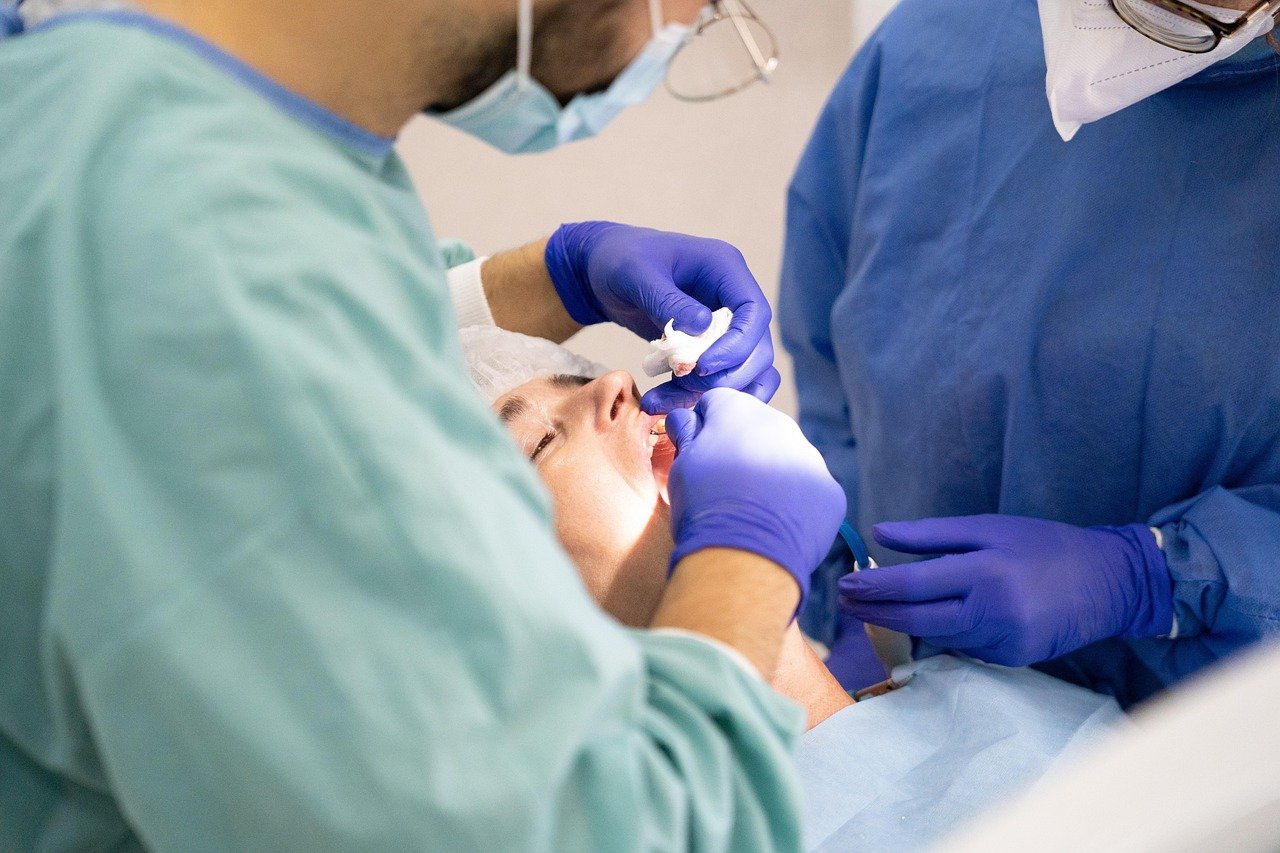
On day two after an extraction, your jaw feels sore and swollen. That soreness comes from normal inflammation in the gum, bone, and ligament around the socket. During the procedure, local anesthetics stop nerve signals so you feel pressure, not sharp pain, which is well supported in third molar surgery research [1]. After the numbness wears off, you may notice common sensations such as:
- Dull ache at the site
- Tenderness when opening or chewing
- Mild swelling or bruising
- Sensitivity to cold fluids
These symptoms usually peak early, then ease as the clot stabilizes and tissues repair. Because of this, gentle care of the area, following your specific instructions, often brings steady relief.
Pain levels vary with the tooth’s position and the procedure method. Impacted or deeply rooted teeth can require more manipulation, which may mean more early soreness. Technique also matters. Evidence suggests that piezosurgery, compared with traditional rotary instruments, can modestly reduce early postoperative pain in some third molar cases [2]. In hospital-based oral surgery, certain anesthetic adjuncts have been shown to lower postoperative pain in adults [3]. Your dentist selects an approach that fits your tooth and health.
Stay alert to patterns. Normal pain improves day by day. Pain that fades, then sharply worsens a few days later, or comes with bad taste or odor, can signal a problem such as a dry socket or infection. If this happens, contact your dental team for guidance. To see how comfort typically changes over the first two weeks, read our tooth extraction healing timeline.
With good care, recovery usually becomes more comfortable each day.
What Pain After Tooth Pulled Is Normal
Normal pain after a tooth is pulled feels dull, achy, and sore around the socket. It typically peaks within 24 to 72 hours, then eases each day. Mild swelling, jaw stiffness, and tenderness when chewing are expected. Over-the-counter pain relievers usually make it manageable.
That night, your bite feels tender but manageable. This discomfort comes from normal inflammation in the gums and bone where the tooth was seated. The area is working to seal the blood clot, repair soft tissues, and start bone remodeling. As swelling subsides, pressure pain fades, and opening becomes easier. Back teeth and lower molars often feel heavier because those areas have thicker bone and stronger chewing muscles.
Most people notice the worst soreness the second evening, followed by a steady day‑by‑day step down. Bruising can show up on days two to four and then fade. Nearby teeth may feel “higher” or a bit sensitive for several days as your bite adapts. You might feel referred achiness toward the ear or temple, especially after lower molar removal. A slight metallic taste from small amounts of blood can occur the first day, but visible bleeding should slow with gentle pressure.
Tooth extraction pain that stays mild to moderate, improves predictably, and responds to your prescribed care fits a normal pattern. Sleep position, longer talking, or wide yawns can briefly increase soreness, which should calm with rest and cold packs. Stitches can cause short twinges as you move your cheek; this fades as tissues knit. If your removal involved bone trimming or sectioning the tooth, expect a longer arc of soreness even when healing is on track. For those curious about how complexity affects comfort, you can learn what to expect with wisdom teeth.
If you need our location or current hours, check before you head over. Track the trend of your symptoms, and reach out if they do not follow this gentle downward slope.
Day 3 Extraction Pain: What to Expect
By day three, most people feel soreness starting to ease or hold steady, not climb. Swelling usually begins to taper, and chewing may still feel tender but manageable. Tooth extraction pain should follow a gentle downward trend; sharp worsening is not expected. If pain intensifies today, or a new bad taste appears, contact your dental team.
You wake on day three with a dull ache and mild jaw tightness. This stage reflects normal healing as early inflammation peaks and then resolves. The blood clot is maturing, and tender tissues are laying down new granulation tissue. Because of this, brief twinges during talking or smiling are common, then fade with rest. Bruising, if present, can shift from purple to yellow-green as it resolves.
Comfort choices matter. If your instructions allow, gentle warm saltwater rinses can soothe tissues without disturbing the socket. Small, frequent sips and soft foods reduce chewing strain. Keep the area clean per your specific guidance, avoid suction habits, and pace activities so the site is not irritated. Simple jaw-opening stretches, within comfort, can lessen stiffness over the next few days.
Stay alert to patterns that do not fit day three. Dry socket pain typically begins between days two and four, often deep, throbbing, and radiating toward the ear, sometimes with unpleasant odor or taste. This needs evaluation so the area can be protected and kept comfortable [4].
If you had wisdom teeth removed, recovery milestones can differ slightly from other teeth. For a day‑by‑day view of that course, see our overview of the wisdom teeth recovery timeline. Keep tracking your trend; steady improvement is the goal. When addressed early, steady healing quickly restores comfort and function.
Managing Extraction Pain Effectively
Effective pain control starts with a plan. Most patients do well using non‑opioid pain relievers as directed, cold packs during the first day, and careful home care. Layering rest, soft foods, and gentle hygiene helps tooth extraction pain settle faster and stay manageable.
By evening, the numbness fades and throbbing begins. Preemptive pain control, started before the numbness wears off if advised, can blunt that first upswing. Over the next 24 to 48 hours, taking medications on a schedule, then tapering to as‑needed use, usually keeps soreness predictable. Use cold packs in short intervals the first day to limit swelling. After two days, warm compresses can relax tight jaw muscles.
Protect the socket so the clot stays stable. Keep your head elevated when resting, avoid suction habits, and choose soft, cool foods that do not crumble. Begin gentle rinsing after the first day only if you were told to do so, and keep brushing the nearby teeth with a light touch. Small sips of water throughout the day help you stay hydrated, which supports healing. If you anticipate future treatment and worry about comfort, you can explore sedation options that make procedures feel more manageable.
Address jaw stiffness early but gently. Short, comfortable opening stretches a few times daily reduce tightness without straining the site. Brief pauses from talking, wide yawns, and heavy chewing give tissues time to calm. After 48 hours, a warm shower or moist heat can ease muscle tenderness around the cheek and temple.
Know when to call. Uncontrolled pain despite medication, swelling that rises after day three, persistent bleeding, fever, or bad taste needs evaluation. Quick guidance can prevent setbacks and keep recovery on track. Steady, simple steps usually return you to normal eating and speaking within days.
Review the procedure steps, comfort options, and after-care plan.
Clear guidance for a smooth recovery.
When Is Pain After Extraction Normal?
Pain is considered normal when it stays mild to moderate, responds to simple care, and steadily eases over the first few days. Soreness around the socket, tenderness with chewing, and brief throbs after activity are expected. Pain that does not ramp up after the early period, and does not need stronger medication over time, generally fits a healthy recovery.
After a soft dinner, the site pulses for a few minutes. This pattern reflects normal tissue healing. The gum and bone adjust after the tooth is removed, and the blood clot matures to protect the socket. As inflammation resolves, nerve sensitivity decreases and muscles relax. Short twinges from dissolving stitches or gentle brushing nearby can happen, then calm with rest.
What else fits the “normal” box? You can open a little more each day, sleep improves, and soft foods become easier to manage. Cold packs on day one and warm compresses after two days often help. Nearby teeth may feel odd or slightly sensitive, yet you can still clean them with care. Brief increases after longer talking, laughing, or wide yawns usually settle within an hour.
Pain is not typical when it surges after initial improvement, wakes you at night beyond the first days, or comes with foul taste or odor. New facial swelling, fever, or pain that radiates and does not respond to your plan needs a call to your dentist. If you are unsure whether your symptoms are urgent, our guide on what to do in a dental emergency outlines next steps.
Tooth extraction pain should trend down, not up. If your course looks different, early evaluation keeps healing on track. When addressed promptly, outcomes improve and comfort returns sooner.
Post-Op Discomfort: Causes and Solutions
After an extraction, it is common to feel soreness, swelling, and jaw tightness as tissues start to heal. Most discomfort comes from normal inflammation in the socket and nearby muscles. Simple steps like rest, cold or warm compresses at the right time, and careful cleaning usually help tooth extraction pain settle.
That afternoon, your cheek feels tight after a long call. Several things can drive post-op discomfort. The socket is repairing, so inflamed gums and bone create pressure and a dull ache. Holding your mouth open during treatment can leave the chewing muscles tired and stiff. Stitches may rub the cheek and cause brief twinges. Upper molar sites can also feel pressure if the nearby sinus is irritated. Nearby teeth sometimes feel sensitive as your bite adapts and the area heals.
Match the cause with a simple solution. For swelling around the socket, use short cold applications and keep your head elevated the first day. For muscle tightness, switch to gentle warmth after 48 hours and add small, comfortable jaw-opening stretches. Take anti-inflammatory medicine as directed by your care plan, then taper as you improve. Choose soft foods, chew on the opposite side, and sip water often to stay hydrated. Keep the area clean without scrubbing the socket itself; brush nearby teeth with a light touch, and begin any rinses only if your instructions say it is time.
Certain patterns need a check-in. If one tooth suddenly feels “too high” when you bite, a quick adjustment can ease pressure. A persistent sharp edge or small bone chip that irritates the gum may need smoothing. Deep, throbbing pain with an unpleasant taste or odor is not typical and should be evaluated so the site can be protected. New or rising facial swelling, fever, or trouble opening also deserve prompt guidance.
For additional comfort strategies that will not disturb the healing site, see our toothache remedies overview. Small, targeted steps paired with timely follow-up keep recovery on track. Collaborative follow-up with your dental team supports steady, comfortable healing.
Typical Recovery Timeline After Tooth Extraction
Most recoveries follow a clear pattern. Numbness wears off within hours, then soreness and swelling peak over the next one to three days. By the end of the first week, most tenderness settles, stitches may be removed if placed, and daily activities feel easier. Deep bone healing continues quietly for several weeks to months.
The timeline reflects how your body heals the socket in stages. First, a stable blood clot forms and protects the area. Early inflammation brings swelling and throbbing, which helps start repair. New tissue then fills the socket, and the gum surface seals over the opening. On day four, you notice chewing is easier and swelling has faded. Because healing builds layer by layer, comfort improves as each step completes.
Here is what many people notice. During the first 24 hours, rest, avoid heavy activity, and expect minor oozing. Between days two and three, soreness and facial puffiness are usually at their highest, then begin to ease. By days four to seven, the gum feels less tender, talking and smiling stretch less, and you can expand your soft diet. One to two weeks in, the surface often looks closed, though the socket under it is still maturing. Over four to six weeks, bone firms up, and by three to four months, internal bone fill is largely complete.
Plan your routine around these milestones. Return to work or school when you feel ready, often within two to three days for simple removals. If stitches were placed, your follow-up is commonly around one week. Tooth extraction pain should steadily lessen, not grow, and your jaw should open a little more each day. When you feel stable and the area is clean, it is a good time to discuss replacement options once healing is underway. When cared for thoughtfully, recovery becomes smoother and eating feels normal again.
Signs You Should Call Your Dentist
Call your dentist if pain rises instead of easing, or if new symptoms appear. Concerning signs include fever, increasing facial swelling, bad taste or odor from the socket, or bleeding that will not slow. Tooth extraction pain should trend down; a sharp upswing or pain that wakes you at night after the first days deserves a check.
Tonight, your pain spikes and a bad taste appears. This pattern is not typical healing. Deep, throbbing pain that starts a few days after surgery, sometimes radiating toward the ear, can signal a dry socket. You might also notice an unpleasant smell, visible emptiness where the clot should be, or sensitivity that does not respond to your plan. These findings need evaluation so the area can be protected and soothed.
Watch for infection clues and functional changes. New or spreading facial puffiness, warmth, fever, swollen lymph nodes, or pus-like drainage are reasons to call. Trouble opening wide, increasing stiffness, or pain that makes swallowing difficult are not expected. Numbness that lasts longer than advised, or suddenly returns with swelling, should be reported. If medications are not touching the pain, or side effects like rash, hives, or severe nausea develop, your team can adjust the approach. Persistent bleeding that soaks through firm gauze after focused pressure also needs guidance.
Until you are seen, rest with your head elevated, avoid suction habits, and stick with soft foods that do not stress the area. Keep nearby teeth clean with a gentle touch. If you think your situation is urgent and you need local next steps, see our emergency guidance for Glendale. Quick contact helps prevent setbacks and keeps healing on track. When addressed early, recovery is smoother and comfort returns faster.
Home Remedies for Managing Pain Post-Extraction
Simple home care can ease soreness after a tooth is removed. Focus on calming inflamed tissues, protecting the clot, and relaxing tired jaw muscles. Most people find steady relief with quiet rest, gentle cleaning, and smart comfort habits.
Later, lying down, a slow pulse starts in the area. Try brief, cool applications to the cheek, wrapped in a thin cloth, for short intervals during the first day. Keep activity light and conversations shorter so the jaw does not overwork. Choose smooth, cool foods you can place on the opposite side and take small bites to avoid stretching the site. If minor oozing returns, hold firm pressure with gauze; a moistened black tea bag can also help because its natural tannins tighten surface vessels. Skip smoking and alcohol-containing mouthrinses, which can irritate healing tissue.
Support the muscles that worked hard during treatment. Place two fingertips over the cheek muscle and make small, gentle circles for 20 to 30 seconds, a few times daily, staying away from the socket itself. Notice clenching when you concentrate, then soften your jaw and rest your tongue lightly on the palate. At night, a bedside humidifier can reduce dry mouth, which many people find lessens stinging around tender gums. Steady hydration and soft proteins, like yogurt or eggs, give tissues what they need to repair without extra chewing.
Clean carefully so the area stays calm. Do not brush the socket. Instead, use a child-soft brush on the neighboring teeth with tiny, slow strokes. When you need to rinse, avoid forceful swishing; let the liquid roll over the area and out of your mouth by gravity. Avoid essential oils or concentrated “numbing” drops on the wound, which can burn delicate tissue. If you wear a retainer or night guard, wait for your dentist’s go-ahead before placing it back.
Home steps should make tooth extraction pain trend down day by day. If your comfort stalls or worsens, a quick check keeps healing on track. Small, steady habits keep recovery comfortable and on course.
Preventing Complications After Tooth Extraction
Complications are less likely when you protect the blood clot, keep the area clean without scrubbing it, and follow the specific instructions you were given. Avoid suction habits, manage swelling early, and stick with soft foods until chewing feels easy. These steps lower the chance that tooth extraction pain will spike from issues like dry socket or infection.
You almost sip through a straw out of habit. Suction and forceful spitting can loosen the clot that shields the socket, so skip straws and vigorous rinsing for the first day. Rest with your head elevated, take small sips of water, and chew on the other side with soft, cool foods. Alcohol and smoking irritate healing tissue, so avoiding them supports a calmer recovery. As comfort returns, you can gradually resume normal routines.
Cleanliness matters. Begin gentle hygiene around the site as directed, brushing nearby teeth with a light touch and letting any rinse flow over the area rather than swishing hard. When an antiseptic rinse is prescribed, using it as directed can reduce bacteria around the wound and is associated with fewer postoperative problems in third molar research; early cold therapy has supportive evidence for improving recovery comfort as well [5]. In certain cases, your surgeon may place autologous blood concentrates during surgery, which have been reported to help control swelling and soreness after lower molar removal [6]. These choices are tailored to your needs.
Stay alert to patterns. Normal soreness eases a bit each day. A sharp upswing in pain after early improvement, a new bad taste or odor, or swelling that increases after day three should be checked. If a stitched area rubs or a sharp edge bothers your tongue, a simple adjustment can help. Thoughtful habits now prevent setbacks and keep healing on a steady path. Coordinated care often leads to clearer days and calmer nights.
Frequently Asked Questions
Here are quick answers to common questions people have about Tooth Extraction Pain: What’s Normal in Glendale, AZ.
- What should I do if my tooth extraction pain worsens suddenly?
If your tooth extraction pain suddenly becomes more intense or you experience new symptoms like bad taste or odor, it’s important to contact your dentist. These could be signs of complications such as dry socket or infection. In the meantime, keep your head elevated, use gentle cold compresses, and avoid straws and smoking, which can irritate the area. Keep the area clean using a soft brush on neighboring teeth and avoid aggressive rinsing. A quick check by your dental team can help manage the issue effectively.
- How can I differentiate between normal and problematic post-extraction pain?
Normal post-extraction pain typically eases over the first few days and responds to over-the-counter pain relief. It may include soreness around the socket, mild swelling, and tenderness while chewing. Problematic pain tends to worsen unexpectedly, may wake you at night, or comes with fever, swelling, or foul odor. If your pain doesn’t follow the expected pattern, contact your dentist to ensure proper healing. Keeping track of symptoms helps in quickly identifying any deviations from normal recovery.
- What are some home remedies for managing mild tooth extraction pain?
To manage mild tooth extraction pain at home, apply a cool compress to the cheek in short intervals during the first day. Rest and keep activities light to avoid overworking your jaw. Eat soft, cool foods and chew on the opposite side of your mouth. Briefly applying a moistened black tea bag can help control minor oozing. Avoid smoking and alcohol-containing mouth rinses. Maintaining gentle hygiene with a soft toothbrush around nearby teeth also supports recovery.
- What is a dry socket, and how can I prevent it after an extraction?
A dry socket occurs when the blood clot at the extraction site dissolves or dislodges, exposing bone and nerves. This condition is painful and can delay healing. To prevent a dry socket, avoid smoking, sucking through straws, or vigorous rinsing in the first few days after the extraction. Use gentle pressure if drinking or eating and follow any specific post-op care instructions provided by your dentist. Monitoring your healing progress helps in catching any early signs of complications.
- How does diet change after a tooth extraction help in recovery?
Adjusting your diet after a tooth extraction helps protect the site and speed up recovery. Soft, cool foods decrease strain on the extraction area, while small bites minimize the risk of disturbing the clot. Options like yogurt, applesauce, and mashed potatoes are gentle on the tissues and easy to manage. Avoid spicy or crunchy foods that might irritate the socket. A modified diet aids in healing and reduces discomfort, allowing inflammation to decrease naturally.
- What are the steps involved in a typical recovery timeline for a tooth extraction?
The recovery timeline often begins with numbness wearing off in a few hours, followed by peak soreness and swelling in the next one to three days. By the end of the first week, most tenderness decreases, and any stitches might be removed. Normal daily activities generally become easier around this time. Deep healing within the bone continues for weeks to months as the socket fills and remodels. Gradual improvement and adhering to post-op care will guide you through a smooth healing process.
References
- [1] Local anaesthesia for surgical extraction of mandibular third molars: a systematic review and network meta-analysis. (2020) — PubMed:32833132 / DOI: 10.1007/s00784-020-03490-3
- [2] Piezosurgery in Third Molar Extractions: A Systematic Review. (2024) — PubMed:39728070 / DOI: 10.3390/jpm14121158
- [3] Perioperative intravenous ketamine for acute postoperative pain in adults. (2018) — PubMed:30570761 / DOI: 10.1002/14651858.CD012033.pub4
- [4] Local interventions for the management of alveolar osteitis (dry socket). (2022) — PubMed:36156769 / DOI: 10.1002/14651858.CD006968.pub3
- [5] Certainty of evidence on the effects of cryotherapy, surgical wound closure, and chlorhexidine on clinical and patient-centered outcomes after third molar surgery: evidence mapping of systematic reviews and meta-analyses. (2025) — PubMed:39954279 / DOI: 10.4317/medoral.26788
- [6] Performance of blood concentrates in controlling inflammatory signs and symptoms after lower third molar extractions: an overview. (2025) — PubMed:40105600 / DOI: 10.1590/acb401825