
Understanding Teeth Whitening Near Me
When people search for teeth whitening near me, they want safe, predictable ways to lighten stains. Dentist-supervised whitening uses peroxide gels to break apart color molecules in enamel. Options include quick in-office treatment or custom trays to use at home. A brief exam helps confirm your teeth and gums are ready.
You sip coffee daily and notice yellowing before photos. Whitening works because peroxide diffuses through enamel and oxidizes deep stains. In-office care is faster and carefully isolated from gums. Take-home trays offer flexibility and can maintain results after an in-office boost. For a deeper dive into methods and timing, see our detailed overview of professional whitening.
- In-office whitening: highest concentration, controlled by your dentist, fast shade change.
- Custom take-home trays: close fit, steady results over 1–2 weeks, easy touch-ups.
- Whitening strips: convenient, lower strength, limited fit near curves and between teeth.
- Whitening toothpaste: helps prevent new surface stains, minimal effect on deeper discoloration.
Temporary sensitivity is common and usually fades within 24–48 hours. Spacing sessions, using a desensitizing gel, and lukewarm drinks can help. Whitening does not change the color of fillings, crowns, or veneers, so plan shade matching if you have front restorations. Stains from coffee, tea, red wine, and tobacco tend to return; periodic touch-ups keep your shade steady.
Good candidates have healthy gums, no untreated cavities, and realistic goals. A cleaning before whitening improves contact with enamel, which improves results. If you are unsure when to start, check our current hours and schedule an evaluation to map out the right approach. Joint care between patient and dental team supports lasting results.
Finding Local Whitening Services
Finding trusted whitening nearby starts with a focused search and a quick check of credentials. Use terms like teeth whitening near me, then review each practice’s site for dentist-supervised care. Prioritize offices that offer a brief exam, shade tracking, and both chairside and custom-tray options.
Real-world: You have a reunion in two weeks. Start by booking a short consult to record a baseline shade, assess gum health, and discuss your timeline. Ask how the team documents photos and explains expected shade change for your specific stains. Clarifying the plan early helps align expectations and scheduling.
Because practices vary, compare a few practical details. Do they isolate gums carefully during chairside whitening, and provide strategies for sensitivity if needed? Can they fabricate well-fitting trays for home use and coach you on wear time and storage? Do they schedule maintenance touch-ups around cleanings and document shade changes over time? If you are choosing among new providers, you can also use our guide to selecting a nearby dentist to weigh reviews, training, and access.
Look for clear communication about appointment length, expected number of sessions, and how results are measured. Practices that take pre- and post-whitening photos, log shade values, and outline a touch-up plan tend to deliver predictable outcomes. Once you select a local provider, confirm the sequence, set your goals, and keep follow-ups on the calendar. Simple takeaway: choose a team that measures shade and plans maintenance.
Choosing the Best Whitening Near Me
The best whitening choice is the one matched to your stains, timeline, and tooth condition. Start with a brief exam, then select in-office, custom trays, or a combined plan based on how quickly you want to see change and how you prefer to maintain results. If you searched “teeth whitening near me,” look for dentist-supervised care that explains steps, comfort options, and expected shade change.
Real-world: Your wedding is four weeks away. At the exam, your dentist identifies stain type and maps a plan. Surface stains behave differently from deeper discoloration or age-related darkening. Single dark teeth, white spots, or banded stains may need tailored protocols, and some internal stains respond slowly. Discuss any history of sensitivity, visible enamel cracks, or gum recession, which can change how products are used.
Next, match method to goals. Chairside whitening suits tight timelines and controlled starts, while well-fitted trays let you pace treatment and maintain shade over time. Combining a fast in-office session with measured home use often balances speed and control. Ask about gel concentration, wear time, and desensitizing steps, plus how your shade will be recorded. If you want to compare over-the-counter options with professional care, you can also see how whitening strips perform.
Planning matters as much as product choice. A clear schedule for sessions, touch-ups, and cleanings keeps color steady. Your dentist can help prioritize timing around photos, events, or future dental work so your final shade guides any updates. If you feel unsure, book a quick consult and share your deadline and comfort preferences. Collaborative planning between you and your dentist supports lasting shade stability.
Benefits of In Office Whitening
In-office whitening offers rapid, controlled brightening with careful protection of your gums and lips. Your dentist applies professional-strength gel, monitors contact time, and evens out color for a uniform result. Many people see a noticeable shade change in a single visit, which is helpful when you are on a deadline.
Because trained clinicians isolate soft tissues before gel placement, higher concentrations can be used safely and strategically. The team can adjust gel layers, exposure time, and tooth-by-tooth placement to address uneven discoloration or difficult areas along the gumline. Desensitizing agents can be applied before, between, or after gel cycles to reduce post-treatment zings. Standardized shade measurements and photos document progress, so adjustments are based on data, not guesswork. This reduces the risk of over-whitening edges while deeper areas lag behind.
Real-world: A lunch-break session before new headshots. Professional chairside care also helps distinguish stain types and respond in real time. For example, if certain teeth are darker from age or past habits, the dentist can target those zones first to keep the final look balanced. You leave with personalized aftercare to protect your new shade, plus guidance on timing for future touch-ups. If you are comparing benefits with budget planning, you can also review cost factors for whitening.
If you typed “teeth whitening near me” to meet an upcoming event or simply refresh your look, in-office care provides speed, precision, and oversight. It can be paired with custom trays later to maintain your shade with fewer visits. This approach gives you a fast start, then a simple routine to keep results steady. When planned well, brighter teeth often come with fewer surprises and smoother maintenance.
Compare in-office and take-home options that fit your smile goals.
Brighter, predictable whitening.
How to Evaluate Whitening Dentists Nearby
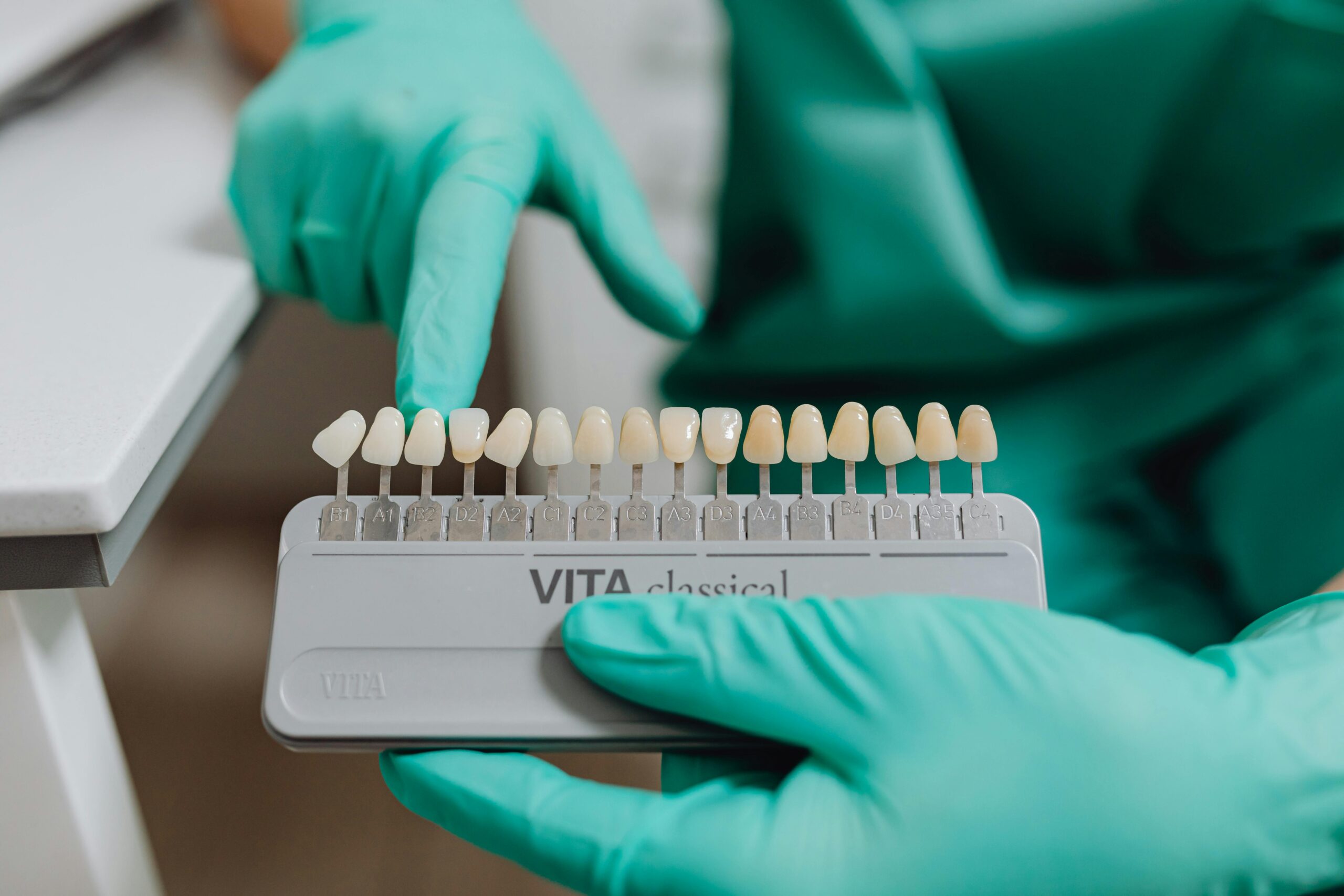
Start by confirming the whitening is dentist-supervised and begins with a brief oral exam. Ask how the practice measures shade, protects your gums, and customizes gel strength and timing. Review photo documentation, consent, and a maintenance plan before you commit.
A good evaluation screens for decay, gum recession, enamel cracks, and existing front restorations that could affect the final look. Your dentist should explain which stains are present and whether a cleaning first will improve contact with enamel. Clarify how sensitivity is prevented and managed, including any desensitizing gels or spacing of sessions. If you compare offices, use consistent criteria and weigh communication quality; for help, see tips on reading dentist reviews.
Technique and safety matter. Ask what isolation materials they use to shield lips and gums, and how they monitor exposure time tooth by tooth. Practices that record starting shade values and take standardized photos can show verified progress, not just chairside impressions. It also helps to know whether they offer well-fitted custom trays for maintenance and how they schedule touch-ups around cleanings. Before starting, confirm after-care directions, expected sensitivity window, and who to contact if discomfort persists.
Real-world: Your new job starts soon and you want a brighter smile. When searching teeth whitening near me, choose a provider who explains the plan, measures each step, and follows up. Share your timeline, any past sensitivity, and goals so the approach fits your needs. Thoughtful selection often leads to steadier, more predictable whitening.
Exploring Whitening Deals in Your Area
Good whitening offers vary, so compare what is included rather than focusing only on the headline promotion. Look for clear terms about the exam, how many sessions you get, and whether any take-home supplies are part of the deal. Check timing rules, such as expiration dates or new‑patient restrictions, so the offer fits your schedule.
Read the fine print to understand scope. Some promotions cover a single, timed in‑office session, while others include both chairside treatment and a short supply of home gel. Clarify whether the exam is required before whitening, and if a recent cleaning is needed for best contact with enamel. Ask if results are documented with standardized shade readings or photos, and whether follow-up adjustments are included. Real-world: You spot a flash sale that ends tonight.
Safety and comfort details matter as much as value. Confirm the whitening is clinician‑supervised with proper protection for your lips and gums, and that a plan is in place for sensitivity if it occurs. If custom trays are mentioned, verify they are fitted to your teeth, how long you should wear them, and how gel refills are handled. Check for exclusions like restorations on front teeth, per‑arch limits, or fees for missed appointments. If you started your search with “teeth whitening near me,” use these checkpoints to quickly filter options.
Location and access can influence how useful a deal is. Consider commute time, parking, and evening or weekend availability so you can complete all steps within the offer window. Next, match the promotion to your timeline and maintenance goals, especially if you want a quick start with a simple way to keep the shade steady. A clear, well-structured offer that fits your schedule usually leads to smoother care. Simple takeaway: choose the deal that aligns with your plan, not just the headline.
Preparing for Your Teeth Whitening Appointment
Set yourself up for smooth whitening by starting with a quick dental check and a recent cleaning if you are due. Share any history of sensitivity, gum recession, or cracked teeth so the team can plan comfort steps and isolation. The day before, brush and floss thoroughly, stay hydrated, and confirm your timeline and shade goals. If you searched teeth whitening near me, arrive with clear expectations and a simple aftercare plan.
A clean, dry tooth surface helps the gel contact enamel evenly, so plan hygiene first if plaque or tartar is present. Bring a list of medications and any whitening products you have used, including past trays, so your dentist can tailor gel strength and wear time. If you are sensitive, consider using a gentle desensitizing toothpaste in the days leading up to treatment; many people find this eases post‑appointment “zings.” If you want more context on timing a cleaning before whitening, see how a cleaning visit works.
Real-world: You booked Friday afternoon and want minimal sensitivity through the weekend. Eat a light meal beforehand, since your mouth may be open for a while. Skip lipstick or tinted balms so shade readings are accurate, and wear comfortable clothes. Bring aligners or retainers to remove, plus earbuds if you like calm music. On the day, ask how your gums will be protected and where desensitizing agents fit into the sequence.
Afterward, plan neutral‑temperature drinks and avoid highly colored foods for the first day while your enamel rehydrates. If you will use custom trays at home, review how much gel to place, where to wipe excess, and safe storage. Agree on when to check your progress, especially if you have an event coming up or future dental work to match. A little planning before you sit down often leads to a brighter, more even result.
Aftercare Tips for Whiter Teeth
Good aftercare keeps your new shade bright and your teeth comfortable. For the first day, choose pale foods and skip strong colors like coffee, tea, red wine, and curry. Sip neutral‑temperature drinks and brush gently with a soft brush and a fluoride toothpaste. These small choices help your results last.
Right after whitening, enamel is a bit dehydrated. Give it time to rehydrate by drinking water often. Avoid very hot or very cold foods at first, and hold off on tinted mouthrinses for 24 hours. If you do have a colored drink later, use a straw and rinse with water afterward. Real‑world: You celebrate with dinner, so pick lighter options and bring a water bottle.
If you feel zings, switch to a toothpaste made for sensitivity and keep brushing light for a few days. Wait about 30 minutes after acidic foods, such as citrus or soda, before brushing so you do not scrub softened enamel. Chewing sugar‑free gum can boost saliva, which naturally protects teeth. For help choosing a daily paste that supports whitening, see our overview of dentist‑recommended toothpastes.
Keep maintenance simple and planned. Touch up with custom trays as directed, often a short session every few weeks if you drink coffee or tea. Schedule check‑ins around your cleanings so shade is measured consistently. If you have front fillings or bonding, review color match after your shade settles, then plan updates as needed. If you searched teeth whitening near me to get ready for a big event, these steps protect today’s brightness and make future touch‑ups easier. Thoughtful care today helps your new shade last.
Common Myths About Teeth Whitening
Many beliefs about whitening are outdated or incomplete. Properly used peroxide gels do not thin or scrape away enamel. Lights or “lasers” are not required for whitening to work, and brief sensitivity after treatment does not mean damage. Results also are not permanent, so planned touch-ups help maintain color.
Here is what is happening. Whitening gels move through enamel and break apart stain molecules, changing how teeth reflect light. The process can trigger temporary fluid shifts in the tooth, which some people feel as zings, usually for a day or two. That sensation is common and typically fades as the tooth rehydrates. Real‑world: A friend warns whitening will “thin” your teeth.
Another common claim is that lights make whitening much stronger. In practice, the key drivers are gel concentration, contact time, and good isolation of your gums. Lights may warm the area and dry the tooth surface, but the gel does the work. On the other side, abrasive DIY hacks, such as powders or rough pastes, do not bleach stains; overuse can wear enamel and irritate gums. Whitening toothpastes help with new surface stains, but they cannot remove deeper discoloration the way peroxide gels can.
One more myth is that whitening corrects every type of discoloration. Deep internal issues, banded areas, or chalky white spots may not blend with bleaching alone and can even look more obvious as the surrounding tooth brightens. In those cases, your dentist may discuss targeted options, including microabrasion, resin infiltration, or veneers; for a broader look at that path, see our overview of porcelain veneers. If you started with a search like teeth whitening near me, bring your questions to a short exam so the plan fits your teeth, timeline, and goals. Clear facts lead to better results.
The Safety of Teeth Whitening Treatments
When used as directed, dentist‑supervised whitening is considered safe for healthy teeth and gums. The most common side effects are short‑term tooth sensitivity and mild gum irritation, which usually resolve quickly. Clinical trials comparing common at‑home methods, such as strips and 10% carbamide peroxide gels, report good safety profiles with transient sensitivity in some users [1].
Whitening gels work by diffusing through enamel and oxidizing stain pigments. They do not scrape enamel. Safety depends on proper gel strength, contact time, and keeping gel off soft tissues. Formulations that include calcium or related remineralizing agents can reduce sensitivity and help preserve enamel surface microhardness during bleaching, according to a recent systematic review and meta‑analysis [2].
Be cautious with abrasive “whitening” powders. Activated charcoal products, for example, have shown abrasiveness in laboratory reviews and do not bleach stains the way peroxide does, so overuse may wear tooth surfaces or irritate gums [3]. Peroxide‑free color‑corrector products are being studied, but current clinical evidence is limited and outcomes vary; they are not a substitute for proven bleaching protocols [4]. Real‑world: You feel brief tingles after whitening, then normal comfort returns the next day.
Your dentist will screen for issues that increase risk, such as active decay, cracked teeth, or significant recession, and may adjust the plan or recommend treatment first. In certain health situations, elective whitening may be postponed until it is appropriate. If you began with a search like teeth whitening near me, know that a short exam, measured gel use, and clear aftercare are what keep whitening predictable and comfortable. Coordinated care often leads to brighter smiles and calmer visits.
Frequently Asked Questions
Here are quick answers to common questions people have about Teeth Whitening Near Me in Glendale, AZ.
- What is the process for in-office teeth whitening?
In-office teeth whitening involves a dentist applying a professional-strength peroxide gel directly onto the teeth. The gums and lips are protected to prevent irritation, allowing for a highly concentrated gel and rapid results. The dentist monitors how long the gel stays on each tooth and adjusts as necessary to ensure an even color change. This method often results in noticeable whitening in just one visit. For ongoing care, custom trays might be recommended for maintaining your shade at home.
- How can I maintain my whitened teeth?
After whitening, avoid foods and drinks with strong colors, like coffee, tea, or red wine, for at least 24 hours. Brush gently with a soft-bristle toothbrush and a fluoride toothpaste. Using a straw for drinks and drinking plenty of water helps maintain results. Regular touch-ups with custom trays and scheduling professional cleanings can keep your smile bright. Talk to your dentist about the best time and method for any future touch-ups.
- What should I do if I experience sensitivity after whitening?
If you feel sensitivity after teeth whitening, it is usually temporary and should fade in a day or two. To manage it, use toothpaste designed for sensitive teeth and avoid very hot or cold foods and drinks. Drinking room-temperature water and taking over-the-counter pain relievers can also help. If sensitivity persists, consult with your dentist for additional solutions.
- How do dentist-supervised take-home whitening trays work?
Take-home whitening trays are custom-fitted to your teeth, ensuring even gel contact and coverage. Your dentist provides a whitening gel to place in the trays, which you then wear for a specified time at home, typically daily for 1–2 weeks. This method allows for gradual whitening that you can control at your own pace, and trays can be reused for future touch-ups. It’s a flexible option that complements in-office treatments.
- Who is a good candidate for teeth whitening?
A good candidate has healthy gums, no untreated cavities, and realistic expectations about the results. It’s best to have a recent dental cleaning to improve whitening contact with the enamel. If you have dental restorations or areas with significant discoloration, consult your dentist for tailored advice as whitening only alters the color of natural teeth.
- What should I consider when comparing teeth whitening deals?
When comparing teeth whitening deals, look beyond the price. Check whether the offer includes an initial exam, number of sessions, and any take-home supplies. Verify if restrictions apply, such as new-patient limitations or expiration dates. Confirm that the treatments are dentist-supervised, which ensures proper care and protection of your gums. A clear understanding of what’s included can lead to a better whitening experience.
- Do whitening strips work as well as in-office treatments?
Whitening strips can brighten teeth, but they often contain a lower concentration of peroxide compared to in-office treatments, resulting in less dramatic and slower results. Strips may not fit as closely to curves and gaps, missing out on full coverage. In-office treatments apply higher-strength gel with precise application and supervision, delivering a noticeable change in a short time. They are ideal for those needing quick results for special events.
References
- [1] Efficacy and safety of over-the-counter whitening strips as compared to home-whitening with 10 % carbamide peroxide gel–systematic review of RCTs and metanalysis. (2016) — PubMed:26245272 / DOI: 10.1007/s00784-015-1547-8
- [2] Protective role of calcium-based agents in dental bleaching gels: insights from a systematic review and meta-analysis of clinical and laboratory evidence. (2025) — PubMed:40072631 / DOI: 10.1007/s00784-025-06265-w
- [3] Effectiveness and abrasiveness of activated charcoal as a whitening agent: A systematic review of in vitro studies. (2023) — PubMed:36183933 / DOI: 10.1016/j.aanat.2022.151998
- [4] Hydrogen Peroxide-Free Color Correctors for Tooth Whitening in Adolescents and Young Adults: A Systematic Review of In Vitro and Clinical Evidence. (2025) — PubMed:40863049 / DOI: 10.3390/dj13080346