
Understanding Teeth Straightening Options
Teeth straightening options include fixed braces and removable clear aligners. The best path depends on your bite, crowding, lifestyle, and goals. Both methods use light, controlled forces to move teeth, and both require retainers to hold the new position.
Your teen’s crowding makes brushing hard and dents confidence. Tooth movement occurs as gentle pressure remodels bone around the roots, allowing teeth to shift in planned steps. Aligners and braces differ in visibility, how precisely they control rotations and root position, and how much daily cleaning they require. Because aligners are removable, success depends on wearing them as directed.
- Clear aligners: Nearly invisible trays, removable for eating and cleaning. Best for mild to moderate cases; tooth-colored “attachments” may be used.
- Metal braces: High control for complex movements, including significant rotations and vertical changes. Visible, but very effective.
- Ceramic braces: Tooth-colored brackets that are less noticeable. Slightly bulkier and can be more brittle than metal.
- Lingual braces: Brackets on the tongue side, hidden from view. Technique-sensitive and may affect speech briefly.
- Limited (front-teeth) alignment: Focuses on the visible smile zone. Faster, but does not fully correct the bite.
- Retainers: Clear trays or fixed wires that maintain alignment after treatment. Essential to prevent relapse.
Treatment time varies with case complexity, age, and consistency. A complete exam reviews tooth positions, bite, jaw growth patterns, and gum health. If you are weighing aligners versus brackets, see this comparison of aligners and braces.
Before starting, we address any cavities, reduce inflammation, and plan retention to protect results. Good brushing and flossing keep gums healthy around appliances and aligners. If you want to visit or call ahead, check our current hours. Collaborative care between your dentist and orthodontist supports long-term oral health.
Overview of Orthodontic Treatment Methods
Orthodontic treatment moves teeth with gentle, planned forces using fixed braces, removable clear aligners, or a combination. Your plan may also include supportive tools such as elastics, temporary anchorage devices, or expanders to guide bite correction. Choices depend on tooth position, jaw growth, and how much control is needed for root and bite changes.
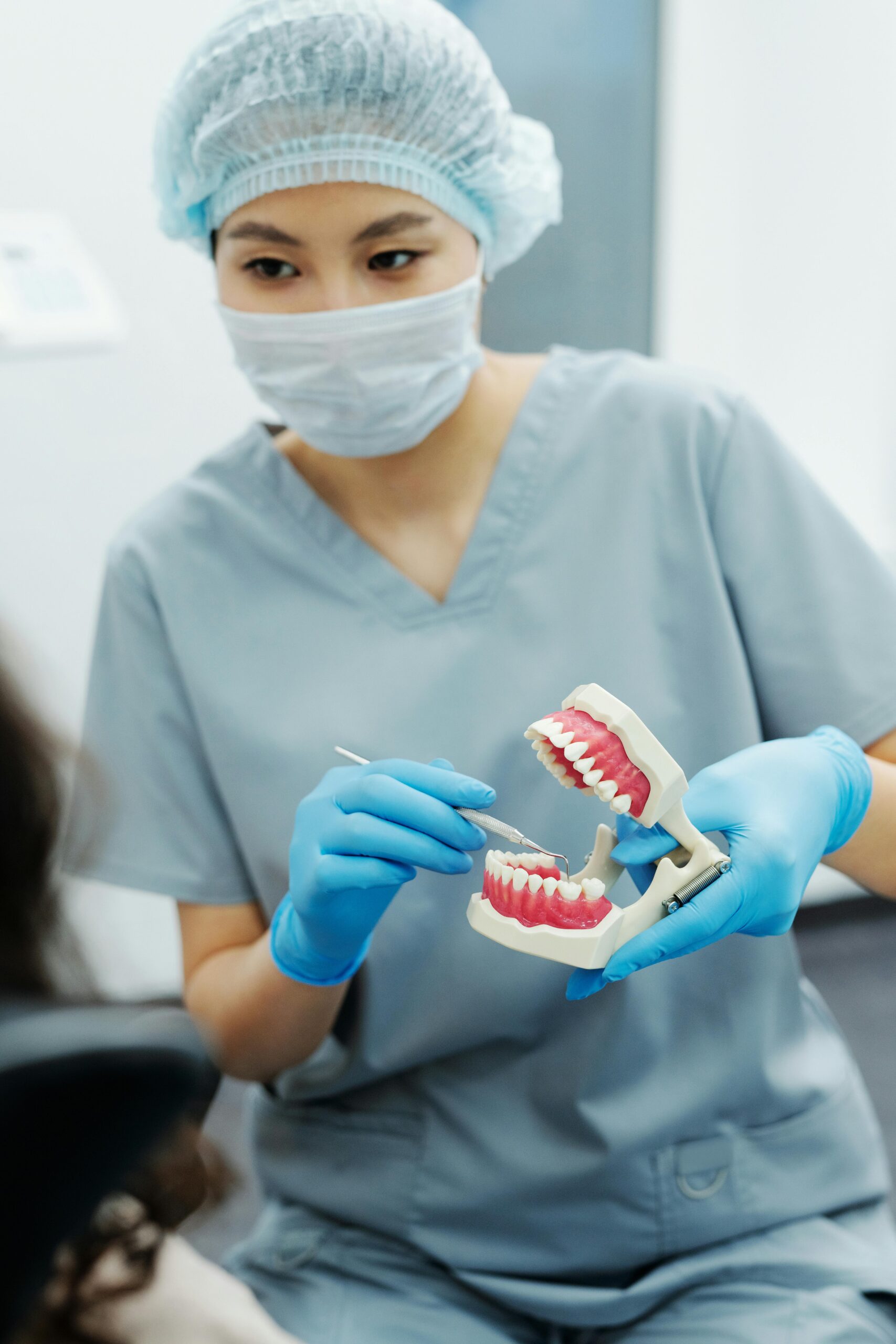
A college student wants straighter teeth without visible brackets. Clear aligners are removable trays that advance tooth positions in stages, guided by a digital setup. Fixed appliances use brackets and archwires to control tooth tip, torque, and vertical position with precision. When bracket systems are part of care, see our overview of common braces designs to understand how they differ.
Planning begins with records, measurements, and a tooth movement sequence. For crowding, space can come from arch development, interproximal reduction, or, in selected cases, extractions. Elastics coordinate the bite, while temporary anchorage devices provide stable leverage for movements that should not shift neighboring teeth. In growing patients, expanders and growth-guidance techniques can shape the developing bite; adults rely more on tooth movement and, when indicated, jaw surgery for skeletal concerns.
Comfort, speech, and daily routines vary by method. Aligners are taken out for meals, so wear time matters. Braces stay on, so diet and cleaning adjustments protect enamel and gums. Regardless of the appliance, careful monitoring helps limit side effects like root resorption, which can occur with both aligners and fixed appliances, typically at mild levels in most cases [1].
For many, the best path blends tools over time, such as aligners for alignment and limited braces for fine root control. If your goal is teeth straightening with the fewest trade-offs, a focused exam will match method, timing, and bite goals to your daily life. When addressed early, aligned bites can support healthier function and growth.
Braces Options: Traditional vs. Modern
Traditional braces use metal brackets and wires that stay on the teeth. Modern options include tooth-colored or lingual braces and removable clear aligners. Each can straighten teeth effectively; the better choice depends on case complexity, visibility preferences, hygiene needs, and daily habits. Thoughtful planning makes either path work for teeth straightening.
Fixed braces are always in place, so they work around the clock and do not rely on wear-time discipline. They provide strong control for detailed root and bite changes. You will modify your diet to protect the brackets and adjust brushing to clean around them. Modern wires and digital planning have improved comfort and efficiency. In contrast, clear aligners are removable for meals and brushing, but they must be worn most of the day to achieve planned movements.
Control differs slightly. Braces can handle complex rotations, vertical changes, and bite correction with elastics and other auxiliaries. Aligners guide teeth in staged steps using computer-designed sequences and, when needed, tiny enamel-colored shapes that help the trays grip. Some cases combine methods, for example aligners for alignment and short periods of braces for fine root positioning. Appointment rhythm also varies, from periodic wire adjustments to scheduled aligner changes with check-ins.
Daily care is a key divider. With braces, plaque can collect around brackets, so careful brushing and fluoride use reduce the risk of white spot marks. Aligners come out for cleaning, which helps access, but you should avoid sipping sugary drinks with trays in and brush before putting them back. Emergencies look different too. A loose bracket may need a quick repair visit, while a lost aligner can delay progress until a replacement is organized.
A teacher asks for subtle treatment that fits busy mornings. If you want the least visible option and can commit to steady wear, aligners may fit well. If your bite needs heavier lifting, fixed braces often give the highest control. For a deeper dive into pace, see whether aligners can move teeth faster in our overview here. Joint care between dental and medical teams helps sustain long-term wellness.
Clear Aligners: A Discreet Alternative
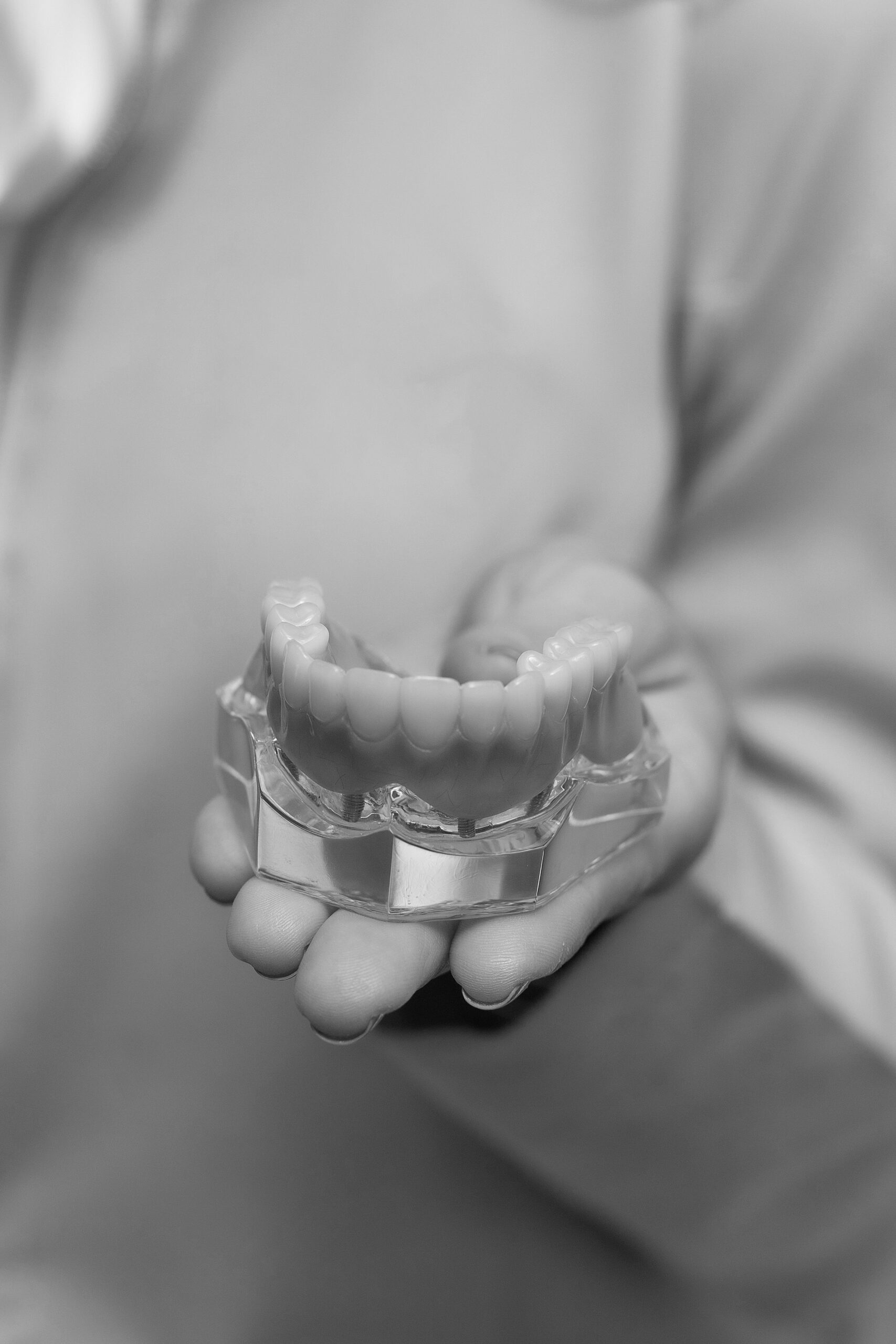
Clear aligners are thin, nearly invisible trays that straighten teeth without brackets or wires. You wear them most of the day, removing them for meals and brushing. A computer-guided plan sequences small tooth movements, so each new set of trays advances your smile.
A nurse asks for a subtle option for patient-facing shifts. Because aligners are smooth and removable, lip and cheek irritation is uncommon, and cleaning is straightforward. Most people adapt to speaking with trays within a few days. Regular check-ins keep the plan on track and allow refinements if specific teeth need extra attention.
Aligners move teeth by applying gentle, targeted pressure through the tray’s internal shape. Small, tooth-colored bumps called attachments, along with features for elastics or bite ramps when needed, help the trays grip and direct difficult movements. If you are curious about those tiny “grips,” see our overview of how attachments support aligner accuracy. This approach often fits busy routines because trays come out for meals, photos, and sports mouthguard use.
Who benefits most? Many adults and teens can use aligners for alignment, spacing, and select bite improvements. Cases that need larger vertical changes or complex rotations may be planned as hybrid care, using short phases of braces or added auxiliaries to reach precise goals. Since aligners only work when they are worn, consistency matters for reliable teeth straightening. A focused exam will confirm candidacy and outline your wear schedule, check-in cadence, and retention plan. Prompt evaluation supports healthy alignment and oral health.
See your alignment options, expected timeline, and retention strategy.
Straighter teeth, clearer plan.
Aligners vs Braces: Key Differences
Clear aligners are removable trays, while braces are fixed brackets and wires. Aligners are discreet and come out for meals and brushing, but they only work when worn as directed. Braces work all day, which helps with complex bite and root movements. Both can achieve teeth straightening when matched to your goals and habits.
A sales rep travels weekly with carry-on luggage. Aligners deliver force across the tray surfaces to guide teeth in planned steps. Braces use brackets and archwires to control tooth angle, root position, and vertical height with precise adjustments. Finishing also differs. Aligners may use added “refinement” trays to polish details, while braces rely on wire bends and elastic patterns to dial in the bite; see how refinements fine-tune outcomes.
Daily routines often determine fit. With aligners, you remove trays to eat and drink anything but plain water, then brush before putting them back. This keeps trays clear and avoids trapping sugars. With braces, you will avoid hard or sticky foods, and you will brush around brackets and along the gumline to prevent plaque build-up and white-spot marks. Speech usually settles within days for aligners; braces can rub cheeks at first until soft tissues adapt.
What happens if something goes wrong? A lost aligner can pause progress until a replacement is coordinated, though short-term steps are often available. A loose bracket requires a repair visit to keep the plan on track. For sports, aligners can be removed and a proper mouthguard worn; for braces, use a braces-ready mouthguard that fits over brackets. Musicians may prefer aligners for important performances, since trays can be taken out briefly.
Choosing between the two comes down to complexity and consistency. If you need strong control for bite changes and want a system that works 24/7, braces may suit you. If you prioritize low profile and can commit to steady wear and hygiene, aligners can fit well. A focused exam aligns your goals, timeline, and cleaning routine with the right method. Coordinated care often leads to clearer days and calmer nights.
Benefits of Adult Orthodontics
Adult orthodontics offers more than a straighter smile. It can improve chewing efficiency, reduce plaque traps, and set up future dental work. Teeth can move at any age when gums and bone are healthy, so timing follows your goals and oral health status. Many adults notice cleaner, more comfortable bites after alignment.
A project manager wants crowded lower teeth aligned before a planned crown. Straighter teeth are easier to brush and floss, which supports healthier gums by limiting areas where plaque collects. This often reduces bleeding and inflammation during cleanings and at home. If you are tracking gum health, see how gum disease progresses in our overview of stages and signs.
Function can also improve. When the bite is balanced, forces are shared more evenly across teeth. This can help limit excessive wear on edges and reduce chipping risk on teeth that used to take extra load. While orthodontics is not a direct treatment for jaw joint disorders, a more even bite can make everyday chewing feel smoother for many adults.
Alignment helps restorative dentistry last longer. Uprighting tilted molars can open space and create cleaner margins for future crowns or bridges. Closing gaps or correcting rotations can simplify bonding and veneer planning, often allowing more conservative shaping. For missing teeth, orthodontics can create ideal spacing and root position before an implant is placed, improving both access and final contours.
Adults also benefit from customized pacing and interdisciplinary care. Your dentist coordinates gum therapy if needed, designs a retention plan, and times restorative steps around tooth movement. Together, this approach supports stable alignment, simpler hygiene, and treatment choices that age well. A small change in tooth position today can make many future decisions easier.
Clear goals and steady habits help adult orthodontics deliver lasting value.
Choosing the Right Teeth Straightening Option
The right choice balances your goals, bite complexity, and daily habits. Clear aligners often fit mild to moderate alignment needs and flexible schedules. Braces, including ceramic or lingual styles, give robust control for tougher rotations, vertical changes, or bite correction. Your exam connects these factors to a plan that suits your routine.
You coach soccer and travel most weekends. If you prefer removable trays for meals and photos, aligners can work well when worn consistently. Their digital planning maps small movements and makes progress easy to follow. For cases needing strong three‑dimensional root control, fixed braces keep continuous force on teeth and reduce reliance on wear-time discipline.
Oral health guides decisions too. If your gums are inflamed, we stabilize tissues first so tooth movement stays healthy. Patients with higher cavity risk may favor aligners because teeth are easier to brush thoroughly with trays out. On the other hand, if you tend to misplace things or sip sugary drinks, fixed appliances remove the “remember to wear it” variable and avoid trapping sweet liquids under trays.
Case features narrow the field. Mild spacing or crowding often suits aligners alone. Deep bites, significant tooth rotations, open bites, or impacted teeth typically benefit from braces or a hybrid plan that uses each tool at the right moment. Timelines vary with complexity and biology, so we set checkpoints to confirm that movements are tracking as intended. If you want a deeper look at aligner planning and what influences predictability, see our detailed guide to aligners.
Finally, think about lifestyle and support. Athletes who need custom mouthguards, musicians with performance dates, or frequent flyers may lean toward aligners for selective removal. Those who prefer a “set it and forget it” approach often choose braces. A short consultation translates your bite, hygiene needs, and schedule into a clear path. A well-matched plan makes everyday care simpler.
How Long Does Teeth Straightening Take?
Most people complete active teeth straightening in 6 to 24 months. Limited alignment of front teeth can finish sooner, while full bite correction takes longer. Complex needs, such as extractions or impacted teeth, usually extend timelines. After active movement, retainers hold the new positions.
Timing depends on how far teeth need to move, the type of appliance, and how steadily forces are applied. Clear aligners only work when worn as directed, typically most of the day, and trays are changed on a set schedule. Braces work continuously but still need consistent appointments to adjust wires and elastics. Healthy gums and bone support predictable movement, so any inflammation or cavities are treated before starting. A chef wants front teeth aligned before a wedding.
Case features shape pace. Mild spacing or crowding can be addressed more quickly than deep bites, open bites, or significant rotations. If extra space is required, plans may include slenderizing enamel between teeth or carefully planned extractions, which add steps and time. Some cases need short refinements near the end to fine-tune details, adding a few visits but improving precision. Jaw surgery, when indicated for skeletal issues, lengthens the overall timeline because it combines orthodontics with surgical healing.
Clear goals and good habits keep treatment moving. Wearing aligners as prescribed, protecting braces from breakage, and maintaining clean teeth and gums all reduce delays. We set checkpoints to confirm that movements are tracking; if a tooth lags, the plan is adjusted early. After finishing, retainers protect your result; if you want a deeper look at that phase, see our overview of retainers and maintenance after aligners. Well-paced care leads to steady, predictable progress.
Common Myths About Orthodontic Treatment
Many beliefs about orthodontics are outdated or incomplete. Treatment is not just for kids, and modern care aims to be comfortable and precise. With healthy gums and good cleaning, appliances do not harm teeth. The right plan makes teeth straightening predictable.
A college grad asks if aligners are always faster. Speed depends on how far teeth must move, the method used, and your consistency. Clear aligners work only when worn as directed, while braces work continuously. Soreness is usually mild and peaks in the first few days after an adjustment, then settles. Most people manage well with soft foods and simple comfort steps.
“Braces cause cavities” is a myth. Plaque and sugar cause decay, not the brackets or wires themselves. With careful brushing, flossing tools, and smart drink choices, you can keep enamel healthy during treatment. Braces do not set off airport metal detectors. For sports, a proper mouthguard protects your smile, and musicians typically adapt with brief practice.
Another myth is that extractions are always required. Space can be created in several ways, and removing teeth is reserved for specific crowding or bite goals. Aligners are not automatically better than braces, and braces are not automatically better than aligners. Each has strengths for certain movements; some cases even use both at different times to reach precise results.
“Retainers are temporary” is also untrue. Teeth can drift over time, so long-term retention is the norm to protect your result. Orthodontists monitor gum health, enamel, and root status throughout care to keep changes safe and controlled. Unsupervised or mail-only approaches can miss gum disease, cavities, or bite problems that affect outcomes. A brief, careful evaluation replaces guesswork with a plan you can follow.
Clear information makes choices easier and helps you avoid detours during treatment.
Maintaining Oral Health During Orthodontics
Keeping teeth and gums healthy during orthodontics means controlling plaque and protecting enamel, whether you wear braces or clear aligners. Focus on the gumline, clean around every attachment or bracket, and time snacks to reduce sugar exposure. Good daily care and regular check-ins keep treatment smooth and help prevent setbacks during teeth straightening.
Your teen notices puffy gums after afternoon snacks. Brush for two minutes, using small, gentle circles along the gumline where plaque collects first. Angle bristles toward the gums, then sweep around brackets, bands, and under wires if present. Floss once a day with a threader or specialty floss; a water flosser can help reach under wires but does not replace floss. Bleeding when you brush signals inflamed gums, so elevate cleaning rather than avoiding those areas.
If you use aligners, clean trays with cool water and a separate soft brush. Avoid hot water, which can warp plastic, and skip colored mouthrinses that can stain trays. Always brush and rinse your mouth before putting aligners back in so food residue is not trapped against enamel. For fixed braces, a small tufted brush helps reach edges of brackets and the rim of molar bands. Orthodontic wax can ease irritation so you can keep brushing thoroughly while soft tissues adapt.
Fixed appliances can shift the oral microbiome compared with clear aligners, which is one reason meticulous plaque control matters throughout treatment [2]. Orthodontic tooth movement also influences local inflammatory mediators during active care and retention, so monitoring gum health and professional cleanings at appropriate intervals are important [3]. Your dentist may recommend targeted fluoride, tailored cleaning tools, or slightly more frequent hygiene visits based on your risk. Call if you notice persistent bleeding, new mouth sores, or a bad taste that does not resolve with improved cleaning.
Small habits add up: brush at breakfast and before bed, clean after sticky or sugary snacks, and choose water most of the time. These steps support comfort at adjustment visits and make the final polish and retention phase more predictable. Consistent daily care makes every adjustment visit more effective.
What to Expect During Your Initial Consultation
At your first visit, we listen to your goals, review your health history, and examine your teeth, bite, and gums. We take the records needed to plan care, such as photos, a digital scan or impressions, and indicated X‑rays. Then we outline options, steps, and an estimated timeline so you know what comes next.
A parent arrives with a teen who hides their smile. We start with a careful look at alignment, jaw movement, and any wear or chipping. For growing patients, we assess growth patterns and spacing for adult teeth. For adults, we check gum support and any restorations that might influence movement. Digital scans help us measure space and track changes precisely over time.
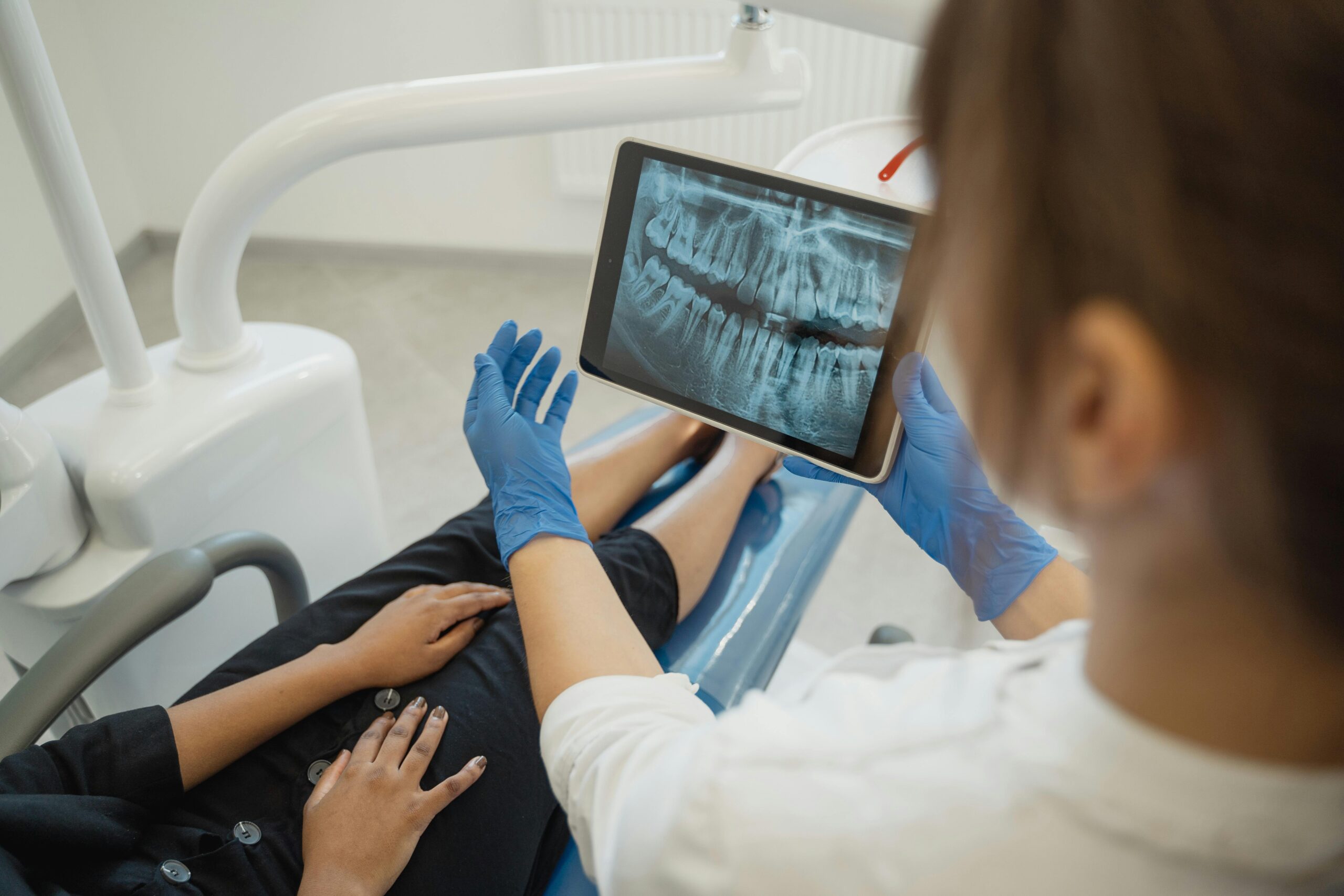
Radiographs are taken only when they are clinically appropriate to view bone levels, roots, and unerupted teeth. A panoramic image is common; focused bitewing or periapical images may be added for cavities or root details. Cone beam CT is reserved for specific needs, such as impacted teeth or complex root positions. We follow safety principles, using the lowest exposure that provides a clear answer.
Next, we translate findings into clear choices. If space is tight, we discuss strategies like gentle enamel slenderizing or arch development. If bite correction is needed, we review tools such as elastics or temporary anchorage devices. We can show how clear aligners or braces would approach your case, including the number of visits and how daily routines may change. You will also hear about retention, since keeping results stable is part of the plan from day one.
Finally, we map your start path. Some patients begin with a hygiene visit or small fillings to support healthy movement. Others schedule a scan for aligner fabrication or a bonding appointment for braces. We confirm check‑in intervals, comfort tips for the first week, and how to reach us if questions arise. This visit turns goals into a step‑by‑step plan for teeth straightening that fits your life. When treated early, guided alignment can support healthy growth and function.
Post-Treatment Care for Straightened Teeth
After active orthodontics, your plan shifts to retention. Retainers hold teeth in their new positions while bone and gums stabilize, and long-term night wear helps prevent drifting. Good retainer hygiene, periodic checks, and early attention to small shifts keep results steady.
Most people use a clear, removable retainer at first, then transition to night-only wear. Others benefit from a fixed lingual retainer bonded behind front teeth for continuous support. Each option has trade-offs. Removable retainers are easy to clean and replace, while fixed wires stay put but require careful flossing to keep gums healthy.
Care is simple but consistent. Rinse and brush your removable retainer with cool water and a soft brush; avoid hot water, which can warp plastic. Store it in a ventilated case, not a napkin or pocket. If you have a fixed retainer, use a floss threader or specialty floss to clean under the wire and around each contact. A small interdental brush can help reach tight spots.
A new graduate misplaces a retainer during a move. If your retainer feels tighter than usual, mild pressure often signals early shift; wear as directed and contact us if tightness persists or if the retainer no longer seats fully. Lost or cracked retainers should be replaced promptly to avoid relapse. Dogs love to chew clear trays, so keep them in the case whenever they are not in your mouth.
Comfort and protection matter too. If you clench or grind at night, we may discuss a protective night guard strategy that also maintains alignment. If you have a fixed retainer, we will check bonds and enamel around the wire at routine visits. Plan cleanings and exams at the usual cadence, and let us know about any gum irritation, calculus build-up around a fixed retainer, or a retainer that no longer fits. These small steps protect the time you invested in teeth straightening.
Coordinated follow-up helps your new smile stay stable and healthy.
Frequently Asked Questions
Here are quick answers to common questions people have about Teeth Straightening Options in Glendale, AZ.
- What is the role of attachments in clear aligner treatment?
Attachments in clear aligner treatment are small, tooth-colored bumps placed on teeth. They help the aligners grip the teeth more firmly, enabling the precise movements needed for alignment. These attachments can be essential for achieving certain movements, like rotations or shifts of specific teeth that are otherwise difficult to direct. They are carefully planned as part of your treatment to optimize the fit and effectiveness of the aligners.
- Can adults benefit from teeth straightening treatments?
Yes, adults can greatly benefit from teeth straightening. Besides an improved smile, adult orthodontic treatment can enhance chewing efficiency, reduce plaque build-up, and improve overall oral health. Teeth remain able to move at any age if they are supported by healthy gums and bone. Aligned teeth are generally easier to keep clean, which promotes better gum health and may simplify future dental procedures like crowns or implants.
- What factors should I consider when choosing between braces and aligners?
When choosing between braces and aligners, you should consider factors like the complexity of your bite, your lifestyle, and aesthetic preferences. Braces offer superior control for complex movements, whereas aligners provide a discreet option for those with flexible schedule needs. Consistency is crucial with aligners, as they work only when worn as directed. Your dentist will help match the right option to your goals and habits.
- Do retainers need to be worn after all types of teeth straightening treatments?
Yes, retainers are necessary after any teeth straightening treatment to maintain the new position of your teeth. Following active treatment, retainers help stabilize the bone and gums around your teeth. Retainers are typically worn full-time initially and then switched to night-time wear. They are crucial in preventing teeth from reverting to their previous positions, ensuring the lasting success of your treatment.
- How does orthodontic treatment affect oral health routines?
Orthodontic treatment requires an adapted oral health routine to maintain teeth and gum health. With braces, it’s important to brush effectively around brackets and wires to prevent plaque build-up. For aligners, trays should be cleaned with cool water, and you should brush before reinserting them to avoid trapping food particles. Consistent brushing and flossing help prevent decay and gum irritation, making regular check-ups with your dentist crucial during treatment.
- How long does it take to adjust to new orthodontic appliances?
Adjusting to orthodontic appliances like braces or aligners varies by individual. Initially, you may experience mild discomfort or soreness as your mouth adapts. For most, this adjustment period lasts a few days to a week. During this time, soft foods can help ease discomfort, and over-the-counter pain relief may be used if necessary. Speech adjustments with aligners are typically swift, and any irritation from braces generally lessens as the soft tissues adapt.
- What happens during an initial orthodontic consultation?
During an initial orthodontic consultation, your goals and health history are reviewed. A thorough examination of your teeth, bite, and gums is conducted. Necessary records, such as photos and digital scans, are taken to plan your treatment. The dentist will discuss your treatment options, outline steps, and provide an estimated timeline for achieving your desired outcome. This visit helps create a customized plan tailored to your orthodontic needs.
References
- [1] Evaluation of Aligners and Root Resorption: An Overview of Systematic Reviews. (2024) — PubMed:38610714 / DOI: 10.3390/jcm13071950
- [2] A comparison of the alterations of oral microbiome with fixed orthodontic therapy and clear aligners: a systematic review. (2025) — PubMed:39902218 / DOI: 10.1080/20002297.2024.2372751
- [3] Biochemical mediators during active and retentive phases of tooth movement in orthodontic patients-a scoping review. (2025) — PubMed:41334536 / DOI: 10.3389/froh.2025.1681304