
Snap-in Overdentures in Glendale, AZ
Improved fit, confidence & function
Free consultations include same-day CBCT scan, photography, & treatment planning.

Select From The Following Options to Learn More
What are Snap-in Overdentures?
Snap-in overdentures — also called implant-retained dentures or implant-supported overdentures — are a removable full-arch solution that connects securely to dental implants for improved stability, comfort, and chewing power compared to traditional dentures. Instead of resting directly on the gums, the denture “snaps” into place on small implant attachments, giving patients a confident, natural feel without the slipping or adhesive mess of conventional plates.
How They Work
Two to four implants are placed strategically in the jawbone to act as anchors. These implants fuse with the bone through a process called osseointegration, providing a solid foundation for the overdenture. The denture itself contains special locator attachments that click securely onto the implants. You can remove the denture for daily cleaning, but while in place, it feels stable enough to laugh, eat, and speak naturally.
Why Patients Choose Snap-In Overdentures
Many patients want better retention than a traditional denture but don’t necessarily want (or need) a permanently fixed full-arch bridge like All-on-4. Snap-in overdentures strike that perfect balance:
- Secure fit: No rocking, slipping, or adhesives.
- Improved chewing efficiency: Eat more of the foods you enjoy.
- Bone preservation: Implants stimulate bone and help prevent facial collapse.
- Easy maintenance: Removable for thorough cleaning and inspection.
- Cost-effective stability: Less expensive than a fixed full-arch bridge, yet far superior to a traditional denture.
A Modern Upgrade from Traditional Dentures
Conventional dentures often feel bulky and unstable because they rely solely on suction and soft-tissue support. Over time, bone loss beneath the gum ridge makes them looser and less comfortable. Snap-in overdentures overcome this by locking into implants that preserve bone and stabilize your bite. Patients often describe the change as “life-altering,” and describe a newfound ability to smile and eat without worry.
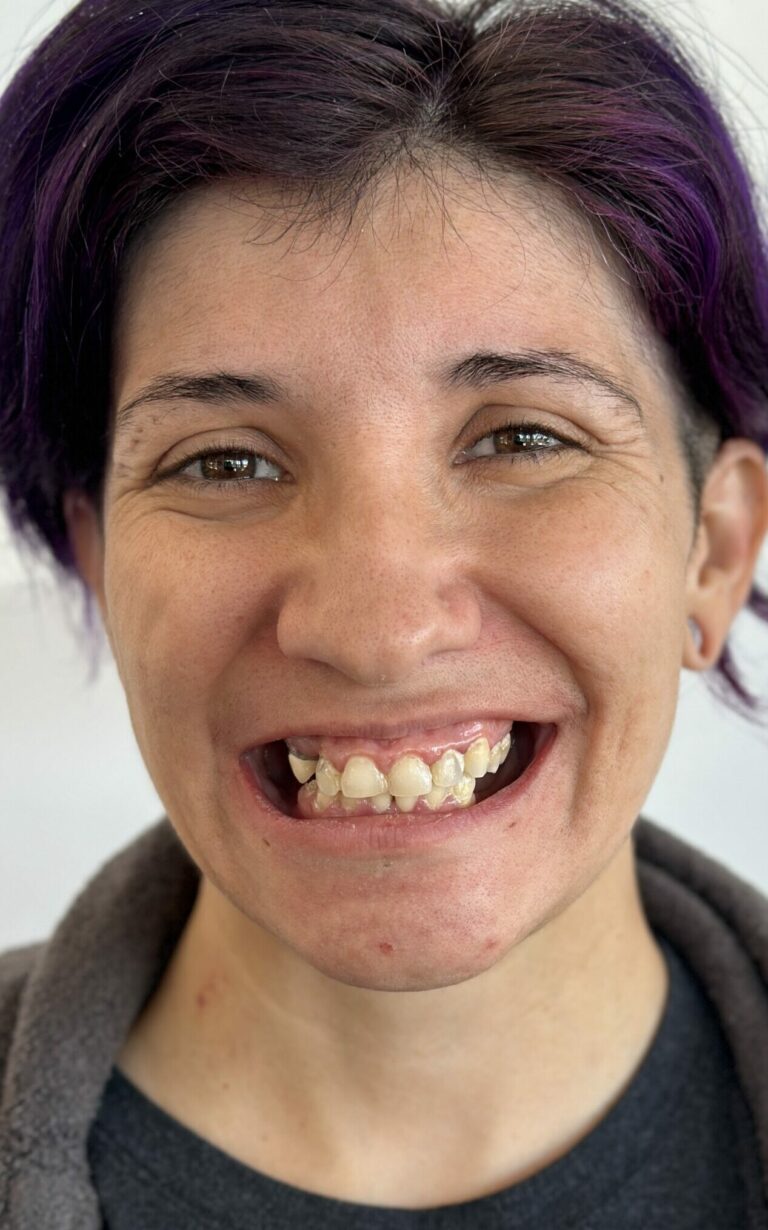
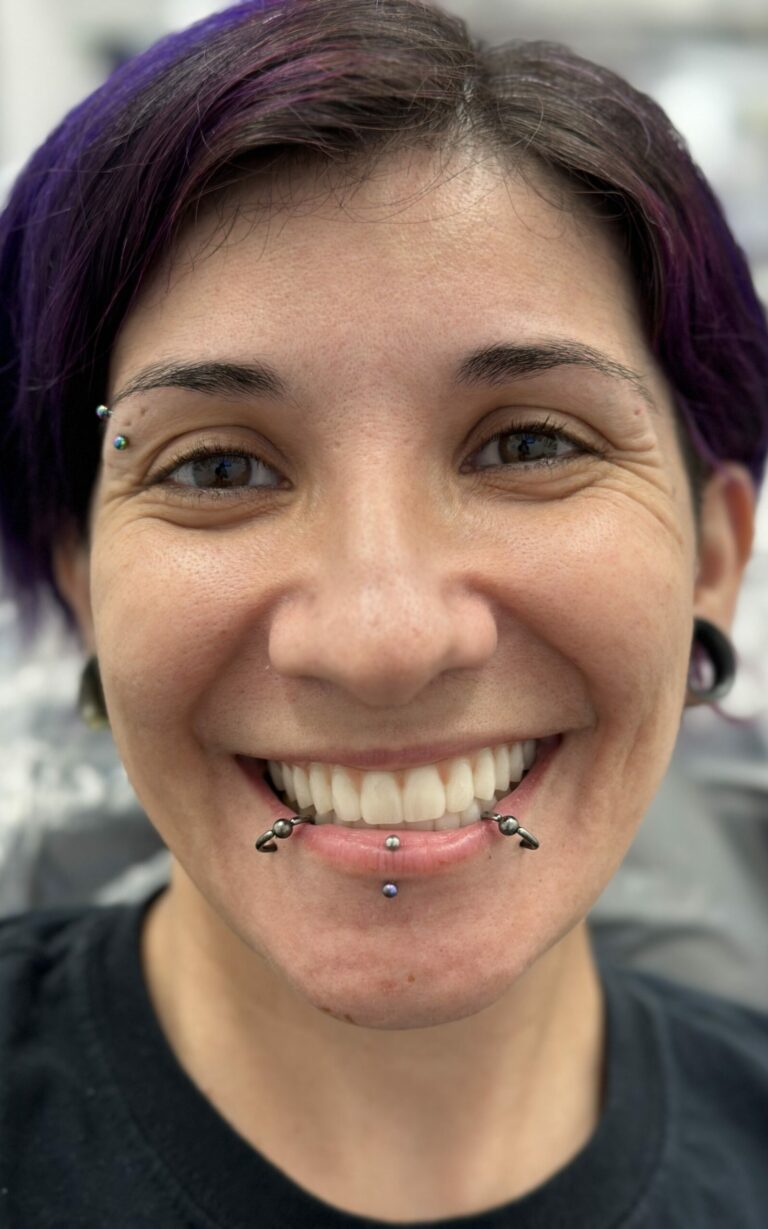
At Smile Science Dental Spa in Glendale, AZ, Dr. Richard Dawson and Dr. John Turke design custom snap-in overdenture systems using 3-D imaging and digital implant planning. Every case is tailored for long-term comfort, natural esthetics, and easy future maintenance. Some patients may elect to upgrade to a fully fixed All-on-4 or All-on-6 restoration if desired.
Why Choose Smile Science for Snap-In Overdentures
At Smile Science Dental Spa in Glendale, AZ, our snap-in overdentures are planned with precision, crafted for long-term comfort, and delivered in a setting designed to make your visit relaxing from start to finish. For patients seeking a stable, removable solution that restores confidence and chewing ability, our team blends advanced digital dentistry with a patient-first approach that makes every smile feel natural and secure.
- 3-D CBCT imaging and digital surgical guides for precise implant placement
- Sedation options including nitrous, oral, and IV sedation provided by our in-house anesthesiologists
- Custom locator and ball-attachment systems for secure, easy-to-maintain prosthetics
- Natural-looking prosthetic design engineered for balanced bite and lasting comfort
- Comprehensive warranty coverage for both implants and prosthesis with regular maintenance visits
- Doctor-led, transparent care. No rotating providers or corporate-style packages
- Flexible financing options through Cherry, Proceed, and CareCredit
Digital Planning & Surgical Precision
Each snap-in overdenture case begins with a 3-D CBCT scan and digital planning session. This technology allows Dr. Richard Dawson and Dr. John Turke to evaluate bone quality, bite alignment, and facial symmetry before a single implant is placed. Guided implant placement ensures optimal angulation, long-term stability, and a precise fit between the locator attachments and denture base.
For patients with limited bone volume, we often use angled or narrow implants to maximize support without the need for bone grafting.
Sedation & Comfort Options
Our spa-like environment is designed to make every visit relaxing. Patients enjoy heated leather chairs, weighted blankets, and noise-cancelling headphones, while the scent-free air system keeps the atmosphere fresh and calming.
For those who prefer deeper comfort, we offer nitrous oxide, oral conscious sedation, and IV sedation — all monitored by our in-house anesthesiologist, Dr. Roberts. Whether you need a single implant or a full arch of locator attachments, your experience is safe, comfortable, and stress-free.
Custom Prosthetics & Materials
Your overdenture is digitally designed to match your facial profile and bite mechanics. Using advanced CAD/CAM fabrication, we produce prosthetics that are lightweight, natural-looking, and built to last. Each prosthesis uses locator or ball-and-socket attachments engineered for secure retention yet easy daily removal and cleaning.
We also offer a range of esthetic options, from high-impact acrylic to reinforced hybrid bases, to achieve the ideal balance of strength, comfort, and beauty.
Long-Term Care & Warranty
Our relationship with patients doesn’t end at delivery. Routine hygiene visits, attachment checks, and reline assessments keep your overdenture fitting like new.
Smile Science Dental Spa provides a 10-year implant warranty and extended coverage for overdenture components when patients maintain recommended care schedules. This ensures every treatment remains functional, esthetic, and protected for years to come.
Personalized, Doctor-Led Care
Every case at Smile Science is overseen directly by our doctors — not corporate managers or rotating clinicians. You’ll work with the same team from consultation through delivery and maintenance, ensuring continuity and accountability at every step.
We focus on honest recommendations, transparent pricing, and long-term results, so your treatment plan always reflects what’s best for you — clinically and financially.
The best treatment depends on your bone anatomy, bite forces, medical history, and esthetic goals. We determine this with CBCT imaging and a full clinical assessment.
A stable, natural-feeling smile starts with a single visit.
How Snap-In Overdentures Work
Snap-in overdentures combine the stability of implants with the convenience of a removable prosthesis. At Smile Science Dental Spa, every case is digitally planned for precision and efficiency, allowing most patients to complete treatment with minimal discomfort and a predictable outcome.
Step 1
Consultation & 3-D Imaging
Your journey begins with a complimentary consultation and CBCT scan at our Glendale office. Dr. Dawson or Dr. Turke evaluates bone quality, bite alignment, and facial symmetry to determine the ideal number and placement of implants.
You’ll review digital visuals of your jaw structure and discuss whether a two-implant, four-implant, or bar-supported system best fits your needs and budget.
Step 2
Digital Planning & Implant Placement
Using your 3-D scan, we design a custom surgical guide that maps the exact implant positions for optimal support and retention. The procedure is completed under your preferred level of sedation — nitrous, oral, or IV — for a relaxed experience.
Most patients require two to four implants per arch, placed in about an hour. You can typically resume normal activity the next day.
Step 3
Healing & Osseointegration
Over the next three to six months, your implants naturally fuse to the jawbone through a process called osseointegration.
During this period, you may wear a temporary soft-liner denture so you can eat and smile comfortably while healing. Regular check-ups ensure the tissue and bone integrate as expected.
Step 4
Overdenture Fabrication & Attachment
Once healing is complete, we take new digital impressions to craft your final overdenture.
Locator or ball attachments are secured to the implants, and the denture is fitted with matching housings that “snap” precisely into place. The result is a prosthesis that feels solid when speaking or eating, yet removes easily for daily cleaning.
Step 5
Maintenance & Long-Term Care
Snap-in overdentures require simple maintenance — regular cleaning, periodic attachment replacements, and professional exams every six months.
Our team provides detailed hygiene instructions and ensures every component remains tight, functional, and comfortable. With proper care, your implants can last a lifetime, and attachments are easily refreshed as needed.
Step 1
Consultation & 3-D Imaging
Your journey begins with a complimentary consultation and CBCT scan at our Glendale office. Dr. Dawson or Dr. Turke evaluates bone quality, bite alignment, and facial symmetry to determine the ideal number and placement of implants.
You’ll review digital visuals of your jaw structure and discuss whether a two-implant, four-implant, or bar-supported system best fits your needs and budget.
Step 2
Digital Planning & Implant Placement
Using your 3-D scan, we design a custom surgical guide that maps the exact implant positions for optimal support and retention. The procedure is completed under your preferred level of sedation — nitrous, oral, or IV — for a relaxed experience.
Most patients require two to four implants per arch, placed in about an hour. You can typically resume normal activity the next day.
Step 3
Healing & Osseointegration
Over the next three to six months, your implants naturally fuse to the jawbone through a process called osseointegration.
During this period, you may wear a temporary soft-liner denture so you can eat and smile comfortably while healing. Regular check-ups ensure the tissue and bone integrate as expected.
Step 4
Overdenture Fabrication & Attachment
Once healing is complete, we take new digital impressions to craft your final overdenture.
Locator or ball attachments are secured to the implants, and the denture is fitted with matching housings that “snap” precisely into place. The result is a prosthesis that feels solid when speaking or eating, yet removes easily for daily cleaning.
Step 5
Maintenance & Long-Term Care
Snap-in overdentures require simple maintenance — regular cleaning, periodic attachment replacements, and professional exams every six months.
Our team provides detailed hygiene instructions and ensures every component remains tight, functional, and comfortable. With proper care, your implants can last a lifetime, and attachments are easily refreshed as needed.
Typical Treatment Timeline
| Stage | Description | Approx. Duration |
|---|---|---|
| Consultation & 3-D Scan | Evaluation, imaging, and treatment planning | 30–60 minutes |
| Implant Placement | 2–4 implants placed with digital guide | 1–2 hours |
| Healing Period | Osseointegration and tissue maturation | 3–6 months |
| Overdenture Delivery | Final prosthesis with locator attachments | 1 visit |
| Maintenance Visits | Routine check-ups and attachment replacement | Every 6 months |
Begin your journey toward a confident, stable smile. Schedule your free 3-D scan and consultation at Smile Science Dental Spa today.
Am I a Candidate For Snap-in Overdentures?
Snap-in overdentures are an excellent solution for patients seeking a secure, removable alternative to traditional dentures. They’re especially well-suited for individuals who want improved comfort and function but prefer a prosthesis they can remove for cleaning and maintenance.
Ideal Candidates
- Currently wear a traditional full denture but struggle with looseness or poor retention.
- Have multiple missing or failing teeth and are ready for a stable, full-arch replacement.
- Have adequate bone density in the front part of the jaw to support two to four implants per arch.
- Prefer a treatment that’s more affordable than fixed full-arch options like All-on-4 or All-on-6.
- Desire a solution that’s easy to clean, comfortable, and non-invasive to maintain.
- Are in good general and oral health, with controlled medical conditions such as diabetes or hypertension.
When Additional Planning May Be Needed
In some cases, patients may require bone grafting or tissue contouring to ensure optimal implant support and prosthetic fit. These are usually minor, in-office procedures that enhance long-term stability and esthetics.
Even if you’ve been told you’re not a candidate for implants in the past, modern techniques like angled or narrow-diameter implants often make treatment possible.
Who Might Not Be a Candidate
Snap-in overdentures may not be suitable for patients who:
- Have uncontrolled systemic conditions (e.g., poorly controlled diabetes or autoimmune disease).
- Smoke heavily or are unwilling to stop during healing.
- Have severe bone loss and are not candidates for implant placement, even with grafting.
- Are looking for a permanent, non-removable restoration (these patients are better suited for All-on-4® or All-on-6).
Find Out in One Visit
Most patients can be evaluated for snap-in overdentures in a single appointment. Using a 3-D CBCT scan, our doctors assess bone quality, spacing, and facial proportions to create a treatment plan that matches your anatomy and goals.
You’ll leave with a clear understanding of your options, including costs, timeline, and whether you qualify for a same-day implant placement approach.
Not sure if snap-in overdentures are right for you? Schedule your free consultation and 3-D scan at Smile Science Dental Spa in Glendale, AZ, and find out in one easy visit.
Benefits & Differences vs Other Options
Snap-in overdentures bridge the gap between traditional dentures and permanently fixed full-arch implants like All-on-4® and All-on-6. They offer far greater stability than a conventional denture yet remain removable for easy cleaning and maintenance. Many patients choose this treatment because it provides strong functional improvement at a more affordable cost.
| Feature | Traditional Denture | Snap-In Overdenture | All-on-4® / All-on-6 |
|---|---|---|---|
| Implants per Arch | 0 | 2–4 (typically) | 4–6 |
| Retention Type | Suction / Adhesive | Implant-retained (locator or ball attachments) | Fixed, screw-retained bridge |
| Removability | Removable | Removable | Fixed / non-removable |
| Chewing Power | ~20–25% of natural teeth | ~60–80% of natural teeth | ~90–100% of natural teeth |
| Bone Preservation | None | Moderate | High |
| Maintenance | Frequent relines / adhesives | Simple attachment replacement | Routine hygiene visits |
| Typical Cost per Arch | $1,500–$3,000 | $5,995+ | $10,999–$14,999+ |
| Ideal For | Budget replacement | Improved comfort & retention | Long-term fixed solution |
Choosing the Right Option for You
If you currently wear a loose denture or are losing multiple teeth, a snap-in overdenture can restore confidence quickly without the longer treatment time or cost of a fixed full-arch bridge.
Patients who want the most natural feel possible or who never want to remove their teeth may be better suited for All-on-4® or All-on-6. During your consultation, we’ll review your bone density, bite, and aesthetic goals to recommend the best fit: functionally, financially, and cosmetically.
The Smile Science Advantage
At Smile Science Dental Spa, you won’t get a one-size-fits-all solution. Our doctors plan every case using 3-D CBCT imaging and digital implant mapping, ensuring each prosthesis matches your anatomy and expectations precisely. Whether you choose a snap-in overdenture or a fixed bridge, your treatment is designed for long-term comfort, esthetics, and bone preservation.
Affordable Financing Options
At Smile Science Dental Spa, we believe every patient deserves a secure, confident smile, without financial stress. Our snap-in overdenture treatments are designed to provide exceptional value, offering implant-retained stability at a fraction of the cost of fixed full-arch bridges.
| Treatment Type | Implants per Arch | Retention Type | Typical Local Price | Our Price |
|---|---|---|---|---|
| Traditional Denture | 0 | Suction / Adhesive | $1,500–$3,000 | Ranges from $999 to $3,500 |
| Snap-In Overdenture | 2–4 | Locator / Ball Attachments | $8,000–$12,000 | $5,995+ per arch |
| All-on-4 Fixed Bridge | 4 | Fixed, Screw-Retained | $20,000–$25,000 | $10,999+ per arch |
| All-on-6 Fixed Bridge | 6 | Fixed, Screw-Retained | $25,000–$30,000 | $14,999+ per arch |
Pricing reflects complete treatment with implant placement, prosthetic design, and delivery. Actual costs vary depending on bone condition, implant number, and materials selected.
Flexible Payment Options
We partner with Cherry, Sunbit, Proceed Finance, and CareCredit to make treatment accessible for every budget. Many patients qualify for low-interest or zero-interest monthly payments, allowing them to begin treatment immediately and pay over time.
We also accept dental insurance benefits toward applicable portions of treatment (such as extractions or prosthetic components) and can submit pre-authorizations on your behalf.
Our Other Lending Partners



Real Patients. Real Results.
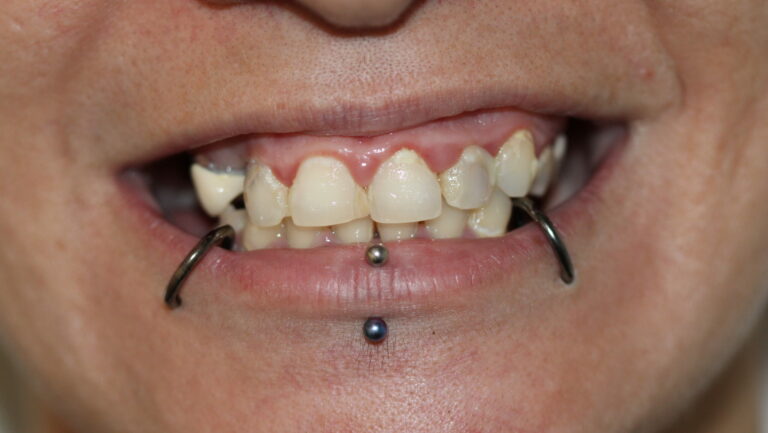
Before-and-after photos of actual Smile Science patients
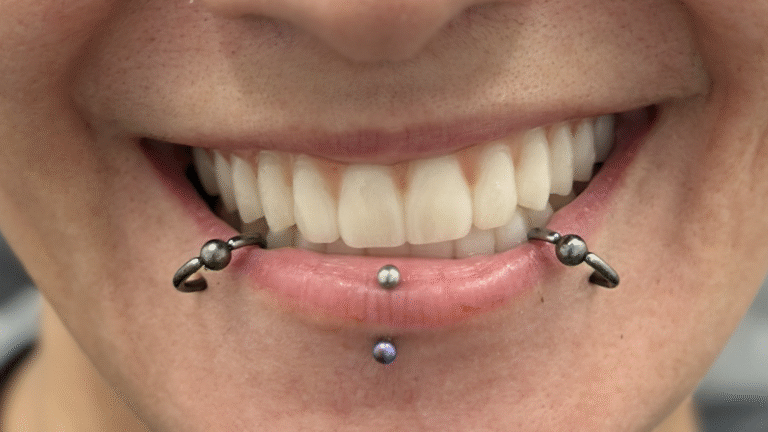
All-on-4® with monolithic zirconia upper and lower.
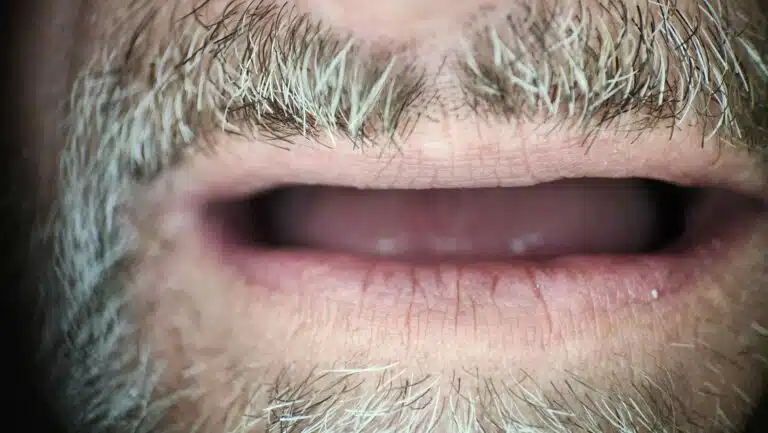
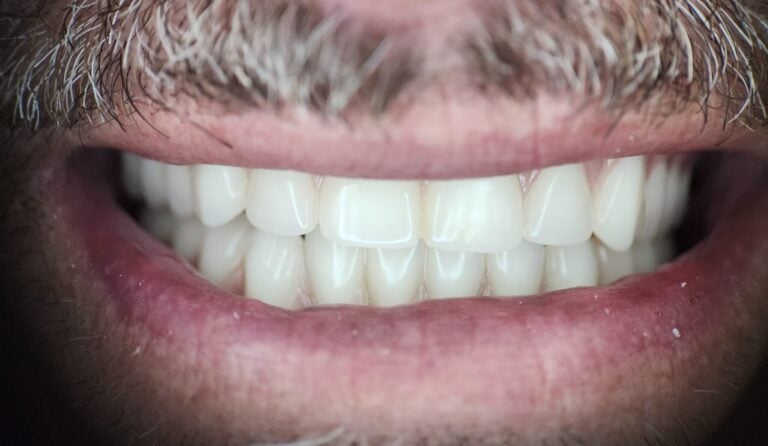
Snap-in acrylic implant overdentures.
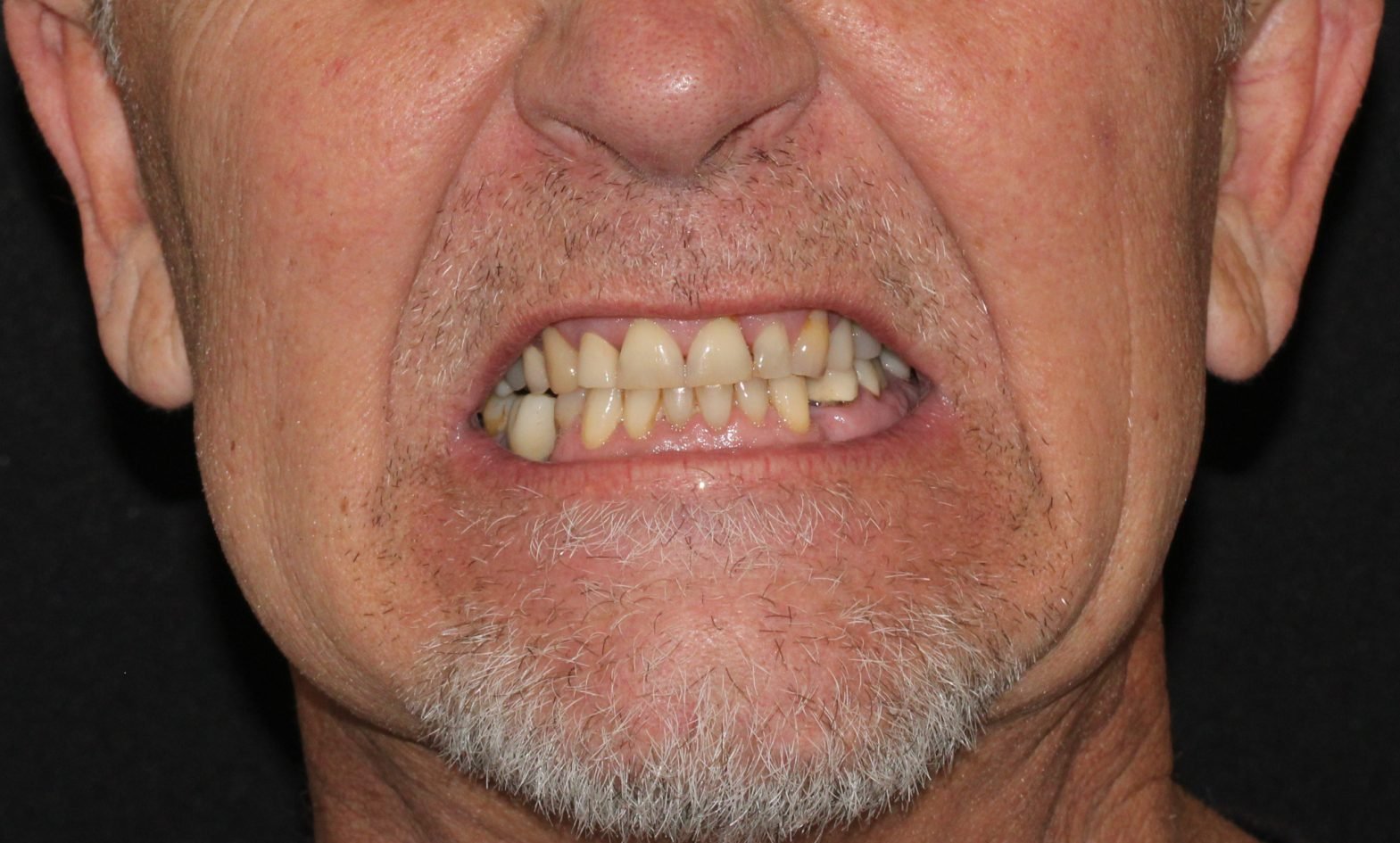
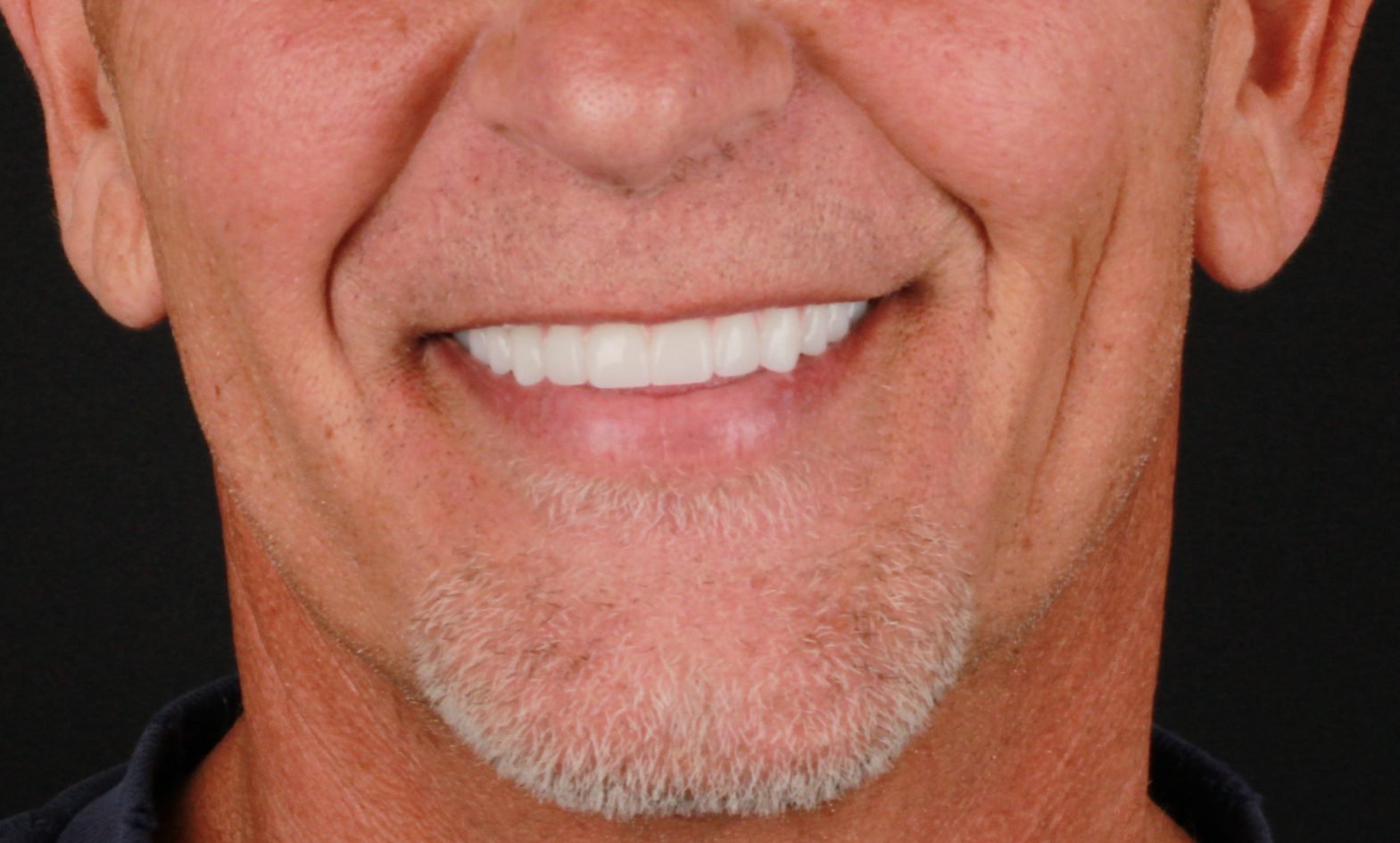
All-on-4® with monolithic zirconia upper and lower.
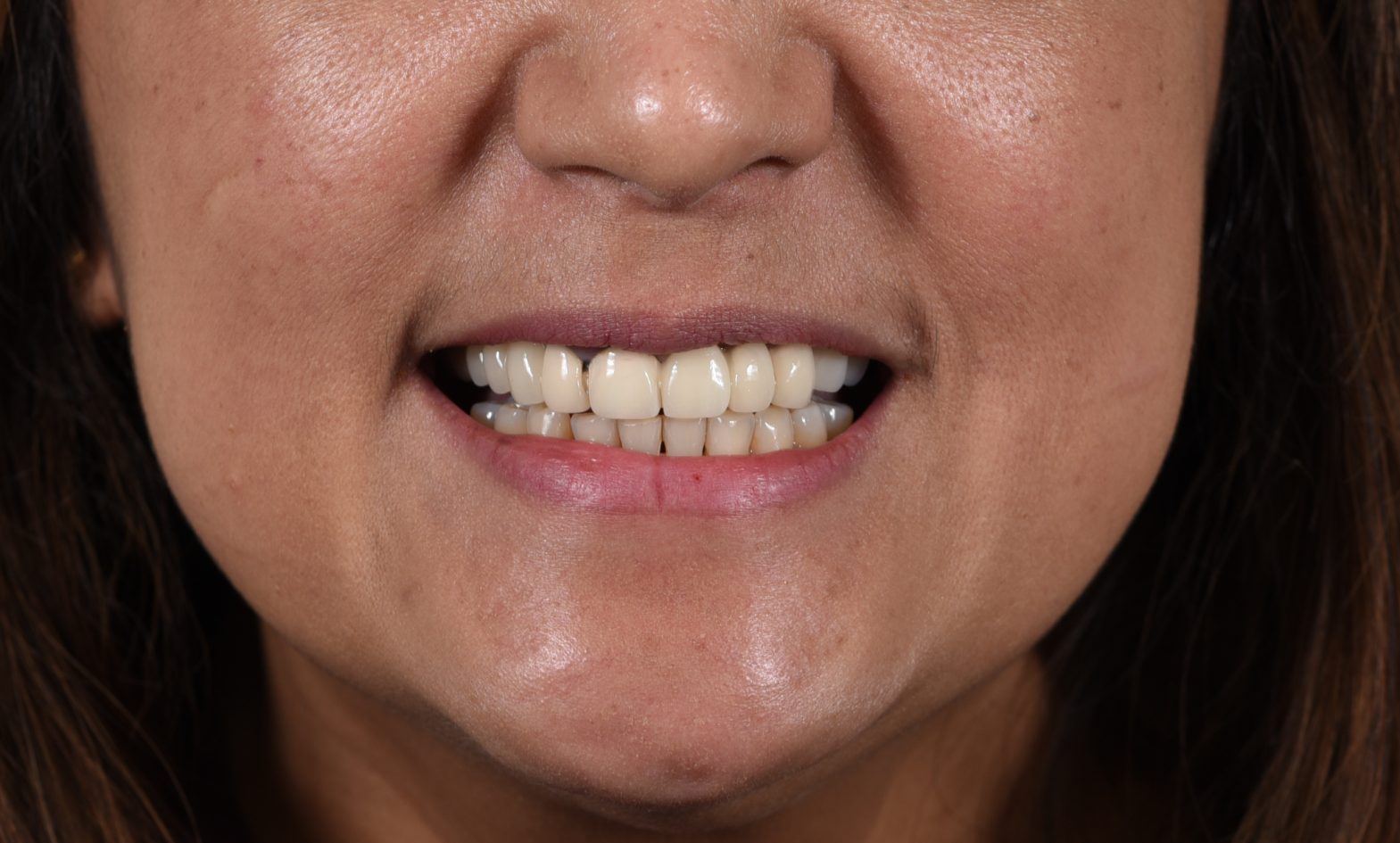
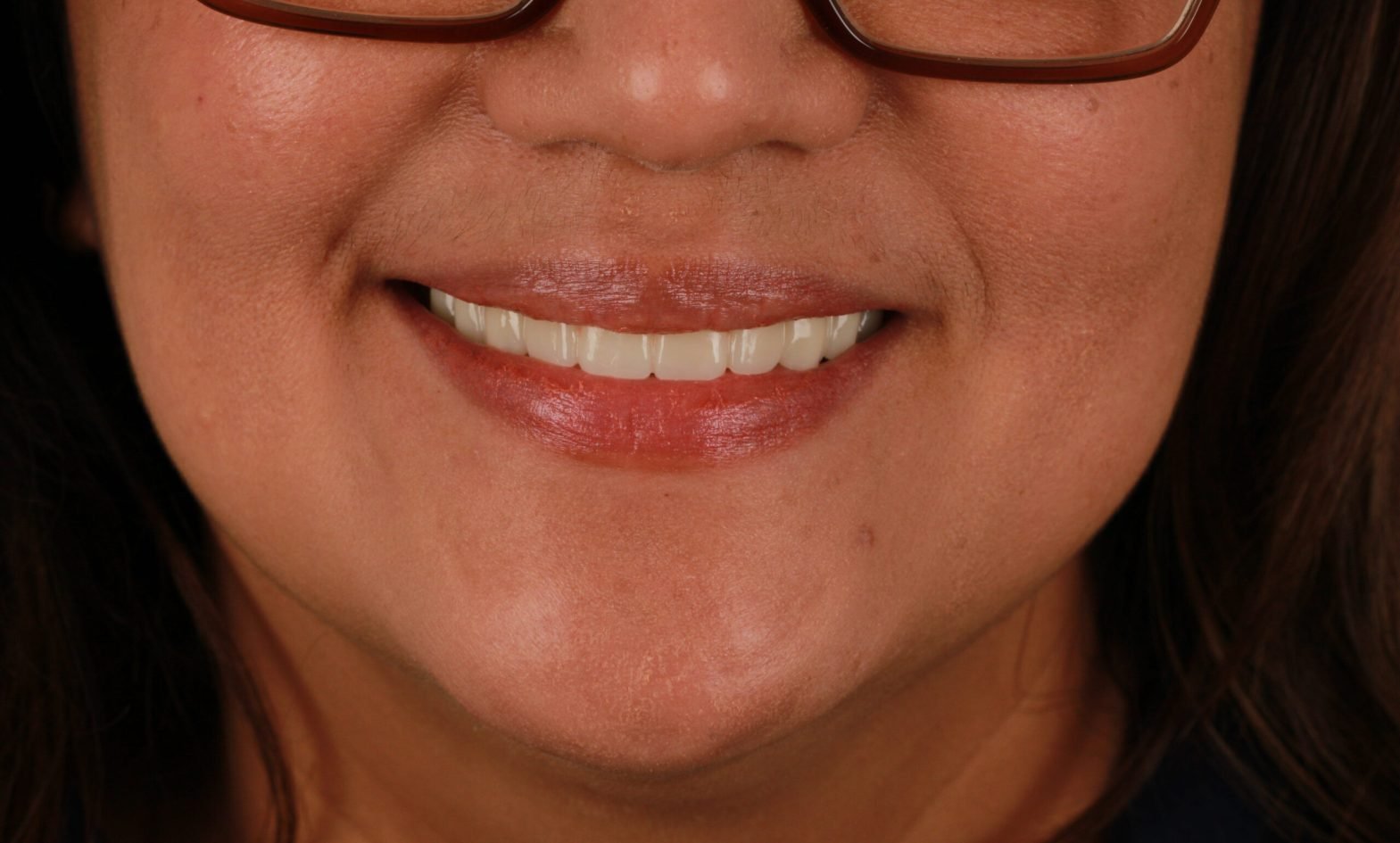
All-on-4® with monolithic zirconia upper prosthesis.
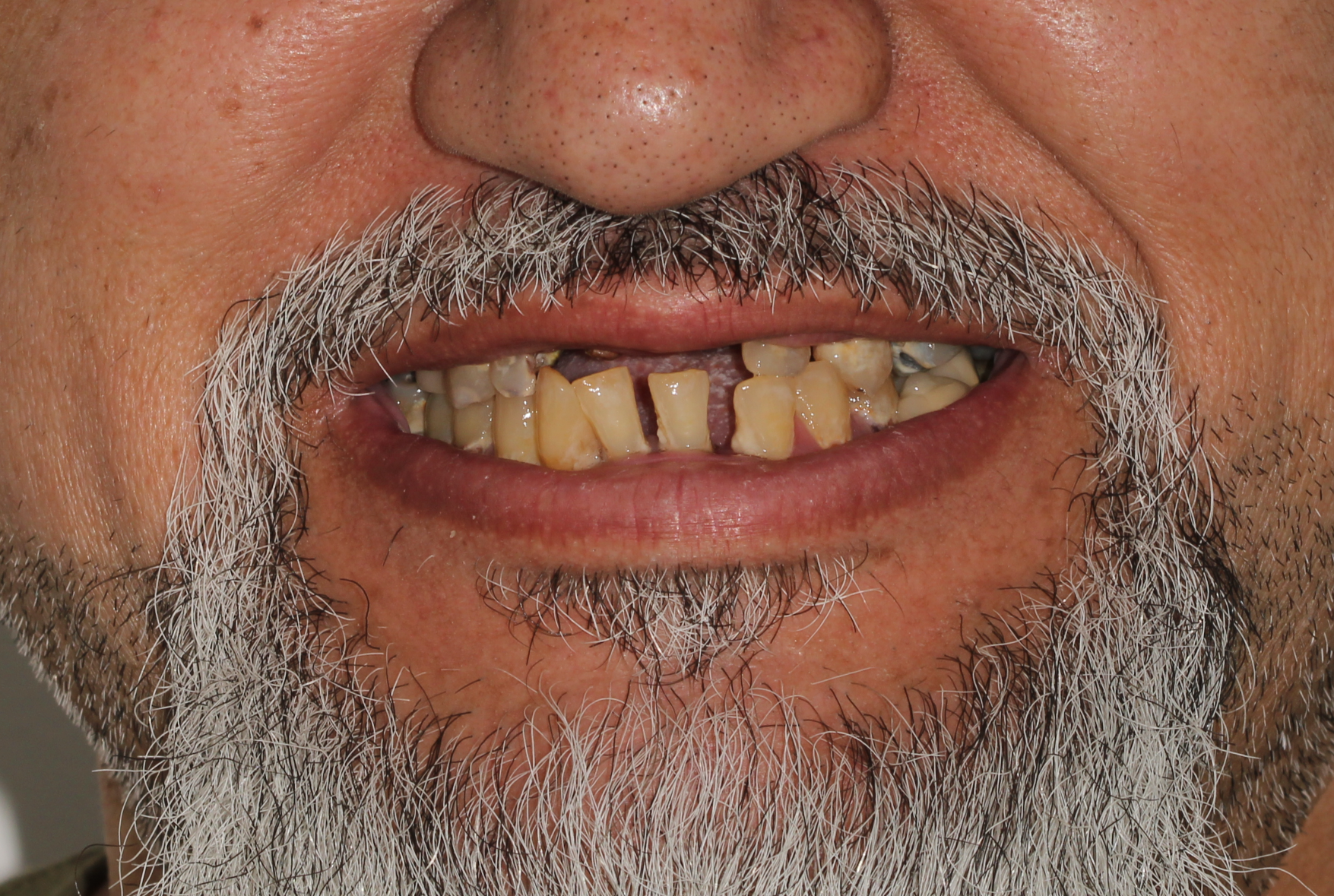
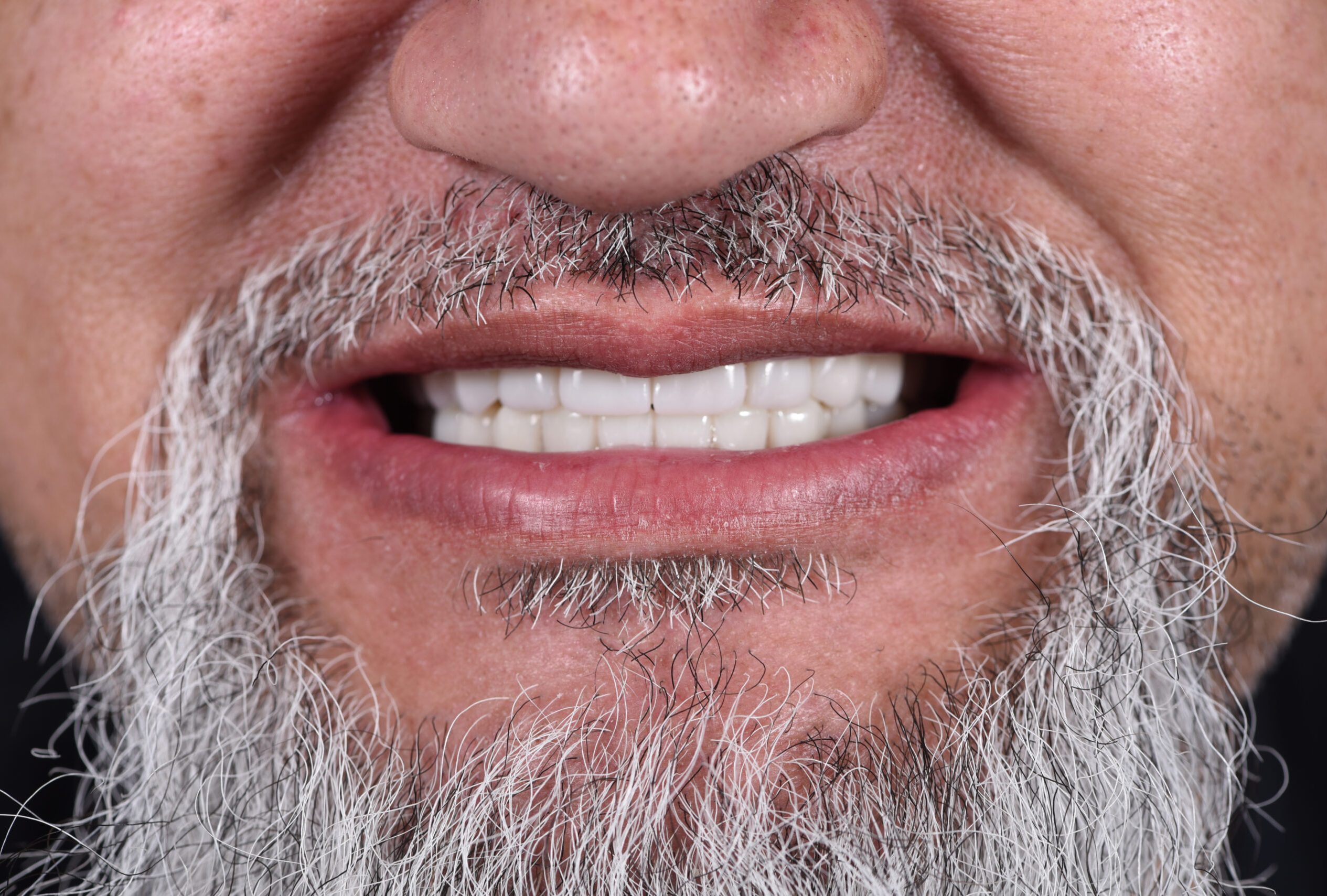
All-on-6 with zygomatic and pterygoid implants with zirconia on titanium.
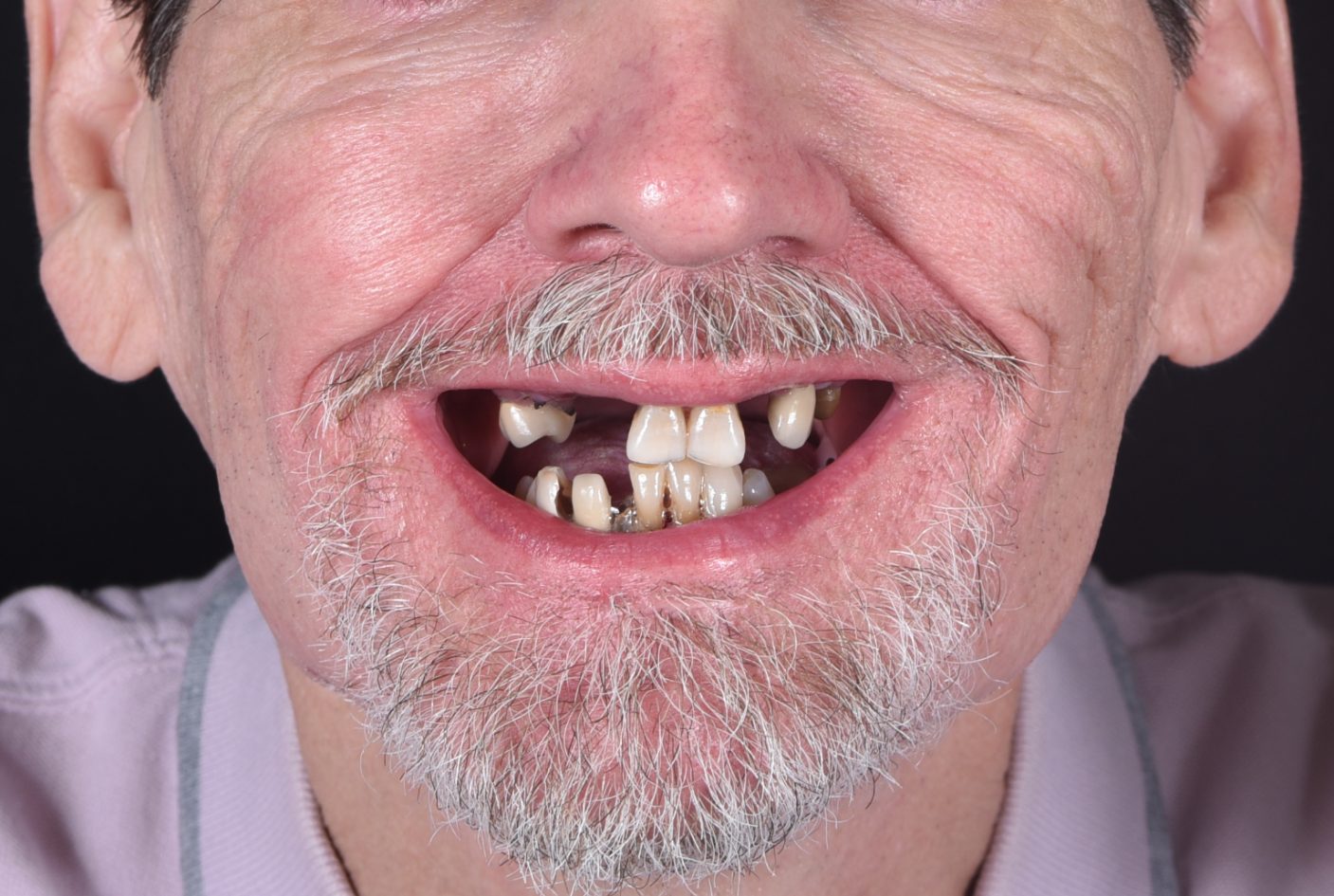
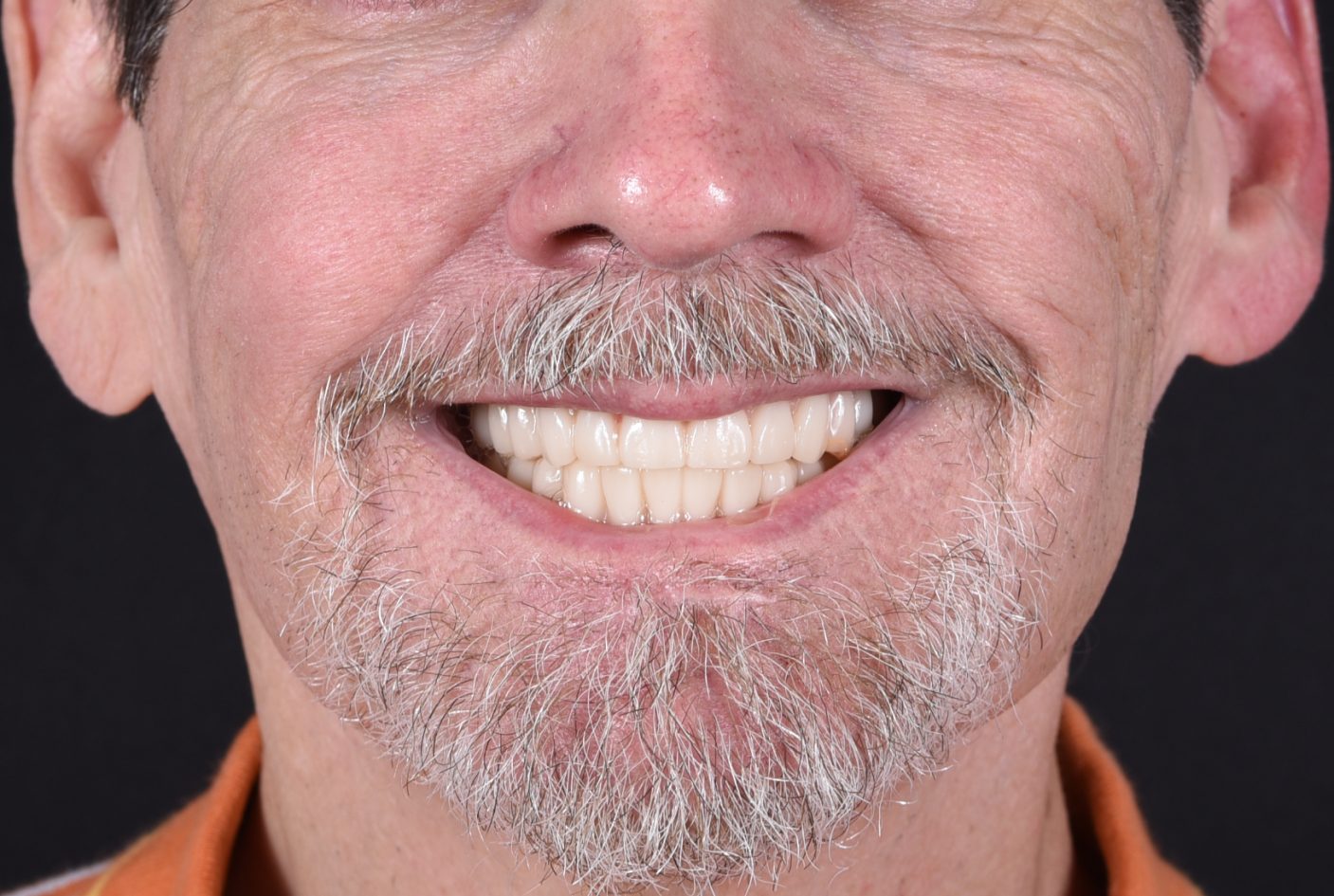
All-on-6 with zygomatic and pterygoid implants upper, all-on-4® lower, with monolithic zirconia.
See What Our Patients are Saying
4.9 ★ (350+ reviews)
Frequently Asked Questions
How many implants do I need for a snap-in overdenture?
Most patients need two to four implants per arch for excellent stability. Two implants often suffice for a lower overdenture, while four provide better retention and even bite distribution for an upper arch.
Are snap-in dentures the same as implant dentures?
They’re a type of implant-retained denture, meaning the denture attaches to implants rather than relying on suction or adhesives. The key difference is that snap-in dentures remain removable, while fixed implant bridges like All-on-4 are permanently anchored.
All-on-4® vs All-on-6 — which is better for me?
In many cases, yes. If your current denture fits well and is in good condition, it can often be retrofitted with locator housings to attach to new implants. We’ll evaluate your denture’s fit and design at your consultation to see if conversion makes sense or if a new prosthesis is recommended.
How long does the treatment take?
From implant placement to final overdenture delivery, most treatments take about three to six months — allowing time for the implants to fully integrate with your bone. Some patients qualify for a same-day conversion depending on bone density and primary stability.
Will I be without teeth during healing?
No. You’ll wear a temporary denture while your implants heal. It’s adjusted for comfort and esthetics so you can eat, speak, and smile confidently throughout the process.
How do I clean snap-in dentures?
Remove your overdenture daily, rinse thoroughly, and brush it with a soft denture brush. Clean the implant attachments gently with a soft toothbrush and non-abrasive toothpaste. Our team will show you the best products and techniques for long-term maintenance.
How often will I need maintenance?
Typically, you’ll visit every six months for hygiene and attachment checks. Locator inserts or o-rings wear over time and are usually replaced once a year to maintain optimal retention.
What is the difference between snap-in and permanent (fixed) implants?
Snap-ins are removable, cost less, and are easier to maintain. Fixed full-arch bridges like All-on-4 and All-on-6 are non-removable, provide a higher bite force, and feel closest to natural teeth — but come at a higher investment.
Are snap-in overdentures covered by insurance?
Most dental plans don’t fully cover implants, but some may contribute toward extractions, dentures, or certain components. Our team can submit pre-authorizations and help maximize your benefits before you begin treatment.
How long do snap-in overdentures last?
With proper care, the implants themselves can last decades or even a lifetime. The overdenture typically lasts 5–10 years before replacement or relining, and attachment inserts are replaced periodically as part of routine maintenance.
Glossary & Terms
The connector piece placed on top of an implant. For snap-in overdentures, this is typically a locator or ball abutment that the denture attaches to.
A durable, lightweight plastic material commonly used to fabricate overdenture bases. High-impact acrylic resists fracture and provides natural esthetics.
An implant placed at a controlled angle to maximize available bone and avoid anatomical structures. Often used when vertical bone height is limited, reducing the need for grafting.
A metal insert embedded in the denture that “snaps” onto the implant abutment. These housings contain small retention inserts that provide the locking mechanism.
A type of implant connection shaped like a small ball. The overdenture contains a corresponding socket that clicks onto this ball for secure retention.
An alternative design where a metal bar connects multiple implants. The overdenture clips onto the bar for added stability. Often used when greater retention or support is needed.
A procedure that adds or regenerates bone in areas with insufficient volume for implants. Often performed with particulate grafts or membranes to support future implant placement.
A 3-D imaging scan that shows bone structure, nerves, and anatomy with high accuracy. Essential for planning implant placement.
The extension of a denture that overlaps the gums and creates stability, support, and proper lip/facial contour. Removable overdentures typically include a full flange; fixed bridges do not.
A non-removable implant-supported restoration combining a metal substructure with acrylic or composite teeth. Used in All-on-4/6, not snap-ins, but often mentioned when discussing upgrade options.
A protocol where implants and a temporary prosthesis are delivered on the same day. Common for All-on-4/6; possible in select overdenture cases depending on primary stability.
A removable denture that attaches to implants rather than depending on suction or adhesive. “Snap-in overdenture” is the most common type.
A low-profile implant abutment system designed specifically for overdentures. It uses replaceable retention inserts to control tightness and snap strength.
A replaceable nylon or rubber component that sits inside the attachment housing. These inserts wear naturally and are swapped out periodically to maintain proper retention.
Scheduled checks and professional cleanings to protect implants and bridge.
A strong internal metal base used in some prostheses to add strength and prevent fracture. Hybrid bridges often use titanium frameworks.
A replaceable nylon or rubber insert inside the denture housing. These wear over time and are replaced periodically to maintain proper retention.
The natural process where an implant fuses to the surrounding bone. This provides long-term stability for the overdenture.
A removable prosthesis supported by implants or natural teeth. In this context, it refers to a denture that snaps onto implant abutments.
The initial mechanical stability of an implant at the time of placement. Higher stability sometimes allows same-day attachment of a denture.
How biting and chewing forces are spread across implants. More implants can reduce stress on individual implants and components over time.
The mechanical stability of an implant at the time of placement. Required for same-day fixed provisionals to be safely attached.
A procedure that adjusts the inner surface of a denture to improve fit after bone or tissue changes.
A cushioning material added to the inside of a temporary denture during healing for comfort while implants integrate.
Minor reshaping or smoothing of the gums to improve denture fit, esthetics, or hygiene access during overdenture or implant treatment.
The portion of the denture supported by the gums. Even with implants, snap-in overdentures still rely partly on soft-tissue support.
A medical-grade metal implant placed in the jawbone. Titanium is the gold standard due to its biocompatibility, strength, and ability to integrate with bone.
A measurement in Newton centimeters (Ncm) used to assess implant stability at placement. Higher torque often indicates readiness for immediate or early loading.
A ceramic material used for implants or fixed bridges. Zirconia is tooth-colored and metal-free, used primarily for fixed prosthetics rather than snap-ins.
Medical Review & Evidence
-
Author: Richard Dawson, DMD
- Medically Reviewed by: Dr. Richard Dawson, DMD
- Last Updated: November 13, 2025
- 12:51 pm
The patient education on this page is aligned with current literature on implant-retained overdentures, attachment systems, and long-term implant maintenance. Key references:
Feine JS, Carlsson GE, Awad MA, et al. The McGill consensus statement on overdentures. Mandibular two-implant overdentures as first choice standard of care for edentulous patients. Gerodontology. 2002.
PubMed. https://pubmed.ncbi.nlm.nih.gov/12164236/
Thomason JM, Feine JS, Exley C, et al. Mandibular two implant-supported overdentures as the first choice standard of care for edentulous patients: the York Consensus Statement. Br Dent J. 2009.
PubMed. https://pubmed.ncbi.nlm.nih.gov/19696851/
Sutariya PV, Shah HM, Patel SD, et al. Mandibular implant-supported overdenture: A systematic review and meta-analysis for optimum selection of attachment system. J Indian Prosthodont Soc. 2021.
PubMed. https://pubmed.ncbi.nlm.nih.gov/34810359/
Open Access. https://www.ncbi.nlm.nih.gov/pmc/articles/PMC8617439/
Zhou H, Song YL, Wu Y, et al. Clinical outcomes of implant-retained mandibular overdentures using the bar and magnetic attachment systems: an up to 5-year retrospective study. Ann Transl Med. 2020.
PubMed. https://pubmed.ncbi.nlm.nih.gov/33313105/
Open Access. https://www.ncbi.nlm.nih.gov/pmc/articles/PMC7723526/
Guédat C, Nagy U, Schimmel M, Müller F, Srinivasan M. Clinical performance of LOCATOR® attachments: a retrospective study with 1–8 years of follow-up. Clin Exp Dent Res. 2018.
PubMed. https://pubmed.ncbi.nlm.nih.gov/30238027/
Open Access. https://www.ncbi.nlm.nih.gov/pmc/articles/PMC6115879/
Araújo TG, Moreira CS, Neme RAF, Bertolini MM. Long-term Implant Maintenance: A Systematic Review of Home and Professional Care Strategies in Supportive Implant Therapy. Braz Dent J. 2024.
PubMed. https://pubmed.ncbi.nlm.nih.gov/39476119/
Open Access. https://www.ncbi.nlm.nih.gov/pmc/articles/PMC11506129/
American Academy of Implant Dentistry — Dental Implant Resources for Patients.
AAID. https://aaid-implant.org/dental-implant-resources/
This content was reviewed by licensed dentists to ensure accuracy and alignment with current implant dentistry literature.
A confident smile starts with a single consultation.
Our Implant Warranty
Real Protection, Not Hype
You’ve probably seen other implant centers advertising “lifetime warranties.” The reality is that those promises often sound better than they actually are. Dental implants can last many years, but they are medical devices that require ongoing care, and no one can guarantee a prosthesis for life.
We prefer to be clear and honest with you up front.
| What's Covered | How Long | What it Means | Your Part |
|---|---|---|---|
|
Implant Fixture (the titanium implant in bone) |
10 years | If the implant fails under normal use, we will replace the fixture. | Regular hygiene visits, good home care, proper nightguard use, no nicotine use, and follow your maintenance plan. |
|
Prosthetic Restoration
(bridge, full arch, or crown) |
5 years | Covers fractures or failures under normal use. We’ll repair or replace as needed. | Routine scheduled checks, report issues early, wear a night guard as prescribed. |
| Surgical Complications | 3 years | If a fixture fails early despite proper healing, we’ll replace it at no fee. | Follow post-op instructions and attend follow-up appointments. |
Why we don’t say “lifetime warranty”
- No dental prosthesis lasts forever without maintenance.
- Most “lifetime” promises exclude common causes of failure.
- If a clinic is sold or closes, those warranties typically disappear.
- Because trust matters. We believe being honest and transparent with our patients is the foundation of a long-term relationship built on real care, not marketing tactics.
Our approach
- Clear coverage and responsibilities.
- No hidden fine print.
- The same high standard of care years after treatment.
Bottom Line
You deserve a warranty that’s clear, not just clever wording. We choose transparency over marketing gimmicks, so you know exactly what’s covered, how long it’s covered, and what’s expected to keep it valid. Our patients trust us because we make straightforward promises and keep them.