
Overview of Smoking and Oral Health
Smoking affects your mouth from the gums to the bone. It raises the risk of gum disease, tooth decay, tooth loss, and oral cancer, and it slows healing after dental work. It also causes stubborn stains and persistent bad breath. These effects can build quietly over time.
After a morning cigarette, gums look pale and breath feels dry. Here is what happens in the mouth:
- Blood vessels constrict, so inflamed gums may not bleed, and disease advances quietly.
- Immune defenses drop, and harmful bacteria thrive along the gumline.
- Saliva flow falls, acids and sugars linger, and cavities form more easily.
- Smoke irritants inflame tissues, increasing ulcers and precancerous changes.
- Stain builds quickly, tartar hardens faster, and cleanings become more challenging.
- Wounds and implant sites heal slower, with a higher chance of complications.
Because blood flow and immune response are reduced, periodontal pockets deepen and jawbone can shrink around teeth. That is why smokers often need more frequent cleanings and focused gum therapy. If you are considering implants or grafting, your dentist may recommend a quit plan before treatment to improve outcomes. The link between smoking and teeth is clear, support tissues weaken while decay risk climbs.
For scheduling or updates, please check our current hours.
Small daily steps help. Brush twice, clean between teeth, use fluoride, drink water often, and keep regular checkups. If mouth dryness is an issue, see our guide to dry mouth treatments. Changes today lower risks and make future dental care safer and more predictable. Collaborative care between dental and medical teams helps sustain long-term wellness.
How Smoking Affects Teeth
Smoking discolors teeth, increases cavity risk on exposed roots, and can compromise how teeth heal after procedures. It also alters the mouth’s chemistry, which affects the way plaque sticks to enamel and how the pulp and supporting structures respond. In short, smoking and teeth do not mix well.
You sip coffee after a cigarette, and a dark film clings to teeth. Smoke pigments bind to the tooth’s pellicle and into tiny enamel pores, creating stains that brushing cannot remove. Heat and chemicals roughen surfaces, which helps plaque adhere and makes new stain collect faster. The oral environment also shifts toward oxidative stress, reducing the saliva and tissue defenses that normally protect enamel and dentin [1]. If stain is a concern, see our overview of in-office whitening options.
At the gumline, recession exposes softer root surfaces. These areas are more vulnerable to acids and sugars, so decay can start quickly in smokers. When decay reaches the pulp, treatment outcomes matter. Evidence shows smokers have higher odds of persistent radiolucent periapical lesions after root canal therapy, which means healing around the root tip is less predictable [2].
Tooth stability depends on healthy gums and bone. Research indicates that even electronic cigarette users tend to show worse periodontal measures, signaling that nicotine and aerosol components can harm the support around teeth [3]. Loss of support makes teeth loosen over time, increasing the chance of fracture or loss in high-bite-force areas.
Exposure affects families too. Children who are around secondhand smoke have a higher risk of early childhood cavities, highlighting how smoke changes the oral environment even without direct use [4]. Understanding these mechanisms helps tailor care, from choosing the right cleanings and fluoride strategy to planning restorative or endodontic treatment that accounts for slower healing.
Small changes add up, and timely care helps protect tooth structure for the long term. Prompt evaluation supports steadier oral health and stronger teeth.
The Link Between Tobacco and Teeth
Tobacco harms teeth and the tissues that hold them in place. It raises the chance of gum infection, root decay, tooth loss, and slower healing after dental work. Smokeless tobacco can trigger gum recession where it sits, and white patches may appear in irritated areas. In short, the link between smoking and teeth is damage to defense systems that protect your mouth.
A teenager uses chewing tobacco during games and notices gum recession. Tobacco chemicals shift the mouth’s bacteria toward species that favor cavities and gum disease. Fibers that anchor gums to teeth do not repair as well, so attachment can break down. With smokeless products, local irritation plus pressure often makes the gums pull back, exposing sensitive root surfaces. These changes can progress quietly, so regular exams matter.
Nicotine also alters bone cell activity, which can reduce the support around teeth over time. Around dental implants, tobacco use is linked with more inflammation and complications, so peri‑implant care needs extra attention. Dry mouth is common in users, and less saliva means acids linger longer on enamel and exposed roots. Taste can dull, and mouth sores may take longer to resolve. Understanding these patterns helps your dentist tailor cleanings, fluoride plans, and timing for any surgical care.
Quitting lowers risk as tissues recover, and even cutting exposure can help your gums respond better to treatment. If you want to see how gum problems progress, review our guide to the stages of gum disease. Coordinated care often leads to healthier gums and more comfortable chewing.
Understanding Smoker’s Breath
Smoker’s breath is a persistent odor caused by smoke residues, dry mouth, and odor‑producing bacteria. Chemicals from tobacco cling to the tongue and soft tissues, while reduced saliva lets smells linger. Gum disease, cavities, and sinus issues can add to the odor. Addressing the source, not just masking it, makes the biggest difference.
You finish a cigarette and notice a stale taste before a meeting. Smoke particles absorb into the porous surface of the tongue and cheeks, creating a film that traps smells. Nicotine lowers saliva, so food debris and volatile sulfur compounds are not washed away. Low oxygen in plaque favors bacteria that release sulfur odors, especially on the tongue’s back surface. Many people also lose some sense of smell, so the problem can be hard to self‑detect.
The mouth and nose are connected, so sinus congestion, post‑nasal drip, or reflux can intensify odors that smoking already amplifies. Periodontal pockets and decayed teeth can harbor anaerobic bacteria that magnify bad breath. Because of this, evaluation often includes a gum assessment, cavity check, and a close look at tongue coating. Removing the tongue biofilm, cleaning between teeth, and steady hydration reduce odor compounds. Sugar‑free gum can stimulate saliva; alcohol‑free rinses are gentler on dry tissues. Some patients also explore targeted rinses for halitosis, as outlined in our guide to OraCare for Halitosis.
Short‑term mints or sprays may mask smells briefly, but lasting freshness comes from fixing the causes. A tailored plan often blends tongue care, professional cleanings, and treatment of any gum infection or decay. This is also where the link between smoking and teeth becomes clear, since healthier tissues hold fewer odor‑producing bacteria. Prompt evaluation supports fresher breath and healthier gums.
Compare in-office and take-home options that fit your smile goals.
Brighter, predictable whitening.
Smoking and Gum Disease Risks
Smoking raises both the chance and the speed of gum disease. It weakens your immune response, masks warning signs like bleeding, and allows deeper pockets to form. Studies show smokers and many vapers face higher risk and faster progression of periodontitis compared with nonusers [5][6].
You chew and notice tender gums, but there is little bleeding. Nicotine narrows blood vessels, so inflamed gums may look pale. White blood cells do not work as well, and the bacterial mix shifts toward more harmful species. Over time, attachment around teeth breaks down, pockets deepen, and bone support is lost. Smoking is also linked with more gingival recession, which exposes sensitive roots and makes teeth look longer [7].
These changes affect care plans. Nonsurgical periodontal therapy can still help, but smokers often see slower tissue recovery. Surgical procedures that aim to cover exposed roots tend to have lower success in people who smoke, which is important when planning grafting or cosmetic coverage [8]. While some switch to electronic cigarettes, current evidence suggests vaping is not harmless for gums and may still worsen periodontal measures [6].
Watch for signs such as persistent bad taste, puffy or receding gums, or teeth that feel looser when chewing. Regular periodontal evaluations and cleanings help track pocket depths and bone levels, and a quit plan can improve how your gums respond to treatment. For practical steps to manage bleeding at the sink, explore our guide on what to do about bleeding gums. Understanding the link between smoking and teeth helps you choose habits that protect your smile. Early care helps preserve gum support.
Staining Teeth from Smoking
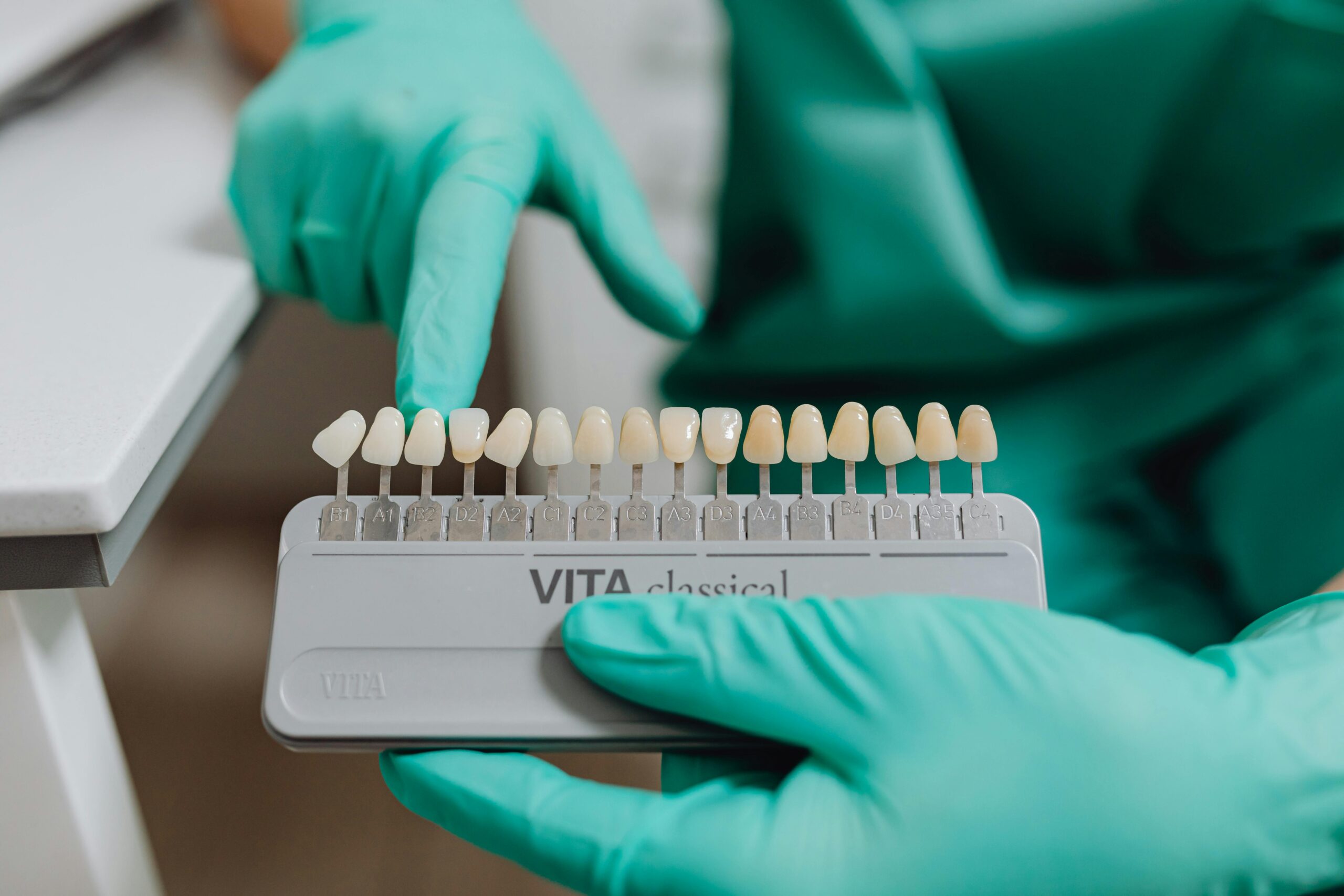
Smoking causes noticeable tooth discoloration. Dark tars and nicotine attach to tooth surfaces, creating yellow to brown stains that brushing alone often cannot remove. Stain builds fastest near the gumline and in tiny surface grooves, and it can return quickly after cleanings if smoking continues.
You glance in the mirror and see brown lines near the gumline. Smoke chemicals latch onto the thin protein film that naturally coats teeth, then seep into microscopic enamel pores. Heat and dryness reduce saliva, so pigments and food chromogens linger longer. Calculus forms more quickly in smokers, and that rough, porous mineral traps new stain. Roots, fillings, and small cracks pick up color even faster than enamel, so shade looks uneven from tooth to tooth.
Stain types matter. Most smoker’s discoloration is extrinsic, sitting on or just within the surface layers, so professional polishing can help. Over time, pigments can diffuse deeper and create intrinsic discoloration that needs bleaching to lighten. Coffee, tea, and red wine stick more readily to smoke‑roughened surfaces, so daily habits can speed shade changes. Short, gentle brushing with a soft brush and fluoride paste helps smooth the pellicle; hard scrubbing or gritty powders can scratch enamel and exposed roots, which makes future stain collect faster.
Care plans focus on removal and prevention. Regular hygiene visits clear calculus and surface pigments. Whitening treatments oxidize deeper chromogens, but expect faster restaining if smoking continues. If you are comparing at‑home options, see how whitening strips fit into your plan. Rinsing with water after smoking, spacing stains between beverages, and thorough nightly cleaning reduce buildup. These steps clarify the connection between smoking and teeth, and they support steadier color results over time. Consistent, simple habits help your smile look cleaner and feel better.
Impact of Smoking on Gum Health
Smoking harms gum health by weakening the body’s defenses and slowing tissue repair. It changes blood flow and immune function in the gums, so inflammation can progress with fewer obvious signs. Over time, attachment fibers and bone can break down, and pockets deepen around teeth.
During brushing, the gum edge looks rolled and shiny. Nicotine and smoke toxins narrow small blood vessels in the gums, which limits oxygen and nutrients. Immune cells do not clear bacteria as effectively, and fibroblasts make less healthy collagen. Plaque becomes stickier at the gumline, calculus builds faster, and low-oxygen pockets favor harmful bacteria. These changes make inflammation more stubborn and healing less predictable.
The clinical picture often includes puffy margins, tender spots, and recession that exposes sensitive roots. Because bleeding may be reduced, disease can stay hidden until deeper damage occurs. This is why tailored home care and steady professional maintenance matter. Gentle brushing twice daily, cleaning between teeth, and alcohol-free rinses support the gums without adding dryness. Hydration helps saliva buffer acids and wash away debris, which also supports gum repair.
Treatment plans adjust for smokers. Nonsurgical therapy can still reduce bacteria and inflammation, but progress may be slower, and supportive periodontal care is often scheduled more frequently. For any surgical gum care, pausing smoking around the procedure improves comfort and recovery. If you want a clear picture of preventive visits, see what happens during a professional cleaning. Understanding the connection between smoking and teeth helps you choose habits that calm gum inflammation. When treated early, healthier gums can protect teeth for years.
Steps to Quit Smoking for Healthy Teeth
Quitting starts with a clear plan that addresses triggers, nicotine, and daily routines. Set a quit date, prep your environment, and arrange support. Coordinate with your dentist and a medical clinician so your gums, saliva, and comfort improve as cravings fade.
Begin by naming your top reasons tied to your mouth, like fresher breath and easier cleanings. Choose a quit day within two weeks, tell a few supporters, and remove cigarettes, lighters, and ashtrays. Build a small “mouth kit” for the first weeks: a water bottle, sugar‑free gum, a travel brush, and fluoride toothpaste. Change the first morning cue that sparks smoking, such as taking a short walk after coffee. You wake up planning not to smoke, but the 10 a.m. break tempts you.
Use a simple craving plan. Delay for a few minutes, take slow breaths, sip water, and do something with your hands. Many people use nicotine replacement or prescription aids; your clinician can help choose and time these safely. Pair them with brief counseling or a support app, since skills plus medication improve success. Keep your mouth active with sugar‑free gum to stimulate saliva, which also helps rinse acids from teeth.
Link quitting with oral care gains. Schedule a professional cleaning near your quit date to remove stain and tartar that hold smoke odors. Ask about extra cavity protection, such as in‑office fluoride or a high‑fluoride paste if appropriate. At home, brush gently twice daily, clean between teeth every night, and keep water nearby to reduce dryness. If a slip happens, reset quickly, review what triggered it, and return to the plan the same day.
As nicotine leaves, blood flow and healing improve, so gum therapy and routine care tend to work better. These steps also weaken the connection between smoking and teeth problems, making future dental visits simpler and more comfortable. A steady plan, plus support, makes quitting more doable. Small wins today protect your smile for years.
Long-Term Effects of Smoking on Oral Health
Over years, smoking increases deep gum infection, jawbone loss, and the chance of losing teeth. It also raises the risk of oral lesions that need monitoring, and healing after dental procedures can be slower and less predictable. Taste changes, persistent dryness, and root decay become more common with time. These patterns reflect cumulative tissue damage, not just surface stain.
Damage builds quietly as the support around teeth thins. Blood supply to the gums stays reduced, repair cells work less effectively, and harmful bacteria thrive below the gumline. A decade of daily smoking leaves gums receded and teeth shifting. These shifts make pockets harder to clean and allow decay to start on exposed roots. Over long spans, this combination can lead to mobility and tooth loss.
Cancer screening also matters. Epidemiologic reviews report substantial oral disease risks associated with cigarette smoking, including oral cancers, which underscores the value of regular exams and early biopsy of suspicious spots [9]. While some switch to non‑combustible products, evidence suggests electronic cigarettes still alter oral biofilms and microbiota in ways that may support gum problems over time [10]. For people who already have missing teeth, choosing how to replace them affects chewing, speech, and bone changes in the jaw; if you are weighing choices, see our overview of implants vs dentures.
Care plans adapt to these long‑range effects. Your dentist may recommend shorter hygiene intervals, targeted fluoride for root surfaces, and close gum tracking with measured pocket depths and periodic X‑rays. If surgery or grafting is needed, pausing tobacco around the procedure often improves comfort and outcomes. Over time, the connection between smoking and teeth health becomes obvious in daily function, from steadier chewing to fewer urgent visits when inflammation is controlled. Coordinated care often leads to clearer days and calmer nights.
Improving Oral Health After Quitting Smoking
Quitting helps your mouth heal. Blood flow improves, saliva increases, and inflammation becomes easier to control. Stain builds more slowly, breath smells fresher, and dental treatments tend to work better. For smoking and teeth, the benefits start early and build.
Two weeks after quitting, your gums look pinker at the sink. As nicotine leaves, tiny vessels open and tissues receive more oxygen. Saliva rebounds, which buffers acids, clears debris, and helps enamel repair early wear. With better tissue defenses, plaque is easier to disrupt and tartar forms more slowly. This creates a friendlier environment for gum repair and cavity prevention.
Gum therapy also responds more predictably after cessation. Evidence shows former smokers experience better periodontal outcomes than current smokers, with improvements in measures like probing depth and attachment over time [11]. Your dentist may stage care to take advantage of this window: a thorough cleaning, a 4–6 week recheck to measure pocket changes, and then tailored maintenance. Some people notice more bleeding at first; as circulation returns, this is a cue to refine technique, not a setback.
Simple habits accelerate recovery. Drink water often, brush twice daily with fluoride, and clean between teeth every night. Add tongue cleaning to reduce odor compounds, and ask about extra fluoride if roots are exposed. Staying quit is the foundation. Nicotine replacement options, when used correctly and paired with support, increase quit success and make day‑to‑day oral gains more sustainable [12]. As healing continues, color looks brighter between visits, breath feels cleaner, and gums handle chewing with less tenderness. Joint care between dental and medical teams helps sustain long-term wellness.
Frequently Asked Questions
Here are quick answers to common questions people have about Smoking and Oral Health: What You Should Know in Glendale, AZ.
- How does smoking impact the chance of tooth decay?
Smoking increases the risk of tooth decay by limiting saliva production and altering mouth chemistry. Saliva helps wash away sugars and acids that can form cavities. When you smoke, less saliva means these harmful substances linger longer on your teeth. Additionally, the gums may recede, exposing softer root surfaces that are more prone to decay. Regular dental checkups and diligent oral hygiene are crucial for smokers to help mitigate these effects.
- What changes occur in the mouth immediately after smoking?
Immediately after smoking, you may notice your gums looking pale and your breath feeling dry. This happens because smoking constricts blood vessels, reducing blood flow to the gums. As a result, inflamed gums might not bleed easily even if gum disease is present. Smoking also decreases saliva, allowing acids and sugars to linger, and causes smoke irritants to inflame oral tissues. These conditions can quietly advance oral issues over time.
- Why does smoking lead to more challenging dental cleanings?
Smoking makes dental cleanings more challenging due to rapid stain buildup and the faster hardening of tartar. Nicotine and tars from smoke create stubborn stains that adhere tightly to the teeth. This roughened surface makes it easier for plaque and new stains to accumulate. Hence, it requires more effort to remove during professional cleanings. Regular appointments help manage these conditions and maintain oral health despite smoking.
- Can secondhand smoke affect children’s oral health?
Yes, secondhand smoke can significantly impact children’s oral health. Children exposed to smoke environments have an increased risk of developing early childhood cavities. Smoke alters the oral environment, and these changes can harm even those who do not smoke directly. It’s important to keep smoke-free environments for children to support their optimal oral development and health.
- How does quitting smoking benefit oral health over time?
Quitting smoking benefits oral health in many ways over time. Blood flow to the gums improves, increasing oxygen and nutrients needed for tissue repair. Saliva production also recovers, helping protect teeth from decay. Gum health usually improves, reducing the likelihood of periodontal disease. Dental treatments become more effective as healing response strengthens. Overall, quitting fosters a healthier oral environment with fewer issues related to staining and odor.
- Why are smokers more at risk for gum disease?
Smokers are at a higher risk for gum disease because smoking weakens the immune response and alters blood flow in gums. These changes mean inflammation can occur without the usual signs like bleeding, allowing gum disease to progress silently. Over time, the structure supporting the teeth breaks down, leading to deeper pockets, gum recession, and potential tooth loss. Immediate smoking cessation and proper oral care can help control these risks.
- How can smokers reduce the risk of oral health issues?
Smokers can reduce the risk of oral health issues by adopting protective oral care practices. This includes brushing twice daily with fluoride toothpaste, flossing to clean between teeth, and regular dental checkups for professional cleanings. Addressing dry mouth with sugar-free gum or saliva substitutes can also help. Stopping smoking altogether provides the most significant benefit, improving gum health and decreasing risks of decay and oral cancer.
- What should smokers know about tooth whitenings?
Smokers considering tooth whitening should be aware that smoking can quickly restain teeth, impacting the longevity of the treatment. It’s essential to manage expectations and understand that stains tend to return faster if smoking persists. Regular cleanings help keep stains under control, while professional whitening treatments effectively address deeper discoloration. For insights on available whitening strategies, explore our guide to in-office whitening options.
References
- [1] Ethanol- and Cigarette Smoke-Related Alternations in Oral Redox Homeostasis. (2021) — PubMed:35153810 / DOI: 10.3389/fphys.2021.793028
- [2] Smoking and Radiolucent Periapical Lesions in Root Filled Teeth: Systematic Review and Meta-Analysis. (2020) — PubMed:33138302 / DOI: 10.3390/jcm9113506
- [3] The impact of electronic cigarette use on periodontitis and periodontal outcomes: a systematic review and meta-analysis. (2024) — PubMed:39385155 / DOI: 10.1186/s12903-024-05018-7
- [4] Passive smoking and early childhood caries: when adult addiction affects children’s oral health. (2024) — PubMed:38273113 / DOI: 10.1038/s41432-024-00980-1
- [5] The Impact of Cigarette Smoking and Vaping Use on the Development and Progression of Periodontitis: A Systematic Review. (2025) — PubMed:40959186 / DOI: 10.1002/hsr2.71245
- [6] The impact of e-cigarette use on periodontal health: a systematic review and meta-analysis. (2025) — PubMed:39948158 / DOI: 10.1038/s41432-025-01119-6
- [7] Systematic review and meta-analysis on prevalence and risk factors for gingival recession. (2025) — PubMed:39988303 / DOI: 10.1016/j.jdent.2025.105645
- [8] The influence of tobacco smoking on the outcomes achieved by root coverage procedures: An updated systematic review. (2025) — PubMed:39138953 / DOI: 10.1111/jerd.13296
- [9] Comparative disease risks associated with cigarette smoking and use of moist smokeless tobacco and snus: an umbrella review of epidemiological evidence from the United States and Western Europe. (2025) — PubMed:41184935 / DOI: 10.1186/s12889-025-23280-4
- [10] An Umbrella Review of E-Cigarettes’ Impact on Oral Microbiota and Biofilm Buildup. (2025) — PubMed:40559585 / DOI: 10.3390/pathogens14060578
- [11] Impact of Smoking Cessation on Periodontitis: A Systematic Review and Meta-analysis of Prospective Longitudinal Observational and Interventional Studies. (2019) — PubMed:30011036 / DOI: 10.1093/ntr/nty147
- [12] Different doses, durations and modes of delivery of nicotine replacement therapy for smoking cessation. (2019) — PubMed:30997928 / DOI: 10.1002/14651858.CD013308