

What is a Smile Makeover?
A smile makeover is a personalized plan to improve how your teeth and gums look, and often how they function. It can combine several treatments or focus on just one, depending on your goals. Your dentist designs the plan after evaluating your teeth, gums, bite, and facial features.
You avoid photos because a chipped front tooth bothers you. That is a common reason people ask about a smile makeover. The process starts with a thorough exam, photos, and X‑rays, then a conversation about your priorities, timeline, and comfort level. Sometimes digital previews or temporary mockups help you see potential changes. For a broader look at choices, you can explore cosmetic dentistry options.
Common elements may include:
- Teeth whitening to brighten overall shade
- Dental bonding to repair chips and small gaps
- Porcelain veneers to refine shape and color
- Crowns for strength and aesthetics when teeth are weakened
- Orthodontic aligners to straighten and improve bite
- Gum contouring to adjust uneven gumlines
Health comes first. Any decay, gum disease, or bite problems are treated before cosmetic steps. Planning also considers sequence. Whitening usually comes before shade‑matched restorations. Aligners may come before veneers to keep tooth reshaping as conservative as possible. Throughout, your dentist balances appearance, tooth structure preservation, and durability.
What matters most to you guides the design. Bring a few example photos, note what you like about your current smile, and share habits like grinding or clenching. These details help tailor materials and steps to your day‑to‑day life. Collaborative planning between you and your dental team supports long-term results.
Benefits of a Smile Makeover
A smile makeover can enhance appearance and support function at the same time. By harmonizing tooth color, shape, alignment, and gumline, it creates a balanced, natural look. It may also improve chewing comfort and help protect worn or cracked teeth from further damage.
Brighter, even color can make the whole face look refreshed. Correcting chips, closing small gaps, and smoothing asymmetries helps teeth share biting forces more evenly, which can reduce edge chipping. When teeth are straighter, there are fewer plaque traps, so daily cleaning is simpler and gums are easier to keep healthy. In some situations, restoring a weakened tooth with a well-sealed crown adds strength and helps prevent fractures. Because cosmetic and functional goals overlap, one plan can address both.
A small gap closed, you smile easily at a job interview. Thoughtful planning aims to preserve as much natural tooth as possible while meeting your goals. Digital previews, shade mapping, and provisional restorations can help you see and feel proposed changes before they are final. If you are comparing options for changing tooth shape and color, you can learn how porcelain veneers are used. Before you visit, check our current hours.
Benefits continue with good habits. Aligned, smooth surfaces are easier to clean, which supports long-term gum health. Night guards can protect new edges if you clench or grind. Regular checkups and touchups, like periodic whitening, help maintain the look you chose. Clear goals, conservative steps, and routine care work together to keep results looking natural.
As you weigh choices, focus on what matters most to you, then build the plan around that. Thoughtful planning supports lasting confidence and oral health.
Smile Makeover Options Available
Several paths can refresh your smile. Options range from color changes to tooth reshaping, alignment, and gumline refinement. The right mix depends on your goals, oral health, and how much change you want. Common choices include whitening, bonding, veneers, crowns, clear aligners, minor gum contouring, and replacing missing teeth when needed.
Each option solves a different problem. Whitening targets overall shade. Bonding can repair chips and tiny gaps with tooth‑colored resin. Veneers and crowns change shape and color more comprehensively, which helps when teeth are worn or dark from within. Clear aligners move teeth into better positions, improving symmetry and bite relationships. For missing teeth, your plan may also consider bridges or implant‑based solutions.
Because choices overlap, your dentist will match tools to priorities. Small edge repairs often suit bonding; moderate color and shape changes may lean toward veneers; significant structural damage may call for crowns. Before a reunion, a patient asks to even edges and brighten color. In that case, limited bonding plus whitening might meet the deadline with minimal tooth alteration. To see how a conservative option works, you can learn about composite bonding.
Durability and maintenance also differ. Bonding is conservative and repairable, yet can pick up stains faster than porcelain, so touchups may be needed. Ceramic restorations resist staining well, and when properly planned, they can blend translucency and texture for a natural look. Aligners require daily wear and later retainers to keep positions stable. Gum contouring focuses on balance around the teeth and typically heals quickly when limited in scope.
As you weigh your smile makeover, list the top three things you want to change, your timeline, and any habits like grinding. This helps tailor materials, number of visits, and sequence to your life. Thoughtful collaboration helps results look and feel natural over time.
Creating Your Custom Cosmetic Plan
Your plan starts with clear goals, then a careful look at teeth, gums, and bite. We map the steps, materials, and timeline that fit your priorities. The result is a phased roadmap tailored to your smile makeover.
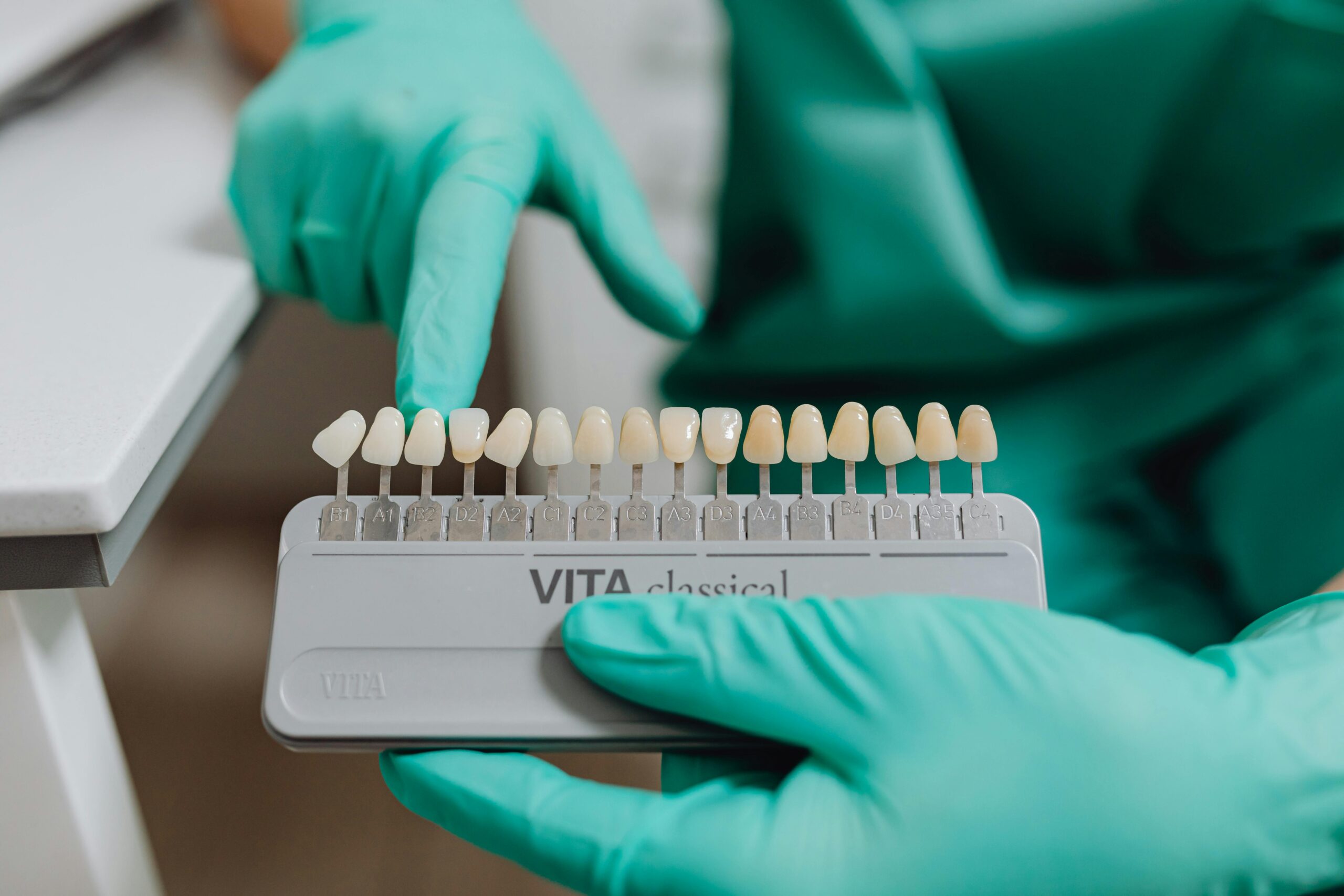
Design begins with face-guided records. We note your smile line, midline, tooth display at rest, and how sounds like “F” and “S” meet the edges. Photos and shade mapping guide color harmony across teeth. 3D scans and precise bite records help us assess space, wear patterns, and pathways your jaw uses when you chew.
Risk checks shape choices. Enamel thickness, existing fillings, crack lines, and gum thickness influence whether bonding, porcelain, or minor tooth movement is best. If you feel anxious about procedures, you can review sedation levels in dentistry to understand comfort options. Material selection also considers stain exposure, grinding habits, and your cleaning routine so results age predictably.
Sequencing keeps changes coordinated. Shade decisions come before custom ceramics so everything matches from the start. When small position changes would conserve enamel, limited aligner movement can be planned first. Provisional mockups let you try the shape and length in real life, then we fine-tune before anything is finalized. Stabilizing gums and smoothing rough edges early helps color and texture look consistent across the final teeth.
Your written plan outlines visit count, test-drive steps, and maintenance. It may include a retainer or night guard to protect new edges, plus simple color touchups over time. Before a wedding, a patient requests brighter color and even front edges. With a clear sequence and check-ins, you stay informed and in control. Collaborative planning with your dental team supports long-term results.
Explore conservative cosmetic options, timelines, and materials with our team.
Design a smile that fits your face.
What to Expect During a Cosmetic Consultation
A cosmetic consultation is a focused visit to learn your goals and evaluate oral health. We examine your teeth, gums, and bite, then discuss safe, conservative options. You leave with a clear outline of choices, steps, and a timeline for a potential smile makeover.
The visit starts with a conversation about color, shape, symmetry, and what you want to change first. Clinical photos and shade mapping record how your teeth look today, and a 3D scan or impressions capture fine details. Bite and jaw movements are checked so planned changes feel comfortable and wear evenly. A recent selfie highlights a chipped edge you want fixed.
We also review your medical history, current medications, and any past dental work. Radiographs may be recommended to assess roots, bone, and hidden cracks; you can read more about why dental X-rays are used. Gum health is screened, since inflamed tissues can affect both aesthetics and longevity. If grinding or clenching is present, we note it to guide material choices and protection.
Next, we translate goals into options. Small chips might suit bonding, deeper color changes may benefit from whitening, and broader reshaping could involve porcelain. Sequence is explained in plain terms so shade, fit, and gum contours stay coordinated from start to finish. When helpful, a digital preview or a light, reversible chairside mock-up lets you see proposed lengths and shapes before committing.
Before you go, we summarize benefits, limitations, number of visits, and expected feel during and after each step. You will hear about home care during treatment, like avoiding stain-heavy foods after whitening or wearing a retainer if teeth move. Maintenance planning, such as a night guard for grinders, helps the final result look natural over time. Clear records and shared decisions make the next steps straightforward.
Clear planning leads to confident choices and smoother visits.
Exploring Full Smile Makeover Procedures
Full smile makeover procedures combine several treatments in a planned sequence to improve color, shape, alignment, and tooth replacement. The exact steps depend on your goals and oral health, so the plan is tailored to you. Timing and materials are coordinated so the final teeth look natural and work comfortably.
Color is often addressed first. Professional whitening uses peroxide gels to oxidize deep stains, which sets a baseline shade for future restorations. Small chips or gaps can be managed with dental bonding, where the tooth is etched, an adhesive is applied, then tooth-colored resin is layered and polished for a seamless finish. As changes build, your dentist checks how edges meet so chewing feels smooth.
When teeth need more reshaping or strength, porcelain veneers or crowns may be recommended. Teeth are prepared as conservatively as the case allows, then digital scans or impressions guide custom ceramics. Provisional restorations protect teeth while the lab crafts the final shape and texture. At delivery, the teeth are cleaned and isolated, try-in is confirmed, and the restorations are bonded or cemented with careful bite adjustments. If you want to learn more about materials and indications, you can review crown options.
Tooth position can be improved with clear aligners. Small tooth-colored attachments may be placed to help specific movements, and most plans include refinements to fine-tune results. Uneven gumlines can be smoothed with limited contouring using a laser or micro-instruments, and tissues usually settle over the next weeks. If a tooth is missing, the plan may include a bridge or an implant-based solution, sequenced so shade and contours match the surrounding teeth.
Because each part affects the next, your dentist continually checks bite contacts, speech sounds, and gum response. A night guard is often advised if you clench or grind. Three months before a reunion, a patient chooses whitening, minor bonding, and a small gum adjustment. With clear priorities and coordination, a smile makeover can look natural and feel stable in daily life. Joint care between dental and medical teams helps sustain long-term wellness.
Understanding Digital Smile Design
Digital Smile Design is a planning method that uses calibrated photos, short videos, and 3D scans to design your future smile before any treatment begins. It lets you and your dentist preview tooth shape, length, and position on your own face, both at rest and while speaking. This clarity supports conservative steps and a result that looks natural and works comfortably.
The process starts with face-referenced records so the proposed teeth align with your features. A 2D design is sketched over photos to test proportions, then translated into a 3D plan that considers bite paths and space. From there, a printable “trial smile” can be placed over your teeth so you can see and feel the proposed changes in real life. Because the design is anchored to your expressions and speech, refinements happen early, before any permanent work.
This approach improves communication among you, the dentist, and the lab. It helps coordinate tooth movements with aligners, predicts where minor gum reshaping may balance the smile, and sets an accurate shade baseline. If brightening will be part of the plan, you can see how professional whitening works so final ceramics match a stable color. Before graduation photos, a patient previews slightly wider lateral incisors.
For patients, the benefits are practical. You understand options through visuals on your own face, give feedback sooner, and agree on the end point before committing. For the clinical team, precise measurements guide minimal tooth reduction where possible, and bite checks in the design phase reduce adjustments later. In this way, Digital Smile Design becomes the roadmap that connects your goals to the right steps in a smile makeover.
When you can see the plan and test it first, decisions feel easier. Coordinated planning often makes treatment smoother and results more predictable.
The Role of a Trial Smile
A trial smile is a temporary mock-up placed over your teeth so you can see and feel proposed changes before anything is permanent. It previews tooth length, shape, and overall balance on your own face, helping confirm the design for your smile makeover. Because it is reversible, you can give feedback and request adjustments with confidence.
The process begins with a planned design, created digitally or with a wax model. Using a precise template, your dentist transfers that design to your teeth with a temporary resin. You wear it briefly to test speech sounds, lip support, and how edges meet when you chew. Before portraits, you try a new incisal length over a weekend. Photos and notes from this “test drive” guide refinements to shape and symmetry.
A trial smile sets expectations. It shows proportions and length, but not the final ceramic color, translucency, or surface texture. What you like is translated into clear instructions for the lab, which reduces chairside adjustments later and supports a natural look. It can also reveal if small bite changes or limited gum contouring would improve balance. If tiny additions still help after the preview, you can review how bonding works as a conservative option for fine-tuning.
There are practical tips while you try it. Avoid very hard or sticky foods, since the material is meant for short-term evaluation. If speech feels different at first, that often settles as you adjust to the new edge position. All changes remain reversible until you approve the plan. Next, your dentist uses your feedback to finalize the blueprint and move to provisional or definitive steps. Testing the design first makes the path to finals clearer and more predictable.
Preparing for Your Smile Makeover
Preparation starts with clear goals, healthy gums, and a realistic timeline. Tell your dentist what you want to change first, any deadlines, and how you feel about dental care. Share your medical history, medications, and allergies so your plan stays safe. Together, you will map steps that fit your schedule.
Health comes first. If gums are inflamed or a tooth needs repair, those issues are addressed before cosmetic work. A recent cleaning helps color and shade matching look accurate. If whitening is part of your smile makeover, plan it early so final restorations match a stable color.
Comfort planning matters too. If you feel anxious, discuss comfort options and appointment length preferences. People who clench or grind should mention it, since materials and a night guard can be tailored to protect new edges. If you use aligners now or plan to, bring your trays so bite and space can be checked.
Records guide design. Expect photos, a 3D scan or impressions, and precise bite measurements. These help set tooth length, shape, and how edges meet when you chew. Avoid starting any at-home whitening kits right before shade selection, since changing color mid-plan can throw off matching.
Plan your calendar. Some visits are longer, and you may wear provisional restorations while the lab crafts your finals. During short transition periods, choose softer foods and avoid stain-heavy drinks to keep temporaries looking their best. Two months before headshots, you schedule whitening and edge smoothing. If you play sports, ask about a mouthguard so new work stays protected.
Know what to expect afterward. Clean gently around new edges, use any provided trays or retainers as directed, and keep regular checkups. Small touchups, like periodic whitening, can maintain the look you chose. With good prep and steady follow-through, each step builds toward a natural, durable result. Clear prep makes each visit smoother and the results more predictable.
Post-Makeover Care and Maintenance
Good maintenance keeps new edges smooth, gums healthy, and color consistent. After a smile makeover, focus on gentle daily cleaning, smart protection from wear, and routine checkups. These steps help your results look natural and last.
Use a soft toothbrush and a nonabrasive toothpaste to avoid scratching ceramics or polished bonding. Floss daily, threading under any bridges as shown at your visit. If you recently whitened, limit dark foods and drinks for 48 hours, and sip water between sips of coffee or tea later on. Short bursts of sensitivity can occur after whitening or bonding; it usually settles within days. If dryness is common for you, increase water intake and pause frequent snacking to reduce acid exposure.
Protect your teeth from heavy forces. If you clench or grind, wear the prescribed night guard so new edges and ceramics stay safe. Retainers are essential after aligner treatment; consistent wear keeps positions stable. Choose a sports mouthguard for contact activities, and avoid biting pens, ice, or hard seeds. Schedule professional cleanings and evaluation at regular intervals so we can check margins, polish micro-scratches, and adjust your bite before small issues become cracks.
Plan for periodic touchups. Bonding can pick up stains sooner than porcelain and may need refinishing over time. Whitening can be refreshed in small, timed sessions to maintain your chosen shade. Ceramics do not bleach, but they can be professionally polished if they dull from everyday abrasion. On day two, a veneer feels high after a nut; call for a quick adjustment. If a chip, looseness, or temperature change appears, contact us promptly so we can stabilize and repair with minimal change.
At follow-up visits, we will map simple home care, protection, and touchup timing to your daily routine. Coordinated steps now make future visits shorter and help your smile age gracefully. Coordinated care often leads to clearer days and calmer nights.
Frequently Asked Questions
Here are quick answers to common questions people have about Smile Makeovers Explained in Glendale, AZ.
- What factors determine the types of treatments included in a smile makeover?
The types of treatments in a smile makeover depend on several factors, including your personal goals, oral health, and the extent of changes you desire. Common treatments include teeth whitening, bonding, veneers, crowns, clear aligners, and minor gum contouring. The process typically begins with an evaluation of your teeth, gums, and bite to tailor a plan that aligns with your priorities. Your dentist will suggest a combination of treatments that best suit your needs and schedule.
- How does a smile makeover improve both the appearance and function of teeth?
A smile makeover enhances both appearance and function by harmonizing tooth color, shape, and alignment while also addressing gumline refinement. This creates a balanced and natural look. Functional improvements may include better chewing comfort and protection for worn teeth, reducing the risk of further damage. Aligned and evenly spaced teeth can also help distribute biting forces more evenly, decreasing the chance of edge chipping and making daily cleaning easier.
- What is the process of designing a personalized smile makeover plan?
A personalized smile makeover plan begins with clearly identifying your goals. A detailed examination follows, which includes reviewing your teeth, gums, and bite, and possibly taking photos, X-rays, or 3D scans. This helps to understand your oral health condition and aesthetic desires. The dentist then outlines a phased plan tailored to your needs, discussing potential treatments and timelines. Mockups or digital previews may be used to visualize the potential results before any permanent work is done.
- What is a trial smile and how does it help in a smile makeover?
A trial smile is a temporary resin mock-up placed over your teeth to show how proposed changes will look and feel before making any permanent adjustments. This allows you to test speech, lip support, and how well edges meet when you chew. The feedback you provide helps refine the design, ensuring the final result fits your expectations. It serves as a visual and functional preview, allowing adjustments to be made confidently and accurately.
- How can digital smile design enhance the planning of a smile makeover?
Digital Smile Design uses calibrated photos, videos, and 3D scans to visualize your future smile before treatment starts. By linking tooth shape, length, and position with your facial features, it ensures a natural outcome. The process allows feedback and refinement early on, anchoring the design to your expressions and speech. This method improves communication between you and your dentist, supporting conservative treatment steps and aligning outcomes with your personal goals.
- What can I do to prepare for my smile makeover?
Preparation for a smile makeover begins with setting clear goals and ensuring oral health. Inform your dentist about your priorities, timelines, medical history, and any dental concerns like grinding. Address any gum health or tooth issues first, and plan for professional cleaning. Consider discussing comfort options if dental procedures make you anxious. Bring your retainers or aligners to appointments if they apply to you, enabling a thorough assessment of your bite and space for adjustments.