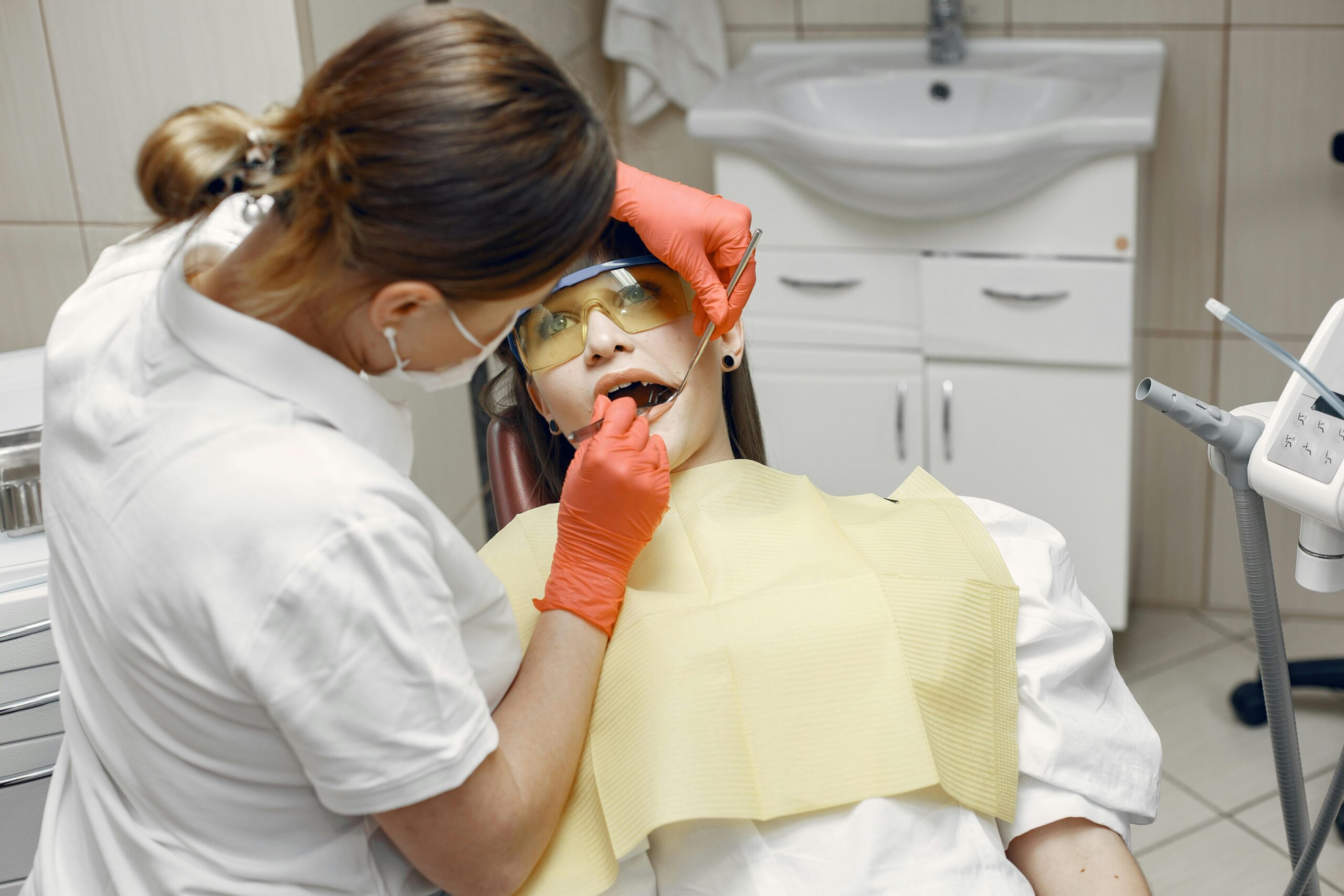

Understanding Root Canal Recovery
Root canal recovery is usually brief and manageable. Most people return to normal activities the same or next day. Mild soreness to bite and tenderness in the gums are common for a few days. Keeping food soft and chewing on the opposite side helps early comfort.
Here is what is happening. The tooth’s nerve space is cleaned and sealed, but the tiny ligament around the root can stay inflamed for a short time. Biting pressure briefly irritates that ligament, so the tooth may feel “taller” or tender. If the bite feels uneven, your dentist can adjust it for relief. For a deeper look at discomfort patterns, see our overview of root canal pain. For example, chewing may feel tender the first two days.
- Day 0: Numbness lasts a few hours. Avoid chewing on the treated side until sensation returns.
- Days 1–3: Expect soreness to bite or touch. A soft diet and rest for the tooth often help.
- First week: Tenderness usually fades. Resume normal chewing as comfort allows.
- Final restoration: A strong, well-sealed filling or crown protects the tooth from fracture.
- When to call: Worsening pain after several days, facial swelling, fever, or a bite that still feels high.
Recovery also depends on the final restoration. Teeth that had large cavities or cracks often need a crown to distribute chewing forces and prevent fractures. Because of this, your dentist may recommend placing the final crown soon after treatment is complete. If you need scheduling flexibility, check our current hours before you plan your visit. Coordinated care often leads to smoother healing and lasting comfort.
What to Expect During Recovery
Most people feel well enough to resume normal routines the same day. Expect the tooth to be tender when chewing or tapping for a short stretch, then improve day by day. Your jaw muscles may feel tired from holding your mouth open. Overall, root canal recovery is typically smooth and predictable.
On day two, you try a crunchy snack and feel a quick twinge. That is common. The canal system is cleaned and sealed, but the tissues around the root need time to settle. Numbness fades within a few hours, so wait to eat until full sensation returns. Keep the area clean with gentle brushing. When flossing near a temporary, slide the floss out to the side to avoid loosening it. If you have a temporary crown, it may feel different from your final restoration; see our guide to temporary crown care for practical tips.
Early on, chew slowly and favor softer textures until biting feels natural again. If you wear a night guard for clenching or grinding, use it as directed to reduce pressure on the healing tooth. Choose sips of cool or room‑temperature drinks at first; very hot foods right after treatment can mask unintended cheek or tongue biting while residual numbness lingers. Most temperature sensitivity inside the tooth is gone after root canal therapy, so remaining tenderness usually comes from the ligament around the root, not the nerve itself.
Medication plans vary, so follow the instructions you were given for pain relief and timing. Symptoms should trend down, not up. If something feels off or intensifies, let us know so we can help refine the plan. With clear steps and small adjustments, healing stays on track.
Root Canal Recovery Timeline Explained
Recovery usually follows a clear pattern. Mild soreness often peaks in the first 24 to 48 hours, then eases each day. By the end of the week, most people chew normally, though light tenderness can linger a bit longer in some cases. Full comfort depends on the tooth’s condition and the complexity of treatment.
On day three, you try pizza crust and feel brief pressure sensitivity. That sensation comes from the tiny ligament that holds your tooth in the bone. It was irritated by infection and by necessary cleaning, so it behaves like a bruised area as it heals. As inflammation settles, biting stops feeling sharp and becomes simply aware, then normal. This pattern can take longer if the tooth started with severe pain or swelling, so give it time to calm.
There is a natural rhythm to the first week. The first morning after treatment may feel stiff; gentle brushing and normal cleaning help more than resting the area. By mid‑week, tenderness with tapping and chewing should trend downward. If your bite changed after numbness wore off and a spot feels “too tall,” a small adjustment can speed relief. Sleeping with your head slightly elevated the first night may also reduce that early throb.
Eating follows the same curve. Start with softer textures and smaller bites, then progress as comfort returns. Avoid cracking hard foods on the treated tooth until chewing feels natural. Temperature triggers inside the tooth are usually gone after treatment, so any sensitivity you notice is almost always from the healing ligament around the root. If a temporary filling or buildup is in place, keep floss gentle and straight out to the side to protect it until your final visit. If a crown is planned, you can explore options and strength differences in our overview of crown types.
Big picture, the trend should be steady improvement over days, not surprises. If your symptoms do not follow this arc, let us know so we can check your bite and the tooth’s progress. When recovery stays on track, comfort returns predictably.
After Root Canal Care Tips
Right after a root canal, keep the area clean, chew gently, and follow the pain‑control plan your dentist provided. Avoid hard or sticky foods on the treated tooth until tenderness settles, and wait to eat until numbness is fully gone. If you have a temporary filling or crown, treat it lightly and call if it loosens.
That evening, you brush gently and feel the area wake up. Use a soft brush around the tooth and clean as usual; plaque control lowers gum tenderness. Starting the next day, a warm salt‑water rinse after meals can soothe tissues. If your cheek feels puffy, a brief cold compress on the outside can help during the first day. Do not probe the gums with toothpicks or hard tools.
Reduce extra pressure on the tooth while it heals. Clenching or grinding can flare tenderness, so wear your night guard if you have one; if you do not and notice morning jaw fatigue, see our overview of night guards for grinding. If the bite feels slightly “tall” after anesthesia wears off, a quick adjustment often brings fast relief. In certain cases, your dentist may place a protective dressing or modify the temporary to reduce biting stress. Small changes can make a big difference in comfort.
Protect the temporary restoration until your final visit. Avoid taffy, caramels, and tough crusts on that side, and cut foods into smaller pieces. If a temporary comes off, keep it, avoid chewing on that tooth, and contact the office; do not glue it yourself. Do not postpone the final crown or onlay if recommended, since uncrowned back teeth are more likely to chip under normal chewing. Completing the final restoration helps seal the tooth and share biting forces safely.
These habits keep healing steady and reduce avoidable setbacks during root canal recovery. If a symptom worsens or changes suddenly, let us know so we can help.
Learn what to expect from root canal therapy and recovery.
Save the tooth, relieve the pain.
Managing Pain After RCT
Pain after a root canal is usually mild to moderate and fades within a few days. Most people find relief with over‑the‑counter anti‑inflammatory medicine and acetaminophen, taken as directed. A cool compress and chewing on the opposite side also support early comfort.
That night, you notice a steady ache while watching TV. This soreness comes from the periodontal ligament around the tooth, which can be irritated after cleaning and sealing the canals. Chewing pressure can briefly stress that area, creating a bruised feeling. If the bite is even slightly high, the tooth may feel sore until it is adjusted. As inflammation settles, tenderness eases day by day.
Plan simple steps for the first 48 hours. Use your dentist’s recommended pain‑control routine, and consider taking the first dose before numbness completely wears off if you were advised to do so. Keep foods soft, cut items into smaller pieces, and avoid hard or sticky textures on the treated side. If you clench or grind, wearing your night guard reduces extra pressure on healing tissues. Starting the next day, warm salt‑water rinses can soothe the gums around the tooth.
Watch for changes that do not fit the normal recovery curve. Call if pain ramps up after the second day, or if you notice facial swelling, fever, or a persistent bad taste. These signs may point to lingering infection and need evaluation; you can review key warning signs in our guide to tooth abscess symptoms. If your bite feels high at any point, a quick adjustment often brings rapid relief and helps keep root canal recovery on track.
With a clear plan and small adjustments, comfort returns predictably.
Temporary Crown After RCT Care
A temporary crown protects your tooth after root canal treatment until the final crown is placed. Care is simple: avoid sticky or hard foods on that side, chew gently, and keep the area clean. If the bite feels high or the edge rubs your gum, call for an adjustment so the area can settle comfortably.
At lunch, a sticky caramel tugs at your temporary. That pull can loosen the cement, so choose softer textures and cut food into small pieces. Brush normally with a soft brush. If floss snags around the temporary, slide it out through the side instead of popping it up. A warm salt‑water rinse after meals can soothe the gum and clear away debris while the tissues calm.
Temporary materials are designed for short‑term protection, not heavy chewing. They may feel slightly rough or look a bit different from your final crown. If the edge feels sharp or the gum looks irritated, a quick polish or margin adjustment usually helps. Try to avoid habits that add pressure, like chewing ice or clenching; if you wear a night guard, use it to reduce bite stress while the area heals.
If a temporary crown loosens or comes off, save it, avoid chewing on that tooth, and contact us promptly. Do not use glue or household adhesives. If the exposed tooth feels sensitive, keep it clean and covered with a piece of clean gauze until we can secure the temporary again. For quick guidance, see our overview of steps if a crown comes off.
Keeping the temporary stable protects the sealed tooth and helps your final crown appointment go smoothly. These small habits also support a calm, predictable root canal recovery. When protected well, the tooth returns to reliable function.
Post Endo Instructions to Follow
After your endodontic visit, focus on rest, medication timing, and gentle oral care. If you received oral sedation, do not drive, operate machinery, or sign legal documents for 24 hours, and keep a responsible adult with you. Take pain medicine only as directed, and avoid doubling up on products that contain acetaminophen. Skip smoking, vaping, and alcohol for the first 48 to 72 hours to support tissue healing.
As the tissues around the root settle, avoid heavy exertion and contact sports for a short time. If you must be active, choose low‑impact exercise and use a mouth guard for any potential contact. Keep the area clean with soft brushing and normal flossing; if you use a water flosser, do not aim the jet directly at any temporary edge. If an antibiotic was prescribed, complete the full course and contact us if you notice a rash or other concerning side effects.
Two days later, you plan a workout and wonder what is safe. Start with light cardio and avoid clenching your jaw during lifting. Reduce extra bite pressure at night by wearing your existing night guard as instructed. Keep all follow‑up visits, including the appointment for the final restoration. Your dentist may also take a checkup X‑ray later to confirm bone healing; see why these images matter in our guide to dental X‑rays.
Symptoms should trend down over days, not spike suddenly. Call promptly for facial swelling, fever, a bad taste or drainage, increasing pain after the second day, or a bite that feels too high. If a new pimple appears on the gum or the tooth chips before the final restoration, avoid chewing on it and contact the office. These steps keep your root canal recovery steady.
Signs of RCT Healing
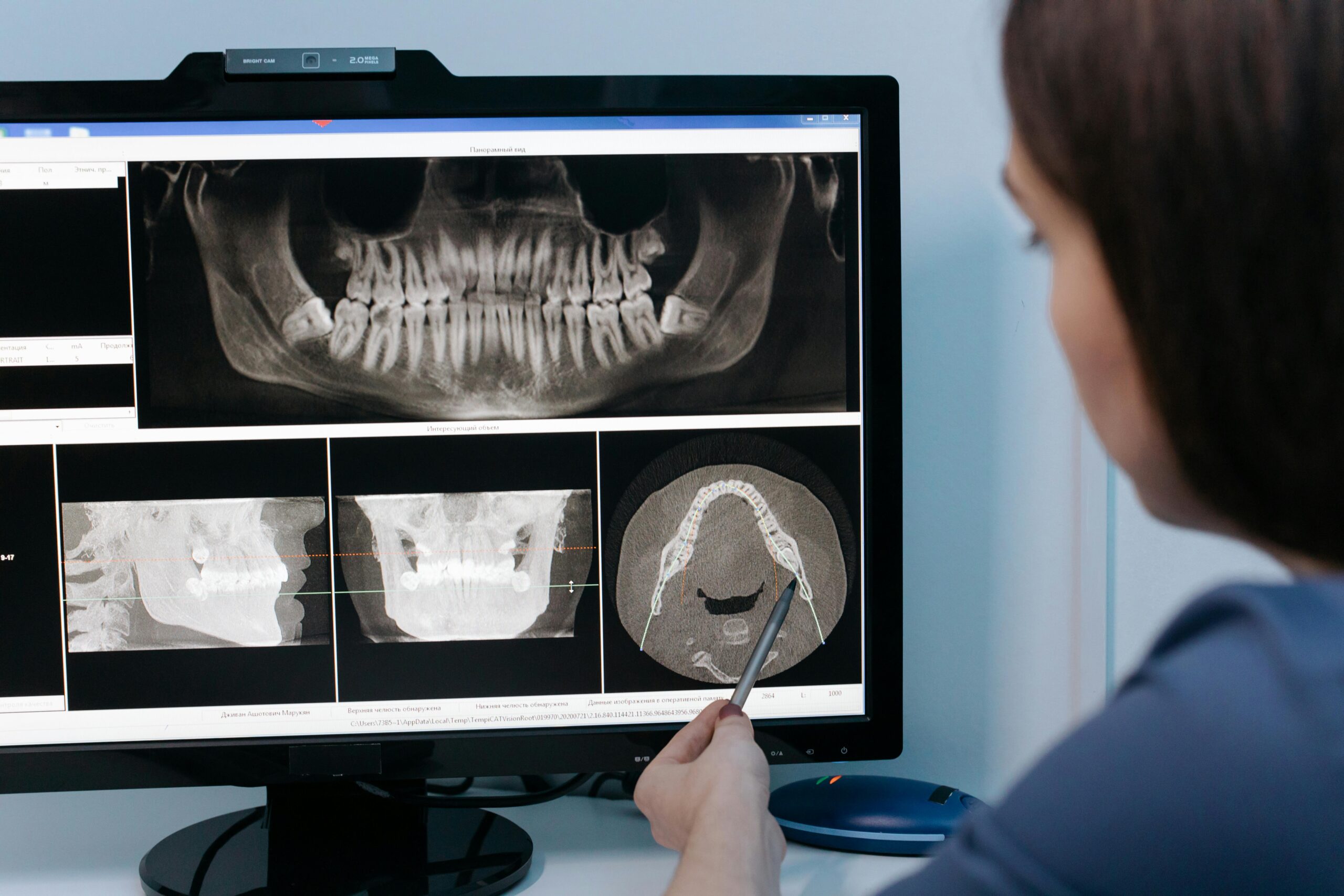
Healing after a root canal shows up as steady comfort returning to normal chewing. The gums look calm, there is no swelling or bad taste, and the tooth no longer feels “different” during daily use. On follow-up X-rays, the dark area near the root tip shrinks as bone fills in, a sign that infection has resolved.
At your 6-month visit, your X-ray shows the dark spot fading. Inside the tooth, the canals are sealed, so the ligament and bone around the root can recover. As inflammation settles, biting feels natural, the tooth blends into your bite, and tapping it gently no longer provokes a sharp twinge. The gum stays pink and smooth without a pimple or drainage. Radiographically, dentists look for a smaller radiolucency and a clearer outline of the bone around the root, both markers that healing is underway. A well-sealed final restoration also supports periapical healing and long-term tooth survival [1].
Practical signs at home include easier chewing, fewer pain relievers needed, and no night-time throbbing. In the office, your dentist confirms progress with a clinical exam and a timed X-ray comparison. Because these checks guide decisions about your final crown and future care, see why routine visits matter in our overview of dental checkups. If symptoms reverse, a pimple forms on the gum, or a bad taste returns, contact us so we can reassess and keep your root canal recovery on track. When healing stays on course, comfort and function return predictably.
Common Concerns During Recovery
Most questions after a root canal are about normal, short‑term changes. Mild soreness when chewing, tender gums, and a tired jaw are common for a few days. A brief medicated taste and light gum spotting the first day can occur and usually fade quickly. Call if swelling appears, you develop a fever, or pain builds instead of easing.
The tooth’s supporting ligament is slightly inflamed after treatment, so pressure can feel sharp at first. Nearby teeth may feel “sympathy” aches because nerves in the area can share signals. A small rubber dam clamp mark can leave the gum tender for a day or two. That evening, your jaw feels tight when you yawn. This kind of muscle fatigue improves with rest, gentle range of motion, and softer chewing while comfort returns.
Medication plans vary by case. Many people do well with over‑the‑counter anti‑inflammatory medicine as directed by their dentist. Antibiotics are not routinely needed unless there are signs of spreading infection, like facial swelling or fever. Rarely, a “flare‑up” can occur between visits or after completion, with throbbing pain and swelling. If that happens, contact the office promptly so we can relieve pressure and adjust care.
Upper back teeth sit close to the sinus, so a slight sense of sinus fullness or pressure can happen briefly as tissues settle. Chewing on the opposite side for a day or two helps reduce that sensation. Air travel is usually fine after treatment, since the canal is sealed; if you already have active swelling or severe pain, consider delaying flights until we reassess.
Appearance and bite feel can change a bit at first. The treated tooth may look slightly darker over time; your final restoration is planned to restore strength and appearance. If the bite feels “high” after numbness wears off, a small adjustment can bring quick relief. Sensitivity to hot or cold inside the tooth is typically gone, so any lingering awareness usually comes from the healing ligament around the root, not the nerve itself. Most concerns settle with simple steps and steady, light use.
Takeaway: Most recovery worries are temporary and manageable with small adjustments.
When to Contact Your Dentist
Call if pain worsens after the first 48 hours or suddenly spikes. Reach out promptly for facial swelling, fever, a bad taste or drainage, or trouble opening your mouth. Contact us if your bite still feels high after a day, your temporary comes off, or the tooth chips. New medication side effects like rash, hives, or stomach upset also deserve a call.
On day three, you wake with cheek puffiness and a bad taste. Normal healing trends toward less soreness and easier chewing; symptoms that intensify or spread are not typical and should be evaluated. A pimple on the gum can signal a draining sinus tract. Rapidly increasing swelling, difficulty swallowing, or breathing issues are urgent and need immediate care.
Sometimes the bite changes once numbness fades. If any spot feels “too tall,” the tooth can be overloaded and stay sore until the bite is adjusted. Do not ignore a loose or lost temporary, since unprotected tooth structure can crack under chewing. Persistent numbness into the next day, or tingling that feels different from prior dental visits, should be reported so we can check nerve and soft‑tissue recovery. If you take blood thinners, call if bleeding is slow to stop despite gentle pressure.
Recovery should move toward steady comfort, not surprises. If chewing becomes unpredictable, pain interrupts sleep, or a new odor or taste appears, let us know so we can intervene early. Finishing the final restoration on time also lowers the risk of fracture and keeps the seal intact, which supports smooth root canal recovery. Collaborative care helps you return to normal eating and routine faster.
Frequently Asked Questions
Here are quick answers to common questions people have about Root Canal Recovery Timeline in Glendale, AZ.
- How long after a root canal can I eat normally?
You can usually start eating normally within a week after a root canal, as tenderness fades. In the first few days, it’s best to stick to soft and easy-to-chew foods to help reduce discomfort. Gradually reintroduce harder foods as biting becomes more comfortable. If you have a temporary crown, avoid sticky or hard foods until your final restoration is in place. Always wait until numbness fully fades before eating to prevent accidental biting.
- What kind of foods should I avoid after a root canal?
Avoid hard, sticky, or crunchy foods immediately after a root canal, as these can stress the temporary restoration and healing tooth. Foods like taffy, nuts, and tough meats can cause discomfort or loosen a temporary crown. Stick to soft foods like soup, mashed potatoes, and yogurt. As recovery progresses, you can gradually include more varied textures while ensuring comfort and protection for the tooth.
- Is it normal to feel pain a few days after the root canal?
Yes, mild to moderate pain a few days after a root canal is normal and typically not a cause for concern. This discomfort is primarily due to the inflammation of the ligament around your tooth root. Pain should decrease steadily over time. If pain increases after a couple of days or is accompanied by swelling or fever, contact your dentist. Ongoing discomfort may indicate a need for further evaluation.
- What should I do if my temporary crown comes off?
If your temporary crown comes off, keep it safe, avoid chewing on that side, and contact your dentist promptly. Do not use glue or adhesives. You can protect the tooth temporarily with clean gauze until you can see your dentist for a secure replacement. It’s important to have the crown checked to maintain the tooth’s protection and aid in recovery.
- How can I manage discomfort while sleeping after a root canal?
To manage discomfort while sleeping, try using a night guard if you have one to reduce pressure on the tooth. Sleeping with your head slightly elevated can also help minimize early swelling and throbbing. Stick to a soft diet and follow pain management instructions from your dentist. Over-the-counter pain relievers may provide needed relief. If discomfort persists, consult your dentist for further guidance.
- When is it safe to exercise after a root canal?
It’s generally safe to engage in light exercise a couple of days after a root canal if you’re feeling up to it. Avoid activities that might put strain on your jaw or risk contact to the treated area. When starting back, opt for low-impact exercises and avoid clenching your jaw during workouts. Use a mouth guard if you play contact sports to protect the healing tooth.
- Should I avoid any activities immediately after a root canal?
After a root canal, avoid smoking, vaping, and alcohol for the first 48 to 72 hours as they can hinder healing. Skip strenuous activities or contact sports until you feel comfortable. Use the provided pain relief plan and rest as needed to aid recovery. Light walking is usually fine, but be cautious about any head or jaw movements that might add strain to the area.
- How do I care for the gums around the treated tooth?
Caring for the gums involves gentle brushing with a soft-bristled toothbrush and flossing carefully to avoid dislodging a temporary crown. Warm salt-water rinses after meals can soothe and clean the gums. Avoid using toothpicks or probing the area to prevent irritation. Keeping the area clean aids in reducing any gum tenderness and supports steady healing post-treatment.
References
- [1] Effect of Type of Coronal Restoration on Periapical Healing and Tooth Survival of Root Filled Teeth: Systematic Review and Meta-Analysis. (2025) — PubMed:40851324 / DOI: 10.1111/aej.70008