
What is Professional Teeth Whitening?
Professional teeth whitening is a dentist-supervised process that uses proven bleaching gels to safely lighten natural tooth color. It can be done in the office for faster results or with custom take-home trays for gradual whitening. Your dentist selects the gel strength, protects your gums, and monitors sensitivity for a predictable outcome.
You have a wedding next month and want a brighter smile. Whitening gels, usually hydrogen peroxide or carbamide peroxide, pass through enamel and break apart stain molecules inside the tooth. In-office whitening and dentist-supervised trays both have strong evidence for improving tooth shade when used as directed [1]. Take-home systems with custom-fitted trays are effective and allow controlled progress at home under guidance [2]. Current evidence suggests that adding light activation does not meaningfully improve color change compared with peroxide alone [3].
Because the gels are active, temporary tooth sensitivity or gum irritation can occur. In a dental setting, barriers protect soft tissues and your plan can be adjusted to reduce discomfort, for example by spacing sessions or modifying gel strength. Over-the-counter products vary widely in results and may be linked with sensitivity or gum irritation, especially when used without supervision [4]. Beyond shade change, whitening has been associated with improvements in oral-health-related quality of life for many adults [5].
Results depend on your starting shade, type of stains, and existing dental work, since fillings and crowns do not whiten. A short exam helps determine which approach matches your timeline and sensitivity history. If whitening is right for you, we will outline the steps, expected shade range, and how to maintain it. A brief consult clarifies which option fits your goals.
How In-Office Whitening Works
In-office whitening is a dentist-managed procedure that applies concentrated whitening gel to your teeth in timed cycles. Your lips, cheeks, and gums are isolated, the gel is refreshed as needed, and shade is checked along the way. This approach aims for a noticeable change in a single visit while managing sensitivity. It is one form of professional teeth whitening.
You have coffee stains and a work event on Friday. Here is what typically happens during the visit:
- Brief exam to confirm healthy gums, sound enamel, and a baseline shade photo.
- Isolation with retractors and a protective gum barrier to shield soft tissues.
- Application of peroxide-based gel to clean, dry tooth surfaces.
- Timed exposure, usually 10–20 minutes, then suction and rinse between cycles.
- Repeat applications until the planned shade change or time limit is reached.
- Final polish, shade verification, and post-care guidance.
When needed, we use desensitizing strategies, such as potassium nitrate or fluoride, before or after treatment to reduce discomfort [6].
Afterward, avoid richly colored foods and drinks for the rest of the day, since teeth can temporarily take up stains more easily. Any sensitivity usually fades within 24 to 48 hours; cool water and a sensitive-toothpaste can help. Some patients choose a brief at-home refinement later to fine-tune the result under guidance.
Need scheduling details? See our current hours.
This visit sets a bright, stable base shade for future smile goals. If certain spots remain or color is uneven, we may discuss options like dental bonding to selectively mask areas the gel cannot change. When planned well, a brighter shade can elevate everyday confidence.
Benefits of Professional Bleaching
Professional bleaching brightens teeth efficiently and predictably under a dentist’s care. Treatment is customized to your enamel, shade goals, and timeline, while your gums and lips are protected. Compared with do-it-yourself products, results are typically more even and natural-looking.
You want a camera-ready smile before job interviews. In the office, careful isolation limits gel contact with soft tissues, which helps reduce irritation. With custom take-home trays, the fit guides gel precisely where it is needed, improving coverage on curved or rotated teeth. Your dentist also times applications to limit temporary dehydration, so the shade you see after treatment reflects a stable change rather than a short-lived “flash” of brightness.
Comfort is another advantage. Your history of sensitivity guides the plan, including gel strength, session length, and the use of desensitizing agents before or after care. A brief screening visit can uncover issues such as cavities, worn enamel, or exposed roots, which are important to address before whitening for the safest outcome. If you plan future cosmetic work, whitening first allows new fillings, bonding, or veneers to be matched to your lighter baseline shade for a cohesive smile.
Color tends to last longer when you maintain it. Avoid frequent dark-staining foods and tobacco, rinse with water after colored drinks, and schedule small touch-ups as needed with your dentist’s guidance. Daily cleaning reduces plaque and stain buildup; see our overview of why flossing matters. Used thoughtfully, professional teeth whitening becomes part of a simple, sustainable smile plan.
Understanding Zoom Whitening Technology
“Zoom” whitening refers to an in‑office lamp‑assisted bleaching system that pairs a concentrated peroxide gel with a blue light. The light is used while the gel sits on your teeth in short, timed cycles. Its main purpose is to support the gel’s action while your dentist keeps your gums protected and monitors comfort.
In simple terms, peroxide moves through enamel and breaks large stain molecules into smaller, less colorful ones. The blue light, typically in the visible range, interacts with the gel and may gently warm it, which can increase the rate at which peroxide breaks down. Safe use hinges on isolation, a neutral or buffered gel pH, and controlled exposure times. Because of this, the process is performed with cheek retractors, a painted-on gum barrier, and eye protection. You want rapid whitening on a lunch break.
What you feel during treatment varies. Some people notice mild tingling, and a few experience brief “zingers.” Your dentist can pause between cycles, adjust gel placement, or add desensitizers to keep you comfortable. Teeth may look extra bright right after, then “settle” to a stable shade over the next day as dehydration resolves. Color stability is supported by normal saliva flow, gentle brushing, and avoiding deeply colored foods or tobacco for the rest of the day.
Technology details also matter for outcomes. Modern gels include potassium nitrate or fluoride to help calm sensitivity, and their viscosity helps keep material on enamel instead of soft tissues. Lamp cycles are timed to limit heat buildup, and shade is checked between applications so you stop at a natural, even result. For deep or long‑standing intrinsic stains, your dentist may suggest combining an in‑office session with custom take‑home trays to build shade change gradually and predictably. This is one way professional teeth whitening is tailored to your goals.
If you are deciding between options, consider your timeline, sensitivity history, and how even you want the result to be. We can help you compare lamp‑assisted sessions with at‑home trays and plan a simple upkeep routine. Collaborative care between you and your dentist helps sustain long‑term smile wellness.
Compare in-office and take-home options that fit your smile goals.
Brighter, predictable whitening.
Exploring Laser Whitening Options
Laser whitening uses a concentrated peroxide gel while a dentist applies a focused light to energize the process. Some systems use true dental lasers, others use LED or halogen lamps. All aim to help the gel work during short, controlled cycles. Results depend on your starting shade, stain type, and how your teeth respond.
With any light-assisted method, the gel does the whitening and the light mainly supports it by warming or activating the gel surface. Your dentist protects lips and gums, places eye shields if a laser is used, and times each cycle to limit heat on the teeth. Because comfort matters, we pause between applications, watch for “zingers,” and adjust exposure or gel placement if needed. These steps help manage sensitivity while guiding an even, natural-looking shade.
You have one afternoon before portraits. Laser or lamp use can fit a tight schedule because it is delivered in the chair, in defined intervals. It is helpful for surface and mixed stains when you want a rapid change. For deeper discoloration, a plan that combines an in‑office session with custom take‑home trays often provides more control and refinement over several days. Existing fillings, crowns, and veneers will not lighten, so we review those areas beforehand and discuss options if color matching is a goal.
Choosing among laser, lamp‑assisted, or gel‑only visits comes down to your timeline, sensitivity history, and shade target. Tell us what matters most, whether that is speed, comfort, or precision around a few darker teeth. We can map your baseline color, outline expected changes, and set a simple upkeep plan with occasional, dentist‑guided touch‑ups. Thoughtful planning keeps a brighter smile stable and comfortable.
The Role of Dentist Whitening Techniques
Dentist whitening techniques match the method to the stain, tooth history, and your goals. Beyond chairside bleaching and custom trays, dentists use targeted options to treat specific discolorations, protect soft tissues, and manage sensitivity. This tailored approach makes color change more controlled and even. It is a core part of professional teeth whitening.
Different stains respond to different tools. Surface and age-related yellowing often improve with supervised peroxide gels, chosen for safe strength and contact time. A single dark tooth after trauma may need internal bleaching inside the tooth after the nerve has been treated. You chipped a front tooth years ago; it darkened slowly. For white spots from fluorosis or post-orthodontic demineralization, microabrasion or resin infiltration can blend contrast that bleaching alone may not fix. Your dentist confirms the stain type, checks enamel and existing work, and then sequences care for the most natural result.
Comfort planning matters. We adjust gel concentration, application time, and visit spacing, and can use desensitizing agents before or after care. If roots are exposed or enamel is thin, whitening may start gently with take-home trays and shorter sessions. For banded or deep intrinsic stains, combining an in-office jumpstart with short, guided at-home sessions builds shade change gradually and predictably. When you plan restorative work, whitening first sets a lighter baseline so new fillings or crowns can be matched precisely; see our guide to dental crown types.
Dentist-guided techniques also help you keep results. Simple habits, like spacing touch-ups and reviewing your stain risks, support long-term color. If a few teeth behave differently, targeted refinements can balance the shade without over-whitening everything. With clear goals and careful method selection, your smile change stays steady and comfortable.
Expected Whitening Results After Treatment
Most people notice a clearly lighter smile soon after treatment. In-office care tends to produce a visible change the same day, while custom trays build shade gradually over several days. Only natural tooth structure responds, so we will discuss how any visible fillings or crowns fit your color plan.
You just finished a whitening visit before a reunion. The initial brightness you see right after care settles into a natural-looking shade as your teeth rehydrate over the next few days. Most of the improvement appears early, then stabilizes; a small amount of softening is normal as you resume regular eating and drinking. We confirm your baseline and end shades so you can track the change accurately.
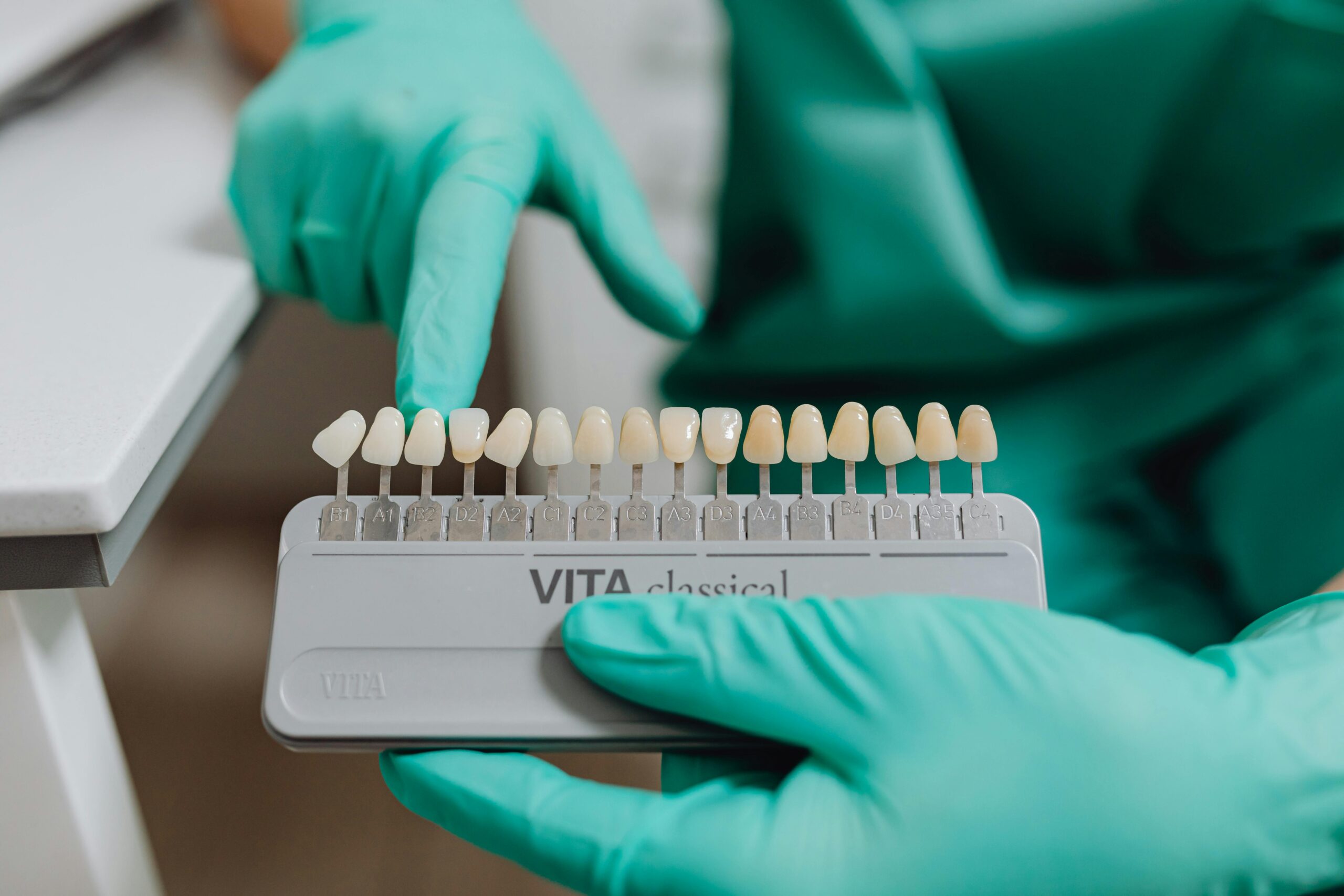
Starting shade and stain type guide what you can expect. Yellow or age-related discoloration usually responds fastest. Brown, gray, or medication-related stains can need more sessions and may level off at a lighter, yet not “paper white,” endpoint. If a single tooth is darker from prior trauma, internal bleaching or other targeted care may be recommended to blend it with neighboring teeth. Areas with white-spot contrast can look more obvious right after whitening; they often appear less stark as the overall shade lightens, and additional blending options are available if needed.
Color longevity varies with diet, habits, and enamel. Coffee, tea, red wine, and tobacco add stain back over time, while rinsing with water after these drinks slows buildup. A simple maintenance plan keeps results fresh. Many people do short, dentist-guided touch-ups at intervals rather than starting over, which helps preserve an even, natural shade. With professional teeth whitening, we tailor timing and gel strength so your result looks bright, consistent, and comfortable to maintain.
If you have a deadline or specific shade goal, tell us. We will map out a realistic result and a light upkeep schedule so your smile stays on track.
Factors Affecting Whitening Effectiveness
Whitening results differ because several tooth and lifestyle factors change how well bleaching gels work. Stain type and depth, enamel and dentin features, and how precisely the gel contacts your teeth all matter. A quick exam helps identify these variables so treatment is efficient and comfortable.
Stains sit in different places. Surface pigments from coffee or tea lift faster than deep, age-related or medication-related discoloration. Enamel thickness and translucency also play a role, since lighter, more translucent enamel shows dentin color more easily, which can limit the maximum shade change. A professional cleaning before whitening removes plaque and tartar that block gel contact, helping color shift occur more evenly. Tray fit and isolation influence contact time and coverage, which is why dentist-guided methods can improve consistency across curved or rotated teeth.
You sip black tea all day at work. Frequent exposure to dark chromogens, plus tobacco, rebuilds stains faster after whitening. Acidic drinks can soften the surface temporarily, letting pigments settle in more easily; spacing these beverages and rinsing with water helps. Saliva flow matters too, because healthy saliva buffers acids and naturally cleans the tooth surface. If your mouth is often dry, stain can return sooner and sensitivity may feel stronger; see our guide to dry mouth treatment for ways to support moisture. Finally, temperature, gel pH, and session timing affect how peroxide breaks down stains, which is why we select products and intervals matched to your goals.
Medical and dental history also shape the plan. Teeth with thin enamel or exposed roots can feel more sensitive, so gentler gels, shorter wear times, or more days between sessions are helpful. Single dark teeth after trauma often need a targeted approach, different from the rest of the smile. Consistency matters too. Following the prescribed wear time, avoiding colored foods right after treatment, and using desensitizers as advised all support steady, lasting results.
Share your stain habits, sensitivity history, and timeline during the consult so we can tailor professional teeth whitening to your situation. With smart habits, color stays brighter between touch-ups.
Safety Considerations for Teeth Whitening
Teeth whitening is generally safe when products, fit, and wear times are tailored to you. Safety means checking teeth and gums first, protecting soft tissues, and following directions closely. Not every situation is a match; the approach may need to change for certain teeth or timelines.
A brief exam identifies issues that can increase risk, like cavities, cracks, gum inflammation, or exposed roots. In those cases, we treat the problem before whitening to reduce the chance of pain or chemical irritation. People who are pregnant or breastfeeding typically postpone elective whitening. If you have a history of sensitivity, we start gently and build contact time as your comfort allows. You feel a sharp zing after a cold drink.
Technique matters for safety. Buffered peroxide gels, precise isolation, and custom tray fit limit gel spread to your gums and lips. At home, wipe away excess gel along the gum line, avoid swallowing, and remove trays if tingling grows stronger. Overuse can backfire; more time or higher concentration is not always safer or better. Spacing sessions allows your enamel and pulp to recover, which helps keep sensitivity temporary and mild. If discomfort lingers, we pause, adjust the plan, and use desensitizing agents or fluoride to calm the teeth.
Existing dental work needs special planning. Fillings, crowns, and veneers do not lighten, so we map those areas and discuss sequence if color matching is a goal. After whitening, we often wait a short period before placing new bonding so materials adhere predictably. Children and teens may need modified protocols because thinner enamel can feel more sensitive. Proper storage of gels, away from heat and out of reach of children, also supports safe use.
With clear screening and measured steps, professional teeth whitening can be both effective and comfortable. Tell us your goals and sensitivity history so we can design a safe plan that fits your schedule. Planned well, safer care protects comfort and your enamel.
Maintaining Your Whitening Results
Your brighter shade lasts longer with smart daily habits and occasional touch-ups. Keep plaque low, limit stain-heavy foods and drinks, and schedule regular cleanings. After professional teeth whitening, most people maintain with very short, dentist-guided refreshes rather than long sessions. A simple plan keeps color steady and comfort high.
Color fades mainly from new pigments settling on teeth. Space out dark beverages like coffee, tea, and red wine; sip water between sips, and use a straw for iced drinks. Rinse after meals, and brush twice daily with a soft brush. Adding an alcohol-free mouthrinse can help reduce plaque that holds surface stain; see our overview of mouthwash benefits and best practices. You drink iced tea daily but want to keep your smile bright.
Timing matters. Right after any touch-up, avoid richly colored foods until the next day. Over the long term, think in terms of small, scheduled boosts. Many patients do one or two short tray sessions every few months, coordinated with hygiene visits, to prevent relapse rather than chase it. If you clench or grind, a night guard can protect enamel from micro-wear that collects stain. Dry mouth can accelerate discoloration and sensitivity; staying hydrated and reviewing medications with your dentist helps support saliva.
Make maintenance easy to follow. Keep custom trays clean, stored flat, and out of heat. Record your baseline and maintenance shades so progress is clear. During cleanings, we can polish surface pigments, check for areas that pick up stain faster, and suggest targeted refinements for those teeth only. If you plan new dental work, let us know your current shade so materials can be matched. Consistent, measured steps keep your smile bright without over-bleaching.
Tell us your diet, sensitivity history, and timeline, and we will map a light-touch upkeep schedule that fits your routine. Shared planning helps keep your smile bright over time.
Frequently Asked Questions
Here are quick answers to common questions people have about Professional Teeth Whitening Explained in Glendale, AZ.
- How long do teeth whitening results typically last?
Teeth whitening results vary based on individual habits and care. On average, a professionally whitened smile can last several months to a couple of years. Maintaining good oral hygiene, reducing the intake of stain-causing foods and drinks like coffee, tea, or red wine, and having regular dental cleanings can help prolong your results. Adding short touch-ups with dentist guidance helps maintain your preferred shade over time, keeping it looking bright and fresh.
- Is professional teeth whitening safe for everyone?
Professional teeth whitening is generally safe when performed by a dentist, but it’s not suitable for everyone. Those with cavities, gum disease, or exposed roots may require treatment before undergoing whitening. Pregnant or breastfeeding women often postpone elective whitening procedures. A thorough dental examination can identify any potential risks, ensuring the whitening process is both effective and comfortable for each individual.
- What are the main differences between in-office whitening and take-home trays?
In-office whitening offers quick results, often within a single visit, using a higher concentration gel applied under a dentist’s supervision. This method includes protective measures to minimize sensitivity. Take-home trays, customized by your dentist, provide gradual results over a few days or weeks. These are convenient for controlling the whitening process at home and allow for ongoing adjustments based on your comfort and desired shade.
- Why do some stains respond better to whitening than others?
The effectiveness of whitening depends on the type of stain. Yellow or age-related discolorations typically respond well to peroxide-based whitening treatments. Surface stains from foods and drinks can lift quickly, while deeper, intrinsic stains, like those from certain medications, may require more time or a combination of methods. A dental exam will help determine which type of whitening is best for specific stains.
- What should I avoid after a teeth whitening treatment?
After teeth whitening, avoid consuming dark-colored foods and drinks such as coffee, tea, red wine, and soda for at least 24 hours. These items can quickly re-stain teeth. Using a straw for drinks and rinsing your mouth with water right after eating can help maintain your newly whitened shade. It’s also advisable to avoid tobacco products to prevent premature discoloration.
- Can professional teeth whitening help with sensitivity?
While some people might experience temporary sensitivity after whitening, professional treatments include measures to manage this, such as selecting appropriate gel strengths and using desensitizing agents. Dentists can tailor the procedure based on your sensitivity history. If sensitivity persists, adjustments in the treatment plan can help maintain comfort while achieving desired results.
- Will teeth whitening work on dental restorations like crowns or fillings?
Teeth whitening is effective on natural tooth enamel but does not change the color of dental restorations such as crowns, fillings, or veneers. If your natural teeth are whitened, these restorations may appear darker in comparison. It’s important to discuss your whitening plans with your dentist, who can provide options for restoring a uniform appearance across all teeth.
- How can I maintain the results of my professional teeth whitening?
To maintain your brighter smile, practice good oral hygiene by brushing twice daily and flossing. Limit consumption of staining agents like coffee, tea, and red wine, and consider using a straw to reduce contact with your teeth. Regular dental cleanings and periodic touch-ups with customized trays can help ensure your smile remains bright and vibrant over time.
References
- [1] Evaluation of the Effectiveness of Different Types of Professional Tooth Whitening: A Systematic Review. (2024) — PubMed:39767997 / DOI: 10.3390/bioengineering11121178
- [2] Home-based chemically induced whitening (bleaching) of teeth in adults: A summary of a systematic review. (2020) — PubMed:32058607 / DOI: 10.1111/phn.12713
- [3] Different light-activation systems associated with dental bleaching: a systematic review and a network meta-analysis. (2019) — PubMed:30767069 / DOI: 10.1007/s00784-019-02835-x
- [4] Assessment of color changes and adverse effects of over-the-counter bleaching protocols: a systematic review and network meta-analysis. (2024) — PubMed:38430338 / DOI: 10.1007/s00784-024-05595-5
- [5] Vital bleaching and oral-health-related quality of life in adults: A systematic review and meta-analysis. (2019) — PubMed:30904560 / DOI: 10.1016/j.jdent.2019.03.007
- [6] Clinical decision-making in tooth bleaching based on current evidence: A narrative review. (2025) — PubMed:40082147 / DOI: 10.1016/j.dental.2025.03.002