
Understanding Plaque and Tartar Buildup
Plaque is a soft, sticky film of bacteria that forms on teeth every day. If it is not cleaned away, minerals in saliva harden plaque into tartar, also called calculus. Tartar bonds to tooth surfaces, especially near the gums, and makes it easier for more plaque to stick. Over time, this can irritate gums and raise the risk of cavities and gum disease.
Here is a common moment: you feel a rough, fuzzy coating on your teeth by evening. That film is dental plaque. It begins with a protein layer called pellicle, which bacteria quickly colonize. They use sugars from food and drinks to produce acids and a glue-like matrix that helps them stick. Within about 24 to 72 hours, calcium and phosphate from saliva can crystallize the film into tartar along the gumline, behind lower front teeth, and on cheek-side molars.
Tartar is porous, so it traps stain and harbors more bacteria. Unlike soft plaque, it cannot be brushed or flossed off; only professional instruments remove it safely. Because of this, daily plaque removal at home is essential to slow tartar growth and protect the gums.
- What speeds tartar buildup: frequent snacking or sipping sweet drinks
- Dry mouth from medications or dehydration
- Crowded teeth or rough edges that catch plaque
- Tobacco use and mouth breathing
- Inconsistent brushing and lack of daily interdental cleaning
Early signs include a fuzzy feel after meals, bleeding when you clean between teeth, a yellow or brown rim near the gums, and persistent bad breath. Effective plaque removal focuses on both surfaces and spaces between teeth. For interdental areas, see why flossing matters in our flossing guide. Regular professional cleanings remove hardened deposits and reset the mouth to a cleaner baseline, making home care more effective.
Knowing what plaque and tartar are helps you choose habits that keep them in check. When managed early, cleaner teeth support healthier gums.
The Importance of Regular Plaque Removal
Regular plaque removal limits the bacteria that irritate gums and weaken enamel. Disrupting the film each day with thorough brushing and cleaning between teeth cuts bleeding, lowers cavity risk, and keeps your mouth healthier over time.
As days pass without cleaning, dental biofilm matures and becomes more harmful to gums. After a vacation, your gums feel puffy and tender. Keeping the film “young” by removing it daily reduces inflammation and bleeding. Structured oral hygiene programs show meaningful reductions in plaque and gingival bleeding when people clean thoroughly and consistently [1].
Technique matters. Angle bristles into the gumline, move in short strokes, and clean every surface, including the back of the last tooth. For tight contacts, use floss; for larger spaces, consider small interdental brushes. Small, steady improvements compound, and most people notice calmer gums within a couple of weeks when they stick to a routine [1].
For people with dental implants, consistent plaque control is critical. Plaque around implants can inflame the surrounding tissue (mucositis) and may progress if not managed; early control and regular monitoring help prevent these complications [2]. If you wear aligners or braces, spend extra time around attachments and wires so biofilm does not linger in protected spots.
If brushing feels unclear, see our guide to better brushing techniques. When you need in-person help, check our current hours. Steady daily care keeps gums quiet and teeth strong for the long run.
How a Dentist Removes Plaque Effectively
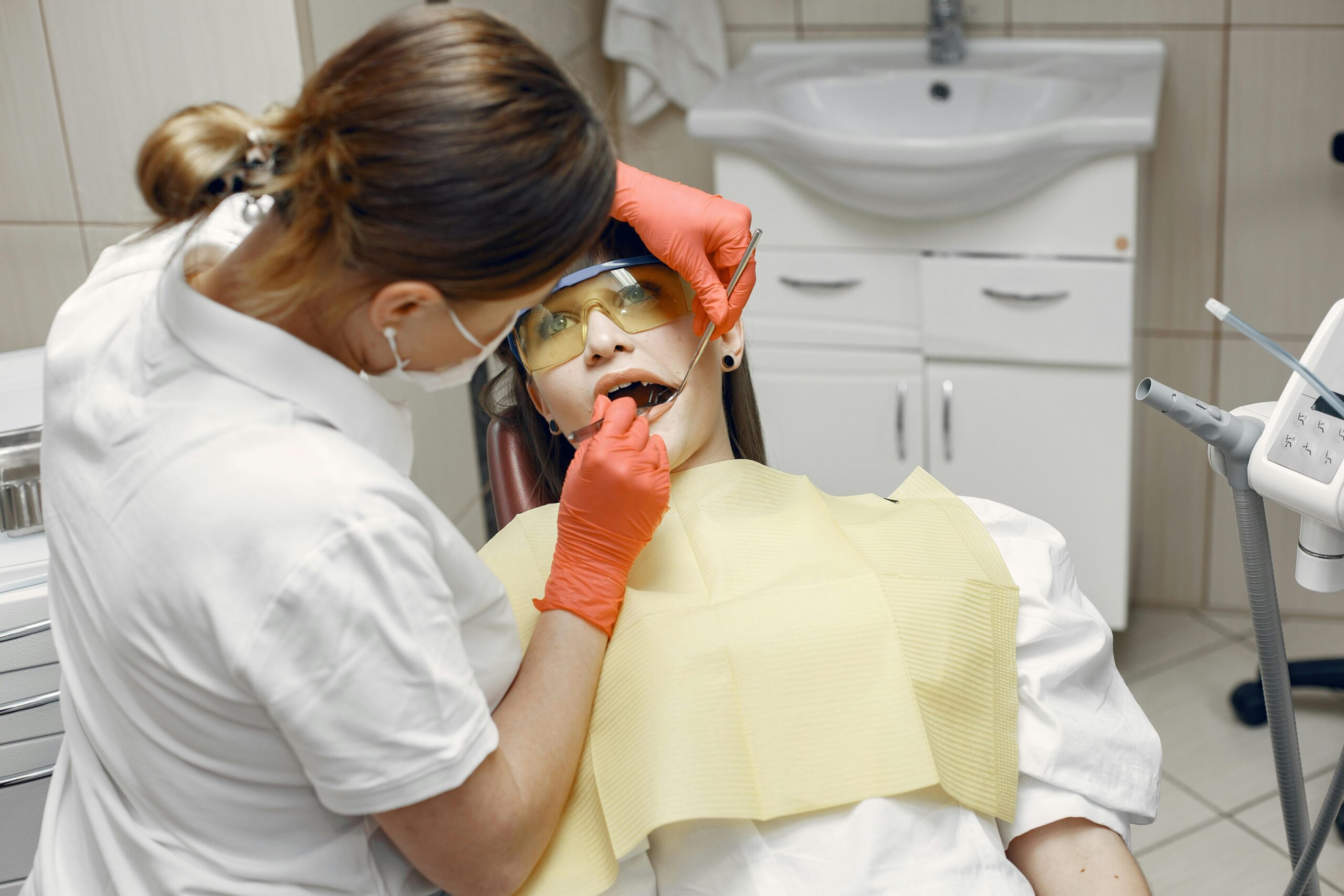
Dental teams remove plaque and tartar with specialized instruments that clean above and below the gumline. Ultrasonic scalers break up deposits with gentle vibration and water spray, then hand instruments refine areas the tip cannot reach. Polishing smooths enamel so fewer bacteria stick afterward. Finally, your clinician reviews spots to focus on at home.
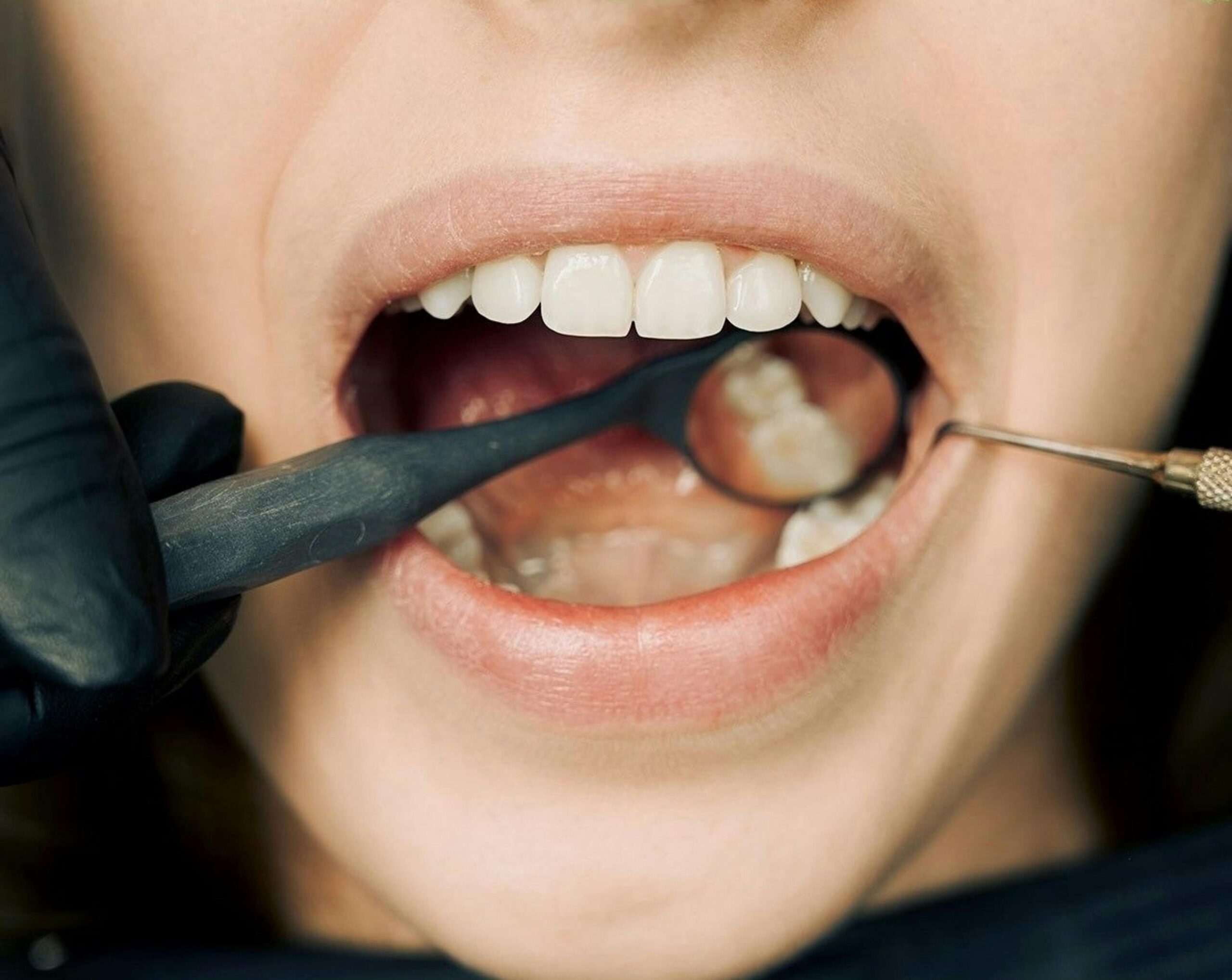
Care starts with a close look at gums and surfaces. A disclosing solution may be used to tint lingering biofilm so it is easy to target. Ultrasonic scaling follows, where a slim tip vibrates while water flushes away loosened plaque and debris. Hand scalers and curettes then glide along tooth contours to remove remaining deposits, especially near the gumline or between teeth. If deeper buildup is present, a dedicated visit for scaling and root planing is planned to treat those sites thoroughly.
After deposits are detached, surface finishing matters. Air polishing with a fine powder can quickly lift biofilm and stain from enamel and around brackets or retainers. Rubber-cup polishing with a fine paste further smooths tiny grooves so the tooth feels clean and resists new film. Polishing does not replace scaling; it complements it by refining the surface.
Your dentist also measures bleeding, plaque locations, and pocket depths to tailor how often you should return. For patients in periodontal maintenance, mechanical debridement remains central to controlling plaque-driven inflammation [3]. After months away, tea stains and rough edges linger despite careful brushing. A professional session resets the mouth to a cleaner baseline, then your daily routine keeps it that way. For a step-by-step look, see what a professional cleaning includes. Prompt professional care supports healthier gums and steadier home results.
The Process of Professional Cleaning
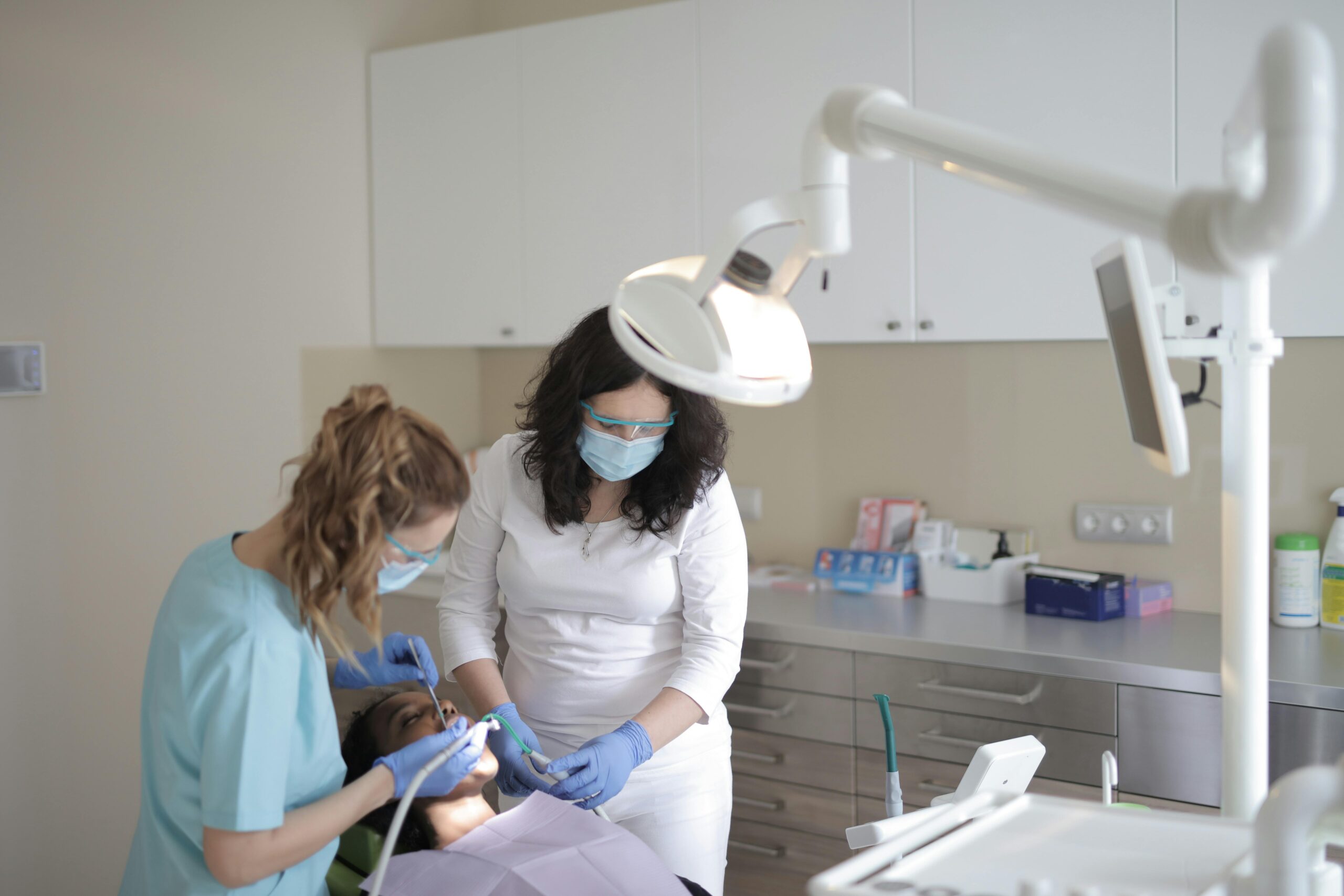
A professional cleaning is a planned sequence that removes soft plaque and hardened tartar above and below the gums. Your hygienist uses powered tips and hand instruments to safely detach deposits, then polishes and reviews home care so teeth feel smooth and easier to keep clean. The goal is thorough plaque removal with minimal irritation and a personalized plan for your next visit.
You leave work and notice a gritty spot behind a lower incisor. At the appointment, your clinician updates your health history, notes any sensitivities, and maps where biofilm and bleeding appear. Stain and disclosed film help target areas that need the most attention. Using gentle water irrigation and fine tips, deposits are lifted from tooth surfaces and along the gumline. For deeper pockets, site-specific instruments free buildup without harming healthy tissue.
Once heavy deposits are gone, attention turns to surface quality. Air powder polishing or a fine-paste polish smooths enamel so bacteria have fewer places to cling. Floss is used to check contacts and sweep out loosened film between teeth. If you have sensitive areas, desensitizing agents or a fluoride varnish may be offered to calm exposed dentin. It is common for gums to feel slightly tender after debridement as tissues respond and then settle; research shows short-term shifts in inflammatory markers following professional cleaning [4].
Your dentist or hygienist then measures gum health and discusses a recall interval based on risk, home care, and findings that day. They will point out specific zones to watch and demonstrate helpful angles or tools for those spots. If deeper calculus or inflamed pockets are present, they may recommend treating those areas more thoroughly at a future visit; learn how this differs from routine care in our overview of deep cleaning procedures. Consistent oral care has benefits beyond the mouth in vulnerable groups, where enhanced daily oral hygiene has reduced pneumonia in nursing homes [5]. When maintained consistently, cleaner teeth support steadier gum health.
What is Scaling Plaque During Treatment?
Scaling plaque during treatment is the focused removal of soft biofilm and hardened tartar from teeth to create a clean, healthy surface. Your clinician does this before or during many procedures so tissues are calmer, the field stays clean, and measurements, bonding, or impressions are more accurate. In periodontal care, scaling targets deeper areas that harbor bacteria so gums can begin to heal.
Before a filling, we quickly clean around the tooth to get a clean field. Scaling works by physically detaching deposits from enamel and, when needed, from root surfaces. Ultrasonic tips use micro-vibration and water to disrupt the biofilm’s structure, while fine hand instruments trace the tooth’s contours to remove what remains. When gum pockets are present, root planing smooths contaminated root areas so the gum can reattach more predictably. A cleaner surface reduces bleeding and helps each next step go smoothly.
What you feel depends on depth and location. Shallow scaling often feels like light pressure and water spray; deeper sites may be numbed for comfort. Afterward, teeth can feel extra smooth and temporarily sensitive to cold. Research shows that professional mechanical plaque removal lowers visible plaque and gingival bleeding in people with biofilm-induced gingivitis, supporting these clinical goals [6]. If signs of gum disease are found, your team may recommend treating those sites more thoroughly; explore the options in our overview of gum disease care choices. For routine restorative visits, scaling is limited to the area being treated, while periodontal therapy is more comprehensive and planned in stages.
Understanding why and when scaling is used helps you anticipate each step and ask focused questions. Cleaner teeth during care lead to steadier outcomes and easier home maintenance afterward. Cleaner surfaces set the stage for comfortable, effective care.
Plaque vs Calculus: Key Differences Explained
Plaque is a soft, living biofilm that you can wipe away; calculus is plaque that has hardened on the tooth and must be professionally scaled off. Plaque forms daily, feels filmy, and irritates gums when it matures. Calculus becomes rock-like, traps stain, and anchors more bacteria. Knowing which is which guides what you can do at home versus what needs a cleaning visit.
Plaque is mostly water, bacteria, and a sticky matrix that clings to enamel and along the gumline. It responds to brushing and interdental cleaning. Calculus is mineralized, with crystals from saliva or crevicular fluid locking into the old biofilm. Where it sits matters. Above the gums, it often looks yellow or chalky. Below the gums, it can be darker and denser, contributing to deeper pockets and bleeding. Because it is rough, calculus becomes a long-term plaque collector if not removed.
You notice a hard, yellow rim near your lower front teeth. That likely signals supragingival calculus, a common spot near salivary ducts. Daily plaque removal slows this down, especially along the gum edge and between teeth. Still, once plaque mineralizes, home tools do not detach it; your hygienist scales it away with precision tips. Early gum changes from lingering plaque include redness and bleeding. See how to spot these in our overview of early gum disease signs.
Think of roles: plaque is the active irritant, calculus is the stubborn scaffold that lets more plaque return. Brushing, interdental cleaning, and mindful rinsing interrupt plaque before it hardens. Professional scaling removes the hardened layer so the surface is smoother and easier to keep clean afterward. If you keep finding rough ledges or recurring stain, that is a cue to schedule a cleaning and refresh your home routine. Catch plaque early, keep calculus from taking hold.
Best Practices for Effective Plaque Control
Effective plaque control starts with consistent daily habits. Brush thoroughly, clean between teeth once a day, and choose tools that fit your mouth and dexterity. Add simple supports, like fluoride toothpaste and mindful rinsing, to keep gums calm and teeth strong.
Focus on where teeth and gums meet. Use gentle, short strokes and a light grip so the bristles can sweep along the gum edge without scrubbing hard. Cover every surface, including the tongue-side of lower front teeth and the back of the last molars. After a snack, a sticky spot lingers near a back tooth. Finish by brushing your tongue to lower bacterial load and freshen breath.
Clean the spaces between teeth with a method that fits snugly. Floss works for tight contacts. For larger gaps, a small interdental brush that fills the space without force often cleans more efficiently. Water flossers can help if you have dexterity limits or bonded wires, and threaders guide floss under bridges and retainers. To spot misses, a disclosing tablet can tint lingering biofilm so you can refine your technique. As an optional aid, certain mouthrinses can reduce biofilm as part of a broader routine; see our overview of mouthwash best practices.
Timing and environment matter. Brush after the last meal of the day and avoid sipping sugary drinks between cleanings so bacteria have less fuel. If your mouth feels dry, sip water and breathe through your nose when possible to support saliva’s natural cleansing. Adjust brush head size and bristle softness to your comfort, and replace worn heads so they work effectively. Daily plaque removal, tailored to your teeth and restorations, keeps biofilm immature and easier to disrupt. Small, steady steps add up to healthier gums and a cleaner smile.
When to Schedule Your Plaque Removal
Plan plaque removal on a schedule matched to your risk. Many healthy adults do well with a professional cleaning every six months. If you build tartar quickly, notice bleeding when you clean between teeth, wear braces or aligners, have dental implants, or have a history of gum disease, every 3 to 4 months is often more effective. New tenderness, swelling, or hard deposits near the gums are cues to come in sooner.
Your recall timing is personalized at each visit. We look at gum measurements, bleeding points, how fast calculus returns, and your cavity risk based on diet, fluoride exposure, and saliva flow. Medical factors also matter, such as pregnancy, diabetes control, and medicines that reduce saliva. After tax season, flossing stings and gums look puffy. That kind of change suggests your interval may need to shorten until tissues are calm again.
Life events can guide timing. Schedule a cleaning before starting whitening or major dental work so bonding and impressions occur on clean surfaces. If you just finished orthodontic treatment, a thorough cleaning and home-care review help you reset around new retainer routines. For patients in periodontal maintenance, sticking to the prescribed interval is key, since missed visits allow deep plaque to mature and irritate the gums again.
Do not wait if you see persistent bleeding, notice a rough ledge you cannot brush away, or have breath that stays sour despite good home care. These signs mean professional help is due, even if your routine date is months away. If you are unsure where you fit, ask your hygienist to recommend a recall window based on today’s findings and your goals; see why routine visits matter in our overview of dental checkups. Thoughtful timing keeps biofilm immature and easier to manage between appointments.
Signs You Need Professional Cleaning
You likely need a professional cleaning when home care no longer keeps gums calm and teeth feeling smooth. Watch for gum bleeding on most days, a gritty rim that stays after brushing, or stain hugging the gumline. New sensitivity to cold, tender spots, or a bad taste that returns quickly also point to buildup that needs clinical care.
You brush well, yet your gums bleed most mornings. That pattern suggests inflamed gum tissue from maturing biofilm. As plaque hardens into tartar, it traps more bacteria and irritates the gums. Bleeding that persists beyond a week of careful brushing and cleaning between teeth, or bleeding that shows up without touching the area, is a sign to schedule. Puffy, shiny red gums, or gums that look rolled at the edges, also indicate they are reacting to deposits you cannot remove at home.
Surface changes offer clues. If floss snags, shreds, or clicks over a ledge, there is likely tartar at the contact. Teeth that look longer may reflect gum recession, which often appears near longstanding buildup. Food catching in the same spots, or a space darkening between teeth, can mean plaque is sitting under the gumline. Orthodontic brackets, bonded wires, or aligners create shelter for biofilm; if those areas look dull or feel fuzzy soon after brushing, a cleaning helps clear what tools at home miss.
Medical and life changes matter too. Dry mouth from new medicines, recent illness, pregnancy, or shifts in diabetes control can speed up plaque growth. Around dental implants, redness or bleeding when cleaning is a cue to be seen, since nearby tissues are more vulnerable. Timely plaque removal by a hygienist re-establishes a smooth, easy-to-clean surface and calms irritated areas. If you notice these patterns, booking a professional session now can prevent deeper gum problems and make your daily routine work better again. Early attention keeps care simple and outcomes steady.
Tips for Maintaining a Plaque-Free Smile
Keep plaque in check with steady daily habits. Brush thoroughly twice a day with fluoride toothpaste, and clean between teeth once daily. Give extra attention to the bedtime routine so no food or film sits overnight. Rinse with water after meals to dilute acids and wash away loose debris.
Work methodically so you never miss spots. Divide your mouth into quadrants and spend about 30 seconds per zone. Use gentle pressure and small strokes that follow the curve where teeth meet gums, keeping bristles in contact as you move. A compact brush head improves access around the back molars and the tongue-side of lower front teeth. After a smoothie, your teeth feel slick but soon turn fuzzy.
Choose an interdental method you can do well every day. If floss is hard to control, a Y-shaped holder can help you reach the back without forcing it. For wider spaces, select an interdental brush that slides through snugly; it should touch the tooth surfaces but not bend sharply. If you wear a retainer, bridge, or bonded wire, thread floss under it or use a small proxy brush to clean the underside. Consistency beats perfection, and either order—floss then brush, or brush then floss—works if you are thorough.
Time your care around everyday exposures. After acidic drinks like sodas or citrus water, wait about 30 minutes before brushing so softened enamel can reharden. Between meals, sip plain water and consider sugar-free gum to stimulate saliva, which naturally helps clear food remnants. If mornings feel rushed, make the evening session your detailed clean, reserving two full minutes and a calm pace. These simple choices, added up, make daily plaque removal more reliable.
If you notice recurring roughness, bleeding, or stain despite these steps, a professional cleaning can reset the surface so home care works better again. Small, steady routines today support calmer gums tomorrow.
Frequently Asked Questions
Here are quick answers to common questions people have about Plaque Removal Explained in Glendale, AZ.
- What is dental plaque and how does it form?
Dental plaque is a sticky film consisting of bacteria, proteins, and sugars that forms on your teeth daily. It begins as a thin layer called pellicle, quickly attracting bacteria. These bacteria produce acids and a glue-like substance using sugars from your food, allowing them to adhere to your teeth. If not removed, plaque can harden into tartar, especially at the gumline, increasing the risk for cavities and gum disease.
- Why does consistency in oral care matter for plaque control?
Consistent oral care disrupts the dental plaque formation process, reducing its ability to mature and harm your gums and teeth. By brushing and cleaning between your teeth daily, you keep the biofilm light and less threatening. This regular maintenance minimizes bleeding and inflammation, promotes healthier gums, and limits the chance of cavities. Over time, maintaining a steady routine supports better long-term oral health.
- Are there signs that professional plaque removal is needed?
You might need professional plaque removal if you notice persistent gum bleeding, gritty or stained areas on your teeth, or bad breath even after brushing. These signs suggest that plaque and tartar might be present, despite home cleaning efforts. If floss snags or teeth feel longer due to receding gums, it may also be time for a dentist visit to ensure thorough cleaning and to address any underlying issues.
- How can I minimize tartar buildup at home?
You can minimize tartar buildup by brushing teeth twice daily with fluoride toothpaste and cleaning between your teeth daily with floss or interdental brushes. Pay special attention to areas near the gums and between teeth. Limit sugary snacks and drinks that fuel plaque growth. Regularly sip water and chew sugar-free gum to promote saliva flow, which helps naturally wash away debris and neutralize bacteria.
- What happens during a professional dental cleaning?
During a professional cleaning, your dental hygienist uses specialized tools to remove plaque and tartar from both above and below your gums. Initial stages involve ultrasonic instruments to break up plaque, followed by hand scaling to refine the cleaning. Polishing with a fine paste smooths the enamel to help prevent bacteria from sticking again. Your hygienist may also review your home care routine to ensure effective ongoing plaque removal.
- How does plaque lead to gum disease?
When plaque isn’t removed regularly, it hardens into tartar and allows more bacteria to colonize. These bacteria produce acids that irritate the gums, leading to inflammation known as gingivitis, which is an early stage of gum disease. If left untreated, gingivitis can progress to a more serious condition called periodontitis, where the gums pull away from the teeth and bone loss may occur, jeopardizing overall dental health.
- Where does tartar commonly build up in the mouth?
Tartar commonly builds up along the gumline, behind the lower front teeth, and on the cheek-side of molars. These areas are prone because saliva, which contains minerals that can calcify plaque into tartar, pools in these regions. Regular plaque removal through brushing and interdental cleaning helps reduce the formation of tartar in these critical spots, though professional cleanings are necessary to address hardened tartar fully.
- What factors contribute to faster tartar formation?
Several factors can accelerate tartar formation, including frequent consumption of sugary snacks or drinks, dry mouth due to certain medications or dehydration, and tobacco use. Crowded teeth, mouth breathing, and inconsistent oral hygiene can also increase the risk. These conditions provide more surfaces for plaque to settle and minerals from saliva to harden, making regular home care and professional cleanings crucial for controlling tartar.
References
- [1] Oral hygiene interventions for people with intellectual disabilities. (2019) — PubMed:31149734 / DOI: 10.1002/14651858.CD012628.pub2
- [2] Primary prevention of peri-implantitis: managing peri-implant mucositis. (2015) — PubMed:25626479 / DOI: 10.1111/jcpe.12369
- [3] Mechanical plaque removal of periodontal maintenance patients: A systematic review and network meta-analysis. (2020) — PubMed:32716118 / DOI: 10.1111/jcpe.13275
- [4] Temporal dynamics of early inflammatory markers after professional dental cleaning: a meta-analysis and spline-based meta-regression of TNF-α, IL-1β, IL-6, and (hs)CRP. (2025) — PubMed:40948802 / DOI: 10.3389/fimmu.2025.1634622
- [5] Oral care measures for preventing nursing home-acquired pneumonia. (2022) — PubMed:36383760 / DOI: 10.1002/14651858.CD012416.pub3
- [6] Clinical Efficacy of Interventions Based on Professional Mechanical Plaque Removal in the Treatment of Dental Biofilm-Induced Gingivitis: A Systematic Review and Meta-Analysis. (2026) — PubMed:41531192 / DOI: 10.1111/jcpe.70083