
Understanding Painless Dentistry
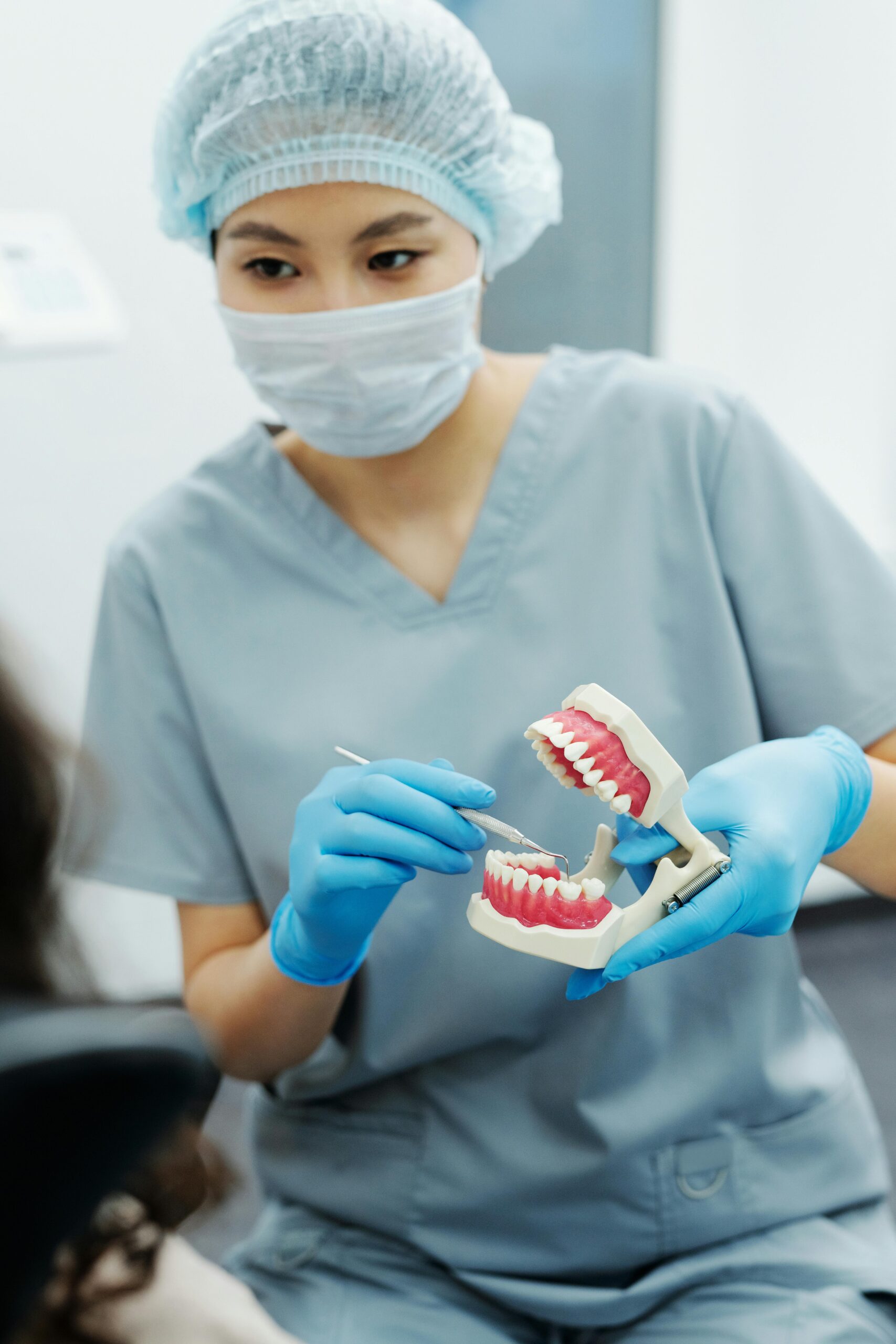
Painless dentistry means planning and using methods that keep you comfortable before, during, and after care. It relies on numbing, gentle technique, and calming options so treatment feels manageable. The aim is to control pain and anxiety without overpromising results.
You need a filling but worry about the injection. Comfort often starts with a topical gel that numbs the surface. Dentists use very fine needles and deliver local anesthetic slowly, which reduces stinging. Warming and buffering the anesthetic can also make it feel smoother. Computer-controlled delivery, steady hand supports, and light vibration near the injection site further distract nerves and help your body relax.
Because anxiety can heighten pain, we also focus on calm communication, predictable steps, and breaks when needed. For added relaxation, nitrous oxide can take the edge off quickly and wears off fast. Oral sedation helps patients with stronger anxiety or longer visits. Deep sedation is reserved for select surgical or complex care with advanced monitoring. To compare these options clearly, see our overview of sedation levels.
- Thoughtful review of your health history and anxiety triggers
- Pre-numbing gel and gentle tissue stretching
- Warmed, buffered local anesthetic
- Slow, staged injections and careful aspiration
- Nitrous oxide or oral sedation when appropriate
- Clear stop signals, short breaks, and simple after-care
What does this mean for you? Most routine dentistry can feel very tolerable with the right plan. Share your past experiences, what worries you, and what has helped before. We will match numbing methods, pacing, and, if appropriate, sedation to your needs. For planning a visit, check our current hours and think about how you prefer appointments to be structured. Joint care between dental and medical teams helps sustain long-term wellness.
Benefits of Gentle Dentistry
Gentle dentistry helps reduce fear, lowers discomfort during and after care, and supports smoother healing. Relaxed patients tolerate treatment better, which can make procedures more predictable. Over time, a calm experience encourages regular checkups and healthier smiles.
Pain and anxiety are linked, so easing tension can lower how strongly your brain interprets pain. A quieter room, softer lighting, and comfortable positioning lessen sensory overload. Steady pacing with frequent comfort checks prevents sudden spikes in sensitivity. When needed, visits can be divided into shorter segments to limit fatigue and jaw strain. Clear, simple explanations also reduce uncertainty, which often decreases perceived pain.
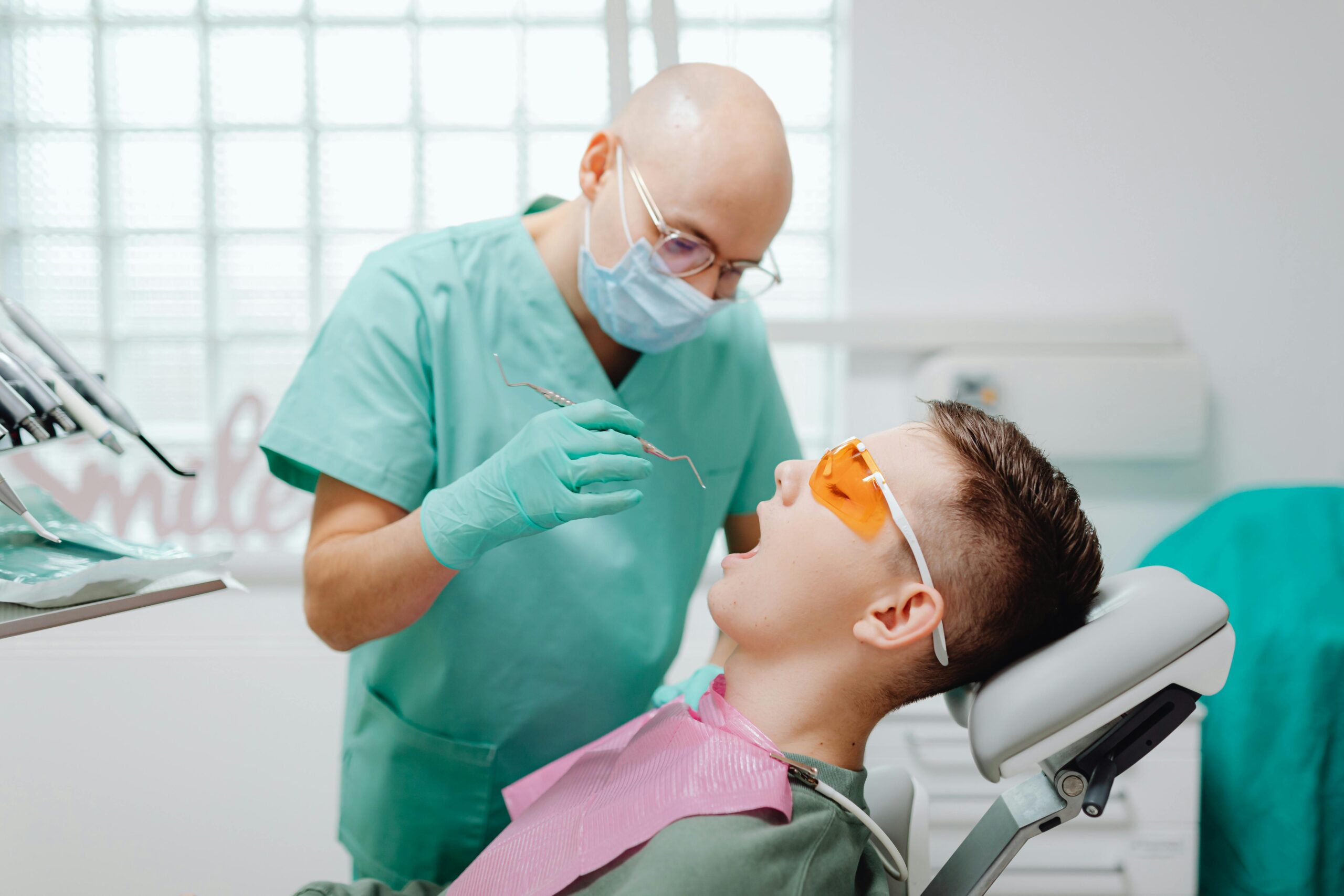
A teen with a vivid memory of a painful filling freezes in the chair. Gentle approaches give control back, such as allowing you to signal for a pause and confirming numbness before each step. Isolation methods like a rubber dam or cotton rolls keep water and taste away, which many patients find soothing. Bite rests reduce muscle tension, and conservative tooth preparation preserves more enamel, which is linked to less postoperative sensitivity. If anxiety is your main barrier, see our practical anxiety tips to prepare before you sit down.
For children, older adults, and people with sensory sensitivity, a gentle style can be the difference between avoiding care and getting it done. It also supports accurate treatment because you can stay still, breathe evenly, and communicate needs in real time. These benefits add up: less stress during the visit, fewer sore spots after, and more confidence to return. Gentle care is a core part of painless dentistry for many patients. Coordinated care often leads to clearer days and calmer nights.
Overview of Painless Dental Treatments
Painless dentistry focuses on methods that lower pain signals, limit tissue stress, and keep you calm. Treatments range from precise numbing to minimally invasive techniques and, when appropriate, sedation. The goal is care that feels comfortable while still being effective.
Local anesthesia is the foundation. Your dentist selects the best approach for the tooth and procedure, such as numbing near the tooth or blocking a nerve that serves a larger area. Shorter- or longer-acting anesthetics are chosen to match the visit length, and supplemental numbing can be added if a spot remains sensitive. Careful testing before treatment begins helps confirm that you are numb where it matters.
Minimally invasive methods can reduce the need for drilling. Very early decay may be watched or treated with strengthening agents that harden enamel. Small cavities can sometimes be cleaned with air abrasion or gentle hand instruments. In select cases, caries-arresting medicines help manage decay without shots or the handpiece. A brief scenario: a shallow pit cavity is cleaned with air abrasion and sealed, no needle needed. For soft tissues, dental lasers can precisely shape or release tissue with controlled bleeding, which often shortens chair time. Modern bonding systems and careful bite adjustment also help cut down on after-visit sensitivity.
Comfort supports matter too. Distraction with music, guided breathing, and a steady pace keep the nervous system settled. For people with higher anxiety or longer procedures, sedation can be layered onto local anesthetic under monitoring. To understand how offices keep sedation safe, see our overview of sedation safety standards. Good numbness, conservative techniques, and clear communication work together to make visits feel manageable from start to finish.
If you have a history of difficult numbing or strong dental anxiety, share that early so we can plan the right approach. Small issues are simpler to treat gently, so do not wait on concerns. Timely attention supports comfortable care and lasting oral health.
Exploring No Pain Dentistry Techniques
No pain dentistry uses targeted numbing, gentle tissue handling, and calming supports to keep procedures comfortable. It blends precise anesthesia, minimally invasive methods, and relaxation strategies so treatment feels manageable. In short, painless dentistry is a plan, not a promise, tailored to your body and your procedure.
Comfort starts with how anesthesia is delivered. Beyond standard injections, dentists may layer techniques such as periodontal ligament or intraosseous anesthesia to numb “hot” teeth quickly and precisely. Articaine infiltrations can help in dense bone areas, while careful testing confirms numbness before work begins. For people who dread needles, cooling sprays or compounded topical gels reduce surface sensation and make the first pinch less noticeable.
Technique matters during treatment too. Atraumatic caries removal, including chemo‑mechanical gels or hand excavation, preserves healthy tooth and limits sensitivity. In restorative care, sharp, small burs, light pressure, and ample water reduce heat and vibration. For soft tissues, refined instruments and controlled cautery can shorten time in the chair and minimize bleeding. A brief scenario: a lower molar that stays sensitive after a block receives a quick intraosseous dose and turns fully numb.
Pre‑emptive comfort steps help as well. When appropriate, your dentist may suggest timed over‑the‑counter pain relievers before and after care, which can lower soreness while anesthesia wears off. Noise‑canceling headphones, guided breathing, and clear pacing keep the nervous system settled. For patients with higher anxiety, combining local anesthesia with sedation can be the difference between avoiding care and completing it. To see how that is approached locally, review our sedation overview for Glendale patients.
If you have a history of hard‑to‑numb teeth or past painful visits, share that early so we can plan the right mix of techniques. Small issues are simpler to treat gently, so timely care helps. Prompt evaluation supports calmer visits and predictable healing.
Discuss safe sedation choices tailored to your procedure and health.
Dentistry can feel calm and manageable.
Numbing Options for Dental Comfort
Numbing options include several types of local anesthesia tailored to the tooth, procedure, and your health history. Your dentist may numb a small area near the tooth, or block a larger nerve that supplies a group of teeth. The aim is simple, steady comfort from start to finish.
For many upper teeth and lower front teeth, a local infiltration near the root is often enough. Lower back teeth usually require a nerve block that numbs the jaw on one side. If a standard block is difficult or mouth opening is limited, alternative blocks like Gow-Gates or Akinosi can be used. In some cases, adding a small supplemental infiltration improves depth of numbness.
When a tooth is very inflamed, extra steps can quiet it quickly. Periodontal ligament injections place anesthetic beside the tooth’s socket for fast, precise relief. Intraosseous injections deliver anesthetic through bone for rapid onset. If the nerve is exposed during treatment, an intrapulpal injection can stop remaining sensation. Real-world moment: your back tooth aches despite a block; a ligament injection calms it within seconds.
Anesthetic selection also affects how long you stay numb. Shorter-acting choices help for brief visits or for patients prone to lip or cheek biting. Longer-acting medicine can reduce soreness after surgical care by keeping tissues numb into the first hours of recovery. Solutions that include a vasoconstrictor tend to last longer and control bleeding more, while “plain” options are used when epinephrine is not advised. Share any heart history, respiratory conditions, or sensitivities so the plan fits your needs.
Before starting, your dentist will test numbness and adjust until the area feels fully asleep. If you want to understand discomfort around a specific procedure, explore what to expect during a root canal. With the right mix of techniques, painless dentistry becomes a practical, stepwise approach to care. When planned well, numbness supports calm visits and steady healing.
Laser Dentistry and Patient Comfort
Lasers can make dental visits feel calmer by working quietly and precisely. They can trim or treat soft tissue with less bleeding, and sometimes reduce the need for stitches. For many procedures, anesthesia is still used, but some people need less of it. The aim is a smoother visit with fewer sore spots afterward.
Lasers focus light to remove or shape tissue while sealing tiny blood vessels. This often limits swelling and helps keep the area clean. On teeth, certain lasers remove decay with less heat and vibration than a drill, which can feel gentler. Low-level laser light, called photobiomodulation, can also calm irritated mouth tissues and reduce the severity of painful mouth sores in medical settings [1]. A short scenario: a lip-tie is released with a laser, and the visit is brief.
Comfort benefits depend on the task. For soft-tissue steps like contouring gums or releasing a frenulum, lasers typically mean controlled bleeding and a tidy field, which can shorten chair time. In root canal therapy, some studies report that laser-assisted cleaning is linked with lower pain after treatment when compared with non-laser methods, though results vary by protocol [2]. If your main concern is tender, bleeding gums, see our guide to why gums bleed and how dentists treat it for practical context.
It helps to set clear comfort goals before we begin. Tell us what has bothered you in past visits, and we will decide when lasers, numbing approaches, or other gentle methods fit your needs. Lasers are one tool inside painless dentistry, used when they clearly add comfort or precision. Coordinated care often leads to clearer days and calmer nights.
Discovering Anxiety Free Care
Anxiety free care means shaping every step of your visit to lower fear, regain control, and keep sensations manageable. It blends predictable planning, a calm environment, and proven coping tools. When needed, medication-based supports can be added responsibly. The result is a visit that feels doable, not overwhelming.
Preparation starts before you arrive. We identify triggers, review health history, and plan the first appointment around your best time of day. Clear previews of sounds, tastes, and timing reduce uncertainty. You may bring music, a hoodie, or a small comfort item to steady your senses. One short scenario: you choose a quiet morning slot and start with a brief, no-drill check.
During care, control lowers stress. We agree on a stop cue, use “tell, show, try” to introduce each step, and build in micro-breaks. Guided nasal breathing and simple grounding, like touching the armrest and noting three details in the room, help your nervous system settle. Protective eyewear, lip moisturizer, and careful suction limit splash and taste. Local anesthetic is tested gently and adjusted so you feel pressure, not pain.
Some patients benefit from gradual desensitization. We might first complete a cleaning, then a short filling on a fully numb area, and only later a longer visit. If anxiety remains high, nitrous oxide or a thoughtfully planned oral medicine can layer relaxation onto local anesthesia. For a deeper dive into choices geared to worry, see our overview of options for anxious adults.
Afterward, simple routines support recovery and confidence. You leave with plain-language instructions, expected timelines for feeling, and a note in your chart about what worked well. Share what helped and what did not so we can refine the plan next time. This is how painless dentistry becomes practical, one calm step at a time. Small, planned steps turn worry into workable visits.
What to Expect During a Painless Visit
A painless visit follows a calm, step-by-step plan that keeps you informed and in control. You will review your health history, agree on a stop signal, and preview what you may feel, such as pressure or cool water. Numbing is confirmed before work begins, and the pace adjusts to your comfort. Clear after-care wraps up the visit so you know what comes next.
You arrive a little early, choose music, and confirm your stop signal. We take vital signs, discuss any past difficult experiences, and outline the sequence for today’s care. The dentist places numbing medicine, waits for it to take effect, and tests sensation in the exact area being treated. If any spot still feels sharp, more anesthesia is added before proceeding.
During treatment, you can expect frequent check-ins and short, planned pauses. You may notice gentle pressure, vibration, or water sounds, but these should not be painful. The team keeps your mouth comfortable with steady suction and clear breathing space, and your jaw gets periodic rest. Progress updates let you know how much is left and what the next minute will feel like.
When the procedure ends, you will receive simple instructions tailored to the work performed. This includes how long numbness might last, what to avoid while you are numb, and when to resume routine activities. We note what worked well in your comfort plan so future visits keep improving. If you want a preview of a common preventive visit, see what a cleaning appointment typically involves.
Painless dentistry is not a promise of zero sensation, but a thoughtful plan to prevent pain and reduce stress. Share your goals, ask questions, and expect a measured pace. Prompt communication supports comfortable care and steady recovery.
Overcoming Dental Anxiety with Modern Techniques
Overcoming dental anxiety starts with planning, not pressure. Modern techniques combine careful screening, precise comfort tools, and clear communication so visits feel manageable. We tailor the environment and the steps to your triggers, then layer support only as needed. The aim is steady control of fear and sensation within a calm, predictable plan of painless dentistry.
First, we identify what raises your stress. Short, validated anxiety screens, a quick review of past experiences, and a preview of sounds or tastes help us map a personalized plan. Scheduling at your best time of day and beginning with brief, success‑building visits reduces anticipatory worry. Transitional steps, like sitting up between phases or confirming what you may feel next, keep the process grounded and clear.
Technology also helps quiet the nervous system. Computer‑controlled anesthetic delivery provides slow, even numbing with minimal sting. Vibration or tapping devices near the injection site distract the brain’s pain pathways. For some patients, virtual reality or guided imagery offers an immersive focus that reduces perceived threat. Noise‑reducing headphones, gentle lighting, and a tidy, scent‑light room further limit sensory overload. A short scenario: needle‑wary patient chooses VR and completes a small filling calmly.
Behavioral tools round out the plan. Brief, paced nasal breathing lowers heart rate and helps you stay present. Grounding techniques, like noticing three details you can see or feel, give your mind a stable anchor. Micro‑breaks and a reliable stop signal restore a sense of control. When fear remains high, we may add nitrous oxide or an oral medicine to relaxation, paired with local anesthesia and standard monitoring. These supports are chosen to match your health history and the procedure’s length.
If x‑rays make you uneasy, learning why and how we use them can ease worry; explore x‑ray safety explained for context. Share what has helped you in other settings, and we will adapt the plan. Small, well‑planned steps can turn a stressful appointment into a workable experience. Share your goals early so we can tailor comfort to your needs.
The Role of Technology in Painless Dentistry
Technology reduces pain by making each step more precise, faster, and calmer. Digital planning, quiet instruments, and guided anesthesia help lower pain signals and shorten chair time. In painless dentistry, these tools are used when they clearly add comfort and control.
Computer‑controlled anesthetic delivery provides a steady, slow flow so tissues are not stretched quickly, which many patients find less stingy. Sensors help keep the rate even, and preprogrammed settings match the area being numbed. Gentle vibration at the site can further distract nerves while the anesthetic takes effect. A 10‑second real‑world moment: a needle‑wary patient completes a small filling with slow, computer‑guided numbing.
During treatment, modern handpieces run with smoother torque and less whistling, which reduces heat, vibration, and noise. Ultrasonic and piezoelectric tools can loosen tartar or shape bone with fine control, often preserving more healthy tissue. For soft‑tissue steps, energy‑based devices can trim or contour with controlled bleeding, which keeps the field clear and can shorten visits. The focus is simple, predictable progress without sharp sensations.
Digital scanning replaces many goopy impressions, cutting gag risk and taste triggers. Intraoral cameras let you see what we see, which reduces uncertainty and improves shared decisions. Digital bite analysis helps fine‑tune how your teeth meet after a filling or crown, lowering the chance of bite‑related soreness later. These technologies support accuracy, which often means less adjustment and fewer sore spots.
Imaging and navigation also contribute to comfort. Low‑dose digital x‑rays and 3D scans guide exact diagnosis and planning, so procedures can be targeted and efficient. In root canal therapy, electronic length measurements help avoid over‑ or under‑instrumenting the canal, which can reduce tenderness after care. When aligned with gentle technique and good anesthesia, technology helps make visits feel smooth from start to finish.
Tell us what sensations worry you most, and we will choose the tools that best fit your needs. Timely attention to comfort options guides calmer visits.
Frequently Asked Questions
Here are quick answers to common questions people have about Painless Dentistry: What You Need to Know in Glendale, AZ.
- What does painless dentistry really mean?
Painless dentistry involves strategies that make dental care comfortable and stress-free. It uses numbing techniques like local anesthesia and calming methods such as nitrous oxide to reduce pain and anxiety. The process includes gentle procedures, thoughtful communication, and when needed, sedation. This way, dental visits aim to be more manageable and less intimidating for all patients.
- How does topical numbing gel work?
Topical numbing gel is applied to the surface of your gums to desensitize the area before an injection. It acts quickly to ease initial discomfort by reducing the skin’s nerve sensitivity. This allows for the local anesthetic injection to be felt less intensely, leading to a more comfortable dental visit overall.
- What are the benefits of using laser dentistry?
Laser dentistry offers control and precision, causing less bleeding and often reducing the need for stitches. It can make treatment feel gentler, as lasers work with minimal noise, heat, or vibration. This technology also supports faster healing and may require less anesthesia, making dental visits smoother and potentially shorter.
- How do dentists manage anxiety during treatment?
Dentists use various methods to manage anxiety, including calm communication and setting a comfortable pace. They establish stop signals and take short breaks when needed. Anxiety-relieving options like nitrous oxide can also be introduced. For those with significant anxiety, oral sedation might be considered to create a relaxing experience.
- Can children benefit from painless dentistry techniques?
Yes, children benefit significantly from painless dentistry. Techniques like gentle numbing and calming communication help create a positive dental experience. Special tools and techniques, such as distraction and clear step-by-step explanations, make children feel more at ease, reducing their anxiety and improving their overall dental care experience.
- What makes minimally invasive dentistry different?
Minimally invasive dentistry focuses on preserving as much natural tooth structure as possible. Techniques include air abrasion, gentle hand instruments, or chemical solutions to treat cavities without extensive drilling. These methods reduce discomfort, shorten recovery time, and maintain healthier teeth in the long run.
- Why is calming communication important during dental visits?
Calm communication helps reduce patient anxiety and creates a sense of trust between the dentist and patient. Understanding each step and knowing what to expect can lower stress and make treatment more manageable. This ensures that patients feel heard and involved in their care, leading to a smoother, less intimidating dental experience.
- How can patients prepare for a painless dental visit?
Patients can prepare by discussing their dental fears, health history, and preferences with their dentist. Arriving early, selecting preferred music, and bringing a small comfort item can also help. Knowing the stop signals and setting clear expectations about the procedure allows for a more predictable and relaxed experience.
References
- [1] Photobiomodulation as a preventive strategy for oral mucositis in pediatric oncology: a systematic review and meta-analysis. (2025) — PubMed:40889543 / DOI: 10.1016/j.jdent.2025.106074
- [2] Comparative Evaluation of the Effectiveness of Laser-Assisted Irrigation and Ultrasonic Irrigation on Postoperative Pain in Single-Visit Endodontics: A Systematic Review. (2025) — PubMed:40585660 / DOI: 10.7759/cureus.84947