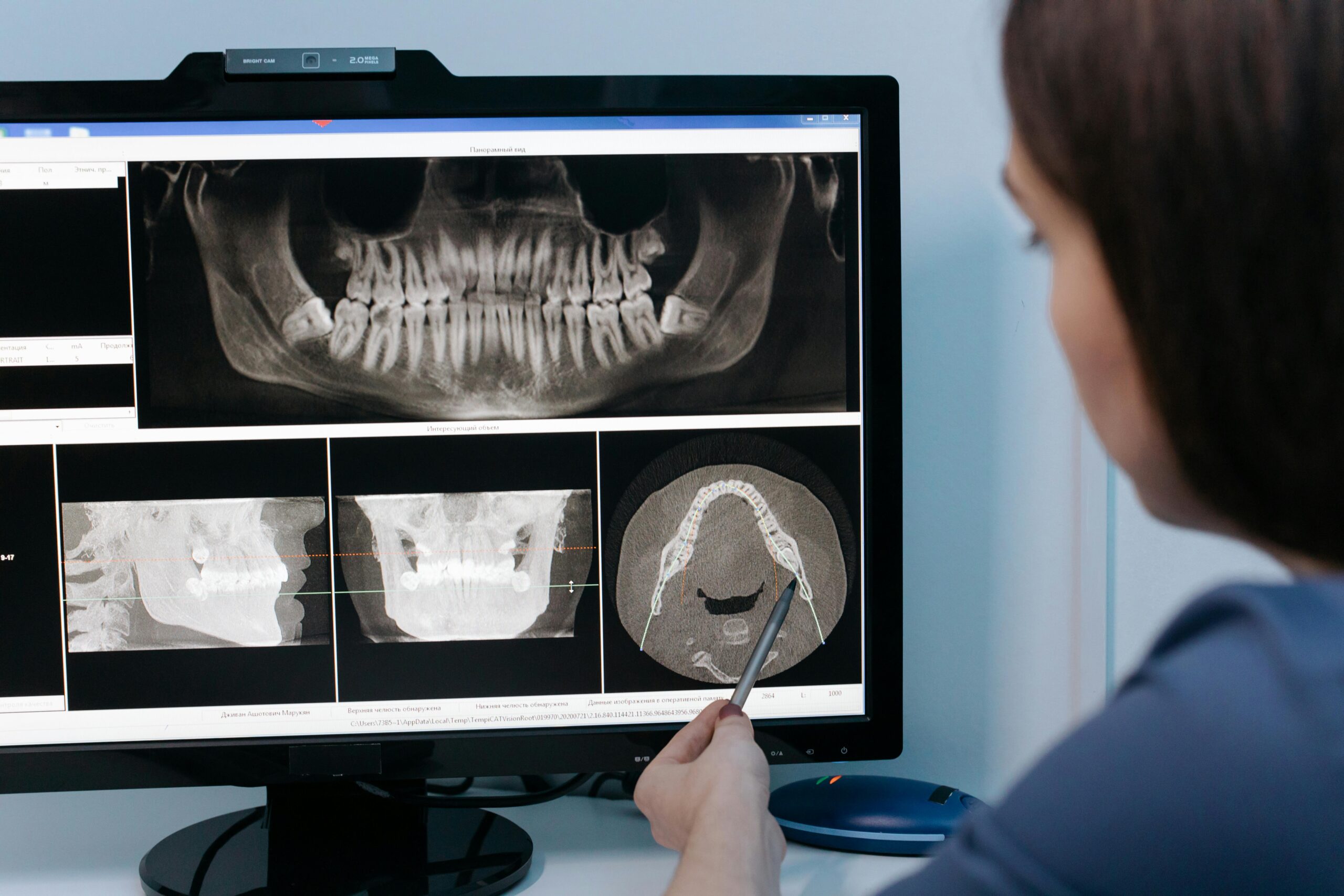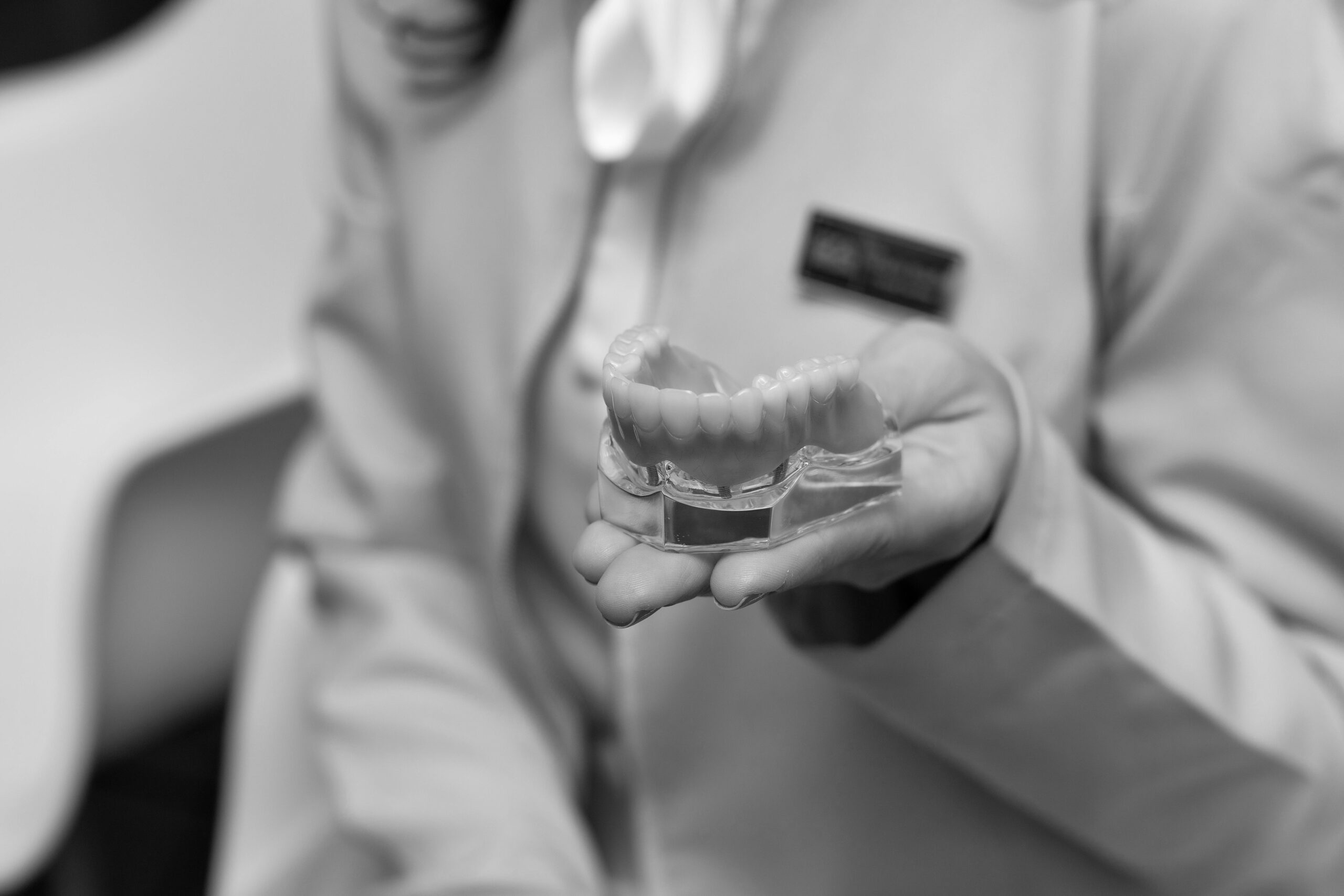
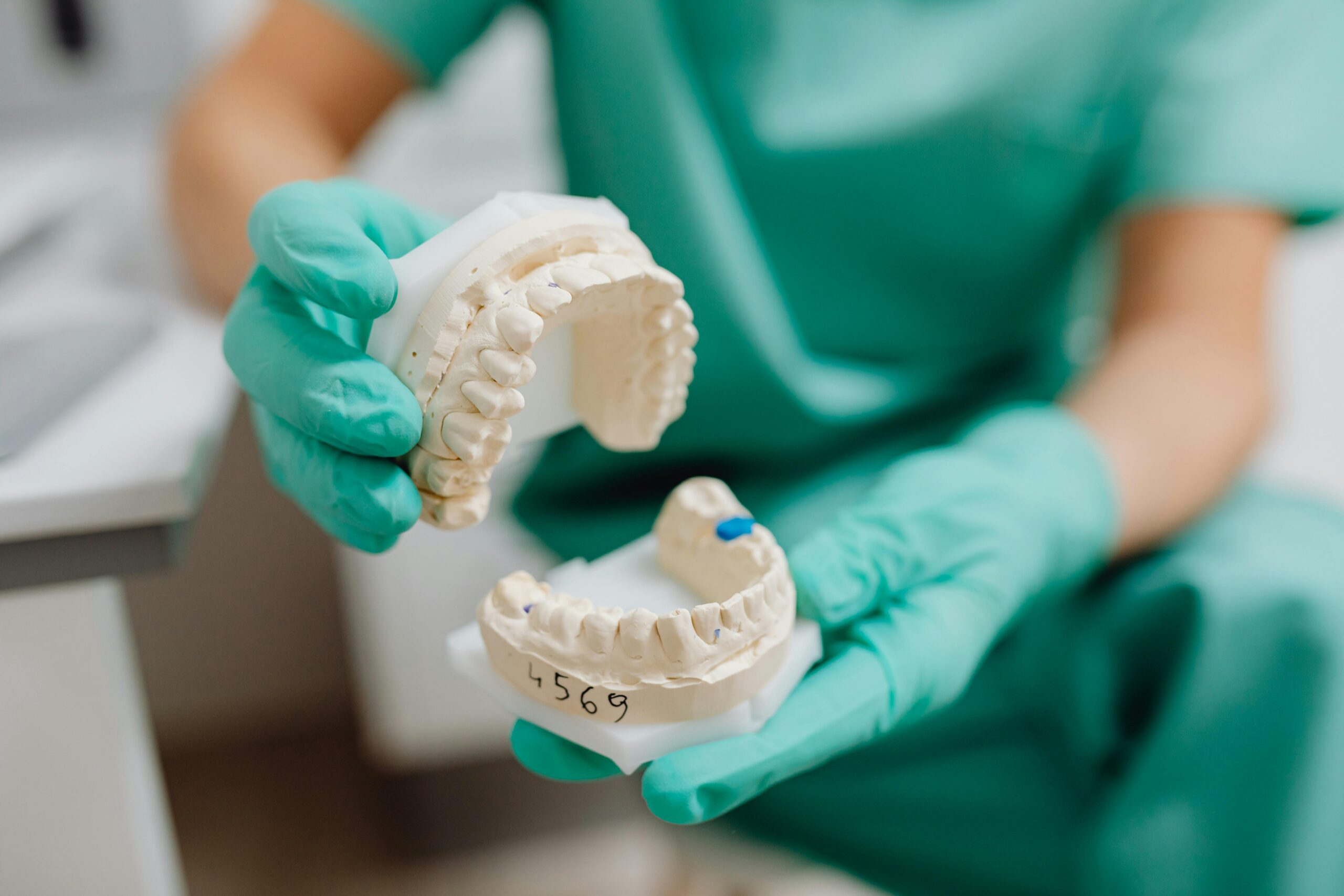

What Are Orthodontic Retainers?
Orthodontic retainers are custom devices worn after braces or aligners to keep teeth in their new positions. They hold alignment while bone and ligaments adapt, helping prevent teeth from sliding back. Retainers can be removable or fixed, and your dentist selects a style based on your bite, habits, and goals.
You finish braces, then skip wear for a month, a front tooth drifts. Teeth can shift because tissues around them have elastic memory, and small growth or bite forces nudge them over time. Wearing your retainer as directed limits this drift and helps protect your treatment result. Systematic reviews suggest that vacuum-formed, Hawley, and fixed bonded retainers each can maintain alignment, with performance depending on the outcome measured and follow-up period [1]. A network meta-analysis comparing retainer types also indicates effectiveness varies by protocol and clinical goals [2].
Removable retainers include clear vacuum-formed trays that cover the teeth and classic Hawley designs with acrylic and a front wire. These are easier to clean and can be removed for meals, but they rely on consistent wear. Fixed retainers are thin wires bonded behind front teeth; they work full time without patient effort, yet require careful hygiene and periodic checks. Laboratory evidence shows that bonding technique and wire–composite properties influence durability and failure rates of fixed retainers [3]. If you completed clear aligner therapy, see our guide to post-Invisalign retainers for wear routines and care ideas. New “smart” removable retainers can log wear time, which helps track adherence in studies and may support better habits [4].
- Follow your wear schedule exactly, especially in the first year.
- Clean removable retainers with cool water and a soft brush; avoid heat.
- Store retainers in a ventilated case when not in your mouth.
- Contact your dental team if a wire loosens, a tray cracks, or fit changes.
Understanding what a retainer does makes the next step clear, which is choosing the right type and wear plan for your smile. Joint planning with your dental team supports long-term stability.
The Role of Retainers in Orthodontics
Retainers provide the bridge from active tooth movement to long-term stability. They counter everyday relapse pressures from chewing, speech, and growth so your corrected bite can last. In short, orthodontic retainers help preserve treatment results while your mouth adapts.
Why this matters biologically: teeth do not “set” the day braces or aligners end. Periodontal fibers need time to relax, and bone reshapes slowly, which can drive subtle shifting over months and years. Research reviews note that stability depends on individualized plans, and many protocols favor prolonged, often nighttime wear to curb relapse [5].
Different retainer designs also play distinct roles. Fixed lingual wires excel at holding front-tooth contact relationships through daily life with minimal patient effort. Removable trays or plates cover more teeth, can support arch form, and allow your dentist to monitor fit as bite contacts settle after treatment. In special situations, retention is tailored to protect arch shape, such as care for unilateral cleft lip and palate, where maintaining maxillary width is critical [6]. Night grinding quietly pushes teeth with repeated force. If clenching is a factor, learn how a night guard can buffer those loads.
For patients, the takeaway is simple: retention is part of treatment, not an afterthought. Your plan will reflect your bite, growth stage, and habits, and it may evolve as your smile matures. Periodic checks help verify fit and catch small changes early. For visit timing and updates, see our current hours. Collaborative care preserves hard-won alignment.
Types of Orthodontic Retainers Explained
Most retainers fall into two groups: removable and fixed. Removable styles include clear plastic trays and classic acrylic-and-wire plates. Fixed retainers are thin wires bonded behind front teeth. Each type holds alignment in a different way, and the best choice depends on your bite and habits.
Clear removable retainers are made from thin, vacuum-formed plastic that hugs the teeth. They are nearly invisible and simple to wear at night. Because they cover chewing surfaces, they protect enamel but can slow natural bite “settling” in some cases. Heat can warp them, and cracks can appear if they are flexed or ground. People finishing clear aligner therapy often like this style because it feels familiar.
Hawley-style plates use an acrylic base that rests on the palate or behind the lower teeth, with a slender front wire. They are durable, adjustable, and allow back teeth to contact more naturally because chewing surfaces are not fully covered. Designs can be customized, like wrap-around wires for broader support or added springs to fine-tune minor rotations. Speech may sound different for a few days, then most patients adapt.
Fixed lingual retainers are small wires bonded to the tongue side of front teeth, usually canine to canine. They work around the clock without relying on daily wear, which is helpful for lower front teeth that tend to crowd. Good brushing and floss threaders are essential to prevent plaque and tartar around the wire. Bonds can loosen or the wire can distort, so periodic checks matter. In very deep bites, a bonded wire may need modification or a different plan to avoid contact with lower teeth.
Because every smile and lifestyle is different, your dentist will match the retainer to your crowding pattern, bite forces, grinding risk, hygiene, and esthetic goals. A teen who grinds at night may pair a lower fixed wire with an upper clear tray. Tell us what matters to you, and we will shape a plan you can maintain. Thoughtful planning with your dentist keeps your smile steady.
The Clear Retainer Option
Clear retainers are transparent, custom-molded trays that fit snugly over your teeth to hold alignment after treatment. They are low profile, easy to wear, and usually worn at night once your initial stabilization phase is complete. Many patients prefer them for their discreet look and simple routine.
Among orthodontic retainers, clear trays are popular because they closely wrap each tooth, limiting tiny shifts that can happen as tissues settle. Different material thicknesses let your dentist balance comfort with durability. Because the tray covers the biting edges, it can serve as a light enamel shield for mild clenching. If you are a heavy grinder, your dentist may adjust the plan so the retainer does not double as a night guard. One small slip-up, such as leaving it out for a week, can let a rotated tooth start to drift.
Care is straightforward but consistent habits matter. Rinse the tray after meals, brush your teeth before reinserting, and use cool water to clean the retainer so heat does not deform it. Mild, non-abrasive soap can help remove film; avoid boiling water and strong chemicals. If the tray develops odor or mineral deposits, bring it to your visit for a professional clean and fit check. Pets are attracted to the smell of saliva, so always store it in a ventilated case out of reach. If you finished clear aligners, this retainer will feel familiar; if you are curious about the treatment they resemble, you can learn how clear aligners move teeth.
Wear schedules are personalized. Many patients start with more hours right after active treatment, then taper to nighttime wear. Your dentist will refine timing based on how your bite settles, your growth stage, and any grinding or airway habits. If the tray feels tight after skipping nights, that is a sign to resume steady wear and call for an assessment. Clear retainers work best when they fit well and are used consistently. Consistent, well-fitted retention keeps progress stable.
See your alignment options, expected timeline, and retention strategy.
Straighter teeth, clearer plan.
Understanding the Hawley Retainer
A Hawley retainer is a removable plate made of smooth acrylic with a thin wire that runs across the front teeth. Its job is to hold teeth steady after treatment while your bite settles. Among orthodontic retainers, it stands out because your dentist can fine-tune the front wire and clasps for a precise fit.
The Hawley’s labial bow (front wire) touches the teeth lightly, and small clasps hug back teeth to keep the plate stable. Because chewing surfaces are mostly uncovered, back teeth can find their best contacts over time, which many patients like. Your dentist can make small bends to the bow or add components, such as wraparound designs, to support specific alignment goals without remaking the retainer. The acrylic base can be contoured for comfort and trimmed to avoid sore spots, which helps with daily wear. If the wire gets slightly out of shape, it can often be re-adjusted at a visit.
Wearing and caring for a Hawley is straightforward. Insert it with firm finger pressure, not by biting; remove it by easing the clasps evenly. Speech may sound different for a few days, then most people adapt as the tongue learns the new shape. Clean it daily with cool water and a soft brush, and avoid hot water that can distort acrylic. If food or drink odors linger, a gentle soap helps; keep it in a ventilated case when not in your mouth. You remove it for meals and sports, then put it back in right after. You skip it for a weekend trip, and on Monday it feels snug going in.
Who benefits most? Hawley retainers suit patients who want a durable, adjustable option that allows natural bite settling and can be tuned over time. They are also helpful when small touch-ups are expected during retention. If you grind heavily or have a very deep bite, your dentist may alter the design or recommend a different plan to avoid unwanted contacts. The best choice balances comfort, hygiene, and how your bite functions day to day. Joint care between dental and medical teams helps sustain long-term wellness.
What Is a Fixed Retainer?
A fixed retainer is a slim wire bonded to the tongue side of your front teeth, usually canine to canine. It stays in place full time to keep teeth from drifting after treatment. The wire can be multistrand metal or a fiber ribbon, and it is hidden when you smile. Its goal is simple: hold alignment without relying on daily wear.
Because it is attached, a fixed retainer works around the clock. This can be especially helpful for lower front teeth, which often try to crowd. It does not move teeth, it just keeps them steady while bone and ligaments adapt. You bite a sandwich, and the hidden wire quietly keeps contacts stable. As your bite settles, your dentist may adjust the overall retention plan to match how your teeth function day to day.
Care matters. Brush carefully around the bonded spots and thread floss under the wire to clean between teeth. If you want a refresher, see our overview of flossing techniques. Tartar can build faster near the wire, so regular cleanings help. Avoid twisting or picking at the retainer with your fingers, and try not to bite hard objects with the bonded teeth.
Watch for changes. A loose bond, a rough edge, or a newly appearing gap means the retainer may have shifted or detached. Call for a quick repair, because teeth can start to move if the wire is no longer secure. In very deep bites or with heavy grinding, the design may be modified so opposing teeth do not hit the wire. Sometimes, a fixed lower retainer is paired with a removable upper one for balanced support.
Fixed retainers suit people who want set‑and‑forget stability, especially after crowding relief or space closure. Your dentist will tailor the design, cleaning tools, and checkup timing to your mouth and habits. Prompt evaluation supports long-term stability and comfortable function.
How to Care for Your Retainer
Clean your retainer every day, keep it away from heat, store it safely, and watch the fit. Care differs a bit for removable versus fixed styles, but the goal is the same: prevent buildup and keep alignment steady. If something changes in comfort or fit, contact your dental team.
For removable retainers, rinse after taking it out, then gently brush it. Use a soft brush with water and a small amount of mild soap; toothpaste can scratch many plastics. Do not boil, microwave, or leave it in a hot car, since heat can deform acrylic and clear trays. Let it dry and place it in a hard case when you are not wearing it. You wrap it in a napkin at lunch, it gets tossed.
For a fixed retainer, clean under the wire daily. A floss threader, interdental brush, or water flosser helps reach the tight areas. Avoid chewing ice, pens, or other hard objects on the bonded teeth. If a spot feels rough, a bond lifts, or the wire bends, call promptly and use any backup removable retainer you were given until it is checked. Regular cleanings reduce tartar that tends to collect near bonded wires.
Daily habits make the difference. Brush and floss before reinserting a removable retainer so plaque is not trapped against enamel; if you want a quick refresher, review brushing basics. Do not drink hot beverages while wearing a clear tray, and skip soaking in harsh chemicals or alcohol-based solutions. If a retainer feels tighter after missed time, resume wear soon; if it will not seat fully, do not force it and call. Orthodontic retainers last longer and work better with steady, simple care. Coordinated care often leads to steadier alignment and fewer surprises.
Recommended Retainer Duration
Most patients wear retainers full time right after treatment, then taper to nights. Long-term, many people continue nighttime wear for years, often indefinitely, to reduce relapse. Fixed retainers commonly stay in place for multi‑year periods with routine checks. Exact timing is personalized based on your age, treatment details, and how your bite settles.
Why the long horizon? In the first months, periodontal fibers relax and bone remodels, so teeth are more likely to drift if support is reduced. Because of this, many evidence-based protocols begin with more hours of wear, then shift to consistent nighttime use for the long term. Reviews of retention approaches frequently report that indefinite night wear is a practical way to curb late changes in alignment [7]. Using orthodontic retainers this way helps your smile adapt while everyday forces continue.
Growth and habits also shape duration. Teens and young adults may still experience subtle jaw changes into their early twenties, so ongoing night wear helps counter small shifts. Adults benefit too, since biting, clenching, and natural aging can nudge teeth. You misplace a retainer for two weeks, it feels tight when back in. That tightness is a cue to resume steady wear and schedule a fit check.
For fixed retainers, the timeline is different. These bonded wires are designed to stay for years and work around the clock, but they are not maintenance‑free. A systematic review found measurable failure rates for bonded retainers over follow-up, which is why periodic assessments matter to confirm bonds are intact and hygiene is healthy [8]. If a bond lifts or the wire distorts, teeth can begin to move, so timely repair protects your outcome.
Your dentist will set a schedule that starts strong, then eases into a sustainable routine you can keep. If you are comparing providers or planning follow-up visits, see our overview on choosing an orthodontist near you. Small, consistent steps with a well-fitted retainer support long-term stability. When followed consistently, long-term wear preserves alignment.
Signs You Need a New Retainer
You likely need a new retainer if it no longer seats fully, feels warped, or your teeth have started to shift. Cracks, sharp edges, persistent odors after cleaning, or a loosened fixed wire are other clear signs. Orthodontic retainers should fit comfortably, sit flush without rocking, and hold alignment without new pressure points.
Materials change with time. Clear trays can stretch or deform with heat or chewing forces, so a once-snug fit may become loose or uneven. Hawley acrylic can warp if exposed to hot water, and the front wire can bend if handled roughly. Fixed retainers depend on intact bonds; if even one pad lifts or the wire kinks, teeth can drift. You leave a clear tray in a hot car; it no longer seats.
Fit feedback matters. A removable retainer that suddenly feels tight after only a few missed nights suggests early movement. If it will not seat fully without force, continuing to push can damage teeth or the appliance. Clicking, rubbing, or new gum irritation often means edges changed or deposits built up. Heavy tartar or white “stress lines” in plastic are clues that replacement, not just a polish, is needed.
Watch for tooth position changes. A small gap reappearing, rotated edges returning, or front teeth overlapping more than before means retention is not doing its job. In these cases, the priority is to check fit and stability quickly to avoid further relapse. Grinding can also speed wear or fracture; if clenching is an issue, learn more about teeth grinding and its management.
When in doubt, a short evaluation protects your progress. Bring the retainer and any backup to your visit so the team can compare fit, inspect bonds, and decide between repair and remake. Prompt evaluation supports stable alignment and healthy function.
Retainer Maintenance Tips for Longevity
Good habits make retainers last longer and work better. Keep them clean, protect them from damage, and check the fit regularly. Follow your wear plan closely, and bring the appliance to each visit so small issues can be caught early. These simple steps help orthodontic retainers do their job for years.
For removable retainers, rinse after meals and brush your teeth before putting them back in so plaque is not trapped against enamel. Clean the appliance gently with water and a small amount of mild soap, then let it air dry. Avoid soaking in colored or sugary drinks, which can stain plastic and feed odor-causing bacteria. If you own a spare, rotate it once a week so both stay fresh and cracks are noticed early. Real-world moment: you store a wet tray in a sealed bag, odor forms.
Fixed, bonded wires need focused hygiene. Thread floss under the wire daily, and use an interdental brush to sweep along the margins where plaque collects. Schedule regular cleanings to manage tartar, which can build faster around bonded spots. Avoid biting hard objects or opening packages with the front teeth to prevent wire distortion or bond failure. If a pad lifts or a gap appears, stop stressing that area and call for a quick check. During contact sports, wear a proper mouthguard rather than relying on your retainer.
A few extra safeguards improve longevity. Always use a rigid, ventilated case so the appliance does not bend in a pocket or bag. Keep it away from curious pets. If you choose to use a rinse on occasion, pick something gentle and non-staining; for guidance, see our overview of mouthwash best practices. At checkups, ask your dentist to inspect for hairline cracks, bent wires, or mineral deposits and to confirm your wear schedule still matches your bite. Consistent, simple habits keep retainers effective for years.
Frequently Asked Questions
Here are quick answers to common questions people have about Orthodontic Retainers Explained in Glendale, AZ.
- Why do teeth shift after braces are removed?
Teeth can shift after braces because the surrounding tissues and bones need time to stabilize. The periodontal fibers and bone that support your teeth must gradually adjust to their new positions. Even after treatment, subtle forces like chewing, speaking, and natural movements can push your teeth. Retainers help hold teeth steady during this transition, reducing the likelihood of them returning to their original positions. Wearing retainers as directed by your dentist helps maintain your smile’s alignment long term.
- How do I clean my orthodontic retainer?
For removable retainers, rinse them with cool water after taking them out and gently brush using a soft toothbrush and mild soap. Avoid using hot water, as it can deform the material. If you have a fixed retainer, brush your teeth carefully around the bonded wire and use floss threaders to reach underneath. Keeping your retainer clean prevents plaque buildup and ensures it functions effectively. Consistent, proper care will help extend the lifespan of your retainer.
- How long should I expect to wear my retainer?
Most patients start by wearing their retainers full time after the removal of braces and then transition to nighttime only. Long-term, many people continue nighttime wear for several years or even indefinitely to maintain alignment. The exact duration depends on factors like your age and how your teeth settle. Your dentist will provide personalized guidance to ensure that your smile remains stable as you adjust to this new maintenance routine.
- What should I do if my retainer feels tight?
If your retainer feels tight, it may be a sign that your teeth have moved slightly, possibly from not wearing it as directed. Resume wearing it consistently and see if the tightness eases. Do not force the retainer into place if it does not fit comfortably, as this might damage your alignments or the appliance. Contact your dentist for a quick assessment to avoid any further issues and ensure stable, lasting results.
- Can a retainer be used as a night guard?
While clear retainers can provide some enamel protection for mild clenching, they are not designed to withstand the grinding forces of a night guard. If you grind your teeth heavily, your dentist may suggest a specific night guard to protect your teeth. Mixing the function of a retainer with a night guard might require a different treatment plan. Always consult with your dental team to select the proper appliance for your needs.
- What happens if I lose my retainer?
If you lose your retainer, contact your dentist as soon as possible to arrange for a replacement. In the meantime, keep wearing any backup retainer you might have to prevent your teeth from shifting. Delay in obtaining a replacement can lead to movement in your teeth, potentially affecting your treatment results. It’s essential to address the issue quickly to maintain your beautiful smile’s alignment.
- How do I know if my fixed retainer needs repair?
Signs that a fixed retainer might need repair include a loose bond, a rough edge, or a wire that seems bent or out of alignment. You may also notice changes in your tooth alignment or feel a gap forming. If you encounter any of these issues, contact your dentist promptly. Keeping your fixed retainer in good shape helps maintain your teeth’s position and prevent unwanted movement.
- Why is it important to store my retainer in a case?
Storing your retainer improperly can lead to damage, dirt accumulation, or loss. A ventilated hard case protects your appliance from accidental bending, exposure to bacteria, and pets who might chew on it due to saliva scent. A case ensures that your retainer stays safe and clean when not in use, extending its longevity and preserving your investment in your smile.
References
- [1] Can vacuum-formed retainers maintain arch dimensions and alignment compared to Hawley and fixed bonded retainers after treatment with fixed appliances? A systematic review and meta-analysis. (2024) — PubMed:39177154 / DOI: 10.1093/ejo/cjae040
- [2] Which orthodontic retainer provides the best stabilization? : Systematic review and network meta-analysis. (2025) — PubMed:41331118 / DOI: 10.1007/s00056-025-00623-9
- [3] Impact of bonding protocols and physical-mechanical properties of composite on durability and failure rate of fixed orthodontic retainers: a systematic review of laboratory studies. (2025) — PubMed:40713668 / DOI: 10.1186/s12903-025-06635-6
- [4] Assessing the effectiveness of smart retainers for orthodontic retention: A systematic review and meta-analysis. (2025) — PubMed:41270429 / DOI: 10.1016/j.ortho.2025.101093
- [5] Enhancing Orthodontic Renewal and Retention Techniques: A Systematic Review. (2024) — PubMed:38659711 / DOI: 10.7759/cureus.58843
- [6] Orthodontic Retainers and the Stability of the Maxillary Arch in Unilateral Cleft lip and Palate Patients: A Systematic Review. (2024) — PubMed:36444129 / DOI: 10.1177/10556656221133954
- [7] A systematic review of orthodontic retention systems: The verdict. (2018) — PubMed:30001980 / DOI: 10.1016/j.ortho.2018.06.023
- [8] The prevalence of the failure of fixed orthodontic bonded retainers: a systematic review and meta-analysis. (2023) — PubMed:37824794 / DOI: 10.1093/ejo/cjad047